

 Not in Hall of Fame News
Yes, we know that this is taking a while! As many of…
 Not in Hall of Fame News
Yes, we know that this is taking a while! As many of…
 Not in Hall of Fame News
2002 SEMI-FINAL RESULTS: Thank you for your participation in the Pro Football…
 Not in Hall of Fame News
Yes, we know that this is taking a while! As many of…
 Not in Hall of Fame News
We are diligently working away at Notinhalloffame on revising our Football lists…
 Not in Hall of Fame News
We are diligently working away at Notinhalloffame on revising our Football lists…
 From the Desk of the Chairman
October baseball often turns individual pitching performances into lasting postseason memories. Strikeout…
 From the Desk of the Chairman
For decades, the sports debate ran on gut feeling. Barstool arguments, call-in…
 From the Desk of the Chairman
Introduction to Private Adult Tennis Camps in Prague Adult club players increasingly…
 From the Desk of the Chairman
Unlike in the case of pre-match betting, where you have to pick…
 From the Desk of the Chairman
Kupu178 builds trust with people by using top-end end-to-end encryption. It checks…
 From the Desk of the Chairman
Sports fans thrive on calculating strategy, reading momentum, and maximizing every tactical…
100 Active Potential Football Hall of Famers
-
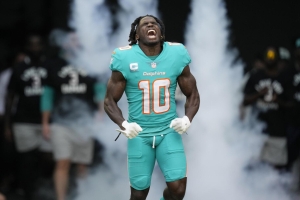 #25 Overall, Tyreek Hill, Free Agent, #3 Wide Receiver2025 Pre-Season Rank #18, 2024 Pre-Season Rank #8, 2023 Pre-Season Rank #28, 2022 Pre-Season Rank #35, 2021 Pre-Season Rank #53. Peak Period: 2019-23…
 -
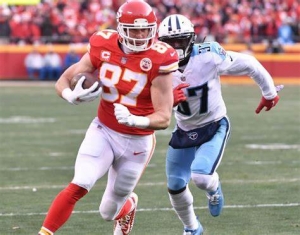 #5 Overall, Travis Kelce: Kansas City Chiefs, #1 Tight End2025 Pre-Season Rank #4, 2024 Pre-Season Rank #5, 2023 Pre-Season Rank #7, 2022 Pre-Season Rank #12, 2021 Pre-Season Rank: #20, 2020 Pre-Season Rank…in Tight Ends
 -
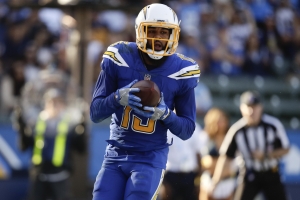 #49 Overall, Keenan Allen, Indianapolis Colts, #8 Wide Receiver2025 Pre-Season Rank #46, 2024 Pre-Season Rank #41, 2023 Pre-Season Rank #45, 2022 Pre-Season Rank #48, 2021 Pre-Season Rank #66, 2020 Pre-Season Rank…
 -
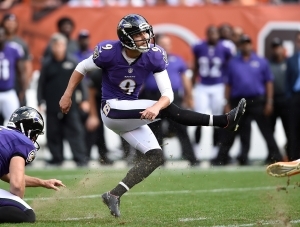 #36 Overall, Justin Tucker: Free Agent, Place Kicker, #1 Kickers & Special Teams2025 Pre-Season Rank #29, 2024 Pre-Season Rank #26, 2023 Pre-Season Rank #22, 2022 Pre-Season Rank #28, 2021 Pre-Season Rank #42, 2020 Pre-Season Rank…
Visit the Fictitious Halls of Fame!


You May Also Like...
EDITOR’S CHOICE
 DDT's Pop Flies
When the veterans committee (VC), officially convening as the Contemporary Baseball Era…


 Live Music Head
Project/Objectan interview with André Cholmondeleyby Live Music HeadOriginally published at timessquare.com on…

LATEST RANKINGS

MOST POPULAR RANKINGS

Committee Chairman
37. Reg Noble
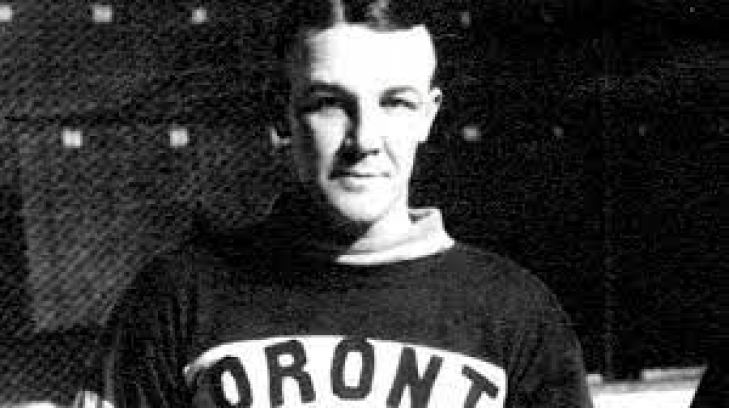
One of the most versatile players in the early days of Hockey, Reg Noble played in the first season of the NHL, where he helped take the Toronto Arenas to the Stanley Cup. Noble was just getting started.
Noble played both at Center and Defense, and was an early star at two-way play. He helped Toronto (now the St. Pats) win the Cup again in 1922, and he averaged 1.13 Points per Game for Toronto before he was sold to the Montreal Maroons in 1924. He played until 1933 and was the last man standing from the NHL's inaugural season.
Noble was elected to the Hockey Hall of Fame in 1962.
35. Harry Cameron

Playing for Toronto in three different stints dating all the way back to when the team was called the Arenas, Harry Cameron was an early prototype of the rushing Defenseman who could play make without sacrificing his end of the ice.
Cameron led the NHL in Assists twice and was a capable goal scorer who was also one of the first players who could curve his shot. A Stanley Cup Champion twice with Toronto, Cameron averaged over a Point per Game with Toronto (1.11), a rare accomplishment for any blueliner.
Cameron entered the Hockey Hall of Fame in 1962.
33. Tomas Kaberle
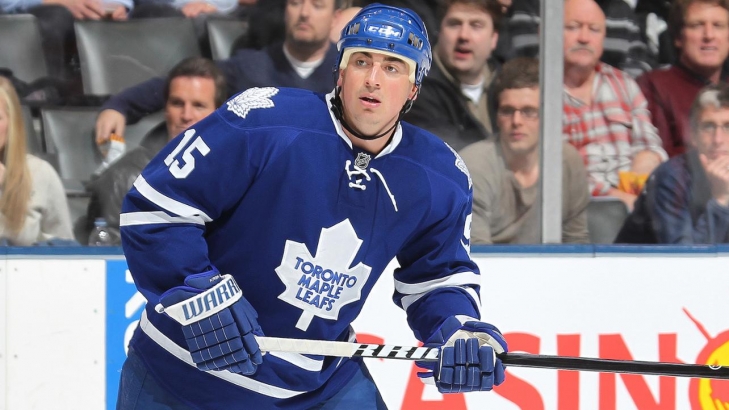
The Toronto Maple Leafs chose Czech Defenseman Tomas Kaberle in the Eighth Round of the 1996 NHL Draft, and it turned out to be a steal.
Kaberle first played for the Maple Leafs in the 1998-99 season, and before long, he was the team's top blueliner. Kaberle scored at least 40 Points seven times for Toronto, peaking at 67 in 2005-06. A four-time All-Star, Kaberle was excellent on the power play and had 520 Points over his tenure with the Maple Leafs.
Kaberle was traded to Boston during the 2010/11 Season and would win a Stanley Cup that year with the Bruins. As a Leaf, Kaberle scored 520 Points.
32. Sid Smith
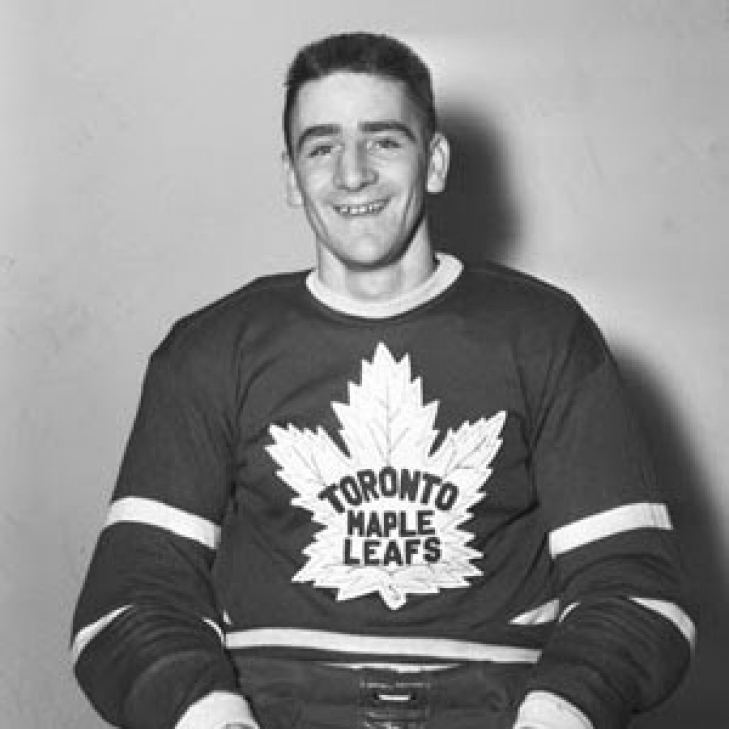
Sid Smith spent all 12 of his NHL campaigns with the Toronto Maple Leafs, and it can be argued that his contributions have not received their proper due in Hogtown.
Smith was signed in December of 1946, but played sparingly and was not on the roster when Toronto won the Cup that year. He was a minor help in their 1948 Cup, but the Left Wing was a big part of the 1949 Stanley Cup, Toronto's third in a row.
Smith continued to improve, winning another Stanley Cup in 1951 but earning Second Team All-Star honors that year and finishing atop the leaderboard in Power Play Goals (12). The Left Wing did not win another Cup, but his individual honors continued, with two Lady Byngs (1952 & 1955), another Second Team All-Star (1952), and a First Team Selection in 1955.
Injuries piled up, and Smith retired after the 1957-58 season with 369 Points and only 90 Penalty Minutes.
