

 Not in Hall of Fame News
Yes, we know that this is taking a while! As many of…
 Not in Hall of Fame News
Yes, we know that this is taking a while! As many of…
 Not in Hall of Fame News
2002 SEMI-FINAL RESULTS: Thank you for your participation in the Pro Football…
 Not in Hall of Fame News
Yes, we know that this is taking a while! As many of…
 Not in Hall of Fame News
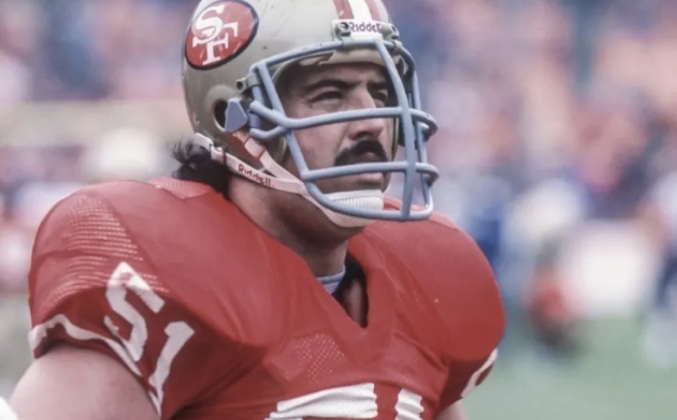
We are diligently working away at Notinhalloffame on revising our Football lists…
 Not in Hall of Fame News
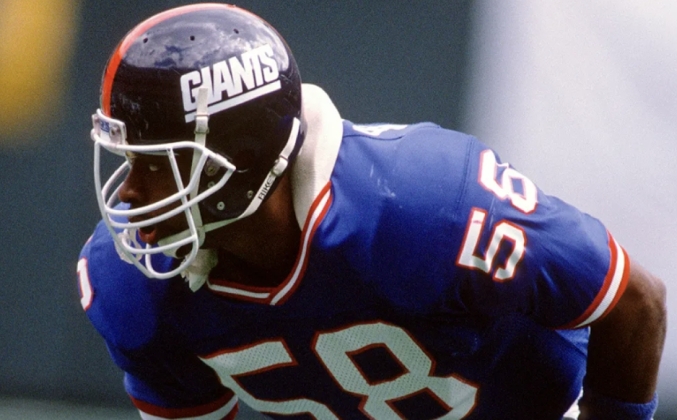
We are diligently working away at Notinhalloffame on revising our Football lists…
 From the Desk of the Chairman
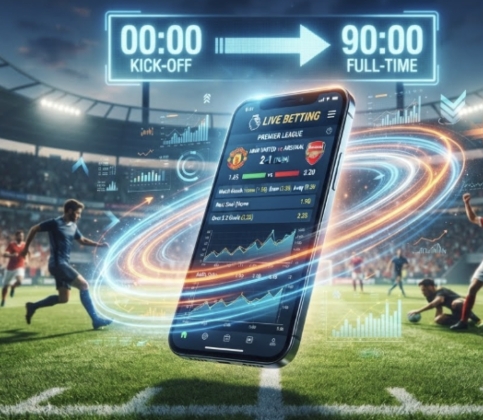
Unlike in the case of pre-match betting, where you have to pick…
 From the Desk of the Chairman
Kupu178 builds trust with people by using top-end end-to-end encryption. It checks…
 From the Desk of the Chairman
Sports fans thrive on calculating strategy, reading momentum, and maximizing every tactical…
 From the Desk of the Chairman
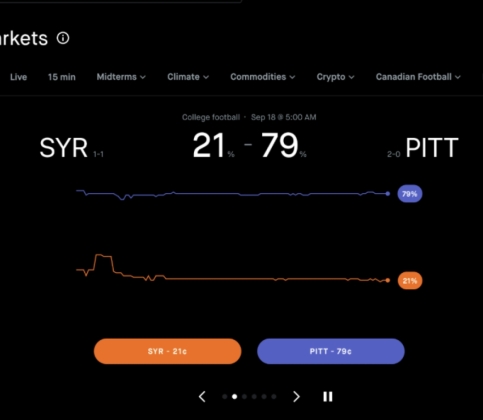
The 2026 NFL season is two weeks old and the division races…
 From the Desk of the Chairman
Sports communities are often built around things that have nothing to do…
 From the Desk of the Chairman
Every hall of fame eventually faces the same problem. The selection process…
100 Active Potential Football Hall of Famers
-
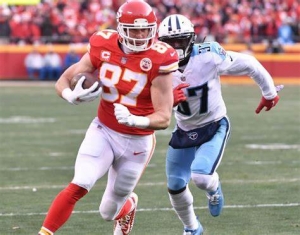 #5 Overall, Travis Kelce: Kansas City Chiefs, #1 Tight End2025 Pre-Season Rank #4, 2024 Pre-Season Rank #5, 2023 Pre-Season Rank #7, 2022 Pre-Season Rank #12, 2021 Pre-Season Rank: #20, 2020 Pre-Season Rank…in Tight Ends
 -
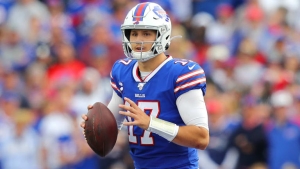 #16 Overall, Josh Allen, Buffalo Bills, #5 Quarterback2025 Pre-Season Rank #17, 2024 Pre-Season Rank #39, 2023 Pre-Season Rank #69, 2022 Pre-Season Rank #98, 2021 Pre-Season Rank #117. Peak Period: 2020-24.…in Quarterbacks
 -
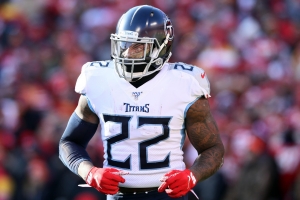 #11 Overall, Derrick Henry, Baltimore Ravens, #1 Running Back2025 Pre-Season Rank #11, 2024 Pre-Season Rank #23, 2023 Pre-Season Rank #39, 2022 Pre-Season Rank #47, 2021 Pre-Season Rank #70, 2020 Pre-Season Rank…
 -
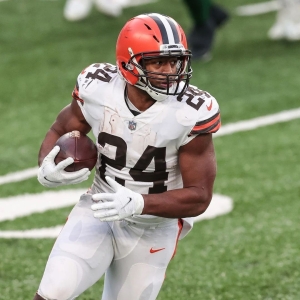 #40 Overall, Justin Jefferson, Minnesota Vikings, #5 Wide Receiver2025 Pre-Season Rank #38, 2024 Pre-Season Rank #50, 2023 Pre-Season Rank #101, 2022 Pre-Season Rank #130. Peak Period: 2020-24 Since he debuted in…
Visit the Fictitious Halls of Fame!
You May Also Like...
EDITOR’S CHOICE
 DDT's Pop Flies
When the veterans committee (VC), officially convening as the Contemporary Baseball Era…

 Live Music Head
Project/Objectan interview with André Cholmondeleyby Live Music HeadOriginally published at timessquare.com on…

LATEST RANKINGS

MOST POPULAR RANKINGS



Committee Chairman
What are the most popular sports in the United States?
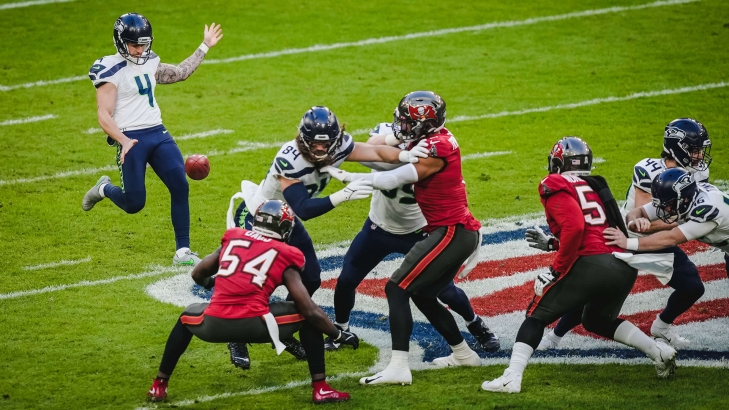
Ranking the Top 5 Sports in the United States
The United States being a sports-obsessed country surprises no one. Americans love their sports, especially if they get to drink and eat snacks while watching.
Grandstands are nearly always full for the popular professional leagues, while many elite colleges even sell out their arenas while playing games throughout the year.
With online sports betting also legalized in many parts of the country, the nation’s fascination with competitive sports is only likely to get more frenzied.
The love of sports in America has not changed much in the past few decades, but popular sports are slightly different. While dominant sports such as American football are here to stay, some sports have risen up the rankings and captured the hearts of Americans in recent years.
Below is our rundown of the top five sports in the United States.
1. American Football
No game has a deeper meaning in American culture than American football, which was invented and is mostly played in the United States. When you talk with any person on the street in any part of the USA, you can likely get them talking about their favorite football team if you steer the conversation in that direction.
The National Football League regularly has better TV viewership numbers compared to other sports on this list. This shows that even when Americans are not attending football games in person, they watch at home.
Aside from the professional league, college football is also a phenomenon in the United States. Colleges can regularly sell out huge stadiums of 30,000 or 40,000 people, while they even get TV viewership numbers in the millions for big games.
2. Baseball
Another sport that is huge in the United States is baseball. Slightly more popular around the world compared to American football, baseball is still predominantly seen as an American sport. Around half of all Americans have a favorite baseball team, even if all of them are not watching regularly.
One of the reasons why baseball has always remained so popular in America, even in an era of decreased attention spans, is because of its part in the country’s culture. Going to a baseball game is not about watching the sport, but about having a day out with friends or family at a wonderful stadium in a great part of your city.
College baseball is not on the same level as college football in terms of popularity, but ratings for MLB baseball games do compare with NFL football, depending on the time of the year and who is playing. Betting stats also show that similar numbers of wagers are placed on baseball games, as compared to American football matches.
3. Basketball
The sport of basketball is in an interesting position in the United States. There is huge money in the league, with the top players such as LeBron James making a fortune on and off the court.
Stadiums are usually full, and there is a lot of attention on college basketball as well. The issue for basketball is that despite having a lot of money in the sport and a great deal of popular cultural relevance, its TV ratings are not on par with football or baseball.
Around a quarter of Americans say they play basketball semi-regularly, but the issue is that most of them are not watching most weeks. One of the reasons that basketball may not get the TV ratings of other sports is that there are so many regular season and playoff games that it can feel overwhelming for fans.
4. Boxing
While MMA is clipping at the heels of boxing through its popular UFC league, the sport is still hugely popular in the United States. Top athletes of the past, such as Mohammed Ali, are national icons. Even modern stars, like Floyd Mayweather, are well-known and extremely successful because of the sport.
Boxing does have more of a niche audience, compared to the other sports on this list, but that audience is very passionate. Boxing fans not only know a great deal about the history of the sport, but they are willing to pay good money to watch their favorite boxers compete, both in person and on television.
5. Soccer
A surprise appearance on this list, soccer has risen in popularity in the United States in the past decade. While the beautiful game is legendary worldwide, it does not always get the same recognition or appreciation stateside.
That is changing with the latest generation of sports fans in America, with many now tuning in to watch European soccer leagues such as the English Premier League and Spanish La Liga. Competitions such as the men’s and women’s World Cup have also contributed to the sport’s increased presence in the United States.
With America set to be one of the hosts for the 2026 World Cup, soccer may even grab a fourth spot on this list in a few years.
Scott Rolen Elected into the Baseball Hall of Fame
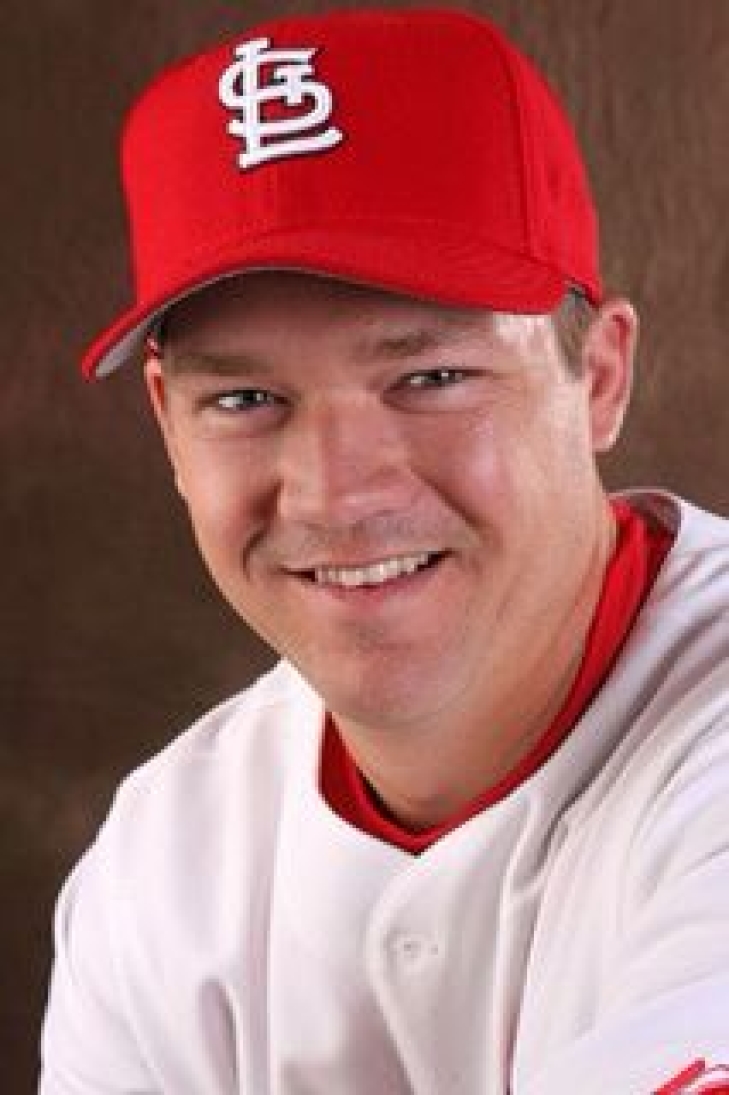
If you are a Baseball fan, today is the day in “Hall of Fame Season” that is the pinnacle: the annual announcement of the Baseball Hall of Fame Class.
Rolen enters the ballot on his 6th year on the ballot. Increasing his total from 63.2% to squeaking in with 76.3%, Rolen was a seven-time All-Star, a World Series Champion in 2006 with St. Louis and he also won eight Gold Gloves at Third Base and one Silver Slugger. He enters Cooperstown with 2,077 Hits, 316 Home Runs, a bWAR of 70.1 and a decision as to which hat he will wear on his plaque (it has to be St. Louis, right?). Ranked #15 on Notinhalloffame.com.
The players who did not make the Hall were:
Todd Helton, 72.2%, 5th Year on the Ballot. Helton looks like he will wait one more year, but he is getting in, showing a 20.2% rise from the year before. The “Toddfather” blasted 369 Home Runs with 2,519 Hits with a lifetime Batting Average of .316, and the five-time All-Star had four Silver Sluggers and three Gold Gloves. Helton is ranked #11 on Notinhalloffame.com.
Billy Wagner, 68.1%, 8th Year on the Ballot: Wagner keeps getting closer, showing a sizable increase from his 51% from last year. The former seven-time All-Star and owner of 422 Saves looks to be the next Relief Pitcher to be inducted. Wagner is ranked #41 on Notinhalloffame.com.
Andruw Jones, 58.1%, 6th Year on the Ballot: We were stunned when in both 2018 and 2019, that Jones had less then 10% of the votes, and how could we not be! The native of Curacao has 434 Home Runs, a bWAR over 60, a Silver Slugger and ten Gold Gloves. Last year, Jones had 41.4%, and his voting rise tells us that he will enter this decade. Jones is ranked #38 on Notinhalloffame.com.
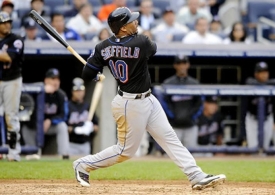
Gary Sheffield, 55.0%, 9th Year on the Ballot: Sheffield is a member of the 500 Home Run club, but the nine-time All-Star played for eight different teams, and his appearance on the Mitchell Report does him no favors. He climbed substantially from 40.6%, but he only has one more shot. He won’t get there. Sheffield is ranked #22 on Notinhalloffame.com.
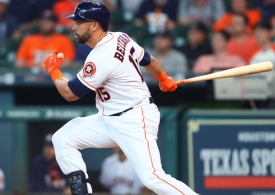
Carlos Beltran, 46.5%, 1st Year on the Ballot. Betran has the Hall of Fame resume (2,725 Hits, 435 HR, 1,587 RBI, 312 SB & 70.1 bWAR) but we suspect that many voters wanted Beltran to pay penance for his lead role in the Astros 2017 sign-stealing cheating scandal. Beltran is ranked #10 on Notinhalloffame.com.
Jeff Kent, 46.5%, 10th Year on the Ballot. It is the end of the road for Kent, who was a former MVP. His tally this year is his highest on the Modern Era ballot, and he now moves into the Senior Pool. Kent is ranked #50 on Notinhalloffame.com.
Alex Rodriguez, 35.7%, 2nd Year on the Ballot. A-Rod has the best resume on the ballot. He is a three-time MVP, 14-time All-Star, ten-time Silver Slugger and three-time Gold Glove winner. His bWAR is over 115. He is a World Series Champion. That will not be enough to overturn his multiple positive PED tests, and no relationship with J-Lo or anyone of her ilk will overcome this. He did improve from last year’s 34.3, but not by much. Rodriguez is ranked #3 on Notinhalloffame.com.
Manny Ramirez, 33.2%, 7th Year on the Ballot. Manny Ramirez is one of the most important players in Red Sox history, but like A-Rod, he was caught taking PEDs after the MLBPA agreed to that players would be suspended if caught. Ramirez will continue to tread water until he is ushered off the ballot in three years. He is Ranked #9 on Notinhalloffame.com.
Omar Vizquel 19.5%, 6th Year on the ballot PEDs have derailed many potential Hall of Famers on this list, but for Vizquel it is domestic violence. When that scandal came out, the 11-time Gold Glove recipient, who was once at 52.0% of the voting, dropped to 23.9% and is now even lower at 19.5%. He has no chance. Vizquel is ranked #49 on Notinhalloffame.com.
Andy Pettitte, 17.0%, 5th Year on the Ballot. Pettitte won 256 Games over his career, won five World Series Rings, but also has a positive PED test, which is costing him a plethora of votes. He is ranked #39 o Notinhalloffame.com.
Bobby Abreu, 15.4%, 4th Year on the Ballot. Abreu amassed 2,425 Hits, was a two-time All-Star and he breaks double-digits in voting for the first time. It is still a tough task for Abreu, but based on his plate-patience, he can wait! He is ranked #77 on Notinhalloffame.com.
Jimmy Rollins, 12.9%, 2nd Year on the Ballot. The former World Series Champion and MVP remains on the ballot with excellent power numbers, but lousy advanced metrics. He is Ranked #110 on Notinhalloffame.com.
Mark Buehrle, 10.8%, 3rd Year on the Ballot. Buehrle continues to cling to the ballot, but is yo-yoing, going from 11.0% to 5.8% and now back up to. Ranked #79 on Notinhalloffame.com.
Francisco Rodriguez 10.8% 1st Year on the ballot. K-Rod survives the first ballot, and he has similar numbers as Wagner; 437 Saves, but owns a World Series Ring. Ranked #172 on Notinhalloffame.com.
Torii Hunter 6.9%, 3rd Year on the Ballot. Hunter continues to hang on for life on the ballot and at this point that might be the best you can hope for. Ranked #194 on Notinhalloffame.com.
Any candidate who received less that 5.0% of the votes are now removed from the modern era ballot.
This means that those who received 0.3% (Bronson Arroyo, R.A. Dickey, John Lackey, Mike Napoli and Huston Street) and 0.0% (Matt Cain, Jacoby Ellsbury, Andre Ethier, J.J. Hardy, Jhonny Peralta, Jared Weaver and Jayson Werth) are eliminated.
We will now remove Fred McGriff and Scott Rolen from our Notinhalloffame Baseball List and add those who are now eligible. The list will also be revised based on your votes, comments, and social media interactions.
We here at Notinhalloffame.com would like to congratulate the newest members of the Baseball Hall of Fame, and we will see you this summer at Cooperstown!
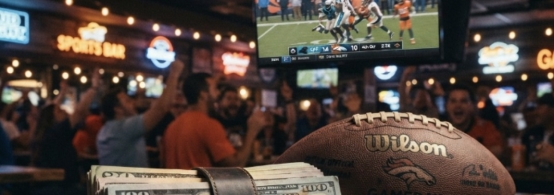
How to Bet on NFL Games at the Casino
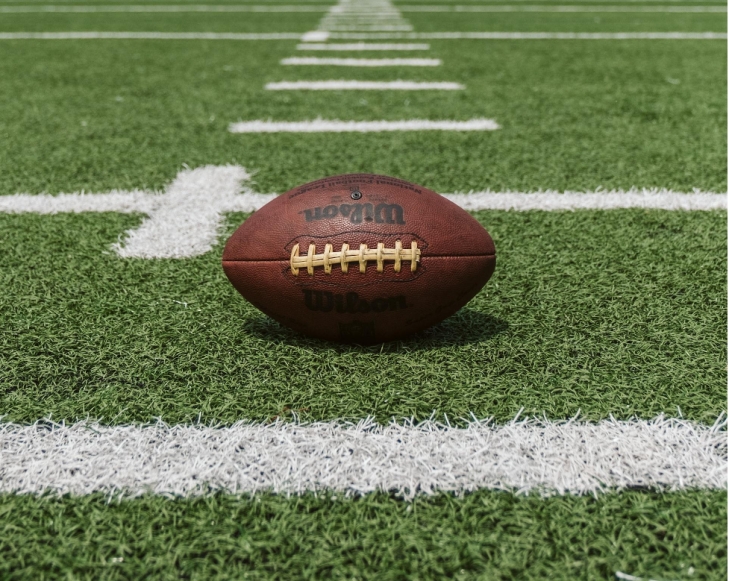
Betting is a popular hobby that millions around the globe regularly practice. It’s adventurous and simply lets people enjoy sports more. Every new game is an exciting opportunity not only to cheer for your team but potentially win some money. One of the most popular sports globally is NFL. That’s why you’ll find the sports available on online casinos real money platforms. They are easily accessible from both desktop and mobile devices and offer a wide range of NFL betting features. In this article, we’ll answer the question of how to bet on NFL games at casino. Keep reading to learn a couple of valuable tips.
Pick the Right Platform
The starting step is finding the right platform for NFL betting. There are several things to take in mind. Luckily, you can explore them without even creating an account, which makes things simple. Take a look at the following:
- What’s the welcome bonus? - A good welcome bonus will help you get started with a bonus bet or a deposit match bonus that you could use. Compare bonuses offered by other brands and pick your best bet. Pay attention to playthrough requirements as these show how realistic is that you will withdraw winnings from bonus funds.
- What are the casino NFL odds? - This is a crucial thing when you take a look at the whole picture. Picking a platform with competitive odds will work well for you in the long run. You can potentially win more money if a brand is offering great NFL casino odds. Also, check whether there is any NFL casino sponsorship deal, as it might mean that the casino will offer boosted odds when that team is playing.
- What types of bets are available? - The bigger the range of available bets, the better. It only means that you have more chances to show off your knowledge and potentially make money.
- Are live streaming and betting available? - You can have it all in one platform. While you’ll find that many are offering live betting features, not many support live streaming. This is a great way to watch the game and place in-play bets while watching.
- Is the platform reputable? - Last but not least, you want a platform that will pay out your wins. So pick a reputable online casino that holds licensing from the relevant gambling authorities.
Now, let’s look at things to learn to increase your chances of winning the next bet.
Follow the Latest News
Keeping up with the latest news opens an opportunity for smarter bets. The more information you can gather, the better. This usually refers to any player injuries. If someone important is not able to play the next game for any reason, the team will not be as good as it usually is. That needs to be reflected in the bet you’re placing.
On the other hand, if a player is having some kind of challenges in his life off the pitch, there’s a chance that they might not be able to focus fully on the game. All these little things have a big role in betting. Experienced bettors are well aware of this, and that’s why you’ll find them reading about the lives of the players all the time. They are gathering more information to use when they’re betting next time.
Doing your research regularly will turn a bet into a winning one just because you were able to better predict an outcome.
Casino NFL Betting Types
As mentioned above, you want a platform that has all the popular bet types available. That way, you can combine different bets and establish strategies to increase your chances of winning. The most popular betting markets include:
- Point spreads - With a point spread, you’re placing one team at a disadvantage. So one team has to win against the other by a certain amount of points. If you score this type of bet, the reward is usually high.
- Moneyline - This is the simplest form of betting, you’re simply picking who’s going to be a winner.
- Total - This bet guesses whether the teams will score over or under the number of points proposed by the sportsbook.
- Parlay bet - Parlay bets combine multiple other bets and place them on a single bet slip. While it’s much harder to win, it’s really rewarding.
- Futures bet - This bet lets you guess the outcome of an important event in the future. For example, who’s going to win the Super Bowl, months before it happens.
- Prop bet - Prop bets are more custom, meaning that you can bet what a certain player will do in the game.
The key is to combine the knowledge gathered from the team’s previous games and news and make smarter assumptions when betting. These different bets will allow you to create a compelling strategy that might lead to a higher win chance.
5 Black Lesbians Who Are Rock’n’Roll Hall of Fame Worthy
Rock’n’Roll Hall of Fame is filled with exceptional artists and creatives who made their mark in the music industry. Being inducted into the hall of fame is no mean feat, especially if you are black and a lesbian. The black community has seen multiple artists make their way into the hall of fame thanks to their standout talents that made them hard to ignore. Being a lesbian in today’s world comes with multiple challenges, especially heavy criticism. Many lesbians struggle with coming out of the closet, yet some have already done so.
This article highlights a few notable black Rock’n’Roll artists who have made their mark in history.
1. Rosetta Tharpe
Tharpe will go down in history as arguably the most musically talented black guitar-playing heroines, and rightfully so. Springing from the deep musical traditions of the Pentecostal church, Rosetta Tharpe achieved milestones that no performer in her time did. With her amazing voice, Tharpe took Pentecostal music and presented it to the world. Her amazing soprano and unrivaled guitar-playing techniques made audiences go crazy whenever she performed. Tharpe’s guitar-playing ability was a level higher than most performers in the industry.
Tharpe is respected and loved by many, and for good reasons. Big-name artists like Elvis Presley, among others, have given testimonials on how much Tharpe was a major influence on their careers. While her success never went unnoticed, one thing few people knew was her dating life. On several occasions, she was rumored to be a black lesbian dating lover. At one point, fans even thought that she was dating another popular singer, Rosetta’s standout talents were officially acknowledged by the music industry when she officially became a Hall of Famer.
Regardless, you can still open any dating site for black lesbian dating and meet her true fans seeking someone like-minded there. The best part is that if you are a black lesbian yourself, you can open a dating site and use the topic of music and Rosetta, in particular, as an icebreaker. You’ll be surprised by how many black lesbians find her inspiring and therefore are always happy to meet someone who appreciates great music and outstanding black female heroines.
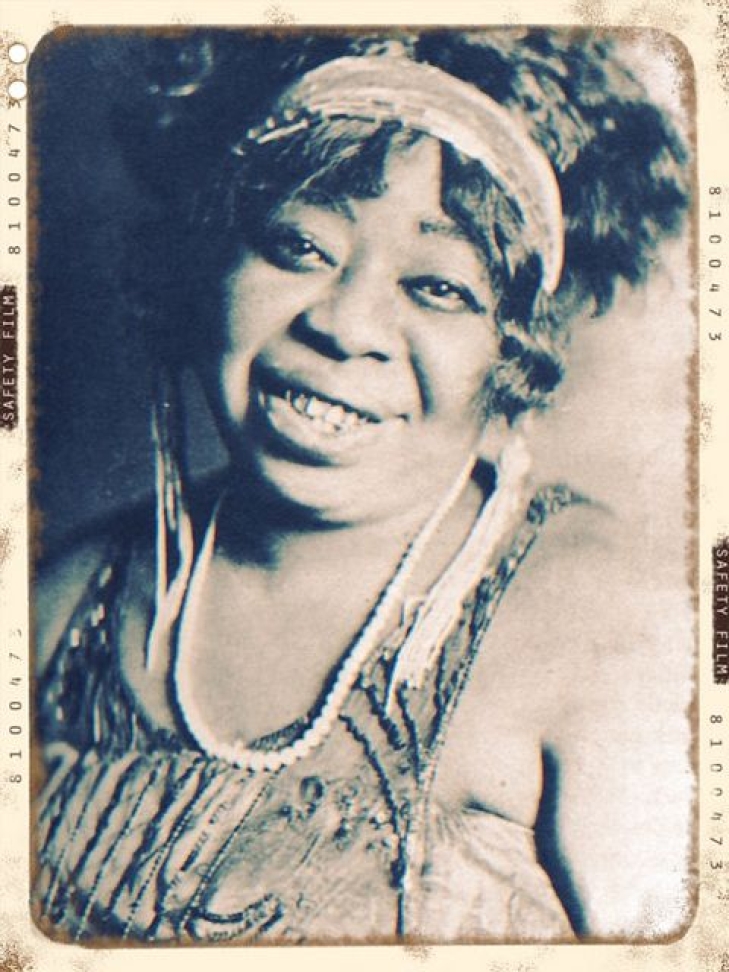
2. Ma Rainey
Being regarded as the mother of an entire music genre is no mean feat. Rainey’s impact on the music industry has been quite extensive. Gifted with a deep beautiful voice and notable stage presence, Rainey took over the music industry by storm. She was born in the early 20th century, back when segregation was at extreme levels.
Despite being black, Rainey seemingly drew large crowds of mixed races thanks to her standout talent. She was an inspiration to many singers, including Janis Joplin. Rainey also mentored many people who became stars, like Bessie Smith. She is a current Rock’n’Roll Hall of Famer, and rightfully so. Some of her lyrics highlight her love for women, and one can only assume that she was a lesbian.
3. Janelle Monae
Janelle’s name might be a household name these days, but few people know what it took for her to make it in the music industry. Born to parents who wore a uniform to work day in and out, Monae has had an explosive impact on the music industry. She has released several exceptional albums and won multiple Grammy awards nominations. She’s also featured in several movies.
One of her biggest achievements is coming out in support of the lesbian community and women. Monae advocates for equality and has, on several occasions, come out to speak up against the harassment of women, particularly in workplaces. She has gone on record to state that she is pansexual. While she might not yet be inducted into the hall of fame, the path to achieving that milestone appears to be well-lit.
4. Dana Owens
Widely regarded as an icon by many female artists, Dana Owens, also known as Queen Latifah, embodies grit and awesomeness. She was born in March 1970 and has worn many hats over the years. Apart from being an actor, she is also a rapper, songwriter, and TV personality.
Dana Elaine Owens’ name ought to be engrained in the hall of fame because of the influence that she’s had in the world of entertainment. Not only is Dana a great poet and songwriter, but she’s also arguably the best female entertainer. Owens has reached genres of people from all around the world. She has many different albums that have sold millions of copies. Her songs have motivated people to pursue their passions and even spread awareness of numerous different cultures worldwide. Her work is exceptional and deserves to be recognized among the few top black entertainers.
5. Tracy Chapman
In 1964, an almost angelic-voiced Tracy Chapman was conceived. From an early age, she relished singing, and little did she know that music would change her entire future. Like most women on this list, Tracy had a tough upbringing that motivated her later in life decision to become a feminist.
Chapman has been an inspiration to successful and aspiring singers alike. For years, she’s worked as an activist and gone ahead to speak and perform for countless nonprofit organizations. While there’s so much Chapman has done, one thing she’s yet to do is to talk publicly about her private life. While there have been rumors that she’s a lesbian, there’s no record of her coming out and admitting to anything.
Conclusion
When it comes to sheer talent, the black community has many different top talents. Many talented and influential black artists have impacted their communities and the world. Besides Dana Owens, Sister Tharpe, and more on this list, several other lesbian female stars have been a shining light for many.
