

 Not in Hall of Fame News
Would you like to know what we love the most about the…
 Not in Hall of Fame News
1993 SEMI-FINAL RESULTS: Thank you for your participation in the Pro Football…
 Not in Hall of Fame News
Regular visitors of Notinhalloffame.com know that we are slowly working on the…
 Not in Hall of Fame News
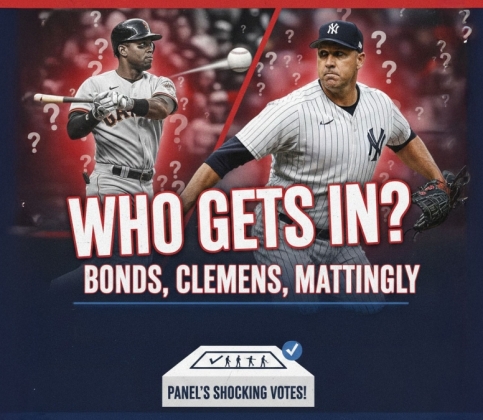
Last January, the Baseball Hall of Fame announced the Class of 2026,…
 Not in Hall of Fame News
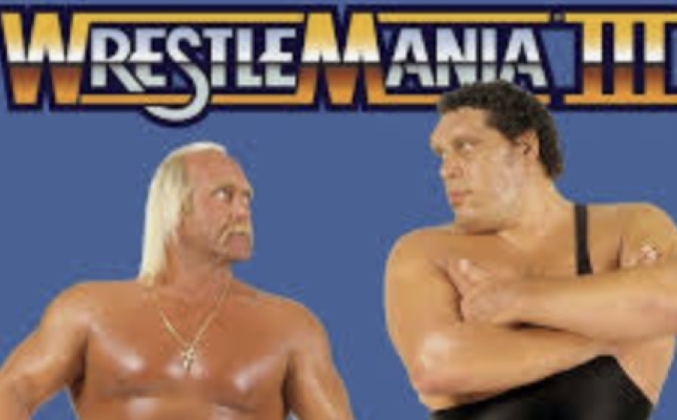
The WWE Hall of Fame announced that the Hulk Hogan vs Andre…
 Not in Hall of Fame News
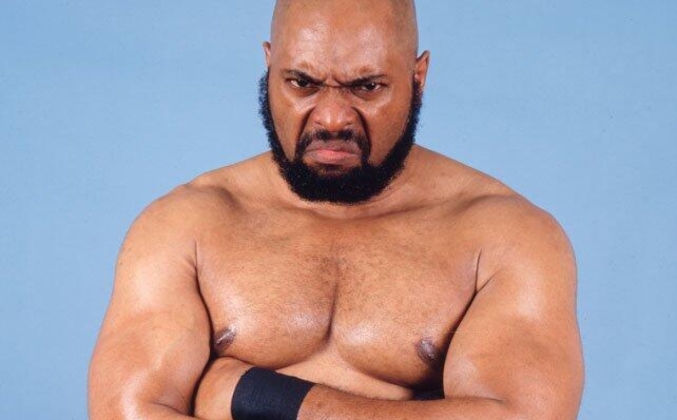
It was announced that Bad News Brown will be inducted into the…
 From the Desk of the Chairman
Synthetic turf has become an increasingly familiar surface in the sports world.…
 From the Desk of the Chairman
Athletic performance is shaped by discipline, training, and resilience, but motivation often…
 From the Desk of the Chairman
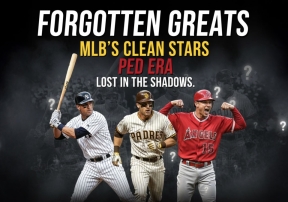
The first month of the MLB season always feels a bit unsettled.…
 From the Desk of the Chairman
Sports and regular physical activity are widely celebrated for building strength, improving…
 The Buck Stops Here
The wait is over! Join the NotInHallOfFame.com crew—Kirk Buchner, Evan Nolan, and…
 The Buck Stops Here
Join Kirk Buchner and Evan Nolan from NotInHallOfFame.com for a special roundtable…
100 Active Potential Football Hall of Famers
-
 #24 Overall, DeAndre Hopkins, Baltimore Ravens, #4 Wide Receiver2024 Pre-Season Rank #24, 2023 Pre-Season Rank #20, 2022 Pre-Season Rank #28, 2021 Pre-Season Rank #30, 2020 Pre-Season Rank #44. Peak Period: 2015-19…
 -
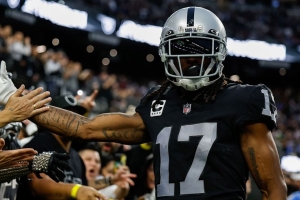 #23 Overall, Davante Adams, Los Angeles Rams, #3 Wide Receiver2024 Pre-Season Rank #27, 2023 Pre-Season Rank #24, 2022 Pre-Season Rank #43, 2021 Pre-Season Rank #67, 2020 Pre-Season Rank #95. Peak Period: 2018-22…
 -
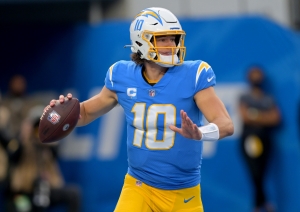 #97 Overall, Justin Herbert, Los Angeles Chargers, #14 Quarterback2024 Pre-Season Rank #116, 2023 Pre-Season Rank: 116, 2022 Pre-Season Rank: #129. Peak Period: 2020-24 The Chargers have their Quarterback for the long…in Quarterbacks
 -
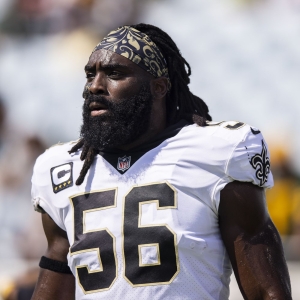 #47 Overall, DeMario Davis, New Orleans Saints Linebacker, #5 Defensive Lineman/Linebacker: Interior Lineman2024 Pre-Season Rank #47, 2023 Pre-Season Rank #61, 2022, Pre-Season Rank #137. Peak Period: 2019-23 Davis, a veteran player, has experienced a significant…
Visit the Fictitious Halls of Fame!


You May Also Like...
EDITOR’S CHOICE
 DDT's Pop Flies
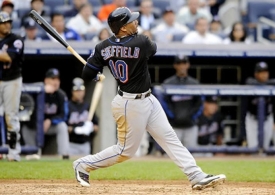
When the veterans committee (VC), officially convening as the Contemporary Baseball Era…


 Live Music Head
Project/Objectan interview with André Cholmondeleyby Live Music HeadOriginally published at timessquare.com on…
LATEST RANKINGS



MOST POPULAR RANKINGS

Site Admin
16. Adam Jones
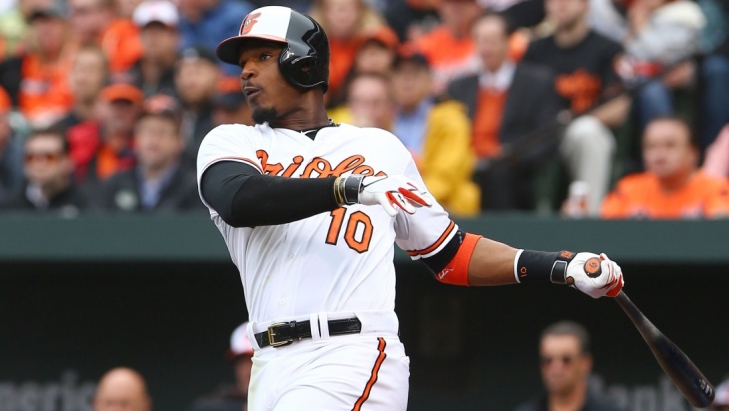
In the winter of 2008, the Baltimore Orioles executed a franchise-altering trade, acquiring Adam Jones as the center jewel of a five-player package from Seattle in exchange for Erik Bedard. It was a transaction that would define an era; had the deal been a simple one-for-one swap, the Orioles still would have emerged as the runaway winners.
Jones stepped into center field as a 22-year-old and anchored the position for the next 11 seasons. A five-time All-Star and four-time Gold Glove winner, "Pappo" became the heartbeat of the clubhouse. He was a model of durable power, swatting at least 25 home runs annually from 2011 to 2017—a stretch that included two 30-homer campaigns. While his aggressive "free-swinging" style led to a lower .319 on-base percentage, his .279 career average and 263 home runs in a Baltimore uniform made him one of the most productive outfielders in the team's history.
Defensively, Jones was a high-energy asset who patrolled center with elite athleticism early in his career. In his debut 2008 season, he showcased a "sparkling" defensive ceiling, leading the American League with 16 Total Zone Runs (and ranking among the league leaders in overall defensive efficiency). While he would never quite reach those specific statistical heights again, his four Gold Gloves (2009, 2012–2014) serve as a testament to his reputation as one of the premier outfield generals of his time.
Beyond the numbers, Jones was the leader of the teams that finally returned Baltimore to October, appearing in three postseasons during his tenure. He left the club as a free agent in 2019, departing with 1,781 hits, 263 home runs, and 866 RBIs. His induction into the Baltimore Orioles Hall of Fame in 2024 (formally announced in 2025) was a mere formality for a man who didn't just play for the Orioles—he carried the torch for them for over a decade.
19. Bobby Grich
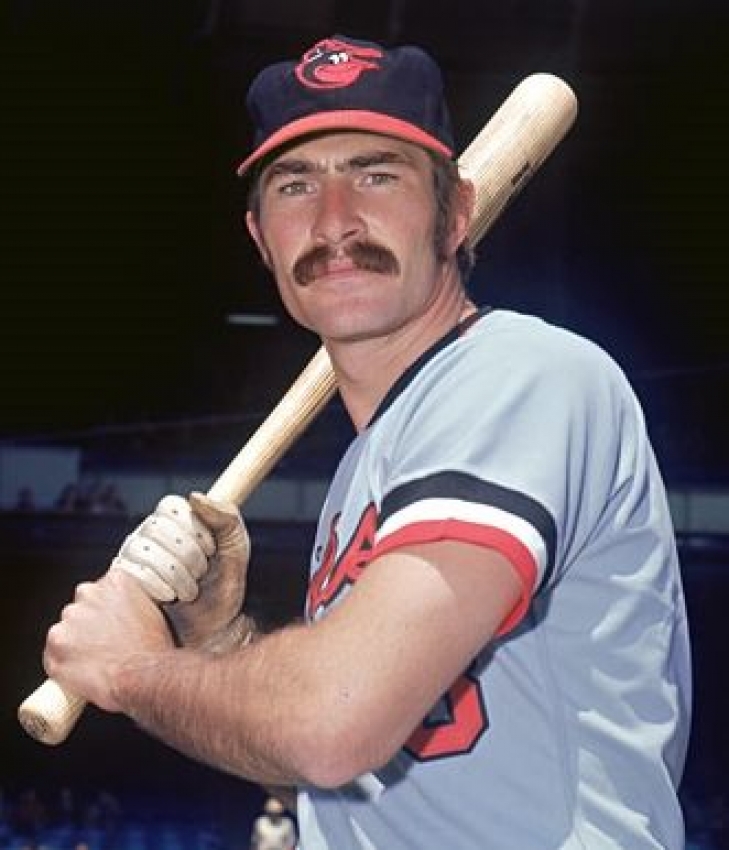
While Bobby Grich is often associated with the California Angels, he "cut his teeth" and reached his statistical zenith as a member of the Baltimore Orioles. A first-round pick in 1967, Grich was so talented that he forced the Orioles to trade away an incumbent All-Star (Davey Johnson) just to get his bat and glove into the lineup full-time by 1972. It was a move that paid immediate dividends, as Grich became the premier all-around second baseman in the American League.
Grich was a cornerstone of the Orioles' defensive "Iron Wall." Between 1973 and 1976, he captured four consecutive Gold Gloves, anchoring a middle infield alongside Mark Belanger that remains the gold standard for run prevention. His 1973 campaign was a masterpiece of "Era Dominance"; he set an all-time Major League record with a .995 fielding percentage and recorded a staggering 4.0 Defensive bWAR. That same year, Grich led the entire American League in total bWAR with an 8.3, proving that his "invisible" value was more impactful than the league's most famous sluggers.
Offensively, Grich was a pioneer of the "on-base revolution." While his .262 Baltimore average was modest for the era, his elite eye produced a .372 on-base percentage and five seasons of 13 or more home runs. He was a three-time All-Star in Charm City before departing for California as a free agent in 1976. Remarkably, though he played nearly 450 more games for the Angels, Grich’s peak value remained in Baltimore, where he accumulated more bWAR (36.0) in just seven seasons.
Inducted into the Baltimore Orioles Hall of Fame in 1998, Grich remains a favorite of historians and analysts alike—a player whose true greatness was revealed not by the back of a baseball card, but by the modern metrics that prove he was a giant of the diamond.
21. Vern Stephens
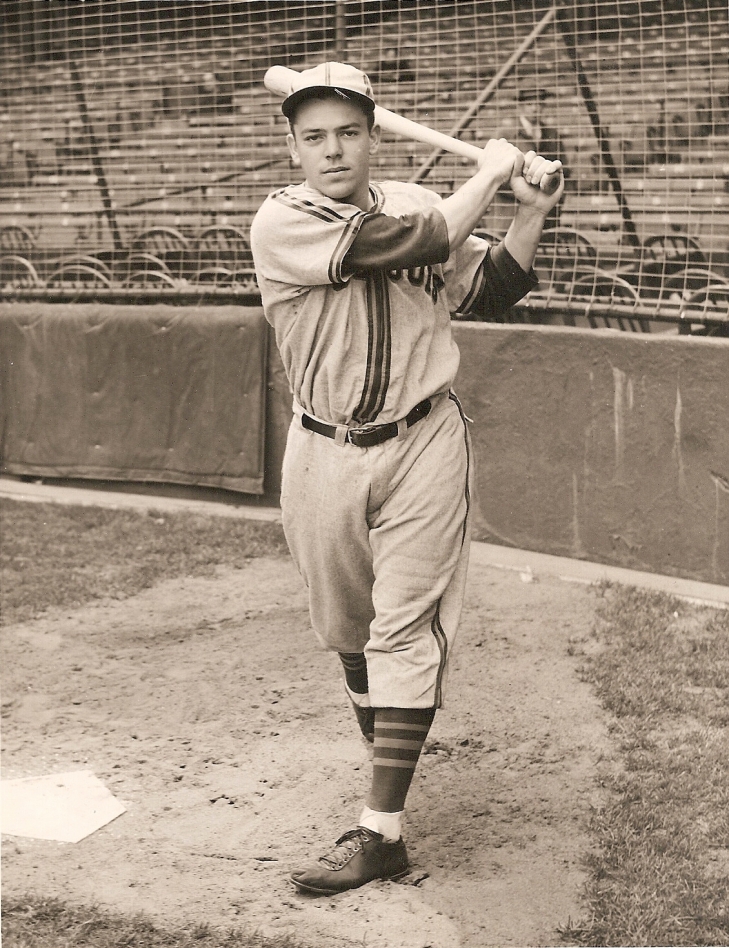
Vern Stephens arrived in St. Louis in 1941, quickly establishing himself as one of the most dynamic young talents in the American League. While many of his contemporaries departed for military service during World War II, Stephens remained a fixture in the Browns' lineup, producing a standard of offense rarely seen from the shortstop position in that era.
His impact was immediate. In his first full season in 1942, Stephens batted .294 and slugged 14 home runs, finishing an incredible fourth in the American League MVP voting. From 1943 to 1945, he reeled off three consecutive All-Star selections and three straight 20-home run campaigns. His peak in St. Louis arrived during the historic 1944 season; Stephens led the American League with 109 RBIs, serving as the offensive heartbeat of the team that captured the only American League Pennant in Browns history. He followed that performance in 1945 by leading the league with 24 home runs, cementing his reputation as a premier slugger.
Though Stephens would eventually be traded to the Boston Red Sox after the 1947 season—where he continued his All-Star trajectory—his legacy in St. Louis remains unmatched for a middle infielder. He departed the Browns with exactly 1,100 hits, 121 home runs, and a robust .292 batting average. In the Project Diamond lab, Stephens stands as the gold standard for offensive production at shortstop during the franchise's St. Louis years.
17. Ken Singleton
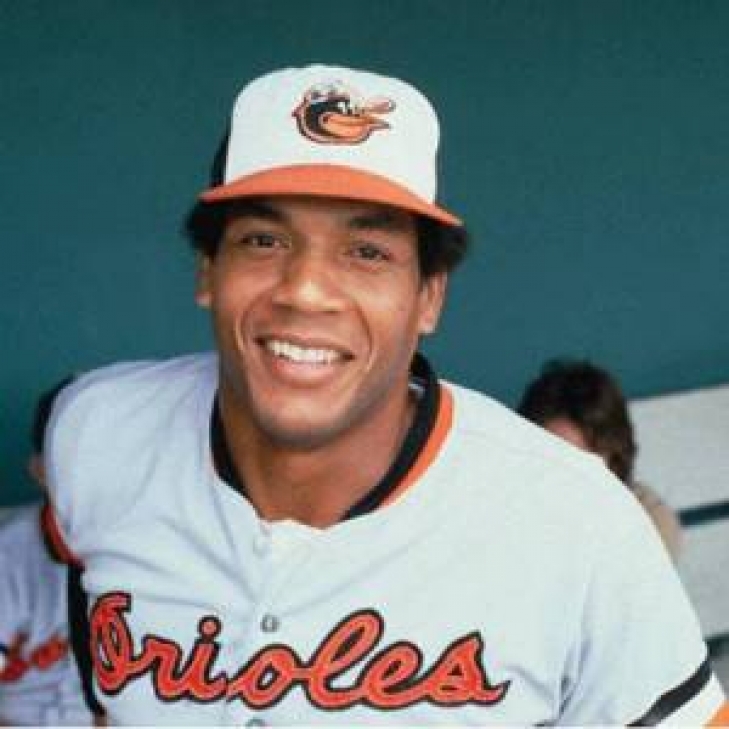
While Ken Singleton first established himself as a frontline starter in Montreal, it was his 1974 trade to Baltimore that transformed him into one of the most feared and disciplined hitters in the American League. The Expos’ decision to part with the switch-hitting outfielder remains one of the most regrettable moves in their history, as Singleton would spend the next decade becoming a cornerstone of the Orioles' offensive philosophy.
A three-time All-Star (1977, 1979, and 1981), Singleton combined steady power with a surgical approach at the plate. He reeled off four consecutive 20-home run seasons between 1977 and 1980, peaking with a career-high 35 homers in 1979—a season in which he finished as the American League MVP runner-up. His value, however, was anchored by a legendary batting eye. Singleton recorded three .300 seasons and posted an elite on-base percentage of .400 or higher four times. He was a perennial fixture on the league leaderboards, finishing in the AL top ten for OBP eight times and in the top ten for OPS six times.
Singleton was the veteran presence that helped steer Baltimore to the 1983 World Series title, providing a professional approach that defined the "Oriole Way" during his penultimate season. He retired in 1984, leaving the game with 1,455 hits, 182 home runs, and a sterling .284/.388/.445 slash line in a Baltimore uniform. Inducted into the Orioles Hall of Fame in 1986, Singleton remains the gold standard for switch-hitting excellence and plate discipline in franchise history.