

Our All Time Top 50 Pittsburgh Pirates have been revised to reflect the 2025 Season

Yes, we know that this is taking a while!
As many of you know, we at Notinhalloffame.com are slowly generating the top 50 of each major North American sports team. That being said, we maintain and update our existing Top 50 lists annually. We are pleased to present our pre-2026 revision of our top 50 Pittsburgh Pirates.
As for all of our top 50 players in baseball, we look at the following:
1. Duration and Impact.
2. Traditional statistics and how they finished in the Major League Baseball.
3. Advanced Statistics.
4. Playoff performance.
5. Their respective legacy on the team.
6. How successful the team was when he was there.
7. Respecting the era in which they played.
Criteria 1-4 will make up the lion’s share of the algorithm. Please note that we have implemented this for the first time. This has changed the rankings all throughout the board.
Last year, the Pirates finished last in the National League Central, winning only 71 games. There were no new entrants, and only one active player was on the list. Of note, Paul Skenes was very close to breaking the top 50 despite the brevity of his career.
As always, we present our top five, which remains unchanged.
1. Honus Wagner
2. Roberto Clemente
3. Paul Waner
4. Willie Stargell
5. Arky Vaughan
You can find the entire list here.
We thank you for your continued support of our lists on Notinhalloffame.com.
50. Kiki Cuyler

The mid-1920s saw a surge in offensive play across Major League Baseball, but few players, like Kiki Cuyler, matched the speed of that era. He not only hit well but also raced around bases with relentless speed, earning the nickname "The Flint Flash." For a brief, intense period at Forbes Field, Cuyler was at the top of the sport, combining contact hitting with exceptional speed to help lead his team to a championship.
Following a handful of brief September look-ins at the start of the decade, Cuyler fully broke into the everyday starting lineup as a rookie during the 1924 campaign. Thrust into the starting right field vacancy, he systematically dismantled National League pitching staffs, batting a spectacular .354 while lashing out 165 hits and swiping 32 bases in just 117 games.
That impressive debut immediately showcased his position as a top player, paving the way for a second summer that became one of the most outstanding individual seasons in franchise history. His real breakthrough in baseball came during the 1925 pennant race, when Cuyler delivered a spectacular, multifaceted offensive performance. He led all of baseball with a record 144 runs scored in the post-1900 National League and hit an impressive 26 triples—a league-high—among his 220 total hits.
He posted an impressive .357 batting average and hit 18 home runs, including an incredible eight inside-the-park homers, finishing second to Rogers Hornsby in the National League MVP voting. That fall, his legacy was cemented during Game 7 of the 1925 World Series, where he demonstrated remarkable resilience by hitting a crucial, bases-clearing double off Washington star Walter Johnson in the eighth inning, despite a heavy rain and muddy conditions at Forbes Field, helping secure the championship.
Despite his rapid rise to the top of the sport, his local narrative suddenly collapsed irreversibly. The emergence of future Hall of Famer Paul Waner pushed Cuyler to different outfield positions. In 1926, he delivered another strong season with 197 hits and 35 stolen bases. However, behind the scenes, Tensions simmered. Before the 1927 season, a toxic, low-variance personality clash erupted between Cuyler and new Pirates manager Donie Bush, mainly over the batting order and defensive roles. The conflict became so intense that Bush benched Cuyler for the entire 1927 World Series, leaving an astonished Pittsburgh crowd to watch from the stands as the Yankees swept the series in four games.
Following the season, Cuyler was traded to the Chicago Cubs. With Pittsburgh, Cuyler had 680 hits, 115 doubles, 65 triples, and 44 home runs alongside a spectacular .336/.399/.511 slash line across 599 games.
The Pittsburgh Pirates name three new members to their Hall of Fame
Regular visitors of Notinhalloffame.com know that we are slowly working on the top 50 of every major team in the NHL, NBA, NFL, and MLB. Once that is done, we will examine how each team honors its past players, coaches, and executives. As such, it is important to us that the Pittsburgh Pirates have announced three new members to their franchise Hall of Fame.
Kiki Cuyler, Vernon Law and Al Oliver will comprise the Class of 2025, adding to the 26 that have been inducted since the Hall’s inception in 2022.
Cuyler played his first seven years with the Pirates (1921-27), where he helped them win the 1925 World Series. As a Pirate, the Outfielder twice led the National League in Runs Scored (1925 & 1926), Stolen Bases once (1925), and batted .336 with 680 Hits for the team. He entered the Baseball Hall of Fame via the Veterans Committee in 1968.
Law played all 16 of MLB seasons with the Pirates (1950-51 & 1954-57) and was the top arm and Cy Young winner on the team that won the 1960 World Series. He had a record of 162-147 with a 3.77 ERA and 1,092 Strikeouts.
Oliver was with Pittsburgh from 1968 to 1977 and helped the team win a World Series in 1971. He was a three-time All-Star, collected 1,490 Hits with 135 Home Runs with a .296 Batting Average as a Pirate.
We here at Notinhalloffame.com would like to congratulate the incoming members of the Pittsburgh Pirates Hall of Fame.
Our All Time Top 50 Pittsburgh Pirates have been revised to reflect the 2024 Season
Yes, we know that this is taking a while!
As many of you know, we at Notinhalloffame.com are slowly generating the top 50 of each major North American sports team. That being said, we have existing Top 50 lists and consistently look to update them when necessary and based on necessity. As such, we are delighted to present our post-2024 revision of our top 50 Pittsburgh Pirates.
As for all of our top 50 players in baseball, we look at the following:
1. Advanced Statistics.
2. Traditional statistics and how they finished in the National League.
3. Playoff accomplishments.
4. Their overall impact on the team and other intangibles that are not reflected in a stat sheet.
Please note that our algorithm has changed, which yielded minor changes throughout the baseball lists.
Last year, the small market Pirates again finished in the NL East basement, finishing 76-86. There were three new entrants, though all enter based on the new algorithm and they are players from many years ago.
As always, we present our top five, which saw no changes.
1. Honus Wagner
3. Paul Waner
4. Arky Vaughan
You can find the entire list here.
Andrew McCutchen was unable to get past #11.
The three new entrants are Second Baseman Claude Ritchey at #48, Third Base Richie Hebner at #49 and Pitcher Vic Willis at #50.
We thank you for your continued support of our lists on Notinhalloffame.com.
49. Vic Willis
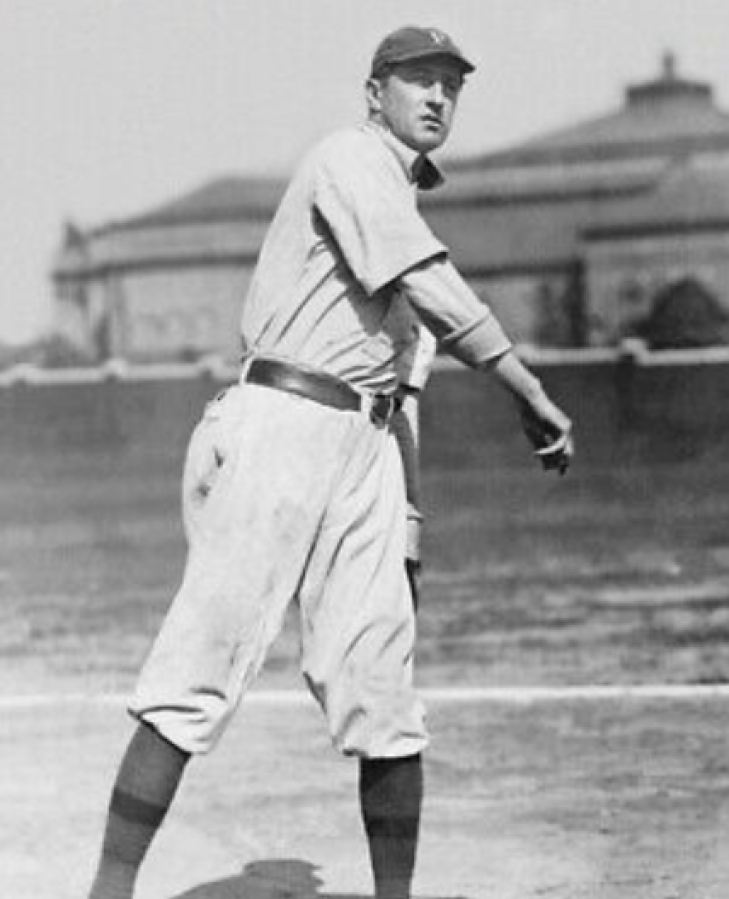
The early-20th-century baseball landscape was marked by a focus on run prevention, but few pitchers employed the Deadball Era's tactics as effectively as Vic Willis. Coming to the Pirates before the 1906 season through a major trade with the Boston Beaneaters, the tall right-hander featured a sweeping overhand drop curve that baffled hitters. Known as "The Delaware Peach," Willis had an exceptional, low-variance pitching style and remarkable durability. While his last years in New England were hampered by poor run support—including a record 29-loss summer in 1905- his move to Pittsburgh sparked one of the franchise's most dominant, efficient pitching stretches.
His first summer with the Pirates was a masterclass in run prevention. Willis adapted smoothly to his new team, leading a stellar 1906 season with a 22–13 record and an ERA of just .1.73 over 322 tough innings. A nightmare for National League hitters, he didn’t allow a single home run all season. This impressive debut set the tone for consistent, high-volume performances at Exposition Park, as he reached 20 wins in all four summers anchoring the Pittsburgh rotation.
Willis's remarkable longevity allowed him to stand alongside legends like Sam Leever and Deacon Phillippe, routinely delivering deep, complete-game performances. He accumulated innings at an astonishing rate, exceeding 280 frames annually and reaching a peak with a 24-win season in 1908, as the Pirates fought fiercely for the pennant. Besides his consistent pitching, Willis achieved a special place in local history on June 30, 1909, when he was chosen to pitch the inaugural game at the team’s new, scenic Forbes Field on the riverfront, performing before a lively crowd of over 30,000 fans.
The pinnacle of his team's success was achieved during the historic 1909 world championship season, in which his 22 victories acted as a key catalyst for a formidable roster that attained a franchise-record 110 wins. Willis was a crucial, high-velocity driving force during the pennant race, at one stage securing 11 consecutive individual victories to propel the club toward a decisive encounter with Ty Cobb and the Detroit Tigers in the Fall Classic.
After that championship winter, he left the organization with a remarkable four-year local record: 89–46, 115 complete games, 23 shutouts, and an outstanding 2.08 ERA over 1,207.2 innings. Advanced stats strongly support the quality of his peak, and this legendary period helped secure his place in history, culminating in his induction into the National Baseball Hall of Fame in 1995.
The Pittsburgh Pirates announce their Hall of Fame Class of 2024
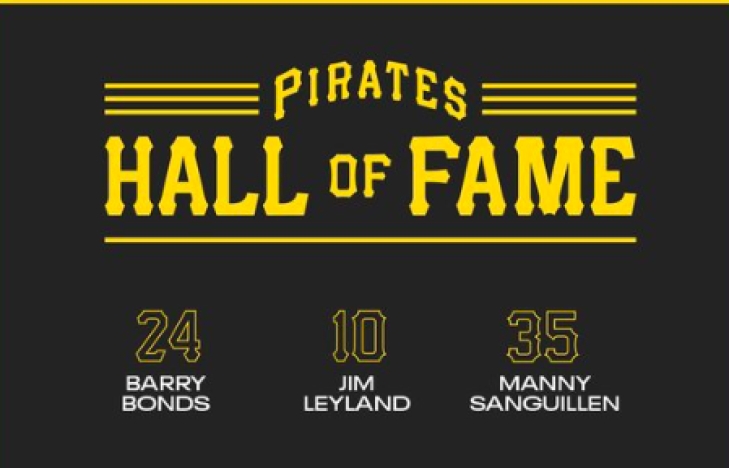
Regular visitors of Notinhalloffame.com know that we are slowly working on the top 50 of every major team in the NHL, NBA, NFL, and MLB. Once that is done, we will look at how each team honors its past players, coaches, and executives. As such, it is important to us that the Pittsburgh Pirates have announced that Barry Bonds, Jim Leyland and Manny Sanguillen to their franchise Hall of Fame,
This will be the third class, and the trio will be officially inducted during their home game on August 24.
Bonds was drafted in the first round in 1985 and made his Pirates debut the following year. Blasting 176 Home Runs with 556 RBIs for Pittsburgh, he propelled them to three straight playoffs (1990-92), and won the MVP in 1990 and 1992, with a second-place finish in 1991. In addition, from ’90 to ’92, Bonds led the NL in bWAR, and won each year's Silver Slugger and Gold Glove. He went on to win five more MVPs with the San Francisco Giants.
Bonds enters with his longtime manager, Jim Leyland, who months earlier was selected by the Veteran’s Committee to enter the Baseball Hall of Fame. Leyland was their manager from 1986 to 1996, and had a record of 851-863, which was impressive considering that he did have a lot of talent to work with.
A Pirate for 12 of his 13 MLB Seasons, Sanguillen had 1,343 Hits, was a three-time All-Star and won two World Series rings with the club.
We here at Notinhalloffame.com would like to congratulate Bonds, Leyland and Sanguillen for this impending honor.
Our All-Time Top 50 Pittsburgh Pirates Have been revised to reflect the 2023 Season

Yes, we know that this is taking a while!
As many of you know, we here at Notinhalloffame.com are slowly generating the top 50 of each major North American sports team. That being said, we have existing Top 50 lists out, and we always consistently look to update them when we can and based on necessity. As such, we are very happy to present our post-2023 revision of our top 50 Pittsburgh Pirates.
As for all of our top 50 players in baseball, we look at the following:
1. Advanced Statistics.
2. Traditional statistics and how they finished in Major League Baseball.
3. Playoff accomplishments.
4. Their overall impact on the team and other intangibles that are not reflected in a stat sheet.
Last year, the Pirates got off to a good start but were unable to hold that momentum, and they again missed the playoffs. There were no new entrants but one small elevation.
As always, we present our top five, which saw no changes:
1. Honus Wagner
3. Paul Waner
4. Arky Vaughan
You can find the entire list here.
The only change was the returning Andrew McCutchen, who went up one spot to #11.
We thank you for your continued support of our lists on Notinhalloffame.com.
The Pittsburgh Pirates announce four members for the 2023 Class
Regular visitors of Notinhalloffame.com know that we are slowly working on the top 50 of every major team in the NHL, NBA, NFL and MLB. Once that is done, we intend to look at how each team honor their past players, coaches and executives. As such, it is important to us that the Pittsburgh Pirates have announced the second class for their franchise Hall of Fame.
Last year, the Pirates enshrined 19 former greats into their inaugural class, and we now have four former players; Dick Groat, Bob Friend, Elroy Face and Kent Tekulve will be joining them.
Groat played for Pittsburgh for nine years (1952 & 1955-62), and the Shortstop won the 1960 National League MVP in a year he anchored them to a World Series while individually winning a Batting Title. An All-Star six times with Pittsburgh, he batted .290 with 1,435 Hits for the team.
Face played for the Pirates for 15 seasons (1953 & 1955-68), where the pitcher’s career was instrumental in discussing the evolution of relief Pitching. A member of Pittsburgh’s 1960 World Series Champions, Face led the NL in Saves three times, Games Finished four times and was a six-time All-Star. He compiled 186 Saves with a 100-93 Record for the Pirates.
Friend was also a key member of Pittsburgh’s 1960 World Series squad. The Starting Pitcher went to four All-Star Games, won the 1955 ERA Title, and played 15 of his 16 Years with the Pirates. He has a record of 191-128 and 1,682 Strikeouts with Pittsburgh.
Tekulve was Pittsburgh’s closer during their 1979 World Series win. The bespectacled hurler had 158 Saves and 470 Games Finished for the Pirates.
The four players will be officially inducted in a pre-game ceremony on August 26 before their game against the Chicago Cubs.
We here at Notinhalloffame.com would like to congratulate the newest members of the Pittsburgh Pirates for earning this impending honor.
Our All-Time Top 50 Pittsburgh Pirates are now up!

Yes, we know that this is taking a while!
As many of you know, we here at Notinhalloffame.com are slowly generating the 50 of each major North American sports team. We have a new one to unveil today, that of the Pittsburgh Pirates.
The Pittsburgh Pirates first came into existence in 1882, first as the Alleghenys before changing their name to the Pirates in 1892. They played in the first modern World Series in 1903, and won their first in 1909. Since then, they have won four more, 1925, 1960, 1971 & 1979, and was the home of some of the greatest names in the game.
This list is up to the end of the 2022 regular season.
Our Top 50 lists in Baseball look at the following:
1. Advanced Statistics.
2. Traditional statistics and how they finished in the National League.
3. Playoff accomplishments.
4. Their overall impact on the team and other intangibles not reflected in a stat sheet.
Remember, this is ONLY based on what a player does on that particular team and not what he accomplished elsewhere and also note that we have placed an increased importance on the first two categories.
This list is updated up until the end of the 2022 Season.
The complete list can be found here, but as always, we announce our top five in this article. They are:
1. Honus Wagner
3. Paul Waner
4. Arky Vaughan
We will continue our adjustments on our existing lists and will continue developing our new lists.
Look for our more material coming soon!
As always, we thank you for your support.
The Pittsburgh Pirates announce 19 names for their first Hall of Fame class
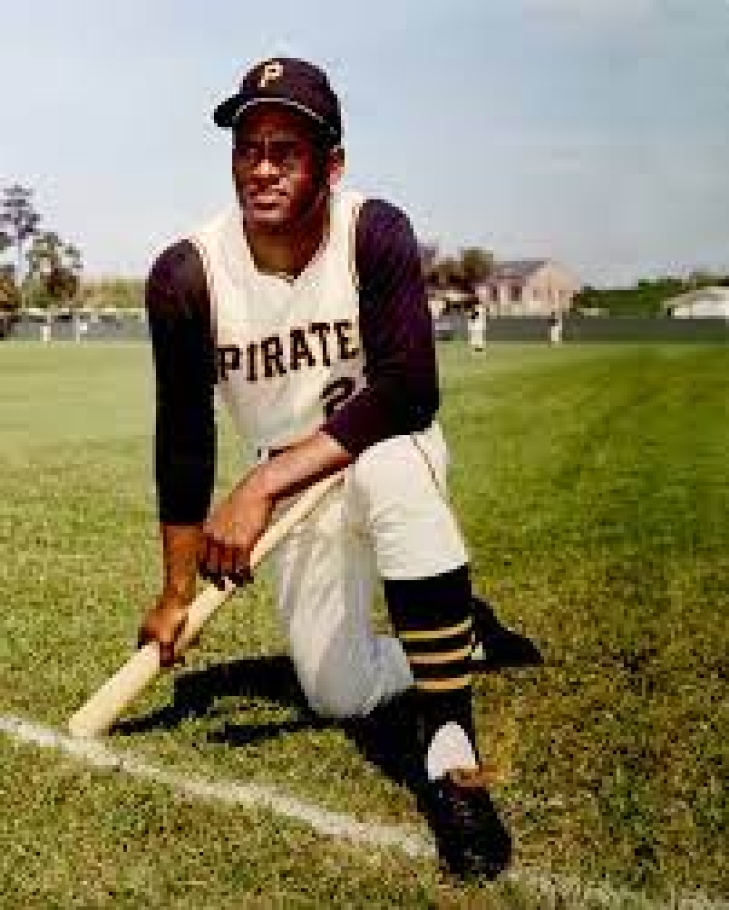
Regular visitors of Notinhalloffame.com know that we are slowly working on the top 50 of every major team in the NHL, NBA, NFL and MLB. Once that is done, we intend to look at how each team honor their past players, coaches and executives. As such, it is news to us that the Pittsburgh Pirates have FINALLY announced the creation of a franchise Hall of Fame and announced 19 members to the inaugural class.
The franchise, which is well over 100 years old, boasts five World Series Championships, but this Hall also recognizes the contributions from the Homestead Grays and the Pittsburgh Crawford of the Negro Leagues.
The Hall of Fame will be unveiled on September 3, and will be honored before their home game against the Toronto Blue Jays:
The inaugural class comprises:
Jake Beckley: Beckley played for the Pirates in the late 1880s and 1890s where he batted an even .300 for the team. The First Baseman entered the Baseball Hall of Fame in 1971.
Steve Blass: Blass pitched ten years for Pittsburgh, going 103-76, and picked up a World Series Ring in 1971. He would later serve 34 years as a broadcaster for the team.
Ray Brown: Brown led the Grays to eight Pennants and was a six-time league leader in Wins with two ERA Titles.
Max Carey: Carey holds the team record with 690 Stolen Bases and was an 11-time league leader. Collecting 2,416 Hits for the club, Carey aided the Pirates in their 1925 World Series win, and was enshrined in the Baseball Hall of Fame in 1961.
Oscar Charleston: Charleston joined the Crawfords in 1933 as a Player/Manager, where he was a three-time All-Star. He was selected for the Baseball Hall of Fame in 1976.
Fred Clarke: Clarke played 15 seasons with Pittsburgh, compiling 1,638 Hits with a .299 Batting Average, but he was also their Manager, leading Pittsburgh to their first World Series win in 1909. He entered the Baseball Hall of Fame in 1945.
Roberto Clemente: Clemente is one of the most important figures in sports, and was one the most complete baseball players ever. The Puerto Rican helped Pittsburgh win the 1960 and 1971 World Series, while individual winning the 1966 MVP, four Batting Titles and 12 Gold Gloves. He is still the all-time leader in Hits with 3,000, and would have had more had he not died tragically in a plane clash while delivery humanitarian aid. After his death, he was posthumously elected to the Baseball Hall of Fame in 1973.
Josh Gibson: Gibson was one of the most prolific sluggers in Baseball, and he led the Negro Leagues in Home Runs 11 times, all either while playing for the Crawfords or Grays. Gibson entered the Baseball Hall of Fame in 1972.
Ralph Kiner: Kiner made history as the first (and only) player in MLB history to win the Home Run Title in his first seven seasons, and he blasted 301 total for Pittsburgh, which is second all-time for the club. A three-time Slugging and OPS Champion, Kiner entered the Baseball Hall of Fame in 1975.
Buck Leonard: Leonard played 15 years with Homestead, where he went to 13 All-Star Games, won three Negro League World Series, and was a two-time Batting and five-time OBP Champion. He was chosen for the Baseball Hall of Fame in 1972.
Bill Mazeroski: Mazeroski was a seven-time All-Star who hit the game and series-ending Home Run that won the 1960 World Series. The eight-time Gold Glove recipient went into the Baseball Hall of Fame in 2001.
Danny Murtaugh: Murtaugh managed the Prates for 12 seasons and was at the helm when they won the World Series in 1960 and 1971.
Dave Parker: The “Cobra” played 11 years in Pittsburgh where he helped them win the 1979 World Series. Individually, he went to four All-Star Games as a Pirate, won two Batting Titles and won the 1978 MVP.
Willie Stargell: Stargell played all 21 of his seasons with Pittsburgh where he led them to two World Series Titles (1971 & 1979), with the latter year seeing him win the MVP, NLCS MVP and World Series MVP. His 475 Home Runs are a franchise record, and he was selected for the Baseball Hall of Fame in 1988.
Pie Traynor: Traynor played at Third Base for 17 years in Pittsburgh, amassing 2,416 Hits while batting .320. Part of the 1925 World Series Champions, Traynor was inducted into the Baseball Hall of Fame in 1948.
Arky Vaughan: In 1935, Vaughan won the Batting Title with what is still a franchise record .385, and he would also be a three-time league leader in On Base Percentage. An eight-time All-Star, Vaughan entered the Baseball Hall of Fame in 1985.
Honus Wagner: Wagner is one of the best players in Baseball history, and any discussion of the game’s top Shortstops has to include him. Winning eight Batting Titles, Wagner also stole 723 Bases, a franchise record. A member of the 1909 World Series Championship Team, he also still holds franchise marls for Runs (1,521) and Triples (231), and his 2,970 Hits are second behind only Clemente. Wagner was inducted into the Baseball Hall of Fame as part of their first class in 1936.
Lloyd Waner: Accumulating 2,317 Hits for Pittsburgh, Waner batted .319 for the team, while also leading the NL in At Bats three times. Waner was selected for the Baseball Hall of Fame in 1967.
Paul Waner: Waner won three Batting Titles with Pittsburgh, while batting .340 with 2,868 Hits for the team. Named the MVP in 1927, Waner entered the Baseball Hall of Fame in 1952.
We here at Notinhalloffame.com would like to congratulate the new members of the Pittsburgh Pirates Hall of Fame.
48. Bill Swift
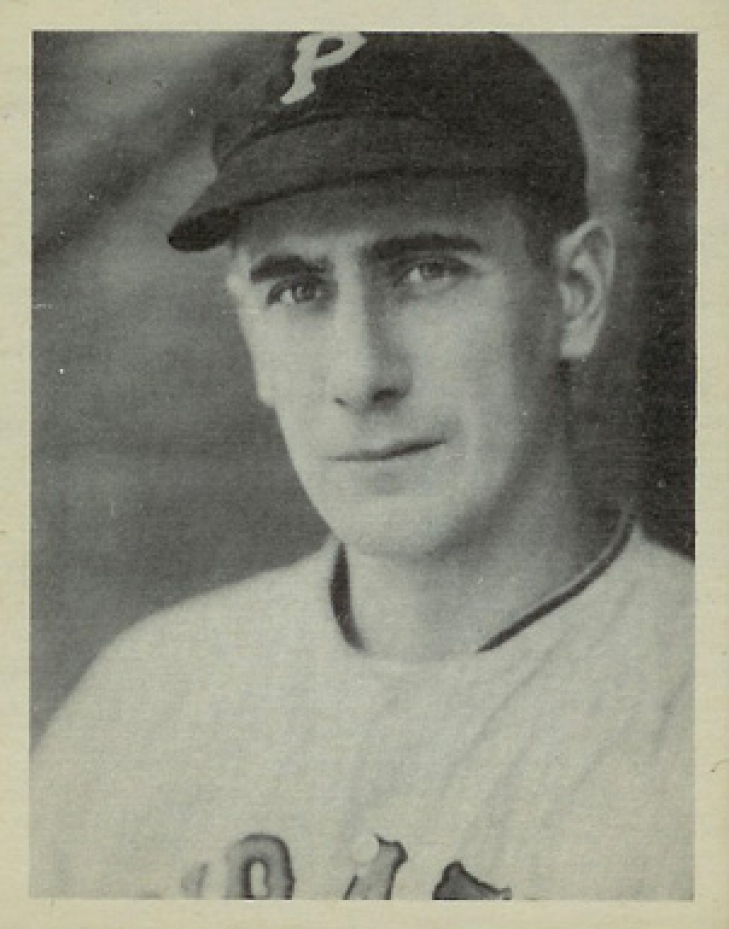
The 1930s National League is often remembered for its powerful offenses, but surviving that era's run-heavy style needed pitchers who could avoid giving up free passes. Bill Swift was the steady pitcher for the Pittsburgh Pirates—a versatile, control-focused thrower who pioneered the modern "swingman" role before it was named. Debuting in 1932, the Pennsylvania native lacked overwhelming stuff but had unshakeable strike zone control. By refusing to grant free passes, Swift became manager Pie Traynor's safety net, pitching whenever needed.
His debut campaign in 1932 immediately demonstrated his precise control. As a 24-year-old rookie entering the major leagues, Swift made consistent, efficient pitching a hallmark of his season, posting a 14–10 record over 194.2 innings. He consistently shut down opposing hitters by limiting walks and forcing them to make contact, finishing the season with the lowest walks per nine innings in the National League at just 1.1 (BB/9).
Although he never secured a permanent spot in the starting rotation, his versatility made him a reliable workhorse. During his first five summers in Pittsburgh, Swift compiled a 70–57 record and consistently crossed the 200-inning mark each year by easily switching between high-leverage starting roles and multi-inning relief duties.
As natural physical deterioration increased into the late 1930s, the coaching staff officially marked a transition by moving the veteran permanently to the bullpen. Despite a reduced role, Swift's consistent low-variance control remained a valuable asset throughout the 1939 season, aiding in maintaining leads and supporting a changing pitching staff.
Beyond relying on his skill with the rubber, Swift demonstrated a highly proficient approach at the batter's box, often saving the weaker Pittsburgh lineup. He was well regarded as one of the top-hitting pitchers of his era, with 132 hits and a solid .230 batting average during his time with the Pirates.
The organization dealt Swift to Boston after the 1939 season. In Pittsburgh, Swift had a 91–79 record, 71 complete games, seven shutouts, and a 3.57 ERA across 1,489 innings pitched.
44. Gene Alley
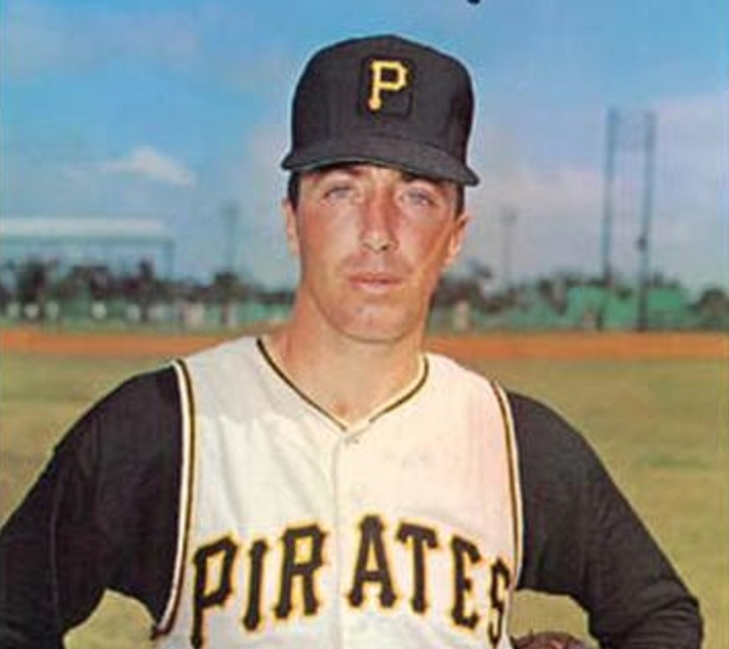
The 1960s and 1970s "Lumber Company" of Pittsburgh is famous for its home runs and offensive pressure, but securing those rosters needed a top defensive anchor. Gene Alley was that anchor, signed in 1959. As a shortstop, he brought sharp instinct and consistent defense, focusing on stopping running games and turning tough grounders into outs, and he became one of the era's top defensive players.
His first appearance was in brief auditions in 1963, but Alley secured the starting shortstop position during the 1965 season. He excelled at run prevention, quickly establishing himself as a defensive force with a leading 2.5 defensive bWAR. His peak as a well-rounded player occurred in 1966, when he showcased a remarkable all-around game. Alley dominated at the plate, surpassing his previous offensive limits with a career-high 173 hits and a strong .299 batting average. He earned his first Gold Glove and finished eleventh in the National League MVP voting, demonstrating that his consistent performance could support a winning team.
While his offensive production normalized to a more modest and low-efficiency level, his defensive excellence continued to be a benchmark across Major League Baseball. Playing alongside second baseman Bill Mazeroski, Alley developed one of the most effective and instinctive double-play pairs in the sport's history. He was selected as an All-Star in the National League in 1967 and 1968, won his second Gold Glove in 1967, and led all of baseball with an impressive 3.4 defensive bWAR in 1968.
Tragically, playing on the harsh artificial turf of Three Rivers Stadium severely impacted his body. Alley suffered from ongoing shoulder and knee issues that significantly decreased his offensive effectiveness and reduced his playing time.
Demonstrating his strong competitive resilience throughout his career, he willingly shifted into a respected veteran reserve role. In this position, he offered vital stability that contributed to guiding the Pirates to an exciting seven-game World Series victory over Baltimore in 1971.
He stood as a steadfast pillar of the organization until his final walk off the diamond, officially retiring at the end of the 1973 season to mark a unique, 11-year career spent entirely in a Pittsburgh uniform.
Alley had 999 career hits with a lifetime defensive bWAR of 14.7.
46. Jay Bell
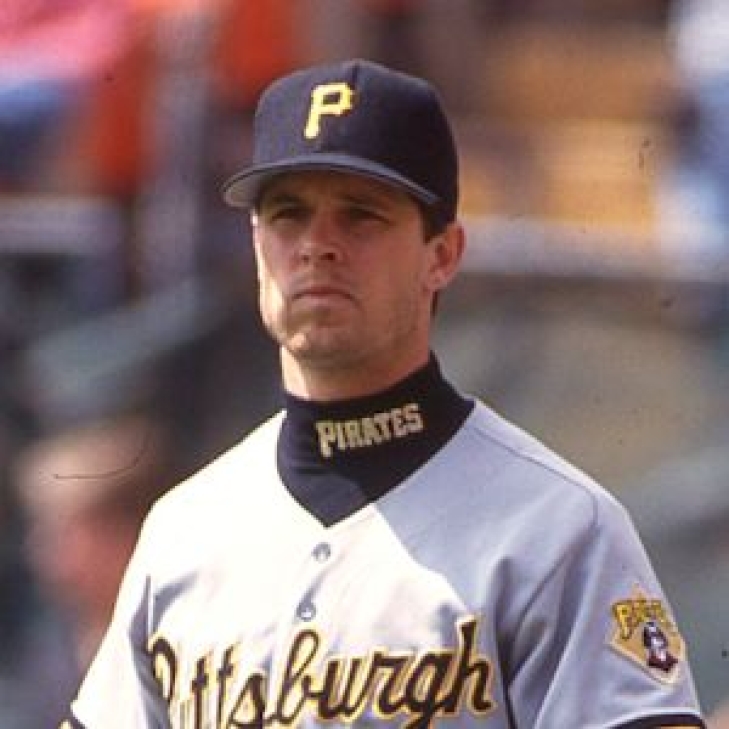
The early-1990s Pittsburgh Pirates featured flashy stars, but the team’s core was a smart, selfless player who understood his role. Acquired from Cleveland in 1989 as the player to be named later in the Felix Fermín trade, Jay Bell didn't rely on raw athleticism. Instead, he used his mental acuity, positional awareness, and situational skills to produce consistently excellent plays, thriving under manager Jim Leyland.
His initial appearance over 70 games in 1989 set the stage for him to take on the full-time starting shortstop position before the historic 1990 pennant race. He quickly established a reliable infield routine that minimized inconsistency. While Bell lacked exceptional lateral speed, he made up for it with sharp baseball intelligence, often predicting ball movements to position himself perfectly to cut off opposing offenses. He ranked among the top six in defensive bWAR in the Senior Circuit three times as a Pirate, led all National League shortstops in total assists four times and putouts three times, and earned a Gold Glove in 1993.
His best season was during a remarkable 1993 campaign. After star players Barry Bonds and Bobby Bonilla left through free agency, Bell took on a larger offensive role, breaking his previous limits by hitting .310 with a career-best 187 hits and 31 doubles. He was selected for his first All-Star game and received a Silver Slugger award, demonstrating his ability to lead a lineup with outstanding bat control.
During the mid-1990s, as the organization underwent a challenging financial restructuring in a small market, the front office formally indicated a shift for the remaining veteran core. After the 1996 season ended, management carried out a winter trade, sending the veteran leader to the Kansas City Royals in exchange for Joe Randa and Jeff Wallace.
Bell would go on to enjoy an exceptional second act in the desert, famously scoring the game-winning run in Game 7 of the 2001 World Series for Arizona, but his defensive foundation was forever built on the Three Rivers Stadium turf.
He departed the Pirates, leaving behind a magnificent, high-volume localized baseline: 1,124 hits, 185 doubles, 61 home runs, and 434 RBIs alongside a highly respectable .269 batting average across 1,098 games.
42. Frank Killen
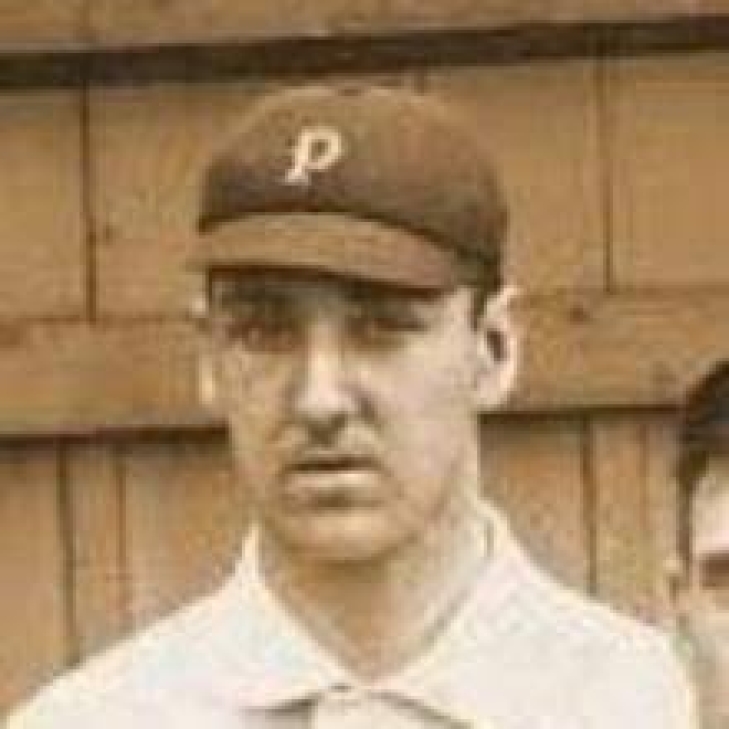
The early history of baseball features many modest, low-velocity pitchers who quietly filled rotation spots, but Frank DeHaas Killen seemed like he was built in a laboratory for the 1890s. Standing 6-foot-1 with a lean, athletic frame, the left-hander from Pittsburgh had a commanding presence, easily fitting into the modern game. His raw, high-velocity talent was paired with a notoriously explosive, hyper-emotional temperament. Killen was a mercurial, cocky figure who often lost control on the mound, creating a tense show that frustrated management. After a spectacular 29-win rookie season for Washington in 1892, the Senators' front office traded him to the Pirates, a hometown team willing to tolerate his headaches for a top-tier ace.
During the 1893 campaign, the gamble produced immediate, game-changing gains. Returning to his local roots, Killen delivered an intense, high-volume performance, leading the major leagues with 36 wins and 44 complete games, making winning a daily part of the season. However, just as he captured the city's attention, his physical health sharply declined.
Killen faced a grueling, injury-filled 1894 season before collapsing in the brutal summer of 1895, where his lost velocity and bloated 5.09 ERA made him appear completely washed up. Fans frequently heckled him, and the front office openly questioned if the temperamental southpaw had truly reached the end of his career.
Fully healthy and fueled by a fierce competitive spirit, Killen crafted a legendary redemption story during the 1896 pennant race. He refused to give up, reestablishing his elite status by leading the National League in wins (30), complete games (44), and an exhausting 432.1 innings pitched, league highs. With relentless volume and determination, he carried the pitching staff himself, winning back the fans who had abandoned him a year earlier.
Sadly, the hefty 432-inning workload became the final straw for his throwing shoulder. After pushing his arm to the limit at his peak, Killen's effectiveness declined sharply over the following two summers. Once he lost his ability to prevent runs, his confrontational attitude was no longer a manageable risk the organization could afford. In August 1898, the front office officially ended their association with him through a release.
With the Pirates, Killen had a record of 112-82 over 207 games.
47. Tony Pena
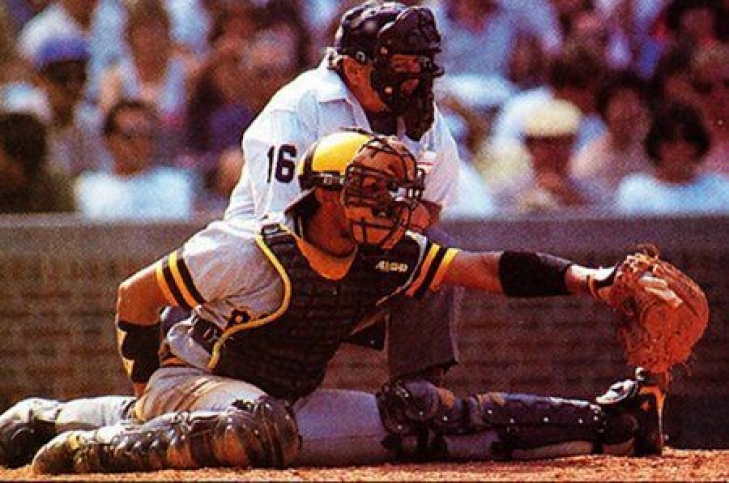
Tony Peña, who signed out of the Dominican Republic as an amateur free agent in 1975, didn't just keep runs from scoring; he revolutionized the catcher role into a showcase of athleticism and charisma. Known for his distinctive crouch, stretching his left leg flat on the dirt with no runners on base, Peña offered pitchers a precise target while maintaining a quick, explosive first step. After steadily advancing through the minor leagues and making his debut with the main team in 1980, this lively catcher revitalized the franchise with a mix of solid contact hitting and dazzling defensive skills, becoming a cherished figure of the 1980s Three Rivers Stadium era.
His true rise to frontline status happened in the 1982 campaign, earning his first National League All-Star invite. He quickly made his offensive volume a routine, using a short, line-drive right-handed stroke to trouble opponents.
The peak of his individual performance and efficiency came in a remarkable 1983 season. Peña showcased his skills at the plate, hitting a career-best .301 with 15 home runs, 153 hits, and 70 RBIs, finishing eleventh in the National League MVP voting—his highest career accolade.
However, concentrating solely on his offensive stats overlooks the exceptional defensive display he showcased behind the plate. Peña utilized a powerful throwing arm, effectively shutting down the running game in the Senior Circuit by leading the National League in baserunners caught stealing in 1984 and 1985.
His exceptional spatial awareness and quick-release skills enabled him to rank in the top ten for defensive bWAR four times as a Pirate, notably leading the league with a 2.5 defensive bWAR in 1984. Recognized for his versatile excellence, he won three straight Gold Glove awards from 1983 to 1985. Not just a fleeting star, this durable catcher was a four-time All-Star and maintained consistent offensive power, hitting double-digit home runs in five consecutive seasons from 1982 to 1986.
As the organization shifted to a complete rebuilding under young Jim Leyland, front-office priorities changed suddenly. In a significant spring trade before 1987, management traded the veteran icon to the St. Louis Cardinals for Andy Van Slyke, Mike LaValliere, and Mike Dunne, a blockbuster that reshaped both teams for the coming decade.
With Pittsburgh, Peña had 821 hits, 126 doubles, 63 home runs, and 340 RBIs alongside a highly respectable .286/.325/.414 slash line across 799 games.
40. Brian Giles
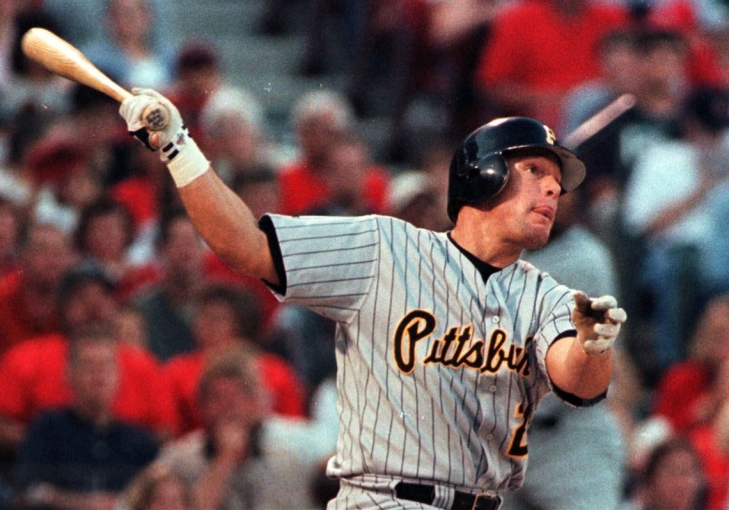
At the turn of the millennium, Western Pennsylvania baseball faced tough times with many losing seasons and the closure of Three Rivers Stadium. Despite this, a powerful, compact outfielder emerged, delivering some of the most spectacular and efficient offensive displays the city had seen. Acquired from the Cleveland Indians before the 1999 season, Brian Stephen Giles immediately rose to prominence at the peak of his physical condition. Holding a crouched, ready stance from the left side, he was not only a volume hitter but also had a modern, analytical profile combining impressive power with sharp plate discipline, making run production a regular season highlight.
His 1999 introductory campaign took local observers by surprise. Restricted by a crowded roster in Cleveland, Giles directed his frustration toward National League pitchers, achieving a remarkable .315 batting average, hitting 39 home runs, and driving in 115 RBIs. Throughout his four full summers leading the lineup in Pittsburgh, Giles consistently maintained high performance. He hit at least 35 home runs in four straight seasons and received National League MVP votes each year.
The peak of his individual dominance and high efficiency statistics culminated during an outstanding two-year period around the start of the decade. Giles was selected as an All-Star in the National League in both 2000 and 2001, often leading the league in advanced value metrics. He surpassed the 300 batting average mark three times with the Pirates, notably excelling in 2000 with a .315 average, 35 home runs, 123 RBIs, and an impressive 1.054 OPS.
He was a challenge for opposing managers since he refused to chase pitches, drawing at least 90 walks each full season in town, including a franchise-record 135 in 2002, resulting in a remarkable, low-variance .418 career on-base percentage with the team.
However, with the organization in the midst of a long rebuilding phase and his market value hitting a record high, the front office officially announced a shift around the middle of 2003. In a significant, game-changing trade in August, management sent the star slugger to the San Diego Padres in a blockbuster deal that brought Jason Bay and Oliver Pérez to the team.
With Pittsburgh, Giles had 782 Hits, 165 Home Runs, and batted .308.
43. Jake Beckley
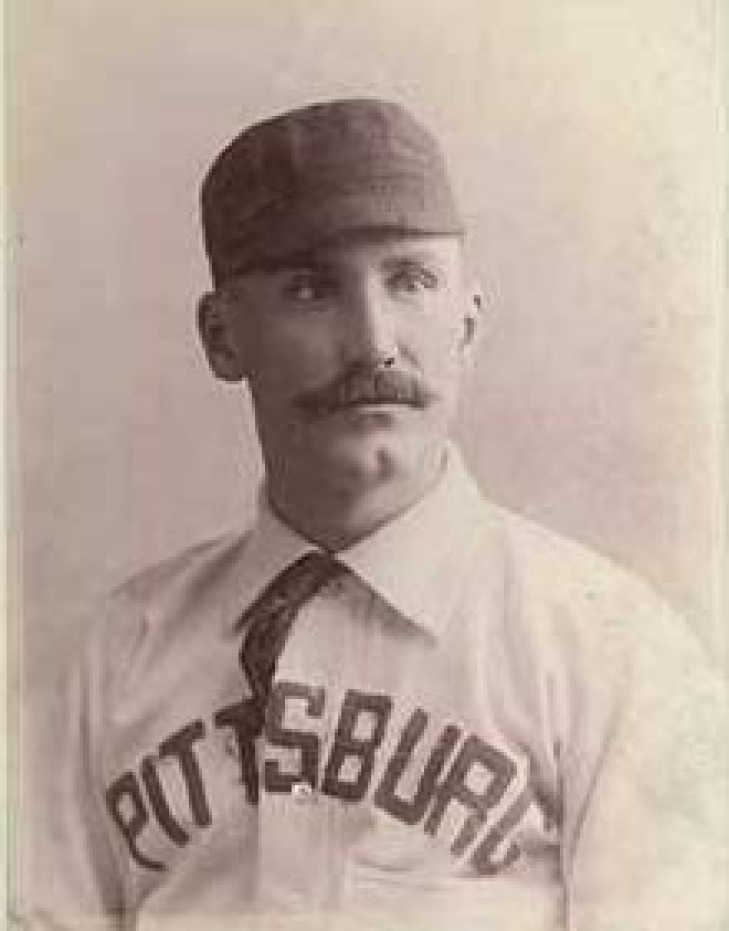
The modern Major League Baseball has a history of labor battles, but the pioneer of player autonomy, Jake Beckley—known as "Eagle Eye" for his strike zone judgment—was a foundational figure in late-19th-century baseball. Purchased by the Pittsburgh Alleghenys in 1888, the left-handed first baseman quickly became a star in Western Pennsylvania. Beckley was known for his low-variance hitting and durability, leaving a legacy of hitting milestones and challenging the sport's financial hierarchy.
His debut appearance after arriving in town during the 1888 season showcased top-tier talent, with the 20-year-old rookie posting an impressive .343 batting average over 71 games. He quickly established contact hitting and run production as a consistent part of his game, surpassing the 300 batting average again in 1889 and driving in 97 RBIs.
Beckley’s consistent rise in the National League was abruptly interrupted in 1890 by the emergence of the Players’ League. While many stars left the traditional league with lofty rhetoric, Beckley was notably honest about his motives, telling reporters he was "only in this game for the money’ when he joined the Pittsburgh Burghers. Despite the league's brief existence, Beckley performed exceptionally well, leading with 22 triples and driving in 123 runs, showcasing his talent during this short stint.
After stabilizing financially, Beckley rejoined the National League team, now known as the Pirates, for the 1891 season. Following a highly successful comeback, he experienced a difficult slump in 1892, with his batting average dropping to .236. Showing the intense internal resilience that earned him his famous nickname, "Eagle Eye,” he launched an impressive multi-year recovery. Over the next three summers, he greatly improved his performance, achieving batting averages of .303, .345, and .328, and driving in more than 100 runs each season, becoming a key player in the Steel City offense.
Tragically, after he limped out of the gate to a highly disappointing start during the 1896 schedule, the front office moved aggressively to reshape the core. In a landscape-shifting mid-season deal, management traded the franchise icon to the New York Giants for Harry Davis and cash, drawing a sudden curtain on his historic tenure in Pittsburgh.
With Pittsburgh, Beckley smacked 1,140 of his 2,938 career Hits while batting .300. The Baseball Hall of Fame inducted Beckley via the Veterans Committee in 1971.
41. Rick Rhoden
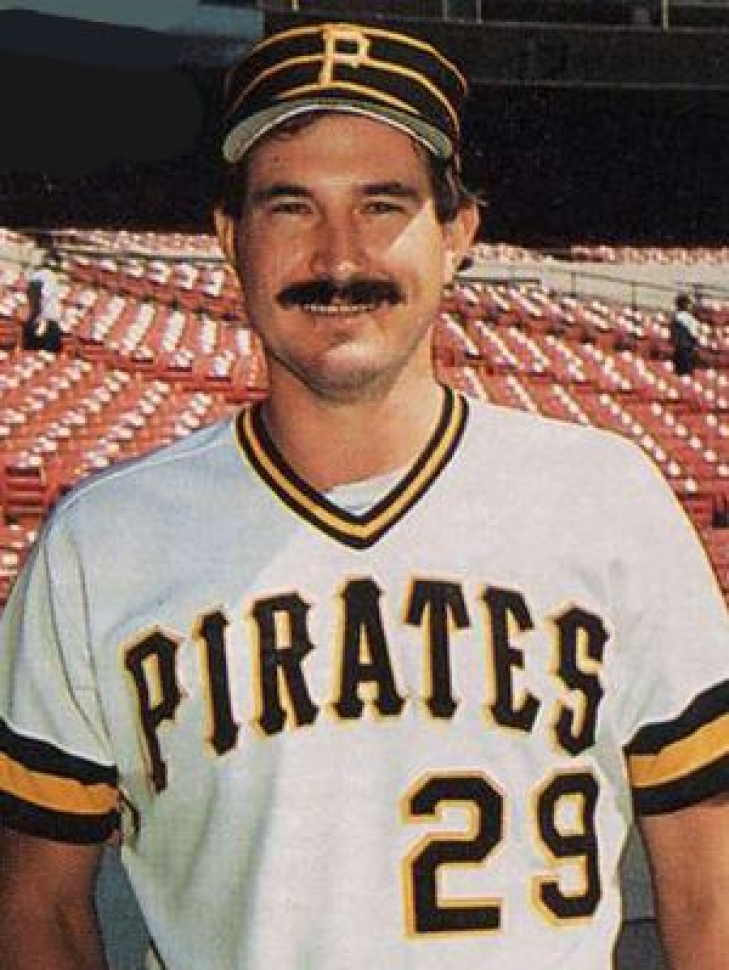
The blueprint of a top league pitcher is usually based on health and velocity, but Rick Rhoden's career was built on hard work. After shining with the Dodgers and helping them win consecutive NL pennants, shoulder issues led to a trade to the Pirates before 1979. Skeptics were right; Rhoden’s arm was so bad he played only one game during the 1979 championship run. However, unlike others, the Pirates waited patiently, a display of athletic resilience.
Once his shoulder finally stabilized, Rhoden made durability a regular part of his season under the lights at Three Rivers Stadium. With a strategic, high-efficiency pitching style, the right-hander achieved five straight seasons with at least 10 wins from 1982 to 1986, providing a steady, low-variance presence in an evolving rotation.
His peak season in Pittsburgh was 1986, when Rhoden demonstrated exceptional run prevention. He led the staff with a career-best 15–12 record, a superb 2.84 ERA, and an impressive 1.131 WHIP. His advanced efficiency stats earned him his first All-Star selection in ten years and a solid fifth-place finish in the National League Cy Young Award voting, the only major award of his career.
Evaluating Rhoden solely as a pitcher overlooks the complex skills that made him a versatile threat. Known as the top hitting pitcher of the 1980s, he had a quick, effective right-handed swing that managers often exploited. Rhoden consistently excelled against opposing batters, earning three straight National League Silver Slugger awards from 1984 to 1986, with 127 hits and a remarkable .251 batting average while playing for Pittsburgh. Additionally, his spatial awareness and athletic ability made him an excellent defensive player, achieving a perfect 1.000 fielding percentage over five summers and effectively shutting down opposing baserunners.
With his market value reaching an all-time peak and the organization pivoting toward a younger, small-market rebuilding cycle under Jim Leyland, the front office moved aggressively. In a high-profile winter blockbuster after the 1986 calendar, management traded the veteran ace to the New York Yankees in a six-player deal that brought Doug Drabek to town. His Pittsburgh stats included a 3.51 ERA, 852 strikeouts, and a record of 79- 73.
33. Kent Tekulve
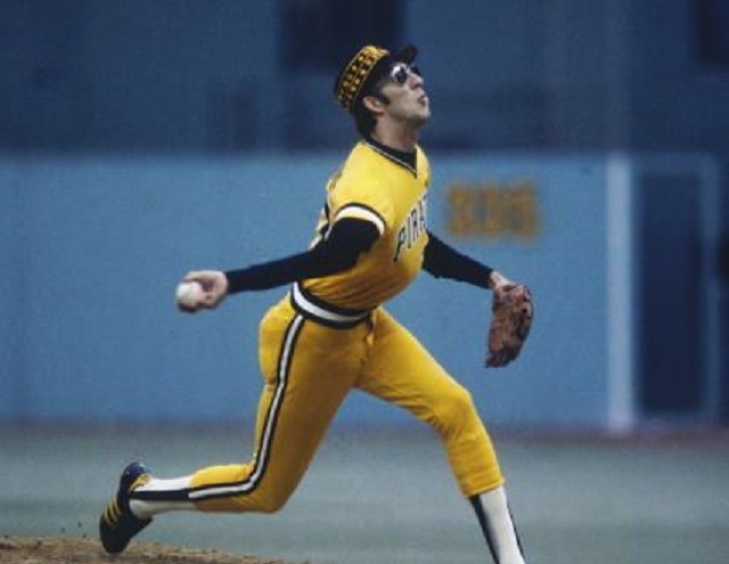
A dominant, high-stakes relief weapon often evokes images of a physically imposing powerhouse throwing fastballs at high velocity. However, for more than ten years as a Pirate, the most feared late-inning escape artist resembled a neighborhood accountant. Slender, bespectacled, and modest at 6-foot-4 and 180 pounds, Kent Tekulve revolutionized run prevention mechanics. Using an extreme, knuckle-scraping submarine delivery, this right-hander released the ball just inches off the ground, producing a devastating late-sinking trajectory that consistently disheartened National League hitters. He didn't just enter challenging situations; he transformed the late innings into his personal arena of precise, low-variance execution.
Signed by the organization in 1969, Tekulve carefully mastered his unique release point before earning a steady spot with the parent club in 1974. Once established in the bullpen, he redefined the role of a reliable workhorse reliever, never once starting a game during his 12 seasons with the team.
His rise to national prominence truly happened during the 1978 season, when he took on the closer role and made pitching a daily habit. Tekulve led the Senior Circuit by pitching 91 games and finishing 70, accumulating 31 saves with a tiny 2.33 ERA. He finished fifth in the Cy Young Award voting, marking a significant achievement.
The peak of his career and a form of lasting legacy came together during the memorable 1979 "We Are Family" world championship run. With 94 regular-season games, he again led the majors in appearances and acted as manager Chuck Tanner's go-to safeguard in high-pressure situations. When the Pirates advanced to the Fall Classic against Baltimore, he put on an absolutely clinical display of bullpen endurance, appearing in five games and locking down three monumental saves, including the historic final three outs of Game 7 to officially secure the world championship banner for the Bucs.
Tekulve was a steady, low-variance asset well into the next decade, consistently leading in volume and high-leverage efficiency. However, as the franchise moved into a cold, small-market rebuild, front-office priorities shifted mid-season in 1985. Management traded the veteran icon to the Philadelphia Phillies to bring in younger talent, ending a historic era of bullpen dominance.
With the Pirates, Tekulve appeared in 722 games, saved 158, and finished 470 with a 2.68 ERA.
34. Bobby Bonilla
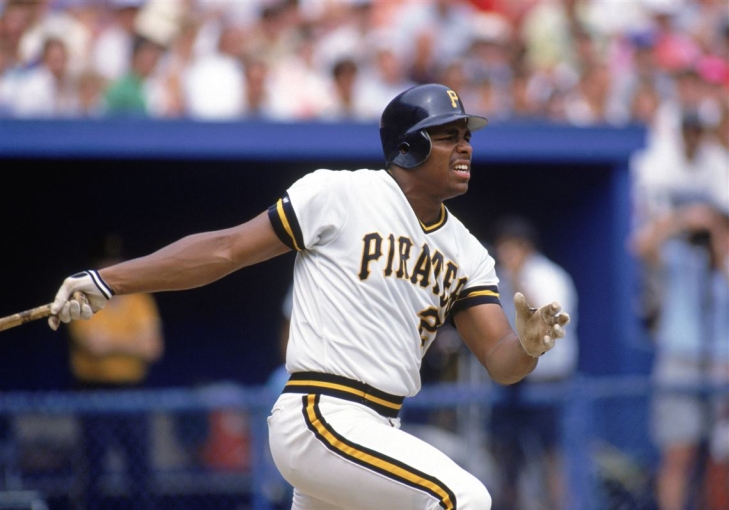
The broader pop-culture lexicon of modern baseball will inevitably associate Robert Anthony Bonilla with the historic deferred-salary contract he signed with the New York Mets, an arrangement that annually prompts headlines surrounding "Bobby Bonilla Day" each July. However, reducing his entire athletic identity to a post-career financial spreadsheet severely underestimates his exceptional on-field performance. Long before becoming a symbol of front-office accounting, the switch-hitting native of the Bronx was among the most physically formidable and explosive run-producers in the sport. Playing under the lights of Three Rivers Stadium, Bonilla employed a powerful bat as a pivotal component of a formidable lineup, leading a distinguished multi-year period of MVP-like excellence that characterized a generation of baseball in Pittsburgh.
His journey to major league stardom followed a unique, circular route. Initially signed by the Pirates as an amateur free agent in 1981, he was then selected by the Chicago White Sox in the 1985 Rule 5 draft. Recognizing their mistake in letting him go, Pittsburgh's front office traded for him in mid-1986, making him a key part of their long-term plans. By the start of the 1987 season, Bonilla had established himself as the regular third baseman, consistently contributing extra-base hits throughout the season.
His large, physical build caused significant defensive challenges at third base, prompting a permanent shift to right field. However, his offensive performance flourished. In 1988, he won his first Silver Slugger award and went on a remarkable streak with four straight All-Star selections from 1988 to 1991. Playing in the outfield alongside Barry Bonds and Andy Van Slyke, Bonilla completed a legendary, high-powered outfield trio that overwhelmed National League pitchers and helped secure consecutive division titles.
During the 1990 pennant race, Bonilla showcased his powerful batting skills, hitting 32 home runs, driving in 120 RBIs, and leading the major leagues with 44 doubles. He earned his second Silver Slugger Award and was the runner-up for the National League MVP, finishing behind only his teammate Bonds in a notable franchise one-two finish.
He replicated that elite, high-leverage efficiency during the 1991 campaign, batting a career-high .302 with 18 home runs and 100 RBIs to secure his third consecutive Silver Slugger and a third-place finish in the MVP balloting.
Tragically, the cold realities of the pre-salary-cap landscape quickly forced a low-variance parting of ways. With his market value reaching an all-time peak and the small-market Pirates facing severe financial limitations, Bonilla officially walked away from town following the 1991 campaign, signing a record-setting free-agent contract with the Mets. While he would celebrate a world title later in his career with Florida, he never quite replicated the raw, sustained offensive dominance that defined his primary residency in PGH.
With Pittsburgh, Bonilla belted 114 home runs with 500 RBI with a .284 batting average.
