

26. Rabbit Maranville
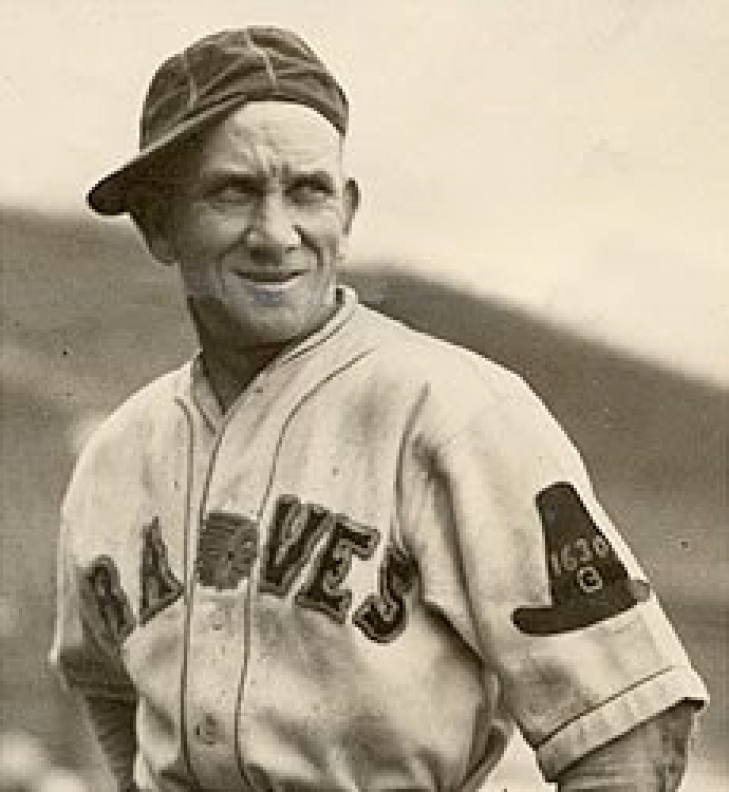
Walter “Rabbit” Maranville was known for quite a few things: his sense of humor, his durability, and defensive skills, the latter two of which ranked him on this list of all-time Braves.
Maranville would become Boston’s full-time Shortstop in 1913, where he dazzled the Majors with his glove, and he was third in MVP voting. In 1914, he finished second in MVP voting and led them to a World Series win. While nobody was aware of Defensive bWAR (or any kind of WAR for that matter), Maranville was a two-time leader with Boston in that category and ranked in the top ten another seven times while he played in Massachusetts. Defense was his expertise, and while his offensive numbers aren’t that great, this was a 23-year veteran who would accumulate 2,605 Hits over his career, 1,696 as a Brave. Maranville was traded to the Pittsburgh Pirates before 1921, but he returned in 1929 and was still effective.
Rabbit Maranville entered the Baseball Hall of Fame in 1954 on his 14th year of eligibility. The Braves would later induct Maranville into their franchise Hall of Fame in 2014.
22. Herman Long
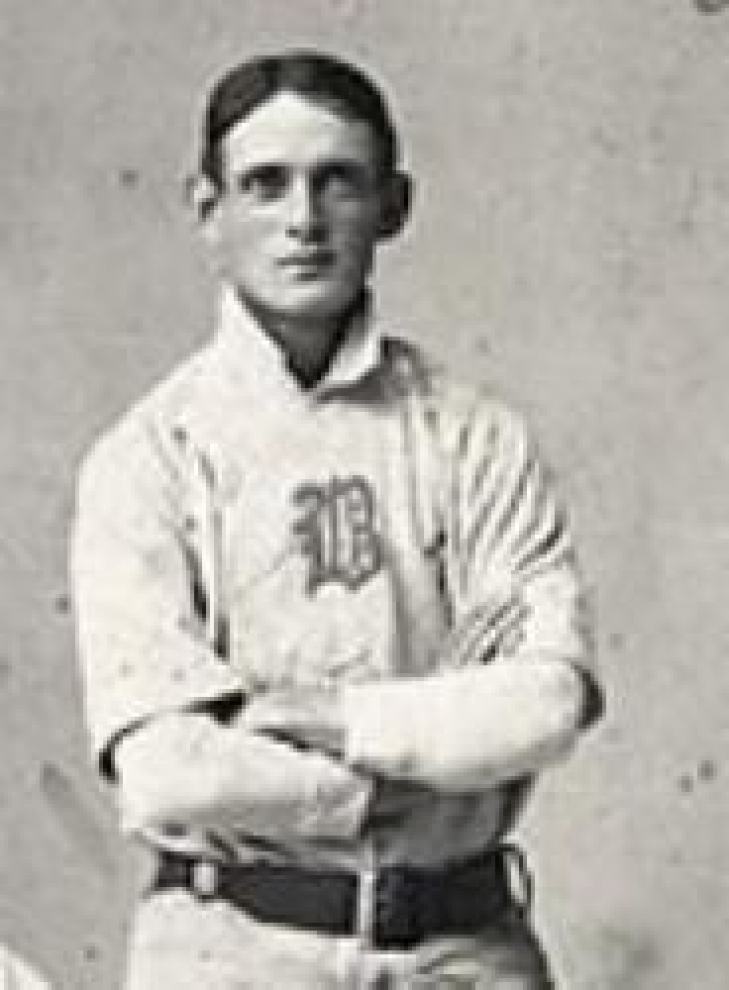
The Braves inducted Long into their Hall of Fame in 2005.
21. Tommy Holmes
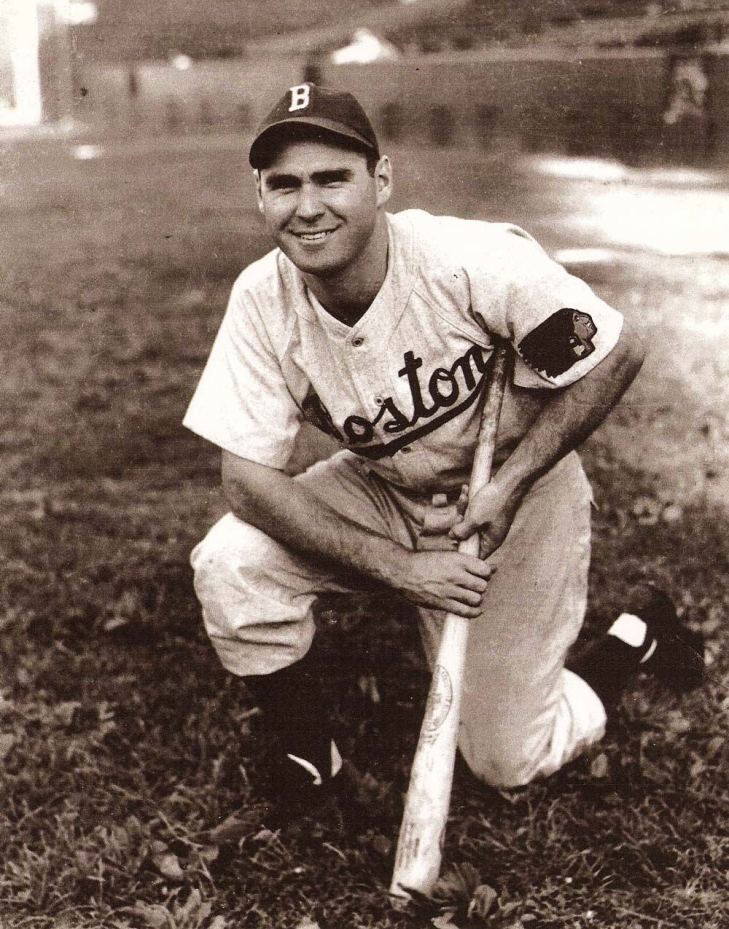
A member of the Boston Braves for his entire career except for the last one (which was with Brooklyn), Tommy Holmes was one of the most popular players when the team was in Boston.
As a rookie in 1942, Holmes had 155 Hits with a .278 Batting Average and repeated with similar numbers in ‘43. Holmes would have his first .300 season in ’44, and in 1945, he exploded with what would be by far his best season in Baseball. That season, he had a 37 Game Hitting Streak (the longest in 40 years in the NL) with league-leading 224 Hits, 47 Doubles, 28 Home Runs, and a .997 OPS. Holmes also finished first in bWAR and was the runner-up for the MVP to Phil Caravetta, though in retrospect, he should not have lost to him.
Holmes continued to play well with three more .300 seasons and an All-Star appearance in 1948. That season, he would take the Braves to the National League pennant, although they would lose to the Cleveland Indians.
Overall, as a Brave, Holmes had 1,503 Hits with a .303 Batting Average and entered the Braves Hall of Fame in 2004.
20. Wally Berger
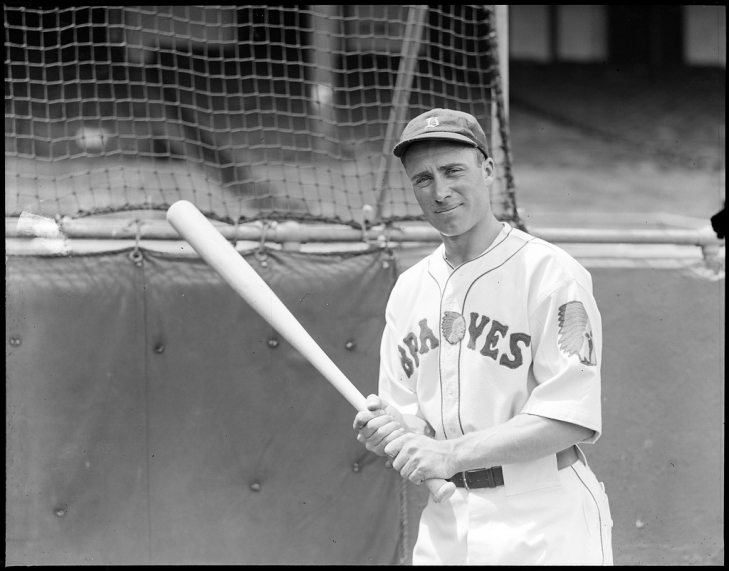
Wally Berger was one of 18 starters in the 1934 All-Star Game, and the other 17 are in the Hall of Fame. We aren’t necessarily saying that Berger is a Hall of Fame snub, but we will state that the Outfielder was a very good player who, at one time, was spoken of in the same breath as some elite talent.
As a rookie in 1930, Berger set the tone for what he would do as a Brave with 172 Hits, 38 Home Runs, 119 RBI, and a .310 Batting Average. He would slip in his second and third years in terms of power, but he still collected many hits and batted over .300. The All-Star Game began in 1933, and Berger played in the first four. His power game came back, and he hit 25 or more in each of those seasons, peaking with a National League leading 34 Home Runs and 130 RBIs in 1935. He was traded early in the 1937 season to the New York Giants.
Berger did not have the fortune of playing on many good Boston Braves teams and may not be remembered as the good a player as he was. After he was traded, he was never the same player because of shoulder injuries, but what he accomplished in Boston should be remembered in the Braves organization. He had 199 Home Runs with a .304 Batting Average for the team.
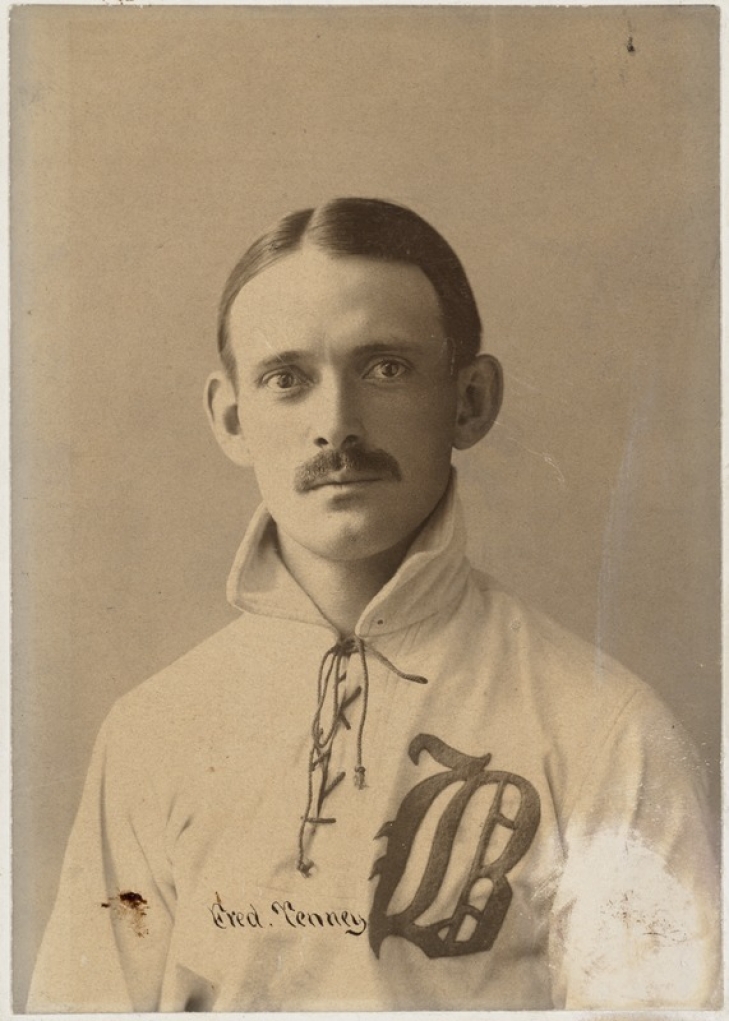
27. Fred Tenney
16. Lew Burdette
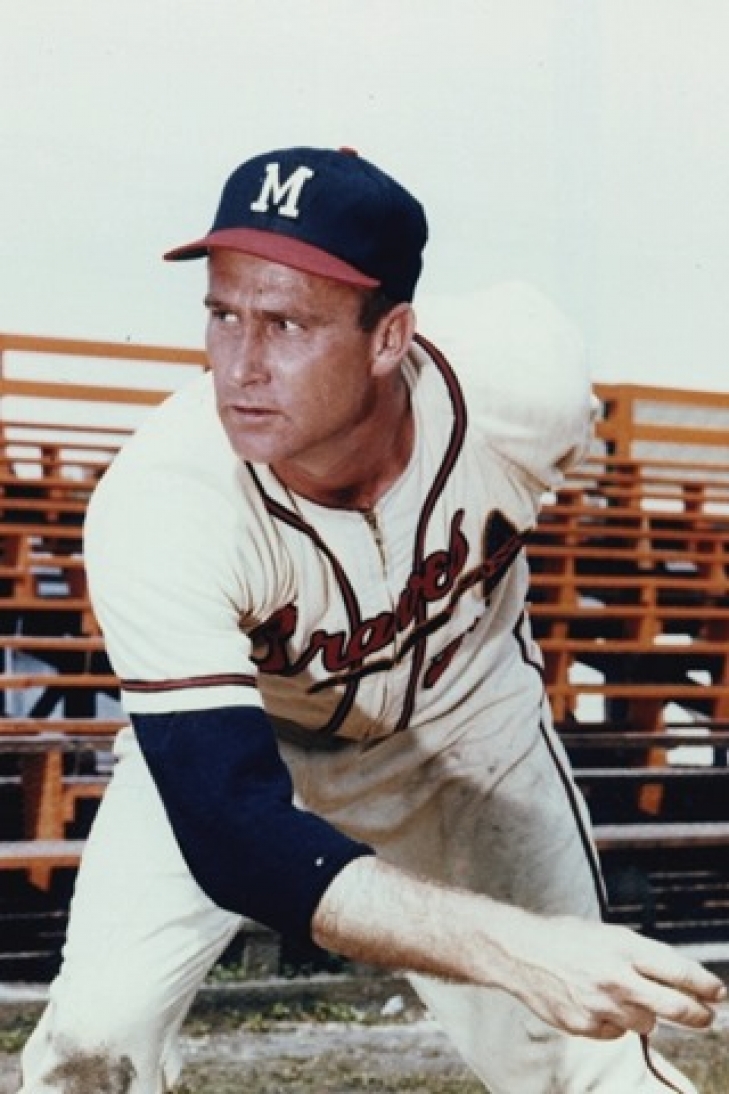
Lew Burdette was a consistent Pitcher for the Milwaukee Braves, where he would win 179 Games for the franchise. Burdette first came to notice in the 1953 season, going 15-5 and finishing 7th in ERA. The hurler remained solid for a couple of years, and in the last half of the 50’s, he would go on his best run, where from 1956 to 1961, he never had less than 17 Wins, and in three of those seasons, he was the National League leader in BB/9. Burdette would also win the ERA Title (1956) and the Wins leader in 1959.
An All-Star twice (1957 & 1959), Burdette would help Warren Spahn propel the Braves to the World Series, and Lew was at his absolute best, going 3-0 in the Fall Classic with a 0.67 ERA and a 0.926 WHIP. He would win the World Series MVP that year.
Despite his on-field accomplishments, Burdette might be best known for being a prankster and fun-loving individual who was popular with teammates and fans alike. If this list were based on overall likability, it would have been hard to supplant Lew Burdette.
32. Joe Torre
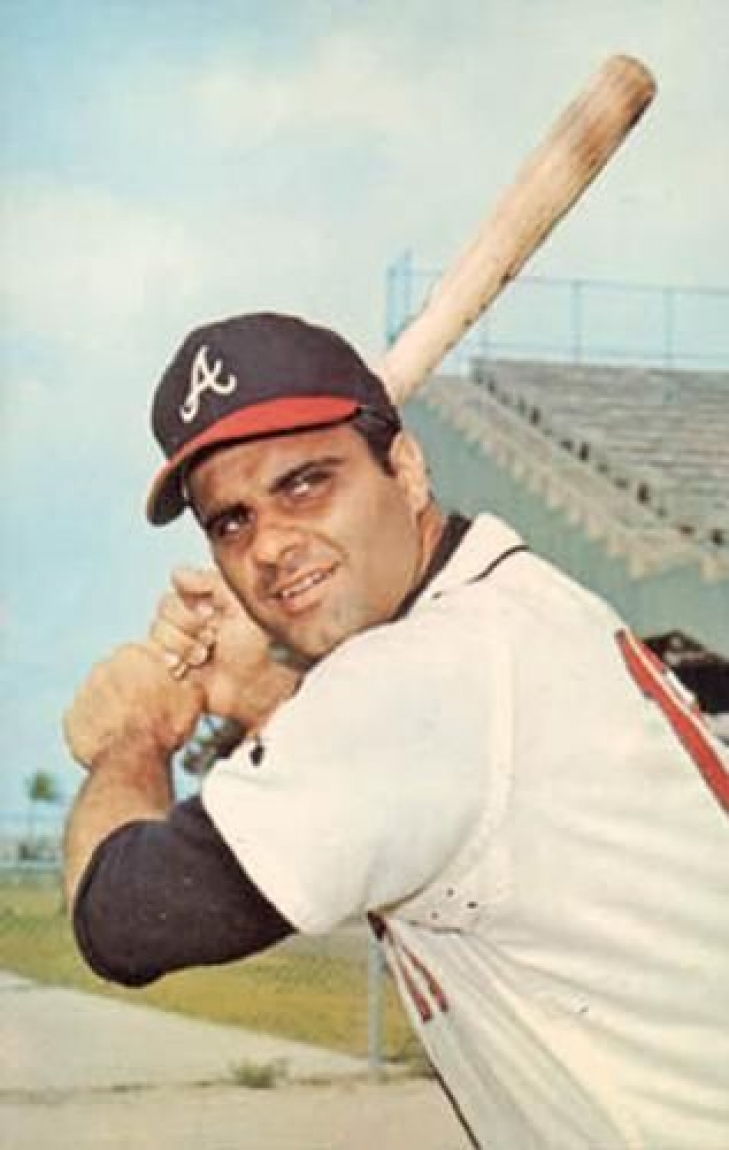
Torre would have a strong start in baseball, finishing second in the 1961 National League Rookie of the Year voting. In 1963, he was named to the National League All-Star Team, a feat he repeated for the next five seasons. Torre would show off power with four straight 20 Home Run seasons (1964 to 1967) with a solid Batting Average, though he would later be traded to the St. Louis Cardinals.
He was named the National League MVP in 1971 and was inducted into the Baseball Hall of Fame as a Manager in 2014. While he had greater success elsewhere, Torre’s work with the Braves can’t be forgotten.
12. Freddie Freeman
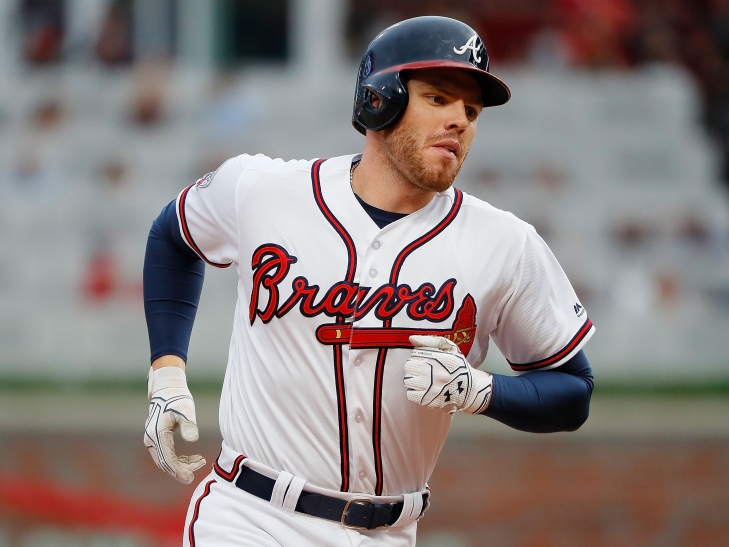
Freddie Freeman played his first dozen seasons with the Atlanta Braves, where he was shown to be one of the best First Basemen in the National League.
In 2011, Freeman was the runner-up for the National League Rookie of the Year (losing to teammate Craig Kimbrel), and in 2013, he was named an All-Star and finished fifth in MVP voting when he had a .319 Batting Average with a career-high 109 Runs Batted In. Again an All-Star in 2014, the First Baseman would have a 34 Home Run season in 2016 and would go on a three-year run in which he batted over .300 each year. In the year that was broken (2019), he posted career-bests in the power game with 38 Home Runs and 121 RBIs).
Freeman has finished in the top ten in MVP voting four times before the 2020 season, and in the COVID-19-impacted year, Freeman won the MVP while leading the National League in Doubles (23), and was second in all aspects of the Slash Line (.341/.462/.509). After finishing ninth in MVP voting in 2021 with 120 league-leading Runs and a third straight Silver Slugger, Freeman left the Braves for Los Angeles as a Free Agent
Freeman had 1,704 Hits and 271 Home Runs for Atlanta, and had he played a few more seasons for Atlanta, he would have made the top ten. Hell, we could make a case that he should have been!
10. Andruw Jones
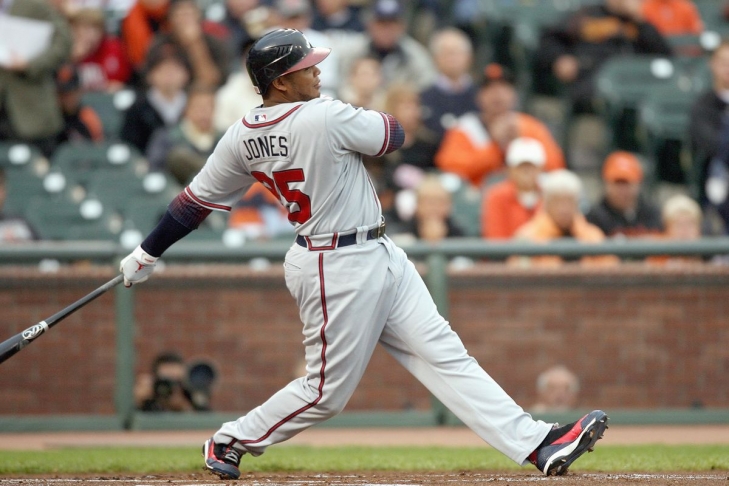
From Curacao, Andruw Jones made his debut with the Braves at age 19, and it was clear from the beginning that this was a star in the making. Jones would have his first 30-HR season in 1998, and from 2000 to 2003, he would hit that mark with three 100-RBI seasons and a .300 season in 2000, which was surprisingly the only one he ever had. Jones would add to his already prolific power numbers in the 2005 season, where he had a league-leading (and career-high) 51 Home Runs and was also the champion in Runs Batted In with 128. For his efforts, he was the runner-up for the National League MVP. His overall power totals for the Braves would be an impressive 368 Home Runs, 1,117 RBIs, with a .497 Slugging Percentage.
No conversation about Andruw Jones can take place without discussing his incredible defensive abilities. Jones would win the Gold Glove every season from 1998 to 2007 (all with Atlanta), and he had six straight years where he would finish first in Total Zone Runs (1997 to 2002). As a Brave, he was the NL leader in Defensive bWAR, and in six other seasons, he was in the top ten.
Had Jones had a better Batting Average and OBP (.263 and .342 are decent but not spectacular), he would be higher on this list. The Braves chose Jones for their Hall of Fame in 2016. Ten years later, Jones received the call from Cooperstown.
17. Jim Whitney
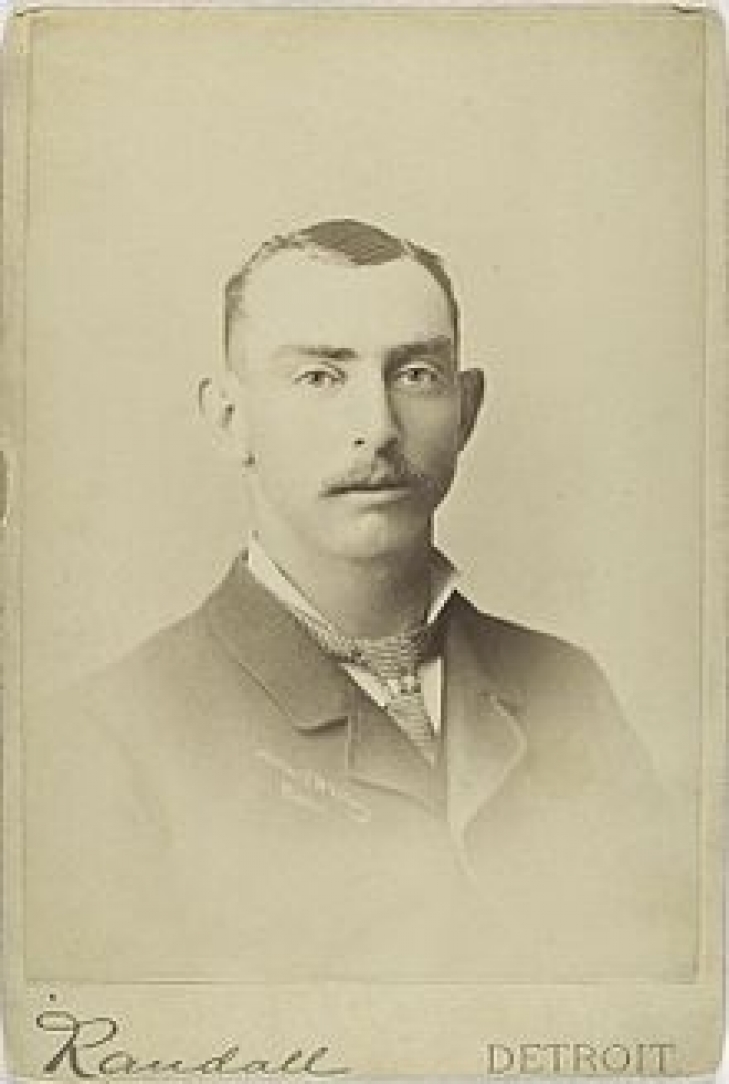
Interestingly, Whitney would finish first in BB/9 three times and first in Wild Pitches, yet his overall control numbers were quite good.
What really helps his ranking is that Whitney was a good hitter for a Pitcher, and he had a batting average of .270 for Boston with 406 Hits. That can’t be discounted.
13. Tommy Bond
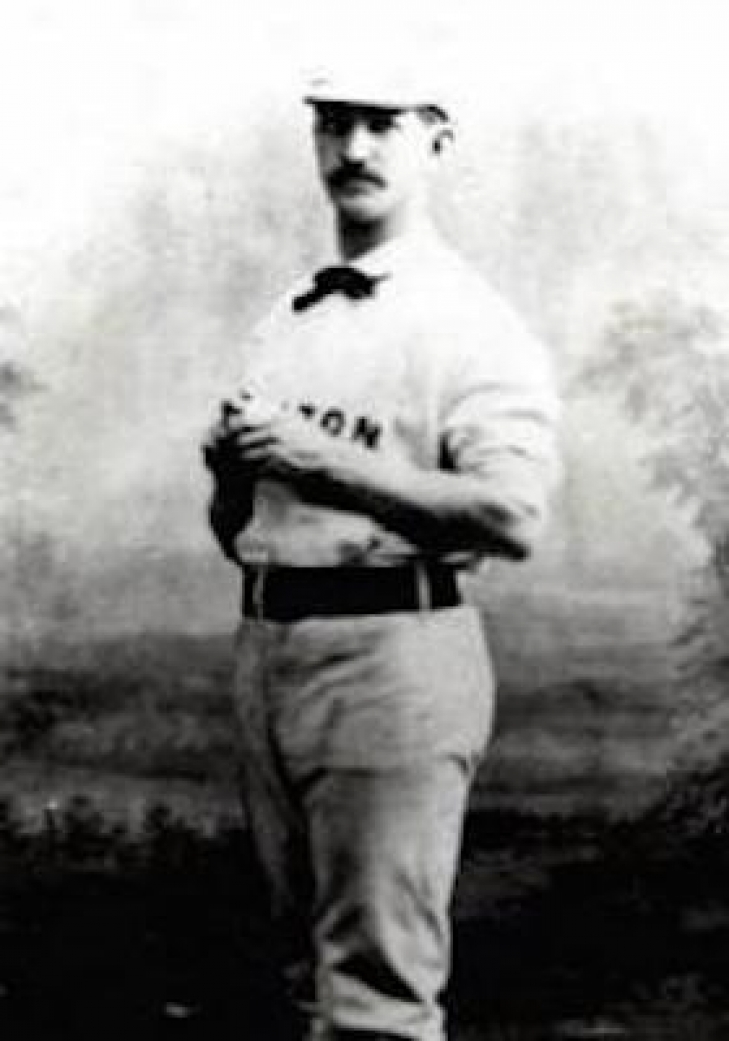
Tommy Bond arrived in Boston in 1877 after a disagreement with his former Manager with the Hartford Dark Blues and the then-named Red Stockings would quickly love having the Irish-born Pitcher on the team. Bond was a huge force on the mound where the sidearmer was arguably the best Pitcher in the National League from 1877 to 1879. In that timeframe, which was basically the infancy of baseball, Bond won 40 Games each year, the first two of which were league-leading. He would also win the ERA Title twice, the Strikeout title twice, and was also first in WHIP twice. 1877 would see Bond win the Pitcher’s Triple Crown, making him the first to do so in the National League. Bond tailed off quickly after his arm got weak but for the franchise he would win 149 Games.
It was not a long run but his dominance over that three year period warrants him a place here, even one this high.15. Vic Willis
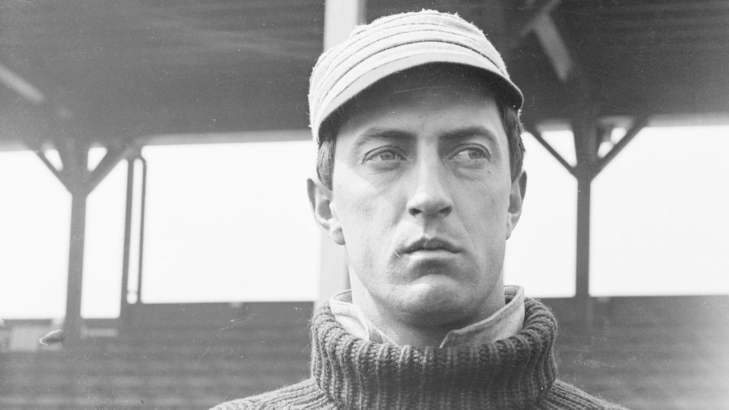
He would later be traded to the Pittsburgh Pirates, where he would have four straight seasons of 20 or more Wins and top ten finishes in bWAR for pitchers, including a league-leading 8.1 in 1906. Willis would also help the Pirates win the World Series in 1909.
Willis would be inducted into the Baseball Hall of Fame in 1995 by the Veterans Committee.
14. John Clarkson
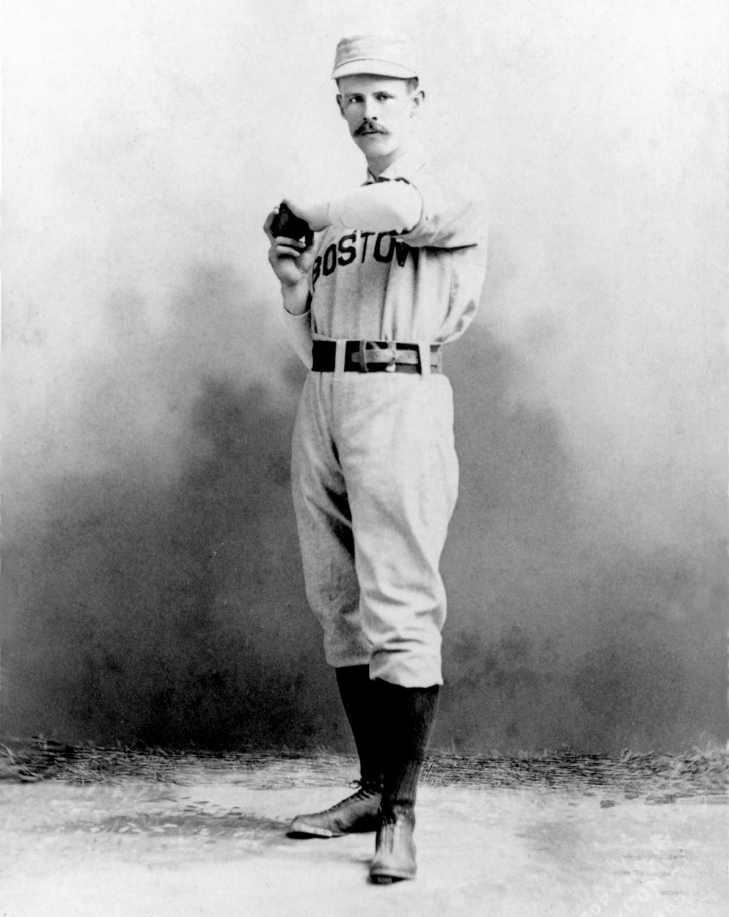
Prior to his arrival in Boston, John Clarkson was considered one of the best Pitchers in the National League. With the Chicago White Stockings (which would later be named the Chicago Cubs), he finished first in Wins twice (1885 & 1887) and was considered an elite Pitcher. The Boston Beaneaters sure thought so, and they purchased him from Chicago for $10,000, which was a fortune in 1888! This proved to be a decent choice, and Clarkson had a good 1888 with a 33 Win season (2nd overall), but exploded the following season with what has to be considered one of the greatest seasons in franchise history.
In 1889, John Clarkson finished first in Wins (49), Earned Run Average (2.73), Games Pitched (73), Innings Pitched (620), Strikeouts (284), WHIP (1.277) and bWAR for Pitchers (16.7). That 16.7 is the fifth-highest EVER by Pitchers in any season. Clarkson would have won an award for a Pitcher had there been one in existence back then. He would have two more good seasons for Boston before he was surprisingly released midway through the 1892 season.
His overall resume with the Beaneaters included a 149-82 record and a 2.82 ERA.
Clarkson would be inducted into the Baseball Hall of Fame in 1963 by the Veterans Committee.
8. Chipper Jones
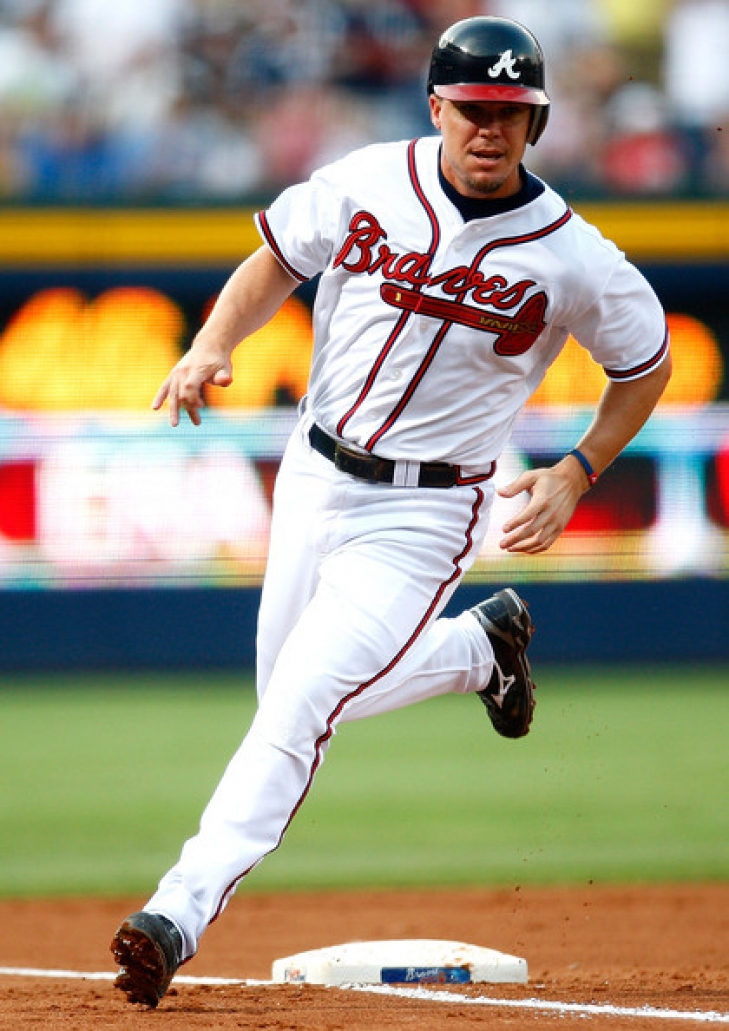
While the Atlanta Braves of the 1990s and early 2000’ will always (and should be) known primarily for the elite starting pitching, Chipper Jones had the perfect path to greatness from the number one draft pick in 1990 to first ballot Hall of Fame inductee in 2018.
Jones was an Atlanta Brave during his entire career, winning the World Series in his rookie season (1995). The loaded organization was expected to win more championships, and though they did not, it wasn’t for lack of effort from the Third Baseman, who proved to be one of the most consistent players in the game for years. Jones would belt 468 Home Runs over his career with five 30-Home Run seasons and nine 100-RBI seasons with 1,623 in total. He also hit for average, winning the Batting Title in 2008 with a .364 average, with nine .300 seasons and a career Slash Line of .303/.401/.529 with 2,726 Hits.
Along with that consistency, the eight-time All-Star finished six times in the top ten in National League MVP voting. This included winning the coveted award in 1999.
Without question, Chipper Jones is the best position player the Braves have had in the past thirty years. Atlanta retired his number 10 in 2013 and inducted him into their franchise Hall of Fame the same year.
6. Phil Niekro
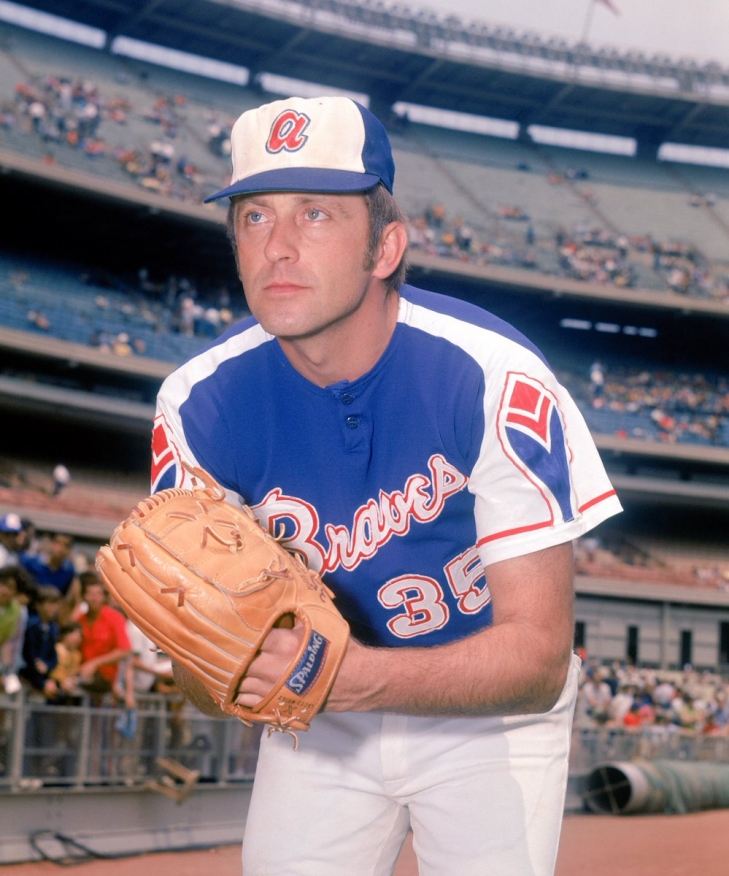
Phil Niekro played an incredible 24 seasons in the Major Leagues, 20 of which took place in a Braves uniform, and seemingly no matter how old he was (and how old he looked), he defied Father Time much longer than any Pitcher had the right to.
The secret to his success was the knuckleball, a pitch that is hard to master but does not take as much toll on your arm. Niekro would debut in 1964 and found himself a permanent fixture on the Atlanta rotation in 1967, the season in which he won the ERA Title, and he would break out in 1969 with a 23 Win season and a second-place finish in Cy Young voting.
The 1970s would prove to be very good for the knuckleballer as he would have three more seasons of top-ten Cy Young voting, two seasons where he was the National League leader in Wins, yet it also included a strange stretch, 1977-80 where he would finish first in Losses, but was also first in Innings Pitched in the first three of those years. Basically, Niekro was really good but had limited support during this period, as, bluntly, the Braves were not very good! Still, Niekro persevered, and he had another All-Star season in 1982. The Braves thought Niekro was done after 1983, and they released him, but he went on to play four more seasons, including a final start for the Braves in 1987.
Overall, Niekro would win 268 games, go to four All-Star Games, and win five Gold Gloves for the Braves.
Phil Niekro was inducted into the Baseball Hall of Fame in 1997, and two years later, he was part of the first Braves Hall of Fame Class. Atlanta also retired his number 35 in 1984.
5. Greg Maddux
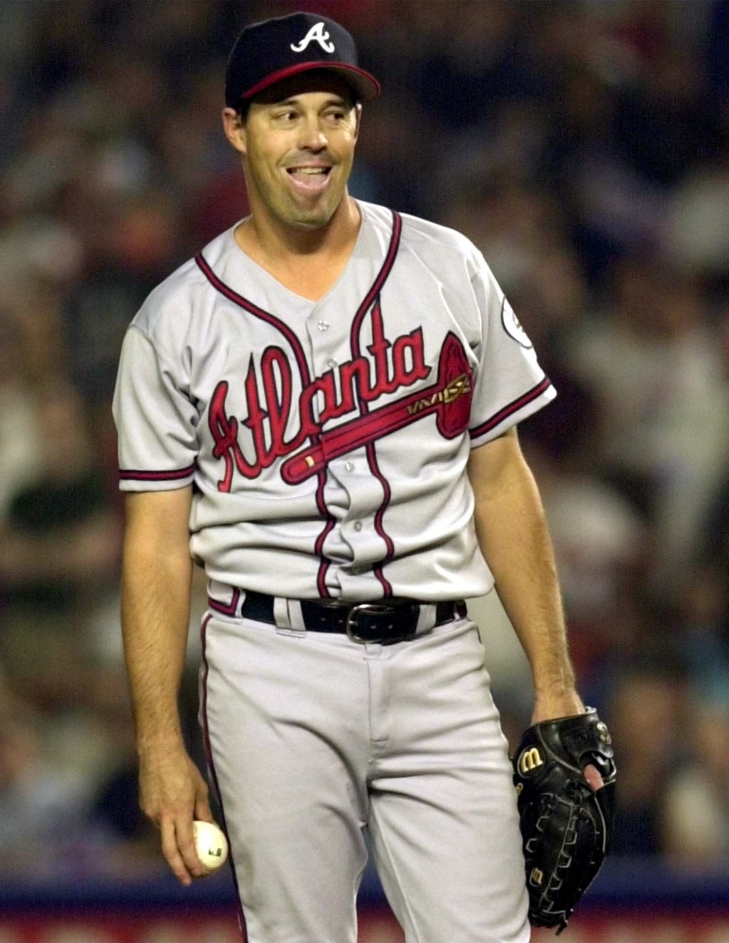
One of ten Pitchers to have struckout 3,000 batters and rack up 300 Wins (when will we ever see that again!), Greg Maddux accomplished a lot of that with the Atlanta Braves.
When Maddux arrived to Atlanta in 1993 via free agency he was the reigning National League Cy Young Award winner and it was certainly hoped that he could replicate that performance or come close to it, however he certainly exceeded all expectations that the Braves could have hoped for. Maddux would anchor the best starting rotation in the 90’s along with Tom Glavine and John Smoltz and in his first three seasons in Atlanta he would repeat his Cy Young win making him a four time recipient of the most prestigious award that a Pitcher can earn. In that three year span, Maddux would lead the National League in ERA, Wins, WHIP, ERA+ and FIP each year, while finishing first in bWAR for Pitchers twice with a second place finish in the other year. That is easily one of the best runs of dominance for any player regardless of position! This stretch was punctuated by taking Atlanta to a World Series win in 1995.
Maddux may never have won the Cy Young again but he would finish in the top five in voting four times in the next eight years he played in the ATL. The Pitcher would record 194 Wins and 1,825 Strikeouts as a Brave while going to six All Star Games and winning 10 Gold Gloves. While Maddux is not the highest ranked Pitcher on this list he is certainly the one most of us remember!
Atlanta would retire his number 31 in 2009, and he would be inducted into the Baseball Hall of Fame in 2014 on the first ballot. The Braves also selected Maddux for their Hall of Fame in the same year of his Cooperstown honor.
11. Dale Murphy
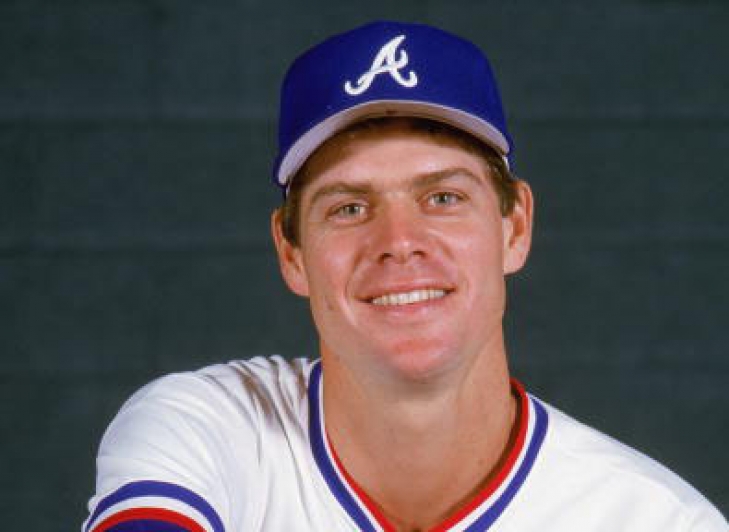
Dale Murphy was the offensive star of the Atlanta Braves through the 1980s and was also one of the top power hitters of the game. Murphy was named the National League MVP in back-to-back seasons (1982 & 1983), and he would finish atop the NL leaderboard in Runs Batted In while also being named an All-Star, a Silver Slugger, and a Gold Glove winner. The next two seasons were almost as good as he was. While he was not the MVP, he would repeat the All-Star/Silver Slugger/Gold Glove trifecta and would win the Home Run Title in both of those years. The seven-time All-Star would have six 30 Home Run seasons with 371 in total for Atlanta, along with 1,143 Runs Batted In. He was also the National League leader in OPS in 1983 and would finish second in the following three seasons.
Murphy remains a very well-known figure in Atlanta and is considered by many in the Peach State to be one of the biggest Baseball Hall of Fame snubs. Despite this, Murphy's number 3 was retired by the Braves in 1994 and was chosen for the team Hall of Fame in 2000.9. Tom Glavine
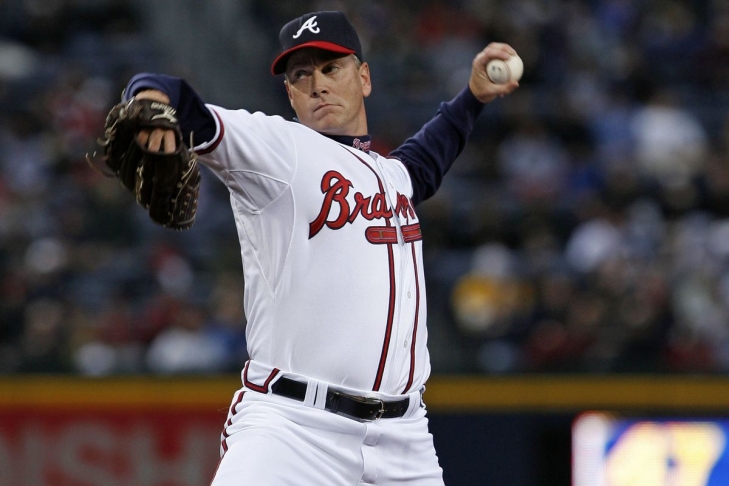
Along with Greg Maddux and John Smoltz, Tom Glavine was part of a devastating Hall of Fame trio that dominated starting pitching in the 1990s.
It wasn’t all wine and roses for Glavine when he started, as his first few seasons were a mixed bag, but in 1991, he would break out with a league-leading 20 Wins with a 2.55 ERA and a Cy Young Award win. Glavine would prove this wasn’t a fluke as he led the NL in Wins the next two seasons, finished second and third in Cy Young voting, and, in 1995, anchored the Braves to a World Series win, where he won the World Series MVP. The second half of the 90s proved to be just as good as he would have two more 20 Win seasons (both league-leading), and he would win his second Cy Young in 1998 while finishing second in 2000.
As an Atlanta Brave, Glavine won 244 Games with 2,091 Strikeouts and had eight All-Star Game appearances. He was also a very good hitter, as shown by his multiple Silver Slugger Awards. Glavine would leave Atlanta to sign with the Mets, but he would return to Atlanta for his final season in 2008.
Glavine would enter the Baseball Hall of Fame on the first ballot in 2014, four years after his number 47 was retired by the Braves. Atlanta would also induct Glavine into their Hall of Fame in 2010.
7. John Smoltz
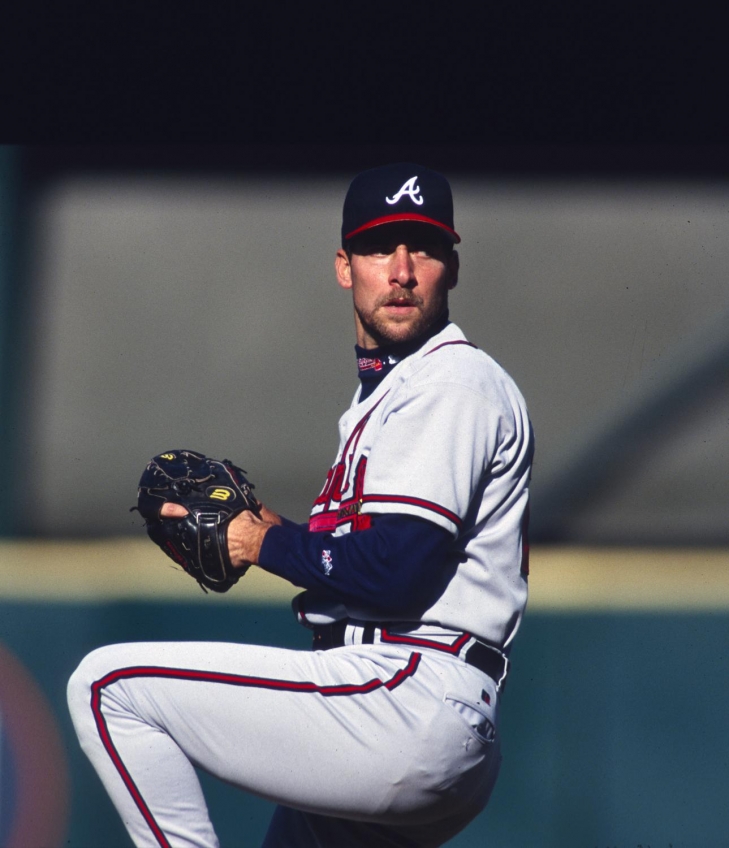
The Atlanta Braves essentially stole John Smoltz when they traded what was left of Doyle Alexander to the Detroit Tigers for him, and doesn’t the latter wish he could have that one back?
Smoltz would go eight All-Star Games and is the only Pitcher in history to record 200 Wins and 150 Saves. The righthander would establish himself as an elite Pitcher in the 1991 postseason, where he went 2-0 in the NLCS and had a 1.26 ERA in the World Series. Smoltz would again have a strong playoff in 1992, going 3-0 and earning NLCS MVP.
As part of a triumvirate of greatness with Greg Maddux and Tom Glavine, the Braves had the best rotation in baseball in the 1990s, although they only have one World Series win (1995) to show for it. Like Maddux, Smoltz would win the Cy Young as a Brave (1996), and he would also lead the National League in Strikeouts twice. Smoltz is one of the few pitchers to whiff 3,000 batters for one team (3,011), and he racked up 210 Wins playing for the Atlanta.
What really made Smoltz unique was his return from injury after sitting out the 2000 season, when he became a closer. He would have three seasons of 55, 45, and 44 Saves respectively, and he would be named the Rolaids Reliever of the Year in his 55 Save season, a number that was good enough to lead the league.
This is quite a versatile resume, isn’t it?
John Smoltz was inducted into the Baseball Hall of Fame in 2015, his first year of eligibility. Three years earlier, Atlanta retired his number 29 and inducted him into their Hall of Fame.
4. Eddie Mathews
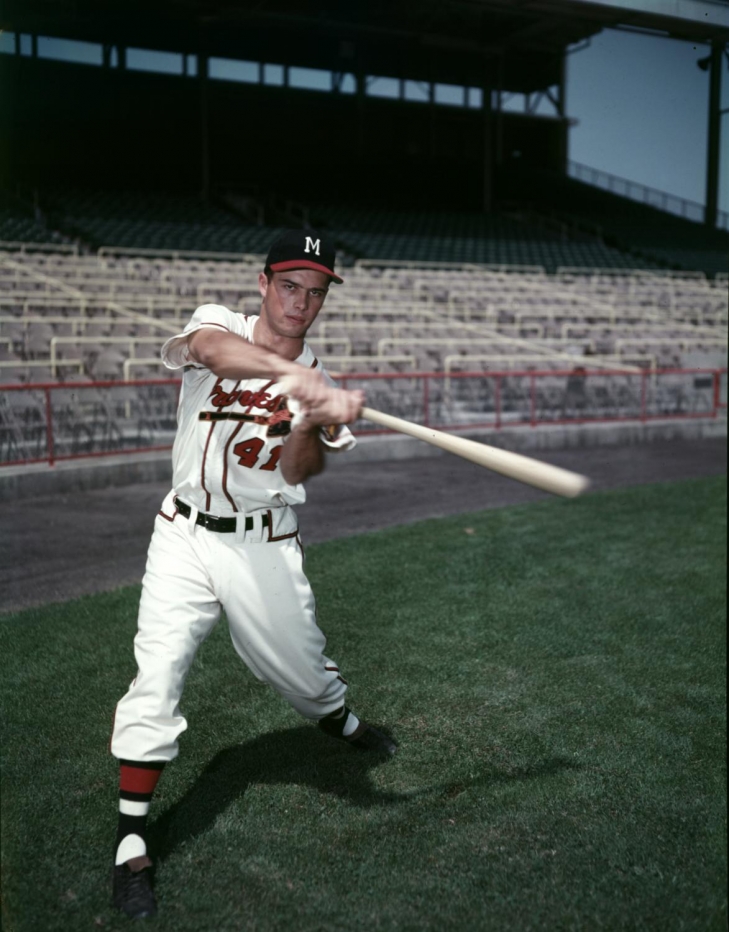
The only player in franchise history to play for the organization when the team was in Boston, Milwaukee, and Atlanta, Eddie Mathews is historically regarded as one of the best Third Baseman in the game’s history.
Mathews debuted in 1952 with the Boston Braves where he finished third in Rookie of the Year voting but in 1953 when the franchise moved to Milwaukee he would become an All-Star for the first of nine times. This was only his second season of seventeen years in the Majors yet it was arguably his best as he had career highs in Home Runs (47, which was also enough to lead the NL) Runs Batted In (135), a sweet Slash Line of .302/.406/.627 and he was second in MVP voting. This isn’t to say that Mathews declined after this because he certainly did not. Paired up with Hank Aaron, Mathews was one half of the most powerful dup in the National League. The Third Baseman would have three more 40 Home Run Seasons, was a four-time leader in Walks and again would have a second-place finish in MVP voting (1959) while finishing in the top ten two other times. It also can’t be forgotten that he was a critical part in the Braves winning the World Series in 1957. He was also more than decent on the defensive side of the ball as he was a two-time leader at his position in Total Zone Runs and was a top-five finisher on seven more occasions.
As a Brave (Boston, Milwaukee & Atlanta) he would accumulate 2,201 Hits, 493 Home Runs, 1,388 RBIs with a Slugging Percentage of .517.
Eddie Mathews was traded after fifteen seasons with the Braves and in his last year in the Majors he would win his second World Series ring in a minor role with the Detroit Tigers in 1968.
Mathews would be chosen for the Baseball Hall of Fame in 1978 on his fifth year on the ballot. Atlanta retired his number 41 in 1969 and he was inducted along wth three other legends into the Braves' first Hall of Fame class in 1999.