

Our All-Time Top 50 Washington Nationals have been revised to reflect the 2023 Season
Yes, we know that this is taking a while!
As many of you know, we at Notinhalloffame.com are slowly generating the top 50 of each major North American sports team. That being said, we have existing Top 50 lists, and we always consistently look to update them when we can and based on necessity. As such, we are very happy to present our post-2023 revision of our top 50 Washington Nationals.
As for all of our top 50 players in baseball, we look at the following:
1. Advanced Statistics.
2. Traditional statistics and how they finished in Major League Baseball.
3. Playoff accomplishments.
4. Their overall impact on the team and other intangibles that are not reflected in a stat sheet.
Last year, the Nationals had another awful season and were not close to the playoffs. The poor year did not generate any changes in the Top 50, but as always, we acknowledge that we considered the 2023 Season.
As always, we present our top five, which (obviously) saw no changes:
1. Gary Carter
2. Tim Raines
3. Max Scherzer
4. Andre Dawson
5. Steve Rogers
You can find the entire list here.
We thank you for your continued support of our lists on Notinhalloffame.com.
Our All-Time Top 50 Washington Nationals have been updated to reflect the 2022 Season
Yes, we know that this is taking a while!
As many of you know, we here at Notinhalloffame.com are slowly generating the 50 of each major North American sports team. That being said, we have existing Top 50 lists out and we always consistently look to update them when we can and based on necessity. As such, we are very happy to present our post 2022 revision of our top Washington Nationals.
As for all of our top 50 players in baseball we look at the following:
1. Advanced Statistics.
2. Traditional statistics and how they finished in the National League.
3. Playoff accomplishments.
4. Their overall impact on the team and other intangibles not reflected in a stat sheet.
Last year, Washington was one of the worst teams in baseball, and the only player they had they improved his rank, was traded during the season.
As always, we present our top five, which was not affected by the last season:
1. Gary Carter
2. Tim Raines
3. Max Scherzer
4. Andre Dawson
5. Steve Rogers
You can find the entire list here.
Outfielder, Juan Soto, who was traded to San Diego during the season, moved to #14 from #17.
We welcome your input and comments and as always, we thank you for your support.
Our All-Time Top 50 Washington Nationals have been updated to reflect the 2021 Season
Yes, we know that this is taking a while!
As many of you know, we here at Notinhalloffame.com are slowly generating the 50 of each major North American sports team. That being said, we have existing Top 50 lists out and we always consistently look to update them when we can and based on necessity. As such, we are very happy to present our pre-2022 revision of our top 50 Washington Nationals.
As for all of our top 50 players in hockey we look at the following:
1. Advanced Statistics.
2. Traditional statistics and how they finished in the National League.
3. Playoff accomplishments.
4. Their overall impact on the team and other intangibles not reflected in a stat sheet.
Please note, that this is our first revision, reflective of the last year.
The Nationals went into full rebuilding mode, trading many of their stars during the season. There were no new entries, but were some rank elevations.
As always, we present the top five immediately, which has no changes.
1. Gary Carter
2. Tim Raines
3. Max Scherzer
4. Andre Dawson
5. Steve Rogers
You can find the entire list here.
Scherzer almost supplanted Raines at #2, and he completed the season with the Nationals, he likely would have.
Ryan Zimmerman moves up from #9 to #6. This could be the end of the climb for Zimmerman, as it is speculated that he might soon retire.
Infielder, Trea Turner, was traded to the Los Angeles Dodgers during the season. Despite, not playing all of the year with Washington, he was fantastic this year, and moves up to #14 from #22.
Juan Soto, who was this year’s National League MVP runner-up, rockets up to #17 from #36.
We welcome your input and comments and as always, we thank you for your support.
Our Top 50 All-Time Washington Nationals have been updated
As always, we here at Notinhalloffame.com continue to update our existing lists.
As we slowly put together our Top 50 all-time players for every major team we constantly continue to update our existing ones. For the second time, we are updating the first franchise 50 we ever posted, the Washington Nationals.
Since the last time we revised our Washington Nationals two things have changed.
The first is that since our last revision in two and a half years ago, we have relaxed the dependence on advanced statistic and put a higher reward on individual seasons. We think this allows for a more equitable balance on traditional and advanced metrics.
The second and of course obvious change is that two full seasons have passed. This list is now up until the end of the 2017 Season.
The entire list can be found here and we certainly encourage you to take a look at it and let us know your thoughts and opinions.
Prior to that we wanted to make you aware of a few major changes on the list since the last revision.
Max Scherzer debuts at #9. While his tenure with Washington has certainly been brief, three All Stars and two Cy Youngs already make him one of the most successful hurlers in Nationals history.
2014 Silver Slugger Anthony Rendon makes his first appearance at #22.
Other debuts on current Nationals are Daniel Murphy (#31) and Tanner Roarke (#35).
Other jumps in active Washington Nationals include Bryce Harper from #9 to #8, Steven Strasburg goes from #29 to #11 and Gio Gonzalez moves from #28 to #16.
Other debuts based on our revisions are Moises Alou (#38), Dan Schatzeder (#45) and Wilson Ramos (#47).
As you may have deduced, the entire list has been shuffled.
We will be unveiling the Top 50 All-Time Dallas Stars next.
Baseball HOF Weekend!
Perhaps it is because the induction of Jeff Bagwell after seven years was finally was chosen, likely forced to wait for the Hall due to PED suspicion.
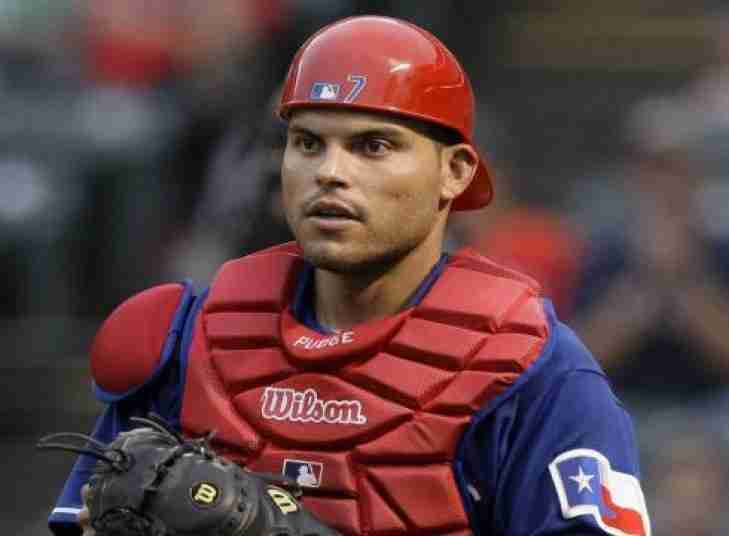
Maybe it is more due to Ivan Rodriguez getting in on his first ballot. While I-Rod never tested positive for Performance Enhancing Drugs, Jose Canseco named him as someone who he injected personally. Regardless of whether that is true or not, Pudge is regarded by many as the greatest Catcher of all time by many pundits and the admission of both Bagwell and Rodriguez to the Baseball Hall of Fame suggests a sway in popular opinion as to how the PED era is looked upon, which should open the door for names such as...well…you know the names.
Maybe the satisfaction is that on his final year of eligibility Tim Raines got in after it looked like he may have to wait for a Veterans Committee Selection that are rarely doled out.
This year just feels right.
As expected, the speeches from this trio were emotional and focused on family and teammates.
Rodriguez was particularly teary eyed when he looked at his father and exclaimed “If I’m a Hall of Famer, you’re a Hall of Famer – double.” Pudge’s speech went back forth in Spanish and English much to the delight of the many Puerto Rican fans who made the trip. Only Johnny Bench made the Hall in his first try as a Catcher and fittingly he was on the dais as Rodriguez was enshrined.
The very humble Jeff Bagwell also thanked his family and in typical fashion talked about how he “wanted to score for my team and for (his) other players”. There were a slew of Astros fans present to welcome Bagwell to the Hall to join his teammate, Craig Biggio. Bagwell is sixth overall in JAWS amongst all First Basemen.
The long awaited induction of Tim Raines saw busloads of fans from Canada who are likely witnessing the last player to go in as a Montreal Expo. Raines thanked three Hall of Famers for being a positive influence on his career, Andre Dawson, George Brett and Rickey Henderson.
Not to be forgotten is that former Baseball Commissioner Bud Selig also took his place amongst the immortals. Ironically Selig presided over the PED era thus convincing some Hall of Fame voters to overlook the Suspected and confirmed PED users.
We here at Notinhalloffame.com would like to congratulate this year’s class. Our Baseball list for the next class is already up.
Frank Thomas softening his HOF stance towards the PED users
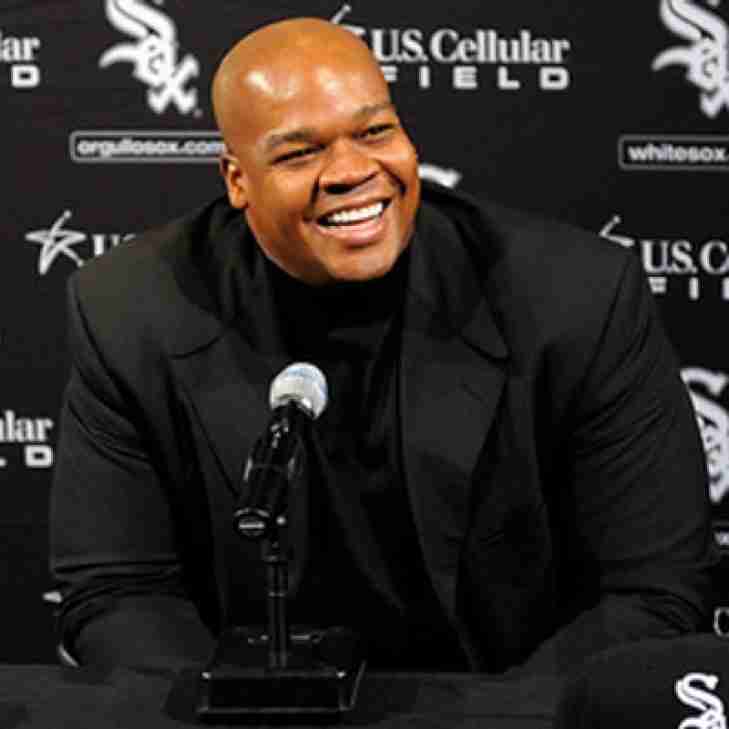
Ivan Rodriguez, Jeff Bagwell and Tim Raines were selected for Cooperstown this year, and Thomas is not overly thrilled with two of them anyway:
“We have two great players going in (this year) and they know. It's no secret. If they didn't do it they would be stomping and kicking on interviews, 'I didn't do it.'
If you didn't, you come to the forefront, 'Let's take a lie detector test," and these guys won't do it. Some of these guys were great players, but they wouldn't have been great players without drugs."
Thomas did not use Rodriguez and Bagwell by name, but it was clear that these were the two players he was speaking of.
Rodriguez, who enter the Hall on his first year of eligibility was named in Jose Canseco’s book, “Juiced” as someone who he personally injected with PEDs has been someone who many have speculated (though never proven) to be a PED user. Bagwell has also been accused by some, but again, never proven.
While Frank Thomas is “not happy” that Bagwell and Rodriguez are inducted, he now has developed an “all or nothing” attitude in regards to higher profile PED suspected users:
“Now some guys are getting passes and some guys are not. It's wrong. If you're going to punish Barry Bonds and Sammy Sosa and Roger Clemens, how can you let the rest of these guys get in?
Either you let all those guys in and put them in a special wing or you clean it up and keep everybody out."
Based on hard line stance that Frank Thomas has taken in the past towards PED users in the Baseball Hall, this is practically a 180, or at least an acknowledgement of the era itself.
This coincides with many writers relaxing their stance on the PED users, especially with Bud Selig selected as a Today’s Game inductee. Those writers claim that the PED rise and subsequent ignoring of it for years happened under Bud Selig’s watch.
For what it is worth, Thomas doe support the induction of Pete Rose to the Hall and was excited with the selection of Tim Raines to Cooperstown.
Who will be the next Baseball Hall of Famer to come out in support, or against these former players? We know it won’t take long to find out!
The Baseball HOF will induct Jeff Bagwell, Tim Raines and Ivan Rodriguez
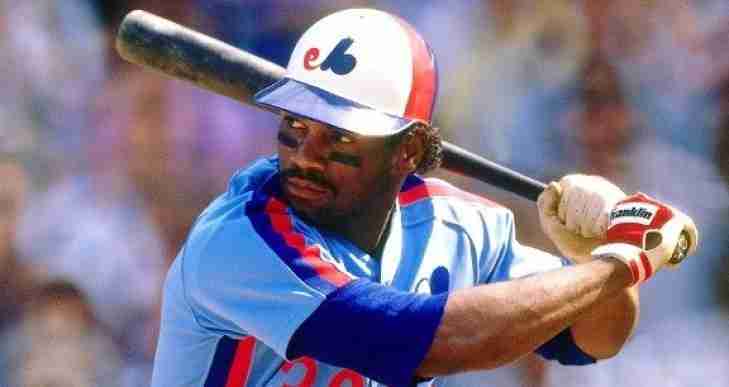
That second day is here.
The Baseball Hall of Fame Class of 2017 has been announced and let’s get right to it as we have three new Baseball Hall of Famers
The highest vote getter this year is Jeff Bagwell who is selected on his 7th year of eligibility. Bagwell received 86.2% of the vote, well up from his 71.6% last year. It has been believed that his delay into getting into the Baseball Hall has been due to PED suspicion, but that is all there was in his case.
Finishing second on the ballot is Tim Raines, who was on his last year of eligibility. “Rock” had 86.0% and like Bagwell received a more than 15% jump. For many Baseball fans, this is long overdue and many are thrilled to see him get his due.
Perhaps a bit of a surprise is that Ivan Rodriguez entered on his first ballot with 76.0%. Statistically, I-Rod is Cooperstown worthy but he has a direct PED accusation from Jose Canseco though was never named in the Mitchell Report.
Overall, the PED users/suspected players have seen a rise in the totals, a lot of which can be attributed with the elimination of older and inactive baseball writers from the process and the induction of Bud Selig, who presided over the time that PED use arose in the game.
Let’s look at those who didn’t make the cut:
Trevor Hoffman: 2nd Year on the ballot, 74.0%
The prolific reliever did not make this year, but he was only a handful of votes away. He finished with 67.3% last year and should get in next year.
Vladimir Guerrero: 1st Year on the ballot, 71.7%
“Vlad the Impaler” was pegged by some as a first ballot inductee but it won’t take him long to get in. He should be a lock next year.
Edgar Martinez: 8th Year on the ballot, 58.6%
Edgar has only two years left but this was a huge jump from the 43.4% he had last year. Martinez was a Designated Hitter, a position that has hurt him in the past and the fact that three people got in to help thin the ballot somewhat does not hurt his cause.
Roger Clemens: 5th Year on the ballot, 54.1%
This was a huge jump for Clemens and the first time he eclipsed 50 percent. This is up 8.9% from last year and perhaps for the first time we have a strong reason to think that the Rocket could get in.
Barry Bonds: 5th Year on the ballot, 53.8%
See above. Could we see in the future a year where both Barry Bonds and Roger Clemens enters Cooperstown together? A few years ago we wouldn’t have thought so, but now that seems like a possibility.
Mike Mussina: 4th Year on the ballot, 51.8%
Mussina doesn’t get a lot of attention as he is not a controversial choice, nor is he one that plays to the media. He did however jump up past the 50% mark for the first time and is going in the right direction.
Curt Schilling: 5th Year on the ballot, 45.0%
Schilling dropped 7 percent, and we all know why don’t we? He angered the media with his comments toward them and is this backlash was long expected.
Lee Smith: 15th Year on the ballot, 34.2 %
This is the end for Smith, who at one point was the all-time Saves leader. Based on how he was trending, he was lucky to make it this far.
Manny Ramirez: 1st Year on the ballot, 23.8 %
This could be the biggest surprise. The suspected PED users went up, but Ramirez was caught and suspended twice. Maybe the writers thought “Manny being Manny” was not enough explanation.
Larry Walker: 7th Year on the ballot, 21.9%
While it doesn’t look like Walker will get in, he did jump up from his 15.5% from last year.
Fred McGriff: 7th Year on the ballot, 21.7%.
McGriff barely budged from his 20.9% from last year. It isn’t looking good for the “Crime Dog.”
Jeff Kent: 3rd Year on the ballot, 16.7%
The former National League MVP moved up…0.1%. Is there a Survivor Hall of Fame?
Gary Sheffield: 3rd Year on the ballot, 13.3%
Sheffield mildly improved but he on such a crowded ballot, he still has time to jump up considering his career stats.
Billy Wagner: 2nd Year on the ballot, 10.2%
Wagner actually went down from his 10.5% from the year before. Realistically, just staying on the ballot is a win for him.
Sammy Sosa: 5th Year on the ballot, 8.6%
Sosa is still alive, so we are stuck debating him another year.
The notable player who did not make the 5% to stay on the ballot was former New York Yankee Catcher, Jorge Posada, received 3.8%.
Others who received votes were Magglio Ordonez (0.7%), Edgar Renteria (0.5%), Jason Varitek (0.5%) and Tim Wakefield (0.2%).
The others on the ballot who did not receive any votes were Corey Blake, Pat Burrell, Orlando Cabrera, Mike Cameron, J.D. Drew, Carlos Guillen, Derrek Lee, Melvin Mora, Arthur Rhodes, Freddy Sanchez and Matt Stairs.
We here at Notinhalloffame.com would like to congratulate the latest Baseball Hall of Fame Class and we will be unveiling our next list in a month’s time.
The Baseball HOF has announced their Nominees for 2017.
Tim Raines: Still Hopeful
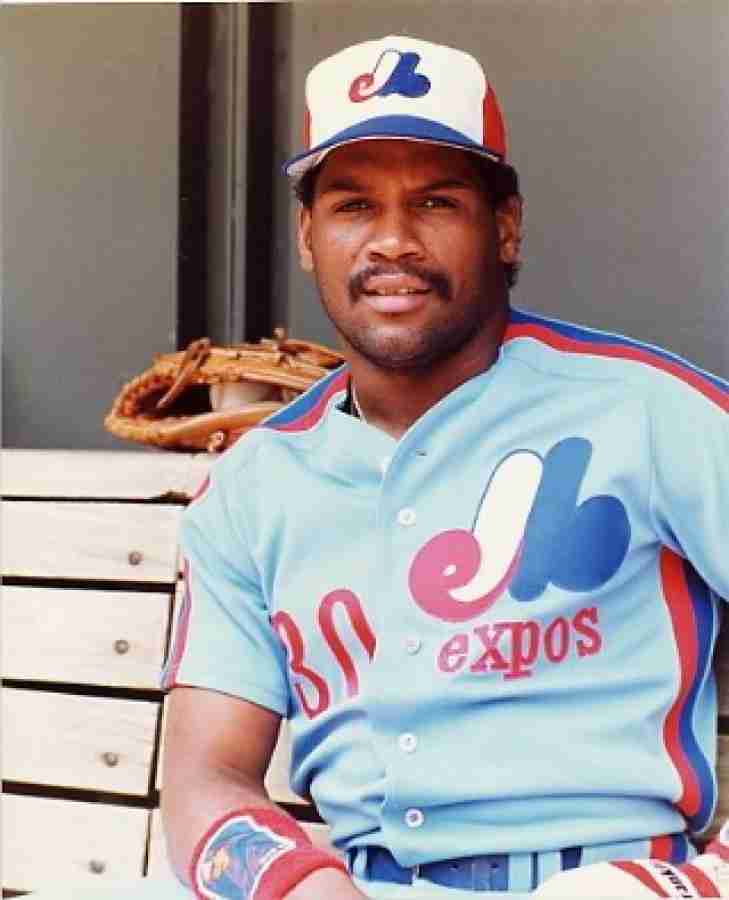
This past week, Raines was in Chicago to celebrate the 25th anniversary of U.S. Cellular Field and was the most optimistic he has ever been for the Baseball Hall of Fame despite entering his tenth and final year of eligibility.
Raines had the following to say:
"This is probably the first year out of the nine years that I've been on the ballot that I really, really feel like I have a chance…I think about it a lot more than I ever have in the past.
If I don't (get in), it's not the end of the world…I would love for it to happen. But coming now to this point, being my last year on the ballot and being so close, it's getting a little nerve-wracking. I think those nerves are starting to set in. I just can't wait until it's over now."
Raines is coming off a 2016 vote of 69.8 percent, which is the farthest by far that he has received.
We here at Notinhalloffame.com have had Raines ranked in the top twelve since our website’s inception and are hopeful that the former leadoff sensation will enter Cooperstown next year.
Will he get in?
Tim Raines and his Montreal Expos teammates hopes so.
So do we!
The Top 50 Washington Nationals of All-Time are up
We have added another Top 50 list to one of the Big Four of North American Team sports.
2. Tim Raines
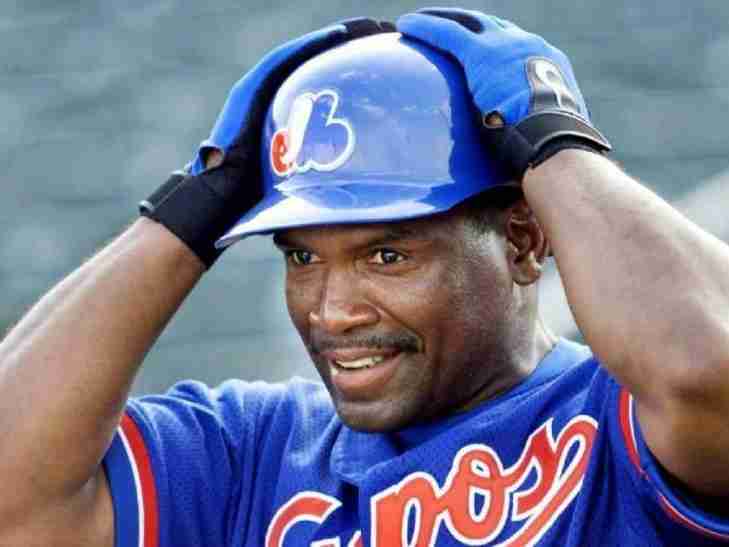
Had it not been for the parallel existence of Rickey Henderson in the junior circuit, a swift, switch-hitting left fielder from Florida would have spent the entire decade of the 1980s completely unchallenged as the premier leadoff weapon in the sport. Drafted by the Montreal Expos as an amateur infielder, Tim Raines did not merely adapt to the artificial turf of Olympic Stadium; he harnessed his exceptional footwork to neutralize National League catchers and energize the team of Nos Amours. During an exceptional initial 12-season career representing Quebec, the speedster appropriately nicknamed “The Rock” combined elite, high-efficiency base-stealing with impeccable zone discipline to establish himself as one of the most exciting and dominant figures of his era.
His debut in the senior circuit quickly changed how opposing managers organized their defenses. Raines made drawing walks and creating chaos on the bases a consistent part of his daily routine, leading the National League in stolen bases for four straight summers from 1981 to 1984—especially impressive with 90 steals in 1983 alone. While his blazing speed kept infielders on edge, it was his remarkable growth as a high-efficiency contact hitter that truly elevated him to baseball stardom. He earned seven consecutive National League All-Star selections from 1981 to 1987 and finished among the top ten in NL Most Valuable Player voting three times.
His standout moment in the 1986 season truly showcased his incredible talent, as he delivered a spectacular performance marked by outstanding hitting. That summer, Raines confidently dominated National League pitchers, winning the batting title with a remarkable .334 average. He also led the league with a fantastic .413 on-base percentage, achieved 194 hits, and stole 70 bases, earning him the well-deserved Silver Slugger Award.
After a 1990 summer highlighting 49 stolen bases, the Expos faced a financial crossroads and aimed to cut costs by shifting to a younger, cheaper payroll under GM Dave Dombrowski. With Raines nearing the end of his contract and seeking a long-term deal, the front office chose to maximize his value before losing him for nothing. In December 1990, they executed a blockbuster trade, sending Raines to the White Sox for Ivan Calderon and Barry Jones. He turned that departure into another productive decade in sports, earning two world-championship rings as a veteran and coach with the Yankees and White Sox, though his numbers never matched his peak output under the northern sky. Raines would, however, have a brief 47-game return in 2001, before retiring after the 2002 season.
Across his two stints totaling 13 seasons representing the club, he compiled 1,622 hits, 257 doubles, and 931 runs scored, entirely validated by an exceptional .301 batting average and a brilliant .391 on-base percentage. He remains the all-time, undisputed Expos/Nationals franchise leader in both triples (82) and stolen bases (635)—a total that includes a historic 84.7 percent success rate that stands as the gold standard for high-volume base runners
After initially stalling on the BBWAA ballot due to an early-career battle with substance abuse that he had beautifully overcome, his advanced efficiency numbers eventually sparked a massive analytical revolution among voters. It finally arrived in 2017 when, on his tenth and final year of eligibility, the writers overwhelmingly righted the historical ledger by triumphantly electing Tim "The Rock" Raines into the National Baseball Hall of Fame. He proudly chose to enter Cooperstown wearing an Expos cap on his plaque, a coronation beautifully matched that same summer when the organization officially retired his iconic number 30 alongside a classy, highly respectful induction into the Washington Nationals Ring of Honor.
Our Baseball List has been revised!
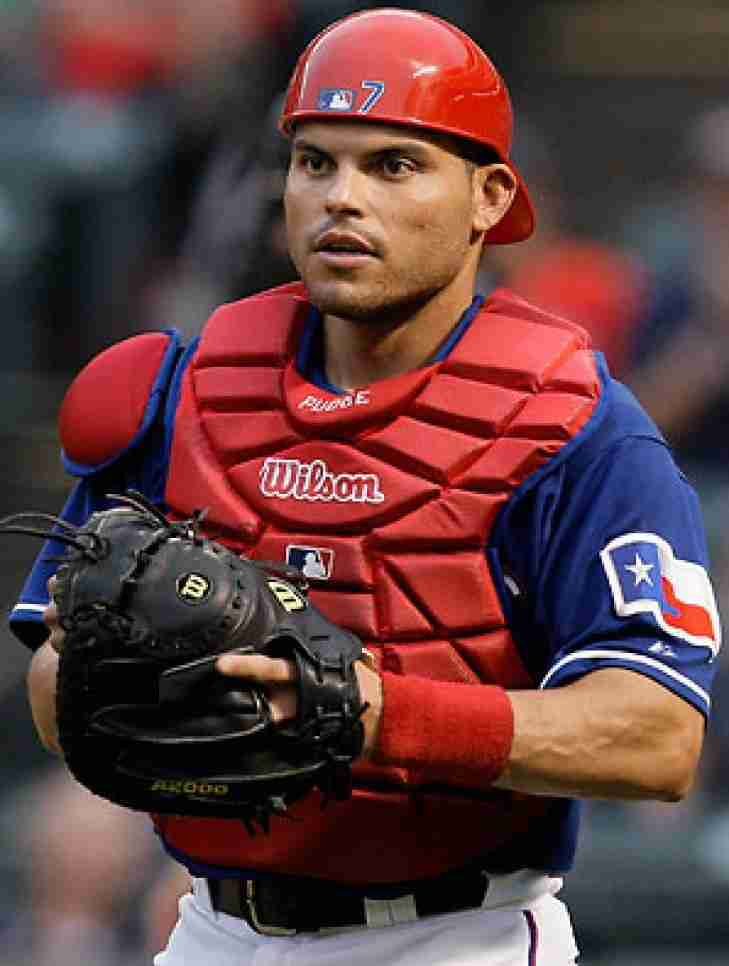
The 2016 vote saw Ken Griffey Jr. and Mike Piazza selected for Cooperstown, both of who were in our top five. Obviously, they will be taken out of our Baseball 100, but there will be three new eligible former baseball players who will join them.
Let’s take a look at our new Notinhalloffame.com Baseball Top Ten.
The Baseball Hall of Fame Class of 2016 is announced! Griffey and Piazza are in!
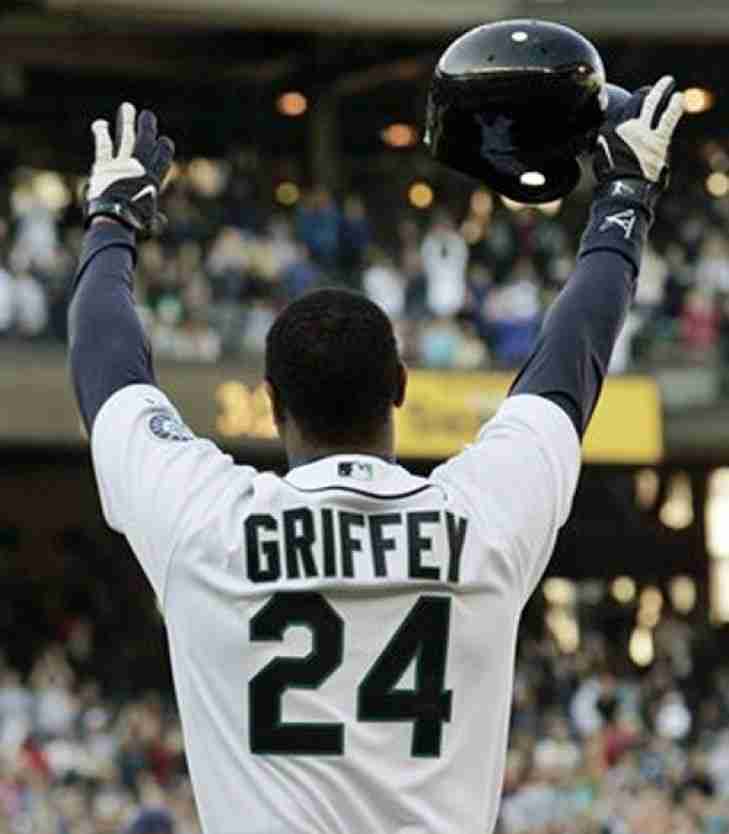
Today the Baseball Hall of Fame announced the Class of 2016 and two former baseball greats will be immortalized in Cooperstown.
As expected, Ken Griffey Jr. breezed through on his first attempt. Griffey Jr. set a new record for voting percentage, receiving 99.3% of the vote.
Griffey’s Hall of Fame co-entrant will be former Catcher, Mike Piazza who enters on his fourth try with 83.0%.
While Griffey and Piazza are excited today, there are certainly a lot of disappointed former baseball stars that were hoping for a certain Hall of Fame call.
Longtime Houston Astro, Jeff Bagwell, continues to be snubbed. Like Piazza, Bagwell is on his fourth year of eligibility however like many on this ballot, he received his highest vote total, with 71.6%.
2016 HOF Debate: Tim Raines
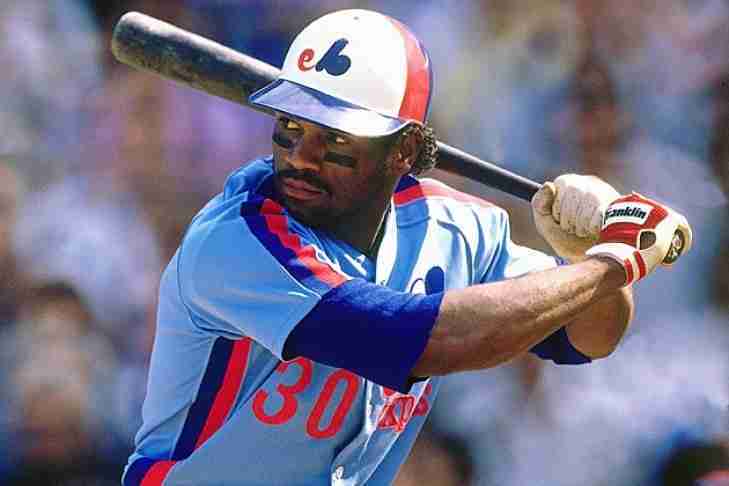
Since it was so much fun last time, we thought we would do it again!
One thing that has not changed is the number. We will again debate twenty-four men who are on the ballot.
What has changed are the ones debating. Last year I had the pleasure of having DDT, the curator of DDT’s Pop Flies blog and D.K. of the Phillies Archivist blog. This year, Spheniscus, who has participated in past Rock and Roll discussions, will be joining me.
If I Had a Vote in the 2016 Baseball Hall of Fame Election
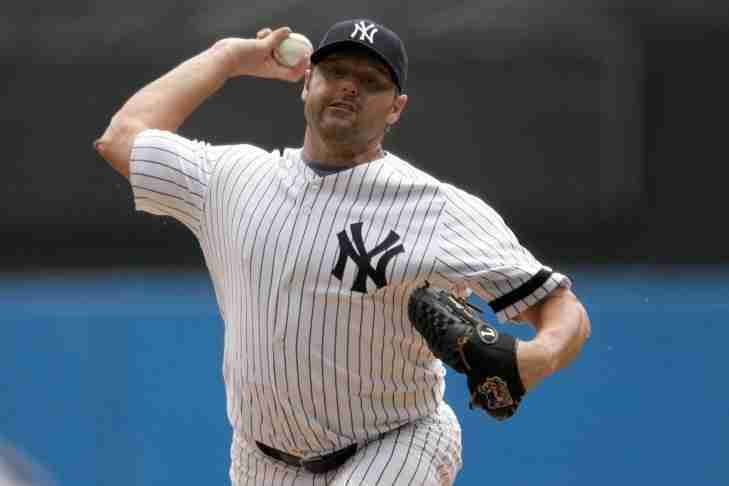
To put that into perspective, how's this for abnormal? In 2013, with a ballot overstuffed with Hall of Fame-caliber candidates (I counted 14), not one candidate was elected to the Hall. Adding to the debacle was the first appearance on a Hall of Fame ballot by Barry Bonds and Roger Clemens, both of whom brought the bubbling issue of players suspected or confirmed of having used performance-enhancing drugs (PEDs) to an apoplectic, moralistic boil.
The 2016 Baseball HOF Ballot is officially out!
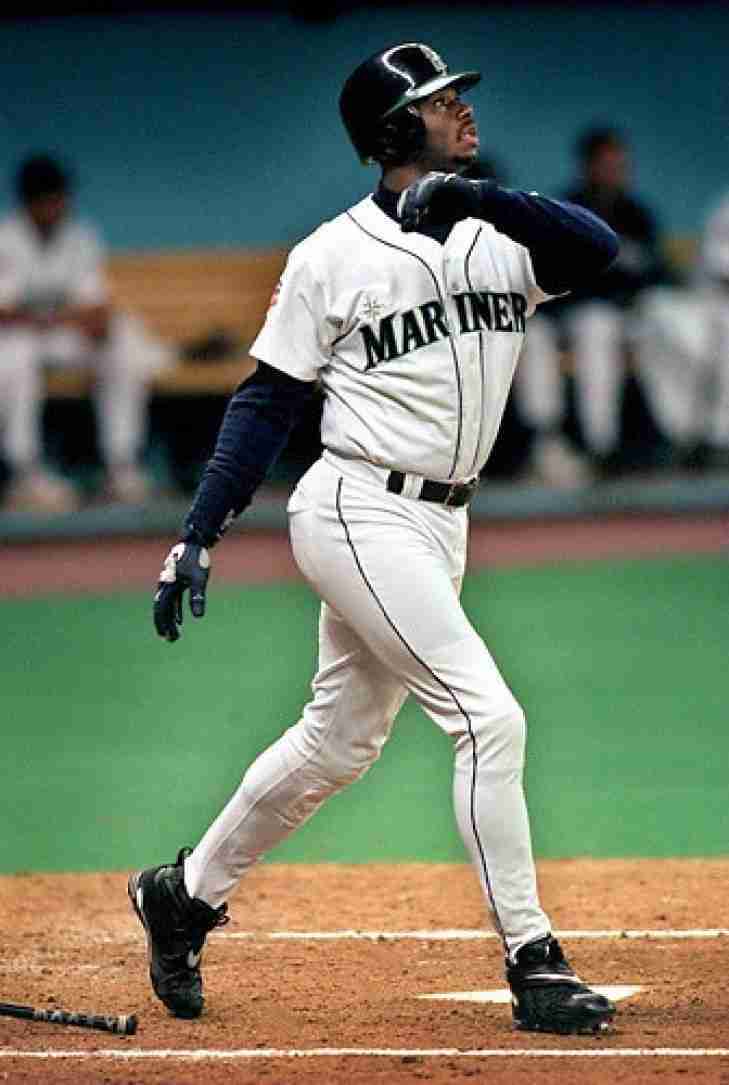
Let’s go through the ballot and take a quick look shall we?
