


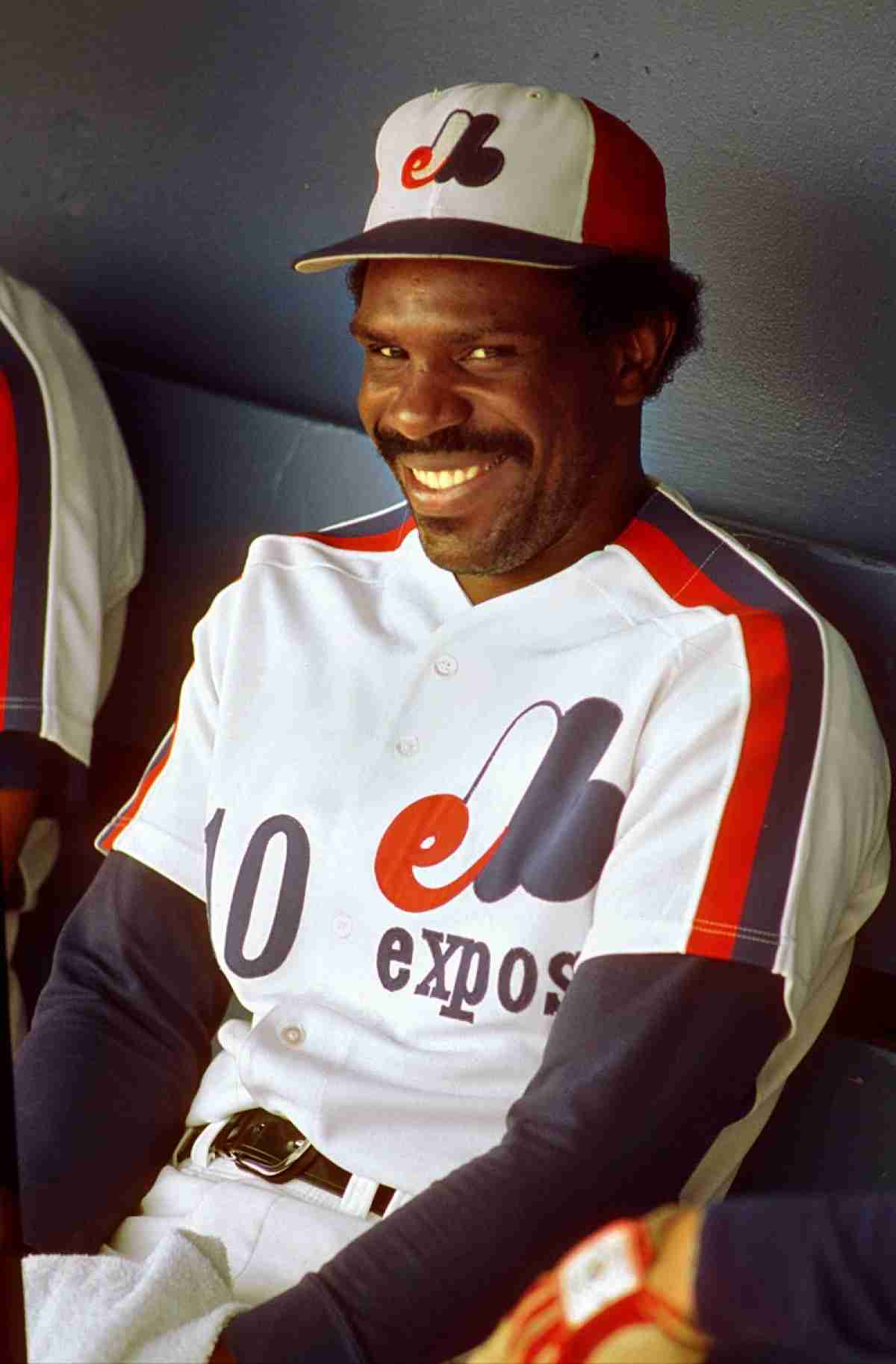







Arriving in Montreal as an unheralded 11th-round draft pick in 1975, Andre Dawson wasted little time transforming into the premier physical specimen of the Expos organization. Officially breaking into the everyday lineup in 1977, his rare combination of explosive bat speed and fluid athleticism earned him the National League Rookie of the Year honors. Dawson immediately anchored a young, ascending Montreal outfield, providing a dynamic blend of high-end run production and aggressive base-stealing that signaled the arrival of a generational cornerstone.
Throughout his eleven seasons in Quebec, Dawson established a benchmark of elite individual performance that frequently placed the Expos in the national spotlight. He was a consistent threat at the plate, intimidating National League pitching with 225 home runs, 838 RBIs, and a strong .802 OPS. Although he twice finished as the unfortunate runner-up for the National League MVP Award in 1981 and 1983, his offensive statistics consistently supported a low-protection Montreal lineup during the franchise's most competitive early periods.
Although catcher Gary Carter frequently garnered the majority of media attention and fan admiration in Montreal, the underlying data indicates that Dawson was the actual pivotal force behind the team's offensive productivity. He consistently outperformed Carter in major slugging categories, utilizing his rapid wrists to produce significant extra-base hits despite the expansive, pitcher-friendly confines of his home stadium. His role at the heart of the batting lineup provided the Expos with a vital identity, thereby maintaining their status as a formidable adversary within the National League East.
Defensively, Dawson was an exceptional outfielder, demonstrating mastery in his field. He patrolled the center and right fields with impressive agility and determination, utilizing his renowned closing speed and impeccably executed route-running to convert potential extra-base hits into straightforward outs. Equipped with an extraordinarily powerful throwing arm that effectively deterred opposing baserunners, Dawson earned six consecutive Gold Glove Awards from 1980 to 1985, thereby solidifying his reputation as one of the most comprehensive and highly efficient defensive outfielders of his era.
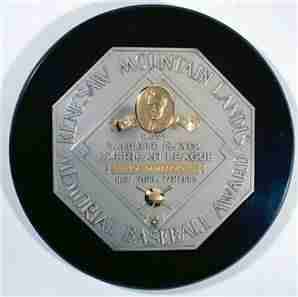
The inevitable departure occurred following the 1986 campaign, when the incessant impact of the Olympic Stadium's artificial turf compelled the impending free agent to seek a more forgiving, natural grass playing surface in order to preserve his deteriorating knees. Dawson famously signed a blank contract with the Chicago Cubs, initiating a second chapter that would immediately result in the attainment of the elusive 1987 Most Valuable Player award, which he had long deserved. He departed Montreal as a franchise legend, holding the club's unique record as the sole player to surpass both 200 home runs and 200 stolen bases while playing for the Expos.
Decades after the team's move south, Dawson's legacy remains preserved across franchise eras. He’s a true icon of Canadian baseball, confirmed when the Expos retired his No. 10 jersey before their departure. His immortal status was cemented in 2010, when he was inducted into the National Baseball Hall of Fame and the Washington Nationals Ring of Honor, securing his place at the top of the organization's history.


Comments powered by CComment