


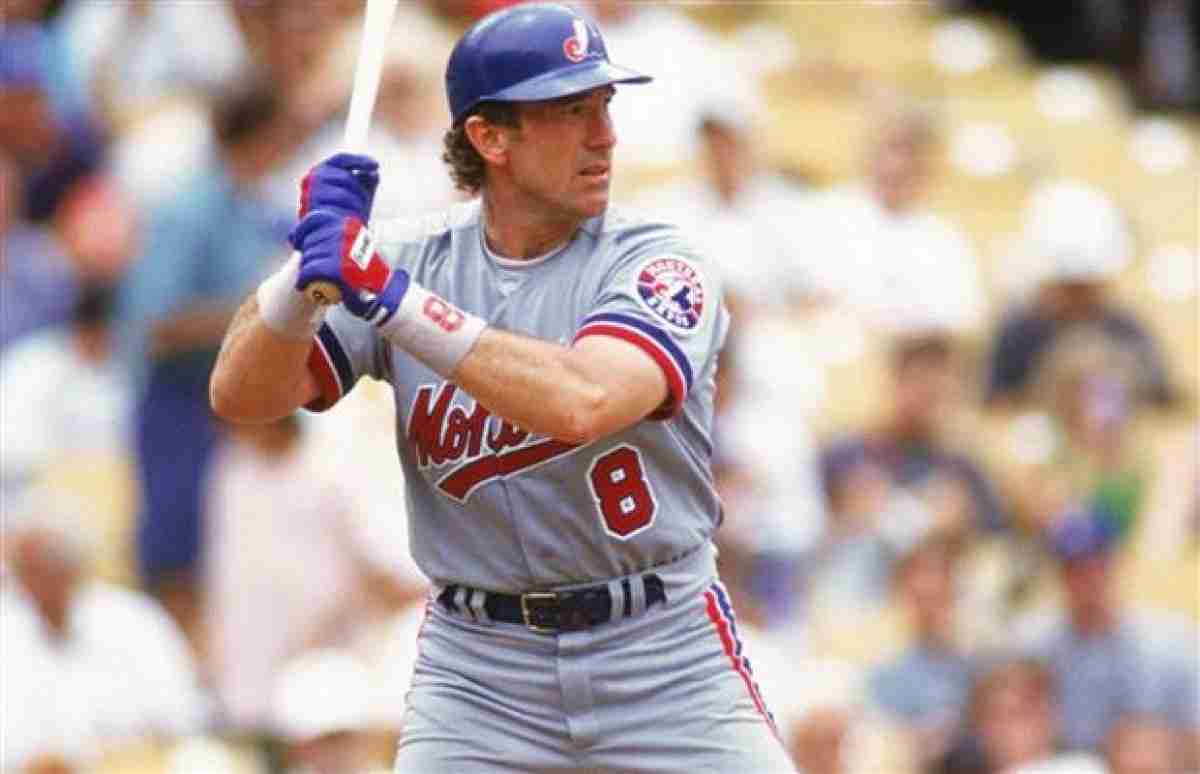




When thinking about the highest standards for defensive skill, durability, and passion behind the plate, you come across a player who truly embodied the competitive spirit of baseball in Canada. Gary Carter didn’t just lead the Montreal Expos into their first successful era; he was the lively heart and soul of a young team. With his warm, infectious smile and a powerful, aggressive swing, the player known as “The Kid” made the demanding role of catcher look like a nightly display of strong leadership. During his remarkable eleven seasons with Nos Amours, he became perhaps the most loved athlete in Canadian sports history and the clear top performer in the franchise's record books.
Making his primary arrival as a full-time regular during the 1975 campaign, the front office utilized his supreme athleticism across the outfield grass and behind the dish. Carter turned flashing his defensive tools into a strict daily routine, lashing 17 home runs and driving in 68 runs to secure The Sporting News Rookie of the Year honors, while finishing as a close runner-up for the official BBWAA National League Rookie of the Year trophy.
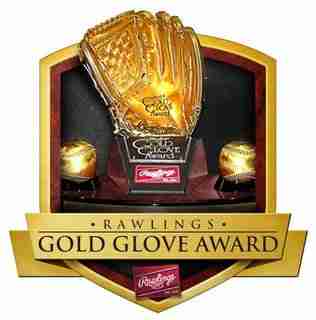
After a group of emerging talented players took over the outfield positions before the 1977 season, the management decided to move Carter behind the plate permanently. This change sparked a decade of exceptional defensive skill, significantly impacting how base runners in the National League approached their paths. Carter earned three straight Gold Glove Awards from 1980 to 1982, led the league in caught-stealing percentage three times, and topped all catchers in Total Zone Runs five times.
What truly made him a legendary figure in the inner circle was how his exceptional defensive skills kept a top-tier middle-of-the-order batter well protected. The peak of his amazing career in an Expos uniform shone brightly during a memorable 1982 season. That summer, Carter demonstrated incredible hitting prowess, setting a personal best with 29 home runs, 163 hits, and 97 RBIs, all while maintaining a solid .293 batting average and an impressive .381 on-base percentage. He led the team with an outstanding 8.6 bWAR — the highest single-season mark of his 19-year career — earning a well-deserved Silver Slugger award and finishing among the top five in the National League Most Valuable Player voting.
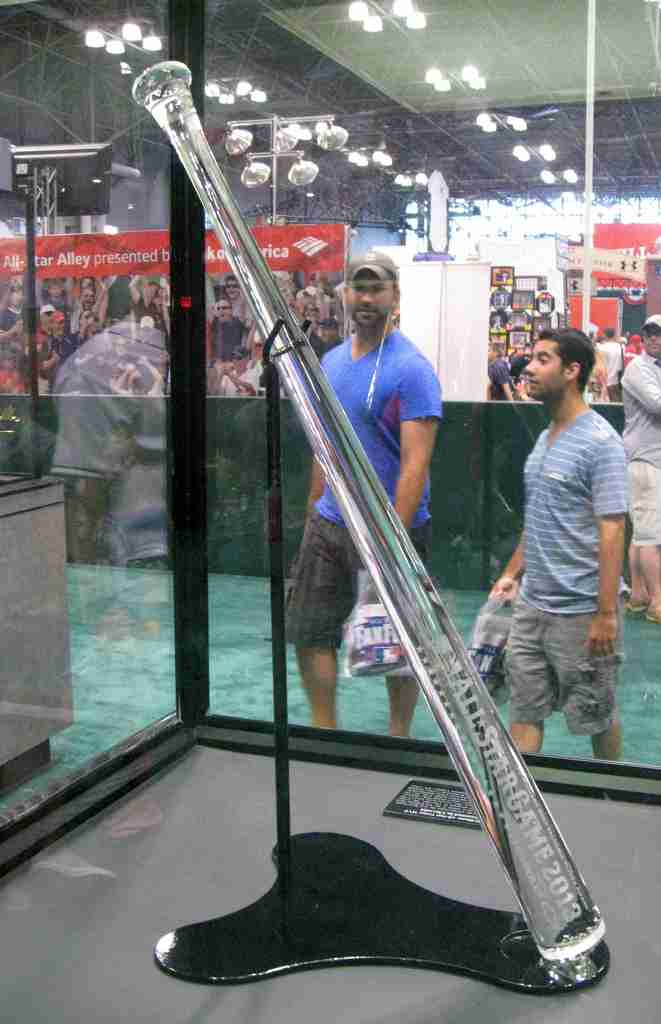
He matched that thunderous production with a league-leading 106 RBIs in 1984, commanding consecutive All-Star Game MVP trophies in 1981 and 1984 to cement his status as a national icon.
After the 1984 campaign, the small-market Expos faced huge stadium debt and tighter corporate budgets. With Carter entering the peak of a lucrative, long-term contract and management looking to pivot toward a total roster reconstruction, the front office initiated a highly jarring business exit that December. They orchestrated a blockbuster four-player trade that shipped their iconic centerpiece to the New York Mets for a package including Hubie Brooks and Floyd Youmans—a transaction that immediately allowed Carter to anchor the legendary 1986 Mets to a World Series crown.
While he famously returned to Montreal in 1992 for a nostalgic 95-game retirement tour—capping his career with a memorable game-winning RBI double in his final at-bat—his peak chapters belonged to the previous decade.
Carter played 1,503 total games representing the franchise; he accumulated exactly 1,427 hits, 274 doubles, 220 home runs, and 823 runs batted in, completely validated by a stellar 121 career wRC+ in La Belle Provence.
The BBWAA officially welcomed Gary "The Kid" Carter into the National Baseball Hall of Fame in 2003, and he proudly chose to enter Cooperstown wearing an Expos cap on his plaque. The organization beautifully matched that coronation by officially retiring his iconic number 8 that same summer, followed by a classy, highly respectful induction into the Washington Nationals Ring of Honor inside the nation's capital in 2010



Comments powered by CComment