

9. Lemar Parrish
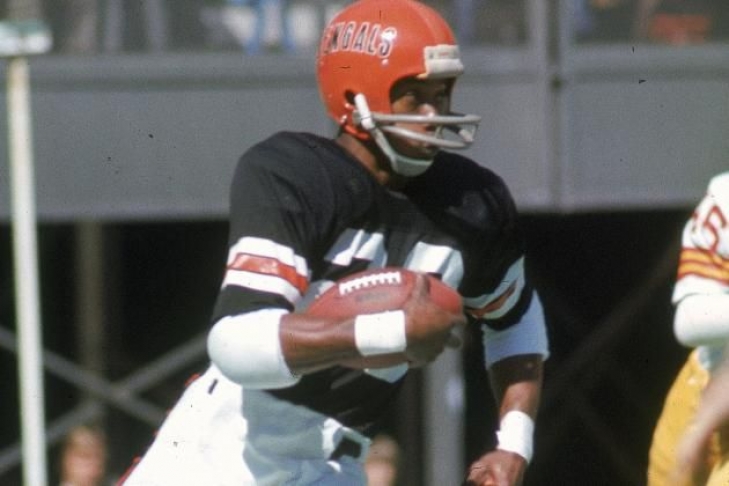
Drafted in the seventh round (163rd overall) of the 1970 NFL Draft out of Lincoln University of Missouri, Lemar Parrish stepped onto the professional scene as an unheralded small-school prospect. It took almost no time for "Leapin' Lemar" to establish himself as one of the most explosive, multifaceted defensive backs and return specialists in the game.
Parrish blended flawless, mirror-like coverage abilities with exceptional speed in open field situations. Playing as a left cornerback, he demonstrated smooth hip movements to turn and track elite receivers, keen instincts for intercepting passes, and superior vision when handling the ball. Each time he intercepted a pass, returned a punt, or recovered a loose ball, Parrish was a constant threat to score a touchdown.
Parrish's rookie year in 1970 was remarkable, as he started 11 games at cornerback, making five interceptions, scoring on a 95-yard kickoff return, and returning a blocked field goal 83 yards for a touchdown. His all-around performance quickly earned him a Pro Bowl selection. In 1971, he continued to excel with seven interceptions and another touchdown, earning his second consecutive Pro Bowl.
Although he had excellent defensive performances in 1972 and 1973, with five interceptions and three non-offensive touchdowns in those two seasons, he was surprisingly not selected for the Pro Bowl.
Parrish responded by achieving an impressive four-year streak of accolades from 1974 to 1977. In 1974, he earned Second-Team All-Pro honors and a Pro Bowl selection after leading the NFL with a remarkable 18.8-yard punt return average, returning two punts for touchdowns. He continued his success with another Second-Team All-Pro and Pro Bowl appearance in 1975, secured a third straight Pro Bowl invite and earned First-Team All-Pro honors in 1976, and concluded his Bengals career with a fourth consecutive Pro Bowl in 1977.
After the 1977 season, contract disagreements resulted in Parrish being traded to the Washington Redskins. He maintained his high level of performance in the capital, intercepting 21 passes over four seasons, earning two further Pro Bowl selections (1979, 1980), and receiving a First-Team All-Pro honor in 1979.
In Cincinnati, Parrish played 105 games (101 starts), with 25 interceptions (fifth in franchise history) and 13 non-offensive touchdowns from interceptions, punts, kickoffs, fumbles, and blocked kicks—a franchise record. In 2024, he was inducted into the Bengals Ring of Honor, cementing his legacy.
8. A.J. Green
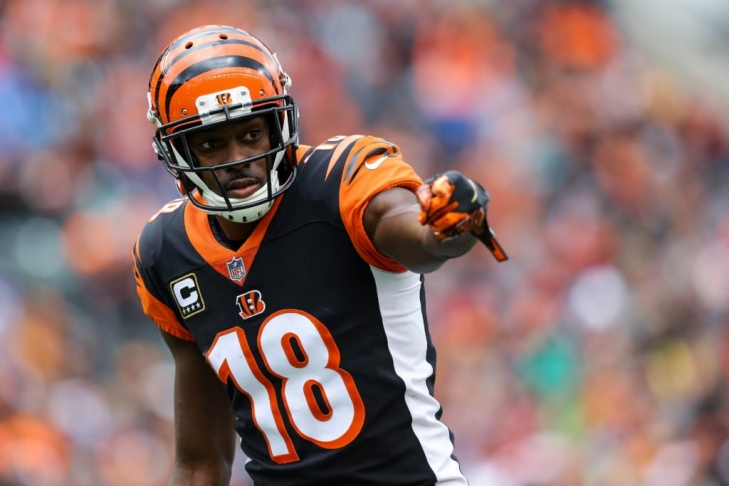
Selected fourth overall in the 2011 NFL Draft out of Georgia, A.J. Green arrived in Cincinnati as the highest-drafted receiver in the class and an immediate game-changer. Stepping onto the field alongside fellow rookie quarterback Andy Dalton, Green launched a decade-defining partnership that transformed the Bengals into a perennial playoff contender.
Green was the prototype for a smooth, boundary-dominating wide receiver. Combining fluid stride length with an acrobatic catch radius and elite spatial awareness, he possessed an extraordinary ability to win contested 50/50 balls in tight coverage. Whether climbing over cornerbacks on back-shoulder fades, tracking deep vertical throws, or gliding down the sideline, Green made the most difficult catches look completely effortless.
Green burst onto the pro scene in 2011, immediately proving that his elite college production translated to the NFL. He recorded 65 receptions for 1,057 yards and seven touchdowns, becoming the first rookie wide receiver to earn a Pro Bowl selection in eight years.
That debut sparked one of the most sustained runs of wide receiver dominance in league history, as Green earned a Pro Bowl selection in each of his first seven NFL seasons (2011–2017). In 2012, he recorded 97 catches for 1,350 yards and a career-high 11 touchdowns, earning his first Second-Team All-Pro selection. The following year, in 2013, he topped those numbers with a career-best 98 receptions for 1,426 yards and 11 touchdowns—a stretch highlighted by a franchise-record five consecutive 100-yard games—to capture his second Second-Team All-Pro honor.
Green kept his 1,000-yard streak alive over the next two years, hauling in 10 touchdowns in 2015 to help power Cincinnati to a 12–4 AFC North division title. Despite missing six games due to an ankle injury in 2016, he still racked up 964 yards in just 10 games. He bounced back in 2017 with 75 catches for 1,078 yards and eight scores.
Over his first seven years, Green surpassed 1,000 yards six times and reached double-digit touchdowns three times. He ranked in the top ten in receiving yards three times and in receiving touchdowns four times during that span, firmly establishing himself among the elite receivers of his generation.
Injuries eventually slowed his dominant run, culminating in a torn ankle ligament that cost him the entire 2019 campaign. He returned for one final season in Cincinnati in 2020 before spending two years with the Arizona Cardinals. In September 2023, Green returned to the franchise to sign a one-day contract and officially retire as a Cincinnati Bengal.
With Cincinnati, Green played 127 games, recording 659 receptions, 9,430 yards, and 65 touchdowns, including a franchise-record 33 games with 100+ yards.
21. Cris Collinsworth
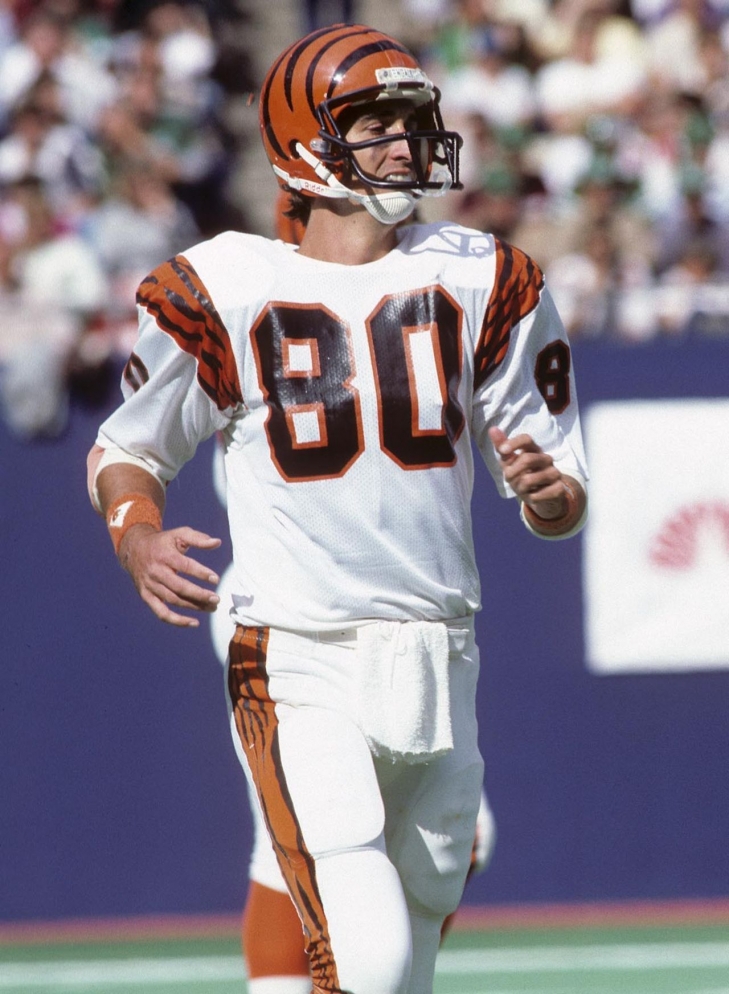
Cris Collinsworth was selected 37th overall in the second round of the 1981 NFL Draft from Florida, where he earned Consensus All-American honors. He arrived in Cincinnati as a unique receiving talent, standing 6’5" with sprinter speed. His exceptional length and vertical ability allowed him to create immediate mismatches against smaller cornerbacks. During his eight-year career in Southwest Ohio, he was the primary target for quarterbacks Ken Anderson and Boomer Esiason, establishing himself as one of the most formidable deep threats of the 1980s.
Collinsworth had a high-end stride length, exceptional body control, and smooth, precise route-running. As Cincinnati’s primary wide receiver, he specialized in intermediate boundary routes and deep seam routes, where his massive catch radius allowed him to pluck throws over defensive backs. His combination of height and open-field speed made him a lethal chunk-play weapon, as evidenced by his career 16.1 yards per reception average.
Collinsworth made an immediate impact during his rookie season in 1981, establishing a franchise record for rookies with 67 receptions, totaling 1,009 yards and eight touchdowns. His outstanding debut earned him his first selection to the Pro Bowl and the Second-Team All-Pro honors, while also contributing significantly to Cincinnati's advancement to the AFC Championship and their inaugural appearance in Super Bowl XVI, where he led all receivers with 107 receiving yards.
He continued his impressive streak of Pro Bowl selections for three years in a row over the next two seasons. Even during the strike-shortened 1982 season, he managed to make a big impact with 49 receptions for 700 yards in just nine games. By 1983, he was back at full strength, hauling in 66 catches for 1,130 yards and five touchdowns, which earned him his third straight Pro Bowl nod and a Second-Team All-Pro honor. In 1984, Collinsworth was so close to reaching 1,000 yards again, finishing just 11 yards shy with 989 yards and six touchdowns. He made a fantastic comeback with two consecutive 1,000-yard seasons in 1985 (1,125 yards) and 1986 (1,024 yards and a career-high 10 touchdowns), truly establishing himself as one of the league's top wide receivers.
In 1988, Collinsworth served as a veteran pass catcher on the Bengals team that secured the AFC Championship and advanced to Super Bowl XXIII. Following this appearance, he retired from professional play, having participated exclusively in all 107 of his career games for Cincinnati, earning the designation of a “Lifer." After his retirement from active competition, Collinsworth transitioned into a career in sports media, where he has achieved remarkable success, including winning 17 Sports Emmy Awards. He has also served as the long-time color analyst for NBC's Sunday Night Football.
Over his career, Collinsworth recorded 417 receptions for 6,698 yards and 36 touchdowns.
16. Corey Dillon
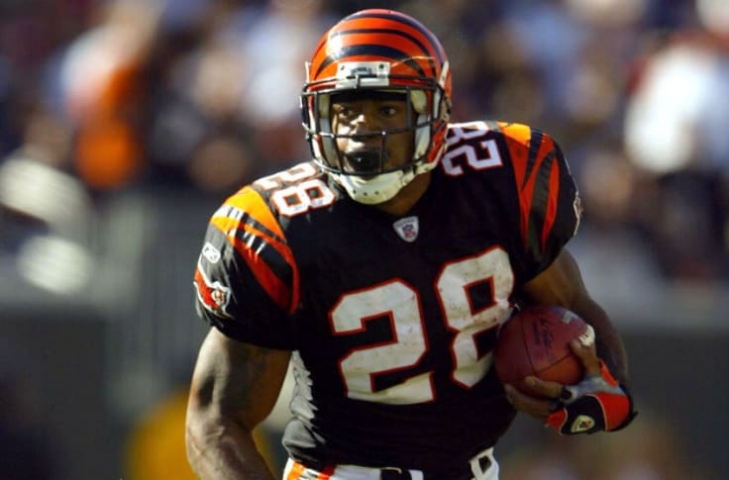
Selected in the second round (43rd overall) of the 1997 NFL Draft out of Washington, Corey Dillon arrived in Cincinnati as a punishing, power-packed running back. Over seven seasons in Southwest Ohio, Dillon served as the undisputed focal point of the Bengals' offense, shouldering a massive workload and establishing himself as one of the most physical ball carriers of his generation.
Dillon unified violent contact, explosive force, and elite balance through contact. Mainly operating from traditional single-back and I-formation formations, he enjoyed running between the tackles, employing a stiff-arm to fend off defensive backs and using churning legs to break arm tackles in the hole. Despite consistently facing stacked defensive boxes, Dillon had enough top-end speed to sprint away once he reached open field.
Dillon made a remarkable impact in his 1997 rookie season, earning PFWA All-Rookie honors after rushing for 1,129 yards and 10 touchdowns. A standout moment was his December game against the Tennessee Oilers, where he ran for 246 yards, breaking Jim Brown's 40-year-old single-game rookie rushing record.
Dillon's debut sparked an extraordinary period of productivity, with over 1,000 rushing yards in each of his first six NFL seasons. On October 22, 2000, he made a legendary showing against the Denver Broncos, rushing for 278 yards and breaking Walter Payton's single-game NFL record. Between 2000 and 2002, he achieved three straight seasons with at least 1,500 yards from scrimmage, with his best year being 2000 when he gained 1,435 rushing yards. His high volume and efficiency led to three consecutive Pro Bowl appearances from 1999 to 2001.
Following a challenging 2003 season affected by injuries, Cincinnati traded Dillon to the New England Patriots in April 2004. In Foxborough, he revived his career, setting a franchise single-season rushing record with 1,635 yards, earning his fourth Pro Bowl, and playing a key role in Patriots’ victory in Super Bowl XXXIX.
Dillon departed Cincinnati as the franchise's all-time leading rusher, with 8,061 rushing yards and 45 rushing touchdowns. In 2024, the Bengals honored his massive impact on the franchise by officially inducting him into the Bengals Ring of Honor.
3. Geno Atkins
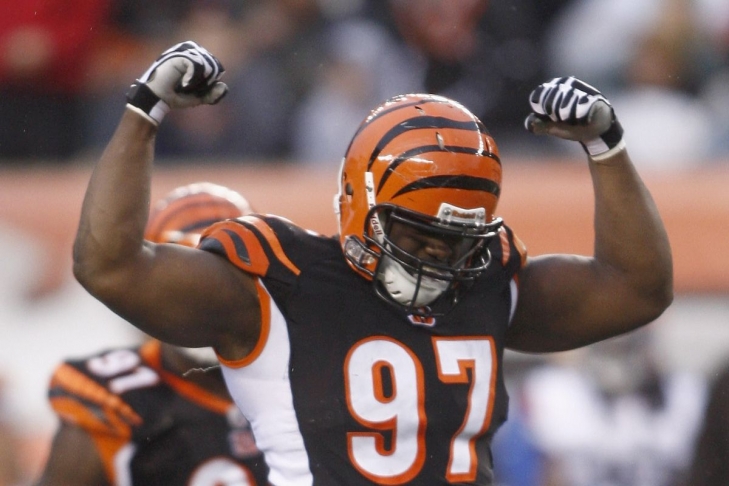
Geno Atkins from the University of Georgia was picked in the fourth round (120th overall) of the 2010 NFL Draft by the Bengals. He faced many questions about his size; at 6 feet 1 inch, scouts doubted he had the length to compete inside against large interior linemen. However, Atkins utilized his low center of gravity and quick first step, transforming the role of a modern three-technique defensive tackle and becoming a key part of Cincinnati's defense for more than ten years.
Atkins played with leverage and leverage-driven power. He combined a violent, quick-hand swim move with a bull rush that caught guards on their heels, collapsing passing pockets directly into the quarterback's face. His sudden lateral quickness allowed him to shoot B-gaps before interior linemen could set their stance, making him a nightmare against draw plays and inside zone schemes.
In 2010, as a rookie, Atkins played mainly in a rotational role and recorded 3.0 sacks. He became a starter in 2011 and quickly achieved recognition by earning his first Pro Bowl selection and Second-Team All-Pro honors, thanks to his 7.0 sacks.
His career peak came in 2012 when he led as an interior lineman, recording 12.5 sacks, 53 tackles, and four forced fumbles. That year, he earned his first First-Team All-Pro honor and his second Pro Bowl invitation, playing a key role in a defense that took Cincinnati to the playoffs.
After suffering an ACL tear midway through the 2013 season, Atkins returned to top form in 2015. He tied his career high with 11.0 sacks, earned his second First-Team All-Pro nod, and led a 12–4 Bengals team to an AFC North crown. Atkins rattled off six consecutive Pro Bowl selections from 2014 through 2019, including a 10.0-sack campaign in 2018. Across the 2010s, no defensive tackle in the NFL recorded more total sacks than his 75.5.
A severe shoulder injury limited Atkins to just eight games in 2020, bringing his tenure with the Bengals to a close. In 11 seasons in Cincinnati (2010–2020), he played in 161 regular-season games, racking up 75.5 sacks, 384 total tackles, 99 tackles for loss, and 8 forced fumbles. His decade-long dominance earned him a coveted spot on the NFL 2010s All-Decade Team.
7. Chad Johnson
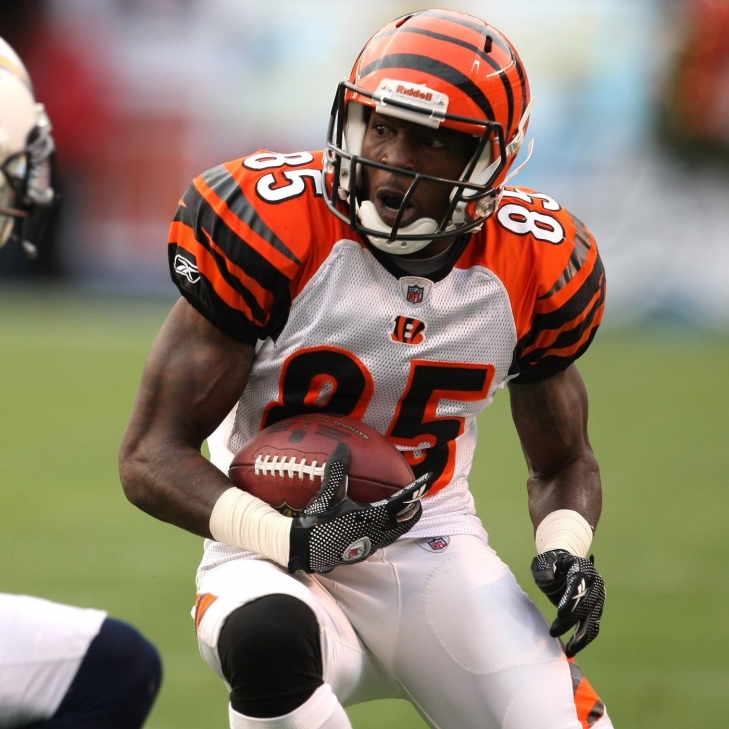
Whether you call him Chad Johnson or Chad OchoCinco, you are talking about one of the greatest offensive weapons in the history of the Cincinnati Bengals.
5. Boomer Esiason
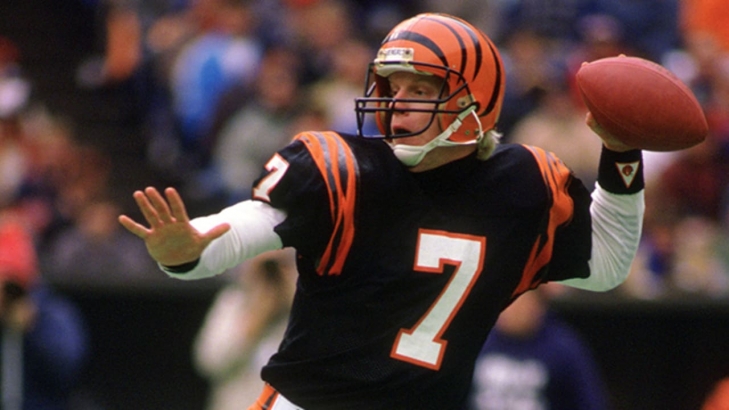
Chosen in the second round (38th overall) of the 1984 NFL Draft out of Maryland, Norman "Boomer" Esiason arrived in Southwestern Ohio as the designated heir apparent to franchise legend Ken Anderson. Despite falling to the second round, Esiason held the distinction of being the first quarterback taken in his draft class. Armed with a fiery swagger, a cannon for a left arm, and an innate knack for play-action deception, he stepped into the starting spot and ushered in a high-octane era of Cincinnati football.
Esiason brought commanding physical stature and left-handed pocket poise to the position. Operating under head coach Sam Wyche, he became the field general for Cincinnati's innovative "No-Huddle" offense. Esiason possessed one of the smoothest, most convincing play-fake motions in NFL history, freezing linebackers with subtle ball handling before launching deep vertical strikes off play-action. His quick mental processing allowed him to dictate tempo, catch defenses in bad personnel groupings, and spread the ball across the field with touch and velocity.
Esiason saw his first extensive action as a rookie in 1984, starting four games while learning behind Anderson. By 1985, he assumed full-time starting duties, leading Cincinnati to a 9-7 record while throwing for 3,049 yards and 27 touchdowns.
In 1986, he made his first significant step into elite levels by earning his initial Pro Bowl. Esiason totaled 3,959 passing yards and 24 touchdowns, guiding the NFL's best offense and helping the Bengals attain a 10-win season. Following a challenging, strike-shortened 1987 season across the league, Esiason rebounded with one of the best individual quarterback performances of the 1980s.
Esiason’s peak campaign came in 1988 when he led the league's most potent offense. He posted a 97.4 passer rating, threw for 3,572 yards, and scored 28 touchdowns with only 14 interceptions. He earned the AP NFL MVP award along with First-Team All-Pro and Pro Bowl selections. Significantly, Esiason led the Bengals to a 12–4 season and an AFC Championship appearance, bringing Cincinnati back to Super Bowl XXIII for a memorable rematch against the San Francisco 49ers.
Esiason upheld his elite level over the subsequent two years, securing Pro Bowl selections in 1989 and 1990. During a 1990 game against the Los Angeles Rams, he delivered a remarkable performance, throwing for 522 yards—the third-highest single-game passing record in NFL history.
Traded to his hometown New York Jets before the 1993 season, Esiason demonstrated he still had plenty of skill by earning his fourth Pro Bowl selection in his first year in East Rutherford. After playing for New York and Arizona, Esiason returned to Cincinnati for a memorable final season in 1997. Coming off the bench late in the season, he went 4-1 as a starter, throwing 13 touchdowns with only two interceptions, finishing his career on a high note.
In his 10 total seasons with the Bengals (1984–1992, 1997), Esiason played in 134 regular-season games, accruing 27,149 passing yards and 187 touchdowns alongside 1,293 rushing yards and 7 rushing scores. At the time of his departure, he ranked right beside Ken Anderson at the top of virtually every franchise passing leaderboard. In 2023, the organization celebrated his legacy by inducting Esiason into the Cincinnati Bengals Ring of Honor.
2. Ken Anderson
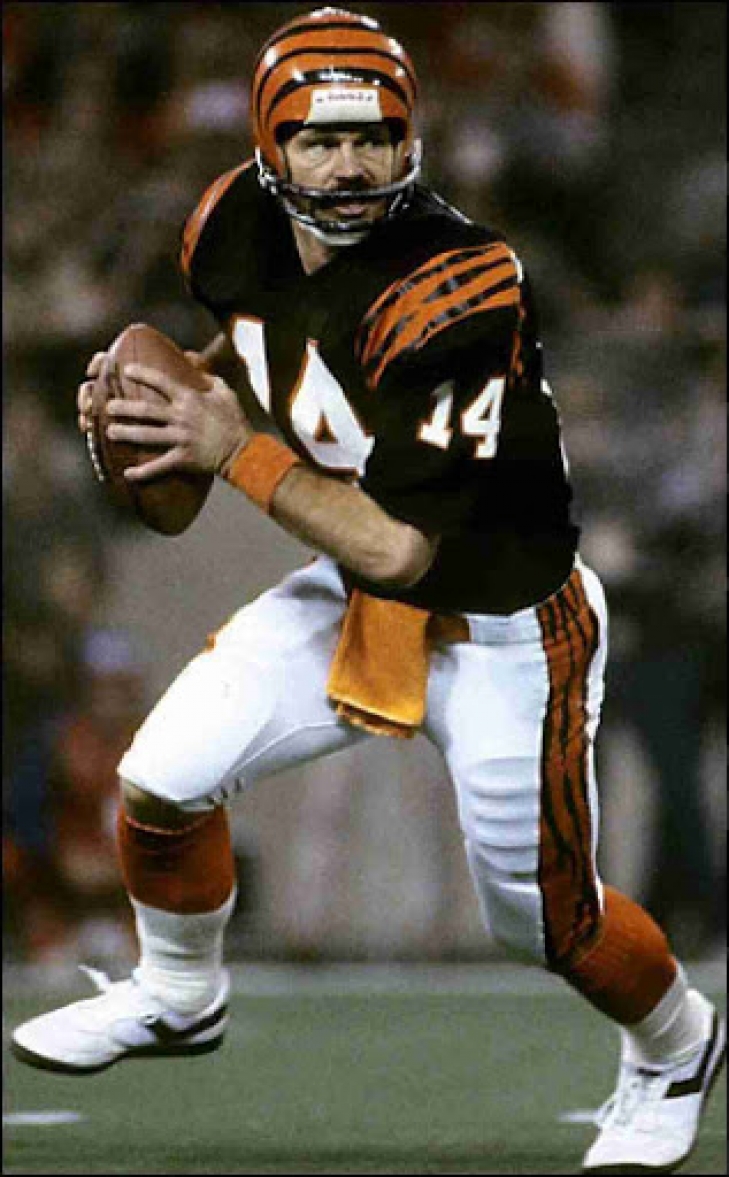
Ken Anderson was drafted in the third round (67th overall) of the 1971 NFL Draft from Division III Augustana College. He joined Cincinnati quietly, without the fanfare typically given to marquee college stars. Throughout his 16-year career with the Bengals, Anderson developed into an accurate passer, a trailblazer of contemporary offensive strategies, and one of the most productive quarterbacks in franchise history.
Anderson provided a clear blueprint for effective passing. Under offensive coordinator Bill Walsh's guidance, he became the primary driver of what is now called the "West Coast Offense." Anderson emphasized quick reads, precise dropback footwork, and accurate ball placement on short and intermediate horizontal routes. While he had the arm strength to challenge defenses deep, his true skill was in his decision-making—consistently taking what defenses allowed and avoiding costly turnovers.
Anderson assumed the permanent starting role in 1972, guiding Cincinnati to a 7-6 record before emerging as a top-tier passer in the following two years. In 1974, he won his first league passing titles, leading the NFL in passing yards (2,667) and passer rating (95.7), with a completion percentage of 64.9%.
He led the NFL in passing yards again in 1975, with 3,169 yards and 21 touchdowns, earning his first Pro Bowl and Second-Team All-Pro honors. Off the field, his character was recognized with the 1975 Walter Payton NFL Man of the Year award. He continued his excellence with another Pro Bowl appearance in 1976, consistently helping Cincinnati remain in playoff contention despite roster changes late in the decade.
Anderson's career reached its peak in 1981. After overcoming early-season setbacks, he delivered an outstanding season, achieving career bests with 3,754 passing yards, 29 touchdown passes, and a league-best 98.4 passer rating. He secured all major individual awards, including the AP NFL MVP, AP Comeback Player of the Year, AP Offensive Player of the Year, and the Bert Bell Award, along with First-Team All-Pro honors.
Most importantly, Anderson guided Cincinnati to a 12–4 record, a legendary victory over San Diego in the icy "Freezer Bowl," and the franchise's first-ever appearance in Super Bowl XVI. In the championship game against San Francisco, Anderson completed 25 of 34 passes for 300 yards and two touchdowns, setting a then-Super Bowl record for completion percentage (73.5%).
During the strike-shortened 1982 season, Anderson set an NFL single-season record by completing 70.6% of his passes (218 of 309 for 2,495 yards), a record that stood for nearly three decades. He earned his fourth career Pro Bowl nod and led the league in completion percentage once more in 1983 (66.7%).
As injuries began to take their toll, Anderson transitioned into a backup role behind Boomer Esiason before retiring following the 1986 campaign. Across 16 seasons in Cincinnati, he played in 192 regular-season games, holding enduring franchise records with 32,838 passing yards and 197 touchdown passes, while adding 2,220 rushing yards and 20 rushing touchdowns on the ground. At the time of his retirement, he ranked sixth in NFL history in career passing yardage.
Long regarded as one of the finest quarterbacks not yet enshrined in Canton, Anderson reached the final doorstep as a Senior Finalist for the Pro Football Hall of Fame Class of 2026. When the franchise created the Cincinnati Bengals Ring of Honor in 2021, Anderson was fittingly enshrined as one of the four inaugural charter members alongside Anthony Muñoz, Paul Brown, and Ken Riley.
1. Anthony Munoz
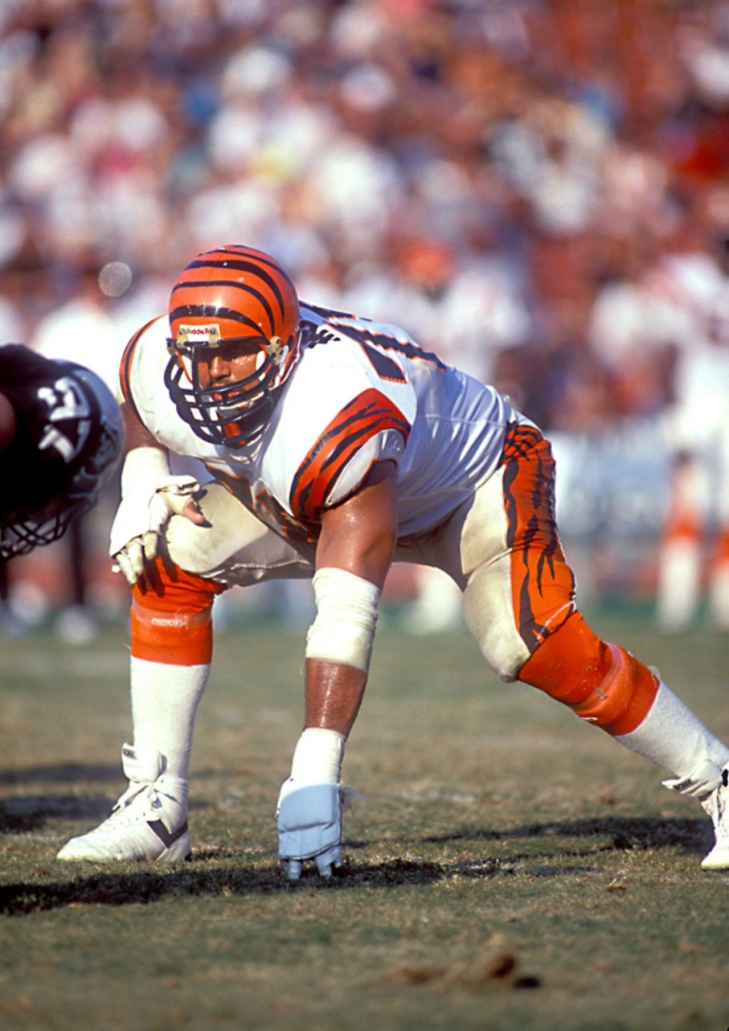
Who else could it possibly be?
Drafted third overall in the 1980 NFL Draft from USC, Anthony Muñoz joined Cincinnati after excelling in both football and baseball at college, winning national titles in each. Despite significant knee injuries that kept him out for most of his last two college seasons and led several teams to pass on him, the Bengals made a strategic gamble. This choice laid the groundwork for the franchise's success over the next 13 years and is often regarded as producing the NFL's greatest offensive tackle.
Muñoz, standing 6 feet 6 inches and weighing 278 pounds, redefined what edge pass protectors are capable of. With basketball-style footwork and exceptional upper-body strength, he could handle top pass rushers independently, without assistance from tight ends or running backs. His intense offseason training—lifting heavy weights and running stadium stairs—built his exceptional fourth-quarter stamina. In pass protection, his wide stance and forceful hand strikes effectively countered both speedy rushers and powerful bull-rushers. In the running game, he demonstrated explosive lateral quickness, allowing him to reach block interior tackles or ascend to the second level to block linebackers.
Muñoz made an instant impact as a rookie in 1980, starting all 16 games and earning PFWA All-Rookie Team honors while nearly halving the sacks surrendered by Cincinnati's offensive line. His sophomore season in 1981 launched an unmatched decade of individual dominance. Anchoring Ken Anderson's blind side, Muñoz earned his first First-Team All-Pro selection and Pro Bowl trip while powering the Bengals to an AFC Central title, a victory in the icy "Freezer Bowl," and an appearance in Super Bowl XVI.
From 1981 to 1991, Muñoz achieved an impressive streak of 11 consecutive Pro Bowl selections. He was awarded First-Team All-Pro honors in nine of those seasons (1981–1983, 1985–1990) and received Second-Team All-Pro recognition in two (1984, 1991). Additionally, he was named NFL Players Association Lineman of the Year four times (1981, 1985, 1988, 1989) and was recognized as NFL Alumni Association Offensive Lineman of the Year four times (1987, 1989–1991).
His athletic versatility made him a weapon near the goal line. Lining up as a tackle-eligible receiver on short-yardage plays, Muñoz caught seven career passes for 18 yards and four touchdowns, including a touchdown reception from rookie Boomer Esiason against Cleveland in 1984.
During Cincinnati's 1988 championship season, Muñoz served as the physical anchor for the league's top-ranked rushing attack. He led the way for Ickey Woods and James Brooks as the Bengals stormed to a 12–4 record and advanced to Super Bowl XXIII, where his line gave up zero sacks in a heartbreaking 20-16 loss to San Francisco.
Off the field, Muñoz established himself as a Pillar in the Queen City community. His charitable devotion earned him the 1991 Walter Payton NFL Man of the Year award, highlighting a career dedicated to youth programs and civic leadership across Southwestern Ohio.
Battling lingering injuries in 1992, Muñoz played eight games in his final year in Cincinnati before retiring after 13 seasons. Across his regular-season career in stripes, he played in 185 games, starting 182 of them.
Selected to the NFL 1980s All-Decade Team, the NFL 75th Anniversary All-Time Team, and the NFL 100th Anniversary All-Time Team, Muñoz represents the gold standard for his position. His legacy received its ultimate national recognition when he was elected to the Pro Football Hall of Fame in 1998 on his first ballot, standing as the first primary Bengal to enter Canton. In 2021, when the franchise created the Cincinnati Bengals Ring of Honor, Muñoz was enshrined as an inaugural charter member.
Muñoz will likely be number one for decades to come.
6. Willie Anderson
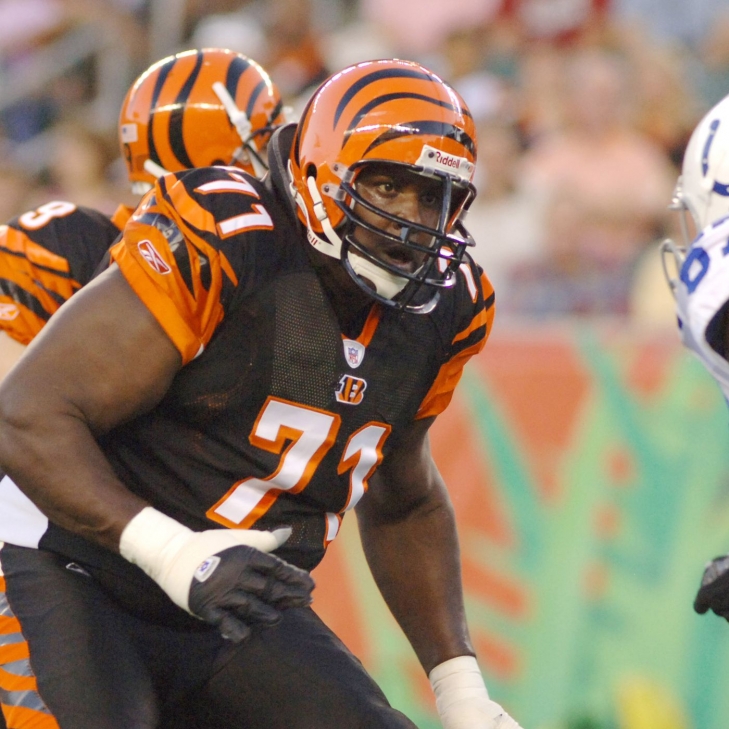
Willie Anderson, from Auburn, was selected 10th overall in the 1996 NFL Draft. Coming from Auburn, Anderson entered the NFL as a powerful presence, quickly securing a starting position at right tackle. Over the next decade or more, he served as the key pillar of the Bengals' offensive line.
At 6 feet 5 inches and over 340 pounds, Anderson possessed a rare blend of colossal raw power, long reach, and quick-setting footwork. In an era where pass rushers like Julius Peppers, Michael Strahan, and Reggie White often lined up over the right tackle, Anderson neutralized the league's elite edge rushers single-handedly. He brought a brutal, road-grading demeanor to the run game, creating massive lanes for backfield stars like Corey Dillon and Rudi Johnson.
Throughout the late 1990s and early 2000s, Anderson stood as a steady anchor on struggling Cincinnati rosters, routinely shutting down premier edge defenders every Sunday. He was the key blocker up front in 2000 when Corey Dillon famously set the then-NFL single-game rushing record with 278 yards against the Denver Broncos.
Under head coach Marvin Lewis, the franchise improved, and Anderson finally received the national recognition he had deserved for years. In 2003, he began a remarkable four-year period of dominance, earning his first Pro Bowl selection and Second-Team All-Pro honors. During this time, he also helped Rudi Johnson achieve a breakout season.
In 2004, he achieved his first First-Team All-Pro honor and participated in his second Pro Bowl, protecting Carson Palmer’s right side. The high standards continued in 2005, with another First-Team All-Pro recognition and a Pro Bowl selection, contributing to an 11–5 AFC North champion team with one of the NFL's most potent offenses. He wrapped up his four-year streak of elite accolades in 2006 with his third consecutive First-Team All-Pro and fourth straight Pro Bowl appearance, solidifying his reputation as the premier right tackle.
After leaving Cincinnati before the 2008 season, Anderson played his last NFL year with the Baltimore Ravens, a division rival. He started 11 games at right tackle, contributing to Baltimore's run to the AFC Championship Game before retiring. In 2021, the Bengals officially honored him by inducting Anderson into their Ring of Honor. He is considered one of the greatest offensive linemen in franchise history, second only to Hall of Famer Anthony Muñoz.
4. Ken Riley
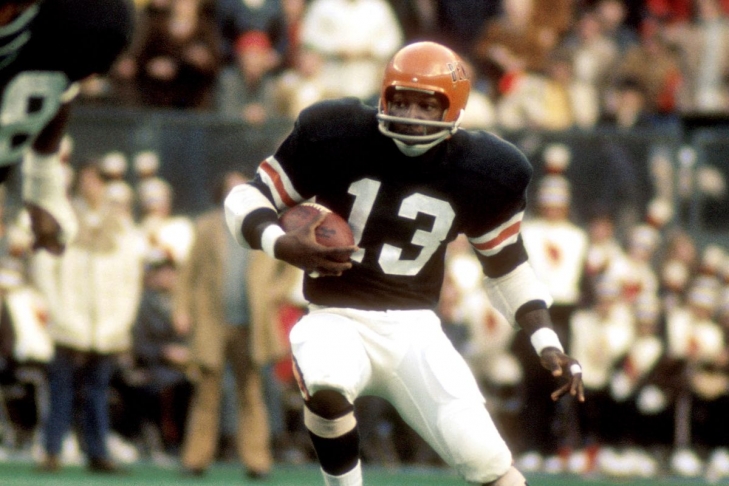
Drafted in the sixth round (135th overall) of the 1969 AFL Draft out of Florida A&M, Ken Riley arrived in Cincinnati as a star college quarterback. Like so many Black quarterbacks of his era, he was immediately transitioned to defense by head coach Paul Brown. Riley embraced the position switch, transforming into "The Rattler"—a technician at boundary corner whose 15-year career in Cincinnati stood as a masterclass in durability, film study, and ballhawking precision.
Riley was not a flashy cornerback who relied on trash talk or raw, unbridled size. Instead, his former quarterbacking eyes gave him a massive diagnostic advantage. He studied opposing route combinations obsessively, allowing him to jump passing lanes, bait quarterbacks into tight windows, and secure interceptions without giving up deep leverage. His footwork was exceptionally fluid, and his sure-handed tackling made him a complete, dependable defender on the edge.
Riley made an immediate impact in his 1969 rookie campaign, snagging four interceptions. He quickly secured a starting cornerback spot and launched a remarkable 15-year run of health and consistency, recording at least one interception in each of his 15 seasons.
In the mid-1970s, Riley established himself as a top cover man. He earned Second-Team All-Pro honors in 1975 after a five-interception season, and in 1976, he again received Second-Team All-Pro recognition following a career-high nine interceptions.
Despite his staggering takeaways and lockdown coverage, Riley was famously overlooked for the Pro Bowl throughout his career—a snub that baffled voters for decades. Yet his final season in 1983 served as the ultimate mic-drop moment. At 36, Riley started all 16 games, intercepted eight passes (returning two for touchdowns), and earned his long-overdue First-Team All-Pro selection.
He retired after the 1983 season, having played 207 regular-season games—all with the Bengals—and recorded 65 career interceptions, five touchdown returns, and 18 fumble recoveries. His 65 picks ranked fourth in NFL history at the time of his retirement and remain tied for fifth all-time.
When the franchise inaugurated the Cincinnati Bengals Ring of Honor in 2021, Riley was naturally enshrined as one of four charter members alongside Anthony Muñoz, Ken Anderson, and Paul Brown. His legacy received its final, righteous validation when he was posthumously elected to the Pro Football Hall of Fame as a member of the Class of 2023.
The Buck Stops Here -- The Cincinnati Bengals and the Pro Football Hall of Fame
97. Willie Anderson
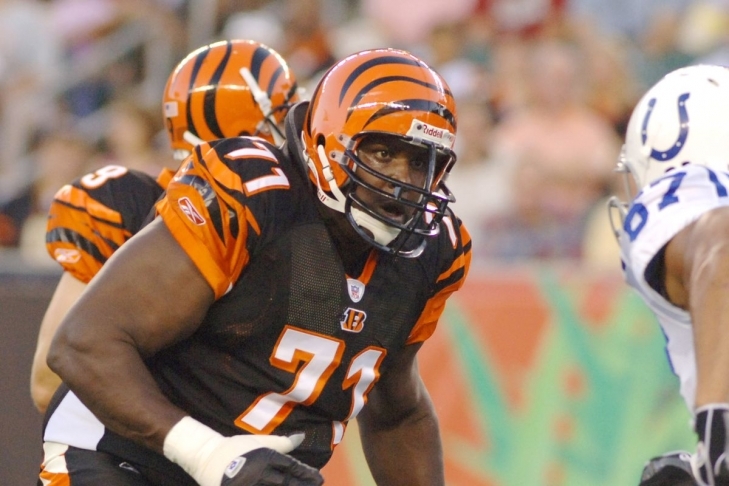
Willie Anderson entered the National Football League with high expectations when the Cincinnati Bengals drafted him 10th overall in 1996. Arguably, it took Anderson a while before he lived up to what was hoped for him, but the Offensive Tackle may very well have exceeded expectations when it was all said and done.
From 2003 to 2006, Anderson was named to the Pro Bowl, and in the latter three seasons, he earned First Team All-Pro honors. He would be named to the Cincinnati Bengals’ top 50 Players when the franchise celebrated its half-century Anniversary. Anderson is getting a lot of attention from the Hall of Fame, and the 340-pound behemoth looks to be the next Bengal in.
158. Bill Bergey
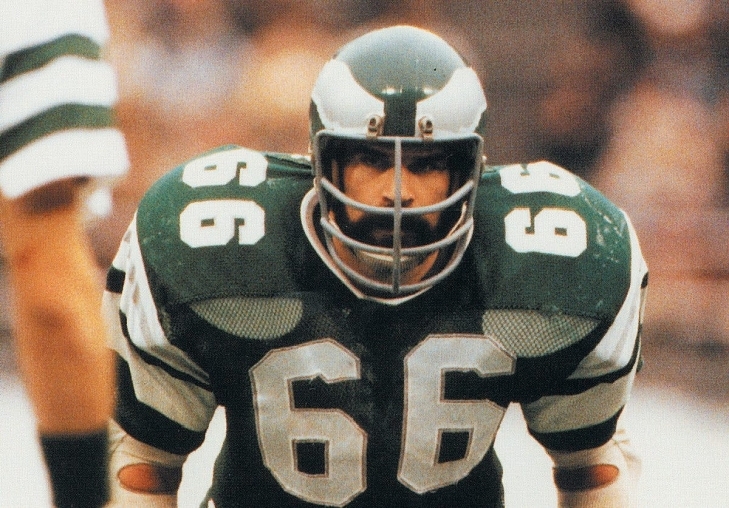
Bill Bergey came to the Cincinnati Bengals from Arkansas State, where, as a rookie, the linebacker went to the Pro Bowl. Bergey didn't make the Pro Bowl again as a Bengal, but he was undoubtedly a strong player Cincinnati coveted until they grew upset with him.
Bergey signed a "futures contract" with the Florida Blazers of the World Football League, which would have taken effect in 1976. The Bengals opted to trade him instead of keeping someone who would be gone in two years, and he went to the Philadelphia Eagles, where he continued his career. Because the WFL didn’t last long and the Blazers didn't exist in ’76, the Eagles came out way ahead in this trade. This turn of events had to irk the Bengals to no end, as in 1974 and 1975, he was named a First Team All-Pro, was an elite tackler (he would have a 233 Tackle season), and when his contract was up, he resigned with the Eagles. Bergey would go on to have three straight Second Team All-Pro selections (1976-78) and would help the Eagles reach Super Bowl XV. He would also go to four more Pro Bowls with Philadelphia.
316. Carson Palmer
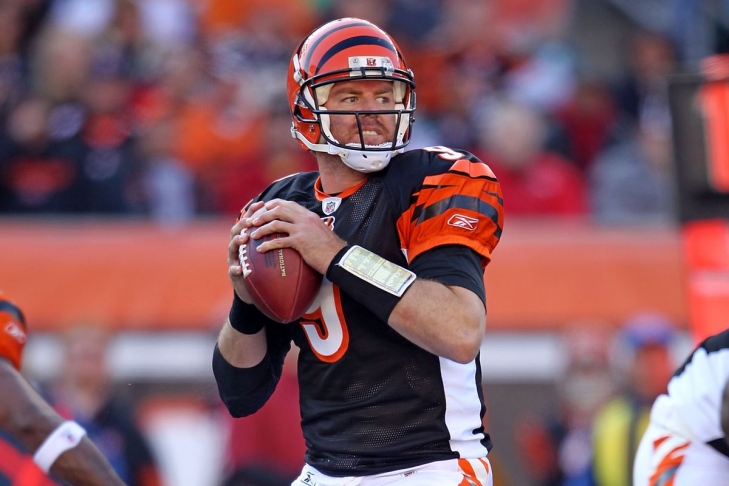
Carson Palmer was the 2002 Heisman Trophy winner, and the USC Quarterback was considered a can’t-miss prospect in the NFL. The Cincinnati Bengals drafted Palmer first overall and took their time with the pivot, not playing him in his rookie season and starting him in 2004. In 2005, he was a Pro Bowl selection and ranked second in the NFL in Completions, fourth in Passing Yards, and led all Quarterbacks in Touchdown Passes while taking the Bengals to the playoffs, though he suffered a severe injury in the playoffs.
Palmer returned in the 2006 season, where he went back to the Pro Bowl and had a 4,000-yard passing season, and he continued to be a solid performer, though not necessarily elite, and he would later grow frustrated playing there, and he retired, basically forcing a trade out of Southern Ohio. Palmer would go on to play for Oakland for two seasons and five more for Arizona, where in 2015 he was a Pro Bowl Selection for a third time with a career-high 4,671 Passing Yards and leading the league in Yards per Attempt and Quarterback Rating.
He retired 12th all time in Passing Yards and Passing Touchdowns, probably a higher ranking than most people realize.
19. Lemar Parrish
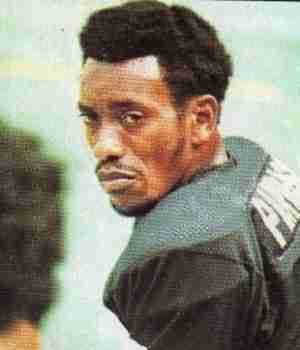
Generally, if you are selected to eight Pro Bowls in a decade, regardless of your position, it stands to reason that you won’t be forgotten. Somehow, Cornerback Lemar Parrish managed to slip through the cracks of football consciousness as his legacy just doesn’t seem as big as it should be.
You can’t be selected to eight Pro Bowls in eleven years without being consistent. Parrish was certainly that, but while he was a top Cornerback, he was also a top Punt Returner for the first half of his career. Once he stopped returning punts, Parrish would actually have some of his best years at Cornerback as he landed his only First Team All-Pro selection at the age of 32. Parrish matched any attacking Wide Receiver man-to-man, and that skill can be argued as to why longtime Bengals teammate, Ken Riley entered the Pro Football Hall of Fame years later.
As freakishly consistent as Lemar Parrish was, he was never considered the best at his position. This is certainly one of those cases, where a year of dominance would have done wonders for his Hall of Fame cause, though he has all the good for Canton as is.
Should Lemar Parrish be in the Hall of Fame?
147. Boomer Esiason
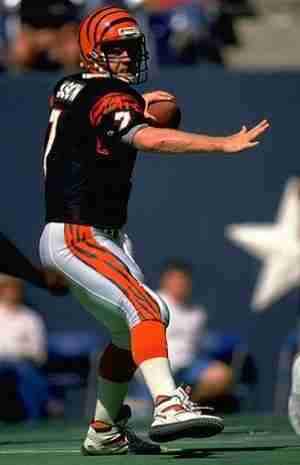
The hard-luck Cincinnati Bengals have yet to win a Super Bowl, but it was Boomer Esiason who brought them closer than anyone else had when they lost to the San Francisco 49ers on a last-minute drive in Super Bowl XXIII. Fortunately for Esiason, his career did not need a Super Bowl Ring to be considered great.
Replacing the productive Ken Anderson, the powerful southpaw became one of the premier Quarterbacks in the league. During his time in Cincinnati, Esiason was a consistent producer, and he turned the Bengals into a high-powered attack. Mastering the play-action pass, Boomer used his strength and speed and consistently produced high-yardage games.
Boomer Esiason may be best known to younger football fans as a competent broadcaster, but he is still revered in Southern Ohio. He may have done enough to at least get on the ballot one day, but in this age of the Quarterback, his all-time statistical rankings will likely plummet in the near future.
Should Boomer Esiason be in the Hall of Fame?
10. Ken Anderson
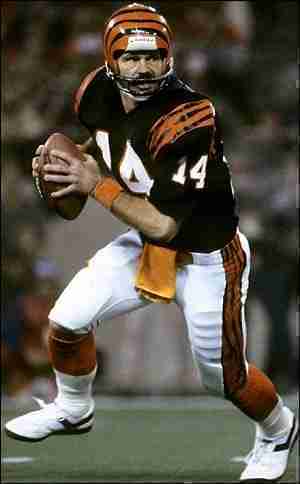
Bill Walsh's West Coast Offense is a popular football strategy today. Despite its name, Ken Anderson first ran it in Cincinnati. Anderson spent his entire career with the Bengals, where he set franchise passing records. He was known for his incredible accuracy and mastery of the short-yardage pass. Anderson led the league in Quarterback Rating four times, and in 1982, he set a season record (which he still holds) with a 70.6% completion percentage. Although he made it to the Super Bowl, his team lost, but he still played brilliantly.
Unfortunately, Anderson played during a time when flashy quarterbacks were more highly regarded, and despite his skills, he did not receive the recognition he deserved. He has been a Hall of Fame finalist only twice, which further illustrates this point. Considering that Anderson did not have the same caliber of weapons as other quarterbacks of his era, his stats are even more impressive than they might initially seem.
For many, Anderson might be the most egregious quarterback snub of all time.
Should Ken Anderson be in the Hall of Fame?
182. James Brooks
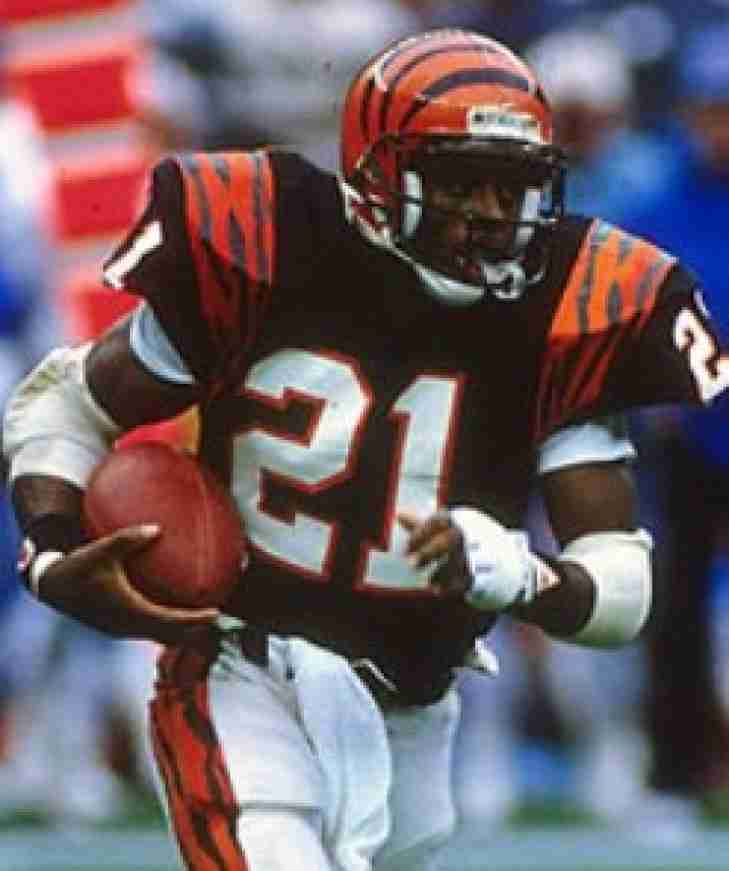
For a time, when James Brooks was playing, it seemed that you would hear his name being called throughout the entire game. With his incredible versatility, it stands to reason teams used him every way they could.
James Brooks led the league in All-Purpose yards in his first two years in the league. He excelled at Kick Returns and three times eclipsed the 1,000-yard mark rushing. He wasn’t the biggest athlete, but he was one of the most elusive runners and used his smaller stature as a positive rather than a negative.
Brooks was a great worker, but without an All-Pro Selection on his resume, the Hall likely considers him a really good player, but not necessarily a great one. Most NFL Running Backs wish that they could have a career that was as good as Brooks.
Should James Brooks be in the Hall of Fame?
157. Chad Johnson
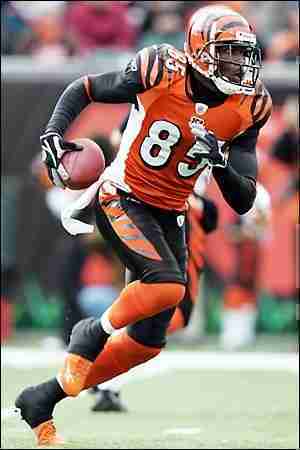
What is it about the 2000s and brash Wide Receivers? Perhaps the most obnoxious (depending on your point of view) of them all was Chad Johnson, who was a major star for the Cincinnati Bengals for a decade.
On the field, “Ocho Cinco” would eclipse the 1,200 Yard mark five years in a row, including one season where he led the NFL in Yards Receiving. He is a rare member of the 10,000 Yard club and was chosen for the Pro Bowl six times. Johnson was not just good, he was exciting, and was an ESPN highlight film all on his own. As good as he was, there are some serious factors that could easily prevent him from going to Canton.
As explosive as he was and as famous as he became, Johnson was one of many great Wide Receivers of his day and was one of many beneficiaries of the rule changes that aided his position. He did have good career numbers, but there are many that are ahead of him, and with only three All-Pro selections to his credit, he will be behind many of those other Wideouts.
Johnson was also labeled as a distraction and, even worse, a locker room cancer. Also, as the world becomes more politically correct, the domestic violence arrest that caused him to be released by the Miami Dolphins does him no favors.
We can say this with one hundred percent certainty. There is nobody else that we would want to eavesdrop more on a Hall of Fame committee conversation than Chad Johnson.
