
6. Jimmy Johnson
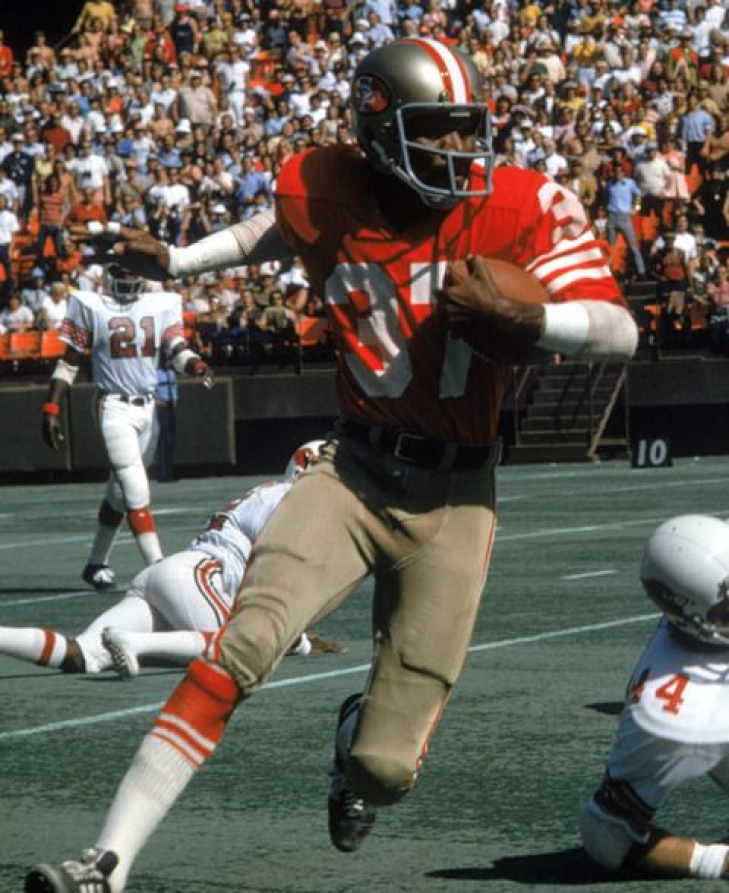
How good an athletic family did Jimmy Johnson come from? The Pro Football Hall of Famer was the brother of the 1960 Olympic Gold Medalist (Decathlon), Rafer Johnson.
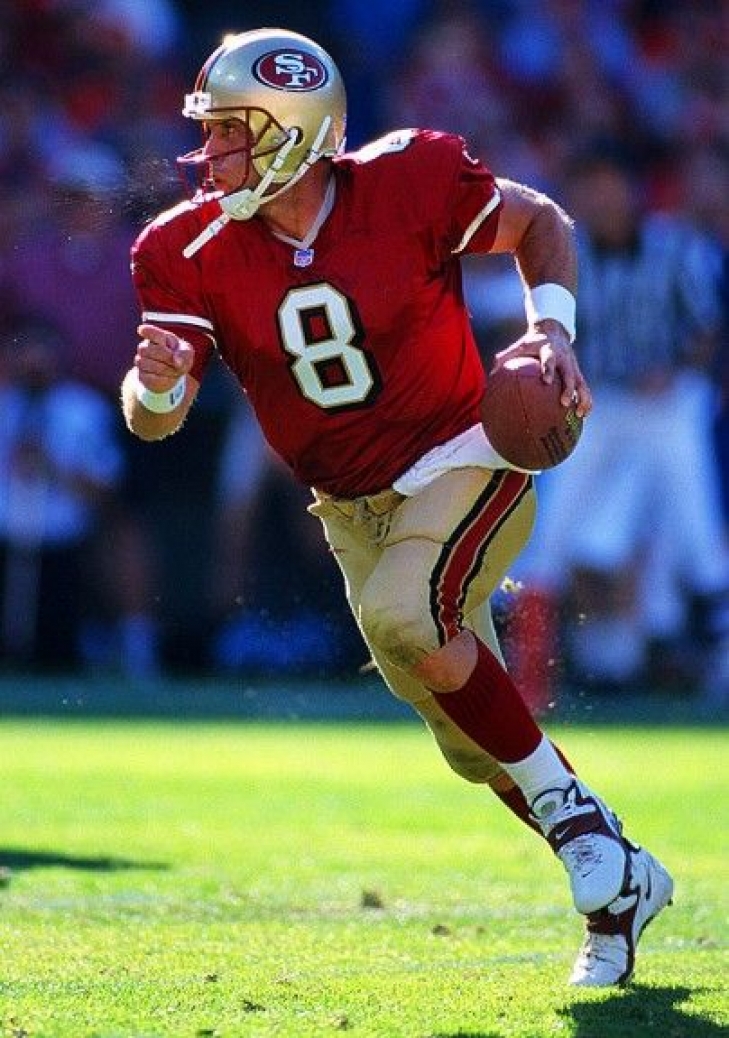
3. Steve Young
We were not conflicted in making Jerry Rice the greatest player in the history of San Francisco 49ers. As for who came next, it was not as simple.
Actually, the real question was which Hall of Fame Quarterback would be next, Steve Young or Joe Montana. As you have easily deduced, we decided on Montana, but it was a last-minute decision. It was paper-thin close.
Young was an All-American at BYU, and before the NFL Draft, he signed with the L.A. Express of the USFL, and when that league folded, he signed with the Tampa Bay Buccaneers, who had his rights from the Supplemental Draft. Young's time with the Bucs was not successful, as he only won three games in two years, and the team was horrendous. He was traded to San Francisco to be Joe Montana's understudy, as Tampa took another QB in the Draft, Vinny Testaverde.
5. Leo Nomellini
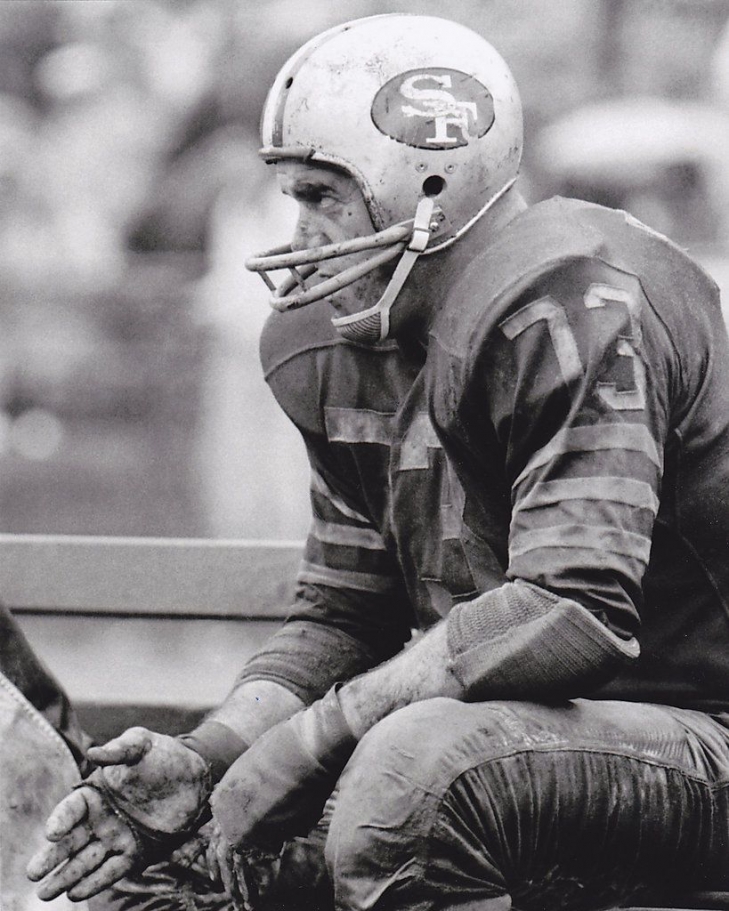
A two-time All-American and College Football Hall of Famer from the University of Minnesota, Leo “The Lion” Nomellini was the 11thOverall Pick of the NFL Draft in 1950; a selection that paid dividends for over a decade for the San Francisco 49ers.
4. Ronnie Lott
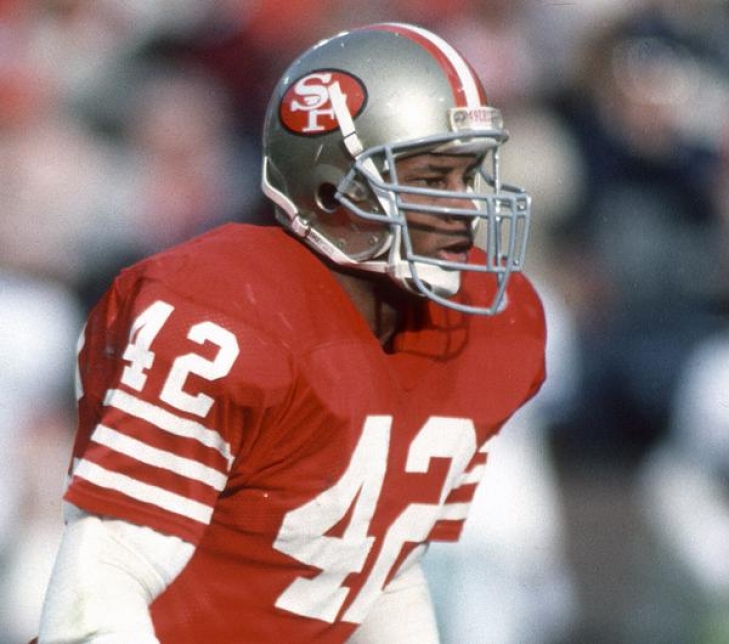
In the 1980s, The San Francisco 49ers were a high-octane team known primarily for their stars at Quarterback (Joe Montana) and Jerry Rice (Wide Receiver). However, if you are going to be blowing teams out, that means your defense was holding down opponents, which San Francisco did in the 80s through the leadership of Ronnie Lott.
1. Jerry Rice
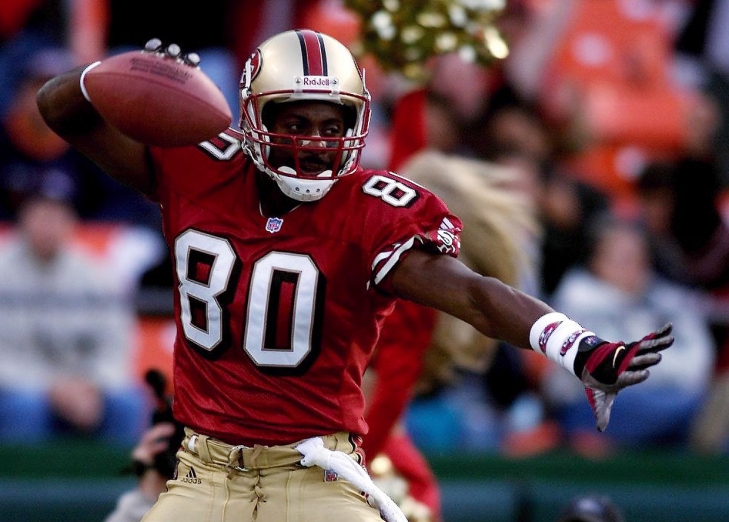
We all know that the San Francisco 49ers have given us multiple Hall of Famers and won several Super Bowls. Despite that, there is no other man that could be debated as the greatest 49er than Jerry Rice, who is also undoubtedly the best Wide Receiver in the game's history.
2. Joe Montana
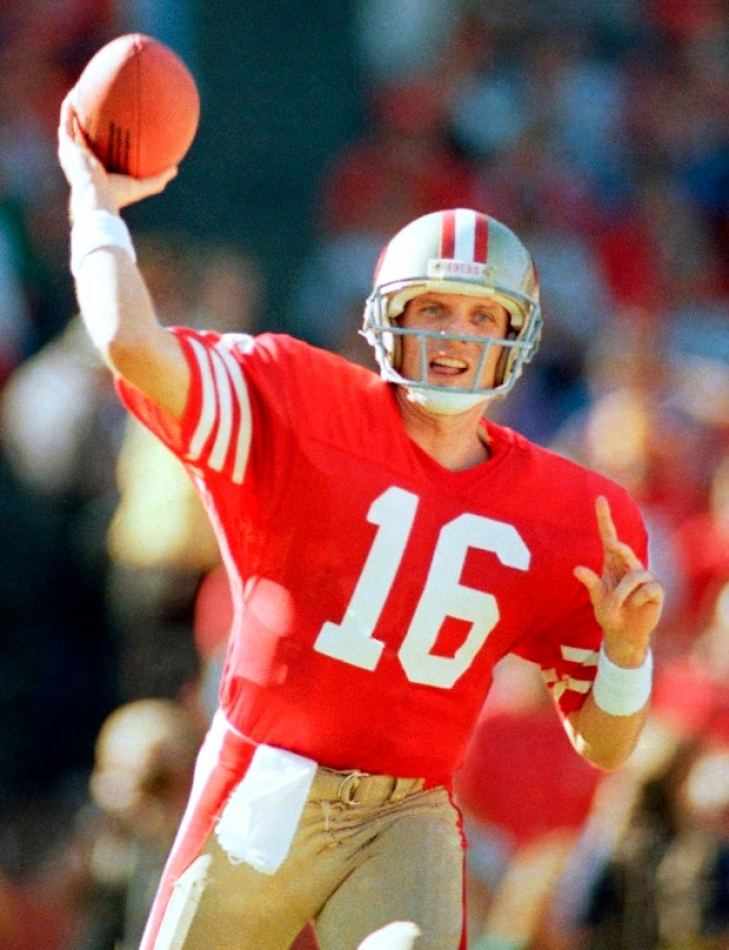
A National Champion at Notre Dame in 1977, Joe Montana was a Third Round Pick two years later by the San Francisco 49ers, where he began his pro career as Steve DeBerg’s backup.
#26 Overall, George Kittle, San Francisco 49ers, #2 Tight End
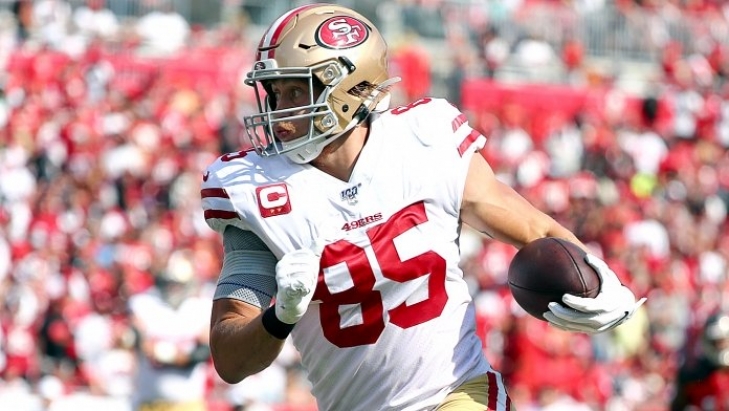
2025 Pre-Season Rank #34, 2024 Pre-Season Rank #42, 2023 Pre-Season Rank #59, 2022 Pre-Season Rank #74, 2021 Pre-Season Rank #86, 2020 Pre-Season Rank #93. Peak Period: 2018-19/22-24.
The man who coined “National Tight Ends Day” would be the toast of his position over the last decade if it were not for Travis Kelce, but George Kittle has become well known just the same!
Kittle is coming off his seventh Pro Bowl, where he just broke 8,000 lifetime yards and remained one of the best blocking Tight Ends in the game. A San Francisco 49er for all of his nine years, Kittle is now north of 30, but still plays like he is in his prime. With Rob Gronkowski (and possibly Jason Witten) entering soon, the statistical bar for Tight Ends is growing, but if Kittle can make it to five digits in yards, coupled with the respect that he has as a blocker, he is definitely in the Canton hunt.
#17 Overall, Christian McCaffrey, San Francisco 49ers, #2 Running Back
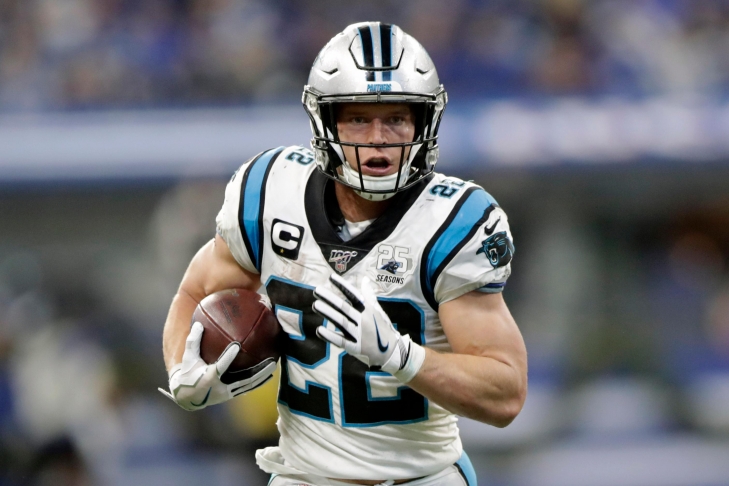
2025 Pre-Season Rank #21, 2024 Pre-Season Rank #16, 2023 Pre-Season Rank #55 Pre-Season Rank #66, 2021 Pre-Season Rank #76, 2020 Pre-Season Rank #81. Peak Period: 2017-18/2021-23
When we look at the 2026 Pro Football Hall of Fame Class, the induction of Roger Craig bodes well for another current 49er, Christian McCaffrey.
McCaffrey started his career with the Carolina Panthers, and in 2019, he joined Craig by rushing for over 1,000 yards and catching passes for over 1,000 yards—a rare accomplishment only shared by Craig and McCaffrey. Injuries hindered his progress in the following two years, but in 2022, when he was healthy and returned to Pro Bowl form, the team that had given up and traded him to San Francisco surrounded him. McCaffrey is one of the most adaptable running backs, but his role often involves dealing with injuries.
In 2023, McCaffrey won his first Rushing Title, while also winning his second Yards From Scrimmage and Touchdown title. This was an incredible campaign that as per usual CMC fashion, was followed by an injury-plagued year.
Last season, McCaffrey had his third 2,000-yard-plus YFS year, and is in a place where he is 21 yards shy of 13,000 in YFS, and is still capable of pounding more yards as long as the injury bug does not bite.
Is CMC a Hall of Famer? Craig’s induction surely helps, but a ring would help more!
287. Bart Oates
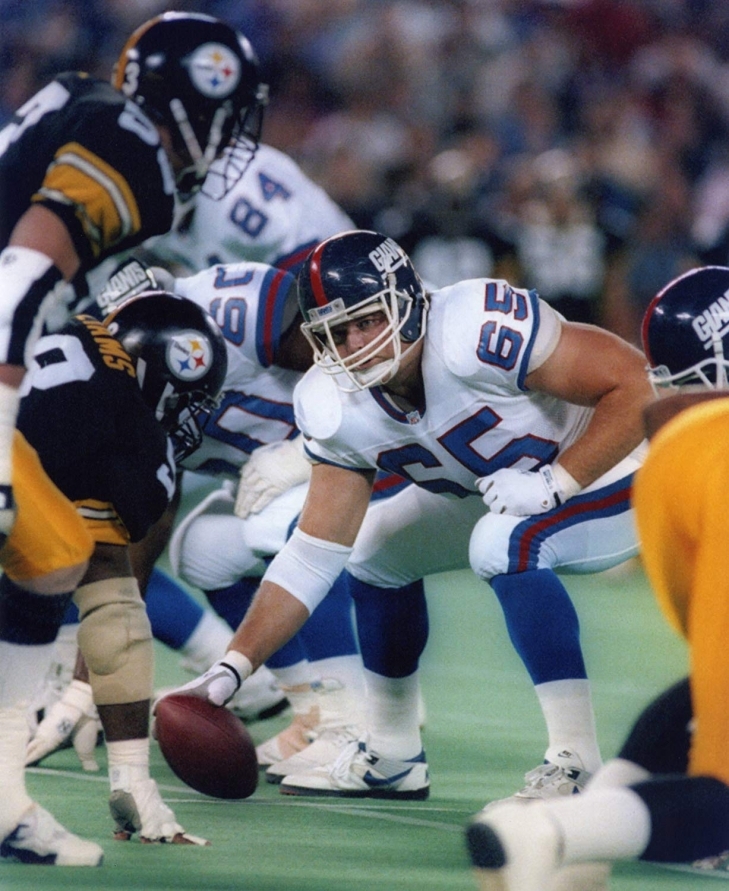
In terms of Centers, there are few Professional Football players who can say that they are as successful as Bart Oates.
After being undrafted at BYU in 1983, Oates would join the Philadelphia Stars of the USFL, and he would win championships with them in 1984 and 1985. When the USFL folded, he signed with the New York Giants, where he would become their starting Center, and was named an All-Rookie. The following season would see Oates win another title, this time a Super Bowl Ring when the Giants won Super Bowl XXI. In 1990, Oates and the Giants won another Super Bowl (XXV), but for the first time, he was named to the Pro Bowl.
290. Frankie Albert
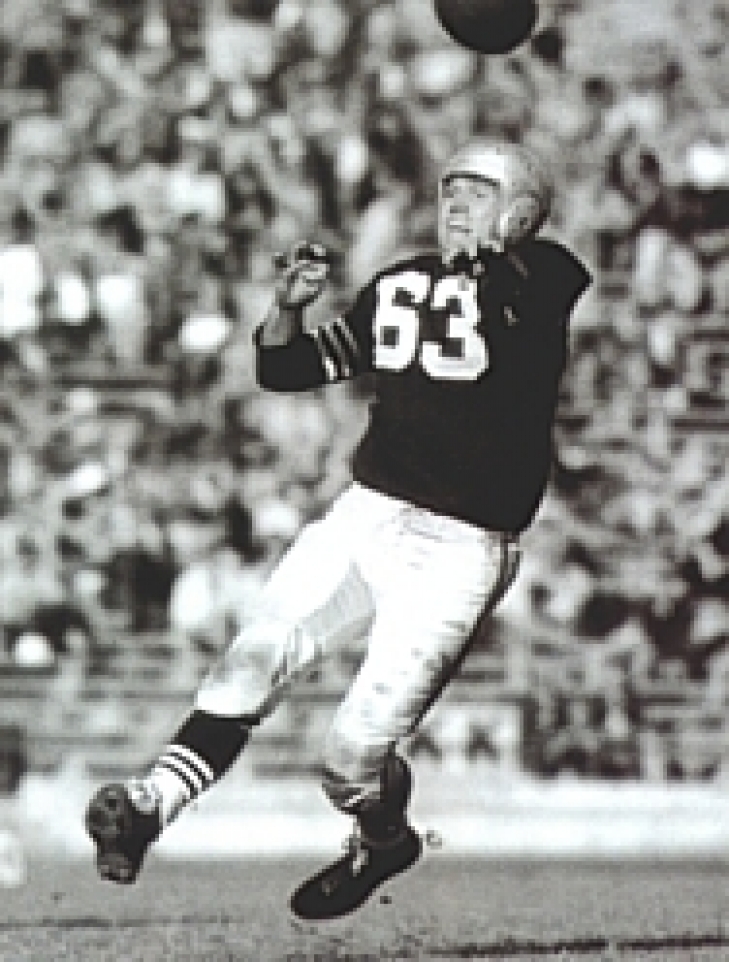
Frankie Albert was the 10th overall pick in 1942 by the Chicago Bears, but remember, the year in question was 1942. The Stanford graduate would serve in the Navy for World War II, and upon his return, he would opt to play for his home state for the Los Angeles Bulldogs of the Pacific Coast League, before joining the San Francisco 49ers of the upstart All-American Football Conference.
191. Tim McDonald
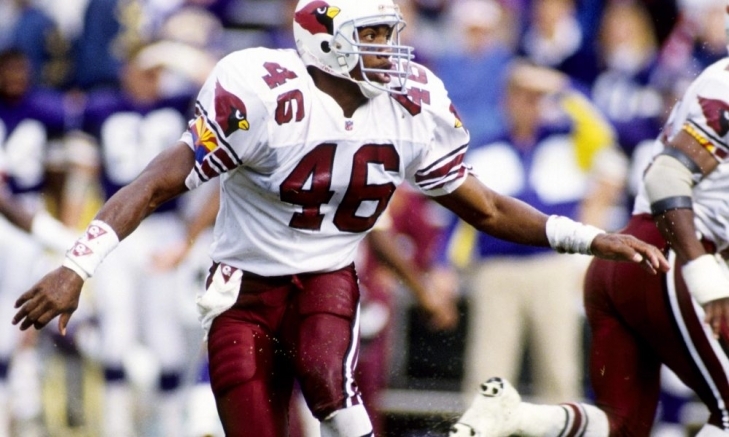
Tim McDonald split his career between the St. Louis Cardinals and San Francisco 49ers, where the Safety went to three Pro Bowls and earned two Second Team All-Pro selections with each team. McDonald would have four seasons where he went over 100 Tackles and would have 1,138 in total, along with 40 Interceptions over his career. He was a member of San Francisco's Super Bowl XXIX championship team and would have had a higher profile had he not been a Cardinal in the first half of his season and overshadowed by other 49ers defensive players in the second half of his career.
189. Abe Woodson
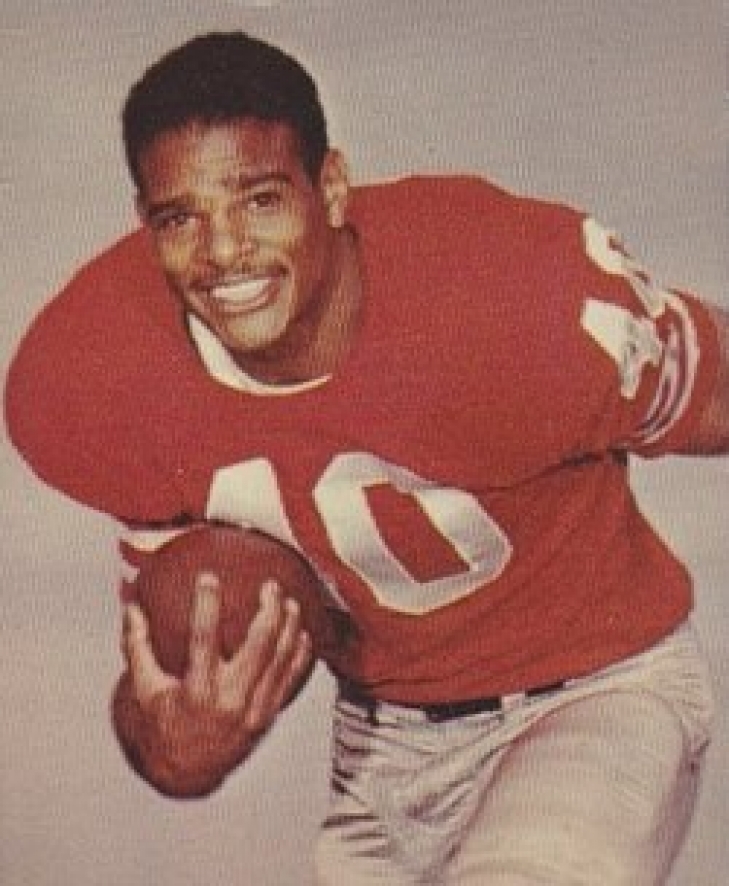
Abe Woodson’s regular role was at Cornerback where he would accumulate 19 Interceptions over his career, but it was his returning ability that would see him gain five straight Pro Bowls Selections (1959-63)
Drafted in the 2nd Round from the University of Illinois, Abe Woodson's best seasons were with the San Francisco 49ers. Woodson, who was also a two-time First Team All-Pro, would record 6,850 Return Yards and would average a whopping 28.7 Yards per Kick Return. He would have four straight years where he had at least 1,000 All-Purpose Yards.
165. Gene Washington
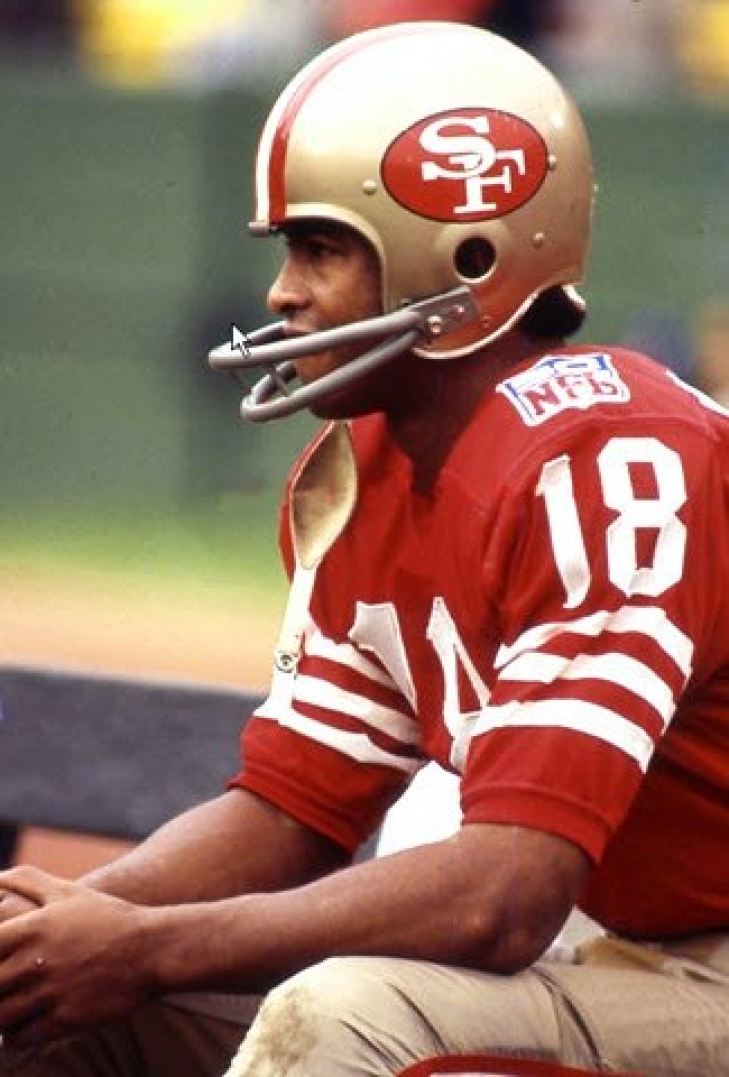
A First Round Pick from Stanford in 1969, Gene Washington was part of the turnaround for the San Francisco 49ers from league doormats to respectability. In his first four seasons in the National Football League, Washington made the Pro Bowl, earning First Team All-Pro honors in three of those years.
In 1970, Washington would have his best season, with his 1,100 Receiving Yards seeing him capture the league lead, and he would again finish at the top of another statistical category in 1972 with his 12 Touchdown Receptions. Save for his final campaign with the Detroit Lions, Washington would play all of his career with the Niners and would accumulate 60 Touchdowns in total.
233. Bruno Banducci
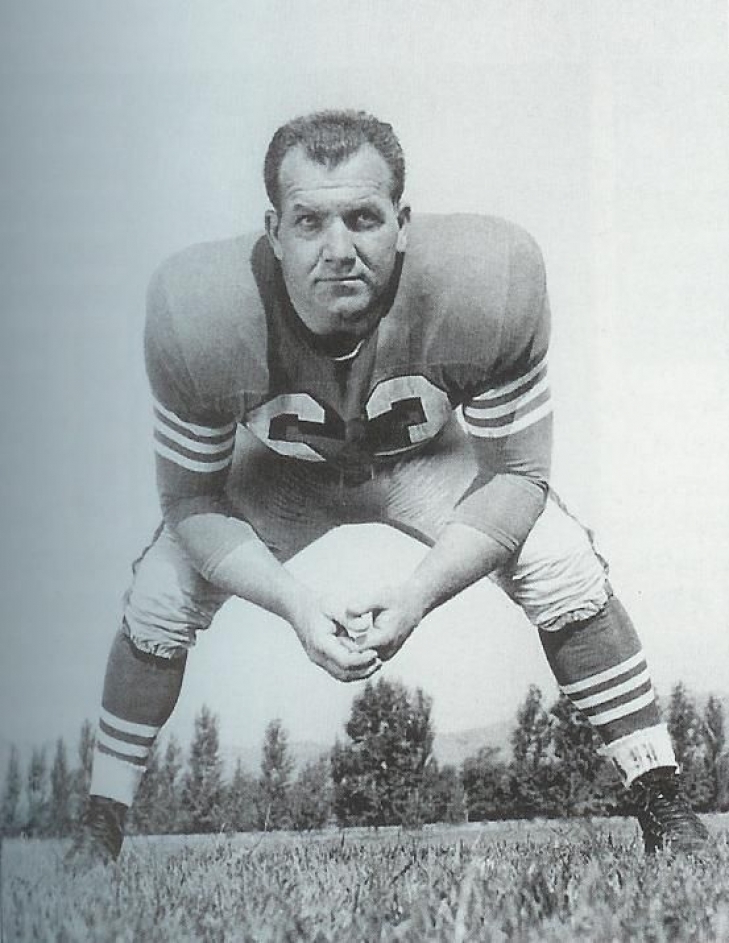
Born in Italy and raised in the United States, Bruno Banducci played his college ball for Stanford but was drafted by the Philadelphia Eagles in 1944. Banducci was more at home in 1946 when the Guard joined the San Francisco 49ers of the upstart All-American Football Conference. Banducci stayed there for the rest of his career, including the move to the NFL, until his retirement after 1954. Banducci, who helped San Francisco gain relevance with their rushing attack, was a two-time First Team All-Pro and was chosen for the 1940’s All-Decade Team.
178. Billy Wilson
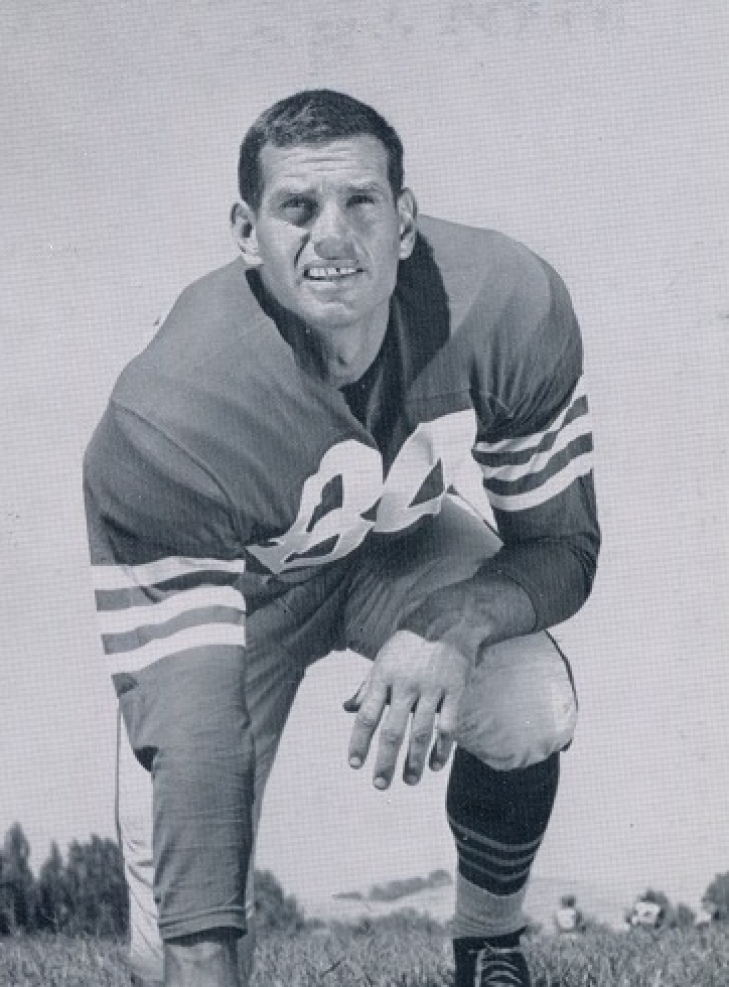
Billy Wilson spent his entire career with the San Francisco 49ers, but that was in the 1950s, when the Niners weren’t the world beaters they'd become later, which may be why he doesn’t get the credit he deserves.
Wilson would be drafted in the 22nd Round (yes, the 22nd) in 1951, and he would emerge as their top Wide Receiver and their primary offensive weapon. In 1953, he had 51 Receptions, and that season was pivotal, as it started a run in which he was arguably in the top tier of Ends in the NFL through the rest of the decade. From 1953 to 1957, Wilson never finished below fourth in Receiving Yards, and he led the NFL in receptions in three seasons (1954, 1956 & 1957). He would be named to six straight Pro Bowls (1953-58) and is the first outstanding wideout in franchise history.
#6 Overall, Trent Williams, San Francisco 49ers, Offensive Tackle, #1 Offensive Lineman
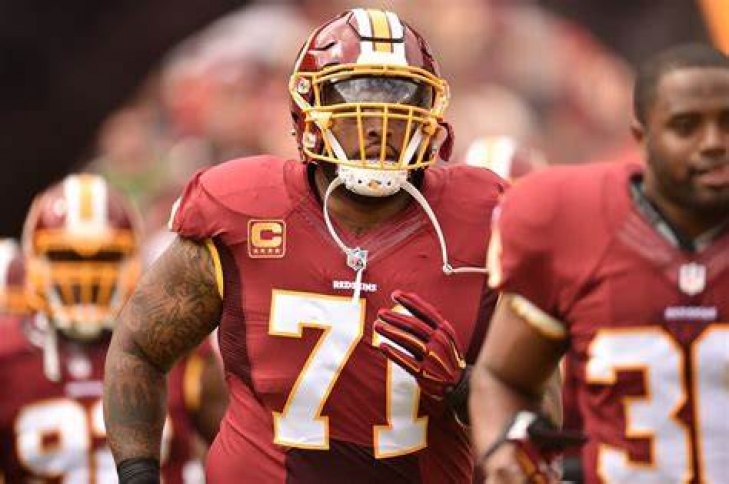
2025 Pre-Season Rank #5, 2024 Pre-Season Rank #6, 2023 Pre-Season Rank #6, 2022 Pre-Season Rank #20, 2021 Pre-Season Rank #33, 2020 Pre-Season Rank #35. 2018-23*
Aging like wine, we love the story of Trent Williams, who was one of the better Offensive Linemen in Washington history and who wanted out after he felt that the team misdiagnosed a dermatofibrosarcoma protuberans, a growth that was determined to be a type of cancer in 2019 but was dismissed by the Redskins medical team in 2013. He did not play at all in 2019 and wanted out, landing in San Francisco in 2020, where he was a First Team All-Pro from 2021 to 2023 and now has the most Pro Bowls (12) of any active Offensive Lineman.
What Williams has accomplished in San Francisco has cemented a bronze bust.
*Williams sat out in 2019.
271. NaVorro Bowman
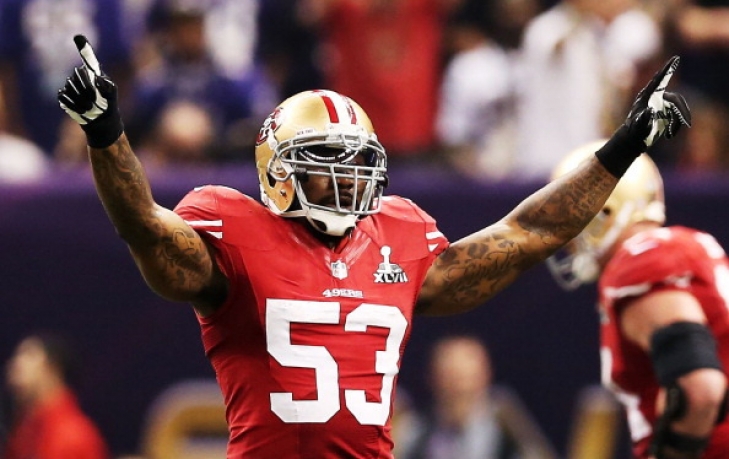
NaVorro Bowman would prove to be a tackling machine during his time with the San Francisco 49ers, and once he became a starter, he would help usher in a new wave of strong defense for the team. Bowman would be a First Team All-Pro in 2011 (despite not making the Pro Bowl), and he finished second overall in Solo Tackles. He repeated his First Team All-Pro performance in 2012 and 2013, making the Pro Bowl both years; in 2012, he helped the Niners reach the Super Bowl, though they lost to the Baltimore Ravens. From 2011 to 2013, he had 140 Combined Tackles or more, which was good enough for the top ten each year. A torn ACL and MCL cost Bowman the 2014 season, but his return in 2015 saw him again reach the Pro Bowl and the First Team All-Pro, and this time he would lead the NFL in Solo and Combined Tackles.
Bowman didn’t play much longer after that, as injuries piled up, and he played only two more years.
Terrell Owens to the San Francisco 49ers Hall of Fame
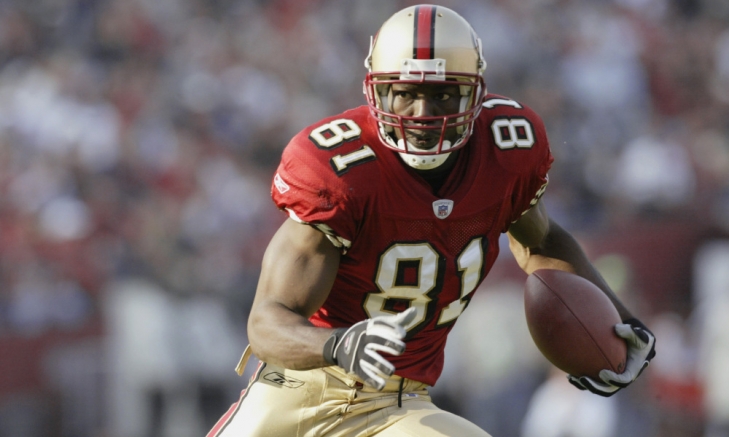
The San Francisco 49ers have announced that Terrell Owens will be the 28thmember of their franchise Hall of Fame.
Owens was a third round pick in 1996 from Tennessee-Chattanooga and as a rookie he would catch 35 passes for 520 Yards. Over the next three seasons, T.O. would move up the ranks and would become the primary receiver with seasons of 936, 1,097 and 754 Yards respectively but in 2000 he would prove himself as an elite wideout with a 1,451 Yard campaign that earned him his first Pro Bowl and First Team All Pro Selection. He would repeat those honors in 2001 and 2002 but would add another accolade he was the NFL leader in Touchdown Receptions. In his final season with the Niners, Owens would again be named a Pro Bowler.
While Owens was certainly a great receiver, he was a controversial player. He was outspoken and could be divisive in locker rooms. Still, T.O. was a phenomenal player who is second all time in franchise history in Receptions (592), Receiving Yards (8,572) and Receiving Touchdowns (81). Owens would later play for Philadelphia, Dallas, Buffalo and Cincinnati and he would be chosen for the Pro Football Hall of Fame in 2018.
We here at Notinhalloffame.com would like to congratulate Terrell Owens for this latest accomplishment!
A look at Eddie DeBartolo Jr.s' PFHOF induction
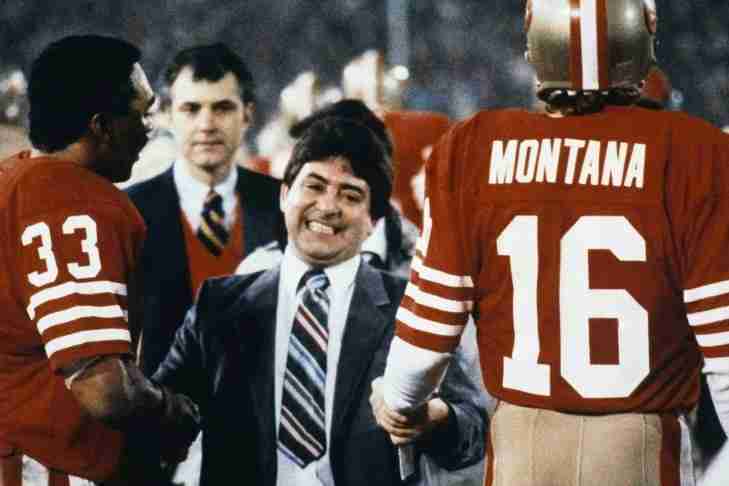
Now that the Baseball Hall of Fame Class of 2016 has announced their class has done the same. We were hopeful to do this prior to the announcement of the actual inductees, but life, as it often does simply got in the way!
Saying that, we felt it was worth our time to take a look at the 2016 Nominees and debate whether they should have gotten in (or not) and look to the future of the Pro Football Hall of Fame.
57. John Brodie
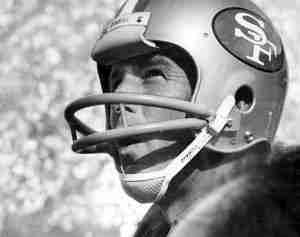
When you think of great San Francisco quarterbacks, you automatically think of Joe Montana and Steve Young. Before them, there was a very good one named John Brodie who put up great numbers without the supporting cast that Montana and Young had.
John Brodie was one of the game's early gunslingers, and most of the time he had to be. The 49ers of the 1960s were not a great team, and Brodie was often the main reason they were competitive. By the time the 1970s rolled around, Brodie had a better team around him, and though he was finally playoff-bound, the Niners could not get past the Cowboys for three years in a row. Still, Brodie won the 1970 MVP and was given more respect around the league.
Because he had to take a lot of chances, John Brodie’s interception rate was fairly high, and he finished his career with more picks than touchdown passes. This could be why he has never been a semifinalist for the Hall, and with the San Francisco 49ers reaching great heights in the 1980s, virtually every Niners star before them has been forgotten. John Brodie deserves better than that.
