

Our All Time Top 50 San Francisco Giants have been revised to reflect the 2025 Season

Yes, we know that this is taking a while!
As many of you know, we at Notinhalloffame.com are slowly generating the top 50 of each major North American sports team. That being said, we maintain and update our existing Top 50 lists annually. We are pleased to present our pre-2026 revision of our top 50 San Francisco Giants.
As for all of our top 50 players in baseball, we look at the following:
1. Duration and Impact.
2. Traditional statistics and how they finished in the Major League Baseball.
3. Advanced Statistics.
4. Playoff performance.
5. Their respective legacy on the team.
6. How successful the team was when he was there.
7. Respecting the era in which they played.
Criteria 1-4 will make up the lion’s share of the algorithm. Please note that we have implemented this for the first time. This has changed the rankings all throughout the board.
Last year, the Giants had a .500 record (81-81) and failed to make the playoffs. There was one new entrant based on last year, and the new algorithm brought in another name.
As always, we present our top five, which saw one change.
1. Willie Mays
2. Barry Bonds
3. Christy Mathewson
4. Mel Ott
5. Carl Hubbell
You can find the entire list here.
According to the new algorithm, Christy Mathewson and Mel Ott switched their #3 and #4 rankings.
Tatis Jr., who was an All-Star and Gold Glove winner last season, moved from #7 to #5. He was also 8th in MVP voting last year.
Logan Webb makes his debut at #46.
Kevin Mitchell returns to the list due to the new algorithm.
Notably, Brandon Belt and George Van Halten fell off the list.
We thank you for your continued support of our lists on Notinhalloffame.com.
46. Logan Webb

Hooks Wiltse didn’t just throw a curveball; he weaponized it. In an era dominated by blazing fastballs and deceptive spitballs, the crafty southpaw possessed a sharp, sweeping breaking ball that was universally recognized as far more lethal than his heater—a rarity for the Deadball Era that quickly earned him his iconic nickname. Joining John McGraw’s powerhouse New York Giants in 1904, Wiltse made the most explosive first impression in major-league history by winning his first 12 consecutive decisions, a legendary rookie record that stood unmatched for 70 years.
Wiltse quickly became the ideal left-handed counterpart to the legendary Christy Mathewson. Together, they formed one of the most renowned and successful lefty-righty pairings in baseball history, amassing 435 wins over their 11 years in Manhattan. Wiltse's efficient pitching contributed significantly to the Giants winning five National League pennants during that period. Although he sat in the dugout during the 1905 World Series while Mathewson threw three historic shutouts to win the title, it was Wiltse's regular-season performance that fueled their success.
His career's peak came during an impressive late-decade period when he became a back-to-back 20-win pitcher, recording a 23–14 record in 1908 and following it with a 20–11 season in 1909.
Although it might seem that the heavy workload of the Deadball Era took a toll on him, his efficiency tells a different story. In his peak years, Wiltse was a top-tier run suppressor, maintaining a season ERA below 2.50 for five straight summers from 1905 to 1909, with a career-low of 2.00. It was only after 1910, as he entered his thirties and his shoulder fatigue persisted, that his ERA rose above that 2.50 mark.
Beyond his prowess on the mound, Wiltse was seen as one of the most versatile athletes on the team. McGraw often relied on his keen instincts for pinch-hitting and defensive roles, even assigning him to first base in Game 2 of the 1913 World Series. He concluded his time with the Giants with 155 hits and a solid .215 batting average. After shifting to a relief pitcher role, the Giants released him after the 1914 season, which led to a brief final stint with the Brooklyn Tip-Tops of the Federal League.
Wiltse's ten-year New York residency includes a 136–85 record, 2.48 ERA, and 948 strikeouts in 339 games.
Our All Time Top 50 San Francisco Giants have been revised to reflect the 2024 Season
Yes, we know that this is taking a while!
As many of you know, we at Notinhalloffame.com are slowly generating the top 50 of each major North American sports team. That being said, we have existing Top 50 lists and consistently look to update them when necessary and based on necessity. As such, we are delighted to present our post-2024 revision of our top 50 San Francisco Giants.
As for all of our top 50 players in baseball, we look at the following:
1. Advanced Statistics.
2. Traditional statistics and how they finished in the National League.
3. Playoff accomplishments.
4. Their overall impact on the team and other intangibles that are not reflected in a stat sheet.
Please note that our algorithm has changed, which yielded minor changes throughout the baseball lists.
Last year, the Giants went 80-82 and were fourth in the NL West. There were no new entrants, except for one who debuts based on the new algorithm,
As always, we present our top five, which saw one change based on the new algorithm.
1. Willie Mays
2. Barry Bonds
3. Mel Ott
4. Christy Mathewson
5. Carl Hubbell
You can find the entire list here.
The only new addition was George Van Haltren, who as discussed above, enters via the new system.
We thank you for your continued support of our lists on Notinhalloffame.com.
RIP: Orlando Cepeda
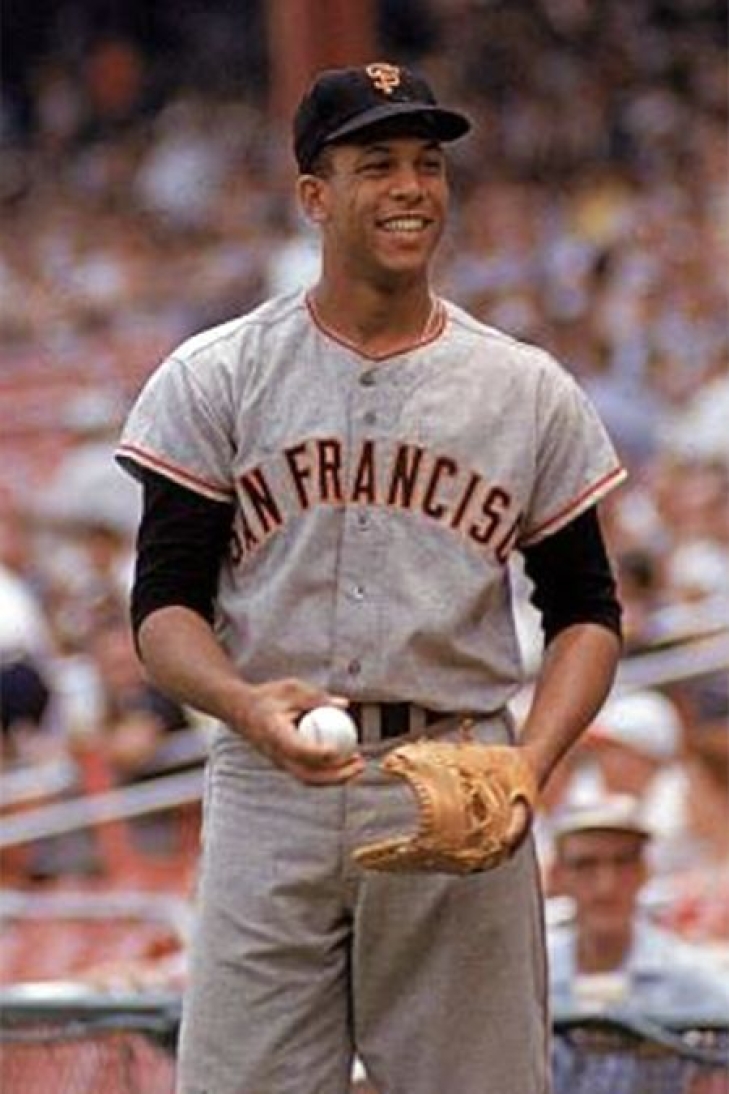
Orlando Cepeda, a teammate of Willie Mays who died a week ago, passed away. He was 86 years old.
Cepeda debuted in 1958 with the San Francisco Giants where he won the National League Rookie of the Year. He was named to the next six All-Star Games, and the slugger won the Home Run (46) and RBI (142) Titles. He was later traded to the St. Louis Cardinals, where he helped them win the World Series in 1967. Cepeda also played for Atlanta, Oakland, Boston and Kansas City and retired with 379 Home Runs, 1,365 RBIs and a .297 Batting Average.
Cepeda was inducted into the Baseball Hall of Fame in 1999.
We here at Notinhalloffame.com would like to extend our condolences to the fans, friends, and family of Orlando Cepeda.
RIP: Willie Mays
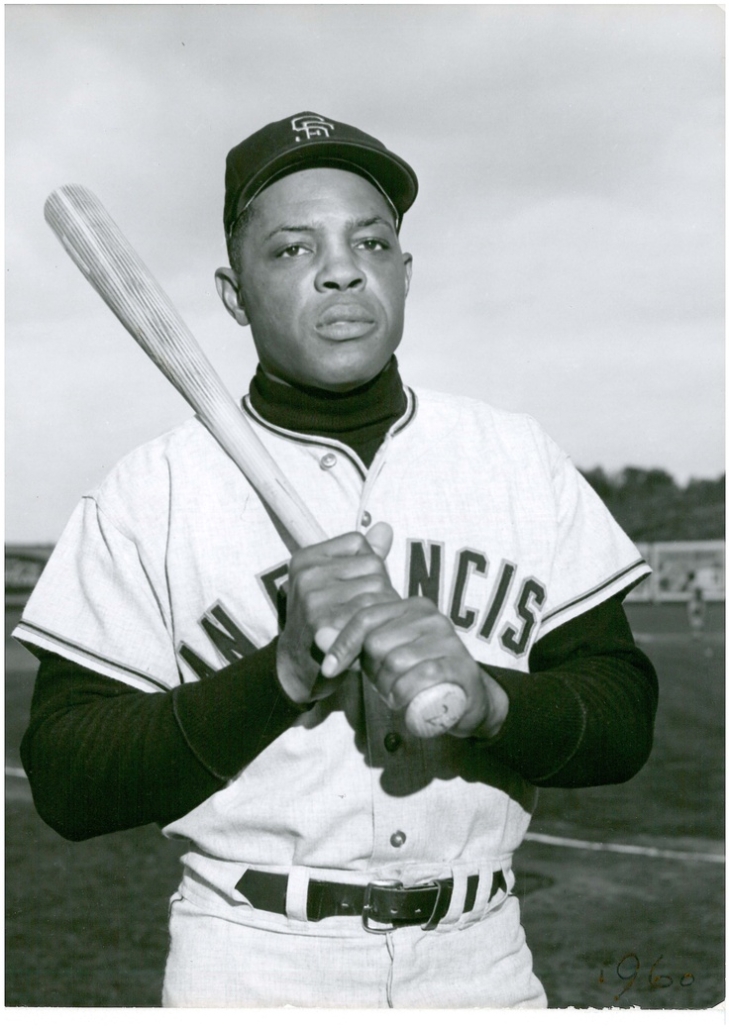
The word legend doesn’t cut it.
Willie Mays, one of the greatest baseball players who ever lived, died at the age of 93.
Willie Mays played two years with Birmingham of the Negro Leagues before he signed with the New York Giants, and it would not take long before the “Say Hey Kid” became the face of the franchise.
Mays could do it all. When they speak of five-tool baseball players, Mays is the literal definition. He had it all. Mays had the power, the speed, the glove, the arm, and the average. There was nothing that he could not do, and that wasn't the case just for a year or two; Mays had those skills for most of his career. Mays could very well be the most complete baseball player that ever lived.
Debuting for the Giants in 1951, Mays won the Rookie of the Year and was the spark plug for the team that shocked the world by coming from 13.5 Games behind in August to win the Pennant. New York didn’t win the World Series, but they had a star on the rise, but military service kept him out of 1953 and most of 1952. When he returned, he staked a claim as baseball’s top dog.
Mays won the Batting Title, 1954 MVP, and led New York to a World Series Championship. Although 1954 was his only World Series win, his individual greatness was cemented in every facet of the sport. He went to his first All-Star Game and would be invited every year until 1971.
Mays had the perfect eye at the plate. He batted over .300 nine times and drew Walks, netting an OBP over .400 five times and winning two OBP Titles. The Power game with Mays was also one of the best ever. Mays won four Home Run Titles, blasting 646 of 600 career Home Runs with the Giants. Mays never won an RBI Title but had at least 100 in a season ten times with 1,909 overall as a Giant. An MVP again in 1965, Mays had six more top-five MVP finishes.
Speed was another one of Mays's calling cards. He led the NL in Stolen Bases four years in a row (1956-59) with 336 as a Giant. Mays was also one of the game's top defensive players, having not only made the 1954 over-the-head catch in Game 1 of the World Series but continuing to dominate on the field. He led the NL in Defensive bWAR in 1954 and was in the top ten seven other times. He also was a three-time leader in Total Zone Runs.
Mays was traded to the New York Mets during the 1972 Season, where he unceremoniously ended his career, though he did help them win the 1973 Pennant. He is still the all-time Giants leader in bWAR (154.5), Offensive bWAR (134.8), Runs Scored (2,011), Hits (3,187), and Home Runs (646).
Mays was inducted into the Baseball Hall of Fame in 1979, his first year on the ballot. San Francisco retired his number 24 in 1972 while he was still an active player, and he was later an inaugural member of the Giants Wall of Fame in 2008. He was also chosen for our inaugural United States Athletics Hall of Fame.
We here at Notinhalloffame.com would like to extend our condolences to the fans, family, and friends of Willie Mays.
.
Sergio Romo
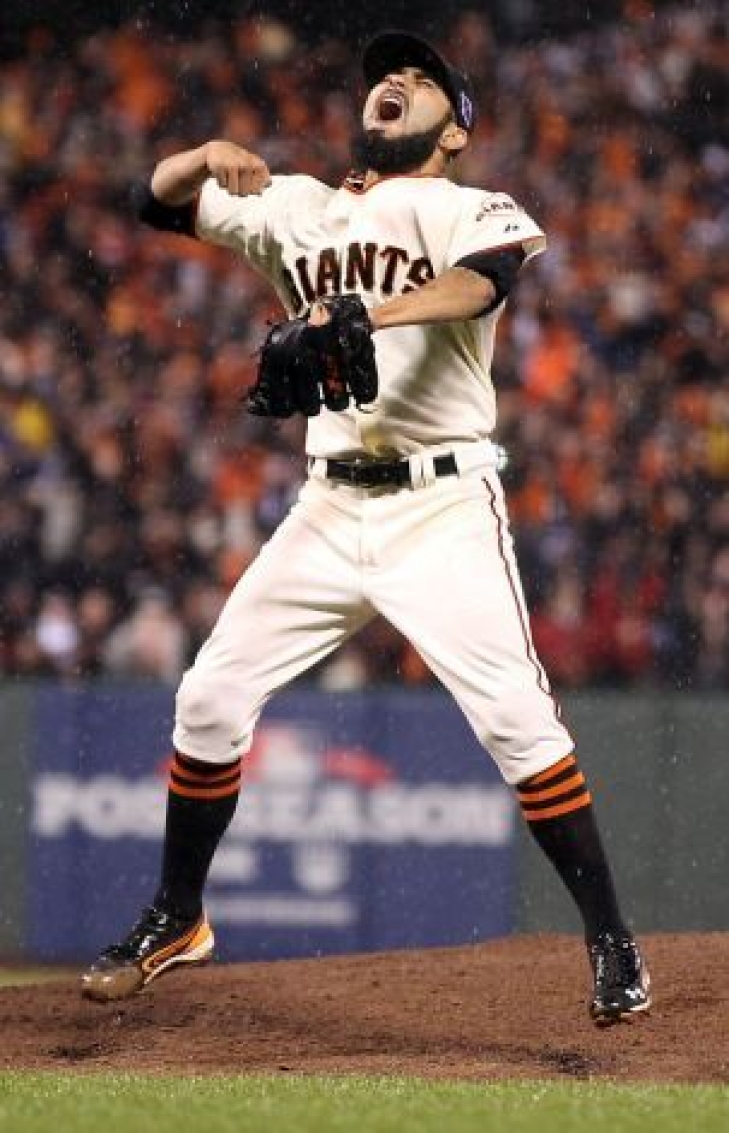
Sergio Romo played the first half of his career with the San Francisco Giants (2008-16), where the Relief Pitcher was an All-Star in 2013 and won three World Series Rings (2010, 2012 & 2014). Romo had 84 Saves for the Giants and 137 Overall in a career that also saw him throw for Los Angeles (NL), Tampa Bay, Miami, Minnesota, Oakland, Seattle and Toronto.
Pablo Sandoval
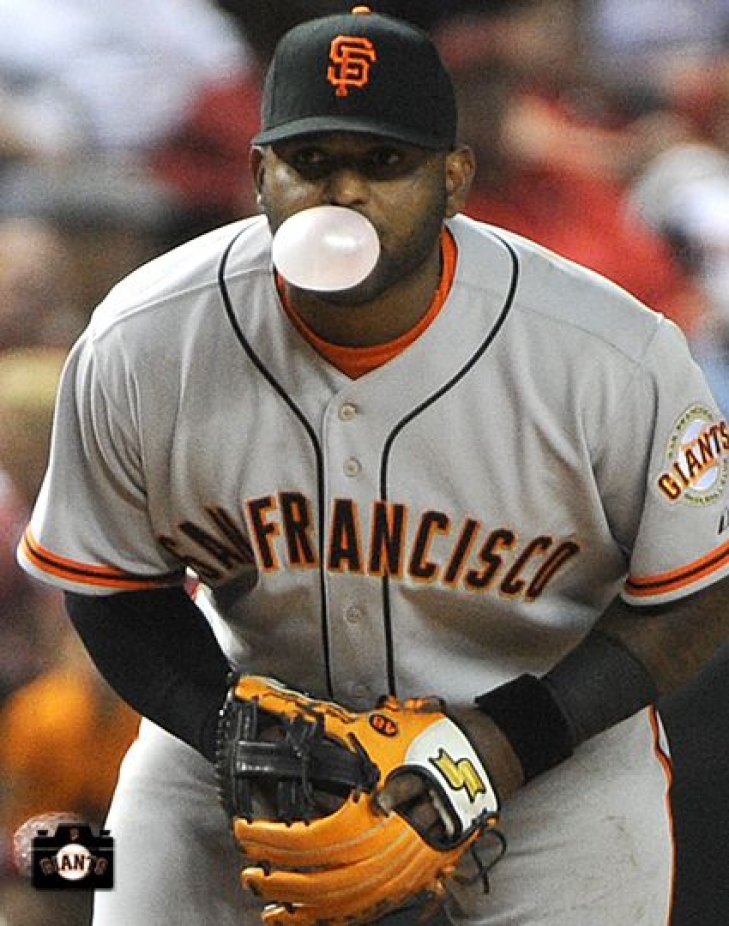
For a brief time, the baseball world fell in love with the "Kung Fu Panda" - and we don’t mean the one voiced by Jack Black. Pablo Sandoval, hailing from Venezuela, was a portly player but managed to move his weight around early in his career with the San Francisco Giants. He made his debut in 2008 and took over at Third Base, dazzling fans with his demeanor and unlikely acrobatics for a big man. 2009 was arguably his best season, where he set career marks in hits (189), home runs (25), RBIs (90), and the Slash Line (.330/.387/.556) and finished seventh in MVP voting.
Sandoval remained a good player over the next few years - he even went to the All-Star Game in 2011 and 2012 - but it was when the Giants won the World Series in 2010, 2012, and 2014 that he became nationally known. However, it wasn't all sunshine for him, as his extra weight became a problem and he was benched on occasions. Sandoval did not do much in his first World Series, but he blasted six home runs in the 2012 Fall Classic, including three in Game 1, and was named the World Series MVP, which was the highlight of his career.
The Boston Red Sox signed Sandoval as a Free Agent in 2015, but he wasn't the same player. Still overweight, Sandoval's hitting fell apart, and he was held to just six at-bats in 2016 due to shoulder issues. It was not much better for Sandoval in 2017, as he again struggled and was released. The Giants signed him back, and he was used in a bench role over the next few seasons. Sandoval even led the NL in pinch hits (18) in 2019 but was released again, this time during the 2020 season. The Braves picked him up to use in a reserve capacity, and he lasted until 2021. Though he was not on the playoff roster, he was awarded a World Series Championship Ring by the Atlanta.
As popular as he was at one time, Sandoval's overall numbers (1,279 hits, 153 home runs) are nowhere close to Hall of Fame worthy. However, those memories, oh boy, they sure were fun!
31. Buster Posey
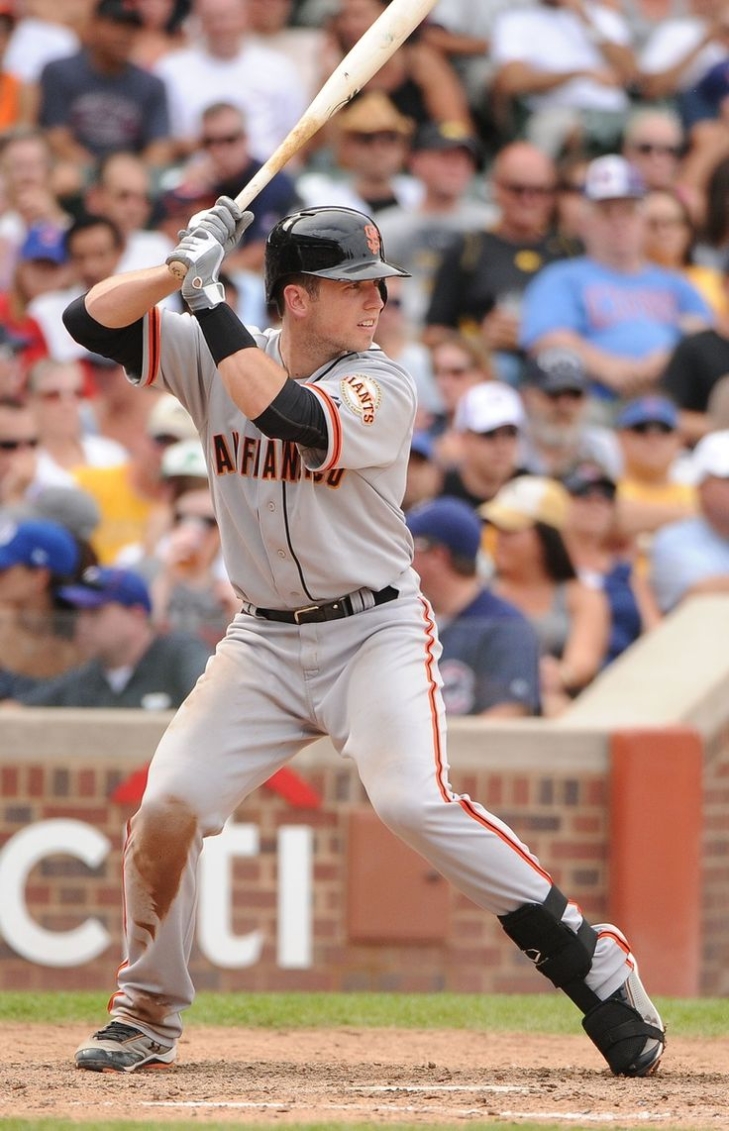
Buster Posey was a San Francisco Giant for all of his 12 seasons in the Majors, and is widely considered the best Catcher of the 2010s.
Posey was an outstanding player at the University of Florida, where he won the 2008 Dick Howser Trophy and the Golden Spikes Award. In the 2008 Amateur Draft, the Giants chose him as the fifth overall pick. After a brief seven-game stint with San Francisco, he became their everyday catcher and won the National League Rookie of the Year award. He led the Giants to a World Series Championship that year, which was his first of three.
Posey was selected as an All-Star for the first of seven times and helped the Giants win another World Series, with his contribution being significant. Although he suffered a fractured fibula in 2011, he made a strong comeback the following year and became the Comeback Player of the Year while posting career-high numbers in batting average (.336), home runs (24), and RBIs (104). He was named the MVP that year, and even better, would anchor San Francisco to another World Series Championship.
Posey remained one of the best catchers in the National League and helped the Giants win yet another World Series in 2014 (his third). He continued to hit over .300, excel in defense, and handle his pitchers well. In total, he won two Wilson Defensive Awards, one Gold Glove, and five Silver Sluggers.
Posey opted out of the 2020 season due to COVID-19, but returned the following year and won his second Comeback Player of the Year award. With the introduction of All-MLB awards, he earned All-MLB 2 honors. He then surprised many by announcing his retirement after the 2021 season, which he ended with 1,500 hits, a .302 batting average, and 158 home runs.
Posey's Hall of Fame case rests on his positional dominance, even though his overall statistics might fall short. Anyone who was in a position in a league for an extended period of time has a strong Hall of Fame case in our eyes.
Our All-Time Top 50 San Francisco Giants have been revised (sort of) to reflect the 2023 Season
Yes, we know that this is taking a while!
As many of you know, we here at Notinhalloffame.com are slowly generating the top 50 of each major North American sports team. That being said, we have existing Top 50 lists out, and we always consistently look to update them when we can and based on necessity. As such, we are very happy to present our post-2023 revision of our top 50 San Francisco Giants.
As for all of our top 50 players in baseball, we look at the following:
1. Advanced Statistics.
2. Traditional statistics and how they finished in Major League Baseball.
3. Playoff accomplishments.
4. Their overall impact on the team and other intangibles that are not reflected in a stat sheet.
Last year, the Giants failed to make the playoffs, and as this team is over a century old, it takes a lot to break into this list. Nobody did in 2023, and there were no changes, but we always want to acknowledge that we took the last season into consideration.
As always, we present our top five, which (obviously) saw no changes:
1. Willie Mays
2. Barry Bonds
4. Mel Ott
5. Carl Hubbell
You can find the entire list here.
We thank you for your continued support of our lists on Notinhalloffame.com.
Our All-Time Top 50 San Francisco Giants are now up

Yes, we know that this is taking a while!
As many of you know, we here at Notinhalloffame.com are slowly generating the 50 of each major North American sports team. We have a new one to unveil today, that of the San Francisco Giants.
The franchise began in 1883 as the New York Gothams, changing their name to the Giants shortly after. In the pre-modern World Series era, New York won the 1888 and 1889 Pennants, and in 1905, they captured their first World Series. The Giants won the World Series again in 1921, 1922, 1933, and 1954, but like the Brooklyn Dodgers, the Giants were not going to be the top dog in NYC, and they moved to San Francisco in 1956.
Even though they had Willie Mays in tow, it would take long after he left until the turn of the century for the Giants to win another title. San Francisco won the 2010, 2012 & 2014 World Series, giving them eight in total.
This list is up to the end of the 2022 regular season.
Our Top 50 lists in Baseball look at the following:
1. Advanced Statistics.
2. Traditional statistics and how they finished in the National League.
3. Playoff accomplishments.
4. Their overall impact on the team and other intangibles not reflected in a stat sheet.
Remember, this is ONLY based on what a player does on that particular team and not what he accomplished elsewhere and also note that we have placed an increased importance on the first two categories.
This list is updated up until the end of the 2022 Season.
The complete list can be found here, but as always, we announce our top five in this article. They are:
1. Willie Mays
2. Barry Bonds
4. Mel Ott
5. Carl Hubbell
We will continue our adjustments on our existing lists and will continue developing our new lists.
Look for our more material coming soon!
As always, we thank you for your support.
47. George Kelly
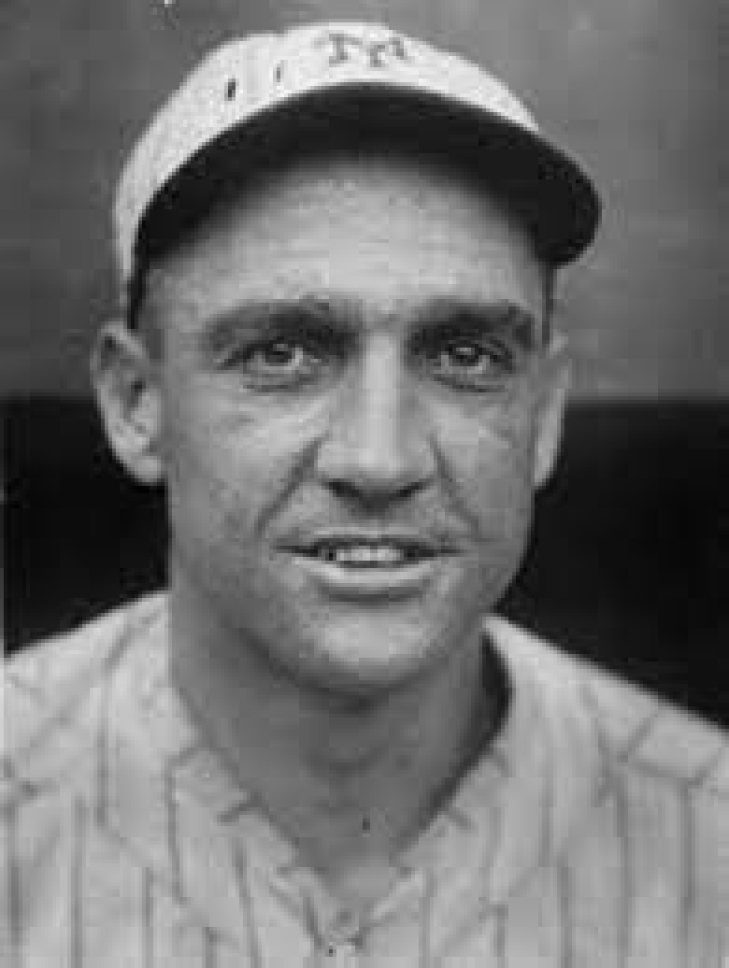
The story of George "High Pockets" Kelly is a fascinating study in baseball eras. Standing a towering 6'4" in a time when the average player was considerably shorter, the long-limbed first baseman became a premier run producer of the early live-ball era. Yet, playing in Manhattan at the exact same moment Babe Ruth was completely rewriting the sport's offensive playbook across the river meant that Kelly’s prodigious output was routinely overshadowed by the Bambino’s historic long-ball explosions.
Kelly’s road to stability in New York was anything but linear. He made brief cameos for John McGraw’s club in 1915 and 1916, but struggled to find his footing, leading to a bizarre waiver wire saga in the summer of 1917. The Pittsburgh Pirates claimed the young infielder, only for McGraw to realize he had made a premature calculation and claim Kelly right back off waivers less than a month later. Following a brief developmental detour and a stint serving in World War I, Kelly returned to the Polo Grounds ready to anchor the middle of the lineup.
The moment he secured the everyday first-base job in 1920, Kelly turned into a highly efficient RBI machine. He immediately paced the National League with 94 runs batted in during his first full summer, following it up with an exceptional 1921 campaign where he led the league with 23 home runs. That performance ignited a spectacular streak of four consecutive seasons, eclipsing the 100-RBI threshold. While Ruth grabbed the headlines with solo fireworks, Kelly brought the silver home. He served as the clutch-hitting engine that propelled the Giants to four consecutive National League pennants and back-to-back World Series championships over the Yankees in 1921 and 1922.
Kelly put together his absolute professional masterpiece during the 1924 campaign. Weaponizing a smooth, powerful swing that took full advantage of the Polo Grounds' cozy lines, he captured his second National League RBI crown by driving in a career-high 136 runs while clubbing 21 homers. He beautifully replicated that power output with another 20-homer summer in 1925, solidifying his reputation as one of the most feared run-producers in the Senior Circuit. Beyond his bat, his massive reach gave the Giants an elite defensive safety net at first base, frequently bailing out his legendary infield teammates with his vacuum-like scooping ability.
As the decade progressed, a youth movement in New York and the roster’s natural evolution led to his departure. Prior to the 1927 season, the Giants traded the veteran star to the Cincinnati Reds, closing out an incredibly productive chapter in New York baseball history. Kelly completed his memorable 11-year Giants residency, having compiled 1,174 hits, 123 home runs, and 762 RBIs with a .301 batting average.
49. Freddie Fitzsimmons
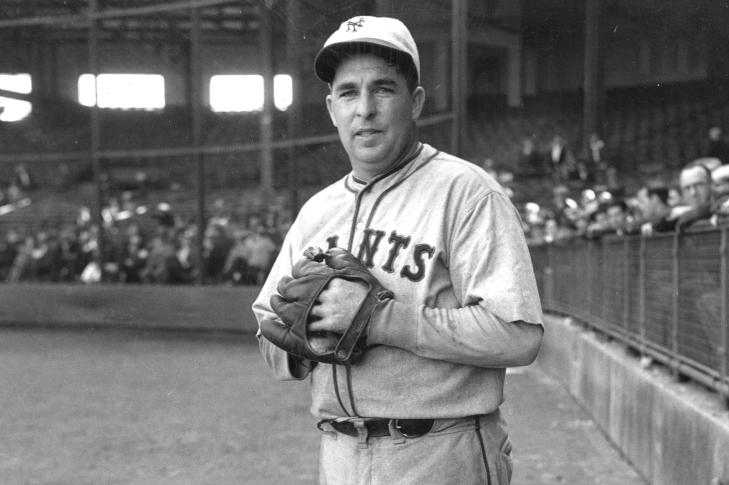
The modern pitching "workhorse' concept finds its true origin in an unorthodox yet formidable right-hander from Indiana. Freddie Fitzsimmons, not resembling the typical athletic star with his heavy frame—earning him the nickname "Fat Freddie"—mastered one of the most powerful, knee-buckling knuckle-curves in the game. Picked up from the Indianapolis Indians in 1925, he employed a distinctive, spinning delivery, turning his back completely to the batter before releasing his pitches. Once he secured a spot under John McGraw at the Polo Grounds, Fitzsimmons became the dependable, relentless force in the New York pitching staff.
Fitzsimmons was best known for his extraordinary durability and ability to pitch heavy workloads. During a time when pitching staffs were often pushed to exhaustion, he was a stable presence in the regular season, consistently pitching over 200 innings for nine straight summers from 1926 to 1934. Although he didn't rely on high strikeout numbers, his sensible approach focused on making contact, which often resulted in weak groundballs. He excelled at preventing runs and frequently ranked in the top ten in WHIP in the National League, with his peak coming in 1928 when he achieved a remarkable 20–9 record over 261 innings.
Demonstrating that his substantial workload was effectively complemented by a high level of efficiency, Fitzsimmons secured the National League batting average crown during the 1930 season, leading the Junior Circuit with an impressive 19–7 record (.731). This consistent excellence ensured that he would not suffer a losing record in any regular season during his first decade with the New York team. Together with the left-handed pitcher Carl Hubbell, Fitzsimmons formed a formidable lefty-righty combination that regularly propelled the Giants into October. He supported his peak of 20 wins with 19 victories in 1930, followed by consecutive 18-win seasons in 1931 and 1934. His reliable performance was a crucial factor in guiding the team to National League pennants in 1933 and 1936, as well as during a notably competitive pursuit of the 1934 pennant. Although a series of unfortunate circumstances in the postseason resulted in a 0–3 record in those Fall Classic appearances, his consistent regular-season effort was the primary reason the franchise secured a World Championship banner in 1933.
By the summer of 1937, a shifting roster dynamic and a 6–10 start to his campaign prompted the front office to make a difficult transitional decision, trading the beloved veteran to the Brooklyn Dodgers in exchange for Tom Baker. Fitzsimmons defied the aging curve in Flatbush, even setting a historic National League record with an astonishing .889 winning percentage (16–2) at age 38 in 1940, before eventually transitioning into a successful major-league manager and coach.
With the Giants, Fitzsimmons had a 170–114 record, a 3.69 ERA, and 619 strikeouts across 398 total appearances.
50. Kevin Mitchell
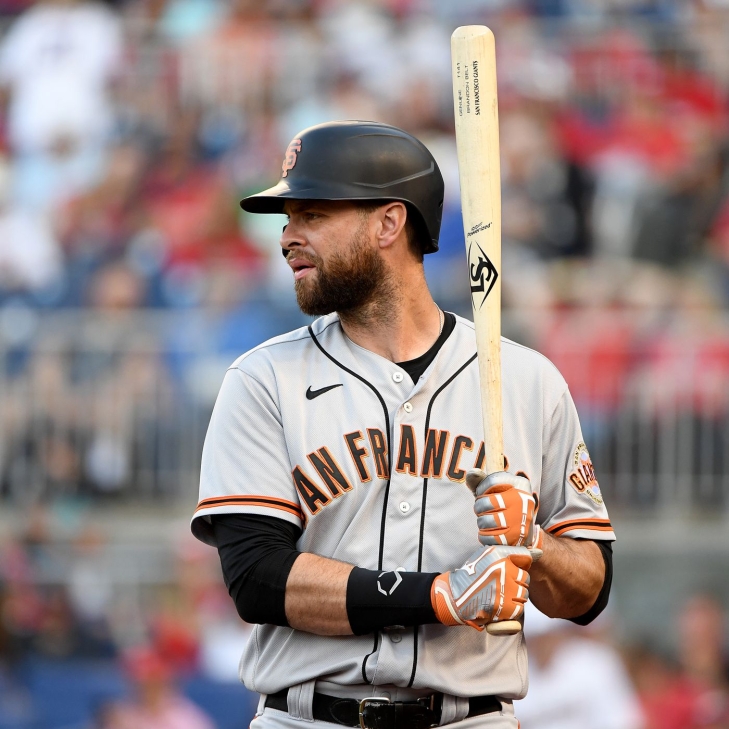
Few players in the modern history of the San Francisco Giants have exhibited a more remarkable and electrifying display of offensive prowess than Kevin Mitchell. Originally signed by the New York Mets as an undrafted free agent from San Diego, this versatile athlete established a reputation as a highly valuable utility player, notably scoring a decisive run in the tenth inning of Game 6 to secure the Mets’ victory in the 1986 World Series. Nonetheless, his early career was characterized by frequent transitions, as front offices struggled to establish a consistent defensive position for his dynamic raw talent. This situation was rectified in July 1987, when the Giants acquired him through a significant seven-player trade with the Padres. The moment Manager Roger Craig positioned Mitchell in left field, a formidable force was effectively unleashed upon the Bay Area.
Mitchell’s extraordinary performance during the iconic 1989 season marked a peak in his offensive career, showcasing a transcendent level of skill. He wielded a fierce, rapid right-handed swing that struck fear into pitchers, turning Candlestick Park into his personal power station. With a summer comparable to a Triple Crown contender, he led Major League Baseball by hitting 47 home runs and adding 125 RBIs. Mitchell also topped the league in slugging percentage (.635), OPS (1.023), and total bases (345). This season earned him his first All-Star selection and helped the Giants reach the 1989 World Series. His exceptional dominance during the era was recognized when he became the first Giant since Willie McCovey in 1969 to win the National League Most Valuable Player Award.
While his bat earned him awards, Mitchell created one of baseball's most memorable defensive moments on April 26, 1989. In St. Louis, he sprinted into the left-field corner on a deep fly by Ozzie Smith. Recognizing he had misjudged the ball's path, he extended his bare right hand and caught it cleanly in mid-air, stunning the crowd.
He retained his impressive middle-of-the-order presence during the 1990 season, confirming his MVP form was legitimate. Mitchell earned his second consecutive All-Star selection, maintaining a strong .290 batting average, hitting 35 home runs, and driving in 93 RBIs, ranking among the league's top power hitters. Despite ongoing knee injuries and weight changes causing physical strain that affected his durability, he played through 113 games in 1991, still delivering an impressive 27 home runs and 69 RBIs for a team in transition.
Desperate to acquire frontline starting pitching, the Giants' front office made a tough strategic calculation in December 1991, trading their iconic power hitter to the Seattle Mariners in a multi-player package for Bill Swift and Mike Jackson. Mitchell would go on to bounce through several major-league destinations—including a highly productive, late-career offensive resurgence with the Cincinnati Reds—before eventually retiring in 1998.
Mitchell has 514 hits, 143 home runs, and 411 RBIs with a sharp .278 batting average and a powerful .530 slugging mark as a Giant. In 2010, Mitchell was chosen for the Giants’ Wall of Fame.
45. Hooks Wiltse
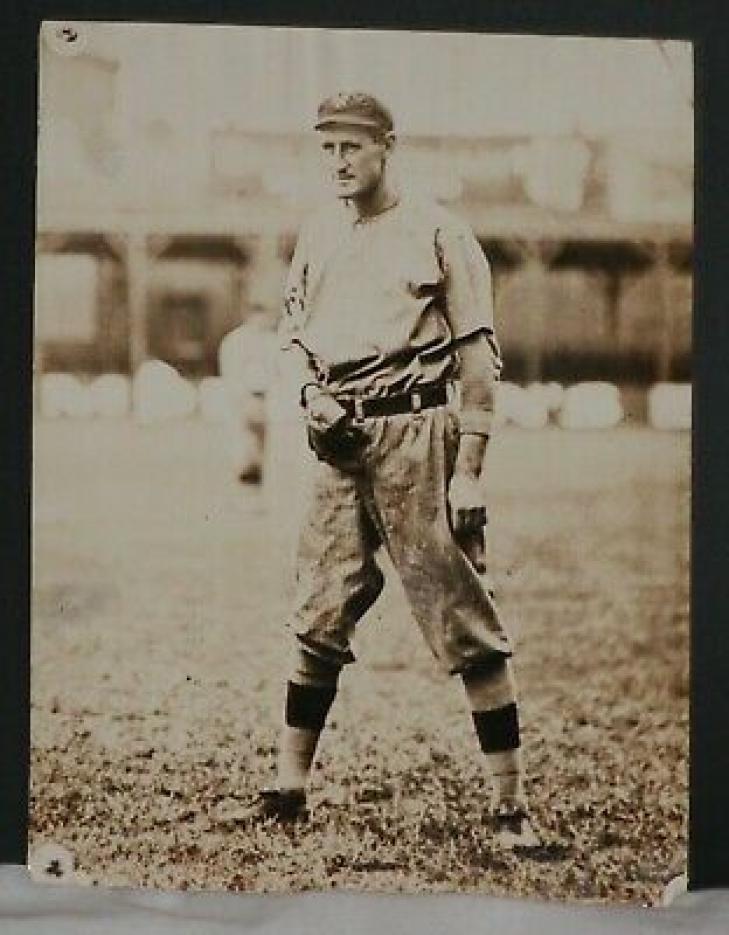
Hooks Wiltse didn’t just throw a curveball; he weaponized it. In an era dominated by blazing fastballs and deceptive spitballs, the crafty southpaw possessed a sharp, sweeping breaking ball that was universally recognized as far more lethal than his heater—a rarity for the Deadball Era that quickly earned him his iconic nickname. Joining John McGraw’s powerhouse New York Giants in 1904, Wiltse made the most explosive first impression in major-league history by winning his first 12 consecutive decisions, a legendary rookie record that stood unmatched for 70 years.
Wiltse quickly became the ideal left-handed counterpart to the legendary Christy Mathewson. Together, they formed one of the most renowned and successful lefty-righty pairings in baseball history, amassing 435 wins over their 11 years in Manhattan. Wiltse's efficient pitching contributed significantly to the Giants winning five National League pennants during that period. Although he sat in the dugout during the 1905 World Series while Mathewson threw three historic shutouts to win the title, it was Wiltse's regular-season performance that fueled their success.
His career's peak came during an impressive late-decade period when he became a back-to-back 20-win pitcher, recording a 23–14 record in 1908 and following it with a 20–11 season in 1909.
Although it might seem that the heavy workload of the Deadball Era took a toll on him, his efficiency tells a different story. In his peak years, Wiltse was a top-tier run suppressor, maintaining a season ERA below 2.50 for five straight summers from 1905 to 1909, with a career-low of 2.00. It was only after 1910, as he entered his thirties and his shoulder fatigue persisted, that his ERA rose above that 2.50 mark.
Beyond his prowess on the mound, Wiltse was seen as one of the most versatile athletes on the team. McGraw often relied on his keen instincts for pinch-hitting and defensive roles, even assigning him to first base in Game 2 of the 1913 World Series. He concluded his time with the Giants with 155 hits and a solid .215 batting average. After shifting to a relief pitcher role, the Giants released him after the 1914 season, which led to a brief final stint with the Brooklyn Tip-Tops of the Federal League.
Wiltse's ten-year New York residency includes a 136–85 record, 2.48 ERA, and 948 strikeouts in 339 games.
41. Jack Clark
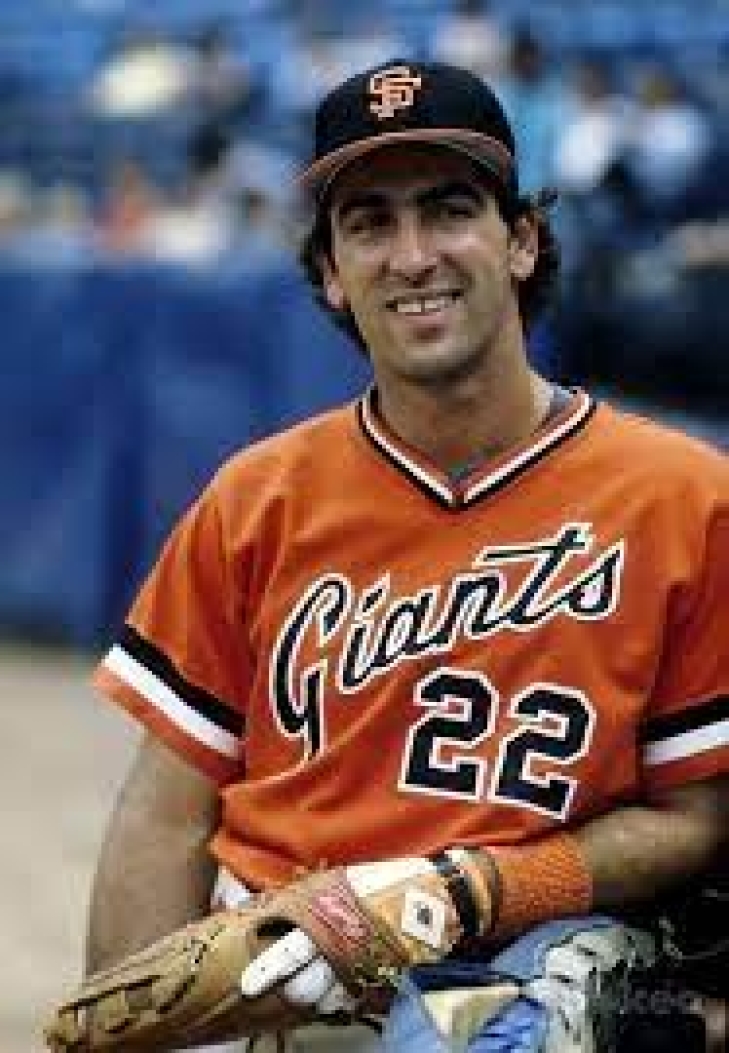
Jack Clark made a lot of progress in quick fashion, first tasting Major League action in 1975, two years after he was taken deep in the 13th Round. Two years later, he was a starter in Rightfield for the Giants, but it was not until the year after that he broke out.
Clark's 1977 was a 25 Home Run year with a .306 Batting Average. Jack "The Ripper" went to his first All-Star Game and was fifth in MVP voting. An All-Star again the following year, he belted over 20 Home Runs (26) and would break that mark the third year in a row in 1980 (22). Clark likely would have had an entire six-year run of 20 Home Runs had the 1981 strike not held him to 17. Mostly known for his power, Clark had his moments defensively, with a strong throwing arm, though his range was, at times, suspect.
Following a disappointing injury-plagued 1984 and conflicts with Frank Robinson, the Giants Manager, Clark was traded to St. Louis for four players. With San Francisco, Clark smacked 163 Home Runs and 1,034 Hits.
In 2008, Clark was among many selected for the inaugural Wall of Fame Class.
39. Art Devlin
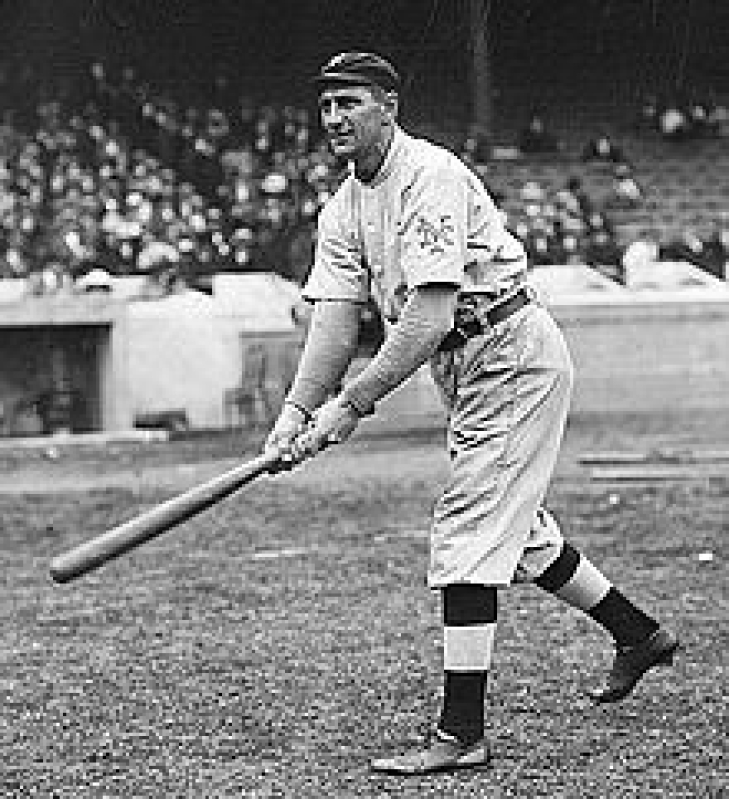
Art Devlin was an excellent defensive Third Baseman in the dead-ball era, finishing four times in the top ten in Defensive bWAR, and three times was the leader in Assists by a Third Baseman.
Devlin was not the best hitter in the National League, but he was competent, collecting at least 120 Hits in his first seven seasons and using his speed to swipe at least 20 Bases in six of those years, including a league-leading 59 in 1905. That was the year that he helped New York win the World Series.
A Giant for eight years before he was sold to the Boston Braves, Devlin had 1,011 Hits and 439 Stolen Bases for New York.
43. Jason Schmidt
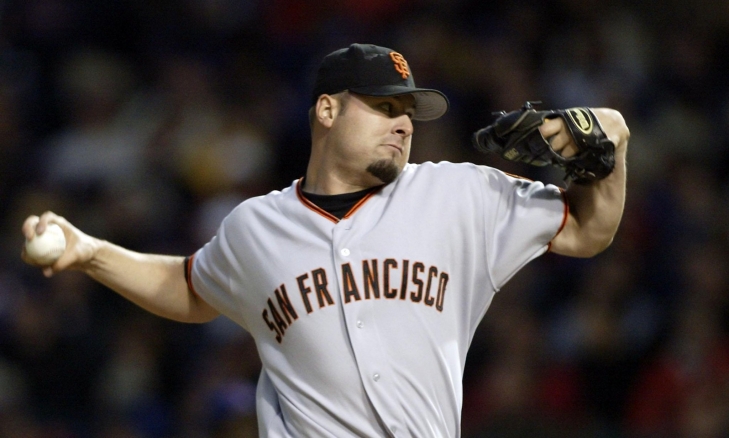
When the San Francisco Giants acquired Jason Schmidt from the Pittsburgh Pirates at the July 2001 trade deadline, few in baseball expected him to become a dominant, front-line pitcher. Up until then, the right-hander had been drifting through the Atlanta and Pittsburgh organizations during his twenties, often showing flashes of high velocity but not quite reaching the consistent success like posting a sub-4.00 ERA or winning 14 or more games in a season. However, the change of scenery truly unlocked his potential. Under the support of manager Dusty Baker and pitching coach Dave Righetti, Schmidt quickly found his rhythm and turned his raw power into a remarkable display of pitching mastery here by the Bay.
His late-summer appearance in 2001 set the tone for his entire stay in San Francisco, as he quickly gained momentum, finishing 7–1 down the stretch and confidently re-signing with the team in the off-season. After serving as a reliable, stabilizing presence for the pennant-winning 2002 rotation—where he won 13 games with a sharp 3.45 ERA—Schmidt delivered the peak of his career during the historic 2003 season. He was a dominant force on the mound, posting an impressive 17–5 record and leading the National League with a 2.34 ERA, along with a league-best 180 ERA+ and a remarkable 0.953 WHIP. This season earned him his first All-Star selection and a close second place behind Roger Clemens in the fiercely contested National League Cy Young Award race.
He confirmed his breakthrough success by increasing similar front-line heights in the summer of 2004, demonstrating that his elevated elite baseline was entirely sustainable. Pitching 32 high-pressure starts, Schmidt achieved a career-best 18 wins against 7 losses, covering 225 innings with a strict 3.20 ERA. He set a modern San Francisco single-season record with 251 strikeouts, relying on a fastball and a changeup that proved devastating. His performance placed him fourth in the Cy Young Award voting and earned him The Sporting News National League Pitcher of the Year, confirming his role as the team's undisputed ace.
Despite the physical toll of consistently throwing high-velocity fastballs, which caused his raw output to gradually decline over the next two winters, Schmidt remained a highly respected and top-tier pitcher for opposing lineups. He still exhibited enough of his signature power in the first half of 2006 to earn his third and final selection to the National League All-Star team. Notably, he matched a historic franchise record by striking out 16 batters in a single game against Florida that June, echoing the legendary achievements of Christy Mathewson.
After the 2006 campaign, Schmidt chose to explore free agency, leveraging his elite San Francisco background to secure a lucrative deal with the Los Angeles Dodgers. This move proved very fortunate for the Giants; however, ongoing shoulder capsular tears severely limited his performance, landing him on the disabled list and restricting him to only 10 intermittent Major League games over his last three seasons before he was forced to retire.
With San Francisco, Schmidt went 78-37 with a 3.36 ERA and 1,065 Strikeouts, and the team enshrined him on their Wall of Honor in 2011.
40. Matt Cain
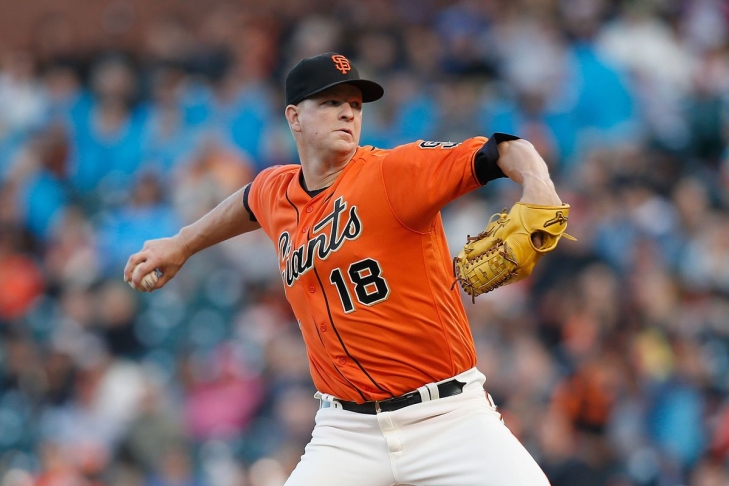
Matt Cain's story exemplifies why a pitcher’s worth isn't solely reflected in their win-loss record. Drafted in the first round by the San Francisco Giants in 2002, he reached the majors quickly, debuting by August 2005. He became a staple in the starting rotation, known for his broad shoulders and a fastball that could explode past hitters. Early in his career, Cain endured notably poor run support—so much so that his teammates affectionately called him "The Horse" because he would often pitch seven scoreless innings but still receive a tough 1-0 loss, highlighting the unfairness of relying only on wins to gauge a pitcher's skill.
His early individual development helped keep the rebuilding Giants afloat in the late 2000s. After an impressive 2006 season, where he finished with a 13–12 record and a 4.15 ERA, earning fifth place in the National League Rookie of the Year voting, Cain’s record worsened to a combined 15–30 over the next two winters, despite lowering his ERA. He remained unaffected by the lack of offensive support, demonstrating his durability by pitching at least 200 innings for six straight seasons.
As the front office built a strong roster around him, Cain’s outstanding skills finally earned him national recognition. In 2009, he received his first All-Star selection with an impressive 2.89 ERA. He then became a key part of the renowned 2010 "Giants Baseball: Torture" rotation that secured San Francisco's first World Series title. During that postseason, Cain was dominant, pitching 21⅓ straight innings without giving up an earned run, setting a formidable example for the franchise in big moments.
His career reached its peak in an exceptional 2012, when he performed at a top-tier superstar level. On June 13, 2012, Cain delivered a remarkable performance at AT&T Park, striking out 14 Houston Astros to pitch the 22nd perfect game in major league history—and the first in the Giants' storied history. That summer, he also started the All-Star Game for the National League, finished sixth in Cy Young Award voting with a career-high 16 wins, and secured two important postseason wins, helping him earn his second World Series ring.
The intense physical demands of managing the rotation for ten years eventually wore him down, with bone chips in his right elbow and recurring hamstring injuries leading to a sudden end to his peak performance after the 2012 victory. In his last five seasons, Cain became a lower-tier starter, battling pain and decreasing velocity. Despite this, his importance to the team remained strong; he stayed the respected, calm spiritual leader of a clubhouse that won a third World Series in 2014, serving as a key confidant for younger pitchers like Madison Bumgarner.
Cain ended his 13-year Giants career on his terms in 2017, pitching five scoreless innings versus San Diego before a packed home crowd. He achieved 104 wins, a 3.68 ERA, and 1,694 strikeouts in 342 starts. The Giants honored him by adding him to the Wall of Fame in 2018.
48. Roger Bresnahan
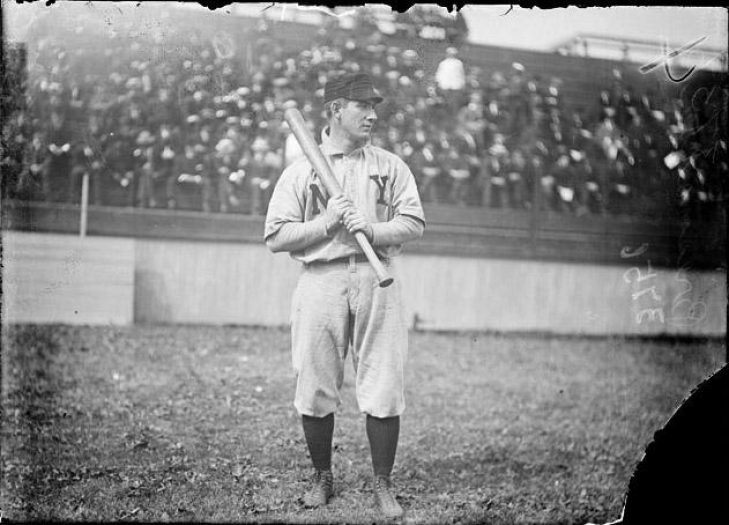
The evolution of the catcher position from a defensive afterthought into a strategic weapon can be traced to Roger Bresnahan. Originally a pitcher, Bresnahan became a versatile player for the Baltimore Orioles in 1901. When the Orioles faced financial troubles in 1902, he was released and joined the New York Giants with manager John McGraw. At the Polo Grounds, Bresnahan would permanently redefine the modern catcher.
Bresnahan’s remarkable individual achievement was realized during his inaugural full summer in Manhattan in 1903. Demonstrating a remarkably versatile skill set for a player of the dead-ball era, he transcended the conventional stereotype of a sluggish-footed catcher by posting a superior batting average of .350, his career high, while leading the Giants with 142 hits and an impressive 34 stolen bases. Although the passionate McGraw notably chose to boycott the newly established World Series that autumn, Bresnahan remained determined and proactive. He substantiated this commitment by batting .302 in 1905, serving as the reliable and elite game-caller for Christy Mathewson's distinguished pitching staff, and participating in every inning of the five-game World Series victory over the Philadelphia Athletics.
While his bat brought stardom, Bresnahan’s brilliant mind altered the sport forever. Tired of the physical destruction behind the plate, he introduced shin guards to the major leagues on Opening Day in 1907 and later developed the first crude, leather-padded batting helmet, providing the sport with its very first functional safety gear.
Although the physical demands of catching hindered his ability to surpass the .300 batting average again while playing for the Giants, his composed approach at the plate remained exceptionally distinguished. He demonstrated mastery in enduring challenging at-bats, regularly adjusting his grip on the bat to fatigue opposing pitchers. He concluded his tenure in New York with an impressive, high-efficiency on-base percentage of .403, culminating in the 1908 season where he led the entire National League by drawing a career-high total of 83 walks.
Following that 1908 season, McGraw traded his brilliant, hyper-intelligent field general to the St. Louis Cardinals so that Bresnahan could fulfill his dream of becoming a player-manager, later concluding his legendary 17-year playing career with the Chicago Cubs.
Bresnahan concluded his notable seven-year tenure in New York, during which he accumulated 731 hits, 381 runs scored, and 224 RBIs over 682 games. Within the framework of Project Diamond, his legacy is recognized as a distinguished outlier in franchise history—a seamless blend of peak-era efficiency and legendary franchise identity. The culmination of his significant contributions to the sport was formally acknowledged in 1945, when the Old Timer’s Committee formally inducted Roger Bresnahan into the National Baseball Hall of Fame.
37. Al Dark
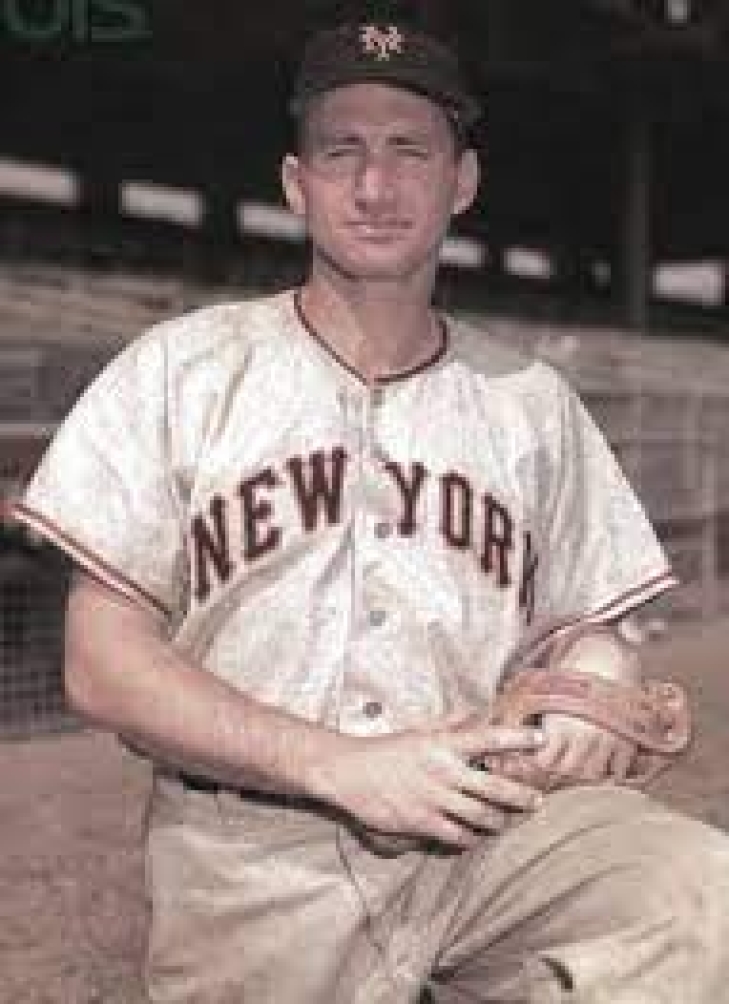
Following a remarkable debut in 1948, during which he was awarded the National League Rookie of the Year Award with the Boston Braves, Al Dark found himself transferred to a new team merely two winters later. Recognizing a roster in need of a significant boost of competitive spirit, the New York Giants coordinated a substantial six-player blockbuster trade in December 1949 to acquire the skilled infielder. This transaction profoundly altered the franchise's trajectory, as Dark immediately assumed the shortstop position and was promptly appointed team captain by manager Leo Durocher, demonstrating a commanding leadership style that propelled the New York team to the apex of the National League standings.
Dark’s arrival in Manhattan marked a significant period of approximately five years characterized by remarkable and consistent high performance at the plate. Serving as a key table-setter for a legendary lineup, he achieved at least 160 hits in each of five successive seasons from 1950 through 1954. He exceeded the esteemed .300 batting average threshold three times during his tenure in New York, utilizing his exceptional bat control and aggressive baserunning to lead the senior circuit with 41 doubles during the exhilarating 1951 season—a summer of notable achievement that culminated in the franchise's historic, pennant-winning "Shot Heard 'Round the World."
While his consistent offensive output earned him three All-Star selections, Dark’s most distinguished individual achievement occurred during the historic 1954 season. Demonstrating an unmistakable competitive edge, he posted an impressive .293 batting average, along with 20 home runs and 165 hits, steadfastly anchoring the infield while leading the Giants' campaign for the National League pennant. His exceptional all-around performance garnered recognition from national sports journalists, who acknowledged his persistent on-field leadership with a fifth-place finish in the National League Most Valuable Player voting, thereby affirming his position as one of the foremost shortstops of his era.
That remarkable summer achieved its pinnacle in October, when Dark decisively defeated the heavily favored Cleveland Indians, who had won 111 games, in the 1954 World Series. Demonstrating exemplary leadership, the veteran captain significantly succeeded against Cleveland's pitchers, attaining a formidable .412 batting average, with seven hits and four runs scored over the four-game sweep. His outstanding composure under intense pressure endowed a distinguished New York franchise with its last world championship banner prior to the club's historic relocation to the West Coast.
The Giants front office, looking to inject youth into a retooling roster, traded their popular captain to the St. Louis Cardinals in a multi-player deal. Though he would continue to wander across the majors for another half-decade, Dark never again replicated the sustained individual peak or the cultural impact he achieved in New York, where he had carved out his absolute prime years as the competitive heartbeat of the organization.
He compiled 1,106 hits, 98 home runs, and a .292 batting average across his 932 games in a Giants uniform.
