

14. Jim Thome
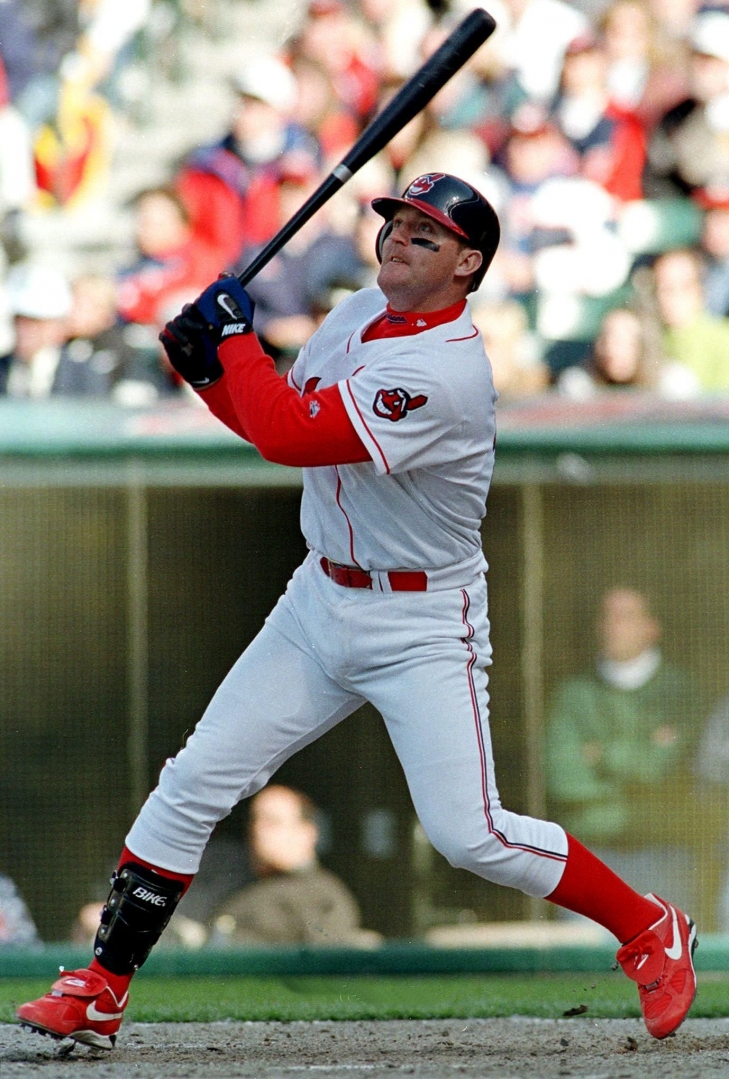
Thome’s maturation in Cleveland was a slow burn that eventually turned into a forest fire. While he debuted in 1991, the 1994 season saw him become a permanent fixture in a lineup that was quickly becoming the most feared in the American League. He arrived with a unique, pointed-bat stance, a tribute to the fictional Roy Hobbs, and instantly began a nine-year streak of 20-homer seasons. By the mid-90s, he had evolved from a tactical hitter into a statistical titan, providing the middle-of-the-order muscle that propelled Cleveland to five straight division titles and two World Series appearances.
The absolute pinnacle of his time in Cleveland arrived during a blistering run from the late 90s into the early 2000s. Thome rattled off seven consecutive seasons with at least 30 home runs, a period of high-ceiling dominance that culminated in a historic 2002 campaign. That year, he blasted a career-high 52 home runs, capturing the American League Slugging Title and finishing among the top ten in MVP voting for the fourth time in a Cleveland uniform. He wasn't just a volume-dense slugger; he was an efficiency machine, maintaining a staggering .414 on-base percentage and a .566 slugging mark that remains a gold standard in the franchise record books.
His identity was synonymous with a gentle-giant persona and a relentless, high-leverage bat. Thome was a master of the walk and the long ball, accumulating 937 RBIs and 337 home runs during his primary stay in the city. Whether he was launching a 511-foot blast or greeting a teammate at home plate with a signature grin, he was the emotional heart of the club. Even after moving on to Philadelphia and beyond in 2003, the pull of the lakefront remained; he returned for a 21-game encore in 2011, allowing a new generation of fans to witness the iconic stance one last time.
The chapter of his playing days eventually transitioned into a period of undisputed reverence. In 2018, the baseball world officially recognized his greatness with a first-ballot induction into the National Baseball Hall of Fame. Locally, the organization ensured his legacy would forever be part of the landscape, retiring his number 25 and erecting a bronze statue in his likeness—forever frozen in that iconic point toward center field.
12. Mel Harder
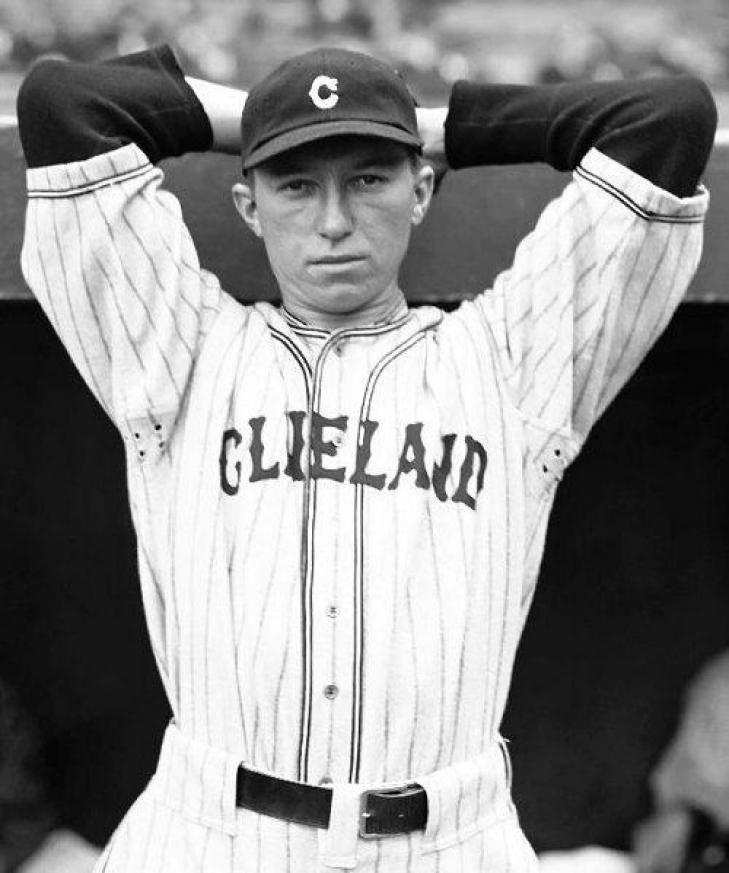
Harder’s journey in Cleveland began in 1928, and after a brief maturation period in the bullpen, he emerged as the definitive lifer of the rotation. He was the ultimate tactical technician, relying on a sharp curveball and a sinker that lived on the edges of the plate. He arrived as a young prospect from Nebraska and quickly evolved into a statistical titan, winning the American League ERA title in 1933. He was a four-time All-Star who provided a level of stability that few in the league could match, rattling off eight consecutive seasons with at least 15 victories during the heart of the 1930s.
The true genius of his game was found in his refusal to give away free passes. Harder was an efficiency machine, leading the league in fewest walks per nine innings in 1935 and finishing in the top ten in that category eight times over his career. Perhaps most impressively, he was a perennial leader in strikeout-to-walk ratio, a feat he achieved through pure location and sequencing rather than raw power, as he only eclipsed the 100-strikeout mark once. He was a master of run suppression who finished in the top ten in WHIP and ERA six times each, proving that in the "Live-ball" era, command was the ultimate equalizer.
Reliability and longevity were the hallmarks of his identity. Harder held a spot on the Cleveland roster for 20 consecutive seasons, a record of service that underscored his importance to the franchise. Even as his physical tools began to erode in the 1940s, his veteran savvy allowed him to remain a productive contributor until his retirement in 1947. He concluded his long journey with 223 wins, a total that remains near the absolute top of the franchise leaderboard. Whether he was navigating the power-heavy lineups of the 30s or helping a young Bob Feller find his footing, he was the steady pulse of the clubhouse.
The chapter of his playing days may have closed without a postseason appearance, but his impact on Cleveland baseball was impossible to ignore. He transitioned seamlessly into a legendary coaching career with the club, but his work on the mound had already secured his immortality. He left the game as a statistical pillar and a symbol of professional excellence.
In recognition of his twenty years of elite service, the organization named Harder to the inaugural class of the Cleveland Indians Hall of Fame in 1951.
16. Corey Kluber
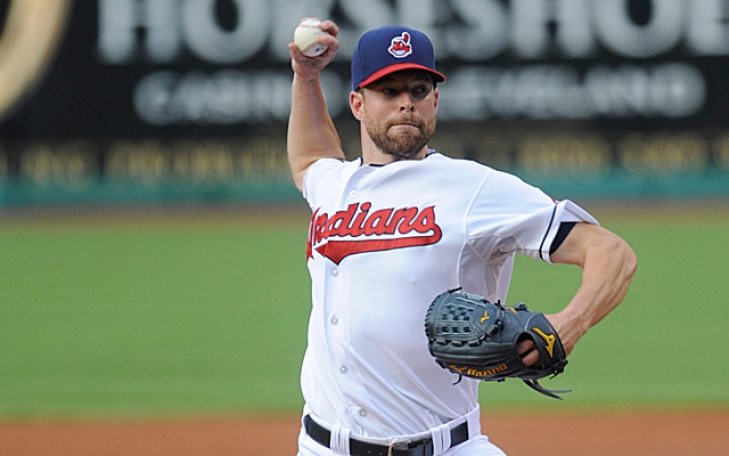
Corey Kluber emerged in the Cleveland rotation in 2013 and matured instantly into a cornerstone of the franchise. He arrived with a "slurve" that defied conventional physics and a stoic demeanor that made him a high-leverage nightmare for American League hitters. Following a breakout eleven-win campaign, he exploded onto the national stage in 2014. That summer, he was a statistical titan, leading the league with 18 wins and a 2.35 FIP, a performance that earned him his first Cy Young Award. He wasn't just a power pitcher; he was a tactical technician who used late, explosive movement to rule the strike zone with professional poise.
The absolute pinnacle of his dominance came during a relentless three-year stretch of All-Star appearances from 2016 to 2018. During this window, Kluber was an efficiency machine, serving as the tactical heartbeat of the 2016 pennant-winning squad and reaching a historic ceiling in 2017. That year, he stood as the undisputed king of the mound, finishing first in the American League in ERA (2.25) and WHIP (0.869) while securing his second Cy Young. He followed that masterpiece with a 20-win season in 2018, finishing third in the voting and proving that his value was rooted in a rare balance of durability and run suppression.
His identity was synonymous with a relentless, mechanical consistency that resonated with the Cleveland faithful. Kluber was a master of the "Dead-red" era, using his signature sinker and breaking ball to navigate the most dangerous lineups in the game. Whether he was striking out the side in a crucial playoff start or grinding through the dog days of August, he played with a visible focus that made him a local immortal. Even as arm injuries eventually slowed his momentum and led to a trade to the Texas Rangers, he left behind a legacy of craftsmanship that solidified his place as the greatest Cleveland pitcher of his generation.
As a member of the Indians, Kluber recorded a 98-58 record with 1,461 strikeouts, two Cy Young Awards, and a 3.16 ERA.
9. Early Wynn
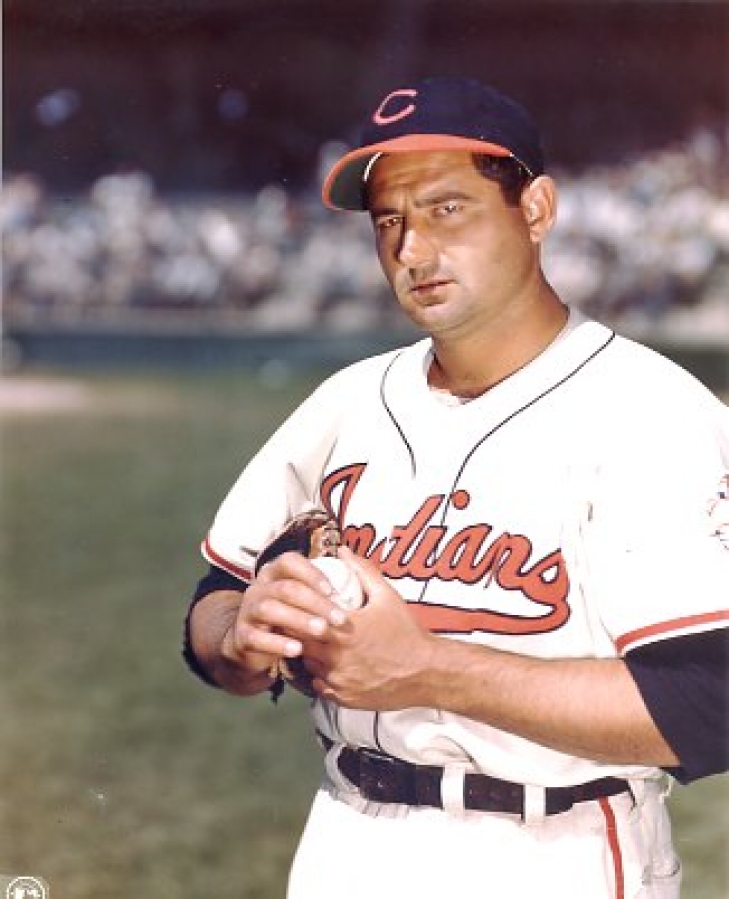
The American League landscape shifted in 1949 when Cleveland acquired Early Wynn, placing him alongside legends like Bob Feller and Bob Lemon. This environment pushed his game to a new stratosphere; after a solid debut season with the club, he authored a masterclass in efficiency in 1950. That year, he captured the ERA title while leading the league in WHIP, hits-per-nine innings, and strikeouts-per-nine. He arrived as a piece of the puzzle and instantly became an ace in his own right, providing a level of dominance that made the Cleveland staff the most feared unit in the sport.
The peak of his career was defined by a remarkable combination of durability and winning. Wynn rattled off four 20-win seasons in a Cleveland uniform, including a league-leading 23 victories during the historic 111-win campaign of 1954. His presence on the mound was defined by legendary toughness; he was a three-time All-Star for the Tribe and a perennial MVP candidate, finishing in the top six twice. He wasn't just piling up stats; he was the tactical hammer of the staff, a man who threw with a mean streak and a tireless arm that consistently led the league in innings pitched and batters faced.
Consistency remained his trademark even as he moved into his late thirties. Whether he was baffling hitters with a sharp curve or moving them off the plate with a purposeful fastball, Wynn was the ultimate professional workhorse. He concluded his primary stay in Cleveland following the 1957 season with a massive volume of production, including 164 wins and 1,277 strikeouts. His identity was that of a pitcher who refused to yield an inch of the plate, a mindset that eventually carried him through 23 Major League seasons.
The final chapter of his career offered a poetic return to the city where he enjoyed his greatest success. After being released by the White Sox in 1962, Wynn sat stuck at 299 career victories. Determined to reach the mountaintop, he signed back with the Indians for the 1963 season. In a moment of high-leverage drama, he secured that elusive 300th win in a Cleveland uniform before finally hanging up his cleats at the end of the year. It was a fitting conclusion for a man who had given his best years to the shores of Lake Erie.
The baseball world officially recognized his grit and greatness in 1972, electing him to the Hall of Fame in his fourth year of eligibility. That same year, the organization ensured his legacy would forever be part of the franchise fabric by inducting him into the Cleveland Indians Hall of Fame.
7. Stan Coveleski
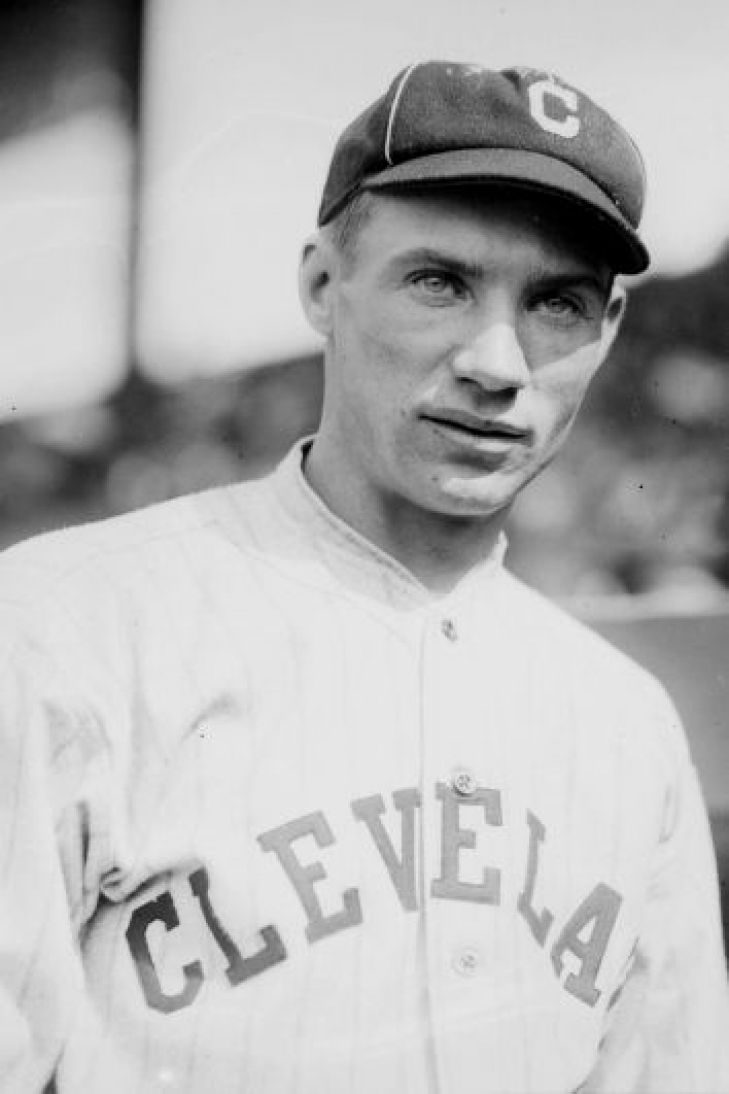
Stan Coveleski joined Cleveland in 1916, bringing a quiet, workmanlike intensity and a devastating "wet" delivery that moved on its own mind. He secured a permanent spot in the rotation with a 15-win rookie campaign, but it was the following season that he truly established himself as the tactical leader of the staff. He matured into a model of earning the W, putting together a staggering stretch from 1918 to 1921 in which he won at least 22 games in four consecutive seasons. During this window, his ERA dipped below 2.00 twice, proving that his control and movement were nearly impossible to solve.
The pinnacle of his career arrived in the 1920 World Series, a performance that remains etched in postseason lore. Coveleski was the undisputed architect of the championship, starting and winning three games while allowing only two runs over 27 innings. In an era before individual postseason awards, he was the consensus hero, navigating the pressure of the Fall Classic with a stoic calm that defined his Northern Ohio run. He wasn't just a volume producer; he was a big-game specialist who thrived when the margin for error was nonexistent.
His value was further validated by his advanced metrics, as he led the American League in Win Probability Added (WPA) four different times. This highlighted his ability to deliver in the most critical moments of a game. In 1923, he captured the ERA title with a 2.76 mark, showing that even as the league transitioned out of the Deadball Era, his tactical approach remained elite. He was a master of efficiency, often finishing games in under two hours by inducing weak contact and letting his defense do the work.
As the organization shifted into a rebuilding phase following the 1924 season, Coveleski was traded to the Washington Senators. He concluded his Cleveland tenure with 172 wins and a reputation as one of the most reliable right-handers to ever toe the rubber in the city. While he found immediate success in Washington, capturing another ERA title, his legacy was forged in the dirt of Dunn Field and League Park.
Stan Coveleski was ushered into Cooperstown in 1969 by the Veterans Committee, a long-overdue recognition of his status as one of the premier hurlers of his generation. Cleveland rightfully honored him by inducting him into the team Hall of Fame in 1966.
5. Lou Boudreau
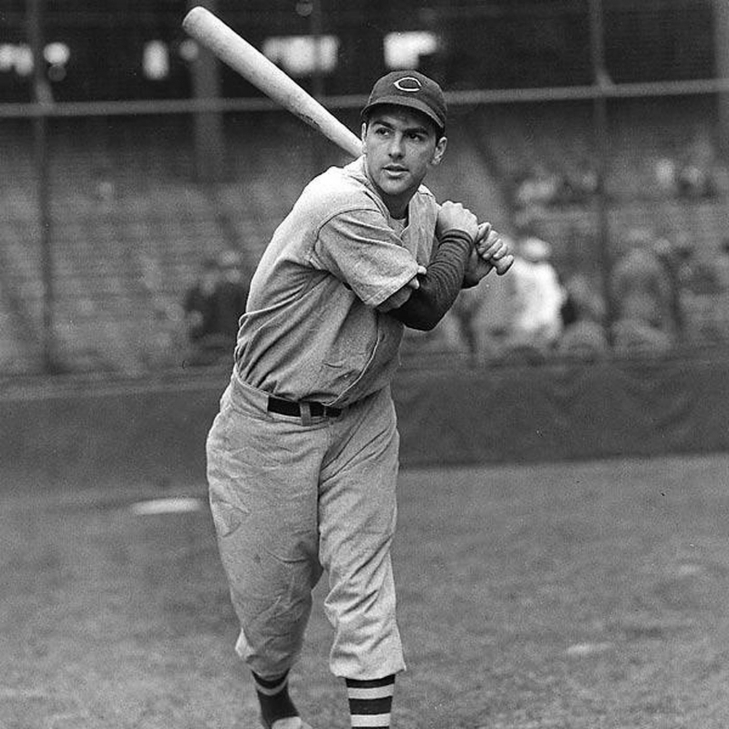
A two-sport star (Basketball and Baseball) at the University of Illinois, Lou Boudreau focused on Baseball, and the Cleveland Indians were blessed by that decision.
8. Earl Averill
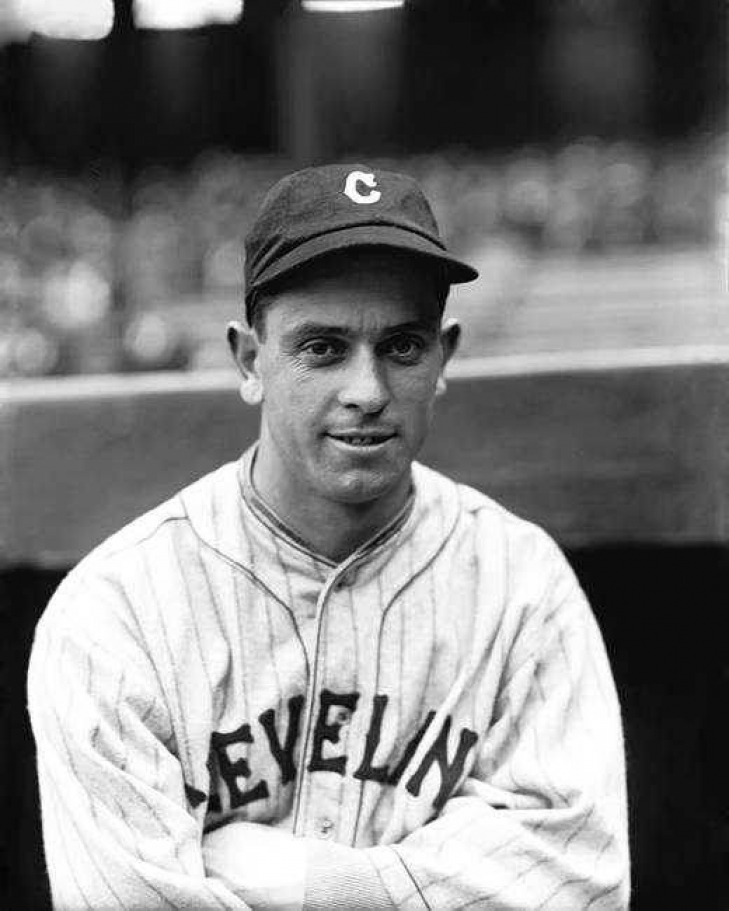
Cleveland’s decision to call up a 27-year-old rookie in 1929 might have raised eyebrows elsewhere, but Averill silenced the skeptics with his very first swing, launching a home run that signaled the arrival of a finished superstar. That debut season, a .332 average paired with 18 home runs, set the tone for a decade of relentless production. He anchored center field with a poise that suggested he had been playing at League Park for years, quickly maturing into the franchise's most potent offensive weapon.
The statistical pinnacle of his residency arrived in 1936, a season that remains a monument to pure hitting. While he had already established a baseline of excellence by batting over .300 in each of his first six years, this campaign was a true outlier. Averill terrorized American League pitching, hitting .378 and leading the league with 232 hits and 15 triples. As a six-time All-Star, he provided skills that few contemporaries could match, combining raw power with a clinical ability to find the gaps.
Traditional production remained his calling card throughout the decade, a consistency that kept the Indians in the hunt year after year. Averill surpassed the 20-home run mark five times and concluded his Cleveland tenure with 226 long balls and 1,084 RBIs. His final franchise slash line of .322/.399/.542 stands as a testament to his run-producing abilities. While a lack of defensive polish, often characterized by a high error count in the outfield, might have capped his ceiling on the all-time rankings, his bat was so vital that it rendered any fielding deficiencies a distant secondary concern.
A decade of dominance eventually came to an end in 1939, when the organization traded the aging icon to the Detroit Tigers. Averill left Cleveland as a pillar of the community, having authored a statistical resume that spoke to a year-over-year excellence few have replicated. He proved that the age on a player's birth certificate matters far less than the intensity they bring to every single plate appearance.
Recognition on the national stage finally arrived in 1975 when the Veterans Committee ushered Averill into the Baseball Hall of Fame. Cleveland responded with a gesture that cemented his legacy, retiring his number 3.
3. Tris Speaker
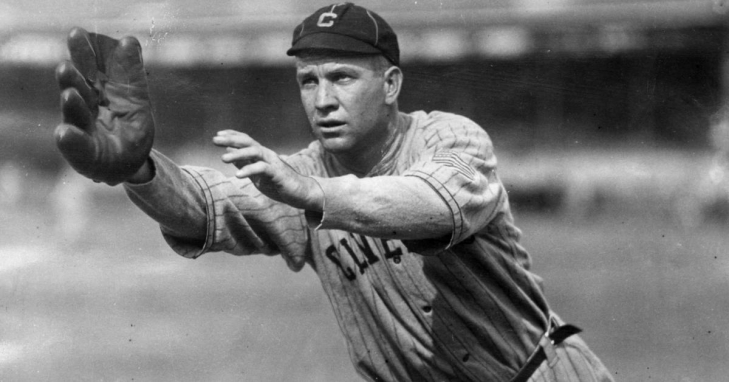
When Tris Speaker was traded to Cleveland in 1916, it was the result of a legendary insult. Despite batting .322, the Red Sox asked their superstar centerfielder to take a pay cut. Speaker’s refusal sent him to Cleveland, where he immediately set about dismantling American League pitching. In his debut season with the Indians, he proved his point with a thunderous campaign, capturing the 1916 Batting Title with a .386 average and leading the league in hits, doubles, and on-base percentage. He arrived as a disgruntled star and instantly became the premier face for a city hungry for a winner.
The peak of his residency saw Speaker revolutionize the way center field was played. Known as "The Gray Eagle," he played a notoriously shallow center field, so shallow that he frequently functioned as a fifth infielder, recording unassisted double plays and picking off runners at second base. He remains the all-time Major League leader in doubles, with 486 of his 792 career two-baggers coming in a Cleveland uniform. From 1916 to 1925, Speaker never batted below .310, serving as the most consistent high-volume producer in the organization's history.
The pinnacle of his leadership came in 1919, when he assumed the title of player-manager. Under the shadow of the tragic on-field death of teammate Ray Chapman in 1920, Speaker displayed a high level of leadership that willed the Indians to their first World Series title. He was a cerebral architect of the game, managing the rotation and the lineup while still batting .388 himself. He was the rare dual-threat who could out-think the opposing manager while simultaneously out-hitting the opposing pitcher.
However, the final walk toward the exit in 1926 was marked by a sudden resignation. While still a productive player, Speaker stepped down from his managerial post and was subsequently released, finishing his journey with brief stints in Washington and Philadelphia. He left Cleveland as a statistical titan, accumulating 1,965 hits and an incredible .354 average for the franchise, a mark that remains nearly untouchable in the record books.
Tris Speaker was a first-ballot immortal in the eyes of the baseball world, entering Cooperstown in 1937. Cleveland rightfully included him in their inaugural Hall of Fame class in 1951, forever cementing the "Gray Eagle" as the man who proved that loyalty is a two-way street, and that Boston’s loss was Cleveland’s eternal gain. He arrived as a man with a point to prove and left as a permanent monument to excellence on the lakefront.
2. Nap Lajoie
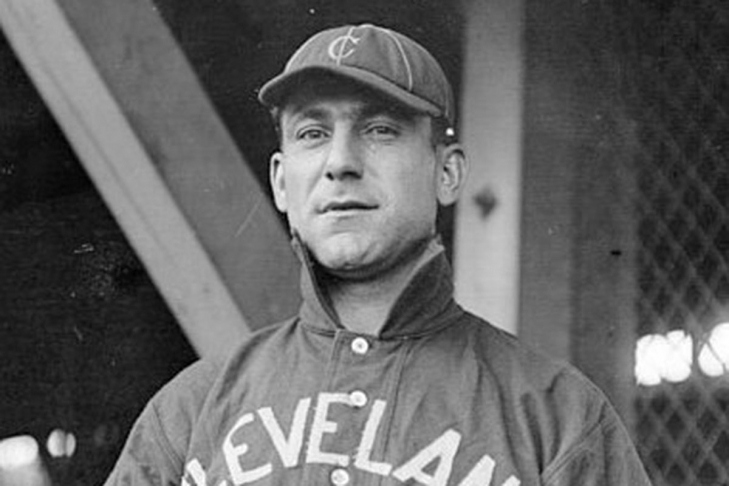
When Nap Lajoie arrived in Cleveland in 1902, he didn't just bring a legendary bat; he brought the validity of an entire league. After a messy legal battle with the Phillies that saw him jump to the Athletics and then flee to Cleveland to avoid a Pennsylvania injunction, Lajoie became the first true titan of the American League. He was so instantly beloved on the Lakefront that by 1903, a fan poll officially changed the team's name from the Bronchos to the "Naps" in his honor. He wasn't just playing for the city; he was the city's identity for over a decade, hitting a blistering .379 in his first partial season and proving that the junior circuit was a force to be reckoned with.
Lajoie was a hitting machine who made the Deadball Era look easy, capturing batting and slugging titles in 1903 and 1904. He was the "Maestro of the Second Base," a fielder so graceful that contemporaries like Cy Young claimed his line drives could take a third baseman’s leg off. His 1910 season remains one of the most controversial chapters in baseball history; while he officially finished second to Ty Cobb in the batting race, the "Chalmers Award" scandal, where the St. Louis Browns intentionally played deep to allow Lajoie to bunt for hits, resulted in both men receiving a brand new car. Modern statistical audits actually suggest Lajoie was the rightful champion with a .384 average, adding a layer of "what-if" to an already decorated career.
Beyond the plate, Lajoie was the ultimate franchise identity figure, serving as player-manager from 1905 to 1909. While the dual role eventually took a toll on his offensive output, his leadership anchored the team through its most formative years. He led the league in hits, doubles, and fielding percentage multiple times, serving as a vacuum at second base who paced the league in Range Factor five times. He played with intensity for thirteen seasons in Cleveland, accumulating 2,047 hits and a .339 average that remains the gold standard for the franchise.
The final walk toward the exit came after the 1914 season, when his contract was sold back to the Athletics. It was the end of an era so significant that the team had to find a new name, eventually settling on the "Indians" to fill the void left by their namesake. Lajoie left Cleveland as a pioneer who had legitimized a league and a city, earning his place in the very first Hall of Fame class in Cleveland history in 1951.
Lajoie arrived as a legal fugitive from Philadelphia and left as a permanent monument of Cleveland baseball. He proved that while players come and go, some names are so powerful they define the jersey itself. Whether he sits at number one or two, he remains the foundation upon which the entire franchise was built.
6. Bob Lemon
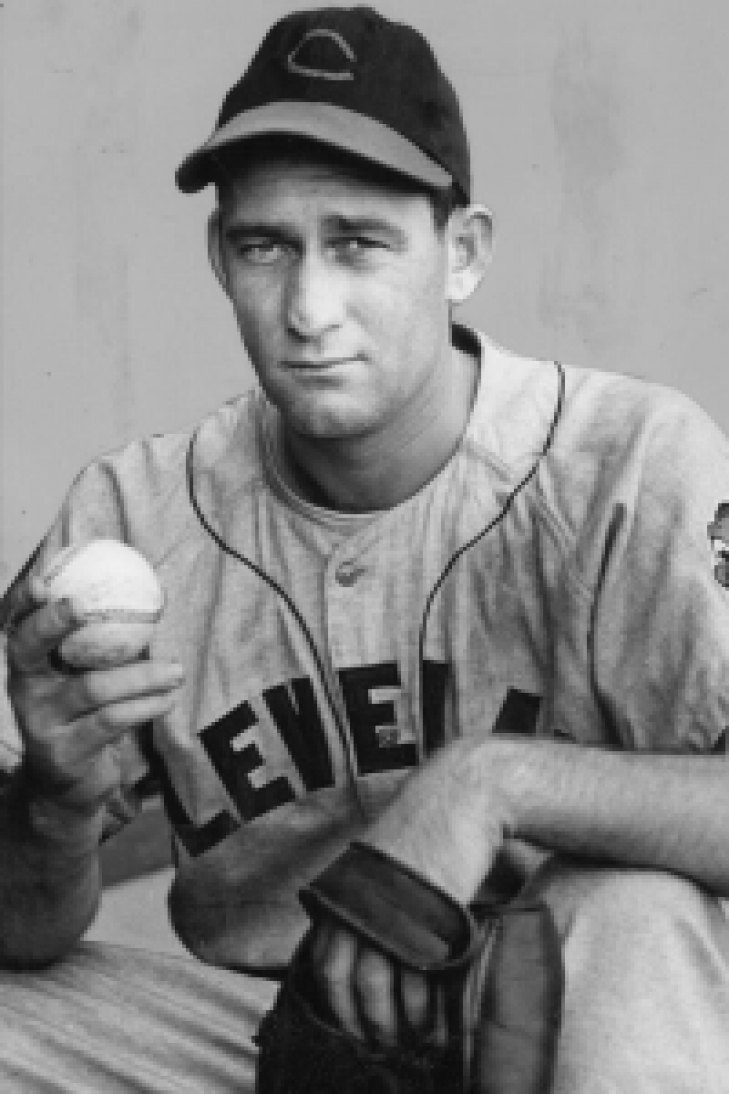
When Bob Lemon returned from military service in 1946, he had every intention of roaming center field for the Tribe. He even began the season with a spectacular diving catch that seemed to cement his future in the outfield. However, the Cleveland braintrust saw potential in his arm that surpassed his utility with a glove. In one of the most successful gambles in franchise history, they convinced Lemon to move to the mound full-time. He arrived as a middle-of-the-road outfielder and left his first few seasons as a developing project, but by 1948, the transformation was complete.
The peak of his residency, and the spark that ignited the last great Cleveland championship, arrived in 1948. Lemon didn't just transition to pitching; he dominated, tossing a no-hitter and winning 20 games while leading the American League in shutouts (10) and innings pitched (293.2). He was the high-efficiency engine of the World Series championship run, going 2-0 in the Fall Classic and proving that his run as a pitcher was no fluke. This began a staggering seven-year streak of All-Star selections, a period where Lemon became the definitive "Big Game" pitcher for the organization.
The middle of his journey was a masterclass in durability. Throughout the early 1950s, Lemon was a metronome of 20-win seasons, reaching that elite benchmark seven times in total. He was a workhorse in every sense of the word, leading the league in innings pitched four times and strikeouts once in 1950. While he was often overshadowed in the national media by flashier names, his peers knew the truth; he was named the Sporting News Pitcher of the Year three different times (1948, 1950, 1954). In the historic 111-win campaign of 1954, it was Lemon who led the staff with 23 wins, anchoring a rotation that is still whispered about in Cleveland as the greatest ever assembled.
Beyond the rubber, Lemon remained a dual-threat weapon. Because of his outfield roots, he was arguably the best-hitting pitcher of his era, batting .232 and collecting 274 hits as a Red. He spent all fifteen seasons of his playing career in a Cleveland uniform, finishing with 207 wins and a legacy of selflessness. He didn't just pitch for the Indians; he sacrificed his original dream to give the team the best chance to win.
The final walk toward the exit for Lemon came in 1958, but his relationship with the game was far from over, eventually leading him to a legendary managerial career. He was a first-ballot immortal in the hearts of Cleveland fans, entering the team Hall of Fame in 1960 and Cooperstown in 1976. The team rightfully retired his number 21 in 1998, a permanent tribute to the man who gave up his glove to give Cleveland a golden era.
1. Bob Feller
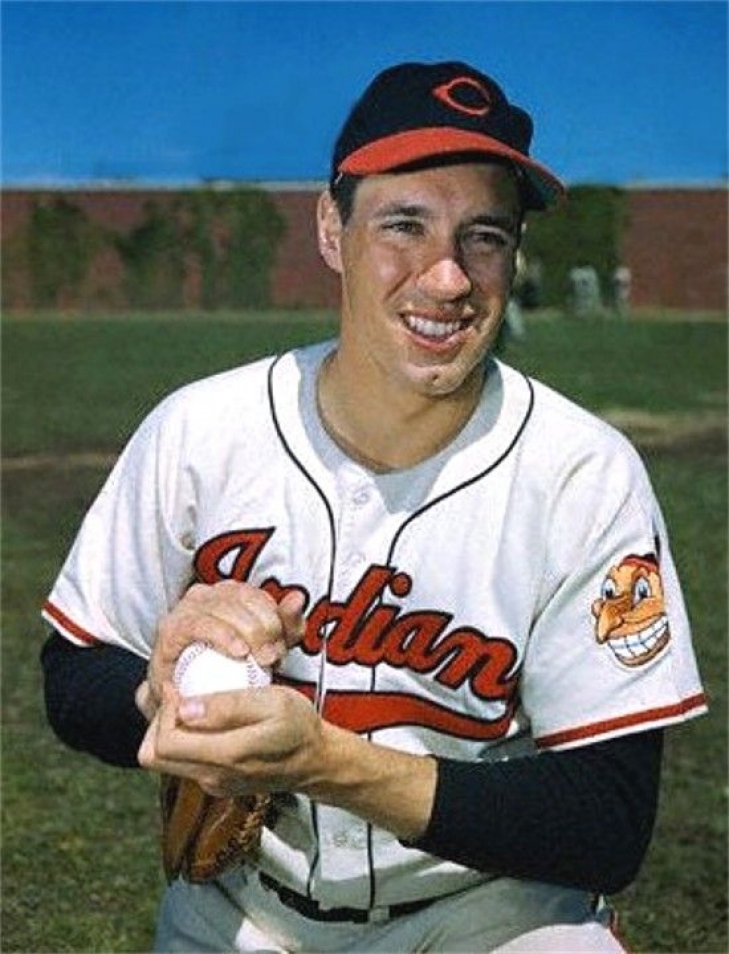
When Bob Feller arrived in Cleveland in 1936, he was a 17-year-old high school student who looked like a farm boy but threw like a god. Bypassing the minors entirely, he famously struck out eight Cardinals in an exhibition game before he had even graduated. By the time he was 19, "Rapid Robert" was already the most feared strikeout artist in the American League, leading the circuit with 240 K's in 1938. His residency in Cleveland began with a level of hype that would have crushed a lesser player, but Feller thrived under the pressure, pairing a legendary fastball with a devastating curveball that left future Hall of Famers like Ted Williams calling him the fastest pitcher they had ever seen.
The peak of his pre-war journey arrived in 1940, a season that began with the only Opening Day no-hitter in Major League history. Feller was a statistical outlier that year, capturing the pitching Triple Crown by leading the league in wins (27), ERA (2.61), and strikeouts (261). He was the undisputed ace of the Tribe and the face of the sport, a player who seemed destined to shatter every cumulative record in the books. However, his journey took a dramatic, selfless turn on December 8, 1941. Two days after the attack on Pearl Harbor, Feller became the first professional athlete to volunteer for combat, walking away from a $50,000 contract and his athletic prime to serve as a gun captain on the USS Alabama.
The middle chapter of his career was a testament to his sheer resilience. Returning to the mound in late 1945 after missing nearly four seasons of his prime, Feller didn't just pick up where he left off, he found a second gear. In 1946, he threw a career-high 371 innings and struck out 348 batters, a single-season record that stood for nearly two decades. He anchored the rotation for the 1948 World Series champions, providing the veteran gravity that pulled the franchise toward its first title in 28 years. Even as his velocity eventually began to wane in the early 50s, his "junk" and his competitive fire allowed him to post one final 20-win season in 1951, proving that he could outthink hitters just as easily as he once overpowered them.
Beyond the box score, Feller was a pioneer who understood the value of the players who made the game possible. He was an early, outspoken critic of the reserve clause and a driving force behind the development of the memorabilia and barnstorming circuits, creating vital secondary income for his peers. He was a man who never hedged an opinion and never forgot the blue-collar roots of the game, serving as a permanent ambassador for the Indians long after his playing days were over.
His final walk toward the exit came in 1956, concluding an 18-season residency spent entirely in a Cleveland uniform. He left the "Tribe" as the franchise’s all-time leader in wins (266), strikeouts (2,581), and shutouts (46). The team wasted no time in honoring its greatest son, making his number 19 the first retired jersey in Cleveland history just one year after he hung up his spikes. In 1962, he was ushered into Cooperstown on the first ballot—the first player since the inaugural 1936 class to earn that honor.
Bob Feller arrived as a teenage prodigy from Iowa and left as a national hero and a permanent monument of the Cleveland landscape. He proved that while the war might have cost him some stats, it could never touch his legacy as the most dominant right-hander to ever toe the rubber for the Indians.
10. Sam McDowell

The Cleveland rotation found a true outlier in 1961 when Sam McDowell debuted as a teenager, but it was the 1964 campaign where he matured into a full-time force. He possessed a rare, high-ceiling talent that enabled him to lead the American League in strikeouts five times during his tenure with the club. While legends like Koufax and Gibson were grabbing headlines in the Senior Circuit, "Sudden" Sam was the undisputed king of the whiff in the AL, twice eclipsing the 300-strikeout mark in a single season. He arrived as a raw prodigy and quickly became the pitcher that every hitter in the league dreaded facing on a Tuesday night.
The peak of his efficiency was a sight to behold, particularly during the 1965 season when he captured the American League ERA title with a microscopic 2.18 mark. His impact was further validated by his status as a six-time All-Star and a two-time league leader in bWAR for pitchers, proving that his value was rooted in much more than just a high radar gun reading. He was an efficiency machine when he found the zone, holding opponents to incredibly low hit totals and dominating the high-leverage moments of the mid-60s.
However, his dominance was often a double-edged sword. McDowell played with a wildness that was as legendary as his velocity, leading the league in walks five times during his Cleveland tenure. This tug-of-war between elite stuff and erratic control meant that while his 122-109 record with the club was solid, it rarely reflected the true terror he struck into the hearts of opposing lineups. He was a high-volume workhorse who frequently led the league in batters faced and innings pitched, serving as the most durable and dangerous southpaw of his generation.
The chapter eventually closed on his time in Cleveland following the 1971 season, leading to later stops in San Francisco, New York, and Pittsburgh. He left the organization as a statistical titan, having amassed 2,159 strikeouts in an Indians uniform, a total that remains a benchmark for every left-hander who has followed him. He proved that even with a lack of pinpoint command, a pitcher with enough "sudden" life on his heater could rule the league for a decade.
Recognition for his cornerstone status in the franchise finally arrived in 2010, when the organization inducted him into the Cleveland Indians Hall of Fame.
13. Larry Doby
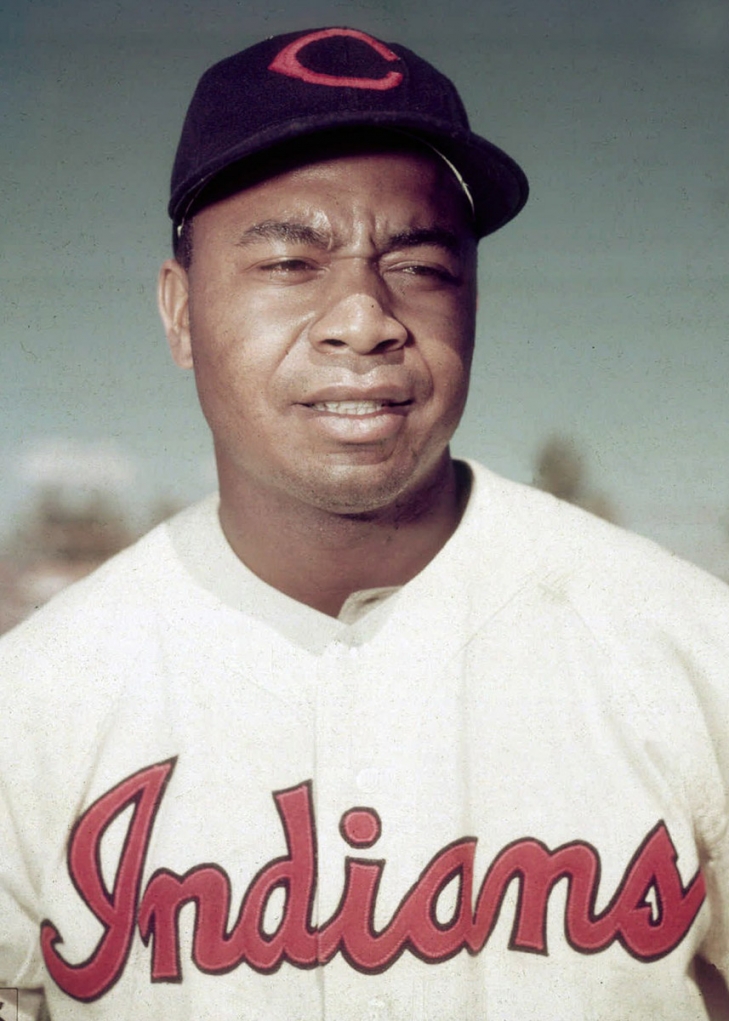
Doby’s journey in Cleveland began under the most intense scrutiny imaginable, but by 1948, he had matured into a foundational pillar of the franchise. He batted .301 that season, providing the offensive spark that helped propel the Indians to their historic World Series title. He arrived as a young star from the Newark Eagles and quickly evolved into a statistical titan, rattling off seven consecutive All-Star selections. During that remarkable stretch, Doby blasted at least 20 home runs in every single one of those seven seasons and twice captured the American League home run crown.
The peak of his efficiency was a masterclass in hitting. Doby was far more than a slugger; he was a sophisticated, patient technician at the plate. In 1950, he led the American League in both on-base percentage (.442) and OPS (.986), followed by a league-leading slugging percentage (.541) in 1952. He was a high-leverage nightmare for opposing pitchers, possessing a rare blend of plate discipline and raw strength that made him one of the most feared bats in the game. Whether he was tracking down fly balls in center or launching "taters" into the Cleveland night, he was the tactical engine of a lineup that consistently challenged for the pennant.
His identity was synonymous with a quiet dignity and a relentless pursuit of excellence. Doby spent the vast majority of his career in a Cleveland uniform, accumulating 215 home runs and serving as a model of consistency through the golden era of the franchise. Even after a brief stint with the White Sox, the pull of the lakefront brought him back for a second run in 1958, allowing him to add another chapter to a legacy built on breaking barriers and breaking records. He proved that greatness is the ultimate equalizer, silencing detractors with a swing that was as graceful as it was powerful.
The chapter of his playing days eventually transitioned into a period of historic reverence. The organization ensured his immortality by retiring his iconic number 14 in 1994, and he was inducted into the franchise Hall of Fame as early as 1964. The broader baseball world caught up in 1998 when the Veterans Committee elected him to the National Baseball Hall of Fame in Cooperstown.
