


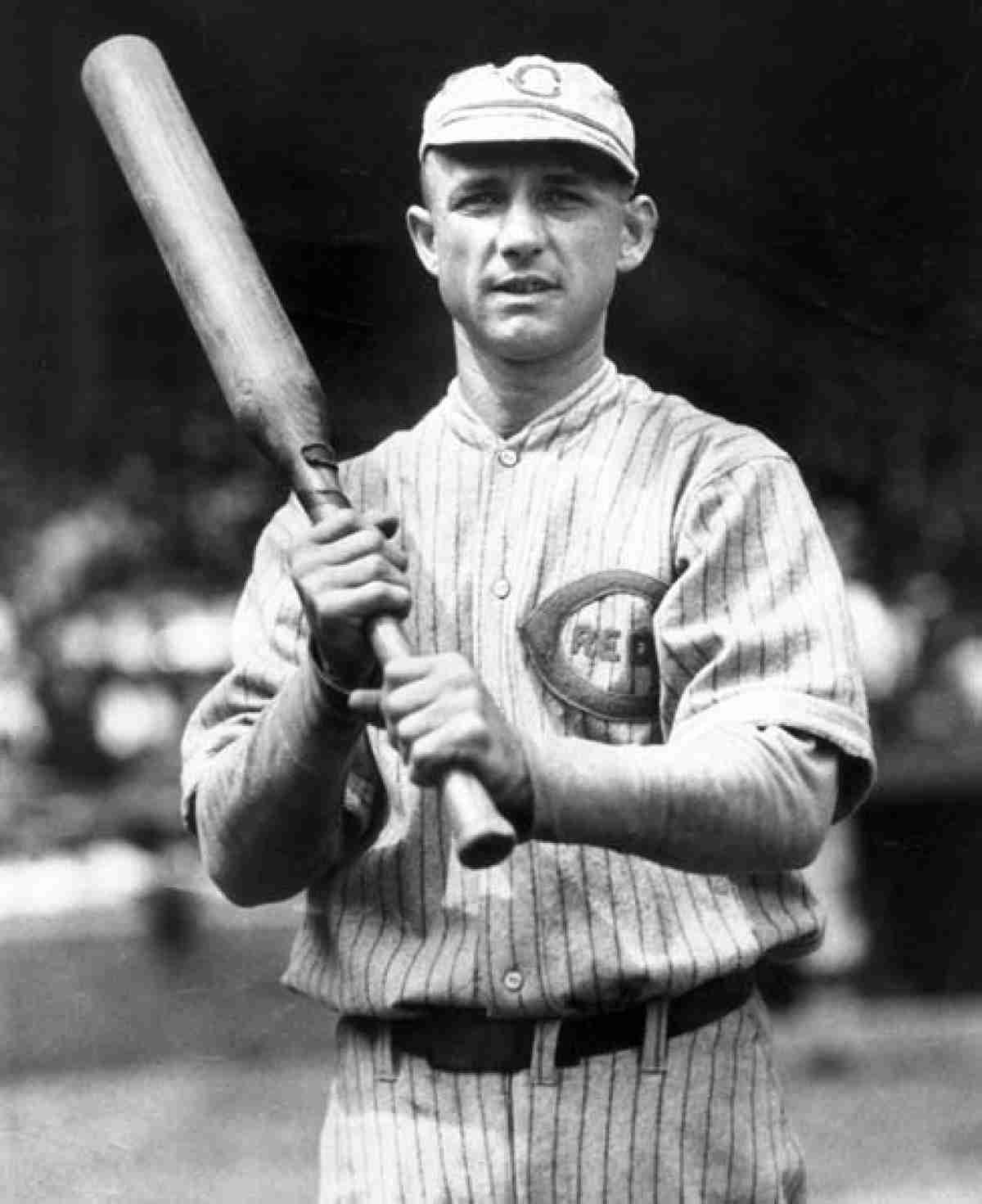


When Heinie Groh settled into the Reds' lineup in the mid-1910s, he brought a level of offensive ingenuity that quickly made him the premier leadoff threat in the National League. His signature bottle bat allowed him to control the zone with unparalleled precision, maturing into a master bunter and a high-contact hitter who simply refused to give away an at-bat. He was a nightmare for opposing pitchers, twice leading the league in on-base percentage and putting together four seasons with a batting average over .300. He arrived as a young talent and evolved into a foundational piece of the roster, providing the table-setting skills that powered the Cincinnati offense for nearly a decade.
The pinnacle of his career arrived in 1919, a season in which Groh reached the absolute peak of his powers. That year, he led the National League in OPS (.819) and served as the on-field general for a Reds team that captured the World Series title. While he was short in stature, he played with a giant-sized intensity on the diamond, particularly at third base. He was widely considered one of the most reliable and aggressive defenders of his day, possessing the rare ability to turn double plays from the hot corner with a speed and accuracy that left the league in awe.
Reliability and grit were the hallmarks of his identity in Cincinnati. Whether he was choking up on his unique bat to spoil a pitcher’s best stuff or diving into the dirt to take away a base hit, Groh was the engine that made the team go. He concluded his journey with the Reds with 1,323 hits and a stellar .298 career average, a volume of production that established him as the gold standard for lead-off hitters in the franchise’s early history. He proved that you didn't need to be the biggest man on the field to be the most impactful.
The chapter of his time in Cincinnati reached its conclusion in 1921 when he was traded back to the New York Giants, where he would eventually capture another World Series ring in 1923. He left the Queen City as a champion and a cult hero, a man whose innovative approach to the game left an indelible mark on the record books.
In recognition of his gritty leadership and statistical excellence, the organization inducted Groh into the Cincinnati Reds Hall of Fame in 1963.

Comments powered by CComment