

46. Babe Parilli
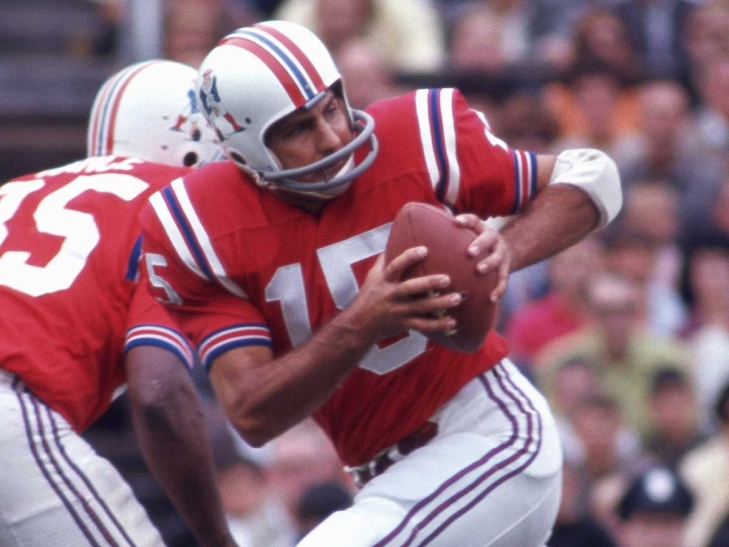
Vito “Babe” Parilli took a long time to get to Boston after an excellent collegiate career at Kentucky. Parilli was with the Green Bay Packers for two years, the Ottawa Rough Riders for two, the Cleveland Browns for one, Green Bay again for two, Ottawa back for one, and the Oakland Raiders for one season in 1960, which never saw anything of note. Parilli joined the Boston Patriots in 1961, and it was there where he had his biggest success.
39. Tom Addison
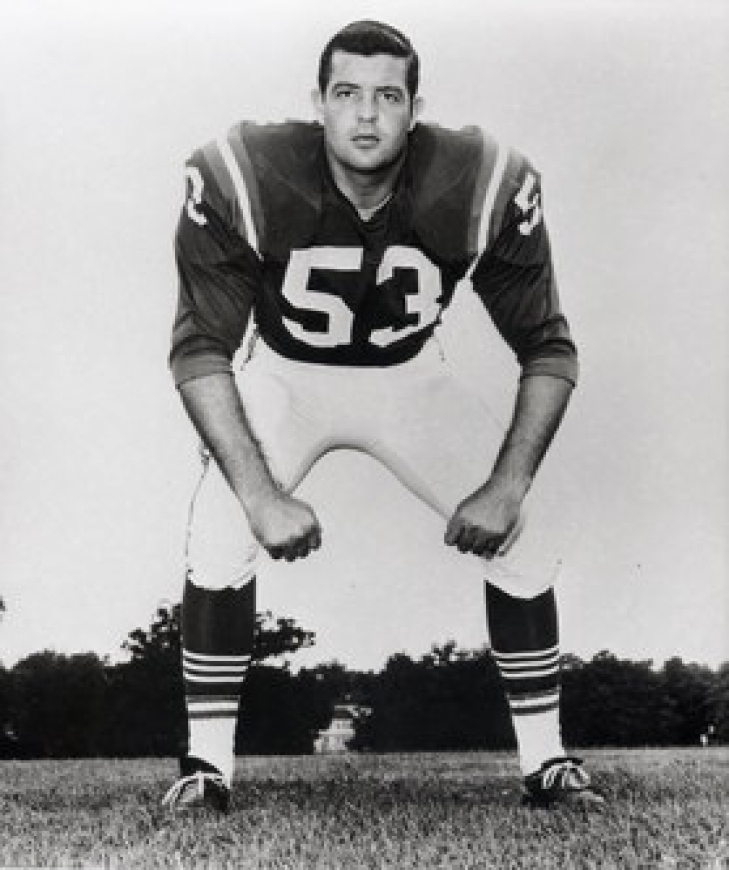
Playing at the University of South Carolina, Tom Addison was drafted by the Baltimore Colts and the Ottawa Rough Riders of the Canadian Football League in 1958, but he never played for either team. He would sign with the Boston Patriots of the American Football League in 1960, a club where he would become a leader on and off the field.
33. Jim Nance
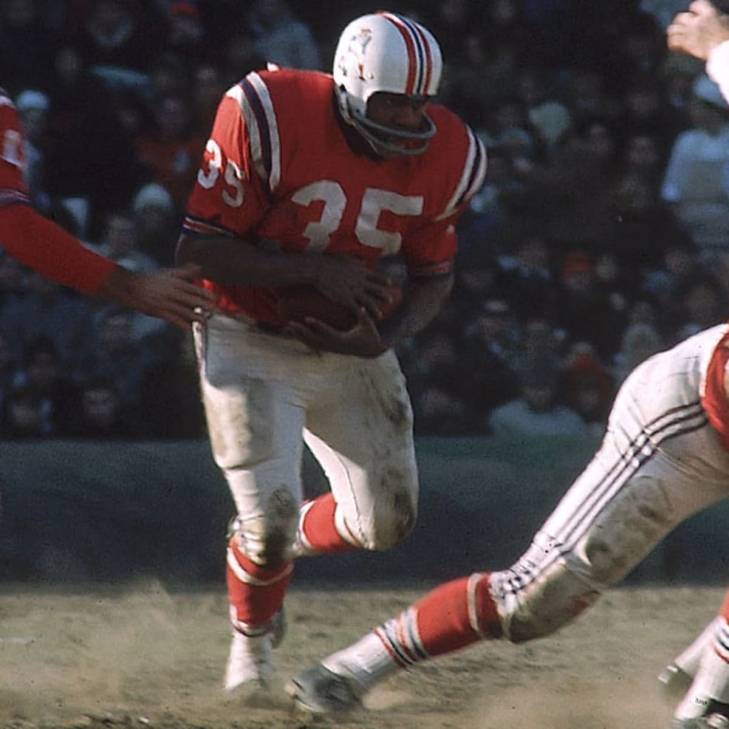
It took until the 19thRound in 1965 before the Boston Patriots before Jim Nance was drafted, and the former two-sport star at Syracuse had to have a chip on his shoulder considering his collegiate accomplishments.
36. Jim Lee Hunt
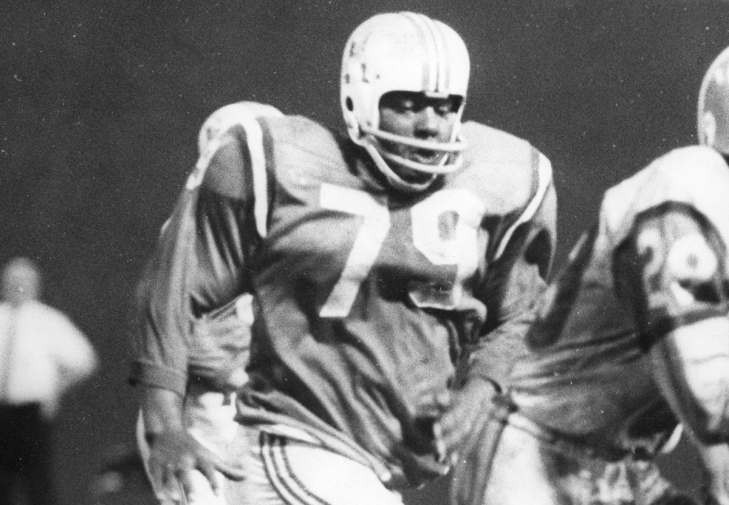
After the Chicago Bears drafted Jim Lee Hunt in the 16thRound, he elected to sign instead with the Boston Patriots for the inaugural season of the American Football League. As it would turn out, Hunt would become one of a handful of players to play in all ten years of the league’s existence, all of which were with the Patriots.
20. Bob Dee
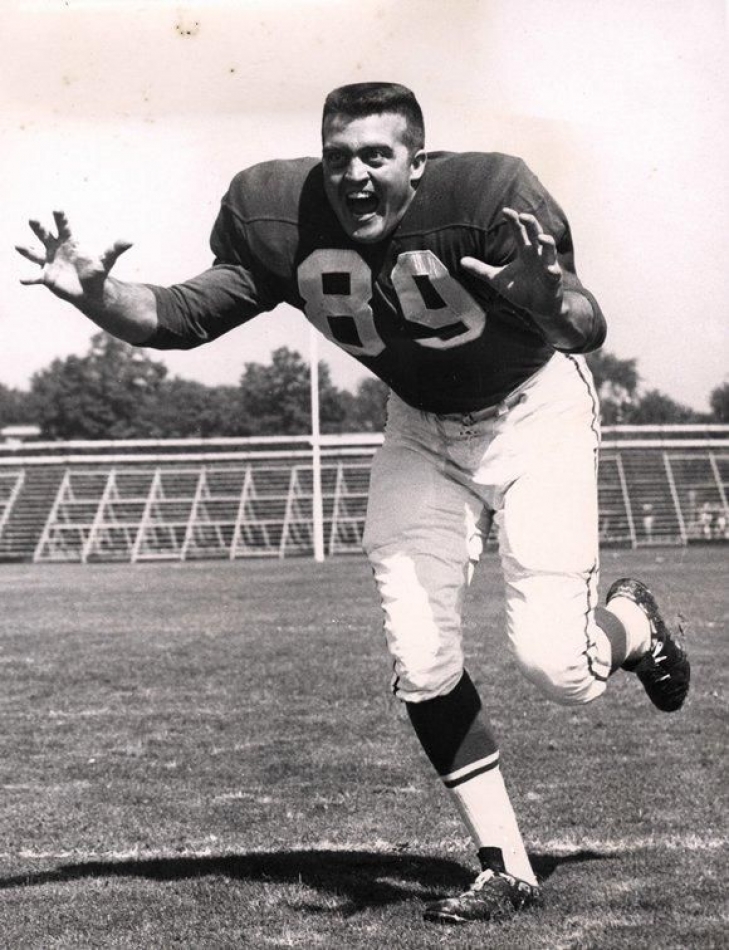
Bob Dee spent two seasons with the Washington Redskins before jumping to the Boston Patriots for the American Football League’s first year in 1960. He immediately took over at left defensive end and became the steady presence on that side of the line for the rest of his career. Dee started every game the Patriots played from that point forward, a streak that reached 112 consecutive starts by the time he was done.
The production arrived early and held up through the middle of the decade. Dee led the AFL in fumble recoveries with five in 1961 and earned the first of his four All-Star selections that season. He added three more All-Star nods from 1963 to 1965 while posting solid Approximate Value marks in each of those years. He was reliable against both the run and the pass, and he stayed healthy enough that the Patriots never had to replace him. One of the more memorable moments came in the league’s first preseason game, when he recovered a fumble in the end zone for the first points in AFL history.
Dee played through the 1967 season and then retired to pursue a business opportunity. His time with the Patriots ended there. Across eight seasons in Boston, he finished with 112 games played and 17.5 unofficial sacks, along with four All-Star selections. Those numbers came while he was one of the most durable and consistent defensive ends the early franchise ever had.
The Patriots retired his number 89, and Dee was elected to the Patriots Hall of Fame in 1993. The left end who arrived for the AFL’s opening season and never missed a start left as one of the foundation pieces of the original Patriots defense.
19. Larry Eisenhauer
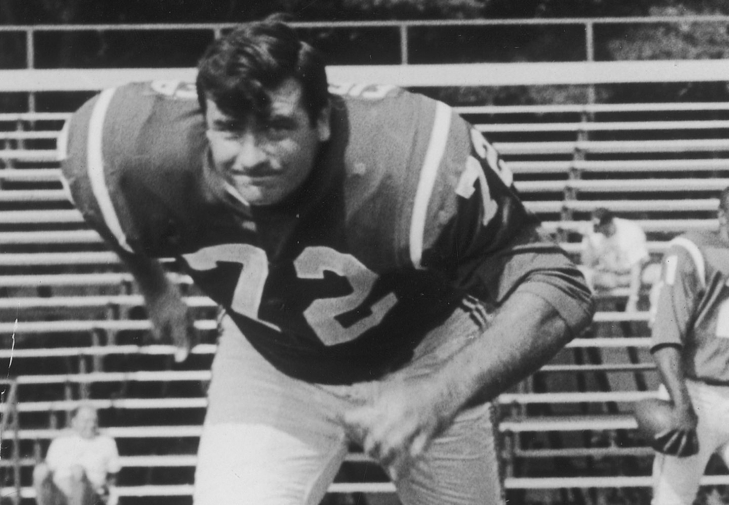
Larry Eisenhauer left Boston College and joined the Boston Patriots in 1961 as one of the local players who stayed with the early AFL franchise. He lined up at defensive end and immediately became one of the more disruptive players on the line. Teammates started calling him the Wildman for the way he prepared for games—banging his head on lockers, smashing walls, and generally working himself into a state that made opposing blockers uncomfortable.
The personality carried over to the field. Eisenhauer was a four-time AFL All-Star and earned first-team All-Pro recognition in three straight seasons from 1962 to 1964. He led the league in unofficial sacks twice during that stretch and repeatedly forced quarterbacks to move the ball quicker than they wanted. The stories traveled with him. In one game in Kansas City, he ran onto a snow-covered field wearing nothing but a helmet and a jockstrap. Those moments made him a favorite in the locker room, but his production kept him on the field.
A knee injury in 1967 slowed him and limited his later seasons. Eisenhauer played through the 1969 season and then retired. His entire career with the Patriots ended there. Across nine seasons, he finished with 115 games played and 43.5 unofficial sacks, along with four All-Star selections. He posted those numbers while serving as one of the steadiest and most energetic pass rushers the early Patriots ever had.
Eisenhauer remained a popular figure after his playing days and was later named to the Patriots’ All-1960s Team. The local defensive end, who arrived from Boston College and never left the franchise, remains one of the more colorful and effective players from the AFL years.
12. Gino Cappelletti
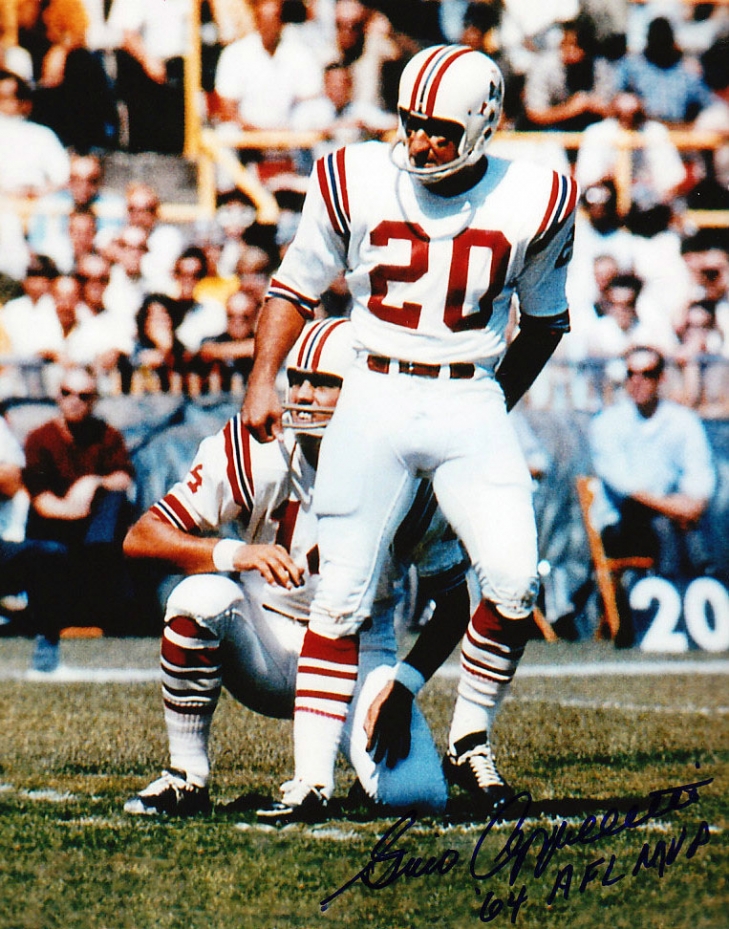
Gino Cappelletti’s path to the Patriots looked more like a series of dead ends than a professional career. After leaving Minnesota in 1955, he bounced through semi-pro ball, a stint in the military, a failed tryout in Canada, and more semi-pro work. By the time the AFL launched in 1960, he was already in his mid-twenties and essentially starting over. The Boston Patriots took a chance on him as an original member, and somehow the guy who had been out of real football for years became the most versatile weapon the franchise has ever had.
He lined up everywhere. One week he caught passes as a wide receiver; the next he kicked field goals, and on occasion he even dropped back into the defensive secondary. The production showed up immediately. In 1961, he caught 45 passes for 768 yards and eight touchdowns while also leading the AFL in scoring with 147 points. That combination of receiving and kicking set the tone for the rest of the decade. Defenses never quite knew what to prepare for, because Cappelletti could hurt them in multiple ways on the same drive.
The peak arrived in 1964. Cappelletti led the AFL in scoring again with 155 points, caught 49 passes for 865 yards and seven scores, and earned Player of the Year honors from both the AP and UPI. He led the league in field goals multiple times and posted several seasons with more than 600 receiving yards. Five AFL All-Star selections followed. The Swiss Army knife description was not marketing; it was simply accurate. When the Patriots needed points, Cappelletti usually put them on the board, whether through the air or off the tee.
He stayed with the team through the 1970 season, retiring in 1971 after eleven years. With the Patriots, he finished with 4,589 receiving yards, 42 touchdowns, 176 field goals, and 1,130 total points. He did so while also recording four interceptions and serving as a reliable two-way contributor in an era when roster spots were limited. The AFL’s all-time leading scorer at the time of his retirement had somehow resurrected a career that looked finished half a decade earlier.
The Patriots retired his number 20. In 1992, fans elected him to the franchise Hall of Fame. The player who arrived after years of semi-pro and military service left as the ultimate utility weapon in team history, a reminder that the right opportunity at the right time can turn a wandering career into something lasting.
14. Houston Antwine
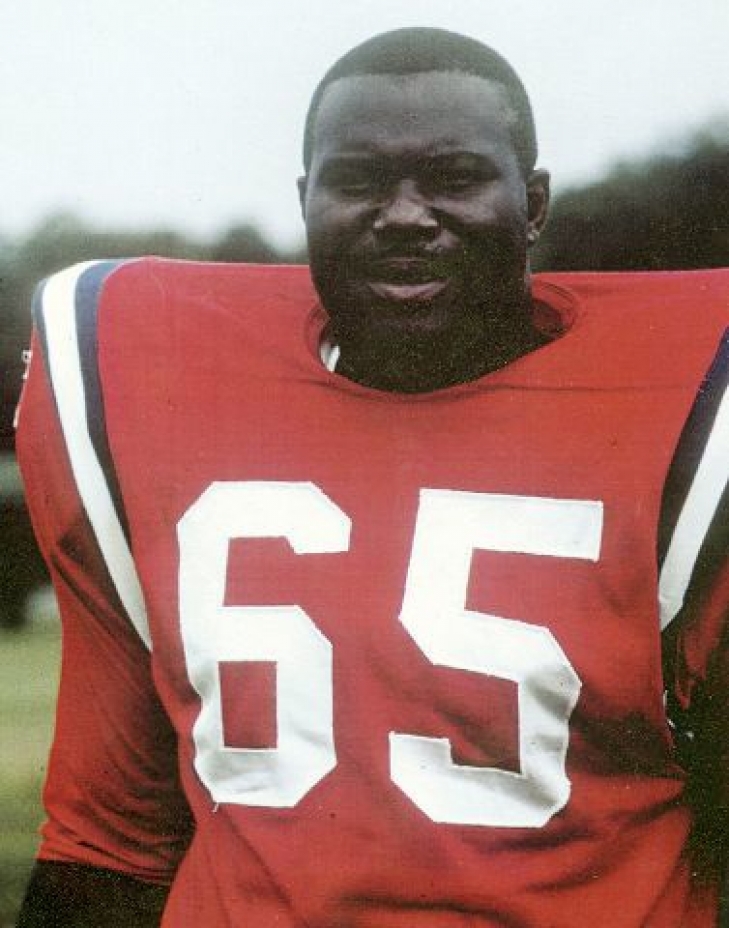
Houston Antwine arrived in Boston after being drafted by both the Oilers and the Lions, and the Southern Illinois product chose the Patriots over Detroit. The decision paid off quickly. After limited action in his first two seasons, he locked down the right defensive tackle spot in 1963 and immediately began drawing double teams.
That 1963 campaign brought first-team All-AFL recognition from multiple outlets and the first of six straight AFL All-Star selections. Antwine stayed in that tier for the rest of the decade. He earned second-team All-AFL nods in several of those years while pairing with Jim Lee Hunt to form one of the better interior duos in the league. Pro Football Reference credits him with 38 career sacks, and he led the Patriots in that category from 1967 through 1969, posting a career-high 7.5 in 1968. Opposing quarterbacks who tried to step up in the pocket often found Antwine arriving faster than expected for a 270-pounder.
The production remained steady through the late 1960s even as the supporting cast around him changed. Antwine continued starting into the early 1970s before his role decreased. After the 1971 season, he left the Patriots and was traded to the Philadelphia Eagles. His eleven years in New England ended there. With the Patriots, he appeared in 142 games and started 115 of them while recording 36 of those 38 sacks, one interception, and multiple fumble recoveries. He posted those numbers while serving as a consistent disruptor on a defense that rarely featured other elite talent up front.
Antwine played one season in Philadelphia in 1972 before retiring. The Patriots later placed him in their Hall of Fame in 2015, and he was also named to the All-Time All-AFL Team.
13. Jon Morris
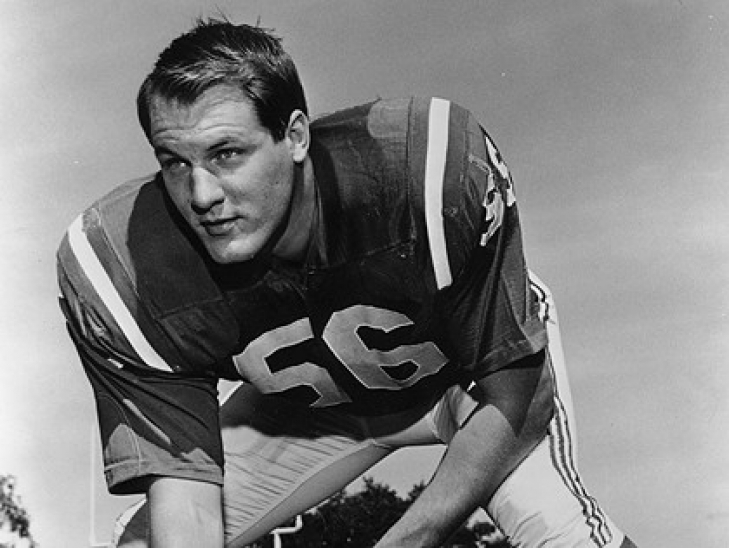
Jon Morris chose the Boston Patriots over Vince Lombardi’s Packers in 1964, and the decision paid off immediately. The Holy Cross product stepped in as a rookie starting center and never really gave the job back. In an era when the Patriots often lacked consistent skill talent around him, Morris became the steady presence in the middle of the offensive line.
The recognition arrived right away. Morris earned AFL All-Star honors in each of his first six seasons from 1964 through 1969, and he was named first-team All-AFL in 1966. He anchored the line during Jim Nance’s best rushing years and served as a team captain. When the leagues merged, Morris became the first Patriots player selected to the Pro Bowl in 1970. His durability stayed high through those early years; he started nearly every game as the franchise navigated the transition from the AFL to the NFL.
The later years in New England brought fewer individual awards, but the reliability remained. Morris continued starting through the early 1970s before his role diminished. After the 1974 season, he left the Patriots and was traded to the Detroit Lions. His eleven seasons in New England ended there. With the Patriots, he appeared in 130 games and started 125. He earned those numbers while earning seven consecutive league All-Star or Pro Bowl selections and serving as one of the few consistently excellent offensive linemen on the roster.
Morris spent three seasons starting for Detroit, then finished his career with a year as a backup in Chicago in 1978 before retiring. The Patriots later placed him in their Hall of Fame in 2011, and he was also named to the AFL All-Time Team. The center, who turned down Lombardi and spent more than a decade in New England, left as one of the franchise’s foundational players.
8. Nick Buoniconti
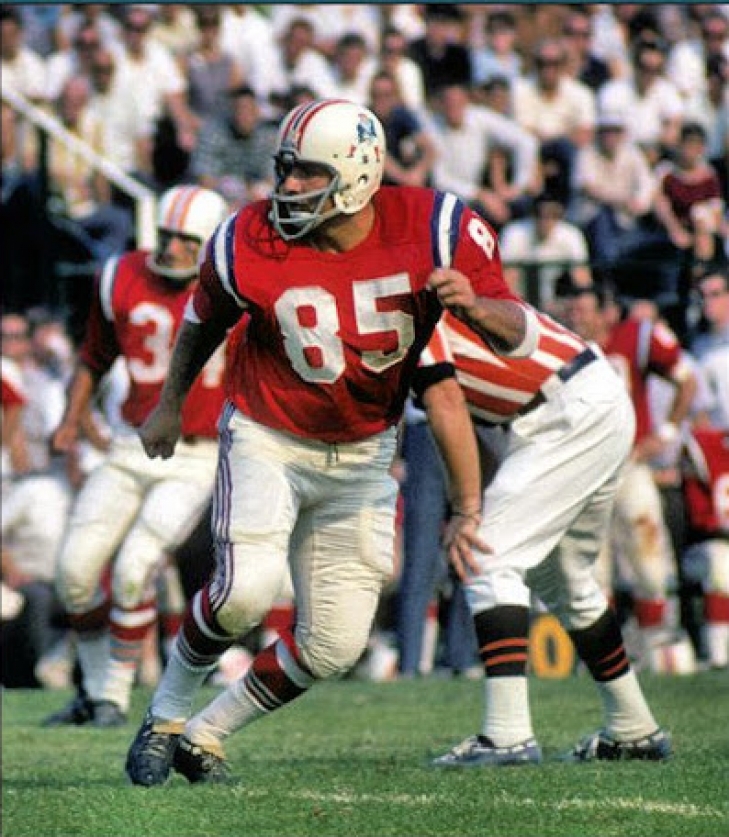
Nick Buoniconti left Notre Dame as a captain and second-team All-American, yet NFL scouts dismissed him as too small for middle linebacker. The Boston Patriots still used a 13th-round pick on him in 1962, and the undersized prospect quickly proved the evaluators wrong.
He stepped into the starting lineup as a rookie and never looked back. By 1963, he helped the Patriots capture the AFL Eastern Division title. The next four seasons brought a run of first-team All-AFL honors and AFL All-Star selections, with Buoniconti operating as the hard-hitting, freelancing center of the defense. Opposing quarterbacks learned that knocking him down rarely ended the play; he simply got up and found the ball again.
In 1964, he reached a career-high five interceptions. The production stayed consistent across the middle of the decade, with three or four picks in most seasons and a reputation as the best middle linebacker in the AFL. He earned five AFL All-Star nods in all and four first-team All-Pro selections while wearing the Patriots uniform. The size concerns that followed him into the league never slowed the tackling or the range.
After the 1968 season, the Patriots traded Buoniconti to the Miami Dolphins. His time in Boston ended after seven seasons. With the Patriots, he finished with 24 interceptions, which still ranks seventh in franchise history, along with an unofficial 18 sacks. He posted those numbers while establishing himself as the top defensive player of the AFL era and earning a place on the All-Time AFL Team.
In Miami, he led the No-Name Defense, helped the Dolphins win Super Bowls VII and VIII, and added two more Pro Bowl selections. The Patriots placed him in their Hall of Fame in 1992. Nine years later, he entered the Pro Football Hall of Fame. The overlooked 13th-rounder from Notre Dame remains the standard for middle linebackers in the franchise’s early years.
267. Jon Morris
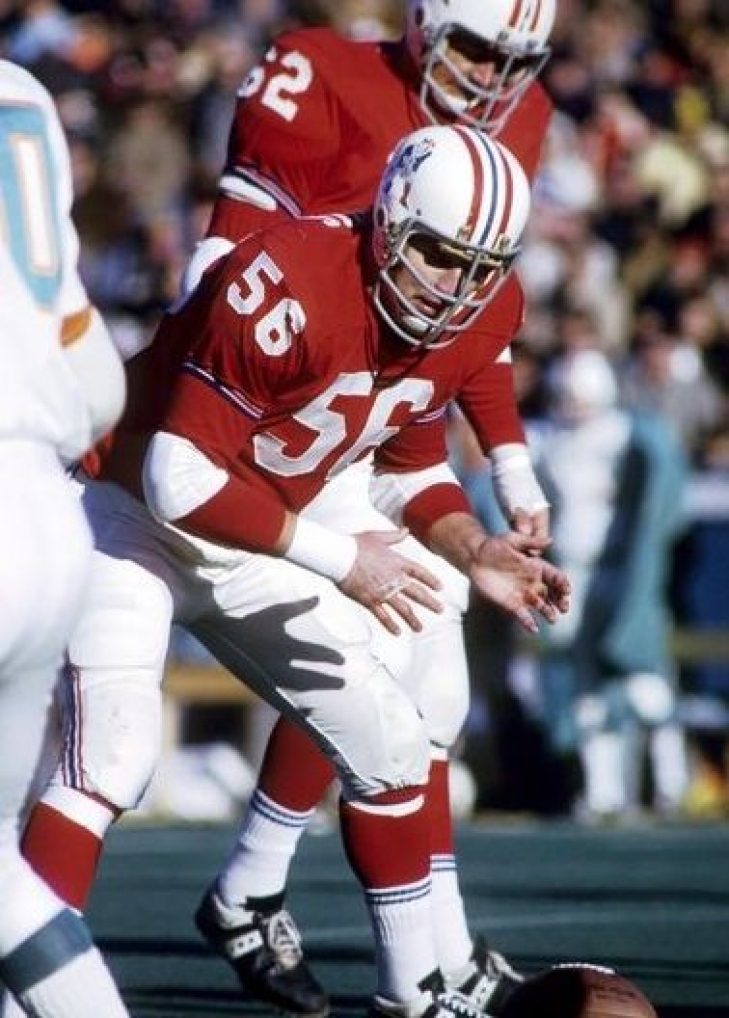
A member of the AFL All-Time Team, Jon Morris chose the Boston Patriots over Vince Lombardi's Green Bay Packers when both teams drafted him in 1964.
This was a bold decision to eschew Lombardi, don't you think?
Choosing the AFL gave Morris more playing time, but the Pats were far from the team they would become years later. The 1960s Patriots didn't have many eyes on them, but those who did saw that Morris was a very good football player who helped block Jim Nance into two league rushing titles. He was named an AFL All-Star in his first six years and was a Pro Bowl Selection the year after. The center was also a First Team All-Pro twice and played 182 Games over his 15-year career.
220. Houston Antwine
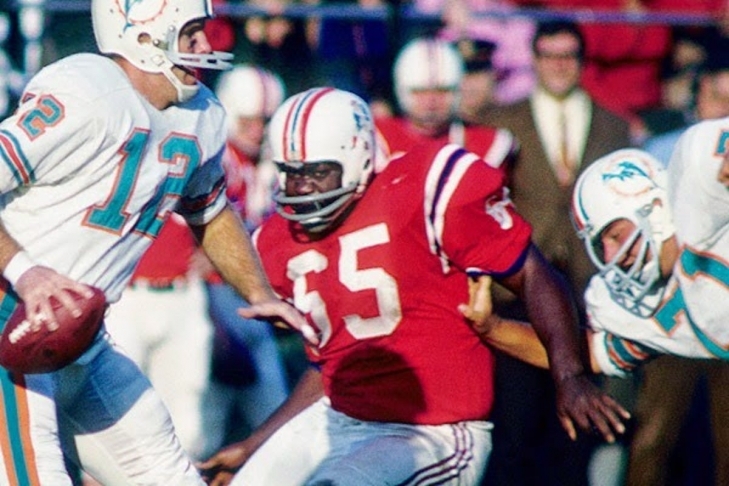
Houston Antwine eschewed the Detroit Lions of the NFL for the Boston Patriots of the AFL, which seemed the right decision by all accounts.
Antwine would become an AFL All-Star six years in a row (1963 to 1968) and was one of the few reasons to watch the Patriots in the '60s. The Defensive Tackle was a First Team All-Pro in 1963 and a four-time Second Team All-Pro. The All-Time AFL Selection would have 38 “unofficial” Quarterback Sacks over his career, and he deserves to be remembered far more than just in Boston.
