


Committee Chairman
The Notinhalloffame Pro Football Hall of Fame Monitor has been revised: Defensive Linemen/Linebackers/Pass Rushers/EDGE Edition
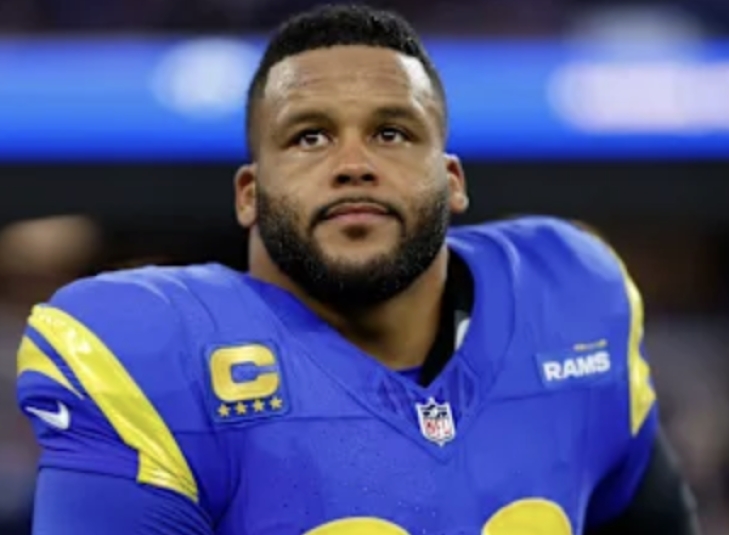
The 2026 NFL season is here, and we have updated our Pre-Season Football Monitor.
As we have expanded our projects, we can’t say we've expanded the team behind the scenes! As a result, we are a little behind on this one, and we could only post the top 50 of the Pre-Season Monitor at this time.
We will add more during the season (and yes, we know that defeats the purpose of pre-season), but thank you for your patience.
We have unveiled the Quarterbacks, Running Backs, Wide Receivers, Tight Ends, and Offensive Linemen. Now we have Defensive Linemen/Linebackers/Pass Rushers/EDGE.
Note that we will separate this group next year into pure pass rushers and disruptors. We hoped to do that this year, but our work on the United States Athletic Hall of Fame took over our time!
As you will see, the 12 in this category should be split into two groups in the future.
They are:
#1 DL/LB/EDGE, #1 Overall: Aaron Donald, Los Angeles Rams, Not Ranked Last Year.
#2 DL/LB/EDGE, #7 Overall: Myles Garrett, Los Angeles Rams, #9 Overall Last Year.
#3 DL/LB/EDGE, #9 Overall: Von Miller, Dallas Cowboys, #6 Overall Last Year.
#4 DL/LB/EDGE, #10 Overall: T.J. Watt, Pittsburgh Steelers, #7 Overall Last Year.
#5 DL/LB/EDGE, #13 Overall: Khalil Mack, Los Angeles Chargers, #8 Overall Last Year.
#6 DL/LB/EDGE, #14 Overall: Calais Campbell, Baltimore Ravens, #12 Overall Last Year.
#7 DL/LB/EDGE, #15 Overall: Cameron Jordan, New Orleans Saints, #14 Overall Last Year.
#8 DL/LB/EDGE, #19 Overall: Chris Jones, Kansas City Chiefs, #15 Overall Last Year.
#9 DL/LB/EDGE, #20 Overall: Cameron Heyward, Pittsburgh Steelers, #19 Overall Last Year.
#10 DL/LB/EDGE, #29 Overall, Micah Parsons, Green Bay Packers, #54 Overall Last Year.
#11 DL/LB/EDGE, #36 Overall, Danielle Hunter, Houston Texans, #44 Overall Last Year.
#12 DL/LB/EDGE, #39 Overall, Nick Bosa, San Francisco 49ers, #42 Overall Last Year.
Look for more updates soon!
The Notinhalloffame Pro Football Hall of Fame Monitor has been revised: Offensive Linemen Edition
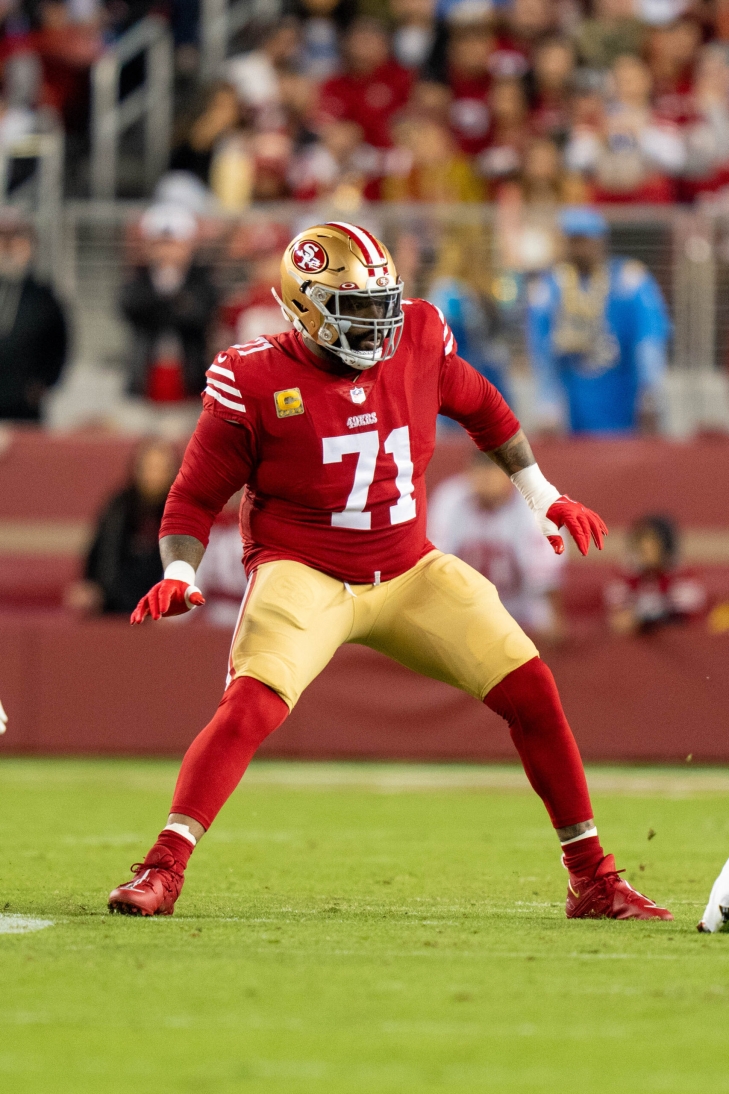
The 2026 NFL season is here, and we have updated our Pre-Season Football Monitor.
As we have expanded our projects, we can’t say we've expanded the team behind the scenes! As a result, we are a little behind on this one, and we could only post the top 50 of the Pre-Season Monitor at this time.
We will add more during the season (and yes, we know that defeats the purpose of pre-season), but thank you for your patience.
We have unveiled the Quarterbacks, Running Backs, Wide Receivers, Tight Ends, and now the five Offensive Linemen.
They are:
#1 OL, #6 Overall: Trent Williams, San Francisco 49ers, #5 Overall Last Year.
#2 OL, #22 Overall: Quenton Nelson, Indianapolis Colts, #26 Overall Last Year.
#3 OL, #34 Overall: Lane Johnson, Philadelphia Eagles, #27 Overall Last Year.
#4 OL, #38 Overall: Penei Sewell, Detroit Lions, #68 Overall Last Year.
#5 OL, #41 Overall: Joe Thuney, Chicago Bears, #64 Overall Last Year.
Look for more information on this project shortly.
The Notinhalloffame Pro Football Hall of Fame Monitor has been revised: Tight Ends Edition

The 2026 NFL season is here, and we have updated our Pre-Season Football Monitor.
As we have expanded our projects, we can’t say we've expanded the team behind the scenes! As a result, we are a little behind on this one, and we could only post the top 50 of the Pre-Season Monitor at this time.
We will add more during the season (and yes, we know that defeats the purpose of pre-season), but thank you for your patience.
We have unveiled the Quarterbacks, Running Backs, Wide Receivers, and now Tight Ends, of which there are only two.
They are:
#1 TE, #5 Overall: Travis Kelce, Kansas City Chiefs. #4 Overall Last Year.
#2 TE, #26 Overall: George Kittle, San Francisco 49ers, #34 Overall Last Year.
Look for more information on this project shortly.
The Digital Trends Changing the Way People Experience Online Gaming

Online gaming has changed as mobile devices, browser technology, animation, interface tools, and faster digital systems have developed. People now expect games to work smoothly across different screens, respond clearly to their actions, and offer simple navigation without making the interface feel crowded.
These changes are shaping how gaming platforms and individual titles are built. From mobile-friendly layouts to interactive features and clearer account tools, digital trends are helping online gaming fit more naturally into everyday entertainment habits.
Mobile-First Development Is Changing Game Access
Smartphones have become one of the main devices used for online entertainment. Gaming platforms have responded by creating layouts that work well on smaller screens without losing important functions.
Responsive Screens Adjust to Different Devices
A desktop monitor and a smartphone offer very different amounts of space. Responsive technology allows game interfaces to resize and reorganize automatically.
Modern สล็อต titles may keep the same symbols, themes, and main controls while adjusting their position according to screen size.
Mobile layouts often focus on:
- Larger touch areas
- Readable text
- Clear icons
- Compact menus
- Well-spaced controls
- Visible game information
This allows users to recognize the same game across phones, tablets, laptops, and desktop computers.
Browser Technology Is Supporting Easier Access
Modern web browsers can handle graphics, sound, animation, and interactive content directly. This has changed how many online games are delivered.
Games Can Run Across Different Platforms
Browser-based gaming allows users to access content without relying entirely on separate desktop software.
The same central game structure can be adapted to multiple screen types while keeping important functions consistent.
Browser technology can support:
- Digital reels
- Interactive menus
- Animation
- Audio effects
- Responsive layouts
- Account tools
Platforms linked with สล็อตเว็บตรง may use browser-based systems to organize game libraries, settings, search tools, and account areas within one online environment.
This creates a more connected structure between individual games and the wider platform.
Animation Is Playing a Bigger Role in Communication
Animation is no longer used only to make games look more active. It can also provide useful visual information.
Movement Helps Explain What Is Happening
A symbol may glow when a feature becomes active. A reel area may expand through movement rather than changing instantly. A button may react when selected.
These visual responses can make screen activity easier to understand.
Animation may appear during:
- Symbol changes
- Bonus activation
- Reel movement
- Menu transitions
- Character actions
- Screen changes
When movement is connected to specific actions, users can understand events without relying on long written instructions.
Interfaces Are Becoming Cleaner and More Organized
Online gaming platforms often contain game categories, search functions, account tools, settings, and transaction areas. Clear interface structure helps keep these sections easy to navigate.
Familiar Icons Reduce Confusion
Many gaming platforms now use interface ideas that are common across other digital services.
Search icons, profile symbols, sound controls, menu buttons, and settings icons usually have familiar meanings.
This helps users move through the platform quickly.
Clear organization can also make large game libraries easier to browse. Titles may be grouped by theme, format, visual style, or feature type rather than appearing in one long list.
Interactive Features Are Creating More Screen Activity
Modern online games can respond immediately to user actions through visual changes, sound, animation, or feature transitions.
Feedback Makes Controls Easier to Follow
When users select an option, the interface can provide a visible response.
A button may change appearance, a menu may slide open, or an icon may become highlighted.
This type of feedback is especially useful on mobile devices, where users interact through touch rather than physical controls.
Interactive features can also include changing reel areas, feature screens, symbol transformations, and other visual events.
The goal is to keep these changes clear so users can follow what is happening without unnecessary complexity.
Cross-Device Consistency Is Becoming More Important
People often switch between devices during the day. A game may be accessed from a smartphone at one time and a laptop later.
Core Features Stay Familiar
The exact layout may change, but important elements can remain consistent across supported devices.
These can include:
- Symbols
- Main controls
- Audio cues
- Feature structure
- Game themes
- Navigation patterns
This consistency helps users recognize the same title even when the screen size changes.
Developers can adapt the interface to each device without changing the central structure of the game.
Account and Wallet Tools Are Becoming Clearer
The wider platform experience includes more than individual games. Account settings, transaction areas, preferences, and support tools also need clear organization.
Wallet Sections Follow Modern Interface Patterns
Terms such as สล็อตวอเลท are often connected with wallet-related areas on online gaming platforms.
These sections may use simple labels, recognizable icons, expandable menus, and responsive layouts to present account information.
On desktop screens, several options may appear side by side. On mobile screens, those same functions may be grouped inside smaller menus.
The aim is to keep account tools separate from the main game area while still making them easy to locate.
Sound Is Becoming More Connected to Visual Events
Audio can now work closely with animation and interface activity.
Sound Cues Support Important Actions
Short sounds may accompany button selections, reel movement, feature starts, or screen changes.
Background music may also shift when a different game section becomes active.
Audio can support:
- Menu actions
- Symbol reactions
- Feature transitions
- Reel activity
- Character movement
- Screen changes
When sound and visuals respond together, users receive clearer feedback about what is happening.
Personal Choice Is Influencing Platform Structure
Modern digital entertainment gives users more control over what they access. Online gaming platforms are following the same direction.
Search and Categories Support Different Interests
Game libraries can be organized into clear sections based on themes, formats, or visual styles.
Search tools can also help users locate specific titles without moving through many pages.
This creates a more flexible browsing structure and allows people to move between different types of content according to their own preferences.
Conclusion
Digital trends are changing online gaming through mobile-first layouts, browser technology, cleaner interfaces, animation, interactive features, audio feedback, and cross-device access.
The biggest shift is the way these elements now work together. Games can adapt to screen size, controls can respond visually, sound can support on-screen events, and account tools can remain accessible without crowding the main interface.
