


Committee Chairman
The Digital Plaque: How Social Media Presence Is Reshaping Modern Athlete Legacies
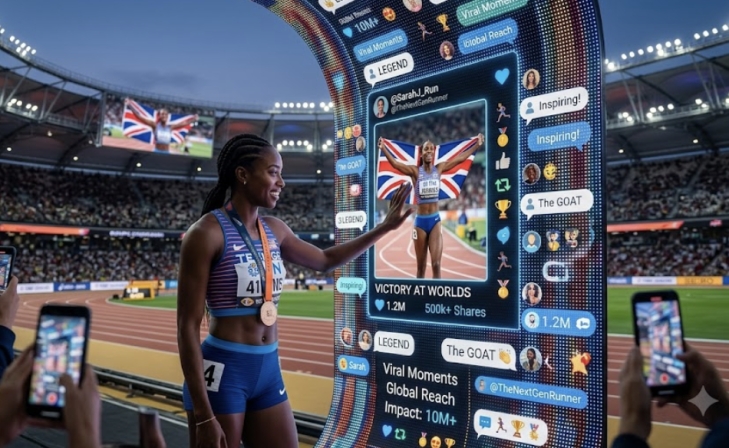
For many years, the way people saw an athlete was based on the number of titles, stats, records, and big plays in games. What someone did on the field shaped how we remember them. People counted wins, losses, awards, and how often a team made the playoffs. What a player did for their team showed how important they were. Now, these things still matter. But how athletes are seen now also depends on their online profiles.
Social media has made a new way for athletes to connect with their fans. Media platforms help people follow what athletes do as it happens. Before, it was only possible to read about them in old newspapers or watch highlight clips. For those who want to reach more people, services made to get more attention can help. These include chances to buy TikTok views at https://stormlikes.com/buy-instagram-likes.
It is important to know that what happens online is there to add to the talks about an athlete’s work. It does not take the place of what they did on the field or court.
From Statistics to Stories
Hall of Fame talks have usually been about things that can be measured. There are batting averages, championships, scoring records, career wins, numbers about how players stop the other team, and personal awards. All these help people compare how players did each time.
Yet numbers rarely tell the entire story.
Some athletes stand out because of a key moment, a certain attitude, a big rivalry, a comeback, or how they change things in the world. Social media helps people hold onto these stories and share them with others. A great game years ago can get talked about again when a short video goes viral with a whole new group of fans.
This changes how long people remember sports moments. A moment does not have to stop getting attention just because the season is over.
Myth: Social Media Replaces Sport Success
There is a widely held belief that becoming popular on social media is replacing the need for an athlete to be successful in the sport they play. However, this myth is overly simplistic and fails to capture the essence of the situation.
A lot of followers is not proof that a person is talented in the sport they practice. It may happen that videos of their posts go viral, but it means nothing when it comes to achievements and accomplishments. Social media followers are not a measurement of performance statistics in the actual sport.
On the contrary, digital engagement enriches a known history.
It is possible for a famous athlete to share their past achievements on social media. So, social media works like another place to keep memories, not a new Hall of Fame section.
Why Fans Remember More Than Numbers
Sports fandom is full of feelings. People remember where they were when a team won. They remember the party after a big goal. You might feel a certain way when someone breaks a record. There are those stars who are hard to miss because of how they act.
This is where psychology plays a very crucial role. When you revise information, feel emotions for it, or get the same information from a storytelling perspective, you tend to retain the same.
Social platforms allow individuals to do that. A big moment from history can be made into a short video. It can be shared with talk from others and sent out many times. Younger fans who did not see the real event can find it years after it happened.
This creates a bridge between generations.
A retired athlete's impact can keep growing. New groups of people often get to know old achievements online. The digital media helps more people see what he or she did in the past. This lets their story live on.
The Athlete as a Cultural Figure
Modern athletes are not just people who play sports. They are often business owners, talk on TV, make things, stand up for causes, become entertainers, or be well-known even away from the game.
That wider sense of self can change how people look back at them.
Think about how it is when you know an athlete just from their numbers and stats. That does not involve viewing them through interviews, getting behind-the-scenes stories of their journey, hearing their views about their own career, and watching their interactions with their fanbase. That is when one gets a complete picture of them.
Social media lets athletes talk with others in their own words. This helps their stories feel closer and true to who they are.
For sports websites and fan groups, this gives people more things to talk about. A player's story is not just about what happens during the game. It is also about how their career still shapes the world of sports.
Digital Influence Is a Signal, Not a Trophy
The rise in social media is not a reason enough for considering all engagement metrics to be treated equally.
Numbers such as views, likes, comments, shares, and followers can help us understand that the content is being viewed. However, numbers will not tell us why they come to view.
Digital metrics are best seen as signs.
A jump in views can show that people feel excited again about something that happened before. A lot of likes and comments on an interview can tell you that fans still want to hear what the athlete thinks. A famous highlight that gets shared by many can help people discover a moment from the past, even if they were not there when it took place.
The numbers make sense only when you have some background about them.
What the Digital Plaque Might Look Like
Picture a sports archive in the future. Here, an athlete's numbers stay next to the impact they have made on people and culture during their career.
There might be career records, championship wins, famous photos, big interviews, fan talks, being in a documentary, and online chats that kept going well after retirement.
This would not take the place of the usual Hall of Fame way. Instead, it would give a fuller history.
The idea of a "digital plaque" shows how things have changed. A real plaque is good to list what an athlete has done. A digital version does more. It can show how people still feel about the athlete’s success.
That distinction is important.
Legacy is not just to be remembered by people. It is also to get why someone stays in their mind.
The Future of Athlete Legacy
As social platforms keep changing, the link between sports history and digital culture will get stronger.
Future fans may get to know famous athletes by watching short videos. People might see a big moment from the past on a social post first. A celebration from years ago could come back in style because someone found it and shared it again after many years.
For people who love sports, this makes things exciting. The collection of sports history is not just in books, newspapers, TV recordings, or places where stats are kept. Now, it is becoming more interactive.
Athletes can take part in saving their own stories. Fans can help choose which moments get more focus and be seen again.
The biggest wins still come from how well you play, how you compete, how steady you are, and what you give to the sport. But digital platforms are changing how these wins move through time.
Conclusion
The impact of today’s athletes is growing. It is not just about new things. Championships, records, awards, and the big moments are still at the heart of what people say about a player. At the same time, social media helps them stay close to their audience all the time.
The best digital presence does not try to fake greatness. It lets real wins stay easy to see, easy to find, and fresh for new fans.
For athletes, creators, and sports fans who want to know how athletes can build TikTok engagement without losing authenticity, the main thing to know is that balance is key. Being seen online should help tell a real story about them. It should not be the whole story on its own.
The future of sports history will not be still like a plaque. Instead, it will be like a growing archive. In this new way, numbers show who is great, stories tell why, and web groups help people keep talking about it.
Our All Time Top 50 Denver Broncos have been revised to reflect the 2025 Season
Yes, we know that this is taking a while!
As many of you know, we at Notinhalloffame.com are slowly generating the top 50 of each major North American sports team. That being said, we maintain and update our existing Top 50 lists annually. We are pleased to present our pre-2026 revision of our top 50 Denver Broncos.
As for all of our top 50 players in football, we look at the following:
1. Duration and Impact.
2. Traditional statistics and how they finished in the National Football League.
3. Advanced Statistics.
4. Playoff performance.
5. Their respective legacy on the team.
6. How successful the team was when he was there.
7. Respecting the era in which they played.
Criteria 1-4 will make up the lion’s share of the algorithm. Please note that we have implemented this for the first time. This has changed the rankings all throughout the board.
Last year, the Broncos had an outstanding regular season, finishing 14-3, and beating Buffalo in the first round, only to fall to the New England Patriots in the AFC Championship Game. Two players rose, and one new entrant entered the conversation based on the 2025 season.
As always, we present our top five, with no changes occurring.
1. John Elway
2. Von Miller
3. Shannon Sharpe
4. Champ Bailey
5. Randy Gradishar
You can find the complete list here:
Cornerback and former MVP Patrick Surtain II rocketed an even dime from #30 to #41.
Offensive Lineman Garrett Bolles makes his debut on the list. He is ranked at #42.
Wide Receiver Courtland Sutton moved up two spots to #45.
We thank you for your continued support of our lists on Notinhalloffame.com.
The Pittsburgh Steelers name their 2026 Hall of Honor Class
Regular visitors to notinhalloffame.com know that we are slowly working on the top 50 of every major team in the NHL, NBA, NFL, and MLB. Once that is done, we will examine how each team honors its past players, coaches, and executives. As such, it is important to us that the Pittsburgh Steelers will be adding Kevin Colbert, J.T. Thomas, and Craig Wolfley to their Hall of Honor.
The ceremony will take place on September 25, with the new inductees being honored at Pittsburgh’s home game on September 27 against the Cincinnati Bengals.
Kevin Colbert, Director of Football Operations, 2000-10; General Manager, 2010-16; General Manager & Vice President. A high-end executive for over two decades, his work helped bring the Steelers two Super Bowls.
J.T. Thomas, Defensive Back, 1973-81. A member of the famed Steel Curtain that won four Super Bowls in the 1970s, Thomas recorded 19 interceptions, plus two in the postseason for the club.
Craig Wolfley, Guard-Tackle, 1980-89. Wolfley was a stalwart on Pittsburgh’s Offensive Line through the entire 1980s, starting 102 of his 129 Games.
The Hall of Honor began in 2017.
We here at Notinhalloffame.com would like to congratulate the impending members of the Pittsburgh Steelers Hall of Honor.
The Pro Football Hall of Fame Revisited Project: 2001 Preliminary VOTE
2001 PRELIMINARY RESULTS:
Thank you to all who participated in the Pro Football Hall of Fame Revisited Project. If you are still figuring that out, we treated the PFHOF as having its first class in January 1946.
For “2001,” a Preliminary Vote with over 100 players whose playing career ended by 1995. We also follow the structure in which players have 20 years of eligibility, and if they do not make it into the Hall, they are relegated to the Senior Pool.
Each voter was asked to select 25 names from the preliminary list, and the top 25 vote-getters were named Semi-Finalists.
A week later, voters will be asked to select 15 names from the 25 Semi-Finalists, then choose five from the remaining 15. We will continue this process every week until we catch up to the current year.
Please note that a significant change occurred “years ago,” allowing voters to submit fewer than the allotted number of spots.
31 Votes took place.
This is for the “Modern Era”
Bold indicates they advanced to the Semi-Finals:
*Indicates they have been removed from future ballots
|
Player |
Year of Eligibility |
Vote Total |
|
Sterling Sharpe WR |
2 |
23 |
|
Jackie Slater T-G |
1 |
22 |
|
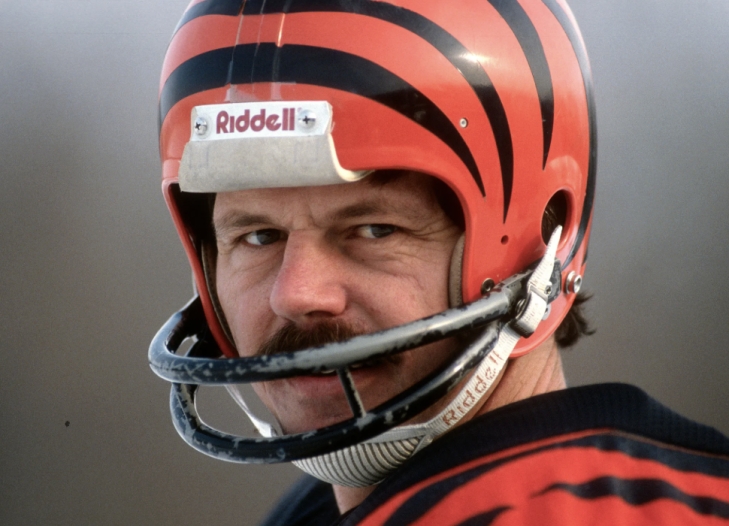
Ken Anderson QB |
10 |
20 |
|
Joe Klecko DE |
8 |
20 |
|
Art Monk WR |
1 |
20 |
|
Lester Hayes DB |
10 |
19 |
|
Billy “White Shoes” Johnson |
8 |
19 |
|
Roger Craig RB |
3 |
19 |
|
Rickey Jackson LB-DE |
1 |
18 |
|
Bob Griese QB |
16 |
17 |
|
Ken Stabler QB |
12 |
17 |
|
Lemar Parrish DB |
14 |
16 |
|
Steve McMichael DT |
2 |
16 |
|
Cliff Harris S |
17 |
15 |
|
Todd Christensen TE |
8 |
15 |
|
Drew Pearson WR |
13 |
14 |
|
George Kunz T |
16 |
13 |
|
Winston Hill T |
19 |
12 |
|
Ken Riley DB |
13 |
12 |
|
Fred Dean DE |
11 |
12 |
|
Mark Gastineau DE |
8 |
12 |
|
Jimbo Covert T |
6 |
12 |
|
Deron Cherry DB |
5 |
12 |
|
Joe Jacoby T |
3 |
12 |
|
Andy Russell LB |
20 |
11 |
|
Harry Carson LB |
8 |
10 |
|
Russ Francis TE |
8 |
10 |
|
Stanley Morgan WR |
6 |
10 |
|
Jim Marshall DE |
17 |
9 |
|
Karl Mecklenburg LB |
2 |
9 |
|
Harold Carmichael WR |
12 |
8 |
|
Ottis Anderson RB |
4 |
8 |
|
Mike Kenn T |
1 |
7 |
|
*Larry Brown RB |
20 |
6 |
|
Bill Bergey LB |
16 |
6 |
|
Curley Culp DT-NT |
15 |
6 |
|
Matt Blair LB |
11 |
6 |
|
Bubba Baker DE |
6 |
6 |
|
Joey Browner DB |
4 |
6 |
|
Carl Banks LB |
1 |
6 |
|
Chris Hinton T-G |
1 |
6 |
|
Wilber Marshall LB |
1 |
6 |
|
Jack Tatum DB |
16 |
5 |
|
Isiah Robertson LB |
14 |
5 |
|
Lyle Alzado DE |
11 |
5 |
|
Ed White G |
11 |
5 |
|
Nolan Cromwell DB |
9 |
5 |
|
Frank Minnifield DB |
4 |
5 |
|
Fred Smerlas NT |
4 |
5 |
|
Jay Hilgenberg C |
3 |
5 |
|
*Lee Roy Jordan LB |
20 |
4 |
|
Pat Fischer CB |
19 |
4 |
|
Jerry Smith TE |
19 |
4 |
|
Jim Bakken PK |
18 |
4 |
|
Jake Scott DB |
18 |
4 |
|
Rick Upchurch WR/R |
13 |
4 |
|
Billy Sims RB |
12 |
4 |
|
Doug Wilkerson G |
12 |
4 |
|
Wes Chandler WR |
8 |
4 |
|
Ed “Too Tall” Jones DE |
7 |
4 |
|
Doug Williams QB |
7 |
4 |
|
Christian Okoye RB |
4 |
4 |
|
Everson Walls DB |
3 |
4 |
|
Dennis Smith DB |
2 |
4 |
|
*Gale Gillingham G-DT |
20 |
3 |
|
*Ed Budde G |
20 |
3 |
|
*Ernie McMillan T |
20 |
3 |
|
Dick Anderson DB |
19 |
3 |
|
Roman Gabriel QB |
19 |
3 |
|
Harold Jackson WR |
13 |
3 |
|
Harvey Martin DE |
13 |
3 |
|
Joe Theismann QB |
11 |
3 |
|
Dwight Clark WR |
9 |
3 |
|
Mark Clayton WR |
3 |
3 |
|
Mark Bavaro TE |
2 |
3 |
|
Gary Clark WR |
1 |
3 |
|
Jim Ritcher G |
1 |
3 |
|
Mike Curtis LB-FB |
18 |
2 |
|
Ron McDole DE-DT |
18 |
2 |
|
George Atkinson DB |
17 |
2 |
|
Chuck Foreman RB |
16 |
2 |
|
Coy Bacon DE |
15 |
2 |
|
Lawrence McCutchen RB |
15 |
2 |
|
Mel Gray WR |
14 |
2 |
|
Bert Jones QB |
14 |
2 |
|
Tom Jackson LB |
10 |
2 |
|
Jeff Van Note C |
10 |
2 |
|
Randy Cross G-C |
8 |
2 |
|
Hanford Dixon DB |
7 |
2 |
|
James Brooks RB |
4 |
2 |
|
Keith Millard DT-NT |
3 |
2 |
|
Phil Simms QB |
3 |
2 |
|
Leonard Marshall DE |
2 |
2 |
|
John Taylor WR |
1 |
2 |
|
Lydell Mitchell RB |
16 |
1 |
|
Mike Wagner DB |
16 |
1 |
|
Dennis Harrah G |
9 |
1 |
|
Steve Nelson LB |
9 |
1 |
|
Rulon Jones DE |
8 |
1 |
|
Neil Lomax QB |
8 |
1 |
|
Keena Turner LB |
6 |
1 |
|
Curt Warner RB |
6 |
1 |
|
Raymond Clayborn DB |
5 |
1 |
|
Dexter Manley DE |
5 |
1 |
|
Michael Carter NT |
4 |
1 |
|
Roy Green WR |
4 |
1 |
|
Freeman McNeil RB |
4 |
1 |
|
Bill Fralic G |
3 |
1 |
|
Mark Bortz G |
2 |
1 |
|
Steve Jordan TE |
2 |
1 |
|
Tim Krumrie NT |
2 |
1 |
|
Carl Lee DB |
2 |
1 |
|
Charles Mann DE |
2 |
1 |
|
Luis Sharpe T |
2 |
1 |
|
Anthony Carter WR |
1 |
1 |
|
Shane Conlan LB |
1 |
1 |
|
Jack Del Rio LB |
1 |
1 |
|
Jim Lachey T |
1 |
1 |
|
Jay Novacek TE |
1 |
1 |
|
Ralph Neely T |
19 |
0 |
|
Riley Odoms TE |
13 |
0 |
|
Gary Johnson DT |
11 |
0 |
|
Marvin Powell T |
9 |
0 |
|
Dave Brown DB |
7 |
0 |
|
*Mike Quick WR |
6 |
0 |
|
Matt Millen LB |
5 |
0 |
|
*Vaughan Johnson LB |
2 |
0 |
|
*Max Montoya G |
2 |
0 |
|
*Don Mosebar C-T-G |
2 |
0 |
|
*Bill Pickel DT-NT |
2 |
0 |
|
Marion Butts RB |
1 |
0 |
|
Scott Case DB |
1 |
0 |
|
Ernest Givins WR |
1 |
0 |
|
Tim Harris LB-DE |
1 |
0 |
|
Rodney Holman TE |
1 |
0 |
|
Mike Johnson LB |
1 |
0 |
|
Tom Newberry G-C |
1 |
0 |
|
Bart Oates C |
1 |
0 |
Bold indicates they advanced to the Semi-Finals:
*Indicates that they will be removed from the ballot permanently.
|
Player |
Year |
Votes |
|
Alan Ameche FB |
16 |
11 |
|
Floyd Little RB |
1 |
11 |
|
Otis Taylor WR-FL |
1 |
11 |
|
Arch Ward CONTRIBUTOR |
12 |
10 |
|
Walt Sweeney G |
1 |
7 |
|
Greasy Neale COACH |
12 |
6 |
|
Tank Younger FB-LB-HB |
18 |
5 |
|
Charlie Conerly QB |
15 |
5 |
|
Charles Bidwill OWNER |
12 |
5 |
|
Dan Reeves OWNER |
12 |
5 |
|
Art Powell E |
8 |
5 |
|
Larry Grantham LB |
4 |
5 |
|
Max McGee E |
9 |
4 |
|
Houston Antwine DT |
4 |
4 |
|
Billy Wilson FL-E |
16 |
3 |
|
George Preston Marshall OWNER |
12 |
3 |
|
Jim Ray Smith G-T |
12 |
3 |
|
Rosey Grier DT-DE |
10 |
3 |
|
Don Meredith QB |
8 |
3 |
|
Dave Grayson DB |
6 |
3 |
|
Boyd Dowler FL-SE-LB |
5 |
3 |
|
Rich Jackson DE |
4 |
3 |
|
Cornell Green DB |
2 |
3 |
|
Daryle Lamonica QB |
2 |
3 |
|
Harlon Hill E-DB |
14 |
2 |
|
Cookie Gilchrist FB |
9 |
2 |
|
Erich Barnes DB |
5 |
2 |
|
John Brodie QB |
3 |
2 |
|
Mike Stratton LB |
3 |
2 |
|
John Niland G |
1 |
2 |
|
Goose Gonsoulin DB |
9 |
1 |
|
Abner Haynes HB |
9 |
1 |
|
Jim Katcavage DE |
8 |
1 |
|
Jack Kemp QB |
7 |
1 |
|
George Saimes DB |
4 |
1 |
|
Carroll Dale WR-E |
3 |
1 |
|
Jim Nance RB-FB |
3 |
1 |
|
Fuzzy Thurston G |
9 |
0 |
|
Babe Parilli QB |
7 |
0 |
|
Butch Byrd DB |
5 |
0 |
|
Bob Jeter DB-WR |
3 |
0 |
|
*George Halas Jr EXEC |
2 |
0 |
This is for the “Coaches/Contributors”
Bold indicates they advanced to the Semi-Finals:
*Indicates that they will be removed from the ballot permanently.
|
Name |
Year |
Votes |
|
COACH: Tom Flores |
5 |
13 |
|
EXEC: Ron Wolf |
3 |
13 |
|
SCOUT: Eddie Kotal |
6 |
10 |
|
OWNER: Eddie DeBartolo Jr. |
2 |
10 |
|
EXEC: George Young |
4 |
9 |
|
EXEC: Jim Finks |
13 |
8 |
|
*OWNER: Bud Adams |
20 |
7 |
|
COACH: Buddy Ryan |
4 |
6 |
|
TV EXEC: Roone Arledge |
15 |
5 |
|
TV COMMENTATOR: Howard Cosell |
15 |
5 |
|
SCOUT: Lloyd Wells |
6 |
5 |
|
*OWNER: Clint Murchison |
20 |
4 |
|
OWNER: William Clay Ford |
6 |
4 |
|
SCOUT: John Wooten |
6 |
4 |
|
COACH: Chuck Knox |
5 |
4 |
|
COACH: Bum Phillips |
14 |
3 |
|
NARRATOR: John Facenda |
6 |
3 |
|
SCOUT : Jack Vainsi |
6 |
3 |
|
EXEC: John McVay |
2 |
3 |
|
OWNER: Art Modell |
16 |
2 |
|
OWNER: Jack Kent Cooke |
6 |
2 |
|
COACH: Bill Arnsbarger |
16 |
1 |
|
COACH: John Robinson |
7 |
1 |
|
COACH: Jerry Glanville |
6 |
1 |
|
COACH: Bud Carson |
2 |
1 |
|
COACH: Barry Switzer |
2 |
1 |
|
COACH: Ted Marchibroda |
1 |
1 |
|
COACH: Lindy Infante |
13 |
0 |
|
*COACH: Richie Petitbon |
6 |
0 |
|
*COACH: Ron Erhardt |
2 |
0 |
|
*EXEC: Harry Gamble |
2 |
0 |
|
EXEC: John Beake |
1 |
0 |
|
EXEC: Vince Cerrato |
1 |
0 |
|
COACH: Dick Coury |
1 |
0 |
|
COACH: Mike McCormack |
1 |
0 |
|
COACH: Frtz Shurmur |
1 |
0 |
|
EXEC: Jerry Vainisi |
1 |
0 |
Next week, we will announce the Semi-Finalists for the 2001 Pro Football Hall of Fame Revisited Project.
