


Committee Chairman
Jeff Francis named to the Canadian Baseball Hall of Fame
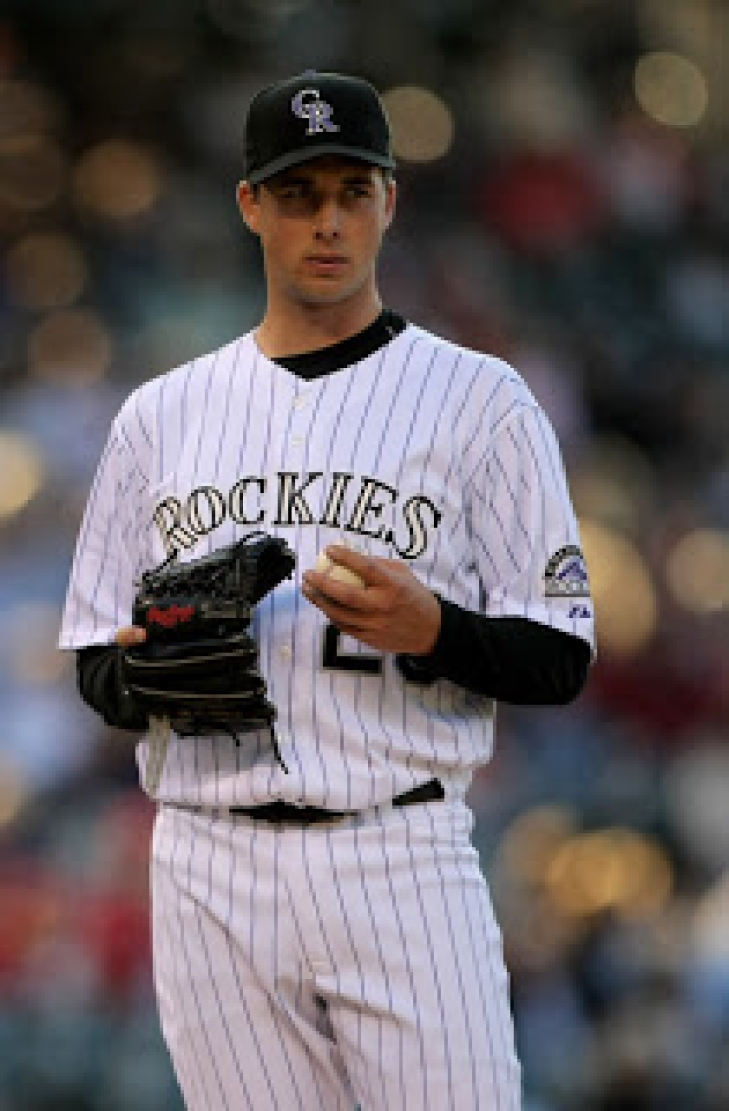
The Canadian Baseball Hall of Fame announced that they will be inducting former Pitcher, Jeff Francis to their ranks this year.
From Vancouver, Francis played in the Majors for 11 seasons, most notably with the Colorado Rockies, where he was an upper rotation starter for three seasons (2005-07). Francis also played for Kansas City, Cincinnati, Oakland, New York (AL), and Toronto, and had a lifetime record of 72-82 and 869 Strikeouts.
As there were no official ceremony in 2020 due to COVID-19, Francis will be inducted alongside the Class of 2020, which consists of Jacques Doucet (broadcaster), Justin Morneau, John Olerud and Duane Ward.
We here at Notinhalloffame.com would like congratulate Jeff Francis for earning this honor.
Three Reasons Why Unibet’s Sportsbook is one of the best in the U.S.

If you are lucky enough to reside in a US state that has legalized sports betting online, then you will no doubt be considering which sportsbook is the best to sign up with. Many states have now opened up their sports betting markets, and this is usually followed by the issuing of licenses to a handful of operators to work within the regulated market.
You may be spoiled for choice, but you should think long and hard before joining a sportsbook, and there are a number of factors to consider before doing so.
These can include the level and size of the welcome bonus that is offered (pretty much all sportsbooks entice you with this sort of promotion), the scale of the payment methods offered, the accessibility and effectiveness of their interface (desktop and on mobile app devices) as well as crucially the level of trustworthiness the operator enjoys.
One brand that is very much worth your consideration, especially when it comes to the quality of their New Jersey sportsbook promos, is Unibet. This provider is becoming a big player in the US sports betting market, having already made a name for themselves worldwide.
Here are three reasons why Unibet should be at the front of the queue when it comes to the sportsbook you might consider joining in 2022.
Excellent Welcome Bonus and Ongoing Promotions
Of course, every decent sportsbook offers welcome bonuses, but Unibet’s is far more rewarding and straightforward than most. First off, the new player offer amounts to a $250 risk-free bet, and secondly, getting hold of this is very simple indeed. Simply place your first cash bet, and if it loses, then you’ll get a refund of up to $250 within 72 hours.
On top of this, Unibet offers a ton of additional promotions that keep loyal users very happy, and this is a sign of a sportsbook that is as keen to retain its users as it is on getting new ones.
Wide Sports Betting Market
Whatever you want to bet on, Unibet has you covered. If you fancy a wager on this year’s Super Bowl, then there are hundreds of bets to place (from classic Moneylines to unique prop bets). If you like to bet on a number of different sports and leagues, then Unibet is the place for you also.
They have a wide sports betting market that covers major events and minor sports equally well, and this means that for those who are more experienced in sports betting, you’ll have a raft of options to choose from.
Comprehensive and Competitive Odds Offered
When you select a sportsbook, the last thing you want to see is a bet you’ve placed with your provider having worse odds than a competitor; this would effectively make your payouts lower than they could have been.
Unibet is a leader in the field when it comes to the competitive nature of the odds offered. In other words, if you back the Brooklyn Nets to win the NBA title, their odds are unlikely to be bettered with a competitor, leaving you safe in the knowledge that your payout is above average.
RIP: Bill Fitch
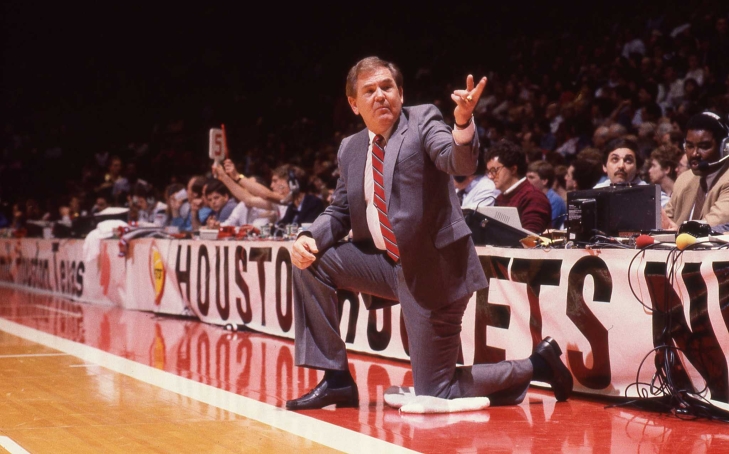
Basketball has lost one of the great ones as Bill Fitch passed away today. He was 89 years old.
Playing his college ball at Coe, Fitch would later become their Head Coach. He worked his way up the NCAA totem pole, helming North Dakota (1962-67), Bowling Green (1967-68) and Minnesota (1968-70) before earning an opportunity in the NBA to coach the expansion Cleveland Cavaliers.
The Cavs were dreadful due to a lack of talent, but he took them to an improbable Central Division Title in 1975-76, where the “Miracle at Richfield” Team made it to the Conference Finals, where they fell to Washington. For his efforts, Fitch won the NBA Coach of the Year.
Fitch resigned in 1979 and took over in Boston, who had a losing record the year before. The Celtics also drafted Larry Bird, and the team turned it all around, making the playoffs with Fitch winning his second NBA Coach of the Year. The season after, Fitch led Boston to an NBA Title, the first and only for the Coach. In 1996, Fitch was named one of the Top 10 Coaches in NBA History.
Following his resignation in 1983 in Boston, Fitch would take over as the Head Coach in Houston (1983-88), New Jersey (1989-92) and the Los Angeles Clippers (1994-98).
Fitch was inducted into the Naismith Basketball Hall of Fame in 2019.
We here at Notinhalloffame.com would like to extend our condolences to the fans, friends and family of Bill Fitch.
The Rock and Roll Hall of Fame announces the 2022 Finalists
The Hall of Fame season ramps up with today’s announcement of the Rock and Roll Hall Fame who announced this year’s Finalists. Unlike other Halls, the Rock Hall has no discernable pattern as to when they announce their classes. As typical, this group was announced with only 24 hours notice.
Here are this year’s nominees:
Beck: Beck is a first time nominee after three years of eligibility. His quirky style and critical love plays into what the Hall loves.
Devo: Devo returns to the ballot after being nominated last year and 2019. The New Wave pioneers have been eligible since 2003.
Dionne Warwick: Warwick has a trophy case full of Grammys and a laundry list of hits, but with an Adult Contemporary sound, her rock and roll credibility is suspect. That hasn’t stopped Hall voters before. This is her second straight nomination, and she has been eligible since 1988.
Carly Simon: The Singer/Songwriter makes her first nomination since first being eligible in 1997.
Dolly Parton: This is the first nomination for the Country/Pop legend, who has been eligible since 1989. While she is not considered a rock star, her stardom even in this list, has few equals.
Duran Duran: The masters of the video genre of the 1980s, finally obtain their first nomination. They have been eligible since 2007.
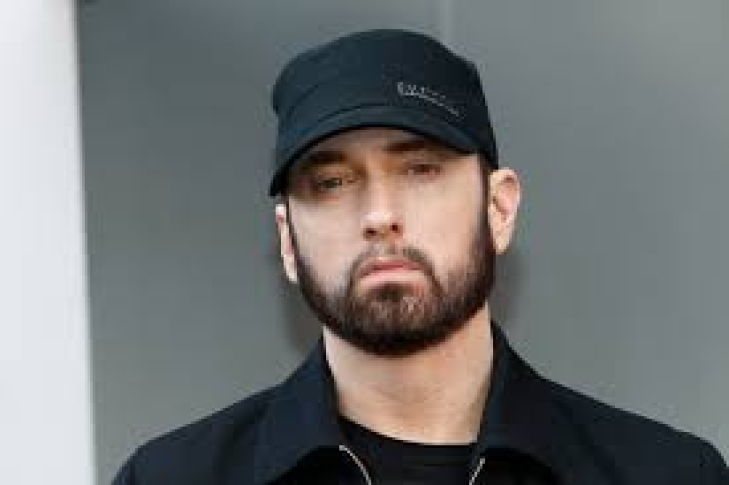
Eminem: Eminem is a Finalist in his first year of eligibility and the rap superstar is a lock to enter in his first year of eligibility. If anyone is a lock it is the man born as Marshall Mathers.
The Eurythmics: Annie Lennox and Dave Stewart have their first nomination in four years, and they have been eligible since 2007.
Kate Bush: Bush’s unique singing voice was only matched by her unique material. She was nominated twice before in 2018 and last year.
Fela Kuti: The African legend is on the ballot for the second year in a row, and if the Hall wants to go truly International, this is the guy.
Judas Priest: Priest is the Heavy Metal representative this year, and it is their third nomination in the past five years. They have been eligible since 2000.
Lionel Richie: This is the first nomination for Richie, who has been eligible since 2007. His previous band, the Commodores, have never been nominated.
MC5: The proto-punk pioneers are nominated for the sixth time, with five coming in the last six years. They have been eligible since 1992.
The New York Dolls: The Dolls return after being nominated last year, and it is their third after first appearing on the ballot in 2001.
Pat Benatar: Benatar was nominated in 2020 for the first in her 20th year of eligibility, but it was as a dup with her songwriter husband/partner, Neil Girardo. This time, she is nominated on her own.
Rage Against the Machine: RATM is on their fourth ballot of five years eligible, and finding a group that fused rap and hard rock/metal better than them is a daunting task.
A Tribe Called Quest: This is the first nomination for the influential hip hop group, who have been eligible since 2015.
We know there will be copious amounts of anger regarding who was not nominated. There always is. We do feel that the Rock and Roll Hall of Fame nominating committee did a good job nominating musicians across a musical landscape, and have for the last eight years.
This ballot also has the greatest number of women in nominating history.
What happens next is up to the Rock and Roll Hall of Fame voters.
Congratulations to all the Finalists, and let the debate again.
