
21. Roy Hibbert
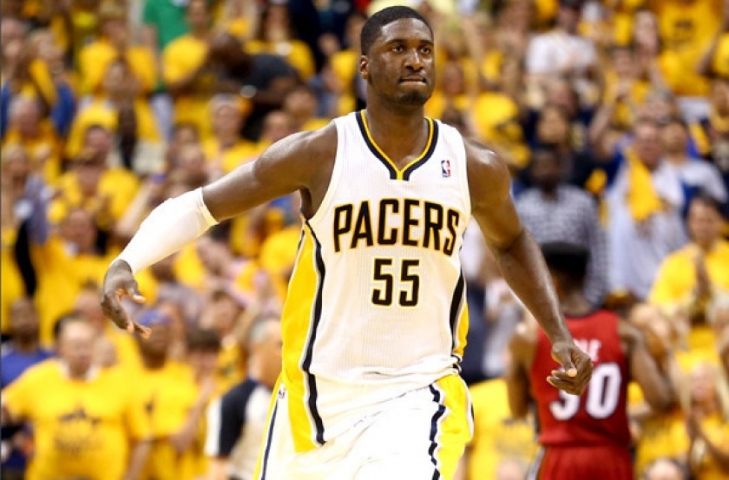
Roy Hibbert was drafted by the Toronto Raptors in 2008 but was shipped off in a six-player trade to the Indiana Pacers, where he would play for his first seven seasons in the NBA. Playing at Center, Hibbert was a fantastic defensive presence in the paint, and he would have three straight years (2011-12 to 2013-14), where he was in the top five in Blocks per Game. In the last of those years, Hibbert was named a Second Team All-Defensive Selection, and was second in Defensive Player of the Year voting.
11. Myles Turner
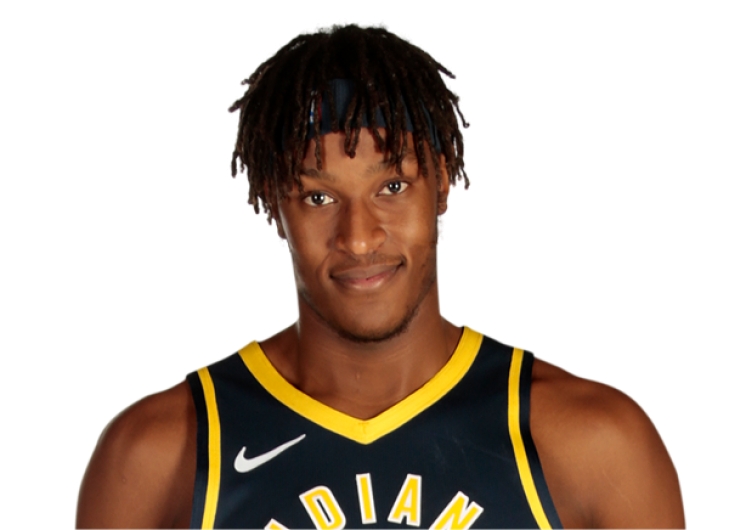
The first ten seasons of Myles Turner's career was with the Indiana Pacers, and at times he was under the radar, unless you were pating attention to strong defense and elite blocking.
Chosen 11th Overall in 2015 from the University of Texas, Turner was a Second Team All-Rookie and averaged 10.3 Points per Game. After his rookie year, Turner has never had a season since where he dipped below 12 Points per Game, but he has grown his Rebounding and Blocking numbers since his rookie year. In 2018-19, Turner would lead the NBA in Blocks per Game (2.7), and as would do so again in 2020/21 with 3.4. In eight of his ten years as a Pacer, Turner was in the top ten in Blocks per Game, and though his rebounding numbers were a little low for a Center, his point production increased in his last three years in the Hoosier State with at least 15 Points per Game.
In 2024-25, Turner was instrumental in bringing Indiana to the NBA Finals, but they fell to the Oklahoma City Thunder. He departed the Pacers for the Milwaukee Bucks, and left behind ten good years in the paint.
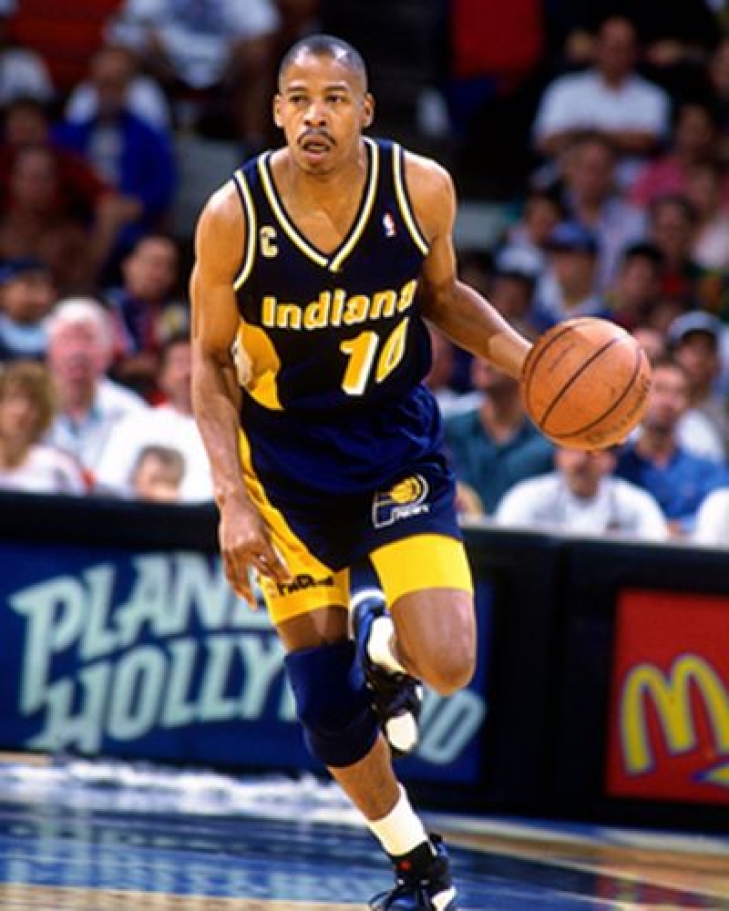
12. Vern Fleming
10. Danny Granger
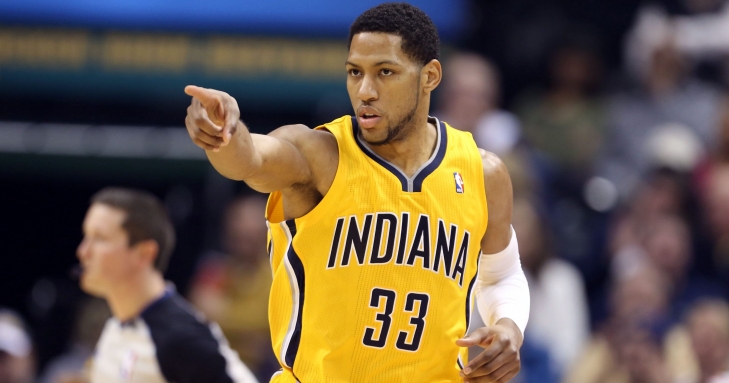
Danny Granger played the majority of his career with the Indiana Pacers, where he was a model of consistent progression. This isn't hyperbole as he became the first player ever to raise his Points per Game Average by at least five points in three consecutive seasons (2005-06 to 2008-09). In that last season, Granger had the best year of his career as his 25.8 PPG placed him 5th overall, and he would also be named an All-Star and the Most Improved Player of the Year. Granger was never an All-Star again, but he followed that up with two more 20 PPG plus seasons, and he was the team's leading scorer for five straight seasons.
9. Dale Davis
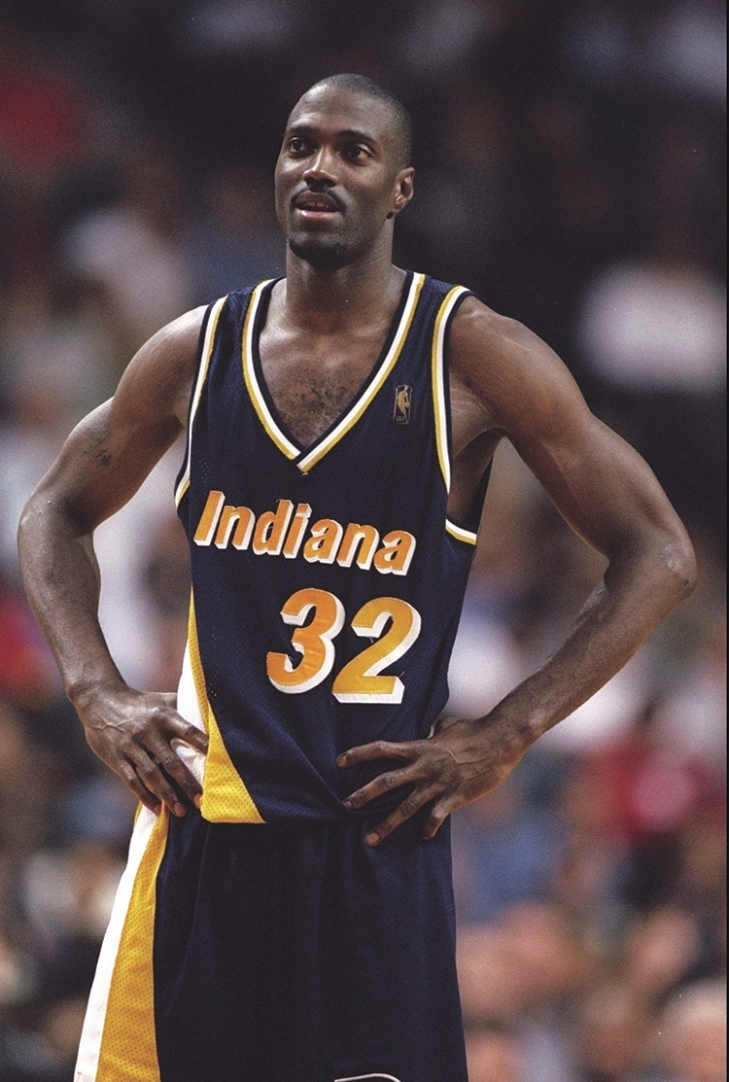
Dale Davis would play the first decade of his career with the Indiana Pacers, and the product of Clemson would win the starting Power Forward job for the team in his second season. That year, he would have a career-high of 1.8 Blocks per Game, but the Pacers' workhorse would have his best year ever in the following season.
15. Freddie Lewis
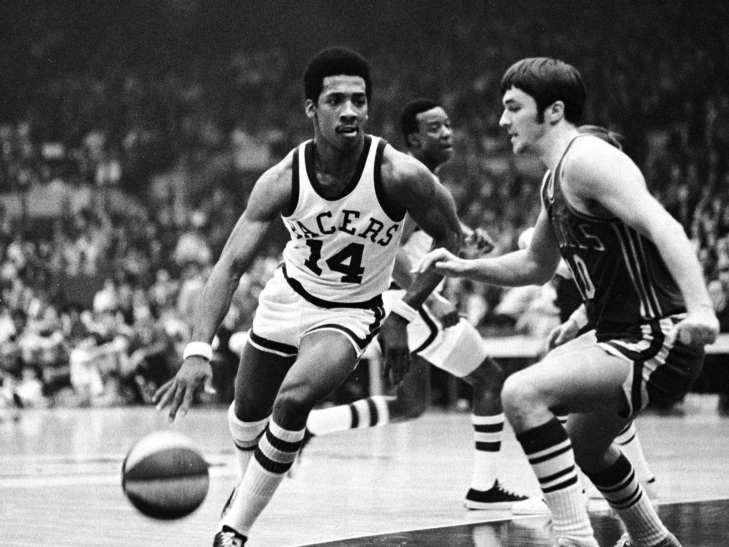
Freddie Lewis played just one season with the Cincinnati Royals backing up Hall of Famer, Oscar Robertson, before being chosen by the San Diego Rockets in the Expansion Draft. Rather than report to the Rockets, he joined the Pacers of the ABA in their inaugural season, where he was a starter bouncing from the Point and Shooting Guard position. Lewis was an ABA All-Star three times (1968, 1970 & 1972) and was the lynchpin to their dynasty that would win three ABA Titles in four seasons. The Guard was traded to the Memphis Sounds after the 1973-74 Season but returned for one final season in Indiana, who was now in the NBA before retiring for good.
7. Rik Smits
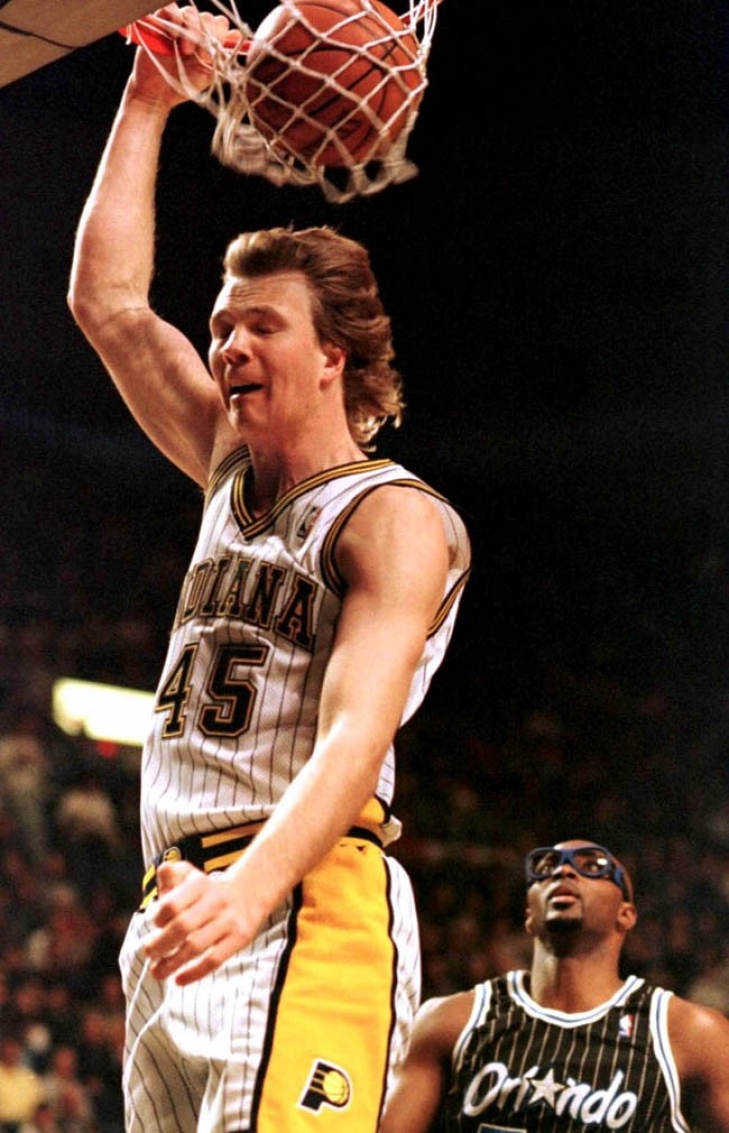
We here at Notinhalloffame.com are always suckers for cool nicknames.
Here is another admission: corny ones work too.
6. Jermaine O'Neal
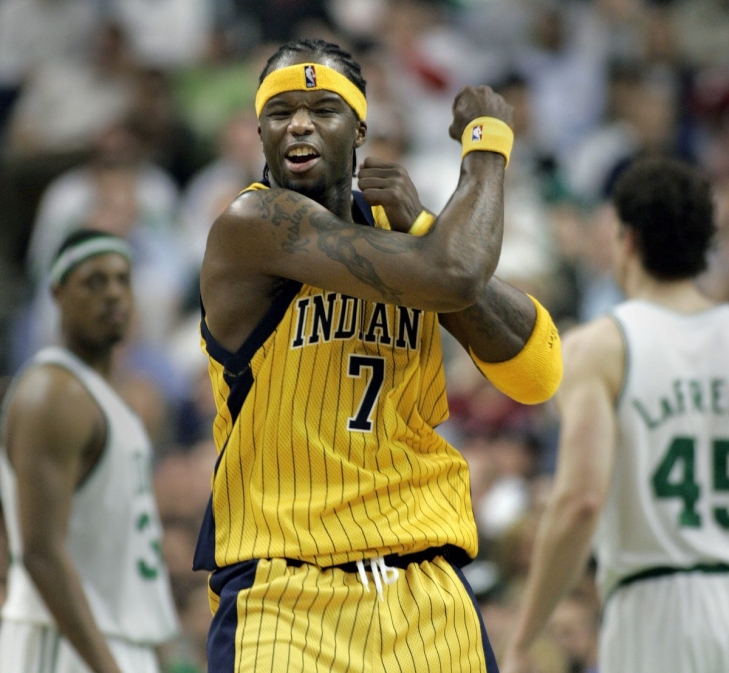
The Indiana Pacers fanbase was scratching their heads when their team traded for Jermaine O'Neal and gave up Dale Davis to get him. O'Neal had been in the NBA for four years and had only started 18 Games for Portland, averaging only 11.5 Minutes per Game, so why would they trade for him?
Here's why.
17. Don Buse
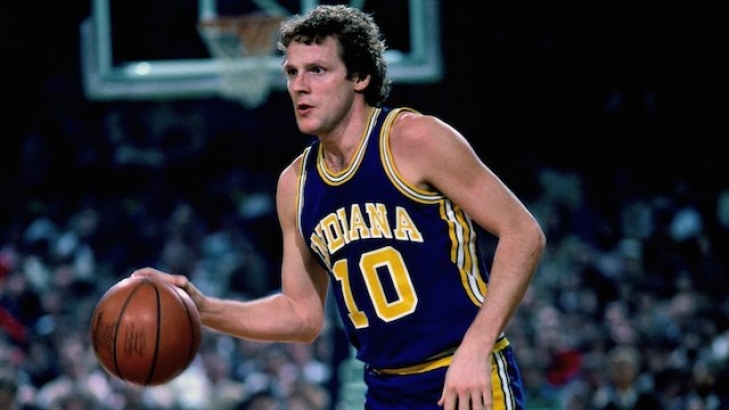
Signing with the Indiana Pacers after a good college career at Davidson, Don Buse would emerge as one of the best defensive Guards of the mid to late 70s. Buse was a role player as a rookie on Indiana's 1973 ABA Championship Team, and he would see more playing time when Freddie Lewis was traded to the Memphis Sounds. Buse was the best Guard when it came to putting the rock in the bucket, but he was an excellent distributor and was a gem on defense. In the last two seasons of the ABA’s existence, Buse was a First Team All-ABA Selection, and in the latter year, he was an ABA All-Star and a Second Team All-ABA Selection. Not only that, Buse would lead the league in Steals and Assists.
13. Bob Netolicky
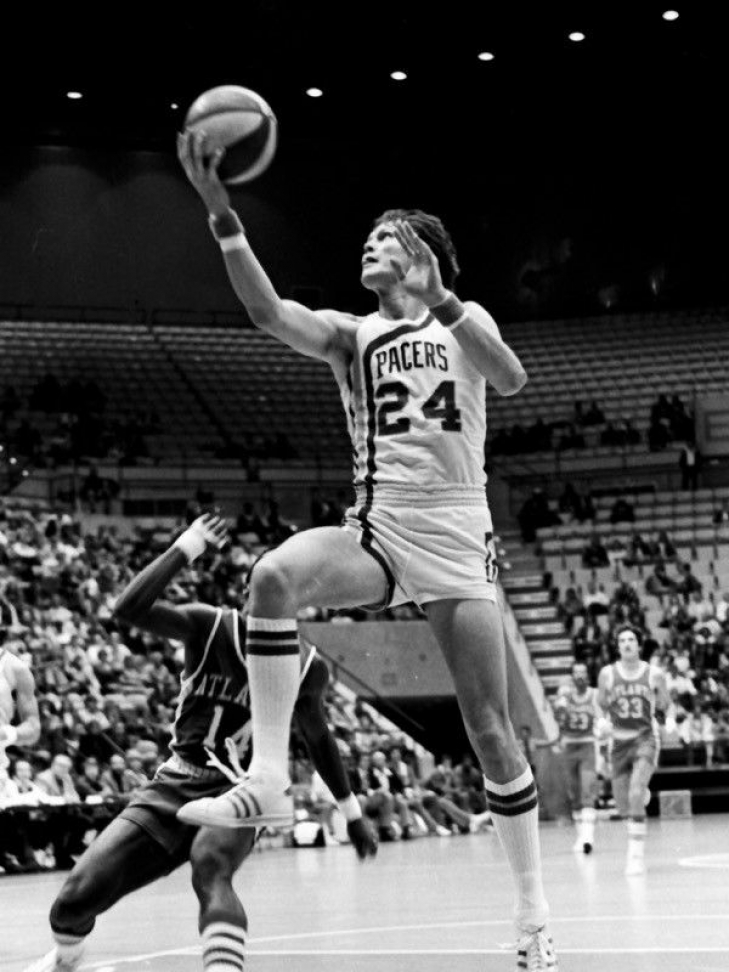
An original Indiana Pacer, Bob Netolicky, signed with the new team as opposed to the San Diego Rockets, who chose him in the Second Round.
18. Detlef Schrempf
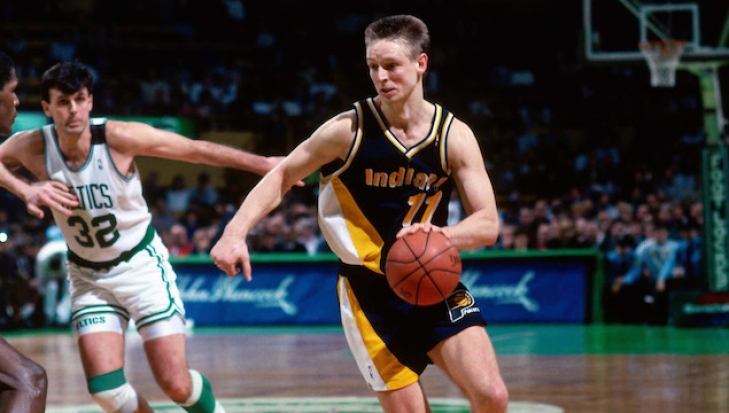
Detlef Schrempf will always be best remembered in the NBA as a Seattle SuperSonic, but his American stardom really began in the state of Indiana.
8. Paul George

While Paul George may have had better seasons after he left Indiana, it can’t be forgotten that he cut his teeth as a Pacer and developed his All-Star form there. The blunt truth is that he became one hell of a player in Basketball's Heartland.
5. Billy Knight
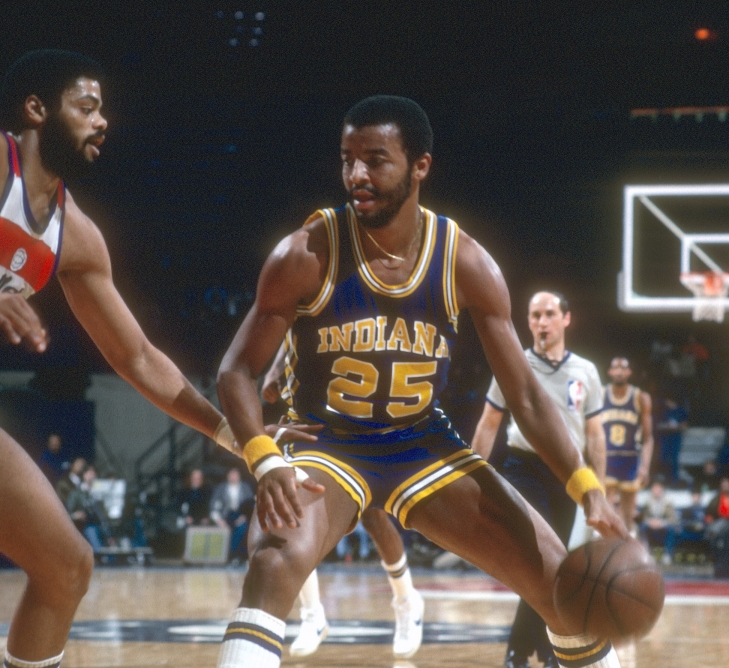
The Los Angeles Lakers drafted Billy Knight, but the Indiana Pacers of the ABA also chose him. It was the latter where he elected to sign. He would immediately become the starting Small Forward, where he would make All-Rookie honors with a Points per Game Average of 17.1. He followed that up with the best season of his life, increasing his Points per Game Average by double digits (28.1) and averaging a double-double with 10.1 boards. This was the last season of the American Basketball Association, and he exited with a bang with an All-Star Game and First Team All-ABA nod.
4. Roger Brown
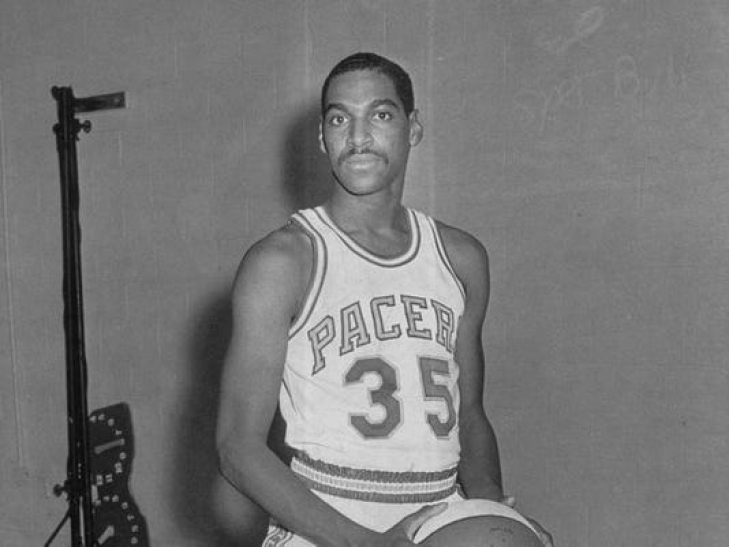
Roger Brown has one of the unique stories in the Basketball Hall of Fame, especially considering that at one time, he was banned from both the NCAA and NBA.
3. George McGinnis
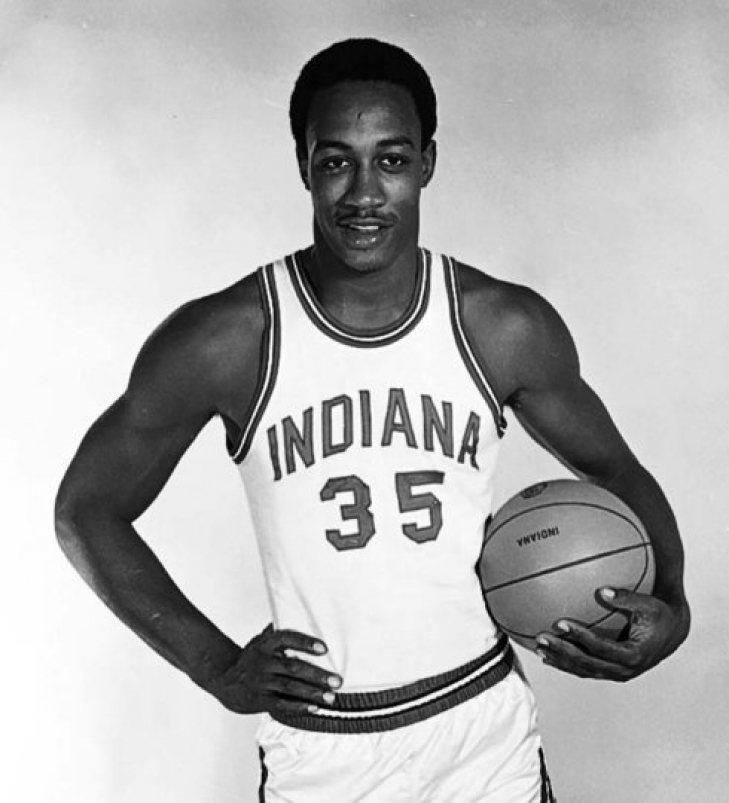
After playing one year at the University of Indiana, George McGinnis would sign with the ABA's Indiana Pacers, who would sign underclassmen, whereas the NBA did not at the time. The "Baby Bull" had a good rookie season where the Power Forward was a starter on the Pacers' 1972 Championship Team, but it was, but in 1972-73 he would go to his first of three straight ABA All-Star Games while averaging 27.6 Points per Game and was the Playoff MVP on Indiana’s 1973 repeat win.
2. Mel Daniels
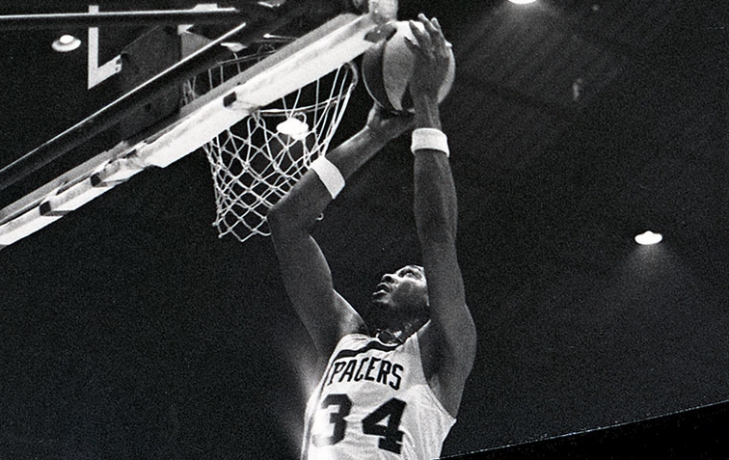
Mel Daniels was drafted ninth overall by the Cincinnati Royals in 1967, but the Minnesota Muskies of the American Basketball Association also chose him and offered him more money to sign. As a rookie, Daniels was a dominating player, winning the Rookie of the Year award, but the Muskies (like so many in the ABA) had financial problems, and he was shipped off to the Indiana Pacers for $75,000.
Daniels would cement himself as the best Center in the ABA over the next few seasons, winning the MVP Award in 1969 and 1971 and having three straight years as a First Team All-ABA Selection. He was the anchor of an elite Pacers team that would win the ABA Championship in 1970, 1972 & 1973. In terms of his individual stats, Daniels was the Rebounding Champion twice, averaging an even 16.0 as a Pacer. He also scored well with 19.4 PPG and a PER of 20.1. His days with Indiana ended when he was traded to the Memphis Sounds after the 1973/74 Season, but he ensured that three banners would forever be hung in Indianapolis.
Daniels was inducted into the Naismith Memorial Basketball Hall of Fame in 2012, and his #34 was retired by the team in 1985.1. Reggie Miller
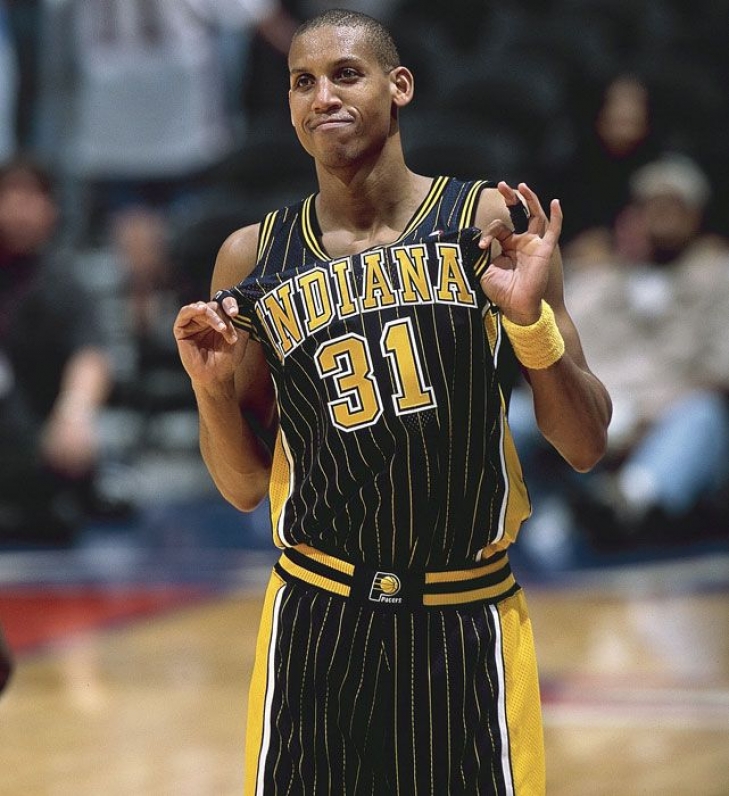
It's so strange to think about this now, but when the Pacers chose Reggie Miller with the 11th Overall Pick in 1987, Indiana’s fans were upset that they bypassed local star Steve Alford. It didn’t take them long to get over that frustration, as Miller would emerge as one of the greatest shooters the court has ever seen.
136. Danny Granger
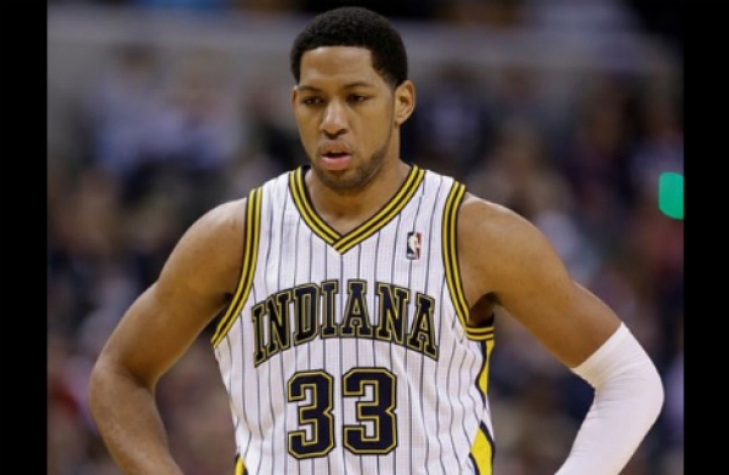
Drafted by the Indiana Pacers in 2005 off of a solid collegiate run with both Bradley and New Mexico, Danny Granger would have three seasons in the National Basketball Association where he exceeded 20 Points per Game, and two of them had a PPG over 24. The Small Forward holds the distinction of being the only player in NBA history to grow his PPG by 5 or more annually three years in a row. He would be named an All Star in 2009 while also being named the NBA’s most Improved Player of the Year.
RIP: Mel Daniels
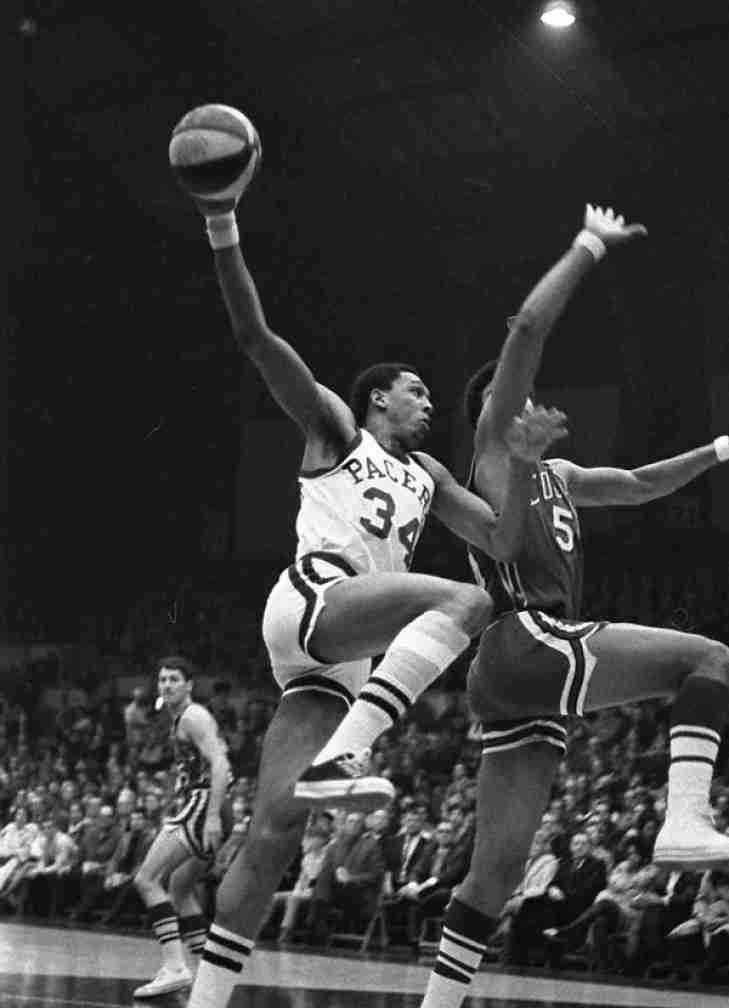
Daniels starred collegiately for the New Mexico Lobos and was drafted ninth overall in 1967 by the Cincinnati Royals but opted to go to the Minnesota Muskies in the upstart American Basketball Association, where he was also drafted. Daniels was the ABA Rookie of the Year, but business in the Twin Cities was not good and the team moved to Florida and sold the contact to Daniels to the Indiana Pacers.
He would become the rock of a team that would win the ABA Championship in 1970, 1972 and 1973 and would also be named the ABA Most Valuable Player twice. The Center would also lead the league in Rebounds three times. Following the ABA-NBA merger, Daniels would play a season with the New Jersey Nets.
We here at Notinhalloffame.com would like to extend our condolences to the friends and family of Mel Daniels at this time.
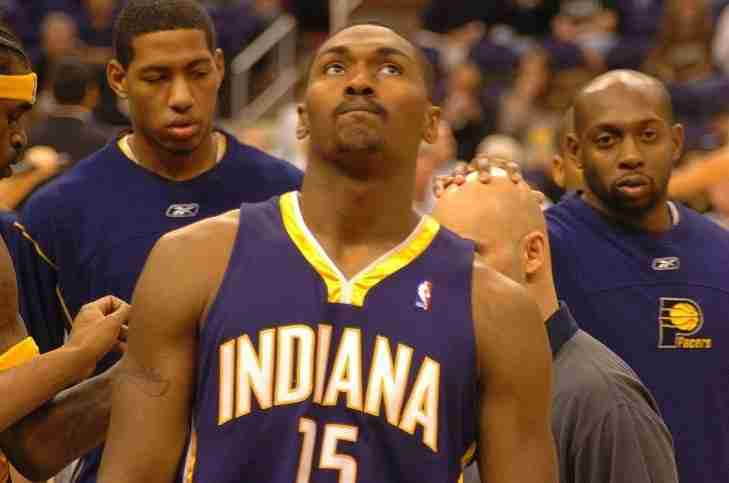
127. Metta Sandiford-Peace (Ron Artest)