


Site Admin
12. Mark Buehrle
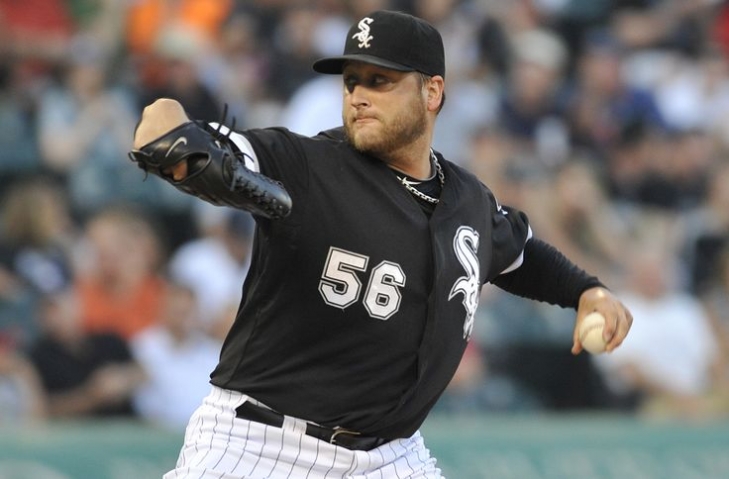
When Mark Buehrle was drafted in the 38th round in 1998, nobody expected him to become the cornerstone of a championship rotation. He arrived in the majors in 2000 as a soft-tossing southpaw with a pace of play that felt like he had a dinner reservation he was running late for. By 2001, he had already surged into the upper echelon of American League starters, posting a 16-8 record and leading the league with a 1.066 WHIP. He didn't blow hitters away; he simply refused to let them get comfortable, relying on pinpoint finesse and a competitive rhythm that got batters to hit themselves out before they could even adjust their batting gloves.
The peak of his Chicago residency arrived during the historic 2005 campaign. Buehrle was the undisputed ace of the staff, earning an All-Star nod and a fifth-place Cy Young finish, but his true legacy was forged in October. During the White Sox’s first World Series title run since 1917, Buehrle etched his name into the record books as the first pitcher to start a game and then earn a save in the very next one. It was a display of selfless versatility that mirrored his entire approach to the game—whatever the team needed, Buehrle delivered with a minimum of fuss and a maximum of results.
The middle years of his journey were characterized by a staggering, metronomic consistency. From 2001 to 2011, he was the model of durability, rattling off 11 consecutive seasons of at least 10 wins and over 200 innings pitched. He became the franchise’s ultimate "big game" hunter, tossing a no-hitter in 2007 and achieving baseball immortality with a perfect game in 2009. His value wasn't just in his arm, either; he was a defensive wizard on the mound, claiming three Gold Gloves in a White Sox uniform and turning the pitcher's mound into a fifth infielder's position.
His walk toward the exit came after the 2011 season, when he departed as a free agent to join the Miami Marlins. He left the South Side with 161 wins, a championship ring, and two of the most iconic pitching performances in the city's history. While his name continues to be debated on the national Hall of Fame ballot, his status in Chicago was never in doubt. The White Sox wasted little time in honoring his decade of excellence, hoisting his number 56 to the rafters in 2017. He arrived as a long-shot prospect and left as a permanent icon, the man who proved that the fastest way to franchise immortality was to never let the hitter breathe.
11. Wilbur Wood
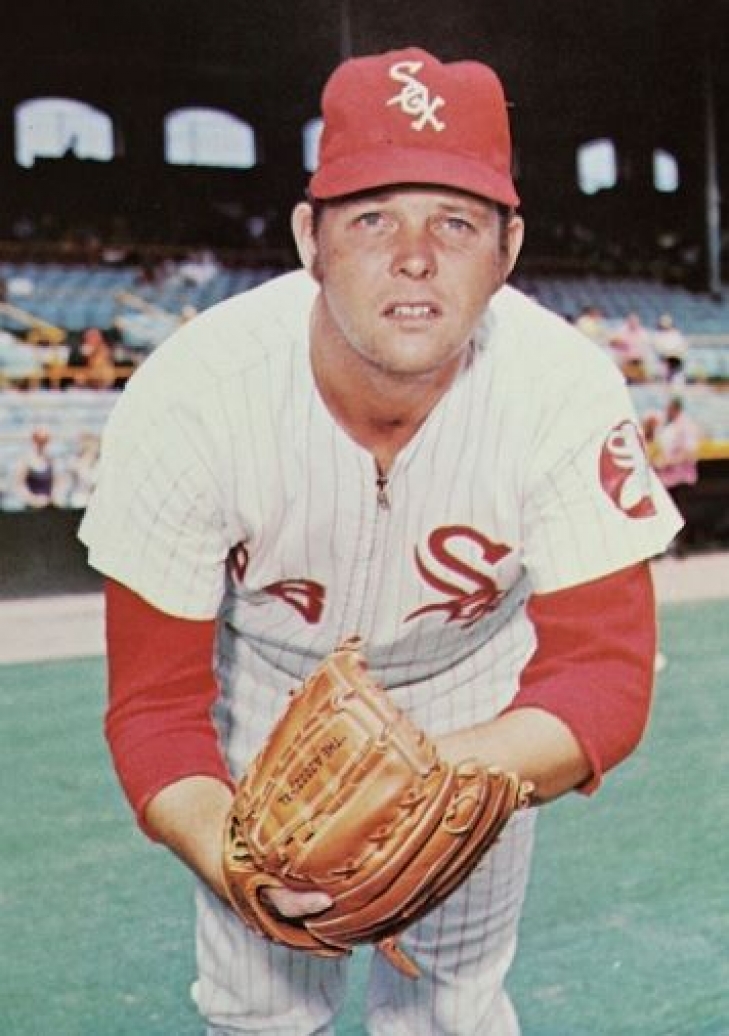
When Wilbur Wood was acquired from the Pittsburgh Pirates in 1966 for a player to be named later, the transaction barely registered as a footnote in the local papers. He arrived as a 25-year-old who had spent years oscillating between the majors and minors, unable to find a permanent home or a consistent out-pitch. However, the trajectory of his career changed forever when he crossed paths with the legendary Hoyt Wilhelm. Under Wilhelm’s tutelage, Wood fully committed to the knuckleball, a decision that would transform him from a roster afterthought into the busiest man in baseball.
His initial residency in Chicago was defined by a record-breaking stint in the bullpen. Starting in 1968, Wood became the league’s most frequent visitor to the mound, leading the American League in appearances for three consecutive seasons. In '68 alone, he set a then-Major League record by pitching in 88 games, proving that his knuckleball didn't just dance, it allowed him to throw nearly every other day without the typical wear and tear of a power pitcher. He was the ultimate safety net for the South Side pitching staff, a man who arrived as a specialist and left the bullpen as a statistical outlier.
The middle chapter of Wood’s tenure saw a daring transition as the White Sox moved their relief ace into the starting rotation in 1971. The results were immediate and historic. Over the next four years, Wood embarked on a run of durability that feels like a relic from the Deadball Era. He rattled off four consecutive 20-win seasons, twice leading the league in victories with 24. In 1972 and 1973, he eclipsed 350 innings pitched in each campaign—numbers that are virtually extinct in the modern game. He was an All-Star fixture and a perennial Cy Young contender, peaking as the runner-up in 1972, serving as the stoic anchor for a franchise that relied on his ability to take the ball every three days.
The final walk toward the exit was dictated not by a fading arm, but by a freak accident. In May of 1976, a screaming line drive off the bat of Ron LeFlore shattered Wood’s kneecap, an injury that robbed him of the stability required to drive his signature pitch. While he showed immense grit by returning to the mound, the magic of the knuckleball had lost its edge. He retired after the 1978 season with 163 wins and over 2,500 innings in a White Sox uniform. He arrived as an anonymous trade piece and left as one of the most prolific hurlers in franchise history, the man who proved that a dancing pitch could carry an entire organization on its back.
The Buck Stops Here - Race and Sports
10. Eddie Cicotte
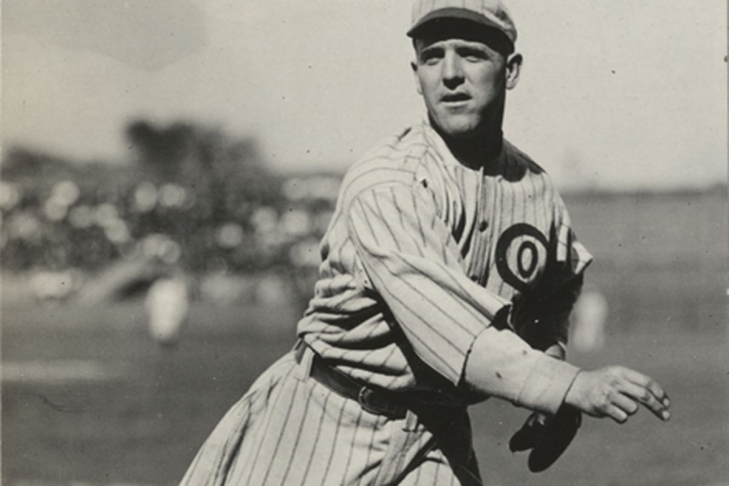
When Eddie Cicotte arrived in Chicago during the 1912 season, he was viewed as a talented but erratic castoff from the Boston Red Sox. Management in Boston had grown tired of his inconsistency, but the change of scenery provided the spark for one of the great pitching transformations of the Deadball Era. Cicotte became a true student of the craft, perfecting the knuckleball and later adding a "shine ball" and a spitball to a repertoire that kept hitters in a state of permanent confusion. By 1913, he was already emerging as a premier arm, posting a microscopic 1.58 ERA and proving that his Boston struggles were firmly in the rearview mirror.
The pinnacle of Cicotte’s journey arrived in 1917, when he reigned as the undisputed king of the American League. He spearheaded the White Sox’s march to a World Series title by leading the league in wins (28), ERA (1.53), and innings pitched (346.2). He was a metronome of efficiency, capping the year with a dominant performance in the Fall Classic against the Giants. At that moment, Cicotte was more than just a pitcher; he was the primary architect of a Chicago juggernaut that looked poised to dominate the decade.
However, the narrative took a dark, irreversible turn in 1919. Despite a spectacular regular season where he won 29 games and led the Sox back to the World Series, Cicotte became the first domino to fall in the Black Sox conspiracy. Driven by resentment toward owner Charles Comiskey's frugal salary practices, Cicotte famously took the mound in Game 1 and hit the leadoff batter, the signal to the gamblers that the fix was on. While he would actually pitch well in a Game 7 victory, his early-series performance and uncharacteristic fielding lapses in Game 4 helped seal the team's fate.
The final chapter was a brief, haunting coda. Cicotte returned in 1920 and pitched at an elite level, winning 21 games as if the scandal weren't looming over his head. But the reckoning arrived before the season could even conclude. Following his grand jury confession, Cicotte was banned for life from Major League Baseball, along with seven of his teammates. He left the South Side with 156 wins and a 2.25 ERA, statistics that would normally point toward Cooperstown but instead serve as a reminder of a legacy traded away. He arrived as a Red Sox castoff searching for a home and left as a ghost of the game, a master of deception who ultimately fooled no one but himself.