


Site Admin
27. George Davis
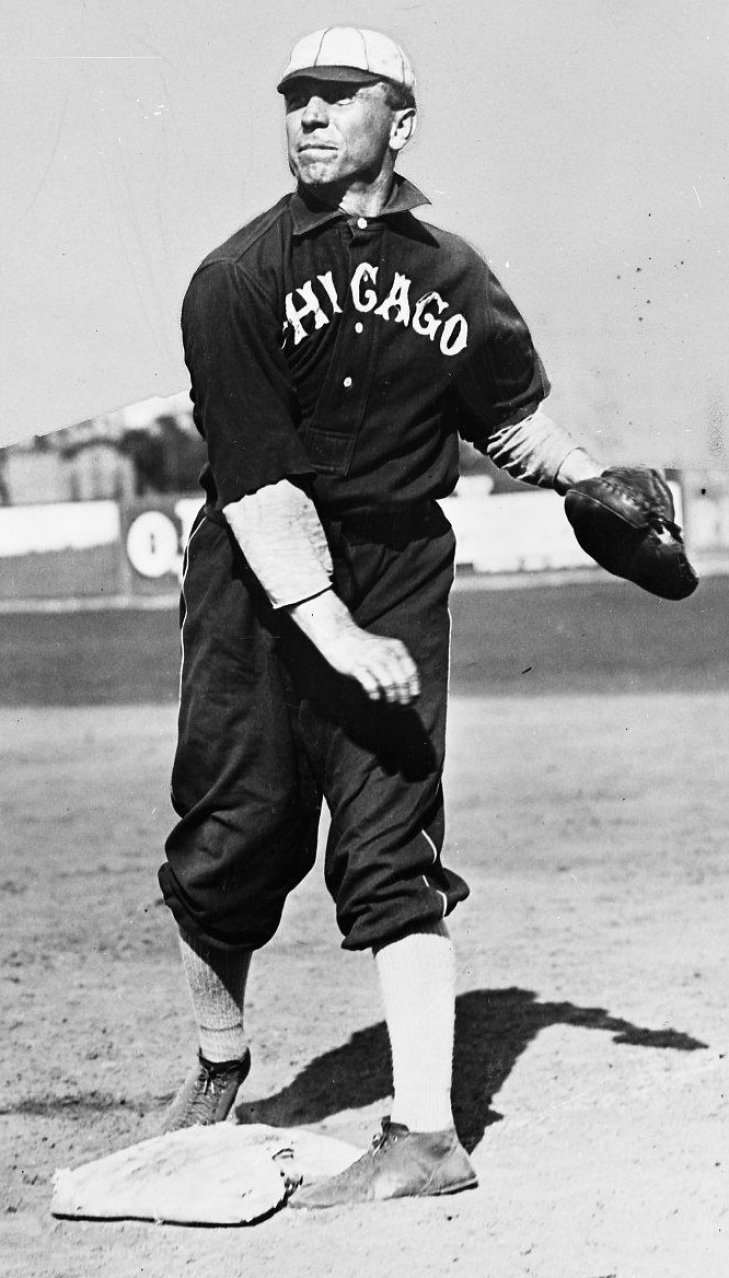
The landscape of professional baseball shifted in 1902 when Davis jumped from the Giants to the White Sox, seeking the superior paydays of the new American League. He matured instantly into the centerpiece of the Chicago lineup, batting .299 and driving in 93 runs during his debut season. However, his tenure was interrupted by a bizarre 1903 campaign, marked by legal battles and league-jumping disputes, which forced him to sit out most of the year. He returned to the South Side once the peace agreement between the leagues was brokered, providing the "Franchise Identity" of a battle-tested leader who was ready to anchor a burgeoning dynasty.
Defensive excellence became the hallmark of his second act in Chicago. While his offensive output naturally declined from his younger days in New York, Davis reinvented himself as a vacuum at shortstop, providing a level of glovework in the field that few could replicate. He led the American League in defensive bWAR in both 1904 and 1905, following those campaigns with top-three finishes in the two years that followed. This run prevention was the primary engine for the 1906 squad, as Davis’s glove and veteran poise guided the "Hitless Wonders" to a massive upset over the Cubs in the World Series.
Reliability in the field was paired with a steady, if diminished, presence at the plate. From 1904 to 1906, he remained a modest hitting threat by generating at least 134 hits per year, serving as a high-leverage stabilizer for a team that prioritized pitching and defense above all else. He concluded his Chicago residency with 785 hits and a staggering 15.2 defensive bWAR, a volume of defensive production that underscored his status as the best all-around shortstop of the decade. He wasn't just a part of the rotation; he was the glue that held the infield together during the most successful era in the franchise's early history.
The final seasons of his career saw him provide a veteran bridge for the next generation of White Sox talent before he retired following the 1909 campaign. He left the city as a world champion and a pioneer of the shortstop position, a man who proved that a great ballplayer can adapt his game to meet his team's needs.
Recognition for his historic career arrived in 1998, when the Veterans Committee elected Davis to the Baseball Hall of Fame. It was a long-overdue tribute to a man who arrived as a superstar and left as the defensive architect of a champion.
23. Harold Baines
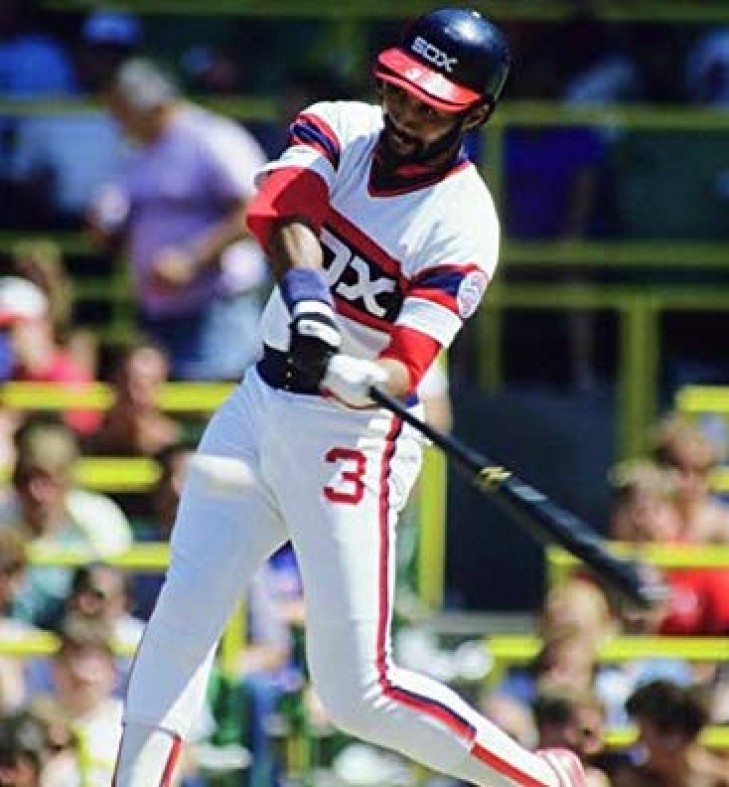
When Harold Baines arrived in Chicago in 1980, the expectations were sky-high for the former number-one overall pick. He didn't disappoint. By 1982, he had settled into a rhythm that would define his residency: a calm, left-handed stroke that produced line drives with relentless frequency. He arrived as a "can't-miss" prospect and quickly matured into the most reliable offensive engine in the White Sox lineup. He wasn't the type to provide vocal fireworks in the clubhouse, but his bat provided all the thunder necessary, beginning a streak of six consecutive seasons with at least 20 home runs.
The peak of his initial tenure in Chicago was a showcase of sweet hitting in the middle of the 1980s. From 1984 to 1987, Baines was a fixture in the All-Star Game and a terror for American League pitchers, twice eclipsing the 100-RBI plateau and posting back-to-back .300 batting average seasons. Baineswas rooted in his ability to deliver in the clutch; he was the tactical heart of the 1983 "Winning Ugly" division champions. While he eventually transitioned fully to the designated hitter role to preserve his knees, his value remained elite, underscoring his mettle as a pure hitter.
The middle chapter of his journey was nomadic, marked by a series of high-profile trades that saw him depart and return to Chicago like a favorite son. After being dealt to Texas in 1989, a move so unpopular it famously led to his jersey being retired while he was still an active player, Baines made a triumphant return in 1996. He picked up exactly where he left off, batting .311 with 22 home runs and reminding the South Side faithful why he was the gold standard for the franchise. Even a brief final stint with Baltimore and Cleveland couldn't keep him away, and he ultimately returned to finish his career where it all began.
His final walk toward the exit came in 2001, concluding a three-stint Chicago career that saw him tally 1,773 hits, 221 home runs, and 981 RBIs for the club. He was a player defined by his work ethic and consistency rather than flashy highlights. While his defensive metrics were a non-factor, his 2,866 career hits league-wide eventually earned him a place in Cooperstown, a nod to the decades of professional hitting he provided.
Harold Baines entered the Baseball Hall of Fame in 2019, and his #3 was retired by the team.
22. Carlton Fisk
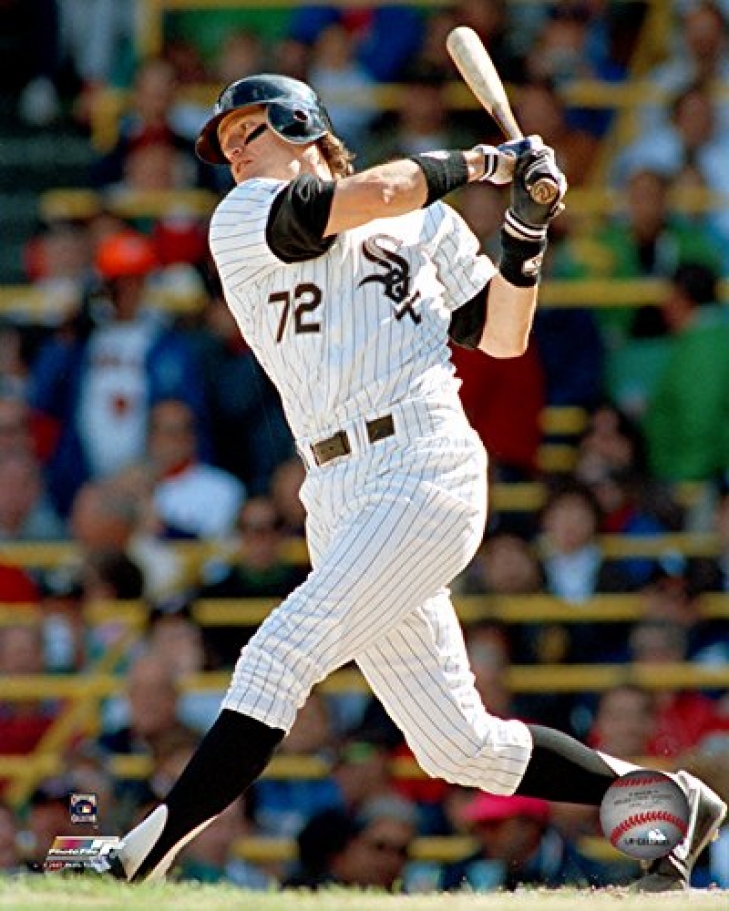
When Carlton Fisk arrived in Chicago in 1981, he was already 33 years old, an age at which most catchers are contemplating their retirement plans. Instead, Fisk signaled a fresh start by flipping his jersey number and asserting himself as the veteran gravity for a developing White Sox roster. He didn't just ease into the twilight of his career; he exploded into it, earning All-Star nods in his first two seasons. By 1983, he was the primary engine for the "Winning Ugly" squad that captured the AL West, finishing third in the MVP race with a blend of tactical leadership and a .289 average that proved his bat was as sharp as his legendary game-calling.
The middle chapter of his Chicago residency was a remarkable display of late-career power. In 1985, at the age of 37, Fisk posted some of the most staggering offensive metrics of his life, blasting 37 home runs and driving in 107 runs. He was a statistical outlier, a catcher who seemed to gain strength as the years piled up. FIskwas rooted in his ability to maintain elite production at a grueling position well past the point of physical reason. Even as he crossed into his 40s, he remained a legitimate threat, rattling off back-to-back 18-home run seasons in 1990 and 1991. He wasn't just "playing for his age"; he was an All-Star at 43, a feat that few in the history of the sport have ever replicated.
His ChiSox was built on a foundation of intense professionalism and a famously prickly competitive streak. He was the field general who wouldn't tolerate a lack of effort from his pitchers or his teammates. However, the final walk toward the exit in 1993 was a jarring contrast to the dignity of his career. Released mid-road trip without warning, Fisk’s twelve-season residency ended with a lack of ceremony that left a bitter taste for both the player and the fans. Despite that exit, his 214 home runs and 1,259 hits in a White Sox uniform ensured he would never be seen as just a "Boston transplant."
Carlton Fisk was a second-ballot immortal in 2000, and the White Sox wasted no time in honoring his longevity, retiring his number 72 in 1997.
21. Ray Schalk
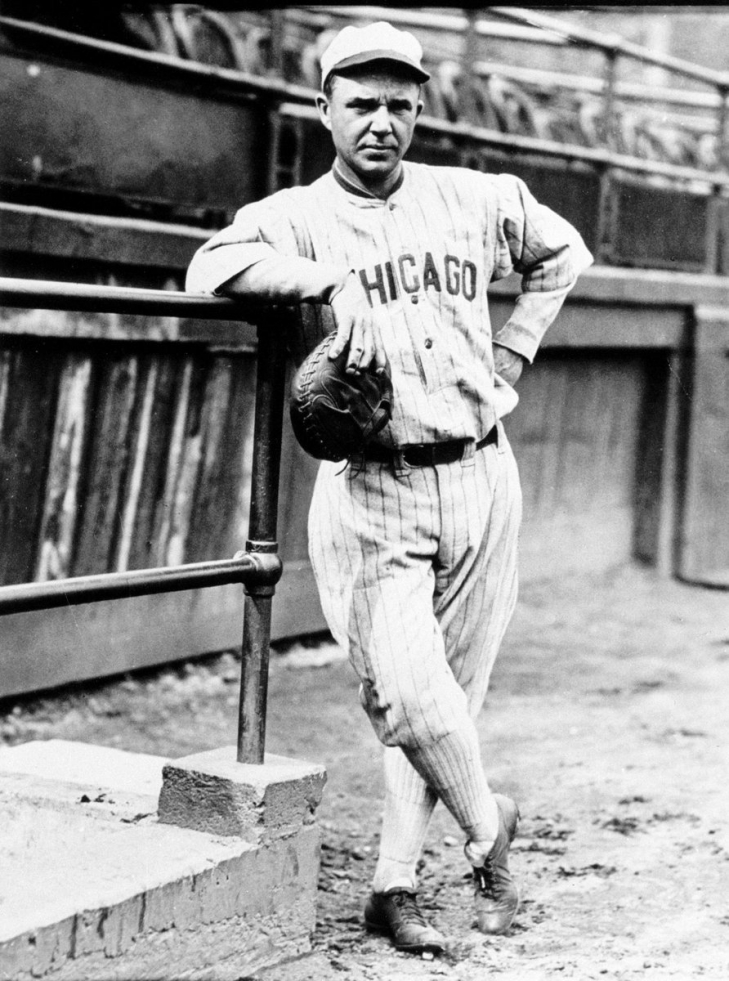
When Ray Schalk arrived in Chicago in 1912, the catcher's position was largely viewed as a stationary, grueling task of endurance. Schalk changed that narrative almost immediately. By 1913, he had secured the starting job, beginning a fifteen-season residency as the undisputed general of the White Sox infield. He didn't arrive with a thunderous bat, but he brought a level of defensive innovation that caught the league off guard. He was a pioneer of "active catching," famously becoming the first at his position to back up plays at first base and even third base, an athletic hustle that was revolutionary for the Deadball Era.
The peak of his career showcased skills that the box score alone struggles to capture. Schalk was a defensive titan who led the American League in Putouts nine times and Runners Caught Stealing on three occasions. His statistical outlier value reached its zenith in 1925 when he led the entire American League in defensive bWAR, not just among catchers, but across every position on the field. He was a five-time leader in fielding percentage, serving as the anchor for a pitching staff that relied on his cerebral game-calling and his lightning-quick release.
A defining chapter of his careerwas written during the darkest period in Chicago baseball history. During the 1919 "Black Sox" scandal, Schalk was one of the few players considered absolutely above reproach. His dedication to winning was so well-known that the conspirators didn't even dare approach him. He was the clean heart of a tainted era, a player who had already tasted championship glory in 1917 and refused to let the integrity of the game slip through his fingers. While his career average in Chicago sat at a quiet .254, his value was measured in the runs he prevented and the trust he inspired.
The final walk toward the exit for Schalk came after the 1928 season, following a tenure as a player-manager for the club. He left the South Side as a defensive legend, having caught more than 100 games in twelve different seasons, a staggering feat of durability for that era. His legacy was officially set in stone in 1955 when the Veterans Committee ushered him into Cooperstown, recognizing that his glove and his mind had influenced the game as much as any legendary slugger.
ittee.