

Our All Time Top 50 Boston Red Sox have been revised to reflect the 2025 Season

Yes, we know that this is taking a while!
As many of you know, we at Notinhalloffame.com are slowly generating the top 50 of each major North American sports team. That being said, we maintain and update our existing Top 50 lists annually. As such, we are delighted to present our pre-2026 revision of our top 50 Atlanta Braves.
As for all of our top 50 players in baseball, we look at the following:
1. Duration and Impact.
2. Traditional statistics and how they finished in the Major League Baseball.
3. Advanced Statistics.
4. Playoff performance.
5. Their respective legacy on the team.
6. How successful the team was when he was there.
7. Respecting the era in which they played.
Criteria 1-4 will make up the lion’s share of the algorithm. Please note that we have implemented this for the first time. This has changed the rankings all throughout the board.
Last year, the Red Sox struggled in the first half and, shockingly, traded their star, Rafael Devers, which led many to believe Boston had given up on the season. The reverse happened: the team had an excellent second half and made the playoffs with an 89-win season. Boston lost to the New York Yankees in the Wild Card, but it was a good year overall.
As always, we present our top five, which remain unchanged.
1. Ted Williams
2. Carl Yastrzemski
3. Roger Clemens
4. Wade Boggs
5. Cy Young
You can find the entire list here.
As indicated earlier, Devers was the only player who was active last year on the Red Sox roster. He moved up to #39 from #44.
We thank you for your continued support of our lists on Notinhalloffame.com.
16. Nomar Garciaparra

Nomar Garciaparra didn't just debut for the Red Sox; he ignited a revolution. Arriving in late 1996, he took over the starting shortstop role in 1997 and authored one of the most explosive rookie seasons in history. Nomar led the American League in Hits (209) and Triples (11) while launching 30 home runs, a then-record for a rookie shortstop. He was the unanimous AL Rookie of the Year, won a Silver Slugger, and finished eighth in MVP voting, immediately establishing himself as the face of the franchise.
If his rookie year was an introduction, his 1999 and 2000 campaigns were a masterclass. Garciaparra became the first right-handed hitter since DiMaggio to win back-to-back Batting Titles, hitting .357 in 1999 and a staggering .372 in 2000. During this peak, he was a fixture in the MVP top-ten, including a runner-up finish in 1998, where he reeled off 35 home runs and 122 RBIs. He became his era’s gold standard for "Positional Scarcity, producing elite, middle-of-the-order power from the most demanding position on the diamond.
Nomar was also defined by his incredible hand-eye coordination; he was notoriously difficult to strike out, fanning just 39 times in his .357-average season. A five-time All-Star in Boston, he was the heartbeat of the team that pushed the Yankees to the brink in the 1999 and 2003 ALCS. However, the legendary "Nomah" era ended in a complicated manner. Marred by a lingering Achilles injury and contract tension, he was traded in a blockbuster four-team deal at the 2004 deadline, a sacrifice that ultimately paved the way for the Red Sox to break their 86-year curse.
While it was painful for the fans to see their phenom depart just months before the championship, the trade was a strategic "Efficiency" move that brought in the defensive stability of Orlando Cabrera and Doug Mientkiewicz. Nomar left Boston with a massive .323 batting average, 178 home runs, and a .923 OPS over nine seasons. Though his career volume was hampered by the wrist and leg injuries that followed, his peak was so bright that he was a first-ballot induction into the Red Sox Hall of Fame in 2014.
Our All Time Top 50 Boston Red Sox have been updated to reflect the 2024 Season
Yes, we know that this is taking a while!
As many of you know, we at Notinhalloffame.com are slowly generating the top 50 of each major North American sports team. That being said, we have existing Top 50 lists and consistently look to update them when necessary and based on necessity. As such, we are delighted to present our post-2024 revision of our top 50 Boston Red Sox.
As for all of our top 50 players in baseball, we look at the following:
1. Advanced Statistics.
2. Traditional statistics and how they finished in the American League.
3. Playoff accomplishments.
4. Their overall impact on the team and other intangibles that are not reflected in a stat sheet.
Please note that our algorithm has changed, which yielded minor changes throughout the baseball lists.
Last year, the Red Sox finished with a disappointing .500 record and are on the rebuilding road. There are two new entries, one with an active player and one who re-enters based on the latest algorithm.
As always, we present our top five, which saw no changes.
1. Ted Williams
4. Wade Boggs
5. Cy Young
You can find the entire list here.
Three-time All-Star Rafael Devers, makes his debut at #46 and Billy Goodman is the returnee at #47.
We thank you for your continued support of our lists on Notinhalloffame.com.
39. Rafael Devers
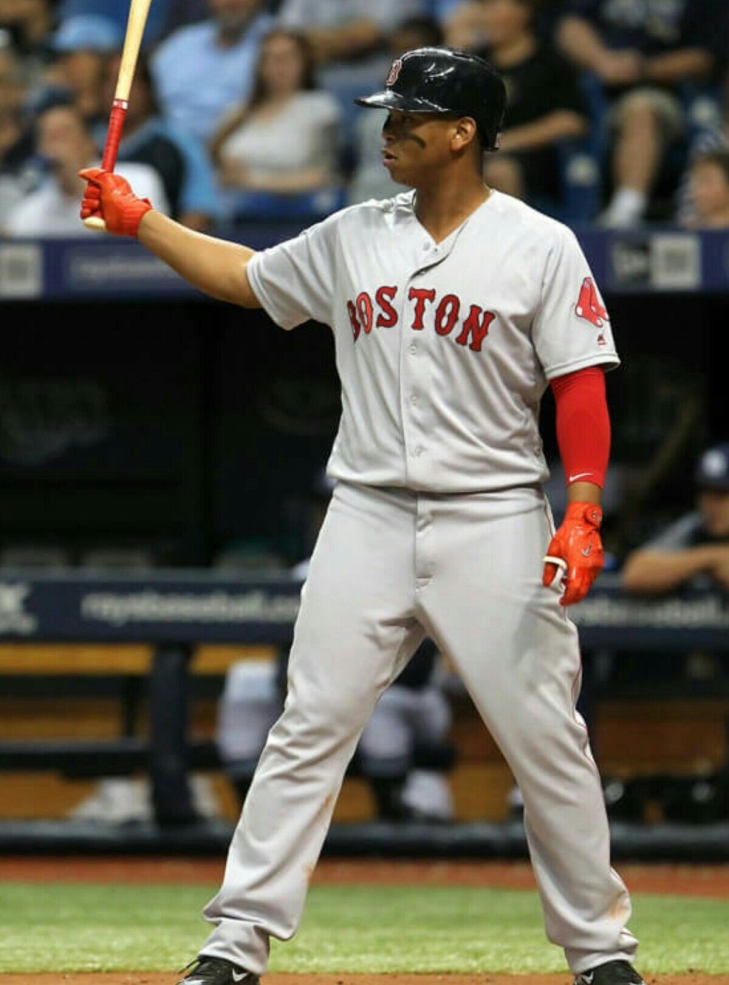
Rafael Devers’ ascent in Boston began as a spark for the 2018 World Series championship squad. While he was initially known for his youthful exuberance and occasional defensive growing pains, he quickly evolved into one of the most feared left-handed hitters in the game. In 2019, he batted .311 and led the American League with 54 doubles and 201 hits. This 90-extra-base-hit campaign signaled his arrival as the elite middle-of-the-order anchor the Red Sox had lacked since the retirement of David Ortiz.
From 2021 to 2024, he maintained a remarkable floor of at least 27 home runs and a .500 slugging percentage each year. He reached new heights during the 2024–2025 stretch, where he surpassed Red Sox legends like Mookie Betts and Tony Conigliaro on the franchise home run list before even turning 28. In mid-2025, he reached a massive milestone, launching his 200th career home run as a member of the Red Sox, joining Eddie Mathews and Manny Machado as the only third basemen to reach that mark at such a young age.
As good as Devers was, the whispers grew louder that he was unhappy. He refused to move positions, and though he was still producing, he was traded to the San Francisco Giants during the 2025 season. He left Boston with 215 home runs, 1,136 hits, and a stellar .279 batting average over nine seasons with three All-Stars, two Silver Sluggers, and a run of MVP votes.
RIP: Luis Tiant
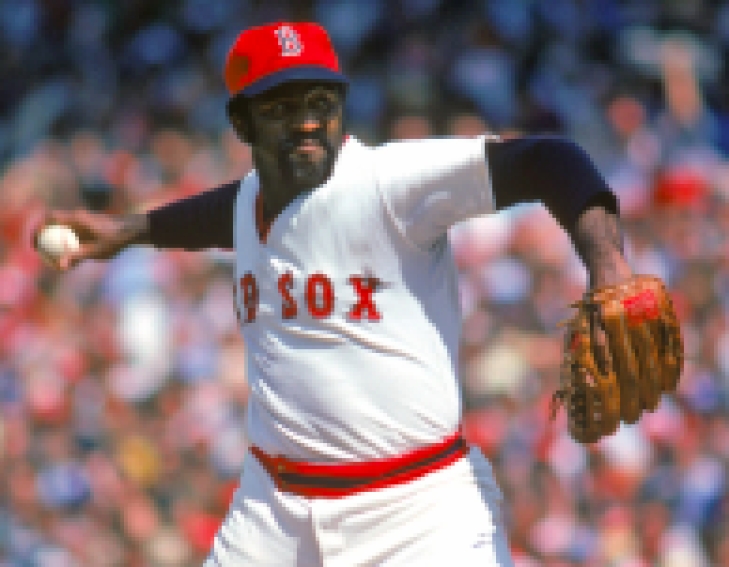
Baseball lost a great one today.
Former Boston Red Sox Pitcher Luis Tiant passed away at 83.
Beloved by his fans and teammates, Luis Tiant was born in Cuba in 1940. Tiant came to the United States in 1961 when the Cleveland Indians signed him. Due to the conflicts between the U.S. and Cuba that would arise a year later, Tiant would not be able to return home for years, but he was able to do what many Cuban baseball stars could do in the decades that followed: he became a star in Major League Baseball.
Tiant made it to the Indians in 1964, where he was a part of their starting rotation. He had his best year in baseball with Cleveland in 1968, where he went to his first All-Star Game, had a record of 21-9, and led the American League in ERA (1.60), Shutouts (9), ERA+ (186), FIP (2.04) and H/9 (5.2). He struggled the season after and was traded to Minnesota, where he was released after a poor year.
Tiant signed with Atlanta in a minor-league deal where he altered his pitching style to reclaim his past glory. The Red Sox traded for him, and he was called up but again continued to struggle, but he rebounded in spades in 1972, where he won his second ERA Title (1.91). Tiant won 20 Games the next two seasons, earning a second All-Star in 1974, and the year after, he was the ace on the Red Sox squad that won the American League Pennant.
He was an All-Star again in 1976 and later played for the New York Yankees, Pittsburgh Pirates, and California Angels. He finished his career with a record of 229-172 with 2,416 Strikeouts.
Tiant was on the Baseball Hall of Fame ballot for fifteen years, but could not make Cooperstown. He is, however, a member of the Boston Red Sox Hall of Fame.
We at Notinhalloffame.com would like to extend our condolences to Luis Tiant's fans, friends, and family.
124. Jon Lester
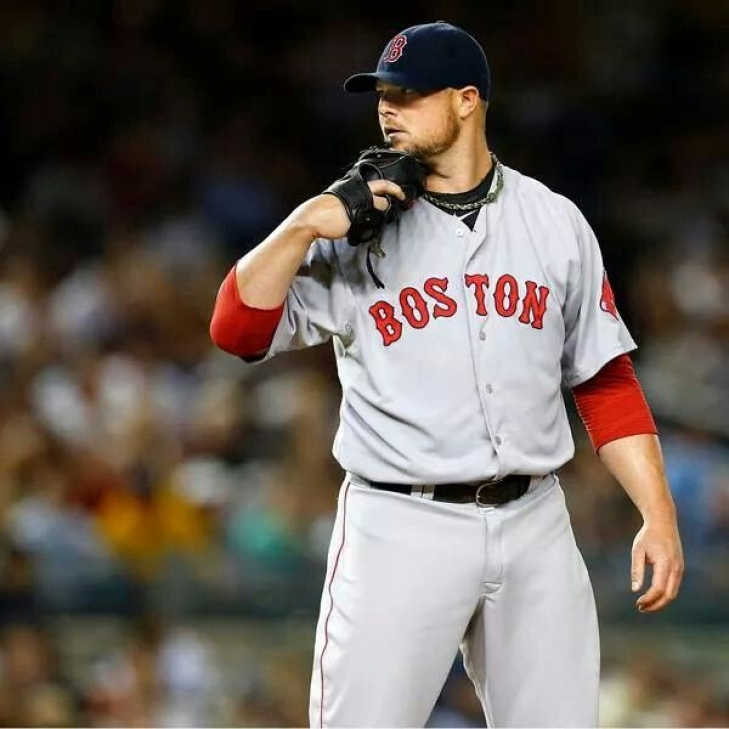
In the year 2000, the two most cursed franchises in baseball were the Chicago Cubs and Boston Red Sox. Given their history of bad luck, many believed it would be another hundred years before either of these big market teams won a championship. While Jon Lester did not break these curses (he wasn't in the Majors when Boston broke it in 2004), he played a significant role in two squads that had been struggling for decades.
Lester was a second-round pick by the BoSox in 2002 and joined the main roster in 2006. While he played well, he had enlarged lymph nodes that required off-season treatment. Fortunately, Lester recovered and returned to the Red Sox the following summer, where he gained a win in the 2007 World Series, his first championship. After that, Lester became a high-end starter.
In 2008 and 2009, Lester won a combined 31 games with 377 strikeouts. He went to his first All-Star game in 2010, led the AL in SO/9 (9.7), and was fourth in Cy Young voting. He struck out 225 batters, with a 3.25 ERA and a career-high 19 wins. He was an All-Star again in 2011 (15-9, 3.47 ERA) but slipped in 2012 (9-14, 4.82 ERA), which was cause for concern in Fenway.
However, in 2013, Lester rebounded and went 15-8. His postseason was phenomenal as he went 4-1, including two wins in the World Series with a 0.59 ERA. He went to the All-Star game again in 2014, but the struggling Red Sox traded him to the surging Athletics for their playoff run. Although Oakland did not get past the first round, Lester's overall season was his best in years, as he finished fourth in Cy Young voting with an overall performance of 16-11, 220 strikeouts, and a 2.46 ERA.
Lester became a free agent and signed with the Chicago Cubs. He had his ups and downs with the Cubs, but his up years were memorable. He won 19 games in 2016 with a 2.44 ERA and was again an All-Star. Most importantly, Lester led Chicago to their first World Series win in over a century, and he won the NLCS MVP and was named the Babe Ruth Award winner. He was an All-Star again in 2018 (his fifth), but he struggled afterward and retired after brief runs in Washington and St. Louis.
Lester retired with three World Series rings, an even 200 wins, and 2,488 strikeouts.
Our All-Time Top 50 Boston Red Sox have been revised to reflect the 2023 Season
Yes, we know that this is taking a while!
As many of you know, we here at Notinhalloffame.com are slowly generating the 50 of each major North American sports team. That being said, we have existing Top 50 lists out and we always consistently look to update them when we can and based on necessity. As such, we are very happy to present our post 2022/23 revision of our top 50 Boston Red Sox.
As for all of our top 50 players in hockey we look at the following:
1. Advanced Statistics.
2. Traditional statistics and how they finished in Major League Baseball.
3. Playoff accomplishments.
4. Their overall impact on the team and other intangibles not reflected in a stat sheet.
Last year, the Red Sox had a bad year, and there were no changes in the Top 50, but we did want to acknowledge that we took 2023 into account.
As always, we present our top five, which obviously did not change.:
1. Ted Williams
4. Wade Boggs
5. Cy Young
You can find the entire list here.
We welcome your input and comments and as always, we thank you for your support.
9. Jim Rice
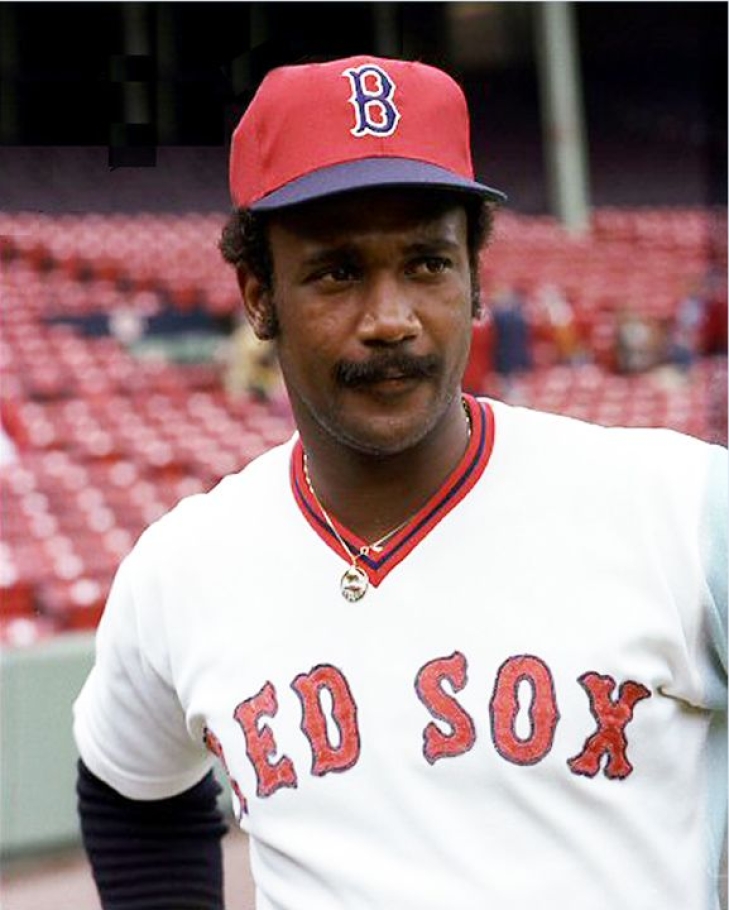
Jim Rice patrolled left field at Fenway Park for the entirety of his 16-season career (1974–1989), serving as the successor to the "Lifer" lineage established by Williams and Yastrzemski. Arriving in late 1974, Rice became a full-time fixture the following year, providing the middle-of-the-order muscle that propelled the Red Sox to the legendary 1975 World Series. From the moment he stepped into the box, Rice established himself as the most feared power hitter of his generation.
Rice’s peak from 1977 to 1979 remains one of the most productive three-year stretches in American League history. In his 1978 MVP campaign, he authored a season of the ages, leading the league in Home Runs (46), RBIs (139), Hits (213), and Triples (15), an incredible feat for a power hitter of his stature. He swept the efficiency metrics as well, topping the AL in Slugging (.600) and Total Bases (406), becoming the first AL player to eclipse 400 total bases in 41 years.
The "Sultan of the Fens" remained a premier threat well into the 1980s. He secured his third Home Run Title in 1983 with 39 blasts and his second RBI crown with 126, finishing fourth in the MVP race. An eight-time All-Star and two-time Silver Slugger, Rice’s consistency was his hallmark; even in 1986, he provided the veteran leadership and production (.324 average and 20 HRs) necessary to lead Boston back to the World Series, finishing third in the MVP voting that season.
Rice concluded his career in 1989 with a résumé that defined an era of Boston baseball. He amassed 382 home runs, 1,451 RBIs, and a lifetime .854 OPS. While his path to Cooperstown famously required the full 15-year eligibility window, the Red Sox organization never wavered in its recognition of his greatness. He was inducted into the Red Sox Hall of Fame in 1995, and his Number 14 was officially retired in 2009.
The Boston Red Sox to induct three new names to their Hall of Fame
Regular visitors of Notinhalloffame.com know that we are slowly working on the top 50 of every major team in the NHL, NBA, NFL and MLB. Once that is done, we intend to look at how each team honor their past players, coaches and executives. As such, it is important to us that the
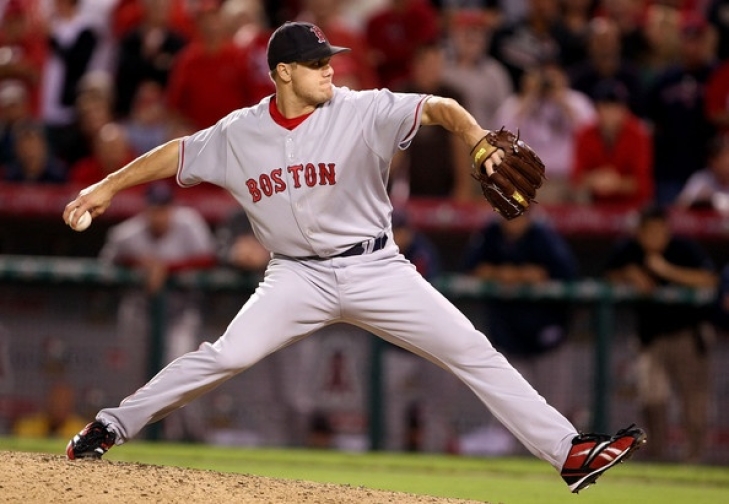
Boston Red Sox have announced that three new former players; Dustin Pedroia, Jonathan Papelbon and Trot Nixon will be inducted into their franchise Hall of Fame as the Class of 2024.
Pedroia played his entire career in Boston where he was the 2007 AL Rookie of the Year, 2008 AL MVP and was a four-time All-Star. He won two World Series Rings and smacked 1,805 Hits for the team.
Papelbon was a four-time All-Star in Boston and recorded 219 Saves for the team. He was also their closer in their 2007 World Series Championship.
Nixon was a member of the 2004 Word Series Championship Team and played ten years with Boston. He had 912 Hits and 133 Home Runs for the Red Sox.
We here at Notinhalloffame.com would like to congratulate the impending members of the Boston Red Sox Hall of Fame.
Joe Castiglione named the 2024 Ford C. Frick Winner
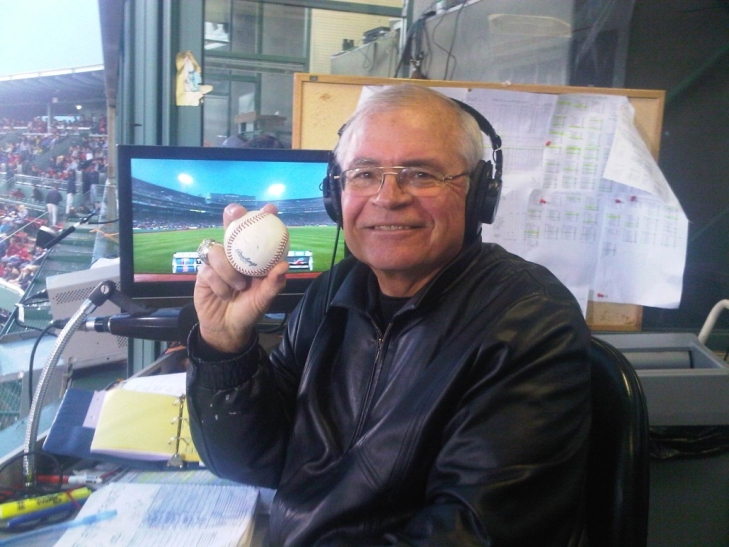
The Baseball Hall of Fame just announced that Boston Red Sox announcer, Joe Castiglione won the Ford C. Frick Award, meaning that he is now a member of the Baseball Hall of Fame.
Beginning his sports broadcasting career in Cleveland in 1978, where he called games for the Cleveland Indians and Cleveland Cavaliers, but would depart for Boston in 1983, and would become their lead announcer in 1992. He broadcast multiple World Series Titles in Boston, and for the local fans, became the voice of their renaissance.
We here at Notinhllloffame.com would like to congratulate Joe Castiglione for his impending honor.
Our All-Time Top 50 Boston Red Sox Have Been Updated to reflect the 2022 Season
Yes, we know that this is taking a while!
As many of you know, we here at Notinhalloffame.com are slowly generating the 50 of each major North American sports team. That being said, we have existing Top 50 lists out and we always consistently look to update them when we can and based on necessity. As such, we are very happy to present our post 2022 revision of our top 50 Boston Red Sox.
As for all of our top 50 players in baseball we look at the following:
1. Advanced Statistics.
2. Traditional statistics and how they finished in the American League.
3. Playoff accomplishments.
4. Their overall impact on the team and other intangibles not reflected in a stat sheet.
Last year, the Red Sox had one of their worst seasons in years, and there were no new entrants, with only one elevation.
As always, we present our top five, which had no changes.
1. Ted Williams
2. Carl Yastrzemski
4. Wade Boggs
5. Cy Young
You can find the entire list here.
The only change came from the now San Diego Padre, Xander Bogaerts, who jumped to #21 from #29 off his fourth (and final) All-Star with Boston.
We welcome your input and comments and as always, we thank you for your support.
Our All-Time Top 50 Boston Red Sox have been revised to reflect the 2021 Season
Yes, we know that this is taking a while!
As many of you know, we here at Notinhalloffame.com are slowly generating the 50 of each major North American sports team. That being said, we have existing Top 50 lists out and we always consistently look to update them when we can and based on necessity. As such, we are very happy to present our pre-2022 revision of our top 50 Boston Red Sox.
As for all of our top 50 players in baseball we look at the following:
1. Advanced Statistics.
2. Traditional statistics and how they finished in the American League.
3. Playoff accomplishments.
4. Their overall impact on the team and other intangibles not reflected in a stat sheet.
Boston made it to ALCS where they lost to the Houston Astros, and they are again loaded in 2022. No new players entered our Top 50, and there is only one active player on the team who rose based on his 2021.
As always, we present our top five, though there were no changes.
1. Ted Williams
4. Wade Boggs
5. Cy Young
You can find the entire list here.
Current Red Sox Infielder, Xander Bogaerts, climbed to #29 from #42.
We welcome your input and comments and as always, we thank you for your support.
71. Dustin Pedroia
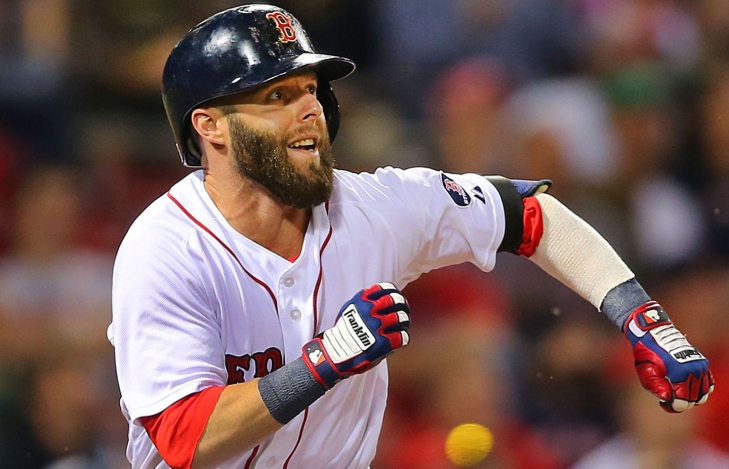
Dustin Pedroia debuted in 2006 with the Red Sox two seasons after being drafted in the second round, and it did not take him long to prove that he belonged in the upper tier of American League players.
Playing at Second Base, Pedroia was still considered a rookie in 2007, and he would win the Rookie of the Year award with a .317 Batting Average and 165 Hits. That season, he helped the BoSox win the World Series, cementing Pedroia as a nationally known baseball star. Pedroia had an even better 2008, winning the AL MVP, leading the league in Runs Scored (118), Hits (213), Doubles (54), and was an All-Star, Silver Slugger, and Gold Glove winner. That was Pedroia’s best year, but he was far from done.
The infielder had three more .300 seasons and won three more Gold Gloves. For a small-in-stature baseball player, he had good power, with five 15-home-run seasons, and he also stole 20 bases four times. Pedroia was considered one of the dugout leaders and won two more World Series Rings (2013 & 2018).
A knee injury in 2017 cut short his career, as he was only able to play a combined 9 games in 2018 and 2019. He retired after sitting out the 2020 Season, with 1,805 Hits and a .299 Batting Average. The impact that Pedroia had in Boston will always be undeniable.
RIP: Jerry Remy
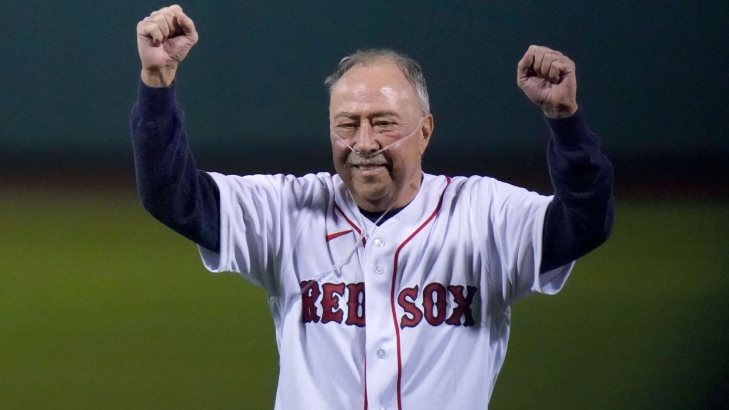
One of the most beloved figures in Boston baseball passed away today as Jerry Remy succumbed to cancer at age 68.
Remy began his playing career with the California Angels in 1975, and three years later he was traded to the Red Sox where he was an All-Star in 1978. He continued on at Second Base for Boston until 1984, collecting 802 Hits for Boston, but his association with the club lasted much longer than that.
He began broadcasting Red Sox games in 1988 for NESN, and his quirky demeanor propelled him to a higher level of fandom than he had as a player. Remy had battled cancer three times before, and announced on August 4 this year that it had returned for a fourth time. His last public appearance was before the Yankees/Red Sox Wild Card Game.
We here at Notinhalloffame.com would like to extend our condolences to the fans, friends and family of Jerry Remy.
256. George Scott
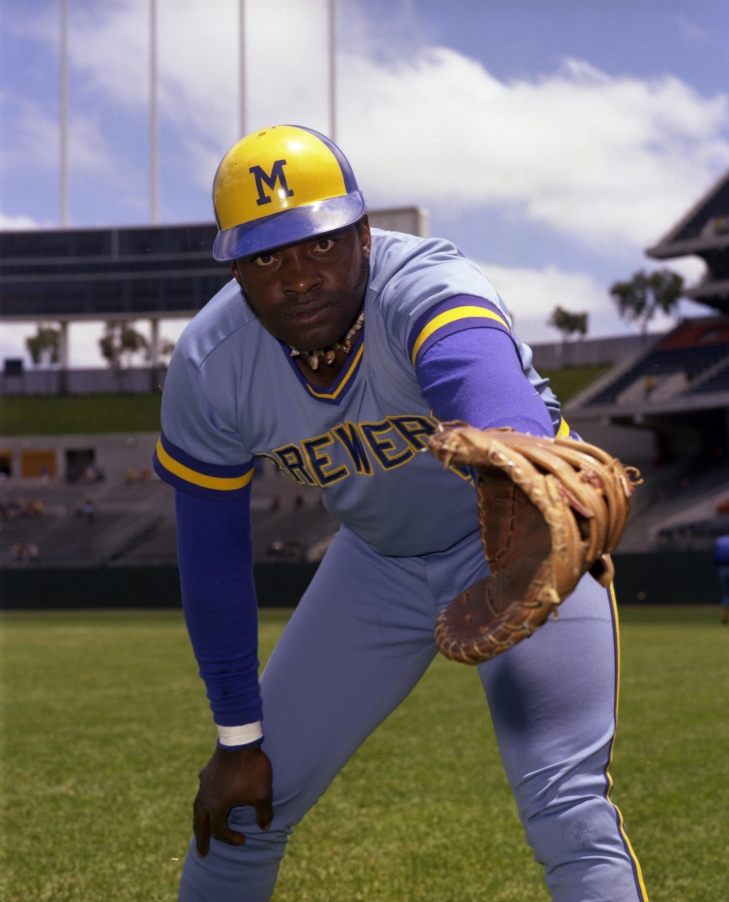
It was a very good start for George Scott in the Majors, where as a rookie, he was named to the All-Star Team and was third in 1966 Rookie of the Year voting. Playing at First Base for the Boston Red Sox, Scott had an above-average glove, and he was a decent power hitter, and “Boomer” became a fan-favorite at Fenway.
295. Larry Gardner
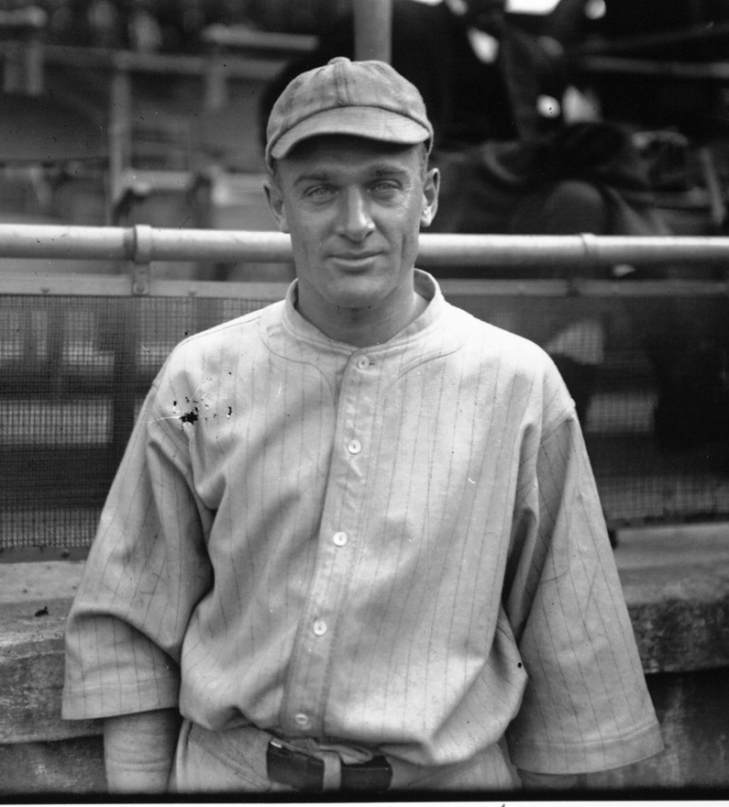
A native of Vermont, Larry Gardner broke into the Majors relatively close with the Boston Red Sox in 1908. Playing mostly at Third Base, Gardner was mainly known for his defensive abilities, finishing in Defensive bWAR seven times in the top ten. Gardner was Boston's Third Baseman for their three World Series Championship in the 1910s, and he would win a fourth World Series with the Cleveland Indians in 1920.
288. Dom DiMaggio
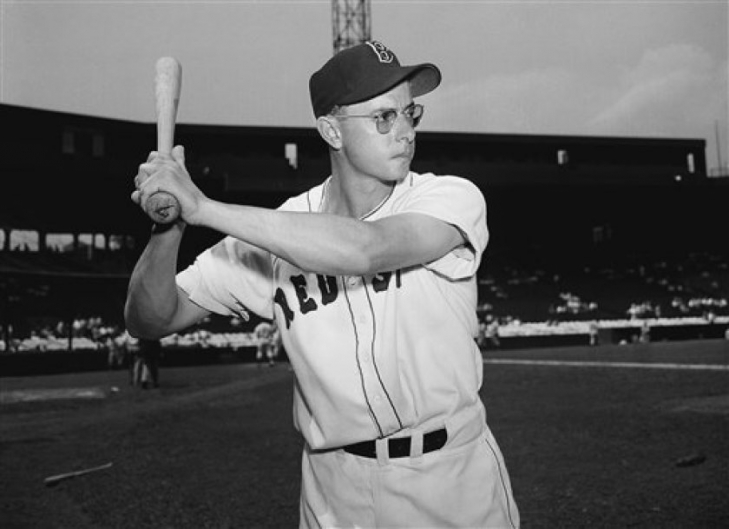
The younger brother of Baseball Hall of Famer and New York Yankees legend Joe DiMaggio, Dom DiMaggio, was quite the player in his own right.
186. Jesse Tannehill
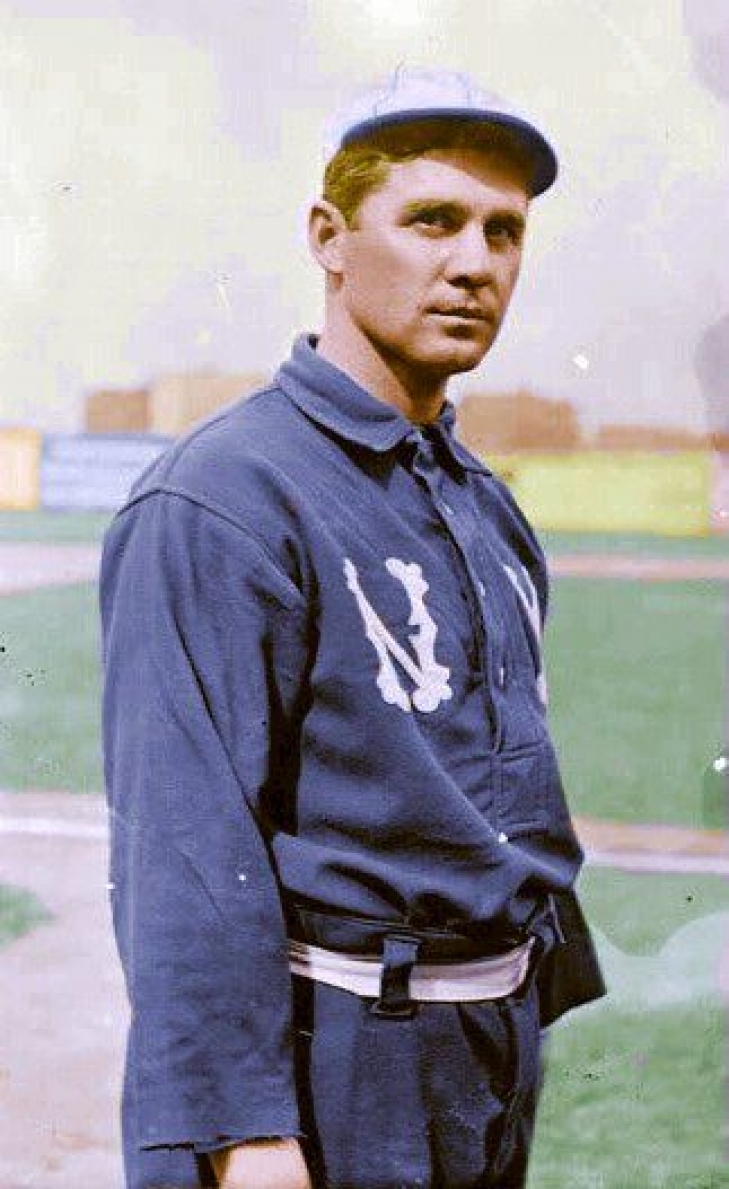
From the deadball era, Jesse Tannehill is one of the unsung pitchers from that time.
After appearing in five games for the Cincinnati Reds in 1894, he returned for good in 1897 with the Pittsburgh Pirates. The southpaw played for Pittsburgh for five seasons, winning at least 20 Games in four of them. In 1901, he "only" recorded the "W" 18 times, and he won the ERA Title (2.18). He was also the National League leader in FIP twice as a Pirate.
Tannehill later joined the Boston Americans, where he would have two 20-Win years. After a stint with the Washington Senators and one more with the Reds, he retired in 1911 with 197 Wins against 117 Losses.
166. Smokey Joe Wood
The story of Howard Ellsworth "Smoky Joe" Wood is typical in that we have a power pitcher who was dominant for a short time, only for arm fatigue to cause an early end of his pitching career (though he would continue to play, but we'll get to that later)
Wood debuted for the Red Sox as a teenager in 1908, and in 1910, he went 12-13 with a 1.69 ERA. The year after, he won 23 games and led the American League in FIP (2.13) and SO/9 (7.5), and he was viewed as one of the hardest throwers in baseball. 1912 would be his best season in the game, as he had a league-leading 34 wins against only 5 Losses. He also posted an ERA of 1.91 and a career-best WHIP of 1.015. That year, the Red Sox won the pennant and went on to win the World Series, where Wood went 3-1.
Wood remained an excellent pitcher over the next three seasons, but he did not bounce back as quickly and made only 64 appearances. He would win the ERA Title in 1915 (1.49) but was unable to play in the 1915 World Series, which Boston would win.
That was it for Wood in Boston, as he sat out 1916 and would never pitch for the Red Sox again. The Cleveland Indians would purchase his contract before the 1917 season.
It should be noted that Wood was an above-average hitting pitcher who batted .244 for Boston. Because he was such a good hitter, he was able to continue playing (albeit in Cleveland) until 1922, where he had 432 Hits for the Tribe.
133. Vern Stephens
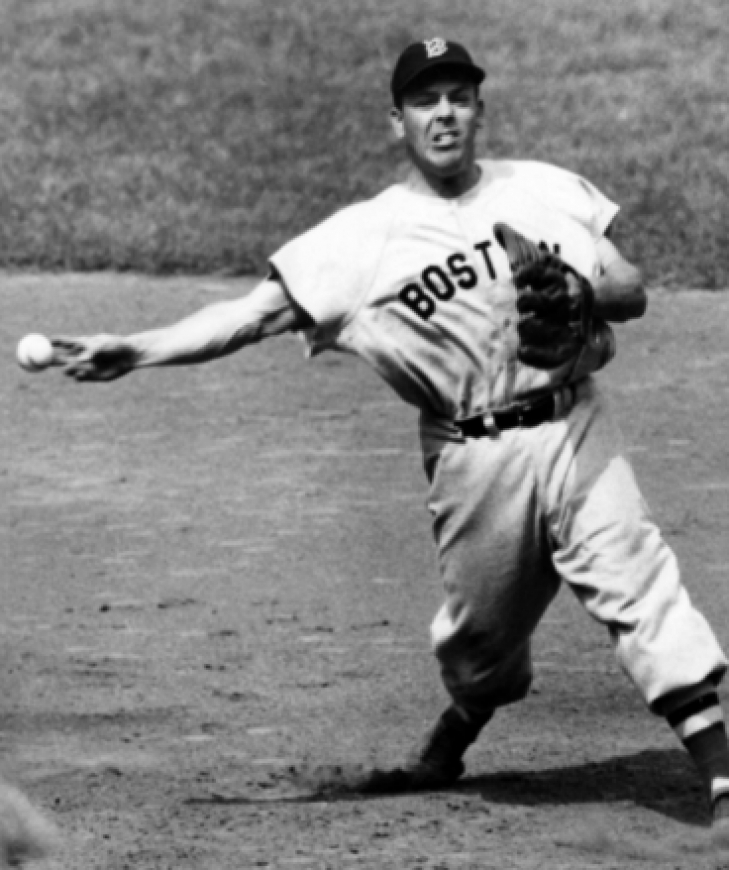
We here at Notinhalloffame.com talk every day about those who should be in their respective Halls of Fame. The hottest sports debate in this context might be in baseball. Vern Stephens might have a Hall of Fame case, but before we go there, we can say without question that he is the greatest player who never made the ballot.
Vern Stephens would debut in 1941 for the St. Louis Browns, where he would secure the starting role at Shortstop for the club in the following season. He would instantly establish himself as one of the best hitting Shortstops in baseball. He would have at least 20 Home Runs each year from 1943-45, and he would win the AL Home Run Title in 1945 and the RBI Title in 1944.
He would later join the Boston Red Sox in 1948, where he was an All-Star each year from 1948 to 1951; he had two 30-home-run seasons and led the AL in RBIs in both 1949 and 1950. He finished his career with the White Sox and Orioles and had 1,859 Hits with 274 Home Runs; great numbers for a Shortstop of his era.
Stephens may have had great seasons in the forgotten Browns and during the MLB-depleted WWII years, but he was still a great player. Again, we have an eight-time All-Star, who was never on the Baseball Hall of Fame ballot. How could this have happened? He would later make a Veteran’s Committee Ballot, but still, he deserved so much better.
