

 Not in Hall of Fame News
Yes, we know that this is taking a while! As many of…
 Not in Hall of Fame News
Yes, we know that this is taking a while! As many of…
 Not in Hall of Fame News
2002 SEMI-FINAL RESULTS: Thank you for your participation in the Pro Football…
 Not in Hall of Fame News
Yes, we know that this is taking a while! As many of…
 Not in Hall of Fame News
We are diligently working away at Notinhalloffame on revising our Football lists…
 Not in Hall of Fame News
We are diligently working away at Notinhalloffame on revising our Football lists…
 From the Desk of the Chairman
October baseball often turns individual pitching performances into lasting postseason memories. Strikeout…
 From the Desk of the Chairman
For decades, the sports debate ran on gut feeling. Barstool arguments, call-in…
 From the Desk of the Chairman
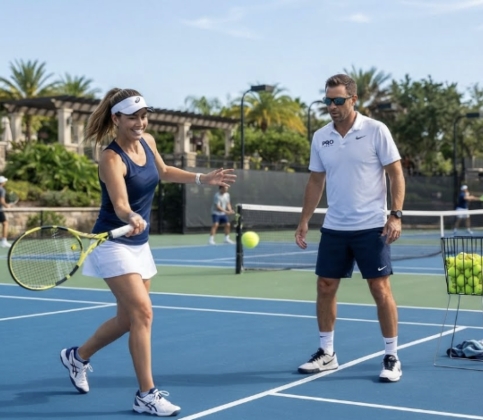
Introduction to Private Adult Tennis Camps in Prague Adult club players increasingly…
 From the Desk of the Chairman
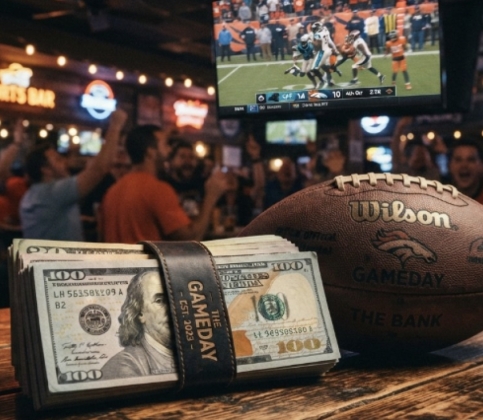
Unlike in the case of pre-match betting, where you have to pick…
 From the Desk of the Chairman
Kupu178 builds trust with people by using top-end end-to-end encryption. It checks…
 From the Desk of the Chairman
Sports fans thrive on calculating strategy, reading momentum, and maximizing every tactical…
100 Active Potential Football Hall of Famers
-
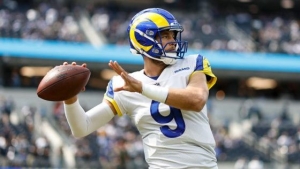 #9 Overall, Matthew Stafford, Los Angeles Rams, #3 Quarterback2025 Pre-Season Rank #26, 2024 Pre-Season Rank #31, 2023 Pre-Season Rank #37, 2022 Pre-Season Rank #37, 2021 Pre-Season Rank #59, 2020 Pre-Season Rank…in Quarterbacks
 -
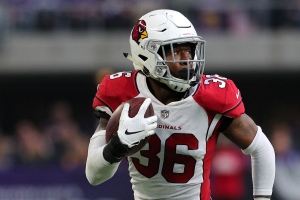 #24 Overall, Budda Baker, Arizona Cardinals, Free Safety, #1 Safety2025 Pre-Season Rank #28, 2024 Pre-Season Rank #43, 2023 Pre-Season Rank #78, 2022 Pre-Season Rank #86, 2021 Pre-Season Rank #113, 2020 Pre-Season Rank…in Safeties
 -
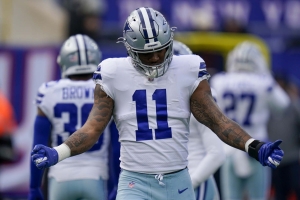 #29 Overall, Micah Parsons, Green Bay Packers, Linebacker, #10 Defensive Lineman/Linebacker: Pass Rusher2025 Pre-Season Rank #54, 2024 Pre-Season Rank #79, 2023: Pre-Season Rank #102. Peak Period: 2021-25 Here is what we wrote about Micah Parsons…
 -
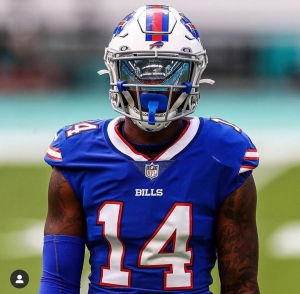 #43 Overall, Stefon Diggs, Washington Commanders, #7 Wide Receiver2025 Pre-Season Rank #40, 2024 Pre-Season Rank #38, 2023 Pre-Season Rank #48, 2022 Pre-Season Rank #57, 2021 Pre-Season Rank #118. Peak Period 2019-23…
Visit the Fictitious Halls of Fame!

You May Also Like...
EDITOR’S CHOICE
 DDT's Pop Flies
When the veterans committee (VC), officially convening as the Contemporary Baseball Era…

 Live Music Head
Project/Objectan interview with André Cholmondeleyby Live Music HeadOriginally published at timessquare.com on…

LATEST RANKINGS

MOST POPULAR RANKINGS

Committee Chairman
30. Jim Fox
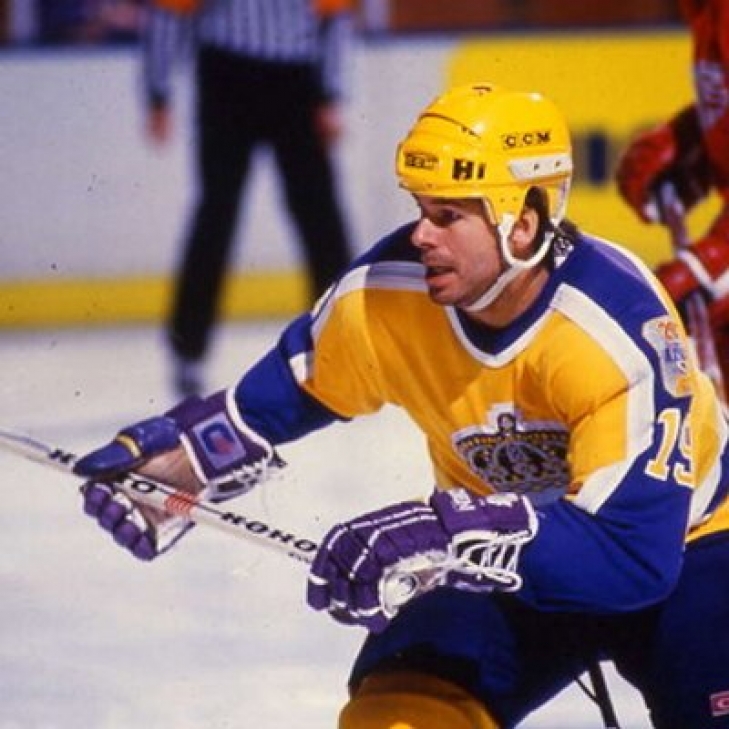
One of the better scorers for the Kings in the 1980s, Jim Fox, is also one of their most forgotten contributors.
The Right Wing had 43 Points as a rookie, which he followed up with back-to-back 68 Point seasons. Fox had 30 Goals in 1981-82 and duplicated that in both 1983-84 and 1984-85, where he increased his Points totals to 72 and 83, respectively. Fox should have been able to improve that as he was only 25 when he had his 83-Point year, but his knees began to become issues.
Fox was held to 39 Games in 1984-85 and missed a handful of games the next two years before he was unable to play the entirety of the 1988-89 campaign. He tried a comeback but had to retire before 30. Fox had 479 Points in his career, all of which were with the Kings.
He would later have a long career with the organization, working as a broadcaster.
29. Larry Murphy
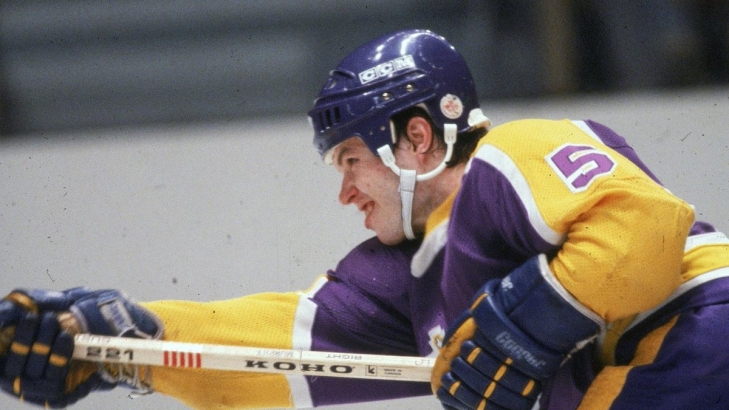
The Hall of Fame career of Larry Murphy began in Los Angeles, the organization that made him the Fourth Overall Pick in 1980.
Murphy made the Kings immediately, scoring 76 Points, and was the runner-up for the Calder, as well as finishing seventh for the Norris. He never had a higher scoring season for Los Angeles, but was still a potent performer from the blueline. He had over 60 Points in the next two seasons and might have had another, but he was traded six Games into the 1983/84 campaign to the Washington Capitals. As a King, Murphy had 254 Points with a .86 PPG.
He went on to have three Second Team All-Star campaigns and win four Stanley Cups (two with Pittsburgh and two with Detroit). He entered the Hockey Hall of Fame in 2004.
28. Tomas Sandstrom
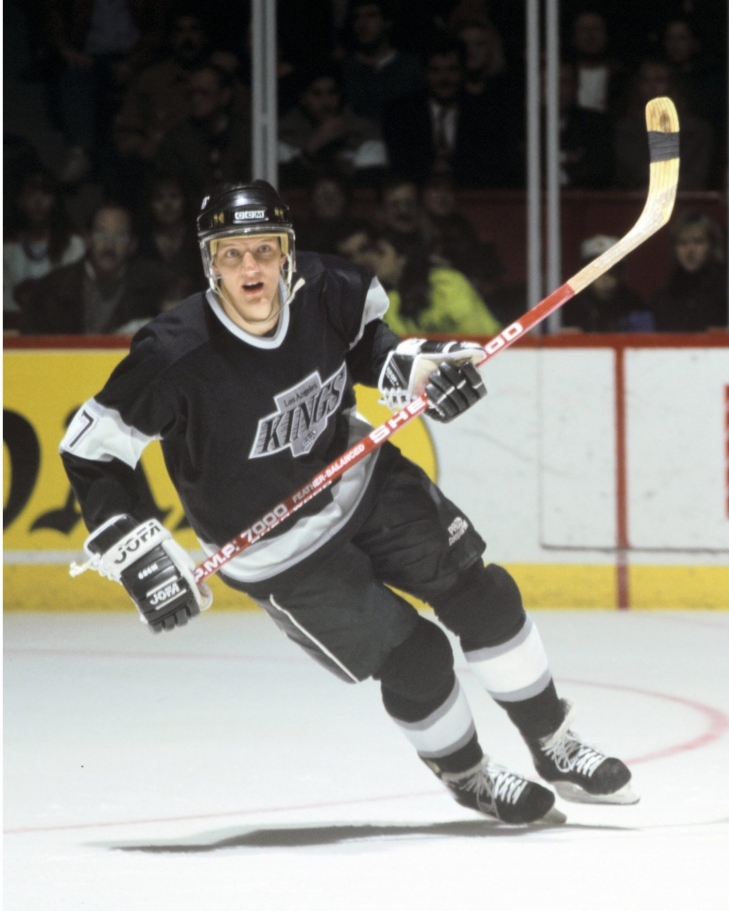
Tomas Sandstrom played the first five-and-a-half years of his NHL career with the New York Rangers before a trade brought him to Los Angeles, a team that was looking for his combination of grit and scoring prowess.
In the early 90s, Scandinavians were not known for their physicality, but Sandstrom could both grind and score. The Swedish Right Wing was often injured in L.A., but when he did play, he averaged over a Point per Game. His best year as a King was in 1988-89, where he had a career-high 89 Points, and he was electric in the 1993 run to the Stanley Cup Finals, where he scored 25 Points.
Los Angeles traded Sandstrom to Pittsburgh during the 1993-94 Season, and as a King, he would compile 254 Points in 235 Games.
27. Marty McSorley
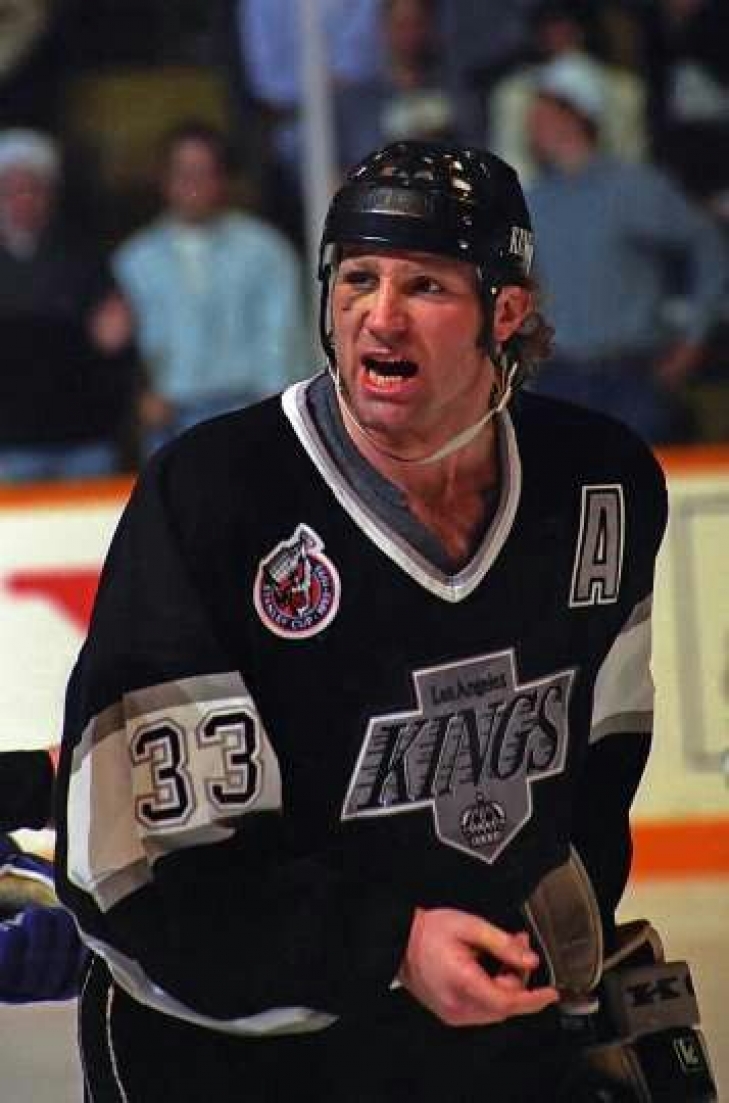
When the Edmonton Oilers made the biggest trade in hockey, the transaction that sent Wayne Gretzky to Los Angeles, the “Great One” insisted that Marty McSorley would be part of the deal. It was a necessary request, and McSorely was not just his friend but his enforcer and the man who cleared the ice for McSorley's magic.
McSorley was one of hockey’s best pugilists, and he amassed a whopping 1,864 Penalty Minutes in his 472 Games as a King. Gretzky continued to flourish with McSorley watching his back, but McSorley was a decent hockey player in his own right. McSorley averaged .50 Points per Game with Los Angeles and was better on the defensive side than he got credit for. He even led the NHL in Plus/Minus (+48) in 1990-91.
McSorley had two runs in L.A. He was traded to Pittsburgh in the 1993/94 season but was dealt back to the Kings before the next season began. His Kings' career ended for good when he was traded to the Rangers in March of 1996.
Sadly, McSorley is best known for swinging his hockey stick at Donald Brashear's head in a game in 2000. Brashear fell and hit his head on the ice, rendering him unconscious. McSorely was suspended for the rest of that year and the entire following year and never played again.
