

 Not in Hall of Fame News
Yes, we know that this is taking a while! As many of…
 Not in Hall of Fame News
Yes, we know that this is taking a while! As many of…
 Not in Hall of Fame News
2002 SEMI-FINAL RESULTS: Thank you for your participation in the Pro Football…
 Not in Hall of Fame News
Yes, we know that this is taking a while! As many of…
 Not in Hall of Fame News
We are diligently working away at Notinhalloffame on revising our Football lists…
 Not in Hall of Fame News
We are diligently working away at Notinhalloffame on revising our Football lists…
 From the Desk of the Chairman
October baseball often turns individual pitching performances into lasting postseason memories. Strikeout…
 From the Desk of the Chairman
For decades, the sports debate ran on gut feeling. Barstool arguments, call-in…
 From the Desk of the Chairman
Introduction to Private Adult Tennis Camps in Prague Adult club players increasingly…
 From the Desk of the Chairman
Unlike in the case of pre-match betting, where you have to pick…
 From the Desk of the Chairman
Kupu178 builds trust with people by using top-end end-to-end encryption. It checks…
 From the Desk of the Chairman
Sports fans thrive on calculating strategy, reading momentum, and maximizing every tactical…
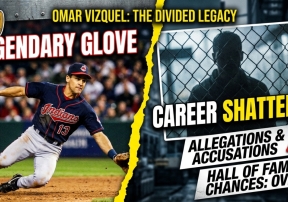
100 Active Potential Football Hall of Famers
-
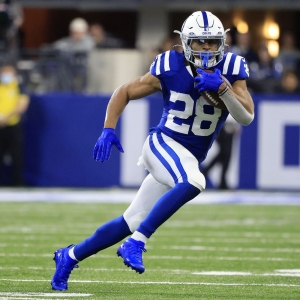 #47 Overall, Jonathan Taylor, Indianapolis Colts, #4 Running Back2025 Pre-Season Rank #70, 2024 Pre-Season Rank #98, 2023 Pre-Season Rank: #107, 2022 Pre-Season Rank #111. Peak Period: 2021-25 After a good rookie…
 -
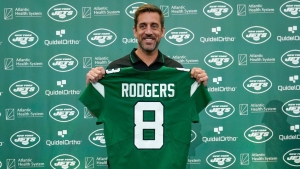 #2 Overall, Aaron Rodgers: Pittsburgh Steelers, #1 Quarterback2025 Pre Season Ranke #1, 2024 Pre-Season Rank #1, 2023 Pre-Season Rank #1, 2022 Pre-Season Rank #2, 2021 Pre-Season Rank #2, 2020 Pre-Season…in Quarterbacks
 -
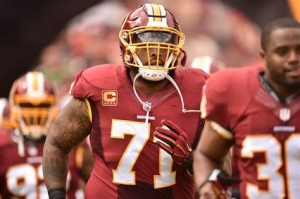 #6 Overall, Trent Williams, San Francisco 49ers, Offensive Tackle, #1 Offensive Lineman2025 Pre-Season Rank #5, 2024 Pre-Season Rank #6, 2023 Pre-Season Rank #6, 2022 Pre-Season Rank #20, 2021 Pre-Season Rank #33, 2020 Pre-Season Rank…
 -
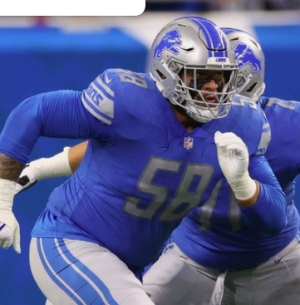 #38 Overall, Penei Sewell, Detroit Lions, Tackle, #4 Offensive Lineman2025 Pre-Season Rank #68, 2024: Pre-Season Rank: #121. Peak Period: 2021-25*Standing at 6'5” and 330 pounds, Penei Sewell can state that going into…
Visit the Fictitious Halls of Fame!

You May Also Like...
EDITOR’S CHOICE
 DDT's Pop Flies
When the veterans committee (VC), officially convening as the Contemporary Baseball Era…



 Live Music Head
Project/Objectan interview with André Cholmondeleyby Live Music HeadOriginally published at timessquare.com on…

LATEST RANKINGS


MOST POPULAR RANKINGS

Committee Chairman
34. Jaroslav Modry
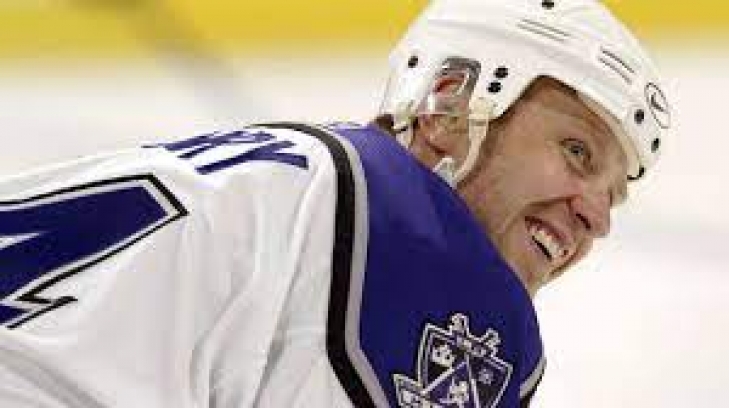
Jaroslav Modry was traded to Los Angeles late in the 1995/96 season, which was the third team in his young career.
As he did with his previous squads (New Jersey and Ottawa), Modry bounced back and forth between the parent club and the minors, but in 2000, the Czech Defenseman found his game. Modry had a breakout 2001-02 Season, scoring 42 Points and earning a trip to the All-Star Game. He had two more good years for the Kings, producing 38 and 32 Points, respectively, before signing with Atlanta as a Free Agent.
Modry would overall accrue 238 Points as a King.
33. Mario Lessard
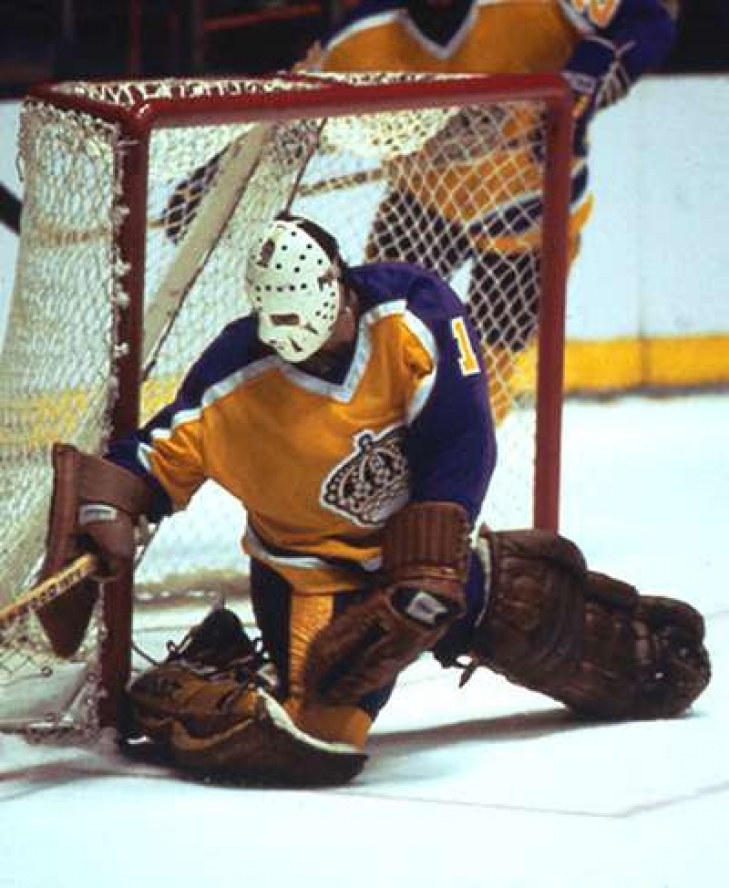
Mario Lessard was a late-round pick in 1974, and the Goalie would make the Los Angeles Kings roster four years later, where he would become their primary netminder.
The Quebecer held that role for four years, one of which was particularly good, so good that it is primarily responsible for his high rank. In 1980-81, Lessard led all Goalies in Wins (35), Goalie Point Shares (12.6), and was a Second Team All-Star. Lessard might be best known for a blunder in the 1982 playoffs against Edmonton (he left the net open to try to beat a Glenn Anderson breakaway), but he had a good run.
Lessard’s play fell off in the 1983-84 season, and he retired shortly after.
32. Mark Hardy
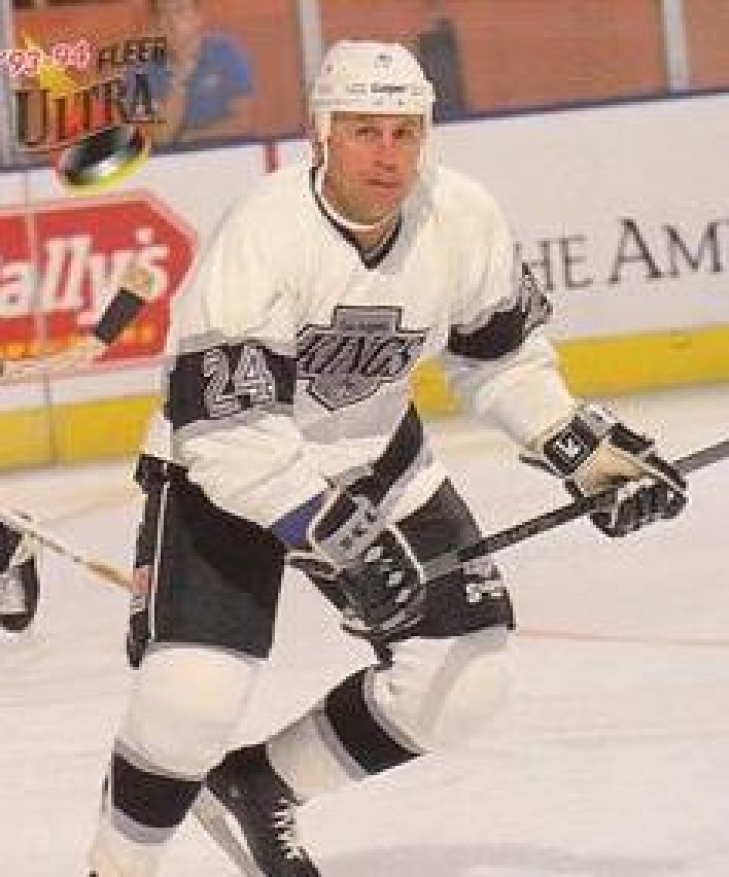
Mark Hardy was one of the better offensive Defenseman for the Los Angeles Kings in the 1980s, debuting for them in 1979-80, the year he was taken in the Second Round.
From 1981-82 to 1984-85, Hardy had at least 39 Points, peaking with a 53-Point performance in the last year of that streak. Hardy remained with the Kings until February of 1988, when he was traded to the Rangers, but he was traded back to the Kings for their 1993 playoff run. He played one more year before retiring.
Hardy had 303 Points in 616 Games for the Kings, a very good number, but his Plus/Minus of -121 for Los Angeles hampers his rank.
31. Bob Berry
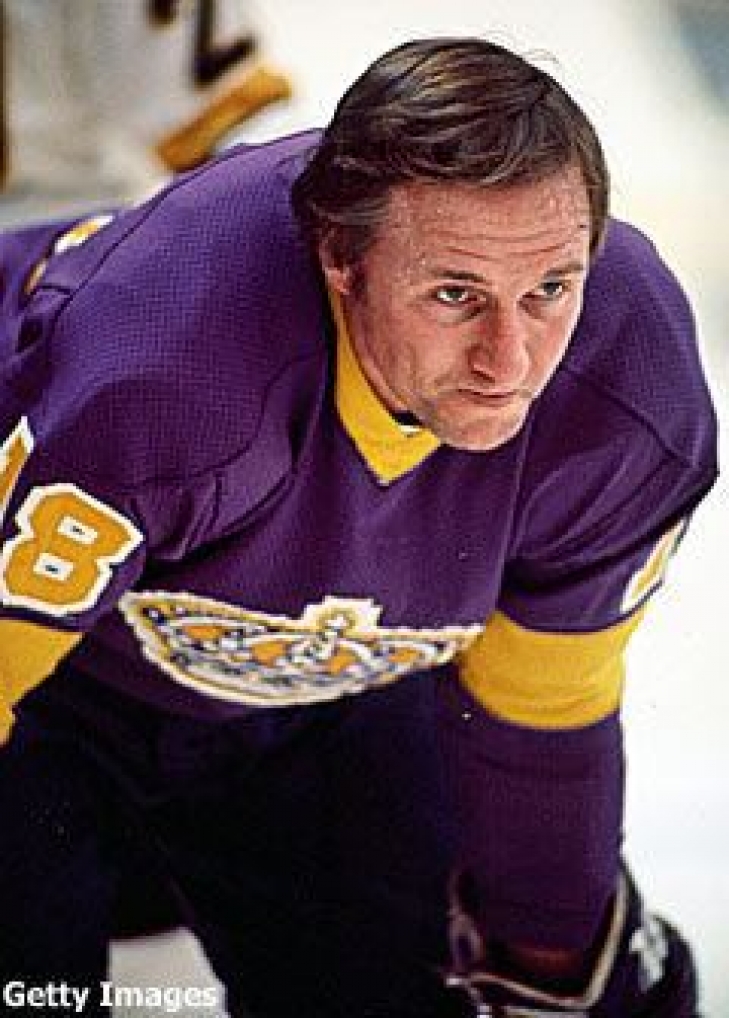
The talent-laden Montreal Canadiens had no spot for Bob Berry, a Left Wing who was already in his mid-20s but unable to appear in more than 2 Games for the Habs. Montreal sold his contract to Los Angeles, allowing Berry an opportunity to play in the NHL.
He responded well to the task, scoring 63 Points in his full-season debut. He slipped the following season (39 Points) but followed that with his best year in hockey, a 36-Goal, 64 Point year, which also saw him go to his first All-Star Game. Berry was an All-Star again in 1974, scoring 56 Points.
Age would catch up to Berry, as he only played three additional years in the NHL but had a respectable 350 Points in 539 Games as a King.
