

 Not in Hall of Fame News
Yes, we know that this is taking a while! As many of…
 Not in Hall of Fame News
Yes, we know that this is taking a while! As many of…
 Not in Hall of Fame News
2002 SEMI-FINAL RESULTS: Thank you for your participation in the Pro Football…
 Not in Hall of Fame News
Yes, we know that this is taking a while! As many of…
 Not in Hall of Fame News
We are diligently working away at Notinhalloffame on revising our Football lists…
 Not in Hall of Fame News
We are diligently working away at Notinhalloffame on revising our Football lists…
 From the Desk of the Chairman
October baseball often turns individual pitching performances into lasting postseason memories. Strikeout…
 From the Desk of the Chairman
For decades, the sports debate ran on gut feeling. Barstool arguments, call-in…
 From the Desk of the Chairman
Introduction to Private Adult Tennis Camps in Prague Adult club players increasingly…
 From the Desk of the Chairman
Unlike in the case of pre-match betting, where you have to pick…
 From the Desk of the Chairman
Kupu178 builds trust with people by using top-end end-to-end encryption. It checks…
 From the Desk of the Chairman
Sports fans thrive on calculating strategy, reading momentum, and maximizing every tactical…






100 Active Potential Football Hall of Famers
-
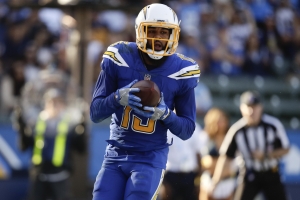 #49 Overall, Keenan Allen, Indianapolis Colts, #8 Wide Receiver2025 Pre-Season Rank #46, 2024 Pre-Season Rank #41, 2023 Pre-Season Rank #45, 2022 Pre-Season Rank #48, 2021 Pre-Season Rank #66, 2020 Pre-Season Rank…
 -
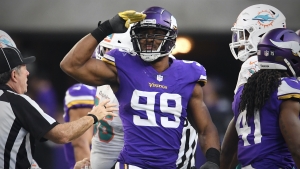 #36 Overall, Danielle Hunter, Houston Texans, #11 Defensive End: Defensive Linemen/Linebackers: Pass Rushers2025 Pre-Season Rank #44, 2024 Pre-Season Rank #57, 2023 Pre-Season Rank #87, 2022 Pre-Season Rank #102 2021 Pre-Season Rank #102, 2020 Pre-Season Rank…
 -
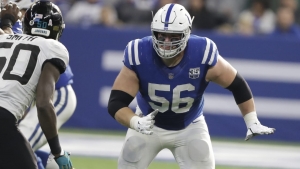 #22 Overall, Quenton Nelson, Indianapolis Colts, Left Guard, #2 Offensive Lineman2025 Pre-Season Rank #2025, 2024 Pre-Season Rank #29, 2023 Pre-Season Rank #42, 2022 Pre-Season Rank #51, 2021 Pre-Season Rank #78, 2020 Pre-Season Rank…
 -
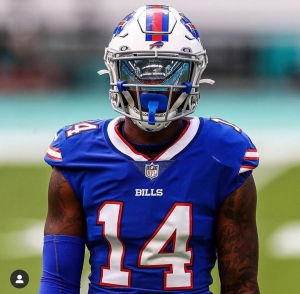 #43 Overall, Stefon Diggs, Washington Commanders, #7 Wide Receiver2025 Pre-Season Rank #40, 2024 Pre-Season Rank #38, 2023 Pre-Season Rank #48, 2022 Pre-Season Rank #57, 2021 Pre-Season Rank #118. Peak Period 2019-23…
Visit the Fictitious Halls of Fame!


You May Also Like...
EDITOR’S CHOICE

 DDT's Pop Flies
When the veterans committee (VC), officially convening as the Contemporary Baseball Era…


 Live Music Head
Project/Objectan interview with André Cholmondeleyby Live Music HeadOriginally published at timessquare.com on…

LATEST RANKINGS





MOST POPULAR RANKINGS
















Committee Chairman
43. Clyde Wright
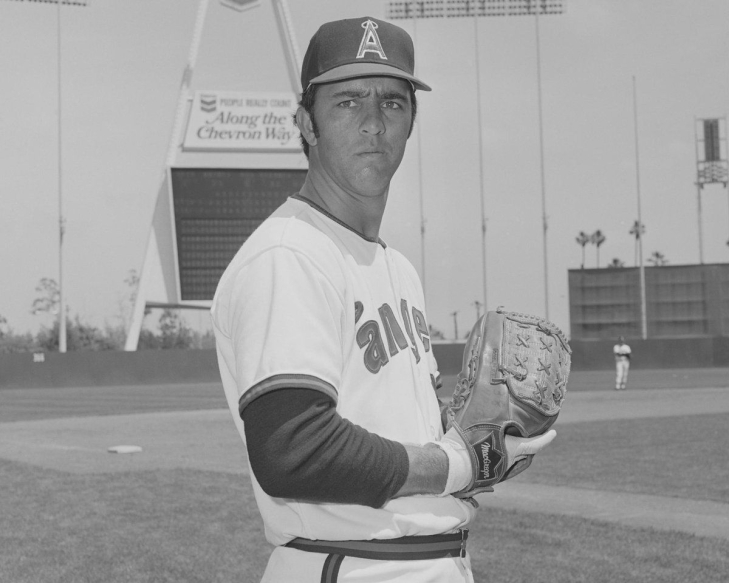
Debuting with the Angels in 1966, Clyde Wright arrived as a wiry southpaw with a specialized repertoire that took a few years to fully calibrate. While he spent his first four seasons bouncing between the rotation and the bullpen, even suffering through a miserable one-win campaign in 1969, he transformed into a technical marvel practically overnight.
Wright demonstrated flashes of high-quality potential during his 1966 debut, but he quickly became a professional mainstay in the "swingman" category, oscillating between spot starts and high-leverage relief. It wasn't until he perfected a screwball during winter ball, reportedly at the suggestion of teammate Jim Fregosi, that he truly found the high-caliber arsenal needed to anchor a major league rotation.
In 1970, Wright won 22 games, setting a franchise record for a left-hander that still stands today. He was a high-stakes performer on July 3, 1970, when he famously tossed a no-hitter against the Oakland A’s, an achievement that occurred just hours after he was inducted into the NAIA Hall of Fame. His efficiency that year earned him his only All-Star selection and a sixth-place finish in the Cy Young voting.
Between 1971 and 1972, he was a valuable technical player, posting two consecutive seasons with an ERA below 3.00 and pitching over 250 innings each year. He demonstrated a particular skill in keeping hitters off balance, earning 16 wins in '71 and increasing to 18 wins in ’72.
In 1973, physical wear began to impact his high-frequency output. Battles with chronic back pain made it difficult for him to even bend over on the mound, a specialized struggle that led to a league-leading 19 losses. Following the season, Wright was dealt to the Milwaukee Brewers.
With the Angels, Wright had an 87-85 record with a 3.28 ERA.
47. Chili Davis
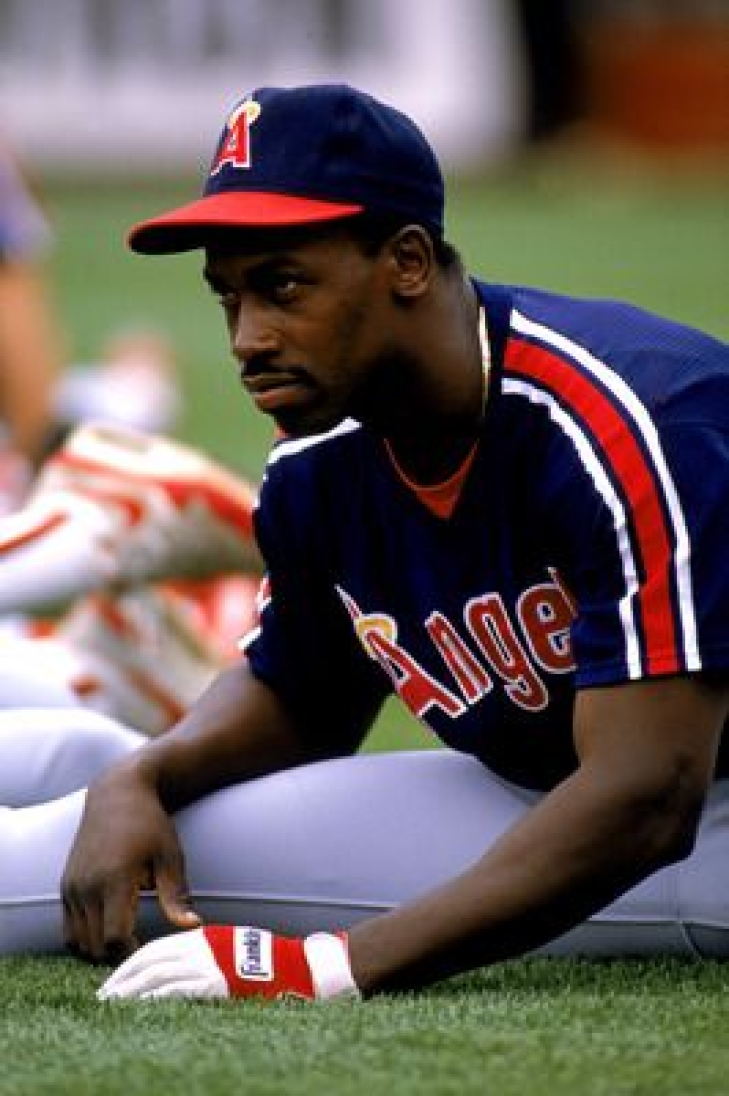
Chili Davis’ arrival as a free agent after the 1987 season in Anaheim was a homecoming of sorts, a move driven by a desire to escape the notorious elements of San Francisco. Having grown up in Los Angeles after moving from Jamaica as a child, Davis had become a star for the Giants but grew increasingly frustrated with the "cold and windy" conditions at Candlestick Park.
Davis’ first season with the Angels saw 21 homers and 93 RBIs but also a franchise-record 19 errors in right field. By 1990, back problems and defensive issues led to a switch to DH, emphasizing his offensive skills. He left for Minnesota as a free agent in 1991, won a World Series there, and returned in 1993 as a free agent, this time only for his bat and veteran presence.
The second stint saw Davis belt at least 20 home runs and 80 RBIs across all four seasons(1993–1996), while maintaining a healthy on-base percentage. He left again via free agency (Kansas City), but had solid numbers with the Halos: 156 home runs, 973 hits, and a .279 batting average.
46. Bobby Knoop
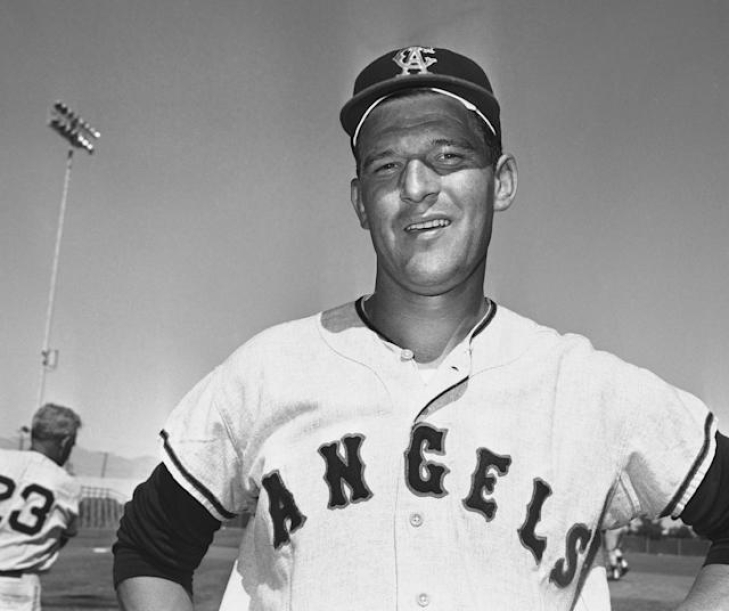
Bobby Knoop arrived in Anaheim in 1964 as a defensive specialist who quickly turned second base into a specialized fortress. While his offensive numbers fit the classic "dead ball" mold of the era, he provided the early Angels with a brand of technical brilliance in the field that made him an immediate professional mainstay.
In his rookie year, Knoop demonstrated a high-frequency ability to take the field, playing in all 162 games and proving to be a reliable defensive engine from day one. He quickly earned a reputation as a technical master of the double play, with manager Bill Rigney famously comparing his specialized glove work to that of the legendary Bobby Richardson.
During the 1966 campaign, authoring a season where his bat briefly matched the elite level of his glove. That summer, he exhibited a surprising power surge, hitting a career-high 17 home runs and leading the American League with 11 triples. He was a high-stakes performer throughout the year, earning his only All-Star selection and setting a major league record by turning six double plays in a single game.
Knoop earned three consecutive Gold Glove Awards from 1966 to 1968 and led the American League in Total Zone Runs for second basemen four times, showcasing high-quality fielding efficiency.
The 1969 trade to the White Sox marked the end of his first act. Knoop returned in 1979 as a coach, serving until 1996, and again as a special assignment instructor from 2013 to 2018, demonstrating dedicated leadership in the dugout for nearly two decades. In 2013, Knoop was inducted into the Angels Hall of Fame. As a player, Knoop compiled 856 hits, three Gold Gloves, and a 1966 All-Star nod.
41. Kirk McCaskill
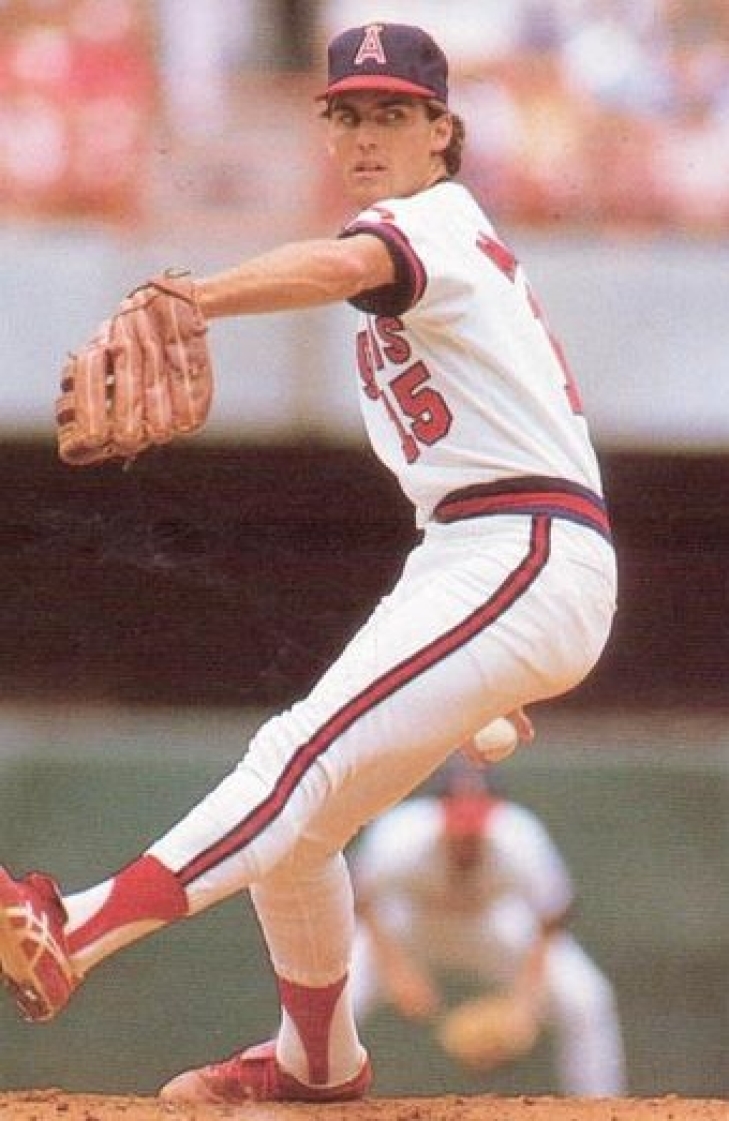
Kirk McCaskill arrived in Anaheim in 1985, a Canadian multi-sport athlete who chose baseball over hockey. Though not as famous as some 1980s pitchers, he offered the California Angels reliable technical skill vital for their mid-1980s success.
McCaskill helped the Angels win the 1986 division, winning 17 games with a 3.36 ERA. He showed durability, recording ten complete games and proving he was more than a supplemental starter for a championship team. After two sub-par seasons, McCaskill had his best season, where he went 15-10 with a 2.93 ERA that was good enough for fifth in the American League. While he recorded another 15-win season, his value was best reflected in his specialized durability, as he tossed over 210 innings and led the staff in quality starts.
Following the 1991 season, McCaskill hit the open market as a proven, high-volume starter with a pedigree for durability. The Chicago White Sox, looking to solidify a rotation behind Jack McDowell and Alex Fernandez, offered a lucrative three-year deal. As an Angel, McCaskill had a 78-74 record, 747 strikeouts, and a 3.86 ERA.
