

 Not in Hall of Fame News
Yes, we know that this is taking a while! As many of…
 Not in Hall of Fame News
Yes, we know that this is taking a while! As many of…
 Not in Hall of Fame News
2002 SEMI-FINAL RESULTS: Thank you for your participation in the Pro Football…
 Not in Hall of Fame News
Yes, we know that this is taking a while! As many of…
 Not in Hall of Fame News
We are diligently working away at Notinhalloffame on revising our Football lists…
 Not in Hall of Fame News
We are diligently working away at Notinhalloffame on revising our Football lists…
 From the Desk of the Chairman
October baseball often turns individual pitching performances into lasting postseason memories. Strikeout…
 From the Desk of the Chairman
For decades, the sports debate ran on gut feeling. Barstool arguments, call-in…
 From the Desk of the Chairman
Introduction to Private Adult Tennis Camps in Prague Adult club players increasingly…
 From the Desk of the Chairman
Unlike in the case of pre-match betting, where you have to pick…
 From the Desk of the Chairman
Kupu178 builds trust with people by using top-end end-to-end encryption. It checks…
 From the Desk of the Chairman
Sports fans thrive on calculating strategy, reading momentum, and maximizing every tactical…






100 Active Potential Football Hall of Famers
-
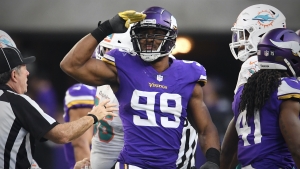 #36 Overall, Danielle Hunter, Houston Texans, #11 Defensive End: Defensive Linemen/Linebackers: Pass Rushers2025 Pre-Season Rank #44, 2024 Pre-Season Rank #57, 2023 Pre-Season Rank #87, 2022 Pre-Season Rank #102 2021 Pre-Season Rank #102, 2020 Pre-Season Rank…
 -
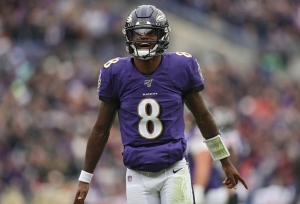 #12 Overall, Lamar Jackson, Baltimore Ravens, #4 Quarterback2025 Pre-Season Rank #10, 2024 Pre-Season Rank #14, 2023 Pre-Season Rank #30, 2022 Pre-Season Rank #38, 2021 Pre-Season Rank #46, 2020 Pre-Season Rank…in Quarterbacks
 -
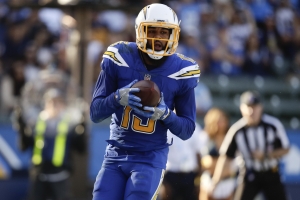 #49 Overall, Keenan Allen, Indianapolis Colts, #8 Wide Receiver2025 Pre-Season Rank #46, 2024 Pre-Season Rank #41, 2023 Pre-Season Rank #45, 2022 Pre-Season Rank #48, 2021 Pre-Season Rank #66, 2020 Pre-Season Rank…
 -
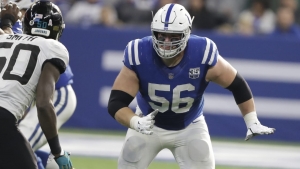 #22 Overall, Quenton Nelson, Indianapolis Colts, Left Guard, #2 Offensive Lineman2025 Pre-Season Rank #2025, 2024 Pre-Season Rank #29, 2023 Pre-Season Rank #42, 2022 Pre-Season Rank #51, 2021 Pre-Season Rank #78, 2020 Pre-Season Rank…
Visit the Fictitious Halls of Fame!


You May Also Like...
EDITOR’S CHOICE

 DDT's Pop Flies
When the veterans committee (VC), officially convening as the Contemporary Baseball Era…


 Live Music Head
Project/Objectan interview with André Cholmondeleyby Live Music HeadOriginally published at timessquare.com on…

LATEST RANKINGS





MOST POPULAR RANKINGS
















Committee Chairman
37. Mark Loretta
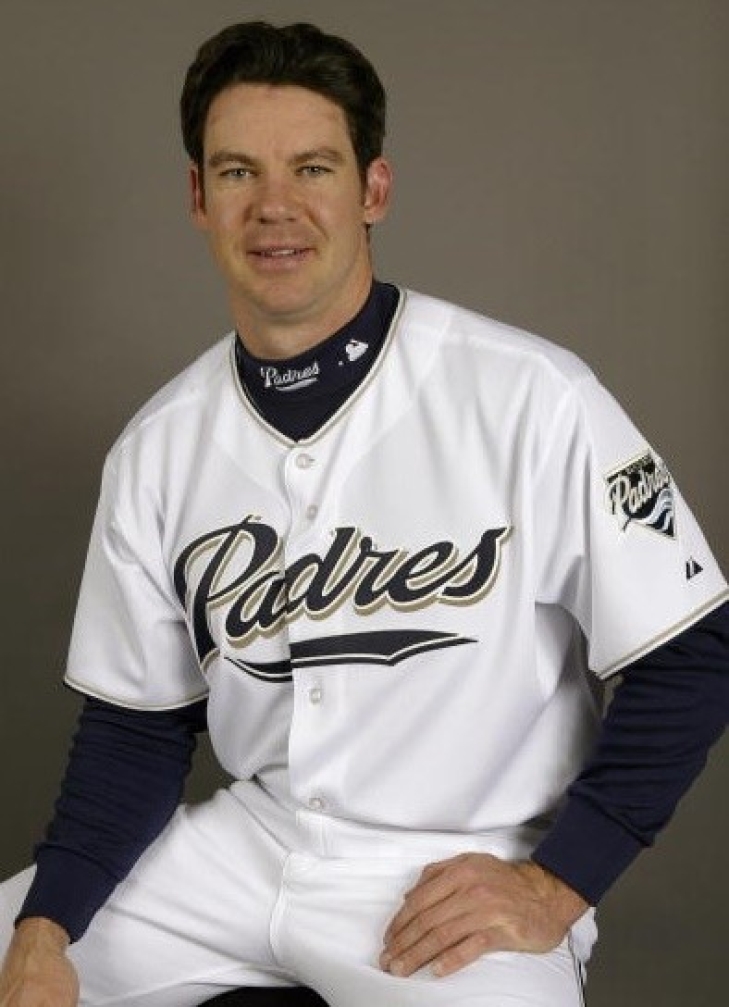
The 2004 season marked a major change as the club moved from Jack Murphy Stadium to the new Petco Park, designed for pitching and defense. Fans wondered who would boost the offense, and the answer was a skilled, cerebral right-handed infielder who had spent eight years as a versatile utility player for the Milwaukee Brewers. He was signed to a modest free-agent deal before the 2003 season.
In 2003, he quickly set a high standard with outstanding top-of-the-order performance, smoothly settling into the West Coast vibe. He finished the season with a solid .314 batting average, 185 hits, 28 doubles, and 13 home runs. Loretta made hitting line drives into a daily habit, earning the team's local Most Valuable Player honors, showcasing his dedication and talent.
Nevertheless, that initial achievement served merely as a preparatory indication for the momentous, award-winning breakthrough he revealed during the notable 2004 stadium inauguration. In simple terms, Loretta produced a regular-season performance of exceptional quality that skillfully emulated the renowned batting style of Tony Gwynn himself. Loretta employing a concise, line-drive swing to lead the senior league with an outstanding, career-high of 208 hits—joining Gwynn as the sole players in franchise history to surpass the distinguished 200-hit mark in a single season.
Loretta concluded that the remarkable 2004 season, during which he achieved career bests across all statistical categories: 108 runs scored, 47 doubles, 16 home runs, and 76 runs batted in, was notably anchored by an impressive .335/.391/495 slash line. He notably struck out only 45 times in 707 plate appearances, a testament to his efficiency, and finished third in the National League batting race. These outstanding achievements readily earned him his first career All-Star selection, a well-deserved National League Silver Slugger Award, and an exceptional ninth-place finish in the National League Most Valuable Player balloting.
Before the 2005 campaign, a severe thumb ligament injury required complex surgery, reducing his leverage and costing nearly two months of play. Despite returning to 105 games, his power dropped to three home runs and 38 RBIs, with a batting average of .280. He was traded to the Red Sox after the season.
With San Diego, Lorreta had 506 hits, 91 doubles, 32 home runs, and 186 runs batted in, entirely validated by an exceptional .314 batting average and a pristine .377 on-base percentage.
40. Roberto Alomar
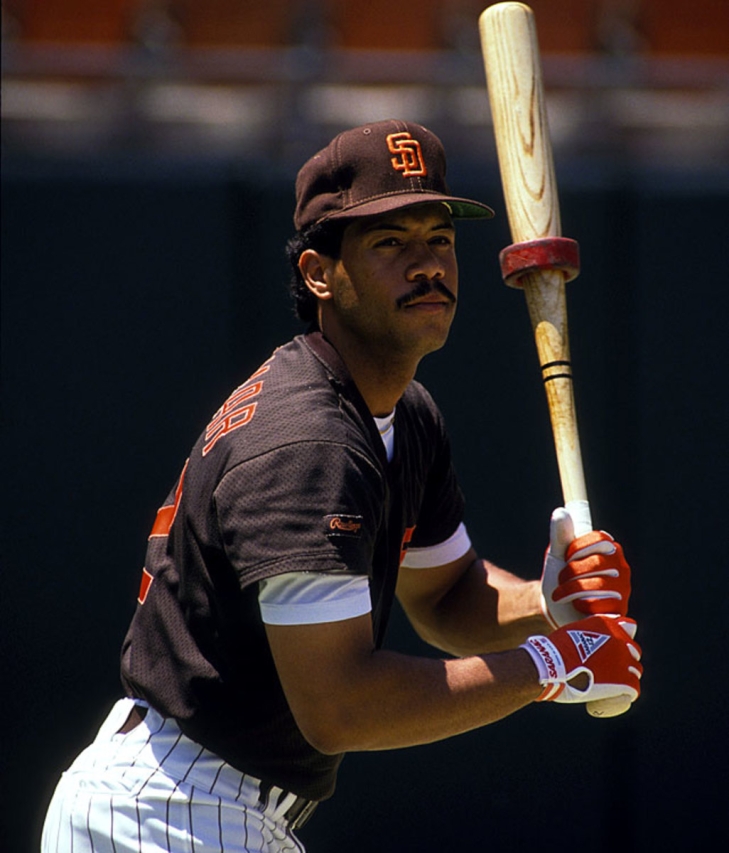
It’s tempting to judge Roberto Alomar’s legacy solely by his legendary postseason moments, ten Gold Gloves, and his induction to Cooperstown with a Blue Jays cap on his plaque. However, before he became an international baseball icon, Alomar was a highly regarded 20-year-old prodigy challenging expectations in Southern California. When he debuted in the majors in April 1988, his exceptionally smooth switch-hitting style meant he didn't need a long development period; he seamlessly filled the second baseman role and immediately brought a vibrant mix of aggressive baserunning, precise hitting, and innate style, indicating a future baseball superstar.
His 1988 intro showed his advanced baseline as he swiftly bypassed early challenges. Alomar made collecting line drives and playing infield his routine. He systematically dismantled NL pitching, earning 145 hits, 24 doubles, and 24 stolen bases, finishing fifth in NL Rookie of the Year voting.
He really shone that year, making a remarkable breakthrough in 1989 and demonstrating excellent skill at the top of the order. That summer, Alomar worked on his batting, hitting a team-high 184 times, maintaining a strong .295 average, and stealing a career-high 42 bases, leading the local offense and establishing himself as a key player. Beyond his hitting, his great range and sharp instincts impressed fans and teammates alike. Though he didn’t officially win a Gold Glove during his brief three seasons in San Diego, an award he would later earn many times, advanced stats now show that his quickness and awareness on the field were truly deserving of recognition.
He earned his very first career All-Star selection in 1990, hitting a steady .287 with 168 hits, 27 doubles, and 60 runs batted in, proving to be the highly coveted engine of a rising team.
It’s easy to mistakenly remember him staying on through the following campaign, but in reality, the front office made its most famous blockbuster move before the 1991 season even started. Eager to add a powerful, middle-of-the-order hitter under general manager Joe McIlvaine, the Padres teamed up with Toronto for an exciting four-player trade in December 1990. They sent their promising young second baseman and outfielder Joe Carter to the Blue Jays in exchange for Fred McGriff and Tony Fernandez. This was a remarkable, high-stakes swap that truly benefited both teams; McGriff brought impressive power to San Diego, while Alomar's arrival in Canada helped lead the Blue Jays to two consecutive World Series titles in 1992 and 1993.
In San Diego, he accumulated exactly 497 hits, 78 doubles, and 90 stolen bases, entirely validated by a sharp .283 batting average. His Cooperstown call came on his first ballot in 2011.
35. Dave Dravecky
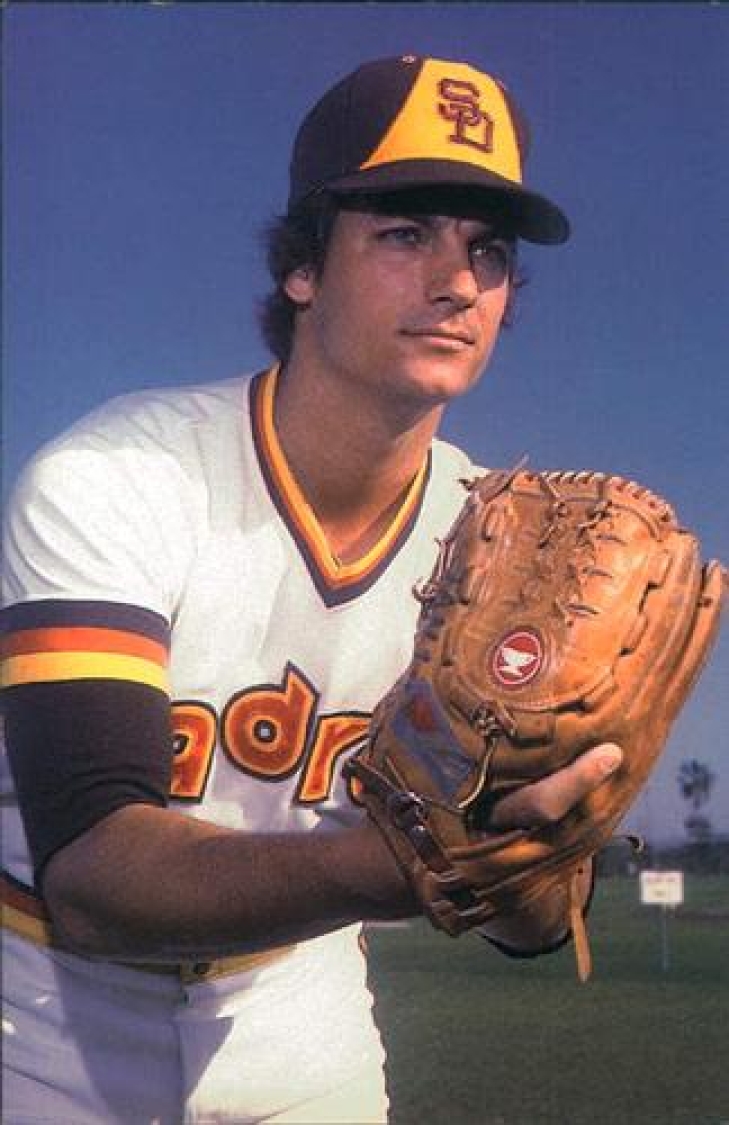
Dave Dravecky began his baseball career with San Diego in 1982, making the starting rotation during his rookie year. The southpaw was an All-Star as a sophomore, with a 14-10 year, and he followed that with back-to-back 2.93 ERA years and helped the Padres win the 1984 Pennant.
Dravecky continued to do well, but the struggling Padres traded him to the Giants. Dravecky contracted cancer in his pitching arm, eventually resulting in its amputation. Dravecky had a 53-50 Record with a 3.12 ERA with 456 Strikeouts with the Padres.
29. Fred McGriff
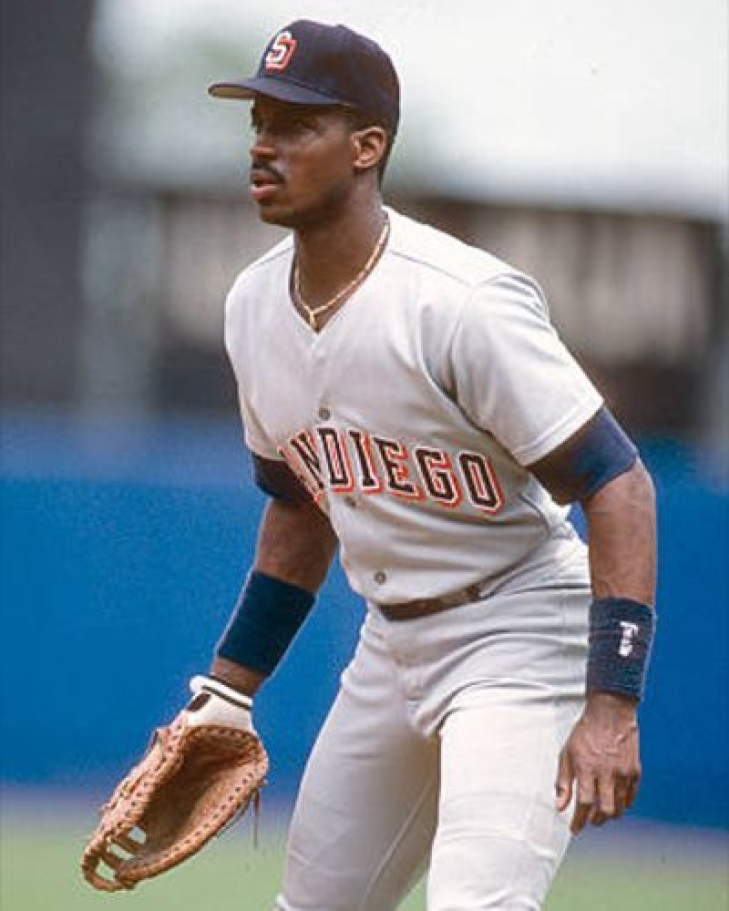
When an ambitious front office decides to shake up the competitive balance of the entire sport, they pull off a winter blockbuster that leaves fans across the country in absolute shock. The San Diego Padres executed precisely that type of franchise-altering maneuver in December 1990, trading homegrown stars Roberto Alomar and Joe Carter to Toronto to land shortstop Tony Fernández and a towering, left-handed premier slugger named Fred McGriff. Universally known as the "Crime Dog"—a classic moniker bestowed upon him by broadcaster Chris Berman—McGriff seamlessly integrated his thunderous, helicopter-follow-through stroke into the heart of the San Diego lineup, treating National League pitching to a masterclass in high-leverage destruction.
His 1991 debut season with the Padres showcased exceptional middle-of-the-order discipline and power. McGriff made run production a daily priority, finishing with 31 home runs and 106 RBIs. His remarkable efficiency was evident; he drew 105 walks, his career high, contributing to a .396 on-base percentage. He consistently controlled deep counts to tire out opposing pitchers, helping the team secure third place in the division and a tenth-place finish in the NL MVP voting.
In 1992, he delivered an outstanding performance, with 152 hits, including 30 doubles and 35 home runs, and 104 RBIs over 152 games. His impressive slash line of .286/.394/.556 resulted in a remarkable .950 OPS, setting a personal best for the veteran first baseman. This achievement earned him his first National League All-Star selection, a Silver Slugger Award, and a sixth-place finish in MVP voting. Most historically significant, his 35 home runs in 1992 earned him the National League home run crown. Because he had previously led the American League with 36 homers for Toronto back in 1989, McGriff carved out a permanent, immortal spot in the baseball history books.
Broader economic conditions prompted a sudden and bittersweet exit. By mid-1993, despite McGriff hitting 18 home runs and driving in 46 runs in 83 games, the front office was instructed to undertake a major payroll cut. The veteran star was the main focus of the notorious San Diego "fire sale," and was traded to the Atlanta Braves in July 1993 for three minor league prospects, none of whom proved successful.
As a Padre, McGriff had 382 hits, 60 doubles, and 254 runs batted in, alongside exactly 84 home runs and a powerful .519 slugging percentage in 388 games. While his stay in San Diego was brief, it helped him earn induction into the Baseball Hall of Fame in 2023.
