

 Not in Hall of Fame News
Yes, we know that this is taking a while! As many of…
 Not in Hall of Fame News
Yes, we know that this is taking a while! As many of…
 Not in Hall of Fame News
2002 SEMI-FINAL RESULTS: Thank you for your participation in the Pro Football…
 Not in Hall of Fame News
Yes, we know that this is taking a while! As many of…
 Not in Hall of Fame News
We are diligently working away at Notinhalloffame on revising our Football lists…
 Not in Hall of Fame News
We are diligently working away at Notinhalloffame on revising our Football lists…
 From the Desk of the Chairman
October baseball often turns individual pitching performances into lasting postseason memories. Strikeout…
 From the Desk of the Chairman
For decades, the sports debate ran on gut feeling. Barstool arguments, call-in…
 From the Desk of the Chairman
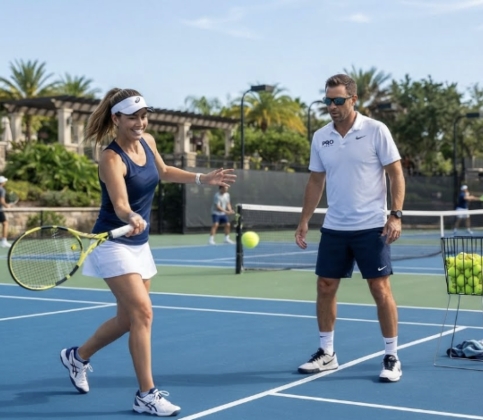
Introduction to Private Adult Tennis Camps in Prague Adult club players increasingly…
 From the Desk of the Chairman
Unlike in the case of pre-match betting, where you have to pick…
 From the Desk of the Chairman
Kupu178 builds trust with people by using top-end end-to-end encryption. It checks…
 From the Desk of the Chairman
Sports fans thrive on calculating strategy, reading momentum, and maximizing every tactical…


100 Active Potential Football Hall of Famers
-
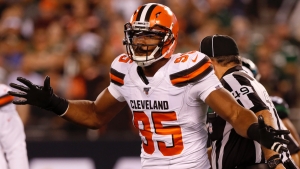 #7 Overall, Myles Garrett, Los Angeles Rams, Defensive End, #2 Defensive Lineman/Linebackers: Pass Rushers2025 Pre-Season Rank #9, 2024 Pre-Season Rank #17, 2023 Pre-Season Rank #34, 2022 Pre-Season Rank #53, 2021 Pre-Season Rank #99, 2020 Pre-Season Rank…
 -
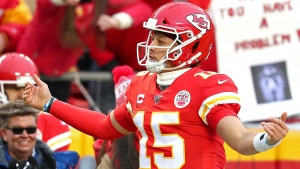 #4 Overall, Patrick Mahomes: Kansas City Chiefs, #2 Quarterback2025 Pre-Season Rank #4, 2024 Pre-Season Rank #2, 2023 Pre-Season Rank #10, 2022 Pre-Season Rank #21, 2021 Pre-Season Rank #31, 2020 Pre-Season Rank…in Quarterbacks
 -
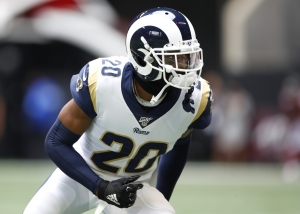 #23 Overall, Jalen Ramsey, Pittsburgh Steelers, #1 Cornerback2025 Pre-Season Rank #20, 2024 Pre-Season Rank #20, 2023 Pre-Season Rank #23, 2022 Pre-Season Rank #35, 2021 Pre-Season Rank #54, 2020 Pre-Season Rank…in Cornerbacks
 -
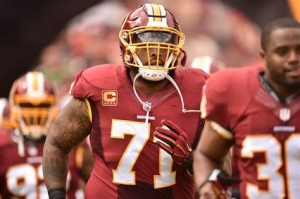 #6 Overall, Trent Williams, San Francisco 49ers, Offensive Tackle, #1 Offensive Lineman2025 Pre-Season Rank #5, 2024 Pre-Season Rank #6, 2023 Pre-Season Rank #6, 2022 Pre-Season Rank #20, 2021 Pre-Season Rank #33, 2020 Pre-Season Rank…
Visit the Fictitious Halls of Fame!
You May Also Like...
EDITOR’S CHOICE
 DDT's Pop Flies
When the veterans committee (VC), officially convening as the Contemporary Baseball Era…

 Live Music Head
Project/Objectan interview with André Cholmondeleyby Live Music HeadOriginally published at timessquare.com on…
LATEST RANKINGS


MOST POPULAR RANKINGS



Committee Chairman
The Houston Astros add Terry Puhl and Tal Smith
Regular visitors of Notinhalloffame.com know that we are slowly working on the top 50 of every major team in the NHL, NBA, NFL and MLB. Once that is done, we intend to look at how each team honor their past players, coaches and executives. As such, it is news to us that the Houston Astros have announced two new members, Terry Puhl and Tal Smith will enter their franchise Hall of Fame.
The two will be inducted on August 13, during their home game against Oakland.
Playing 14 of his 15 seasons in baseball with the Astros, Canadian born outfielder, Terry Puhl was an All-Star in his first full season in 1978. Puhl would not repeat an appearance to the mid-season classic, but he would have two more seasons tabulating over 150 hits and would steal 20 or more bases six times. The Canadian would accumulate 1,357 Hits for the Astros.
Smith was with the Astros from day one, serving in various capacities before ascending to the role of General Manager in 1975. Names The Sporting News Executive of the Year in 1980, Smith entered the private sector afterward, but returned to the Astros as the Director of Operations in 1994, and stayed until 2011.
We here at Notinhalloffame.com would like to congratulate Terry Puhl and Tal Smith for their impending induction.
24. Roy Face
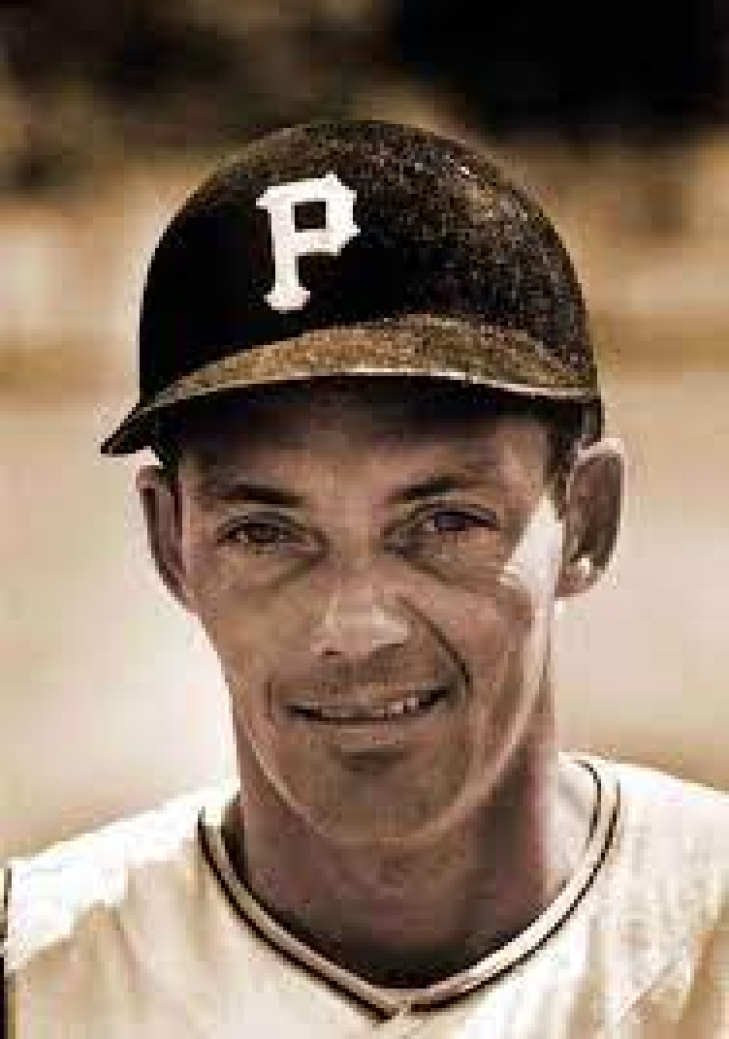
The development of the modern bullpen is often credited to a well-known knuckleball pitcher, but history tends to overlook the man who actually laid the foundation for today's closer role. Roy Face didn't just gather stats for the Pirates’ bullpen; he transformed the relief role into a potent weapon. Despite being only 5-foot-8 and 150 pounds, this former mechanical worker arrived in Pittsburgh with a reserved, icy demeanor and introduced a game-changing pitch: the forkball. By slipping the ball between his index and middle fingers, Face produced a fast, late-sinking pitch that completely baffled top hitters of the post-war era, making high-pressure situations his personal stage for mastery.
Initially, during the 1953 and 1955 seasons, he moved between the rotation and the bullpen. However, once manager Danny Murtaugh took over, Face was consistently used as a late-game reliever. This marked the beginning of a peak where he made preventing runs in the final innings a regular part of the season. In 1958, he made history by becoming the first pitcher in baseball to achieve 20 saves in a single season.
The peak of his national acclaim and unique efficiency coincided with a remarkable 1959 season that still stands out as a statistical marvel. Working solely from the bullpen, Face delivered an incredible high-pressure performance, winning 17 straight decisions in an extraordinary stretch. That summer, he concluded with an impressive 18–1 record, a stunning .947 winning percentage that remains an unbroken single-season major league record to this day.
Face was far from a one-summer anomaly, maintaining his status as the top reliever for more than ten years. He led the Senior Circuit in saves three times and was named an All-Star for three straight years from 1959 to 1961. His flawless spatial control and clutch late-inning performance culminated in the team's historic 1960 World Series victory. In a tense, seven-game series against the dominant New York Yankees, Face served as Murtaugh’s key safety net, participating in four games and securing three vital saves to secure Pittsburgh's renowned championship.
He remained with the Pirates until his contract was sold to Detroit during the 1968 season. With Pittsburgh, Face finished 547 games with 186 saves. He might be one of the most influential hurlers ever.
22. Vern Law
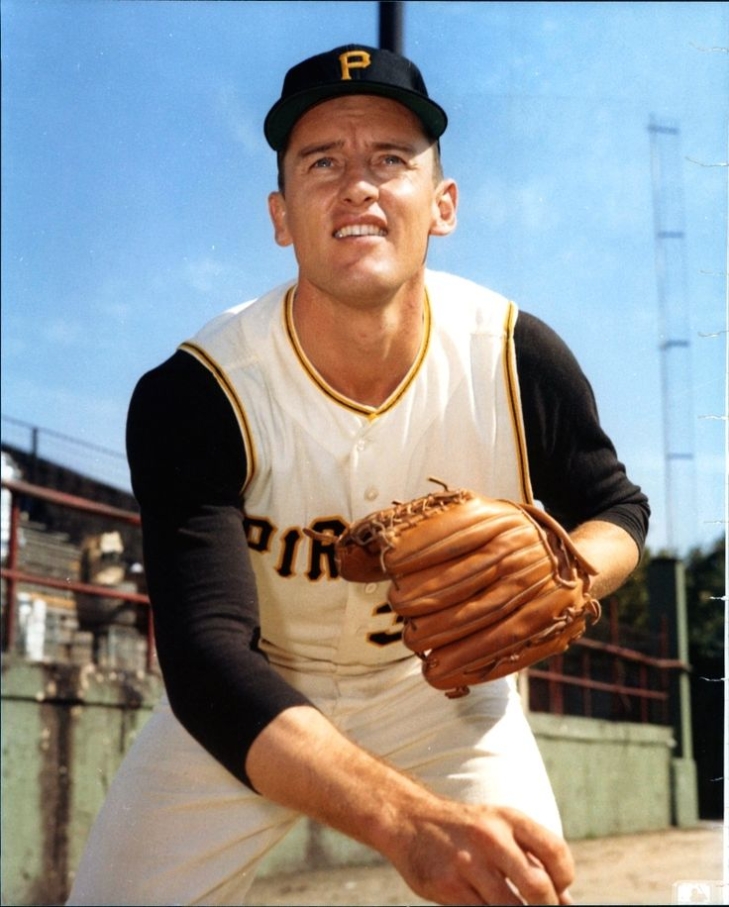
An athlete's greatness often extends beyond their skills, reflected in their character. Vern Law embodied this with unwavering faith and respect in sport. Known as "The Deacon" for his integrity and calm, he led Western Pennsylvania's rotation for nearly two decades, symbolizing blue-collar reliability. Despite tough times in the 1950s, he achieved peak performance when it mattered most.
His initial appearance during the 1950 schedule offered a brief glimpse of his frontline potential, but his development was suddenly interrupted when he was called away for a multi-year military service. Law rejoined the club before the 1954 season, and over the next five summers, he moved smoothly within a transitional pitching staff as the front office gradually built a competitive team.
His rise to elite efficiency truly occurred during a remarkable 1959 breakout, when he achieved 18 wins and maintained a spotless 2.98 ERA, solidifying his national reputation.
The pinnacle of his career was during the memorable 1960 regular season. Law showcased incredible control and resilience, pitching despite a painful ankle injury to earn the prestigious Cy Young Award, the first in franchise history. He made taking the mound a symbol of consistent excellence, winning a personal-best 20 games and leading all major league pitchers with 18 complete games.
When the Pirates faced the formidable New York Yankees in the Fall Classic, "The Deacon" secured his everlasting place in Steel City lore by starting three games and earning two crucial wins, outshining the American League champions and leading Pittsburgh to a historic world title.
Far from a one-summer wonder, Law demonstrated remarkable longevity by overcoming a severe shoulder tear that could have ended a lesser player's career, maintaining his role on the staff until 1967. His 16-year tenure as a “Lifer" included nine seasons with double-digit wins, during which he consistently outsmarted hitters with a sharp breaking ball and excellent control of the strike zone.
He left the game after 1967, leaving a strong local baseline. In 483 games for Pittsburgh, Law had 162 wins, 119 complete games, 28 shutouts, and 1,092 strikeouts over 2,672 innings.
20. Ed Morris
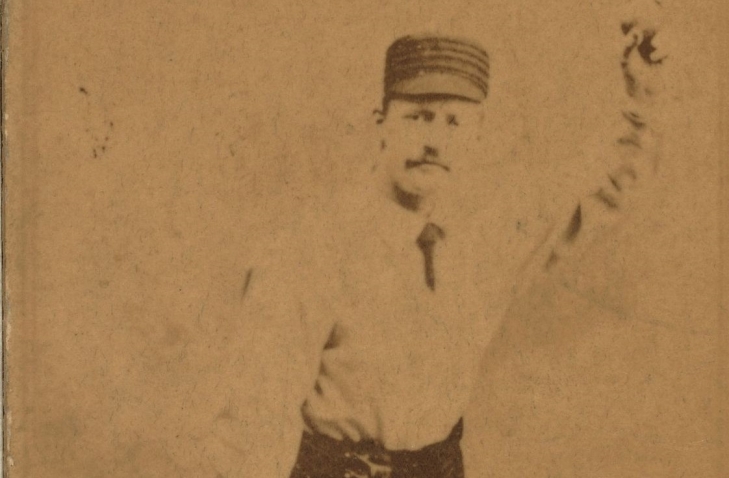
To truly understand the origins of professional baseball in western Pennsylvania, it’s necessary to go back to the 1880s—a time of grueling workloads, rough schedules, and primitive equipment that could break a modern athlete in just weeks. Ed "Cannonball" Morris exemplified this rugged, pioneering era. After the 1884 season, the Pittsburgh Alleghenys (later known as the Pirates) acquired him in a major asset deal from the collapsing Columbus Buckeyes. The broad-shouldered left-hander arrived in Pittsburgh with a fastball that revolutionized the way teams approached preventing runs.
What followed was a short but intense multi-year peak, still regarded as one of the most remarkable displays of raw endurance in local history. Morris made handling the ball an almost daily habit, recording workloads that are hard to imagine today. During his initial two summers in Pittsburgh (1885 and 1886), he led the pitching staff alone, securing 80 wins and pitching over 1,100 innings.
He consistently shut down American Association offenses, leading the league in shutouts in consecutive summers while keeping a remarkably low ERA below 2.50. His precise effectiveness was also confirmed by winning back-to-back league WHIP titles and recording a league-high 298 strikeouts in 1885.
When the franchise moved to the National League in 1887, Morris struggled with the changing competition and rules, posting a challenging 14–22 record and a high 4.31 ERA. However, demonstrating remarkable resilience, he mounted an impressive comeback in the 1888 season. Morris pitched an exhausting 480 innings, finishing with a strong 28–23 record and an outstanding 2.31 ERA, briefly regaining his national recognition.
Sadly, his heavy workload ultimately compromised his physical longevity. The intense strain led to his throwing arm failing the next summer. In a desperate attempt for financial stability, Morris left to join the rogue Pittsburgh Burghers of the newly formed Players' League in 1890, but he performed poorly on the mound and soon retired quietly.
He stepped away from the sport, leaving behind a remarkable, high-concentration localized baseline. During his five summers representing the city, Morris achieved 129 wins, a stellar 2.81 ERA, and 890 strikeouts over 233 complete games and 2,106 innings pitched.
Since his groundbreaking achievements occurred at the very beginning of professional baseball, his legacy has been greatly diminished over time, leading to his complete omission from current Cooperstown discussions. Nonetheless, he stays the original franchise ace, the formidable, brief-lived workhorse who first established the standard for pitching excellence in Pittsburgh.
With Pittsburgh, Morris went 129-102 with a 2.81 ERA and 890 strikeouts.
