

 Not in Hall of Fame News
Yes, we know that this is taking a while! As many of…
 Not in Hall of Fame News
Yes, we know that this is taking a while! As many of…
 Not in Hall of Fame News
2002 SEMI-FINAL RESULTS: Thank you for your participation in the Pro Football…
 Not in Hall of Fame News
Yes, we know that this is taking a while! As many of…
 Not in Hall of Fame News
We are diligently working away at Notinhalloffame on revising our Football lists…
 Not in Hall of Fame News
We are diligently working away at Notinhalloffame on revising our Football lists…
 From the Desk of the Chairman
October baseball often turns individual pitching performances into lasting postseason memories. Strikeout…
 From the Desk of the Chairman
For decades, the sports debate ran on gut feeling. Barstool arguments, call-in…
 From the Desk of the Chairman
Introduction to Private Adult Tennis Camps in Prague Adult club players increasingly…
 From the Desk of the Chairman
Unlike in the case of pre-match betting, where you have to pick…
 From the Desk of the Chairman
Kupu178 builds trust with people by using top-end end-to-end encryption. It checks…
 From the Desk of the Chairman
Sports fans thrive on calculating strategy, reading momentum, and maximizing every tactical…






100 Active Potential Football Hall of Famers
-
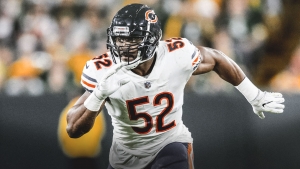 #13 Overall, Khalil Mack: Los Angeles Chargers, #5 Defensive Lineman/Linebacker: Pass Rusher2025 Pre-Season Rank #8, 2024 Pre-Season Rank #12, 2023 Pre-Season Rank #14, 2022 Pre-Season Rank #19, 2021 Pre-Season Rank #26, 2020 Pre-Season Rank…
 -
 #28 Overall, Harrison Smith, Minnesota Vikings, Strong Safety, #2 Safety2025 Pre-Season Rank #38, 2024 Pre-Season Rank #50, 2023 Pre-Season Rank #72, 2022 Pre-Season Rank #79, 2021 Pre-Season Rank #90, 2020 Pre-Season Rank…in Safeties
 -
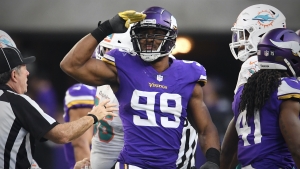 #36 Overall, Danielle Hunter, Houston Texans, #11 Defensive End: Defensive Linemen/Linebackers: Pass Rushers2025 Pre-Season Rank #44, 2024 Pre-Season Rank #57, 2023 Pre-Season Rank #87, 2022 Pre-Season Rank #102 2021 Pre-Season Rank #102, 2020 Pre-Season Rank…
 -
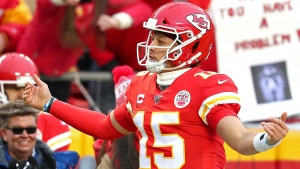 #4 Overall, Patrick Mahomes: Kansas City Chiefs, #2 Quarterback2025 Pre-Season Rank #4, 2024 Pre-Season Rank #2, 2023 Pre-Season Rank #10, 2022 Pre-Season Rank #21, 2021 Pre-Season Rank #31, 2020 Pre-Season Rank…in Quarterbacks
Visit the Fictitious Halls of Fame!


You May Also Like...
EDITOR’S CHOICE

 DDT's Pop Flies
When the veterans committee (VC), officially convening as the Contemporary Baseball Era…



 Live Music Head
Project/Objectan interview with André Cholmondeleyby Live Music HeadOriginally published at timessquare.com on…

LATEST RANKINGS





MOST POPULAR RANKINGS
















Committee Chairman
36. Elbie Fletcher
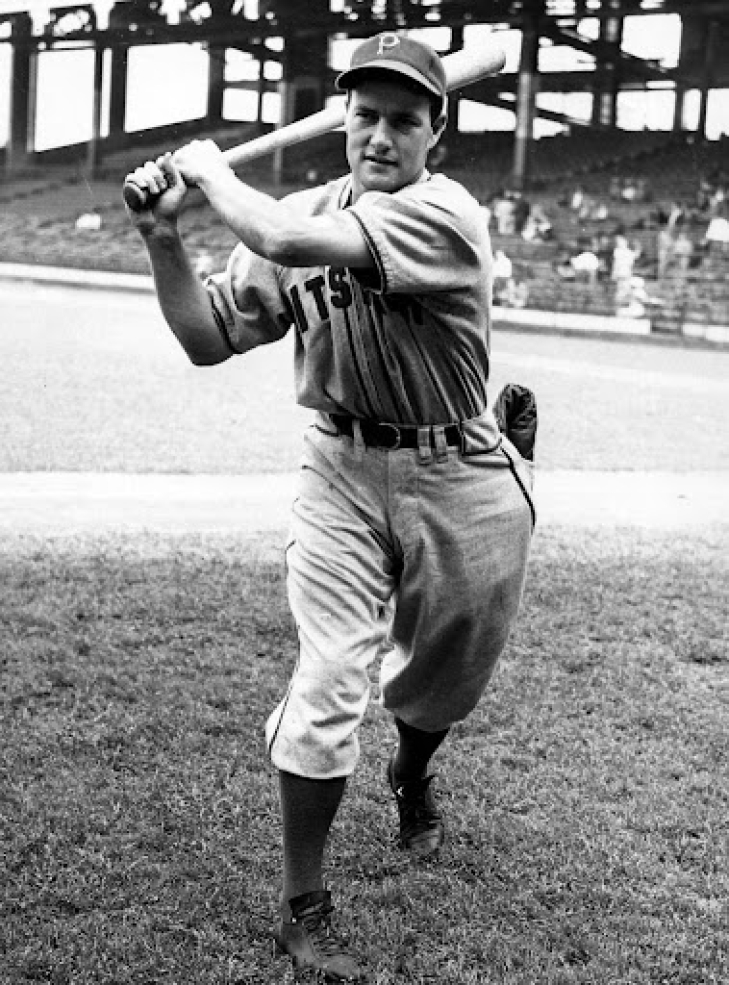
Elbie Fletcher was traded to Pittsburgh from Boston during the 1939 Season, where in Western Pennsylvania, he developed one of the keenest batting eyes of the game.
Fletcher finished the year strong, batting .303 for Pittsburgh, and though he would not bat over .300 again, he learned how to take pitches and would top the NL leaderboard in Walks twice (1940 & 1941) and On Base Percentage three straight years (1940-42). He went into the U.S. Navy for two years, missing two seasons, but was not the same player when he returned and was traded after the 1947 Season.
Fletcher had 875 Hits for the Pirates along with a .403 OBP.
32. Ginger Beaumont
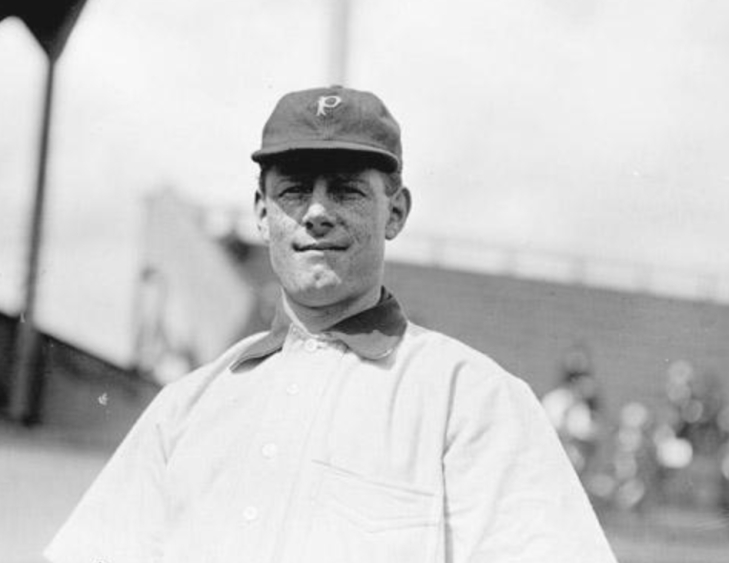
The dawn of 20th-century Western Pennsylvania was defined by Fred Clarke’s aggressive, contact-hitting dynasty, with Clarence Howeth "Ginger" Beaumont at its center. His heavy frame earned him a nickname, but he defied athletic stereotypes using quick first steps and a strong left-handed swing to excel at the top of the order.
His initial appearance during the 1899 campaign is regarded as one of the most remarkable debuts in the extensive history of the organization. As a 24-year-old novice, Beaumont methodically incapacitated National League pitching staffs, achieving an impressive .352 batting average that promptly established his position as a key player. He swiftly transformed accumulating hits into a consistent and reliable offensive contribution, offering a substantial volume of scoring opportunities directly preceding the legendary Honus Wagner.
His quintessential individual peak and superior efficiency metrics converged during a historic three-year period from 1902 to 1904. Beaumont demonstrated exceptional batting prowess, securing the 1902 National League batting title with an impressive .357 average, and establishing a record as the first player in the Senior Circuit to lead the major leagues in total hits for three consecutive summers.
While many modern observers were often misled by his bulky appearance, he was a formidable force on the basepaths, using exceptional speed to steal at least 20 bases across seven different campaigns for the city. His dynamic base-running firmly established his legend during the high-stakes 1903 Fall Classic against Boston. As the fleet-footed center fielder, he stepped up to hit the first pitch in World Series history, helping to elevate Pittsburgh's national profile.
The Pirates traded Beaumont to Boston after his disappointing 1906 Season, but Beaumont proved them wrong by finishing first in hits in 1907. Beaumont, overall as a Pirate, batted .321 with 1,292 hits and 200 stolen bases.
35. Dick Groat
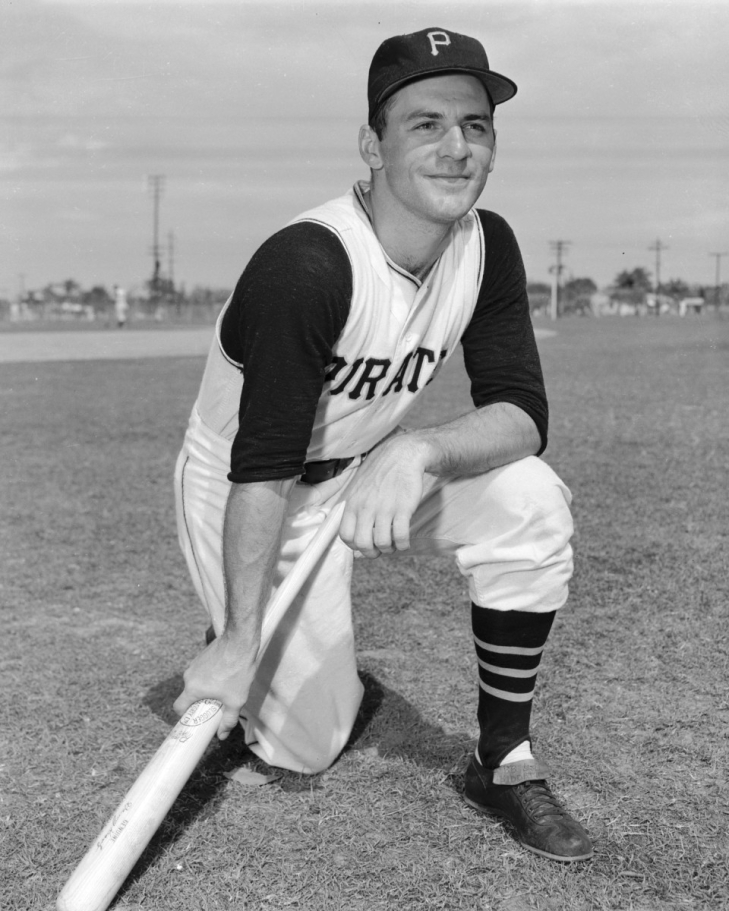
Achieving excellence at the top level of a single sport is rare, but excelling in two vastly different athletic fields requires a unique kind of talent. Richard Morrow Groat exemplified this multi-sport mastery. At Duke University, this talented athlete excelled in both basketball and baseball for several years, setting scoring records in basketball and dominating opposing pitchers in baseball. His exceptional talent led him to become the first athlete inducted into both the College Basketball and College Baseball Halls of Fame. Although he briefly played a season in the NBA with the Fort Wayne Pistons, he ultimately focused on baseball, a choice that significantly impacted Pittsburgh's baseball scene.
He made his major league debut before the 1952 season, quickly demonstrating his top-tier talent and finishing third in the National League Rookie of the Year voting. However, as his career started to gain momentum, Groat had to pause for two years to serve in the military. He returned to the club full-time for the 1955 campaign, instantly anchoring the shortstop position and turning middle-infield stability into an absolute regular-season routine.
While he lacked explosive, over-the-fence power, Groat weaponized an incredibly short, right-handed contact stroke and peerless internal clock, developing into the ultimate table-setter and clubhouse leader for manager Danny Murtaugh. The peak of his national fame and extraordinary efficiency came together during the unforgettable 1960 world championship run. Groat delivered a remarkable display of skill in clutch situations, winning the National League batting title with a superb .325 average that energized the entire offense.
Focusing only on Groat’s offensive stats ignores a significant part of his contributions; he was a defensive genius, leading the entire Senior Circuit with a top-tier 2.6 defensive bWAR. He achieved this by masterfully positioning himself and utilizing keen spatial awareness to shut down opponents’ running threats. His versatile mastery earned him the National League Most Valuable Player award, culminating in his remarkable season where he helped the Bucs secure a memorable seven-game World Series victory against the formidable New York Yankees.
A five-time All-Star, Groat was traded to St. Louis after the 1962 campaign, where he would later win another World Series Championship. With Pittsburgh, Groat batted .290 with 1,435 hits.
30. Manny Sanguillen
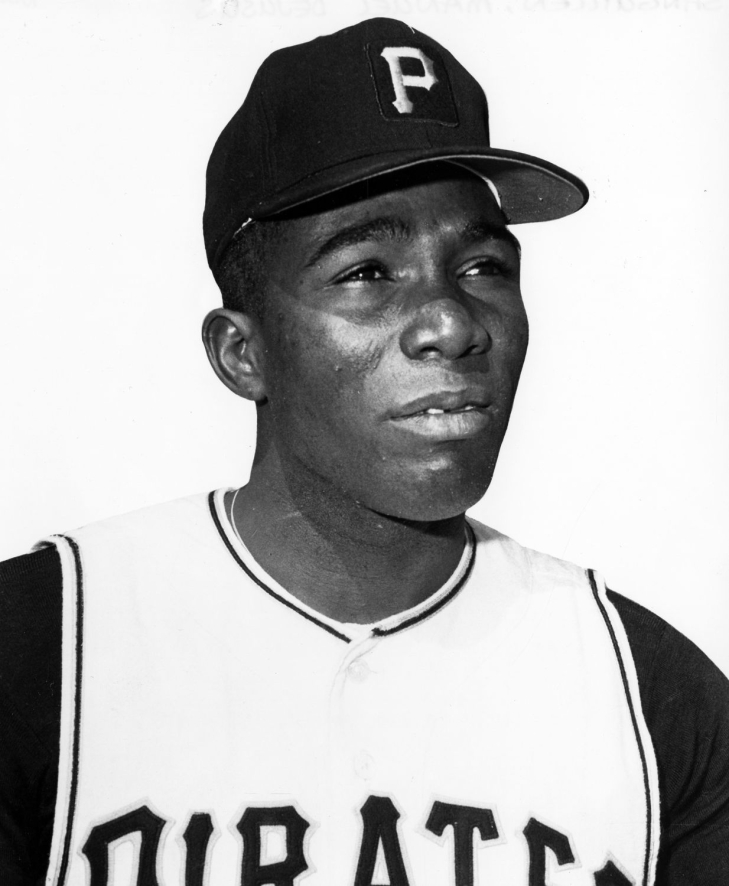
The 1970s baseball scene in Pittsburgh is often seen as dominated by larger-than-life figures who captured national attention. However, behind the legendary "Lumber Company" lineup from behind the plate was a lively, free-swinging artist from Panama, known for playing with a joy that brightened the entire field. Manny Sanguillén, popularly called “Sangy," had a smile as broad as the three rivers and an unorthodox, highly aggressive batting style that challenged traditional hitting methods. Instead of waiting for walks or the perfect pitch, he approached anything within a five-foot radius of home plate as a chance to make solid contact, making him one of the top offensive catchers of his era.
He made his initial appearance in 1967, but it wasn't until 1969 that Sanguillen secured the full-time starting catcher position. He became a consistent hitter during the regular season, managing to succeed in an era filled with top-tier pitching, thanks to his quick, short right-handed swing.
Sanguillen listed four seasons with a batting average over .300, an impressive feat for a catcher in the low-offense era of the 1970s. He was a key contributor to the legendary 1971 World Series champion team, batting .319 in the regular season and delivering 11 crucial hits in the seven-game series victory against Baltimore.
Despite his significant multi-dimensional value, Sanguillen spent much of his prime in the background of a competitive shadow. Nationally, his individual recognition was limited since Johnny Bench dominated the position as the gold standard. Locally, his steady performance was sometimes overshadowed by the star power of his legendary close friend Roberto Clemente and the towering Willie Stargell.
His exceptional defensive skills and quickness behind the plate earned him three consecutive All-Star selections from 1971 to 1973. Notably, in 1972, he had a standout season, finishing eleventh in the National League MVP voting after achieving a career-high .321 batting average.
To tackle structural needs on the mound, management made a bold trade after the 1976 season, sending the franchise's key player to the Oakland Athletics in exchange for manager Chuck Tanner. Reflecting his strong ties to Western Pennsylvania, Tanner later orchestrated a trade that brought Sanguillen back to the Steel City just before the 1978 season.
Although he served as a respected veteran reserve behind Ed Ott during his final three summers in town, his remarkable longevity paid off in the memorable 1979 "We Are Family" season. Off the bench in the crucial late innings of Game 2 in the World Series, he hit a legendary, game-winning pinch-hit single off Baltimore's Don Stanhouse, sparking the team's historic comeback and earning a place in club folklore as one of the few players to win world championship rings in both of the franchise's 1970s dynasties.
Sanguillen retired after the 1980 season, accumulating 1,343 hits and a .299 batting average for Pittsburgh.
