

 Not in Hall of Fame News
Yes, we know that this is taking a while! As many of…
 Not in Hall of Fame News
Yes, we know that this is taking a while! As many of…
 Not in Hall of Fame News
2002 SEMI-FINAL RESULTS: Thank you for your participation in the Pro Football…
 Not in Hall of Fame News
Yes, we know that this is taking a while! As many of…
 Not in Hall of Fame News
We are diligently working away at Notinhalloffame on revising our Football lists…
 Not in Hall of Fame News
We are diligently working away at Notinhalloffame on revising our Football lists…
 From the Desk of the Chairman
Unlike in the case of pre-match betting, where you have to pick…
 From the Desk of the Chairman
Kupu178 builds trust with people by using top-end end-to-end encryption. It checks…
 From the Desk of the Chairman
Sports fans thrive on calculating strategy, reading momentum, and maximizing every tactical…
 From the Desk of the Chairman
The 2026 NFL season is two weeks old and the division races…
 From the Desk of the Chairman
Sports communities are often built around things that have nothing to do…
 From the Desk of the Chairman
Every hall of fame eventually faces the same problem. The selection process…
100 Active Potential Football Hall of Famers
-
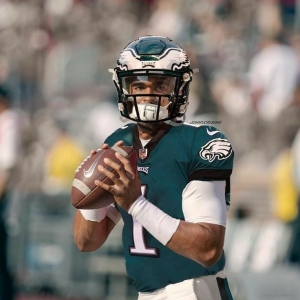 #32 Overall, Jalen Hurts, Philadelphia Eagles, #6 Quarterback2025 Pre-Season Rank #33, 2024 Pre-Season Rank #53, 2023 Pre-Season Rank #121. Peak Period: 2021-25 And in 2024, he became a champion. Jalen…in Quarterbacks
 -
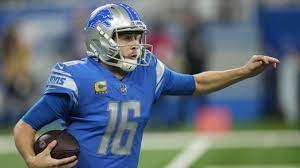 #45 Overall, Jared Goff, Detroit Lions, #8 Quarterback2025 Pre-Season Rank #46, pSeason 2024 Pre-Season Rank #89, 2023 Pre-Season Rank #100, 2022 Pre-Season Rank #112. 2021 Pre-Season Rank #106, 2020 Pre-Season…in Quarterbacks
 -
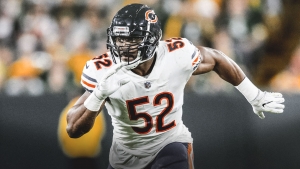 #13 Overall, Khalil Mack: Los Angeles Chargers, #5 Defensive Lineman/Linebacker: Pass Rusher2025 Pre-Season Rank #8, 2024 Pre-Season Rank #12, 2023 Pre-Season Rank #14, 2022 Pre-Season Rank #19, 2021 Pre-Season Rank #26, 2020 Pre-Season Rank…
 -
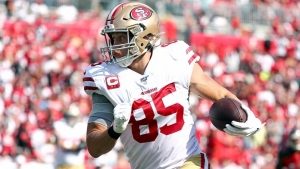 #26 Overall, George Kittle, San Francisco 49ers, #2 Tight End2025 Pre-Season Rank #34, 2024 Pre-Season Rank #42, 2023 Pre-Season Rank #59, 2022 Pre-Season Rank #74, 2021 Pre-Season Rank #86, 2020 Pre-Season Rank…in Tight Ends
Visit the Fictitious Halls of Fame!

You May Also Like...
EDITOR’S CHOICE
 DDT's Pop Flies
When the veterans committee (VC), officially convening as the Contemporary Baseball Era…


 Live Music Head
Project/Objectan interview with André Cholmondeleyby Live Music HeadOriginally published at timessquare.com on…

LATEST RANKINGS

MOST POPULAR RANKINGS

Committee Chairman
Notinhalloffame NBA Cup Standings Update (160)
If you are a regular visitor at Notinhalloffame.com, you know that we created the Notinhalloffame NBA Cup, where in every regular season game, we award points (5-4-3-2-1) to the top five performers. This is the third year that we have done this, and Denver’s Nikola Jokic won the first two.
To keep everyone regularly in the loop this time, we have decided to give regular updates, starting at when the first player cracked 100 Points, and tell all of you the top ten. We will this going forward with every update as the first player breaches the elevated ten-point threshold afterward.
Here is the current top ten, based on the first player to breach 160 Notinhalloffame Cup Points:
1. Luka Doncic, Dallas Mavericks, 160 Points: 38 Games, 34.2 PPG, 8.9 RPG, 8.7 APG, 1.7 SPG, 0.6 BPG, 31.5 PER, 7.5 WS. (#2 on last ranking)
Doncic is back at #1, and for our money is still he front runner for the MVP. The European star is currently leading the NBA in Points per Game (34.2) and Usage Percentage (38.6).
2. Kevin Durant, Brooklyn Nets, 153 Points: 39 Games, 29.7 PPG, 6.7 RPG, 5.3 APG, 0.8 SPG, 1.5 BPG, 26.8 PER, 6.4 WS. (#1 on last ranking)
The Nets were on fire, and Durant was posting his best numbers over the past three years. K.D. is now on the injured list with an MCL injury, and will miss a month, that will cost him the MVP and of course, the NIHOF Cup.
3. Jayson Tatum, Boston Celtics, 151 Points: 40 Games, 30.8 PPG, 8.2 RPG, 4.2 APG, 1.1 SPG, 0.8 BPG, 24.9 PER, 5.9 WS. (#3 on last ranking)
Tatum continues to get better which should scare the hell out of anybody cheering against the Celtics. He has never finished a season averaging over 30 Points per Game, and Tatum is over that now, while generating serious MVP consideration.
4. Giannis Antetokounmpo, Milwaukee Bucks, 148 Points: 30 Games, 31.0 PPG, 11.9 RPG, 5.3 APG, 0.8 SPG, 0.9 BPG, 27.1 PER, 4.5 WS. (#3 on last ranking)
Giannis moves up another spot and the two-time MVP’s Bucks look ready to win it all. He is in the top five in Rebounds and Points per Game.
5. Nikola Jokic, Denver Nuggets, 145 Points: 38 Games, 24.9 PPG, 11.0 RPG, 9.7 APG, 1.4 SPG, 0.6 BPG, 32.0 PER, 8.3 WS. (#5 on last ranking)
The “Joker” has been great lately, and we know someone wants to get that third Cup! He is currently leading the NBA in PER 32.0, VORP (4.6), Box Plus/Minus (12.5) and Win Shares (8.3).
6. Shai Gilgeous-Alexander, Oklahoma City Thunder, 142 Points: 37 Games, 30.8 PPG, 4.8 RPG, 5.6 APG, 1.6 SPG, 1.1 BPG, 26.6 PER, 5.6 WS. (#6 on last ranking)
Gilgeous-Alexander is going to be an All-Star this year, and is shattering last year’s averages, which were already good. How great will this Canadian be?
7. Jaylen Brown, Boston Celtics, 137 Points: 40 Games, 27.2 PPG, 7.1 RPG, 3.2 APG, 1.1 SPG, 0.5 BPG, 20.3 PER, 3.3 WS. (#8 on last ranking)
Brown’s appearance here gives Boston the only team to have two players in the top ten, and he currently has the highest traditional numbers of his career.
8. Ja Morant, Memphis Grizzlies, 134 Points: 34 Games, 27.6 PPG, 5.9 RPG, 7.9 APG, 1.0 SPG, 0.3 BPG, 24.2 PER, 3.8 WS. (#7 on last ranking)
Morant is the face of the Grizzles, and he is posting similar numbers from last year, when he took Memphis to the next level.
9. Joel Embiid, Philadelphia 76ers, 127 Points: 29 Games, 33.6 PPG, 9.9 RPG, 4.4 APG, 1.1 SPG, 1.7 BPG, 30.9 PER, 5.2 WS. (#9 on last ranking)
Embiid is currently second in Points per Game (behind Doncic), but is currently dealing with a foot injury.
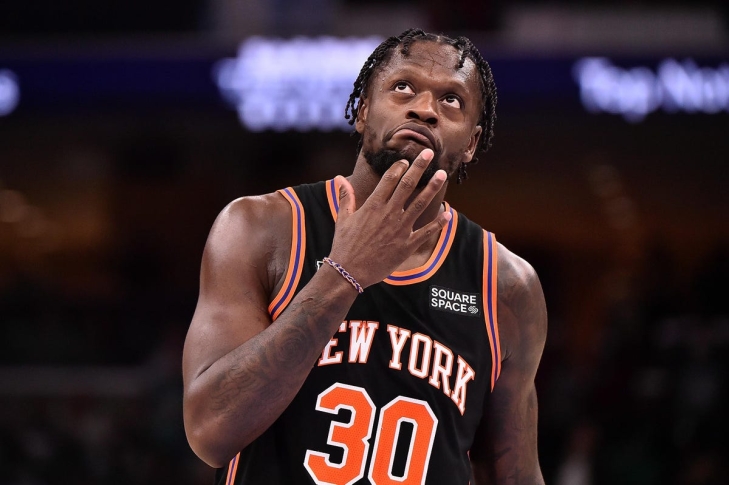
10. Julius Randle, New York Knicks, 125 Points: 42 Games, 24.1 PPG, 10.3 RPG, 3.8 APG, 0.8 SPG, 0.4 BPG, 20.5 PER, 4.8 WS. (#10 on last ranking)
Randle makes his first appearance this year in the top ten, and currently has the same PPG (24.1), as his All-Star year two years ago (24.1).
Our next update will happen after the first player breaches 170 Cup Points.
26. Bill Russell

Bill Russell debuted in 1969 and was a versatile athlete who began his career in the outfield before being asked to move to the infield to fill a critical vacancy. Known for his steady hand and quiet professionalism, he served as the defensive anchor of the longest-running infield in the sport's history.
Initially serving as a utility player and outfielder during his early seasons, Russell shifted to shortstop in 1972 to fill Maury Wills' role. He quickly became a top-tier defender, leading the National League in Defensive bWAR (2.3) and assists (427) in 1973. Recognized for his dependability, he was an essential part of the legendary infield alongside Steve Garvey, Davey Lopes, and Ron Cey, a group that remained a steady fixture in the lineup for more than eight years.
Although he earned three All-Star selections (1973, 1976, and 1980), his most impactful performances were observed during the most prominent moments. During the 1978 World Series, he was electric, batting .423 with 11 hits. He remained an essential member of the team roster into the early 1980s, ultimately contributing to the Dodgers’ 1981 World Series victory. Throughout his career, he established himself as a dependable catalyst at the plate, concluding his playing tenure with 1,926 hits.
He hung up his cleats in 1986. After retiring as the player with the most games played in the team’s West Coast history (2,181), he transitioned into a coaching role and eventually served as the Dodgers’ manager from 1996 to 1998. In 2022, the organization honored his 30-year association with the club by naming him a "Legend of Dodger Baseball."
Which Team Has The Best Odds of Winning March Madness 2023?
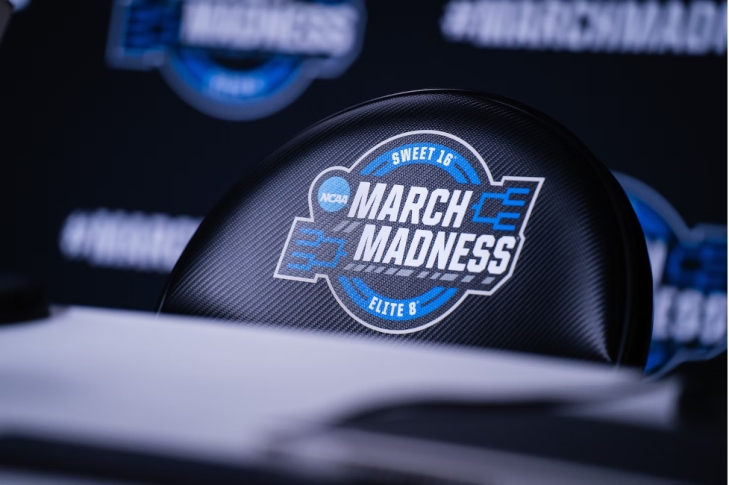
It's that time of year again. The NCAA Men's Basketball Tournament is right around the corner, and fans everywhere are wondering which team has the best shot at winning it all. We've got the latest March Madness odds, so read on to see who the experts pick to take home the title in 2023.
Houston
Houston basketball has had a strong season, and all eyes are on them to win the coveted March Madness 2023. With the best odds of victory at +600, it's clear why they are favored to win the tournament. While other teams certainly have excellent players and valuable experience, Houston has demonstrated impressive tenacity and unparalleled skills, which give them an edge in this competition—especially considering their deep understanding of team play.
Their strong defense makes them formidable to any opponent. So as Houston prepares for the big game and against the toughest competition, many experts agree that they have what it takes to take home another championship title for the city.
Kansas
The Kansas basketball team looks like one of the strongest contenders for the championship title this year, with superior odds currently standing at +750. Led by experienced veterans and emerging stars, the team has far exceeded expectations and boasts a roster that gives other teams plenty to worry about.
Team chemistry is clearly on display in every game, and the Kansas statistical powerhouses have consistently outperformed opponents. With such strong form, it's no surprise that fans already anticipate a victory for their beloved team. The stakes are high, and we can only wait in anticipation to see if the championship title will end up coming home to Kansas this season.
Purdue
The Purdue Boilermakers have had some impressive performances so far this season and are quickly emerging as potential contenders to watch. Despite being one of the longest shots on the betting boards with +1200 odds, they boast a solid roster and have already upset several top-tier opponents within the Big Ten Conference.
As they gain confidence and sharpen their skills throughout the remainder of regular season play, don’t be surprised if you start hearing more about the Purdue Boilermakers closer to tip-off!
Arizona
The Arizona Wildcats are certainly making some waves this season, and with their impressive record so far, they’re right up there amongst the top contenders. With odds of +1300 to win the championship this season, they come in at fourth place - a testament to the team’s competitiveness and determination across all positions.
While the competition is tough, this squad has already gone up against some of the nation's most formidable opponents and emerged victorious, so it wouldn’t be too surprising if they continue to make a splash in conference play. Time will tell if these hard-working Cats have what it takes to make a serious run for the title.
Connecticut
Connecticut has a real chance to go all the way at this year’s competition, with odds of +1400 for them to take home the title. Considering its track record, Connecticut stands out as one of the most promising contenders for this championship.
Famous for its impressive lineup of experienced players, a strong coaching staff, and an emphasis on both skill development and team spirit, it's not hard to see why they are in the running. While they will undoubtedly face stiff competition in 2023, Connecticut is certainly one squad you should watch closely throughout their journey.
30. Johnny Podres
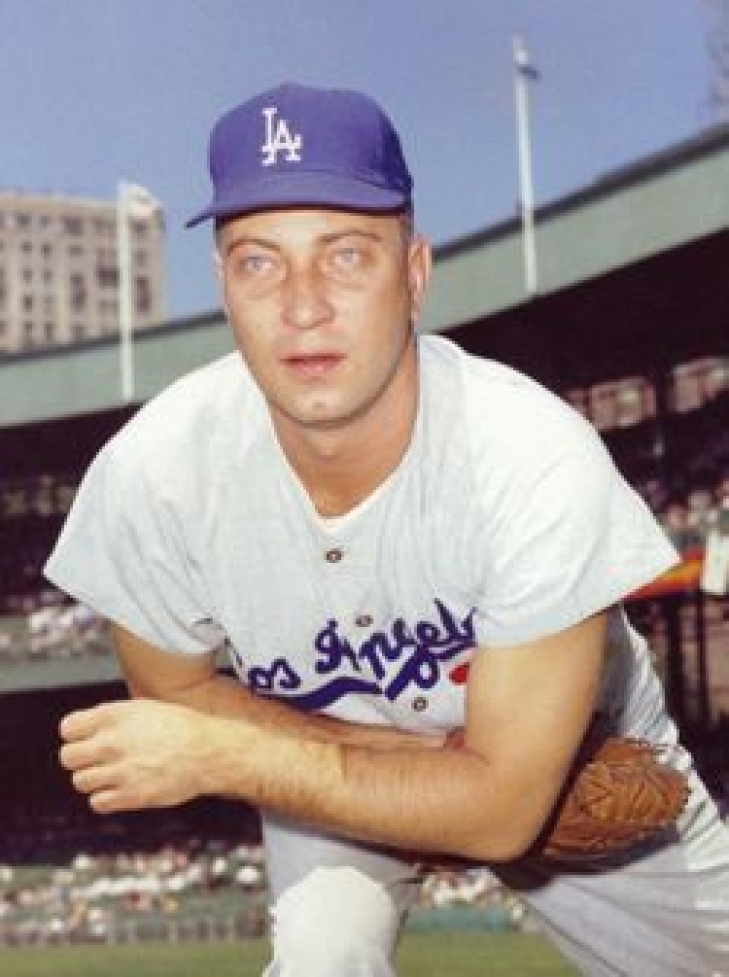
Johnny Podres was one of the most successful southpaws in Dodgers history, especially when you look at the postseason.
Debuting for Brooklyn in 1953, Podres became a forever Dodgers star during the 1955 World Series. After a modest regular season, he won both of his starts against the Yankees. His most historic moment came in Game 7, where he pitched a 2-0 shutout at Yankee Stadium, securing Brooklyn's first and only world championship. This performance earned him the inaugural World Series MVP Award.
In 1957, following a one-year period of military service, he returned to lead the National League in several efficiency categories. He recorded a 2.66 ERA and six shutouts, concluding the season with a league-best 1.082 WHIP. As the franchise transitioned to Los Angeles, he continued to be a key member of the pitching staff, earning three consecutive All-Star selections (1958, 1960, 1962). His role in the rotation was instrumental during the team’s relocation to the West Coast. In 1961, he achieved a significant milestone in his career by securing 18 wins, the highest in the league, with a .783 winning percentage.
Sandy Koufax had become the undisputed ace of the Dodgers staff, but Podres was still a valuable commodity, with solid contributions in L.A.’s 1959 and 1965 Championships. Podres was traded to Detroit during the 1966 Season, but by then, he was no longer the pitcher he had been.
With the Dodgers, Podres had a record of 136-104 with 1,331 Strikeouts.
