

 Not in Hall of Fame News
Yes, we know that this is taking a while! As many of…
 Not in Hall of Fame News
Yes, we know that this is taking a while! As many of…
 Not in Hall of Fame News
2002 SEMI-FINAL RESULTS: Thank you for your participation in the Pro Football…
 Not in Hall of Fame News
Yes, we know that this is taking a while! As many of…
 Not in Hall of Fame News
We are diligently working away at Notinhalloffame on revising our Football lists…
 Not in Hall of Fame News
We are diligently working away at Notinhalloffame on revising our Football lists…
 From the Desk of the Chairman
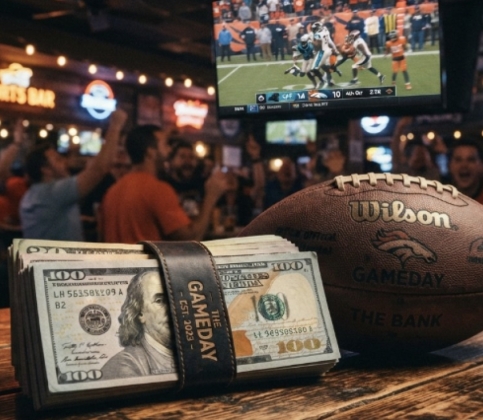
Sports fans thrive on calculating strategy, reading momentum, and maximizing every tactical…
 From the Desk of the Chairman
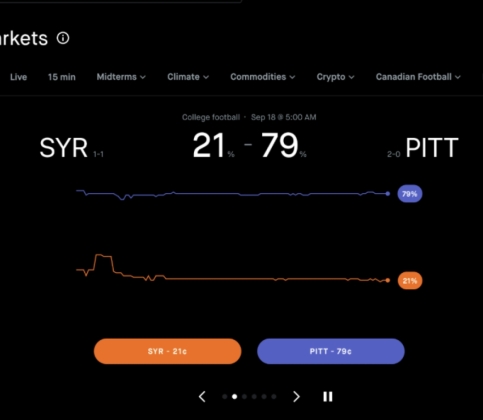
The 2026 NFL season is two weeks old and the division races…
 From the Desk of the Chairman
Sports communities are often built around things that have nothing to do…
 From the Desk of the Chairman
Every hall of fame eventually faces the same problem. The selection process…
 From the Desk of the Chairman
Pete Rose died in 2024. On May 13, 2025, Commissioner Rob Manfred…
 From the Desk of the Chairman
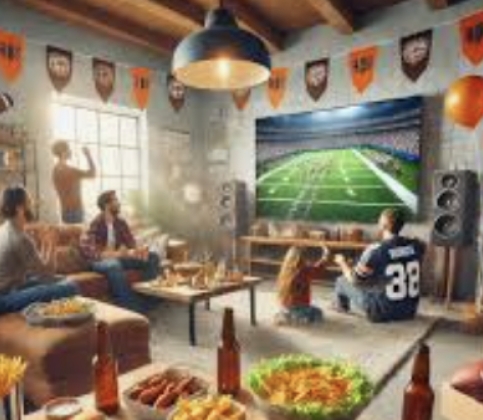
For NFL fans, game day offers much more than three hours of…
100 Active Potential Football Hall of Famers
-
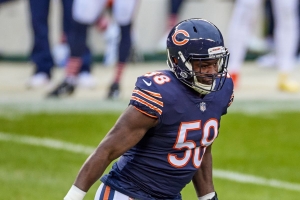 #31 Overall, Roquan Smith, Baltimore Ravens Linebacker, #3 Defensive Lineman/Linebacker: Interior Lineman2025 Pre-Season Rank #39, 2024 Pre-Season Rank #62, 2023 Pre-Season Rank #92, 2022 Pre-Season Rank #133, 2021 Pre-Season Rank #146. Peak Period: 2020-24…
 -
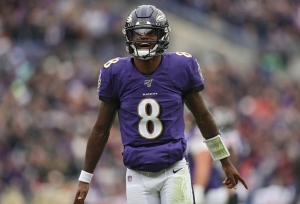 #12 Overall, Lamar Jackson, Baltimore Ravens, #4 Quarterback2025 Pre-Season Rank #10, 2024 Pre-Season Rank #14, 2023 Pre-Season Rank #30, 2022 Pre-Season Rank #38, 2021 Pre-Season Rank #46, 2020 Pre-Season Rank…in Quarterbacks
 -
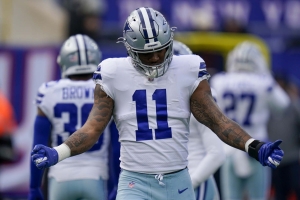 #29 Overall, Micah Parsons, Green Bay Packers, Linebacker, #10 Defensive Lineman/Linebacker: Pass Rusher2025 Pre-Season Rank #54, 2024 Pre-Season Rank #79, 2023: Pre-Season Rank #102. Peak Period: 2021-25 Here is what we wrote about Micah Parsons…
 -
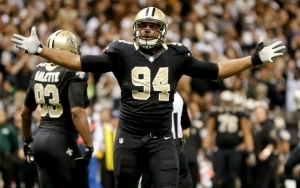 #15 Overall, Cameron Jordan, New Orleans Saints, Defensive End, #7 Defensive Lineman/Linebacker: Pass Rusher2025 Pre-Season Rank #14, 2024 Pre-Season Rank #21, 2023 Pre-Season Rank #27, 2022 Pre-Season Rank #25, 2021 Pre-Season Rank #36, 2020 Pre-Season Rank…
Visit the Fictitious Halls of Fame!


You May Also Like...
EDITOR’S CHOICE
 DDT's Pop Flies
When the veterans committee (VC), officially convening as the Contemporary Baseball Era…


 Live Music Head
Project/Objectan interview with André Cholmondeleyby Live Music HeadOriginally published at timessquare.com on…

LATEST RANKINGS
MOST POPULAR RANKINGS



Committee Chairman
Devin McCourty Retires

We have another significant retirement in the National Football League as New England Patriots Safety, Devin McCourty, has announced his retirement from the NFL after a 12-year career. He made the announcement on an Instagram post.
From Rutgers, the Pats used their 2010 First Round Pick (27th Overall) to select McCourty, who never played for another pro team. Winning three Super Bowls in New England, McCourty dressed in 205 Games (5th in team history), recorded 35 Interceptions (3rd in team history), and amassed 982 Tackles.
Originally playing at Cornerback, McCourty switched to Safety and was named a team captain as early as his second year. A beloved teammate and community leader, McCourty was a two-time Pro Bowl Selection, and was twice a Second Team All-Pro.
McCourty is eligible for the Pro Football Hall of Fame in 2028, though is unlikely to enter. In our pre-2022 NFL HOF Active Monitor, McCourty was ranked #108 Overall and #7 among Safeties. Canton may not come calling, but his resume of worthy of a spot in the New England Patriots Hall of Fame.
We here at Notinhalloffame.com would like to wish Devin McCourty the best in his post-playing career.
RIP: Bud Grant
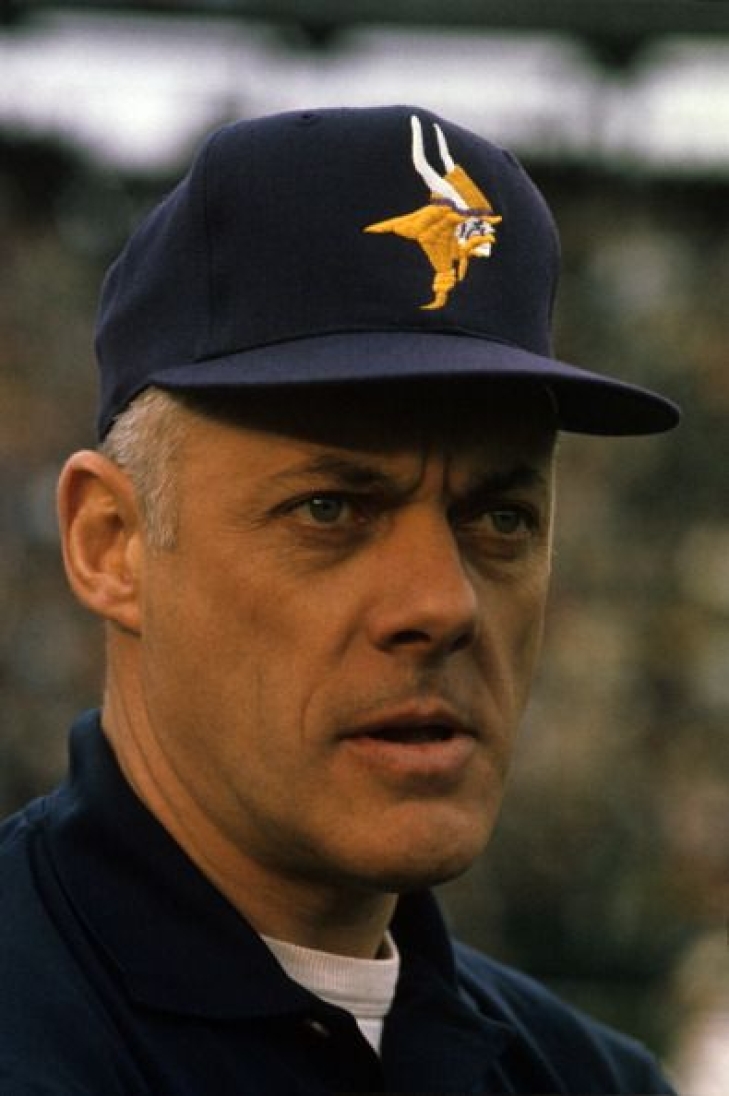
We lost another legend in the world of Pro Football with the passing of former Vikings Head Coach, Bud Grant, who passed away at the age of 95.
Playing professionally in Philadelphia and Winnipeg in the CFL, Bud Grant went into coaching, first in Canada for the Blue Bombers where he won four Grey Cups. That type of success will get you noticed, and the closest NFL team, the Minnesota Vikings signed him as their Head Coach in 1967.
Grant is still as of this writing the most successful Head Coach in Vikings history, winning the Coach of the Year in 1969, and leading Minnesota to four Super Bowl appearances. The Vikings did not win any of them, but they would not have gotten there without Grant, whose innovations and vision made Minnesota one of the most recognized franchises in the NFL.
Grant, who is also in the Canadian Football Hall of Fame, had an overall NFL record of 158-96-5.
We here at Notinhalloffame.com would like to extend our condolences to the fans, friends and family of Bud Grant.
Rey Mysterio named to the WWE Hall of Fame
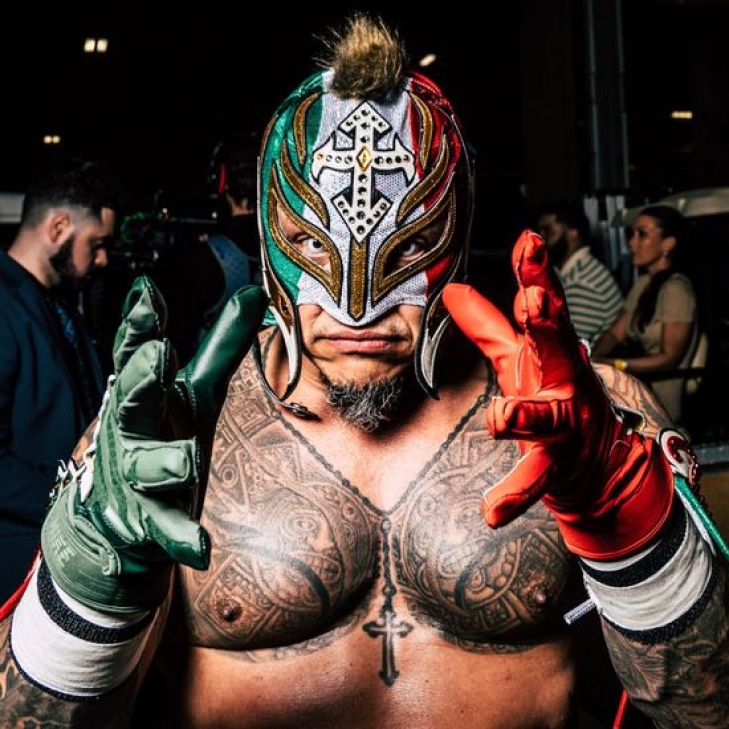
We are weeks away from Wrestlemania, but for us, the bigger component is that it is Hall of Fame season. Last night, on WWE Smackdown, Rey Mysterio, 49, who is an active competitor and looks to be in a major Wrestlemania match with his son, Dominik, was announced as the first member of the 2023 Class.
From San Diego, Mysterio was born Oscar Gutierrez, and first wrestled at the age of 14. Taking the name of Rey Mysterio Jr., after his uncle, Rey Mysterio, he joined the leading Mexican promotion, AAA in 1992. He was an instant sensation with his high-flying skills, but at well under 150 pounds, and 5’ 2”, it was highly improbably that Mysterio could make it in the United States, but shattering glass ceilings would become his specialty.
After appearing briefly in ECW in 1995, Eric Bischoff of WCW signed Mysterio, and he was the face of the Cruiserweight division, winning that title five times and the WCW World Tag Team Title three times. After WCW folded, he would join the WWE in 2002, where he won that version of the Cruiserweight Title multiple times.
Following the death of Eddie Guerrero, Mysterio, who was his on-screen rival, but off-screen best friend was vaulted into the Heavyweight Title scene, winning the 2006 Royal Rumble, and the World Title at Wrestlemania 22. His title reign was poorly booked, but remained a top-to-middle name performer on the cards for the next nine years, winning other titles and dazzling fans.
Mysterio left the WWE in 2015, but returned three years later, with his most recent success coming in a Smackdown Tag Team Title win with his son, Dominik. The father and son match could be a show stealer at Wrestlemania.
Mysterio was not ranked on our list of those to consider for the WWE Hall of Fame, as we only rank those who are inactive or over 50.
We here at Notinhalloffame.com would like to extend our congratulate Rey Mysterio for this impending honor.
19. Brandon Nimmo
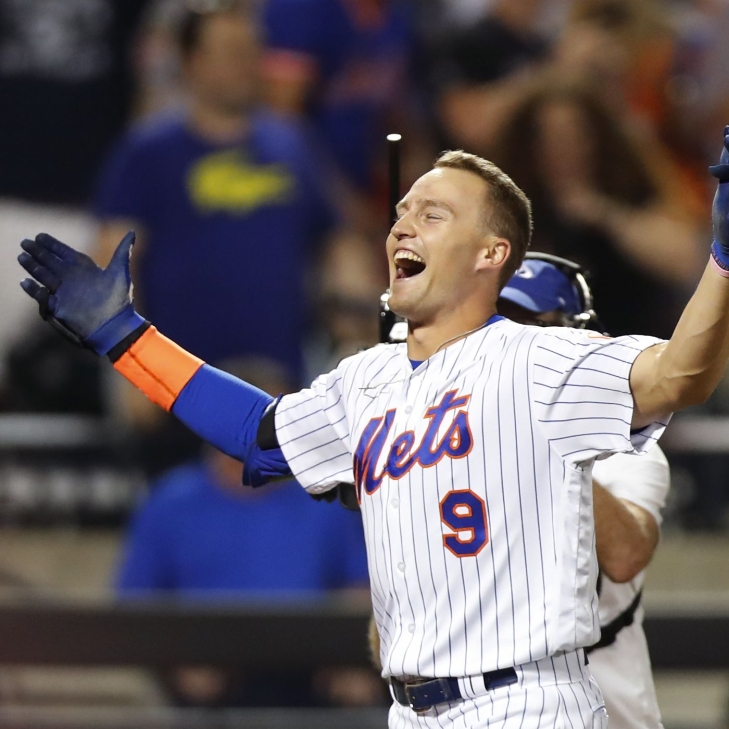
Brandon Nimmo’s Major League career in Flushing began as a highly-touted first-round pick out of Wyoming in the 2011 draft, carrying a reputation as an athletic outfielder with a uniquely advanced eye at the plate. He debuted with the big league club in 2016, but had to bide his time before claiming everyday ownership of the grass.
In 2018, Nimmo's first full season, he showcased exceptional top-of-the-order efficiency. Although he only had 114 hits, his strong plate discipline led to a remarkable .404 on-base percentage, and he led the National League by being hit 22 times. Despite setbacks from various injuries between 2019 and 2021, he stayed a valuable contributor when healthy, blending an elite walk rate with occasional moderate power.
In 2022, he played 151 games, leading the National League with 7 triples and achieving his first 150-hit season. His performance improved further in 2023, with career highs of 162 hits, 24 home runs, and 68 RBI. He maintained this critical role through the 2025 season, anchoring the outfield for a strong Mets team that advanced to the National League Championship Series, driven by his 25 home runs and 92 RBI.
In November 2025, three years into a lucrative eight-year extension, the front office launched a major roster overhaul aimed at shifting the team's defensive strengths. Nimmo waived his no-trade clause and was traded to the Texas Rangers in a blockbuster, star-for-star deal that brought veteran second baseman Marcus Semien to New York.
Nimmo departed Queens as the team's longest-tenured player and an unofficial clubhouse captain, leaving behind 974 hits, 135 home runs, and a superb .364 career on-base percentage in blue and orange.
