

 Not in Hall of Fame News
Yes, we know that this is taking a while! As many of…
 Not in Hall of Fame News
Yes, we know that this is taking a while! As many of…
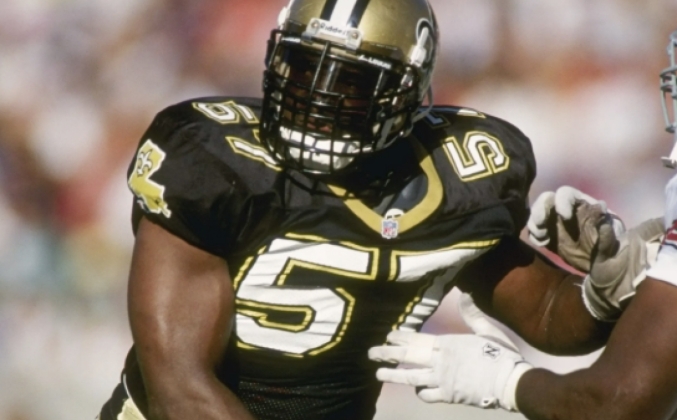 Not in Hall of Fame News
2002 SEMI-FINAL RESULTS: Thank you for your participation in the Pro Football…
 Not in Hall of Fame News
Yes, we know that this is taking a while! As many of…
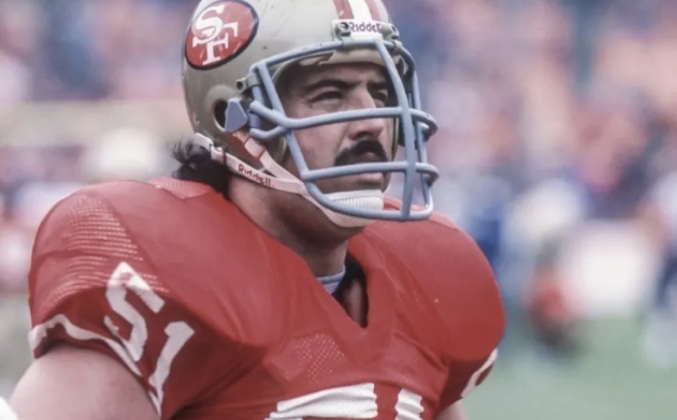 Not in Hall of Fame News
We are diligently working away at Notinhalloffame on revising our Football lists…
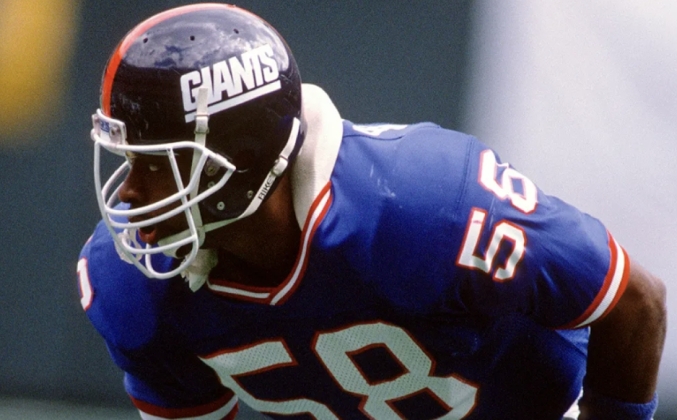 Not in Hall of Fame News
We are diligently working away at Notinhalloffame on revising our Football lists…
 From the Desk of the Chairman
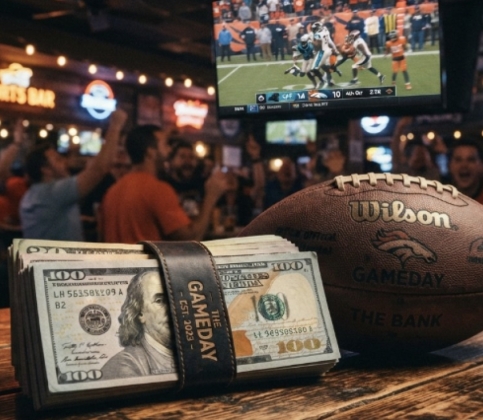
Sports fans thrive on calculating strategy, reading momentum, and maximizing every tactical…
 From the Desk of the Chairman
The 2026 NFL season is two weeks old and the division races…
 From the Desk of the Chairman
Sports communities are often built around things that have nothing to do…
 From the Desk of the Chairman
Every hall of fame eventually faces the same problem. The selection process…
 From the Desk of the Chairman
Pete Rose died in 2024. On May 13, 2025, Commissioner Rob Manfred…
 From the Desk of the Chairman
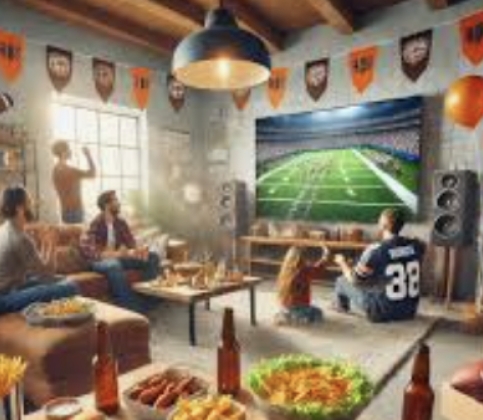
For NFL fans, game day offers much more than three hours of…



100 Active Potential Football Hall of Famers
-
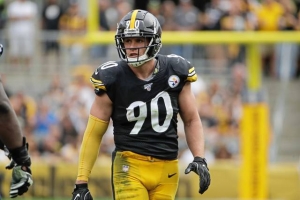 #10 Overall, T.J. Watt, Pittsburgh Steelers, #4 Defensive Lineman/Linebacker Pass Rusher2025 Pre-Season Rank #7, 2024 Pre-Season Rank #11: 2023 Pre-Season Rank #15, 2022 Pre-Season Rank #24, 2021 Pre-Season Rank #68, 2020 Pre-Season Rank…
 -
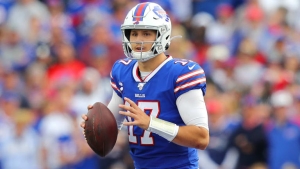 #16 Overall, Josh Allen, Buffalo Bills, #5 Quarterback2025 Pre-Season Rank #17, 2024 Pre-Season Rank #39, 2023 Pre-Season Rank #69, 2022 Pre-Season Rank #98, 2021 Pre-Season Rank #117. Peak Period: 2020-24.…in Quarterbacks
 -
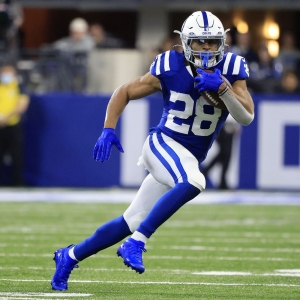 #47 Overall, Jonathan Taylor, Indianapolis Colts, #4 Running Back2025 Pre-Season Rank #70, 2024 Pre-Season Rank #98, 2023 Pre-Season Rank: #107, 2022 Pre-Season Rank #111. Peak Period: 2021-25 After a good rookie…
 -
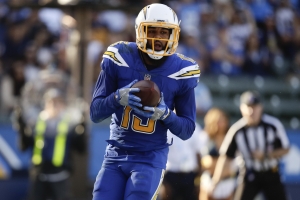 #49 Overall, Keenan Allen, Indianapolis Colts, #8 Wide Receiver2025 Pre-Season Rank #46, 2024 Pre-Season Rank #41, 2023 Pre-Season Rank #45, 2022 Pre-Season Rank #48, 2021 Pre-Season Rank #66, 2020 Pre-Season Rank…
Visit the Fictitious Halls of Fame!
You May Also Like...
EDITOR’S CHOICE
 DDT's Pop Flies
When the veterans committee (VC), officially convening as the Contemporary Baseball Era…

 Live Music Head
Project/Objectan interview with André Cholmondeleyby Live Music HeadOriginally published at timessquare.com on…

LATEST RANKINGS



MOST POPULAR RANKINGS








Committee Chairman
Building Character on the Field: The Role of Sportsmanship in Education
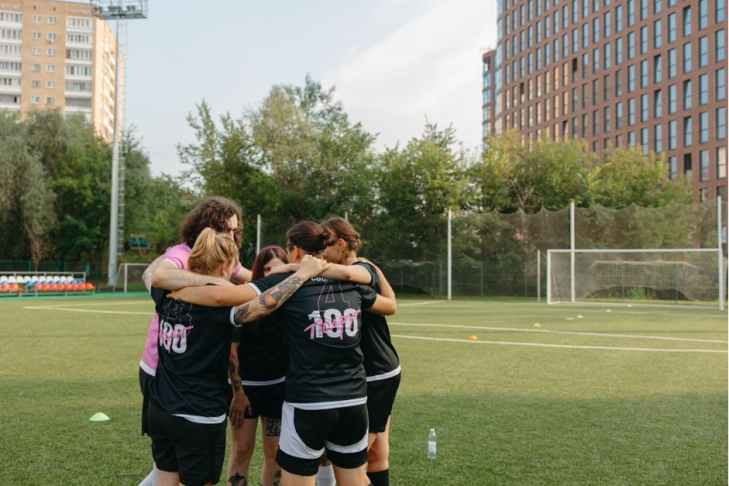
Sportsmanship is more than just cheering when you win or being sad when you lose. It is an important part of growing character, especially in the school setting. This piece will talk about how sportsmanship has a big effect on people, how important it is in school sports, and how it changes the learning experience off the field.
Introduction
1. What does "sportsmanship" mean?
Fair play, respect, and honesty in sports are at the heart of sportsmanship. It's not just about winning; it's also about how the game is played and the lessons that are taught.
2. Why building character is important in school
Education isn't just about doing well in school; it's also about building good character. Sportsmanship is a big part of this because it helps build traits like kindness, humility, and toughness.
3. The connection between being a good sport and learning
There is a strong link between good sportsmanship and knowledge. Players learn important lessons about life that apply to more than just the field. These lessons affect their academic journey and beyond.
How good sportsmanship affects people
1. Getting people to work together and as a team
Team games, in particular, show how important it is to work together. To work well with others in school, you need to learn how to accept each other's strengths and weaknesses and how to work with others. This skill will help you a lot in your studies. When there are problems with writing papers, it is always better to turn to professionals. Qualified writers who work in the writing paper service will always be happy to help you. But how much you can find out for yourself and learn to write on your own also depends on your communication skills.
2. The formation of values
Good sportsmanship helps kids learn important ideals like fairness, honesty, and responsibility. People take these values with them into their school and work lives as guiding principles.
3. Getting stronger by facing problems
Being a good sport teaches people how to handle wins and losses with class. Being tough is an important skill for dealing with the difficulties of school, and it also helps students get ready for the tough situations they will face in real life.
Being a good sport in school sports
1. Why role models are important
As role models, teachers and coaches play a big part in encouraging good sportsmanship. Their actions set an example for students and affect how they deal with problems and talk to their peers.
2. Teaching good manners by coaching
Coaches have a unique chance to teach life lessons through sports. They help build character by stressing how important it is to be fair and treat others with care.
3. Building a good sports culture
Schools can build a good sports culture by encouraging everyone to be involved and showing respect and recognition for different kinds of skills. This makes it possible for a safe and healthy place to learn.
Putting good sportsmanship to use in the classroom
1. Skills that can be used in school settings
Communication, leadership, and conflict resolution are just a few of the skills that can be used in both school and the workplace that you learn through teamwork.
2. Improving your social skills
Good sportsmanship leads to better relationships and better communication. Building ties in school and later at work will require these people skills more than anything else.
3. Making the classroom a good place to learn
A attitude of sportsmanship makes for a good place to learn where everyone feels welcome. Students feel encouraged, which makes them more motivated and interested in schoolwork.
Problems with Encouraging Good Sportsmanship
1. Dealing with competition
Even though competition is a part of sports, it's important to keep an eye on good manners. When people focus too much on winning, the moral parts of the game can get lost.
2. How to deal with bad sportsmanship
Getting rid of bad sportsmanship is important for keeping a healthy school and sports setting. Teachers and coaches need to come up with effective ways to stop bad behavior.
3. Getting past ethnic differences
Different cultures may have different ideas about what it means to be a good player. It's important to respect these cultural differences while also promoting ideals that are true for everyone.
Methods for Promoting Good Sportsmanship in Schools
1. Teaching good manners as part of the curriculum
Character-building is a planned goal of education when lessons on sportsmanship are included in the curriculum. It becomes an important part of the process of learning.
2. Appreciating and rewarding good behavior
Positive feedback happens when good sportsmanship is recognized and rewarded. This can be done with ceremonies, gifts, or other ways of showing appreciation.
3. Partnerships and interest in the community
Promoting good manners in the community has an effect that goes beyond the school. Having partnerships with community leaders and sports groups in the area makes the message stronger.
Case Studies: How to Successfully Bring Good Sportsmanship into Schools
1. Drawing attention to schools with good programs
A number of schools have successfully added good manners to their lessons. By looking at these cases, you can learn about the best ways to do things.
2. Telling stories of success
Real-life examples of people who have done well after learning good sportsmanship inspire and drive both teachers and students.
3. What I learned
By looking at what schools and individuals have done, we can learn useful things that can help other people make their own good sportsmanship programs work.
Trends and inventions for the future
1. Using technology to teach good behavior
Technology like virtual reality and online platforms can be used in new and creative ways to teach and promote good sportsmanship.
2. Methods and methods that change
The ways that teach sportsmanship should change along with schooling. Continuous change makes sure that something is still useful and relevant.
3. Views from around the world on good manners in schools
Looking into how teamwork is seen and promoted around the world helps us understand each other better and promotes working together across cultures.
Conclusion
In closing, sportsmanship is a great way to teach students how to be good people. Its effects go beyond the field; it changes people into strong, helpful, and understanding members of society. Because we are teachers and parents, it is our job to create a sportsmanlike setting so that the lessons learned on the field last a lifetime.

A Musical Roll of the Dice: Legendary Country Songs and the Gamble of Life
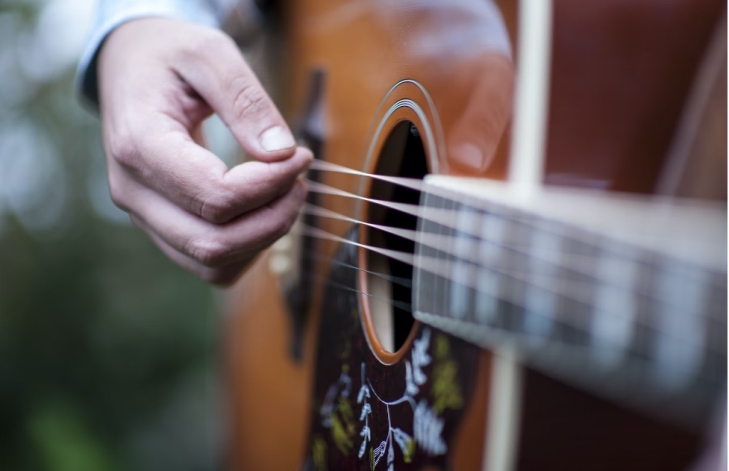
Gambling, a theme replete with risk, reward, loss, and luck, has carved its own niche within the expansive realm of country music. The symbiotic relationship between country tunes and gambling emerges from a shared ethos of taking chances, be it on a card game, a love affair, or life's myriad opportunities and pitfalls. Let’s take a gambol through the rich tapestry of legendary country songs that explore these entwining themes.
“The Gambler” by Kenny Rogers
Possibly the most iconic gambling-themed country song, “The Gambler” by Kenny Rogers, narrates sage advice from an old gambler. The song weaves a tale of life, poker, and the wisdom in knowing when to “hold 'em” and when to “fold 'em.” This timeless track is perfect for listening while playing at the Captain Cooks Casino, providing a metaphorical lens to view life’s gambles, embracing risk while understanding limits.
“Ramblin' Man” by Hank Williams
Hank Williams’ “Ramblin' Man” serenades listeners with a melancholic melody and tales of a life spent moving from place to place, constantly gambling on new beginnings and opportunities. Williams, through his poignant lyrics, unveils the wanderlust, fortune, and misfortune of the nomadic life, underpinned by a perennial gamble on the road less traveled.
“Aces” by Suzy Bogguss
“Aces,” performed by Suzy Bogguss, explores the emotional gamble in love and relationships. The lyrics delve into the intricacies of heartache, risk, and the precarious balance of holding and revealing one's metaphorical cards. With its touching melody and relatable lyrics, the song highlights that in love, like gambling, we sometimes save our aces for ourselves, protecting our hearts in the high-stakes game of emotion.
“Ace in the Hole” by George Strait
“Ace in the Hole,” a jubilant track by George Strait, provides a lighter, upbeat perspective on gambling themes. Using poker as a metaphor for facing life’s challenges, the song speaks of having a secret weapon or a plan – an “ace in the hole”. It's an optimistic reminder that even amidst life’s gambles, having a hidden advantage, whether an unwavering self-belief or a secret strategy, can steer one toward success.
“House of Cards” by Mary Chapin Carpenter
Mary Chapin Carpenter’s “House of Cards” encapsulates the frailty of constructing one’s life or love on shaky foundations, likening it to a precarious house of cards. The song explores the gamble of building relationships and life paths, understanding the vulnerabilities inherent in placing one’s bets on uncertain outcomes. Carpenter’s mellifluous voice and evocative lyrics enchant listeners, urging reflection on where they place their own life bets.
Conclusion
Country music, with its heartfelt melodies and poignant storytelling, has seamlessly intertwined with the themes of gambling, exploring not only the literal act but also symbolizing life’s myriad risks and rewards. These artists convey through their timeless tracks the universal gambles we all take, crafting a relatable, melodious reflection on life's stakes, ensuring these tunes echo eternally in the corridors of music and human experience.
20. Nikola Vucevic
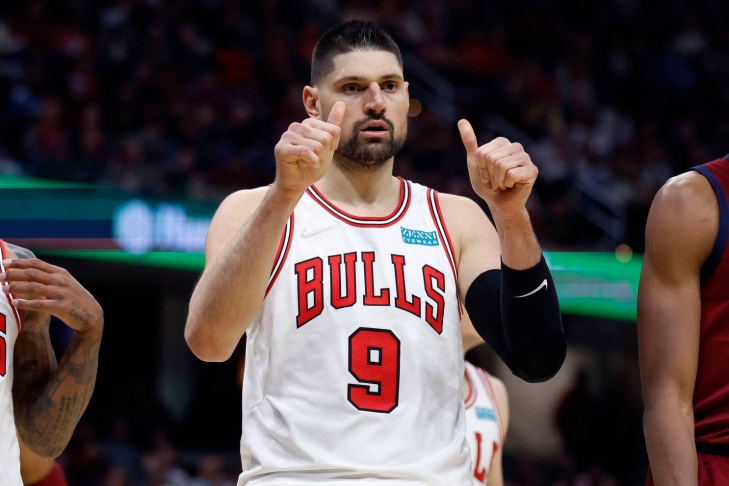
Nikola Vucevic starred for the hapless Orlando Magic for years before they traded him in the middle of the 2020/21 Season to the Chicago Bulls, and though he has not seen much playoff success there either, it is a much better situation.
Vucevic played in the 2021 All-Star Game two weeks before he was dealt to Orlando, and with the Bulls, he had Zach LaVine and later DeMar DeRozan, so he didn't have to carry the load. He finished his run that year in Chicago with 21.5 Points per Game.
Over the last four seasons, Vucevic has continued to average a double-double, with similar statistical years of approximately 17 Points and 11 Rebounds per Game. He is in his mid-30s going into this year, but still has a lot left to offer and should rise significant rungs on this ladder.
