

 Not in Hall of Fame News
Yes, we know that this is taking a while! As many of…
 Not in Hall of Fame News
On this evening’s American Idol, the Rock and Roll Hall of Fame…
 Not in Hall of Fame News
Last January, the Baseball Hall of Fame announced the Class of 2026,…
 Not in Hall of Fame News
Yes, we know that this is taking a while! As many of…
 Not in Hall of Fame News
1993 Pro Football Hall of Fame Revisited Project Class. Here we are! …
 Not in Hall of Fame News
Afrika Bambaataa, the legendary DJ, producer, and widely recognized "Godfather" of hip-hop…
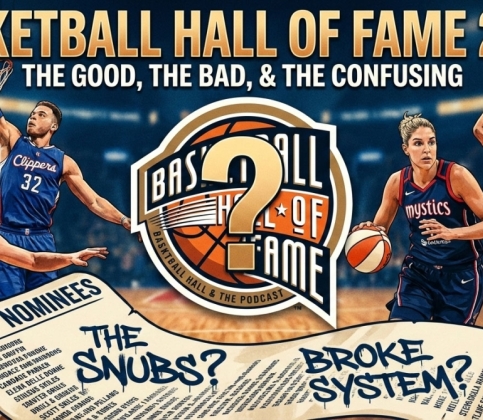 The Buck Stops Here
Kirk Buchner and Chris Mouradian dive into the massive list of over…
 The Buck Stops Here
Welcome to Season 6, Episode 16 of The Hall of Fame Show…
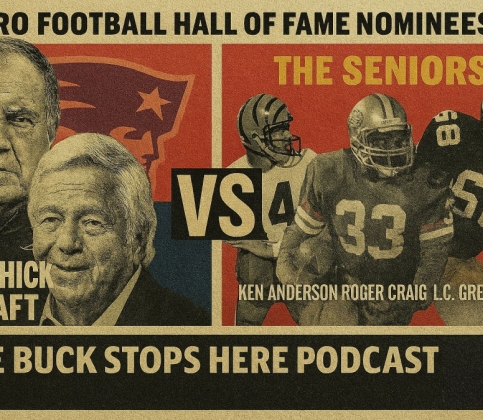 The Buck Stops Here
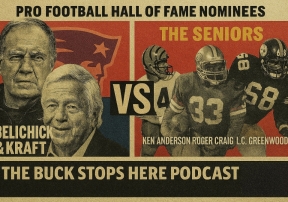
Bill Belichick & Robert Kraft vs. The Seniors: Analyzing the ProFootball Hall of Fame Class Nominees
The Pro Football Hall of Fame voting process is more complicated than…
 From the Desk of the Chairman
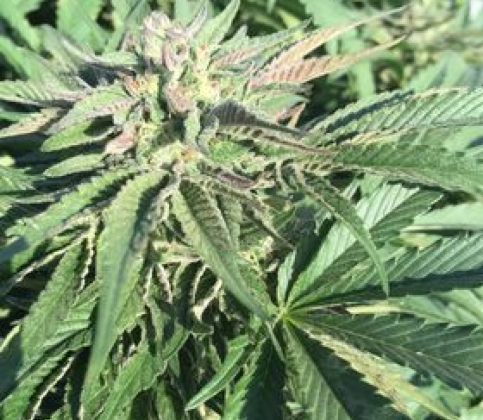
Recreational cannabis laws have changed how adults can buy cannabis in many…
 From the Desk of the Chairman
Synthetic turf has become an increasingly familiar surface in the sports world.…
 From the Desk of the Chairman
Athletic performance is shaped by discipline, training, and resilience, but motivation often…

 The Buck Stops Here
Bill Belichick & Robert Kraft vs. The Seniors: Analyzing the ProFootball Hall of Fame Class Nominees
The Pro Football Hall of Fame voting process is more…
100 Active Potential Football Hall of Famers
-
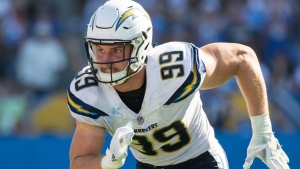 #63 Overall, Joey Bosa, Buffalo Bills, Defensive End, #14 Defensive Lineman/Linebackers: Pass Rushers2024 Pre-Season Rank #71, 2023 Pre-Season Rank #51, 2022 Pre-Season Rank #60, 2021 Pre-Season Rank #82, 2021 Pre-Season Rank #97. Peak Period: 2017-21…
 -
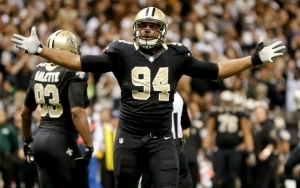 #14 Overall, Cameron Jordan, New Orleans Saints, Defensive End, #6 Defensive Lineman/Linebacker: Pass Rusher2024 Pre-Season Rank #21, 2023 Pre-Season Rank #27, 2022 Pre-Season Rank #25, 2021 Pre-Season Rank #36, 2020 Pre-Season Rank #42. Peak Period: 2017-21…
 -
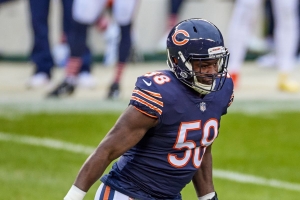 #39 Overall, Roquan Smith, Baltimore Ravens Linebacker, #4 Defensive Lineman/Linebacker: Interior Lineman2024 Pre-Season Rank #62, 2023 Pre-Season Rank #92, 2022 Pre-Season Rank #133, 2021 Pre-Season Rank #146. Peak Period: 2020-24 Smith was a Second-Team…
 -
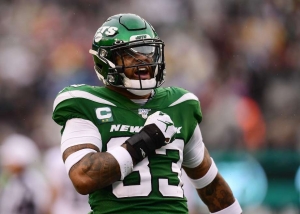 #94 Overall, Jamal Adams, Las Vegas Raiders, Strong Safety, #5 Safety2024 Pre-Season Rank #95, 2023 Pre-Season Rank #90, 2022 Pre-Season Rank #86, 2021 Pre-Season Rank #94, 2020 Pre-Season Rank #116. Peak Period: 2018-22…in Safeties
Visit the Fictitious Halls of Fame!


You May Also Like...
EDITOR’S CHOICE
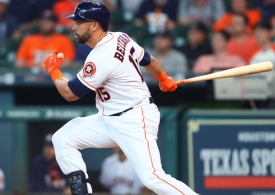
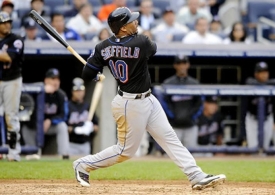 DDT's Pop Flies
When the veterans committee (VC), officially convening as the Contemporary Baseball Era…



 Live Music Head
Project/Objectan interview with André Cholmondeleyby Live Music HeadOriginally published at timessquare.com on…
LATEST RANKINGS


MOST POPULAR RANKINGS


Site Admin
166. The Von Brauners
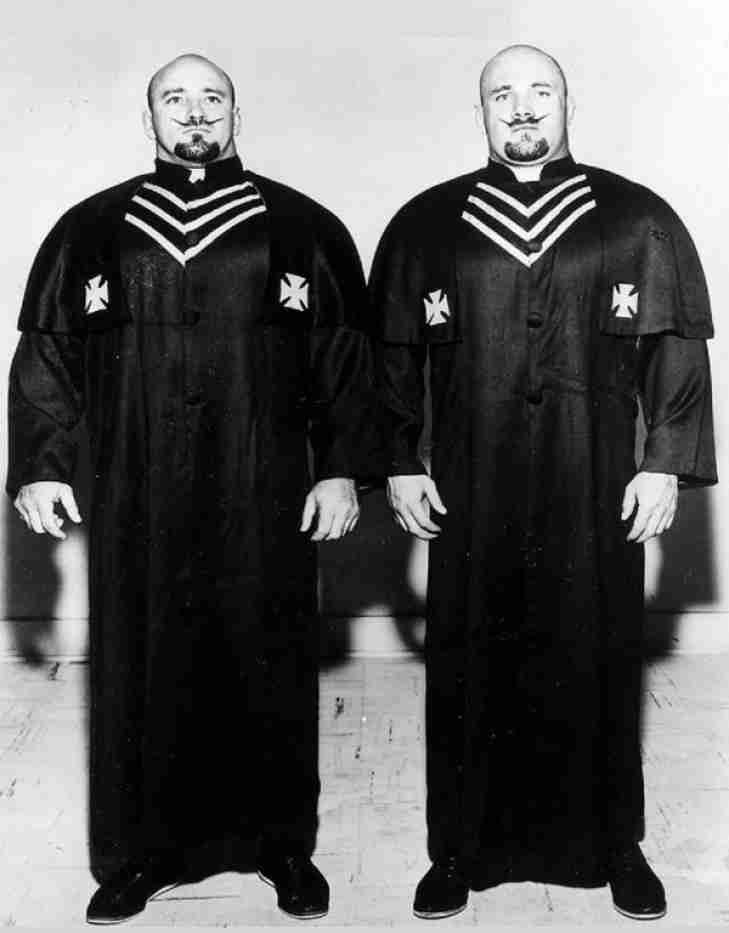
Following World War II, the idea of evil German or Japanese wrestlers worked, and there were many that succeeded. The Von Brauners however, go down in history as the most successful tag team of that ilk.
197. Alfonso Dantes
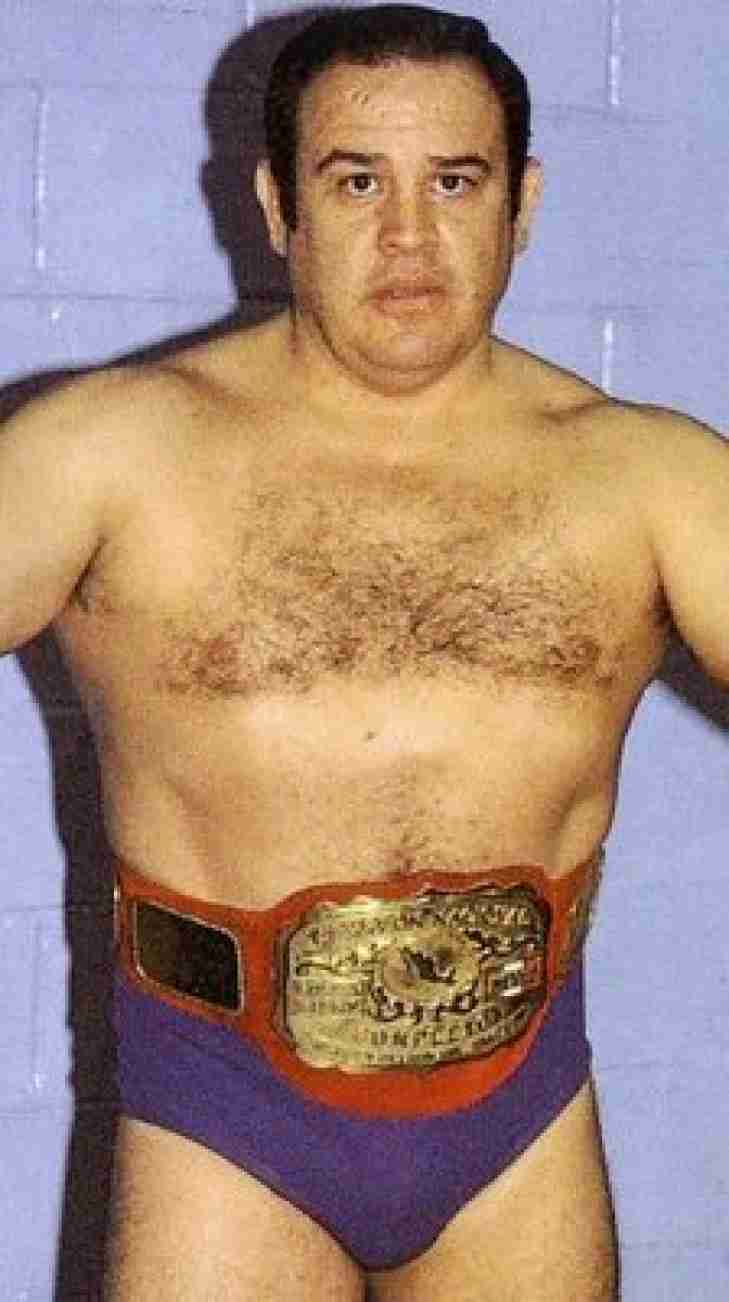
143. Seiji Sakaguchi
29. Pedro Astacio
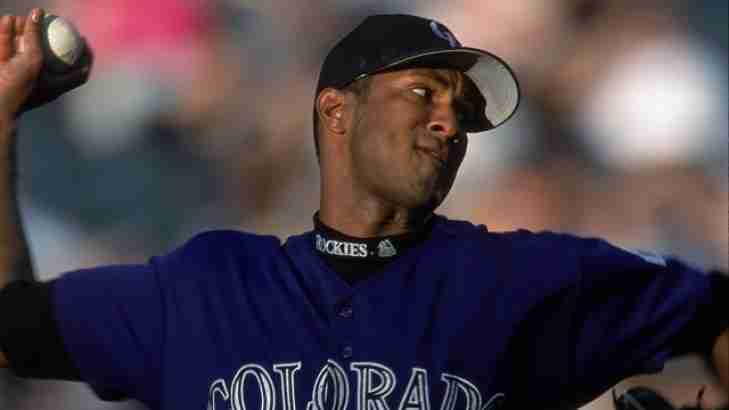
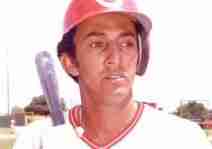
Pitching in Colorado during the late 1990s was widely considered a fool's errand, but Pedro Astacio approached the challenge with a relentless, rubber-armed mentality. While his box scores often featured the kind of astronomical numbers that would break a lesser pitcher’s confidence, Astacio leaned into the chaos. He became the rotation's undisputed workhorse, a man who would gladly trade a few long balls for the chance to stay on the mound long enough to record a win.
Arriving in late 1997 via a trade with the Dodgers, he quickly realized that survival at Coors Field required a thick skin and a high pitch count. He led the National League in home runs allowed twice during his stint, but he countered those mistakes by simply outworking the opposition. His ability to chew through innings was solid; he surpassed the 200-inning mark in three of his four full seasons with the club.
The 1999 season stands as one of the most statistically fascinating chapters in the history of the sport. At first glance, his 5.04 ERA suggests a struggling starter, but when adjusted for the era’s extreme offensive environment, it tells a different story. Astacio finished that year with 17 wins and 210 strikeouts, amassing a 5.9 bWAR, a figure that suggests he was actually one of the most valuable pitchers in the league despite the "bloated" surface stats.
The story in Colorado ended in 2001 when he was traded to the Houston Astros, but he left as one of the most decorated starters in team history. He departed with 53 wins, 749 strikeouts, and a reputation as a pitcher far better than his ERA ever let on.