

 Not in Hall of Fame News
Yes, we know that this is taking a while! As many of…
 Not in Hall of Fame News
On this evening’s American Idol, the Rock and Roll Hall of Fame…
 Not in Hall of Fame News
Last January, the Baseball Hall of Fame announced the Class of 2026,…
 Not in Hall of Fame News
Yes, we know that this is taking a while! As many of…
 Not in Hall of Fame News
1993 Pro Football Hall of Fame Revisited Project Class. Here we are! …
 Not in Hall of Fame News
Afrika Bambaataa, the legendary DJ, producer, and widely recognized "Godfather" of hip-hop…
 The Buck Stops Here
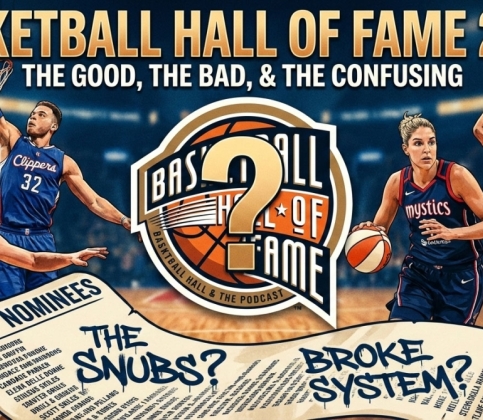
Kirk Buchner and Chris Mouradian dive into the massive list of over…
 The Buck Stops Here
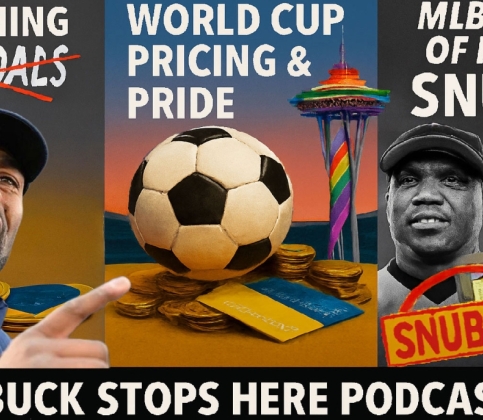
Welcome to Season 6, Episode 16 of The Hall of Fame Show…
 The Buck Stops Here
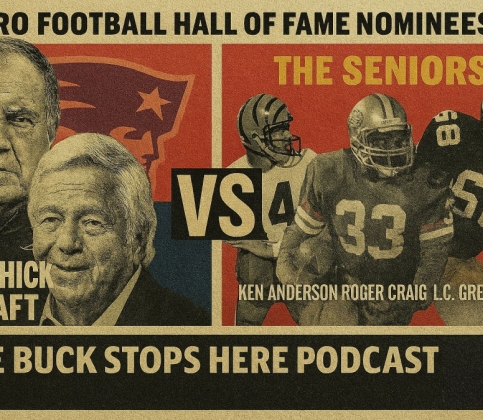
Bill Belichick & Robert Kraft vs. The Seniors: Analyzing the ProFootball Hall of Fame Class Nominees
The Pro Football Hall of Fame voting process is more complicated than…
 From the Desk of the Chairman
Recreational cannabis laws have changed how adults can buy cannabis in many…
 From the Desk of the Chairman
Synthetic turf has become an increasingly familiar surface in the sports world.…
 From the Desk of the Chairman
Athletic performance is shaped by discipline, training, and resilience, but motivation often…

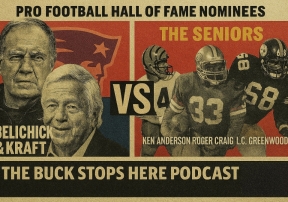 The Buck Stops Here
Bill Belichick & Robert Kraft vs. The Seniors: Analyzing the ProFootball Hall of Fame Class Nominees
The Pro Football Hall of Fame voting process is more…
100 Active Potential Football Hall of Famers
-
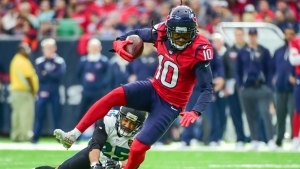 #24 Overall, DeAndre Hopkins, Baltimore Ravens, #4 Wide Receiver2024 Pre-Season Rank #24, 2023 Pre-Season Rank #20, 2022 Pre-Season Rank #28, 2021 Pre-Season Rank #30, 2020 Pre-Season Rank #44. Peak Period: 2015-19…
 -
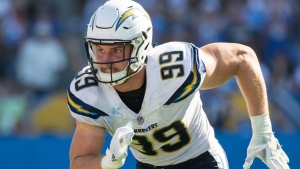 #63 Overall, Joey Bosa, Buffalo Bills, Defensive End, #14 Defensive Lineman/Linebackers: Pass Rushers2024 Pre-Season Rank #71, 2023 Pre-Season Rank #51, 2022 Pre-Season Rank #60, 2021 Pre-Season Rank #82, 2021 Pre-Season Rank #97. Peak Period: 2017-21…
 -
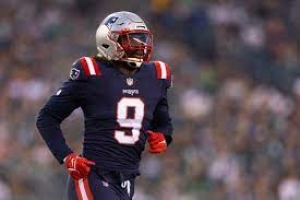 #80 Overall, Matt Judon, Miami Dolphins, Defensive End, #17 Defensive Lineman/Linebacker: Pass Rusher2024 Pre-Season Rank #80, 2023 Pre-Season Rank #75, 2022 Pre-Season Rank #112. Peak Period: 2018-22 Matt Judon’s four-year streak of Pro Bowl appearances…
 -
 #57 Overall, Cooper Kupp, Los Angeles Rams, #11 Wide Receiver2024 Pre-Season Rank #48, 2023 Pre-Season Rank #62, 2022 Pre-Season Rank: #67. Peak Period: 2019-23 Cooper Kupp was in his fifth season (2021),…
Visit the Fictitious Halls of Fame!

You May Also Like...
EDITOR’S CHOICE
 DDT's Pop Flies
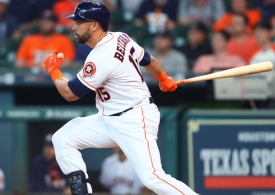
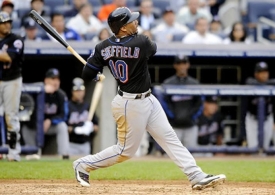
When the veterans committee (VC), officially convening as the Contemporary Baseball Era…



 Live Music Head
Project/Objectan interview with André Cholmondeleyby Live Music HeadOriginally published at timessquare.com on…

LATEST RANKINGS


MOST POPULAR RANKINGS

Site Admin
41. Joe Randa
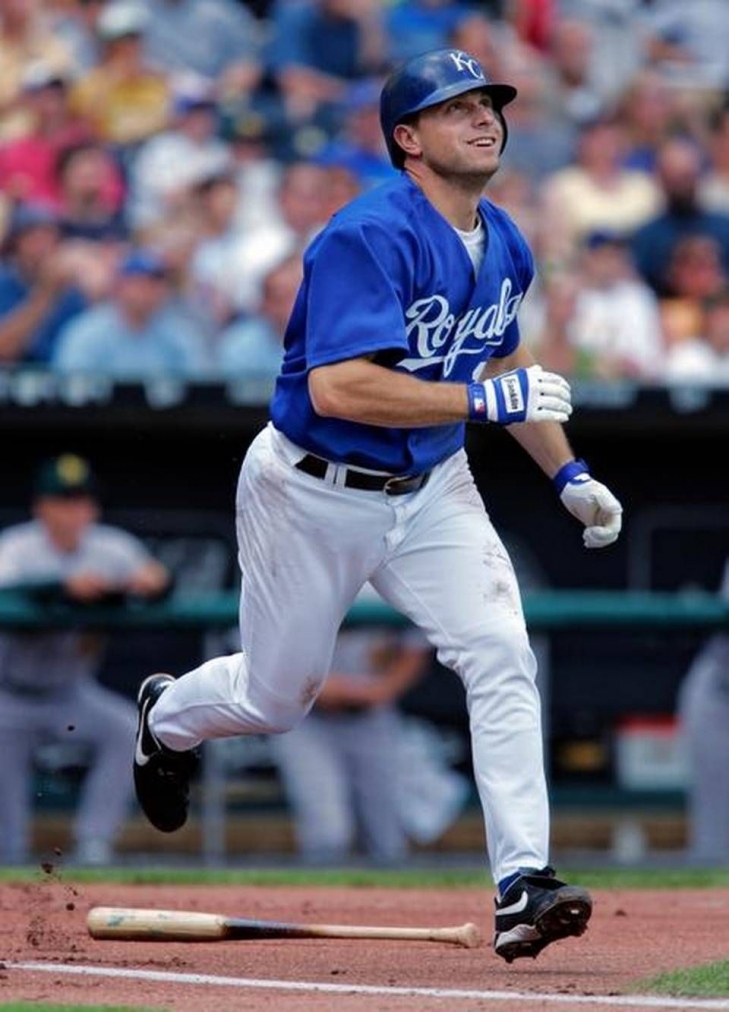
Joe Randa arrived in the Kansas City organization as an 11th-round selection in 1991, but his path to becoming a franchise fixture was anything but linear. After debuting in 1995 and appearing to be a casualty of the team's high-frequency roster turnover, moving through Pittsburgh, Detroit, and the Mets in short order, he returned to the Heartland in 1999.
In his first year back in Kansas City, he demonstrated a specialized ability to spray the ball across the turf at Kauffman Stadium, recording a career-high 197 hits and a .314 batting average, along with 16 home runs and 84 RBIs. This breakout performance served as the lead-in to 2000, where he evolved into a premier run-producer, driving in a career-high 106 runs and maintaining a .304 average.
His tenure was equally defined by his specialized defensive consistency and by a reputation as the emotional heartbeat of the clubhouse. Known as "The Joker" for his ever-present smile, he demonstrated a tactical reliability at third base, setting a franchise record in 2003 by going 75 consecutive games without an error. Even during lean years, he was producing, highlighted by a historic 2004 performance where he became one of only three Royals to collect six hits in a single game.
After the 2024 season, Randa departed for the Cincinnati Reds as a free agent. With Kansas City, he collected 1,084 hits, 563 RBIs, and a .288 batting average.
39. Danny Tartabull
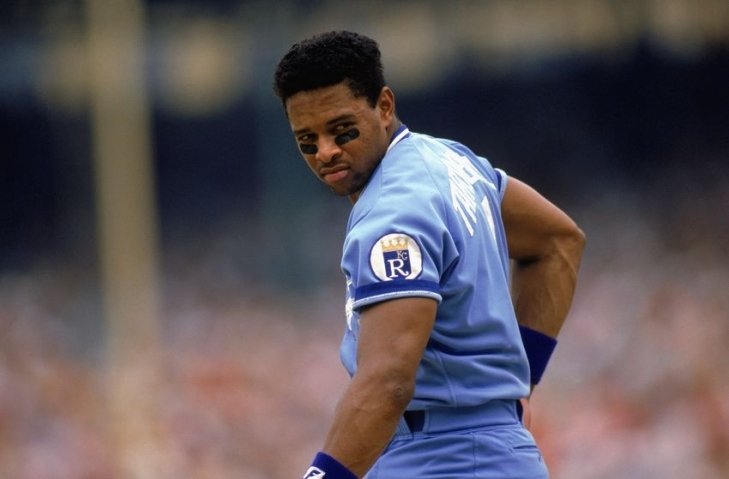
Danny Tartabull arrived in the Kansas City organization via a December 1986 trade with the Seattle Mariners, a deal that sent Scott Bankhead and Mike Kingery to Seattle. A second-generation big leaguer, Tartabull possessed a specialized, violent swing that generated some of the highest exit velocities of the late 1980s.
Tartabull had his best season in 1991; he led the major leagues with a .593 slugging percentage and recorded a career-high 31 home runs. He also had 100 RBIs and a career-best .316 batting average, was 12th in MVP voting, and earned his only All-Star game appearance.
Between 1987 and 1991, Tartabull recorded four seasons with at least 25 home runs and three seasons with over 100 RBIs. He also got on base often, posting a .290 batting average and a .376 on-base percentage for the team.
After his breakout in 1991, Tartabull signed a massive five-year contract with the New York Yankees. Statistically speaking, he was not as good in Yankee pinstripes, but the Seinfeld guest appearance gave him a pop culture moment that he never would have obtained as a Royal.
With Kansas City, Tartabull compiled 674 hits and 124 home runs.
43. Bud Black
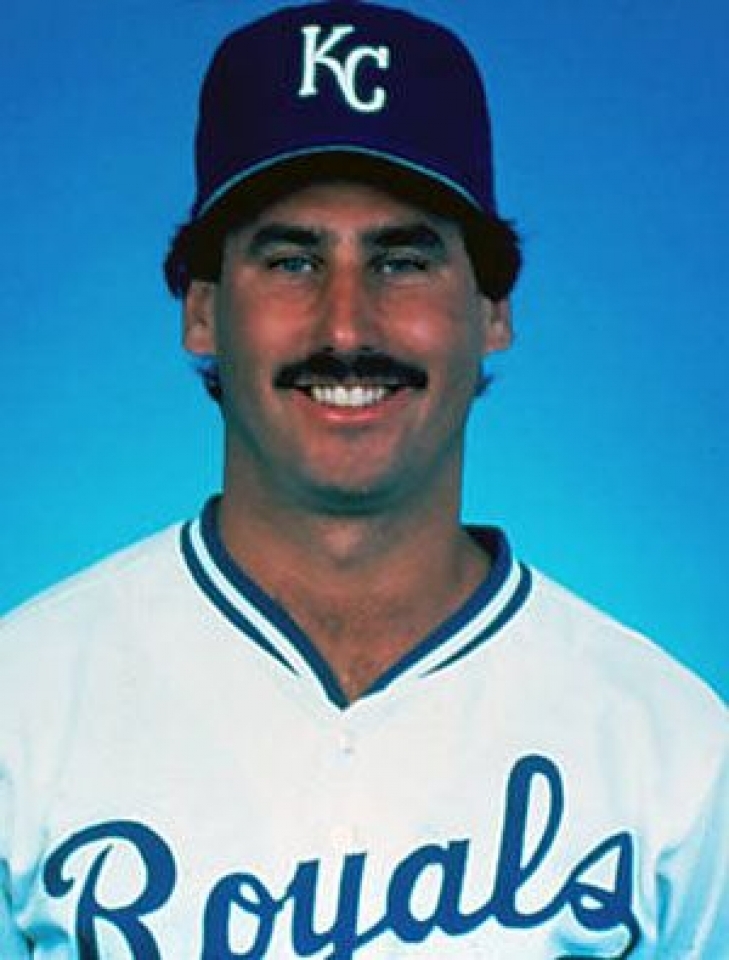
Bud Black arrived in the Kansas City organization in 1982 via a trade with the Seattle Mariners, a move that initially aimed to bolster the bullpen but instead unearthed a dependable left-handed rotation piece. Known for his technical precision and smooth delivery, he became a fixture of the Royals' pitching staff during the most successful era in franchise history.
Black became a full-time starter in 1983, and the season after, he had a coming-of-age campaign. He led the American League with a 1.128 WHIP and recorded a career-high 17 wins. Tossing 257 innings across 35 starts, proving to be the high-volume workhorse the club needed to secure the American League West title. His tactical mastery was evidenced by a 3.12 ERA, the best mark of his career as a full-time starter.
The 1985 championship season saw Black transition into a high-leverage hybrid role when the lights were brightest. While he made 33 starts during the regular season, he demonstrated a specialized ability to adapt in October, serving as both a starter and a high-frequency reliever during the postseason. He showed the organization he was a foundational winner by delivering a scoreless long-relief appearance in Game 6 of the ALCS to keep the Royals' season alive, eventually earning a World Series ring as part of the staff that took down the Cardinals.
With the emergence of young power arms like Danny Jackson and Bret Saberhagen, the Royals found themselves with a surplus of starters but a critical need for a specialized left-handed bridge to the closer, and that is what Black would go towards. He continued in a hybrid role until he was traded to Cleveland during the 1988 season.
Black compiled a 56-57 record, a 3.73 ERA, and a 1985 World Series championship in Kansas City.
35. Mike Moustakas
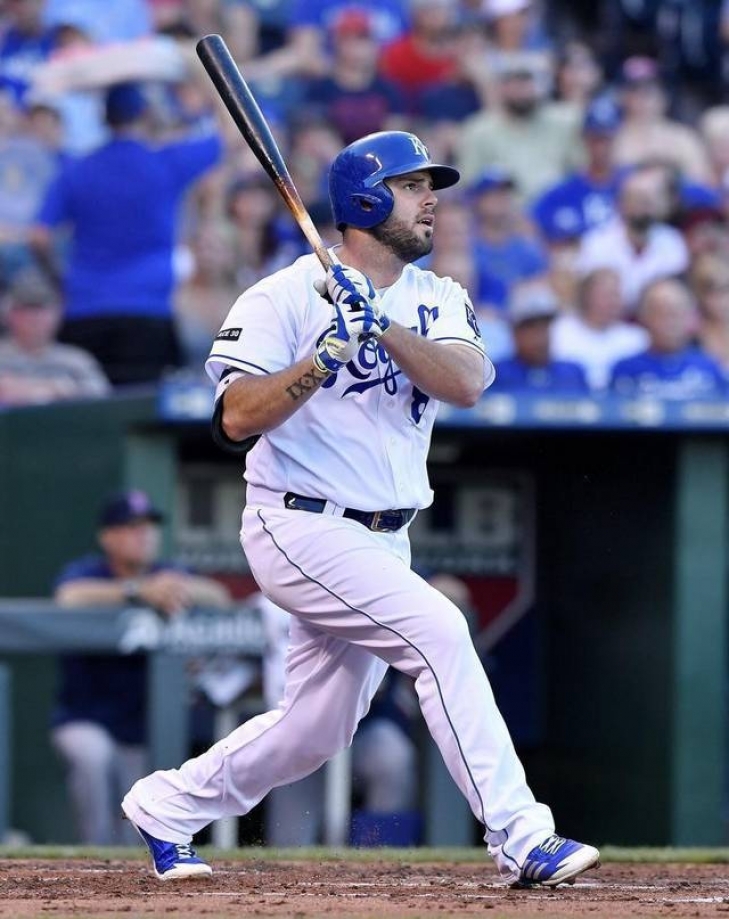
Mike Moustakas arrived in Kansas City as the second overall pick in the 2007 draft, carrying the heavy expectations of a franchise desperate for a turnaround. While his traditional numbers often sparked debate among evaluators, he became the emotional heartbeat of the team's championship era.
In the middle of the 2010s, “Moose” was the man in the Royals baseball. Moustakas first demonstrated a specialized ability to deliver in the clutch during the historic 2014 postseason run. After a regular season where he struggled with consistency, he evolved into a tactical legend in October, belting five home runs during the playoffs and making an iconic diving catch into the dugout during the ALCS. The year after, he carried that momentum into the 2015 championship campaign, where he earned his first All-Star selection, hit 22 home runs, and provided the veteran-like poise needed to secure the franchise's first World Series title in thirty years.
In 2017, he surged into the record books by belting a franchise-record 38 home runs, finally eclipsing Steve Balboni’s long-standing mark. He showed the organization he was a foundational star by earning his second All-Star nod and finishing the year with a career-high .521 slugging percentage. While he would record another 20-home run season in 2018, his overall rank remains hindered by a .306 career on-base percentage as a Royal.
Moustakas was traded to Milwaukee during the 2018 season, and left behind 139 home runs and 858 hits.