

 Not in Hall of Fame News
Yes, we know that this is taking a while! As many of…
 Not in Hall of Fame News
On this evening’s American Idol, the Rock and Roll Hall of Fame…
 Not in Hall of Fame News
Last January, the Baseball Hall of Fame announced the Class of 2026,…
 Not in Hall of Fame News
Yes, we know that this is taking a while! As many of…
 Not in Hall of Fame News
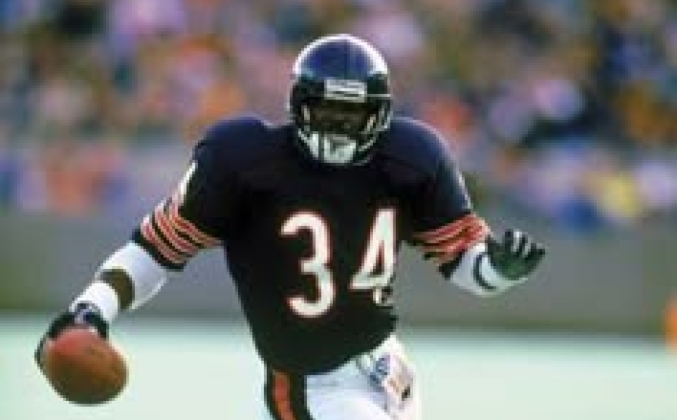
1993 Pro Football Hall of Fame Revisited Project Class. Here we are! …
 Not in Hall of Fame News
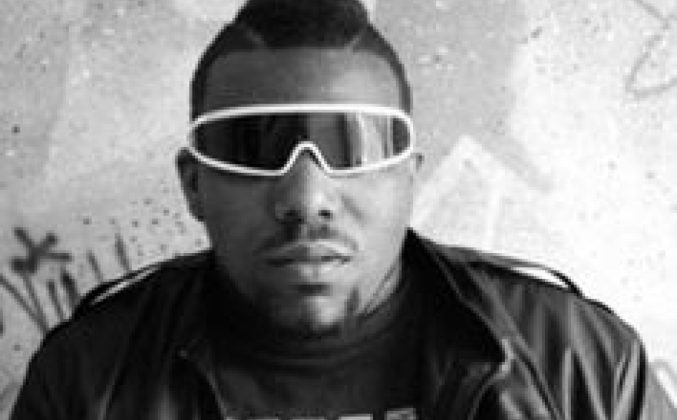
Afrika Bambaataa, the legendary DJ, producer, and widely recognized "Godfather" of hip-hop…
 The Buck Stops Here
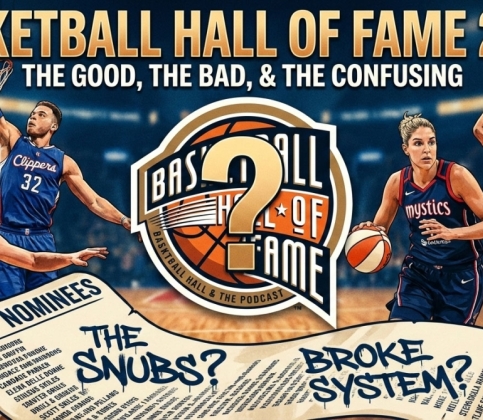
Kirk Buchner and Chris Mouradian dive into the massive list of over…
 The Buck Stops Here
Welcome to Season 6, Episode 16 of The Hall of Fame Show…
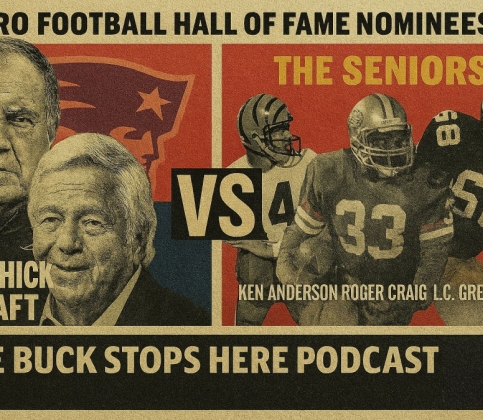 The Buck Stops Here
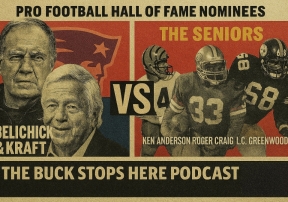
Bill Belichick & Robert Kraft vs. The Seniors: Analyzing the ProFootball Hall of Fame Class Nominees
The Pro Football Hall of Fame voting process is more complicated than…
 From the Desk of the Chairman
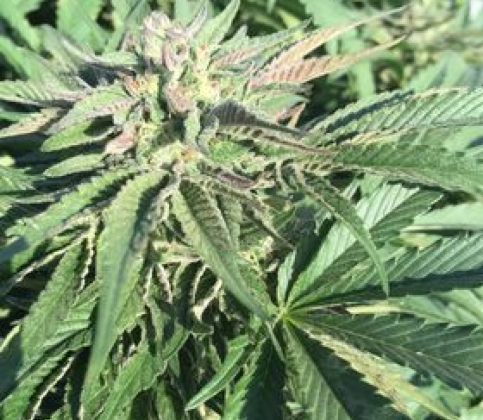
Recreational cannabis laws have changed how adults can buy cannabis in many…
 From the Desk of the Chairman
Synthetic turf has become an increasingly familiar surface in the sports world.…
 From the Desk of the Chairman
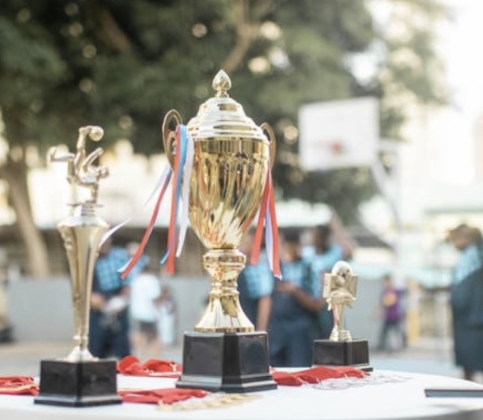
Athletic performance is shaped by discipline, training, and resilience, but motivation often…
 The Buck Stops Here
Bill Belichick & Robert Kraft vs. The Seniors: Analyzing the ProFootball Hall of Fame Class Nominees
The Pro Football Hall of Fame voting process is more…
100 Active Potential Football Hall of Famers
-
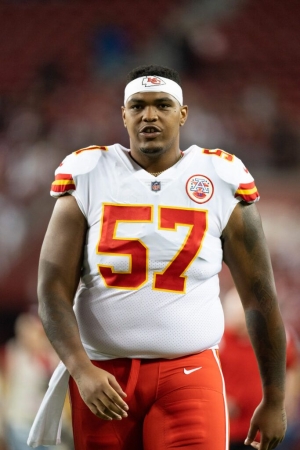 #62 Overall, Orlando Brown, Cincinnati Bengals, Tackle, #7 Offensive Lineman2024 Pre-Season Rank #66, 2023: Pre-Season Rank #93. Peak Period 2019-23. Orlando Brown begins his eighth season, his third in Cincinnati, where the…
 -
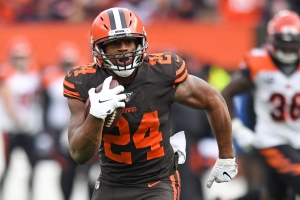 #82 Overall, Nick Chubb: Cleveland Browns, #7 Running Back2024 Pre-Season Rank #84, 2023 Pre-Season Rank #91, 2022 Pre-Season Rank #114, 2021 Pre-Season Rank #140. Peak Period: 2018-22 Chubb emerged as the…
 -
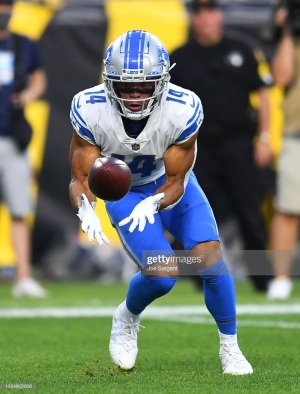 #98 Overall, Amon-Ra St. Brown, Detroit Lions, #16 Wide Receiver2024: Pre-Season Rank: #144. Peak Period: 2021-24* Amon-Ra St. Brown has only been in the NFL for four years, but has put forth…
 -
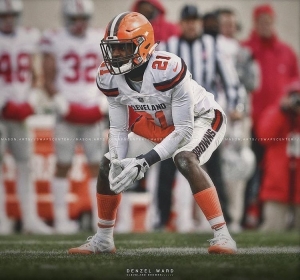 #91 Overall, Denzel Ward, Cleveland Browns, #9 Cornerback2023 Pre-Season Rank #128. Peak Period 2020-24 A four-time Pro Bowl Selection, Denzel Ward has sneakily been one of the most efficient Cornerbacks in…in Cornerbacks
Visit the Fictitious Halls of Fame!
You May Also Like...
EDITOR’S CHOICE
 DDT's Pop Flies
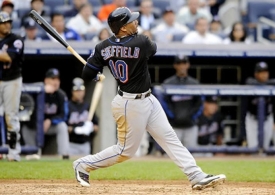
When the veterans committee (VC), officially convening as the Contemporary Baseball Era…



 Live Music Head
Project/Objectan interview with André Cholmondeleyby Live Music HeadOriginally published at timessquare.com on…
LATEST RANKINGS

MOST POPULAR RANKINGS

Site Admin
45. Alcides Escobar
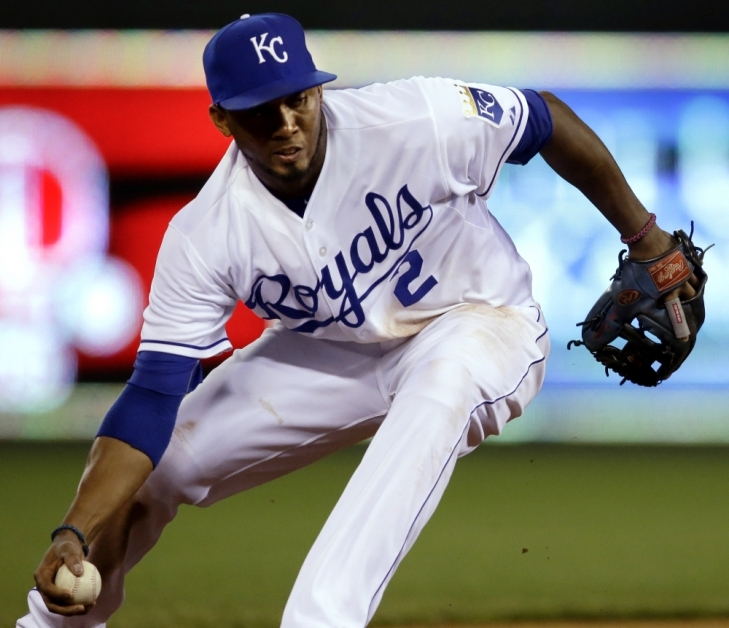
Alcides Escobar arrived in the Kansas City organization via a December 2010 blockbuster trade with the Milwaukee Brewers, a deal that sent Zack Greinke to the NL in exchange for a package of young talent. While he arrived as a highly touted defensive prospect, he evolved into the literal iron man of the franchise's most successful era.
After arriving in the 2010 trade, Escobar immediately took over the starting shortstop duties in 2011, providing a foundational defensive stability the organization had lacked for years. He showed the organization he was a specialized professional by batting .293 with 35 stolen bases in 2012, a high-frequency offensive performance that hinted at his potential as a spark plug. Between 2013 and 2014, he established his reputation as the team's "Iron Man," appearing in nearly every game and serving as the defensive anchor for the 2014 squad that reached the franchise's first World Series in nearly three decades.
This specialized durability and high-tempo approach served as the perfect lead-in to his historic 2015 campaign. That summer, he demonstrated a knack for rising to the occasion, earning his first career All-Star selection and winning a Gold Glove Award. He showed the organization he was a foundational winner during the postseason, where his bat became a localized phenomenon; he was named the ALCS MVP after hitting .478 against the Blue Jays. The Royals went on to win the World Series, though his skills quickly eroded afterward.
Escobar was traded after the 2018 season, and overall as a Royal, he had 1,208 Hits.
38. Billy Butler
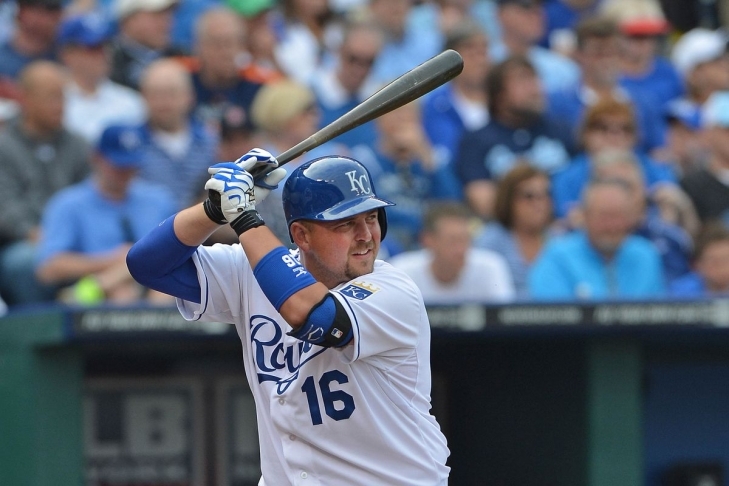
Billy Butler arrived in the Kansas City organization as a first-round selection in 2004, a hitter whose natural affinity for the gaps made him one of the most prolific doubles machines in franchise history. While his defensive limitations eventually led to a permanent role as a designated hitter, he became the club’s primary offensive engine during the lean years of the late 2000s.
Debuting for the Royals in 2007, Butler recorded a career-high 29 home runs and 107 RBIs while batting .313. That season, he won his first career All-Star selection and won the Edgar Martinez Award as the American League’s premier designated hitter. This performance was the crown jewel of a five-year stretch (2009–2013) where he consistently delivered at least 15 home runs and 80 RBIs.
He had three seasons in which he batted .300, and in 2014, his veteran presence helped the Royals reach the World Series, but that was when his Kansas City run came to an end. Butler signed with the Oakland Athletics, though he would never have a season as he did in powder blue.
As a Royal, Butler compiled 1,273 hits, 127 home runs, and the 2012 Silver Slugger Award.
44. Al Cowens
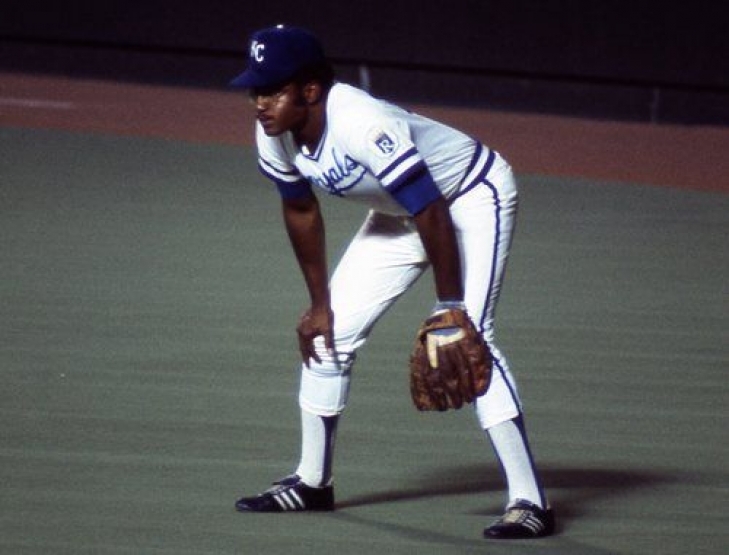
Al Cowens arrived in the Kansas City organization as a 75th-round draft pick in 1969, a staggering underdog story for a player who would eventually become a cornerstone of the franchise's first great era. He secured the starting right-field job by 1974, and in 1977, Cowens exploded with one of the best offensive seasons in franchise history of the 1970s.
That year, Cowens recorded career highs in home runs (23), RBIs (112), and batting average (.312). He showed the organization he was a foundational superstar by finishing as the runner-up for the American League MVP, falling just short of Rod Carew. His value was equally high on the grass, where he led the league in Total Zone Runs and earned a Gold Glove Award, cementing his reputation as a premier two-way threat.
While many remember his long-standing feud with pitcher Ed Farmer, sparked by a broken jaw sustained in a 1979 pitch and culminating in a famous 1980 brawl, his real legacy in the Heartland was built on his durability and steady offensive production. Cowens was traded to the California Angels after the 1979 season.
With the Royals, Cowens amassed 784 hits with 80 stolen bases and a .282 batting average.
42. Mike Macfarlane
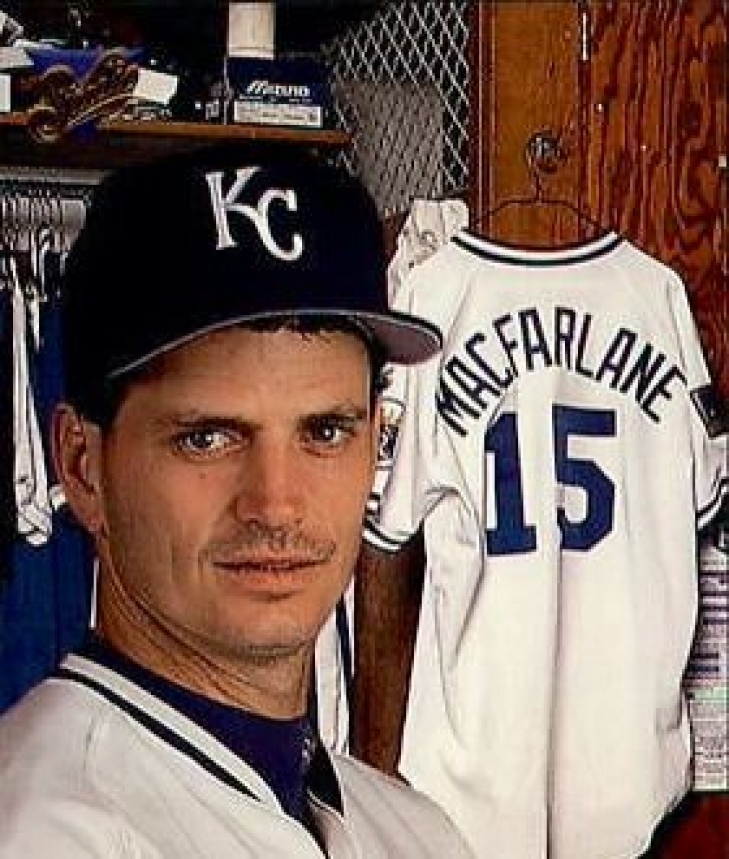
Mike Macfarlane arrived in the Kansas City organization as a fourth-round selection in 1985, a physically sturdy catcher with a reputation for intense preparation and a "blue-collar" approach to the game. He debuted in 1987 and eventually outlasted several high-profile competitors to become the team’s primary signal-caller.
Known mostly for his defensive ability, Macfarlane could occasionally help with his bat. During the 1993 campaign, a season in which he emerged as one of the premier power-hitting catchers in the American League, he belted a career-high 20 home runs and recorded 67 RBIs. He was also willing to sacrifice his body for the team, leading the league in hit-by-pitches in 1992, a category he would again lead in 1994.
Macfarlane was also a favorite of many of the Royals’ staff. He may have been a light hitter, but he had enough power in his bat to gain him at-bats. Macfarlane departed for Boston as a free agent after the 1994 season, but that was short-lived; he returned in ’95 for a second run that lasted until a mid-season 1998 trade to Oakland.
As a Royal, he compiled 717 hits, 103 home runs, and a reputation as a master handler of pitching staffs.