

 Not in Hall of Fame News
Yes, we know that this is taking a while! As many of…
 Not in Hall of Fame News
On this evening’s American Idol, the Rock and Roll Hall of Fame…
 Not in Hall of Fame News
Last January, the Baseball Hall of Fame announced the Class of 2026,…
 Not in Hall of Fame News
Yes, we know that this is taking a while! As many of…
 Not in Hall of Fame News
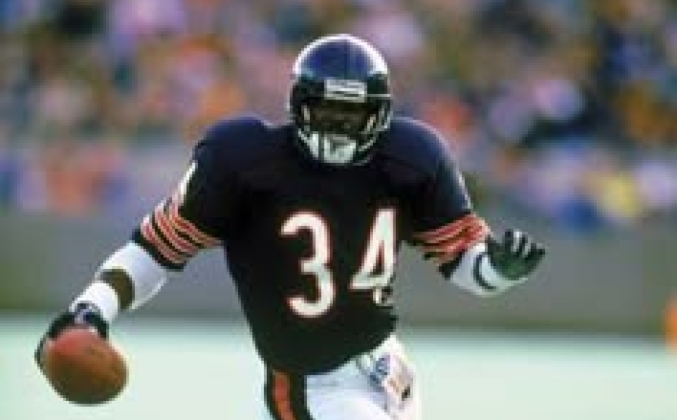
1993 Pro Football Hall of Fame Revisited Project Class. Here we are! …
 Not in Hall of Fame News
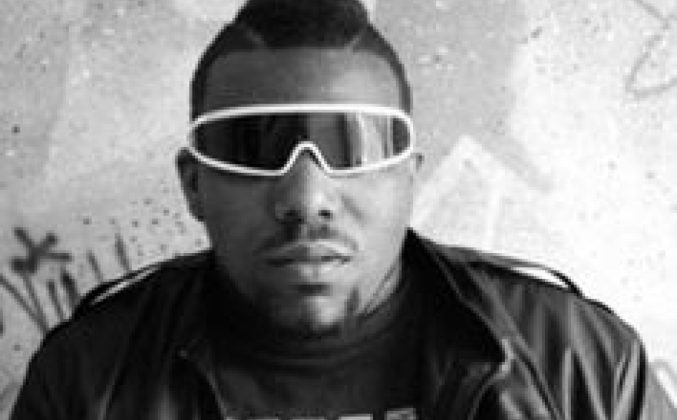
Afrika Bambaataa, the legendary DJ, producer, and widely recognized "Godfather" of hip-hop…
 The Buck Stops Here
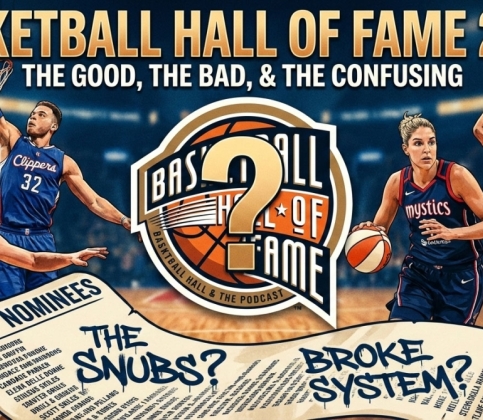
Kirk Buchner and Chris Mouradian dive into the massive list of over…
 The Buck Stops Here
Welcome to Season 6, Episode 16 of The Hall of Fame Show…
 The Buck Stops Here
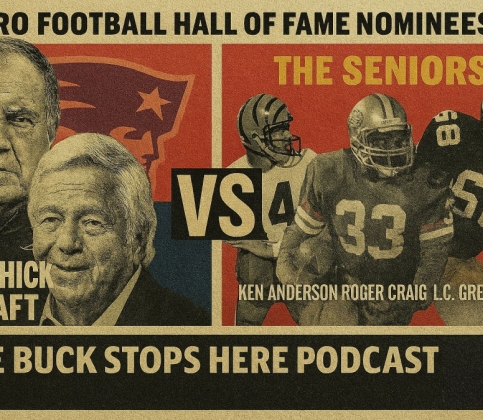
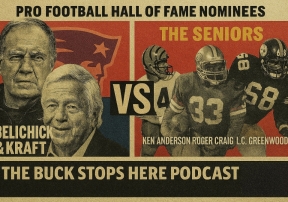
Bill Belichick & Robert Kraft vs. The Seniors: Analyzing the ProFootball Hall of Fame Class Nominees
The Pro Football Hall of Fame voting process is more complicated than…
 From the Desk of the Chairman
Recreational cannabis laws have changed how adults can buy cannabis in many…
 From the Desk of the Chairman
Synthetic turf has become an increasingly familiar surface in the sports world.…
 From the Desk of the Chairman
Athletic performance is shaped by discipline, training, and resilience, but motivation often…

 The Buck Stops Here
Bill Belichick & Robert Kraft vs. The Seniors: Analyzing the ProFootball Hall of Fame Class Nominees
The Pro Football Hall of Fame voting process is more…
100 Active Potential Football Hall of Famers
-
 #23 Overall, Davante Adams, Los Angeles Rams, #3 Wide Receiver2024 Pre-Season Rank #27, 2023 Pre-Season Rank #24, 2022 Pre-Season Rank #43, 2021 Pre-Season Rank #67, 2020 Pre-Season Rank #95. Peak Period: 2018-22…
 -
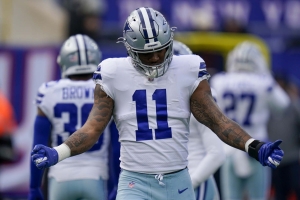 #54 Overall, Micah Parsons, Green Bay Packers, Linebacker, #11 Defensive Lineman/Linebacker: Pass Rusher2024 Pre-Season Rank #79, 2023: Pre-Season Rank #102. Peak Period: 2021-24* The biggest surprise of the 2025 off-season is that Micah Parsons was…
 -
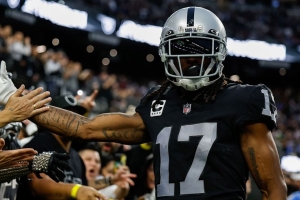
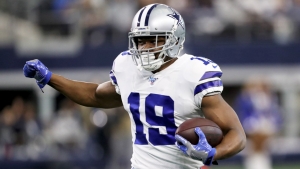 #71 Overall, Amari Cooper, Las Vegas Raiders, #13 Wide Receiver2024 Pre-Season Rank #67, 2023 Pre-Season Rank #71, 2022 Pre-Season Rank #81, 2021 Pre-Season #78, Rank 2020 Pre-Season Rank #84. Peak Period: 2019-23…
 -
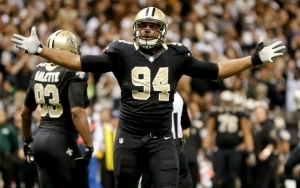 #14 Overall, Cameron Jordan, New Orleans Saints, Defensive End, #6 Defensive Lineman/Linebacker: Pass Rusher2024 Pre-Season Rank #21, 2023 Pre-Season Rank #27, 2022 Pre-Season Rank #25, 2021 Pre-Season Rank #36, 2020 Pre-Season Rank #42. Peak Period: 2017-21…
Visit the Fictitious Halls of Fame!

You May Also Like...
EDITOR’S CHOICE
 DDT's Pop Flies
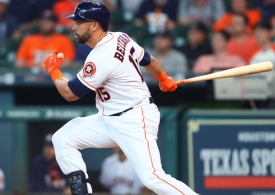
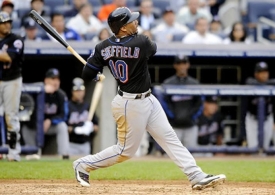
When the veterans committee (VC), officially convening as the Contemporary Baseball Era…



 Live Music Head
Project/Objectan interview with André Cholmondeleyby Live Music HeadOriginally published at timessquare.com on…
LATEST RANKINGS


MOST POPULAR RANKINGS

Site Admin
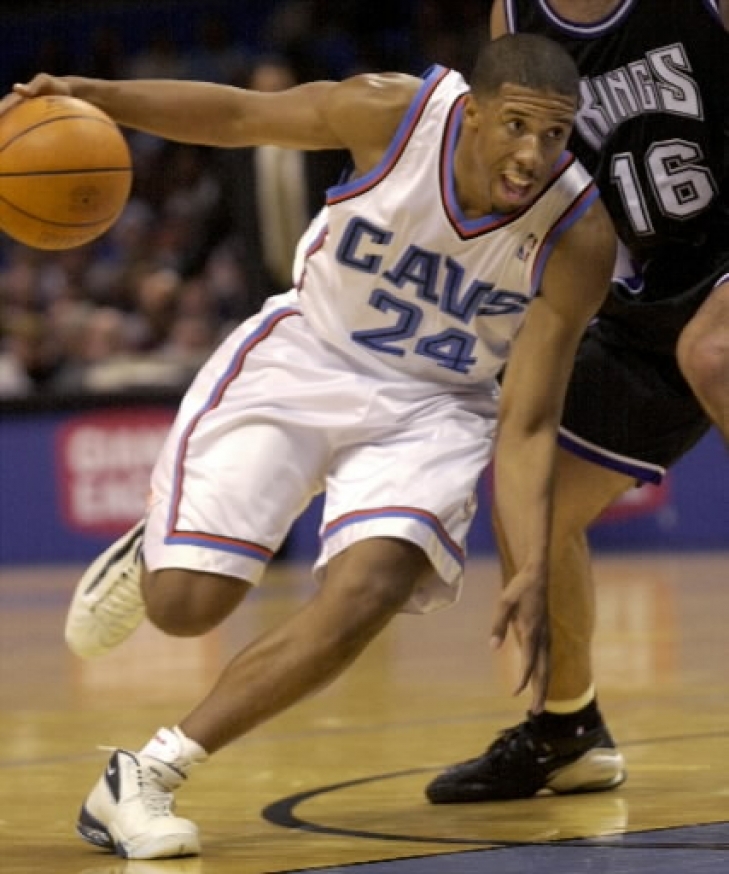
131. Andre Miller
48. Steve Farr
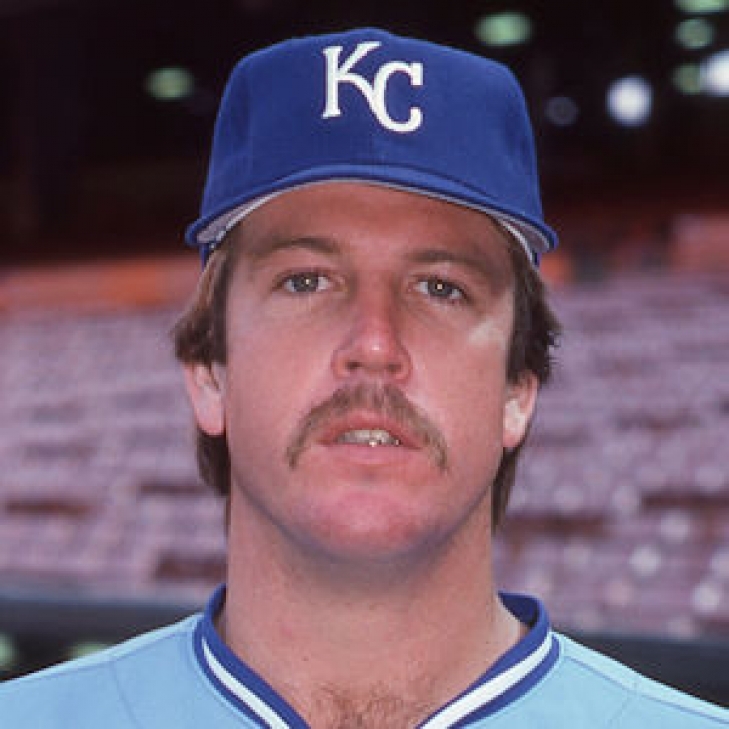
Steve Farr arrived in the Kansas City organization in 1985 via a minor trade with the Cleveland Indians, a right-hander whose specialized, high-velocity sinker and deceptive delivery made him an immediate asset for the bullpen. While he was a member of the World Series championship squad that October, his role during that run was modest as he adjusted to the pressure of a pennant race.
Farr’s specialty was inducing ground balls and escaping late-inning jams. Between 1987 and 1989, he showed the organization that he was a foundational professional by maintaining a sub-4.00 ERA while logging significant innings, often pitching multiple innings to bridge to the ninth. Farr did so well that in 1990, he was given the closer’s role.
In his only season as Kansas City’s top reliever, he recorded a career-high 1.98 ERA and a 0.992 WHIP. He showed the organization he was a foundational late-inning weapon by securing 22 saves. Farr departed the organization for the bright lights of the New York Yankees.
With the Royals, Farr owned a 22-20 record, 49 saves, and a 3.28 ERA.
50. Jarrod Dyson
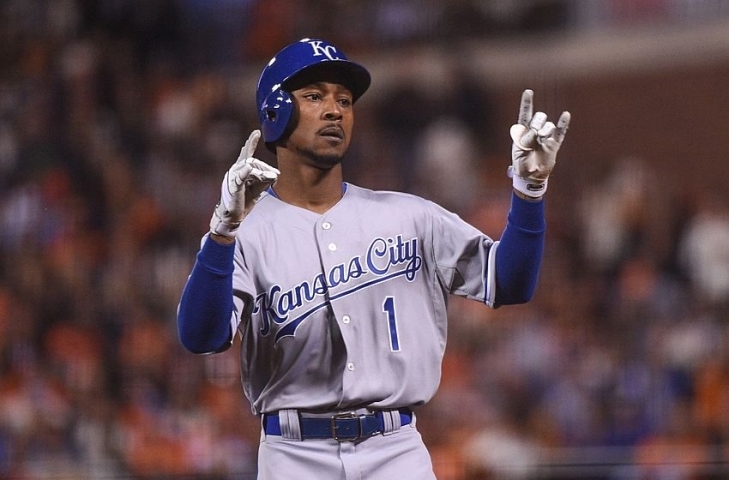
Jarrod Dyson arrived in the Kansas City organization as a 50th-round draft pick in 2006, a position that usually suggests a short professional shelf life. However, he possessed a specialized, game-breaking speed that eventually made him one of the most tactical weapons in franchise history. While he never commanded a traditional full-time role, he provided a foundational level of late-inning pressure, proving that elite athleticism could impact a game just as much as a home run.
Though he rarely exceeded 300 plate appearances in a season, he demonstrated a localized ability to transform the tempo of a game the moment he stepped onto the dirt. He showed the organization he was a foundational winner by using his speed in center field, where he led all American League center fielders in Range Factor per Game. This high-frequency defensive coverage was paired with a relentless threat on the basepaths, as he recorded at least 30 stolen bases in four seasons despite limited starting opportunities.
The 2015 World Series run served as the ultimate punctuation for his specialized role. While he wasn't a primary fixture in the postseason box scores, he provided the foundational baserunning that helped secure the title, famously scoring a crucial run in the 12th inning of the clinching Game 5 against the Mets. His tactical value was reflected in a surprisingly high 11.7 bWAR during his first tenure, a number that highlighted how his specialized defensive range and elite base-stealing outweighed his modest hitting totals. He proved that true greatness is found in mastering a niche, finishing his initial run in Kansas City as one of the most efficient "substitutes" the league had ever seen.
The journey took a turn in 2017 when he was traded to the Seattle Mariners, beginning a four-year tour of the league that included stops in Arizona, Pittsburgh, and Chicago. After this period away, he returned to the Heartland as a free agent in 2021, providing a veteran bridge for a young clubhouse. This final stay was brief, as he was claimed off waivers by the Toronto Blue Jays that summer.
Overall in Kansas City, Dyson compiled 176 stolen bases, 467 hits, and a 2015 World Series ring.
47. Jose Rosado
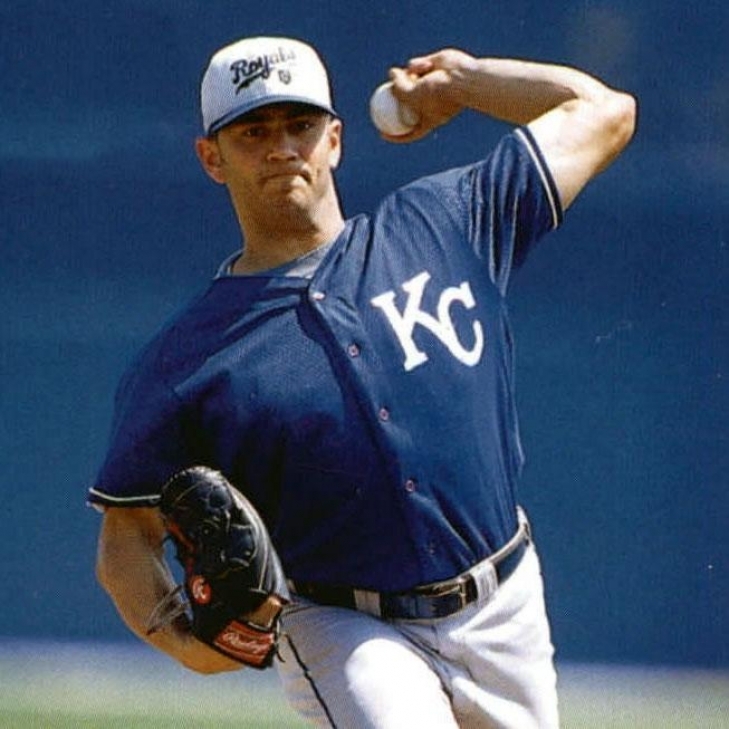
Jose Rosado arrived in the Kansas City organization as a 12th-round selection in 1994, a left-hander whose deceptive delivery and poised mound presence propelled him through the system at a breakneck pace. He debuted in 1996 and immediately looked like the specialized ace the franchise had been searching for since the departure of Kevin Appier.
Right out of the gate, when he was called up in 1996, Rosado proved he belonged in the Majors. He only made 16 starts that summer, but posted a 3.21 ERA and a 1.114 WHIP and finished fourth in the American League Rookie of the Year voting. This success served as the lead-in to 1997, where he earned his first All-Star selection and proved his durability by tossing over 200 innings and recording 12 victories.
In 1999, he reached another peak of individual recognition, earning his second All-Star nod and famously picking up the win for the American League in the Midsummer Classic. He had a personal best of 141 strikeouts, but he was unable to build on his momentum.
Shoulder injuries compounded in 2000, and he was forced to retire at 25, leaving one of the biggest “what ifs?” in organizational history. Rosado compiled 37 wins, 480 strikeouts, and two All-Star selections over his career.