

 Not in Hall of Fame News
Afrika Bambaataa, the legendary DJ, producer, and widely recognized "Godfather" of hip-hop…
 Not in Hall of Fame News
Would you like to know what we love the most about the…
 Not in Hall of Fame News
1993 SEMI-FINAL RESULTS: Thank you for your participation in the Pro Football…
 Not in Hall of Fame News
Regular visitors of Notinhalloffame.com know that we are slowly working on the…
 Not in Hall of Fame News
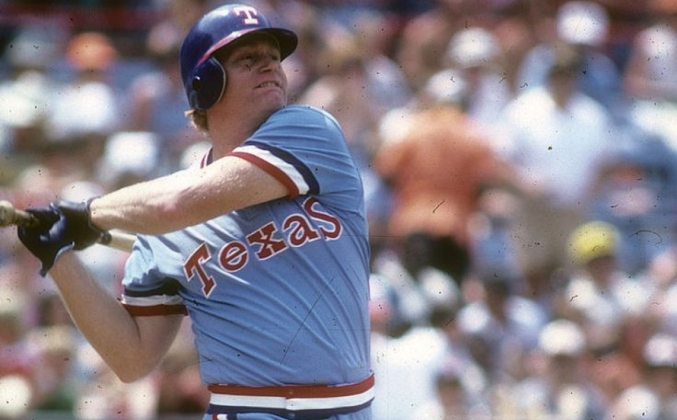
Last January, the Baseball Hall of Fame announced the Class of 2026,…
 Not in Hall of Fame News
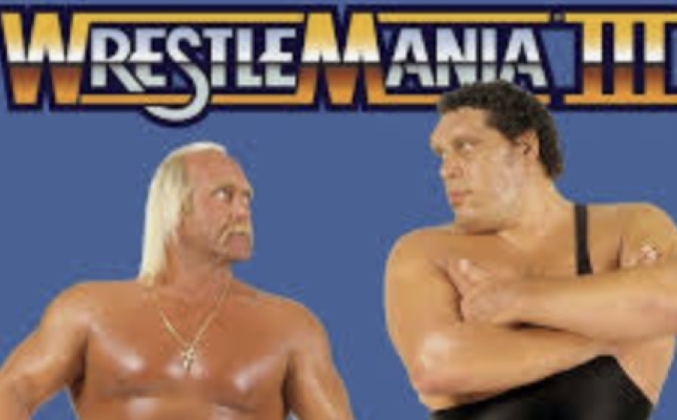
The WWE Hall of Fame announced that the Hulk Hogan vs Andre…
 The Buck Stops Here
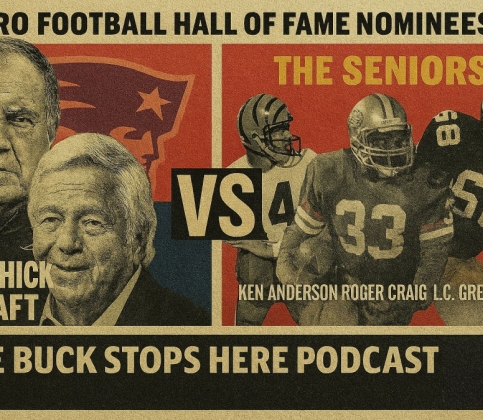
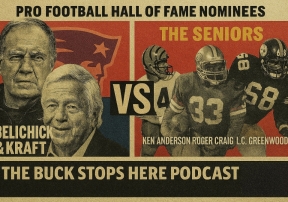
Bill Belichick & Robert Kraft vs. The Seniors: Analyzing the ProFootball Hall of Fame Class Nominees
The Pro Football Hall of Fame voting process is more complicated than…
 From the Desk of the Chairman
Recreational cannabis laws have changed how adults can buy cannabis in many…
 From the Desk of the Chairman
Synthetic turf has become an increasingly familiar surface in the sports world.…
 From the Desk of the Chairman
Athletic performance is shaped by discipline, training, and resilience, but motivation often…
 From the Desk of the Chairman
The first month of the MLB season always feels a bit unsettled.…
 From the Desk of the Chairman
Sports and regular physical activity are widely celebrated for building strength, improving…
 The Buck Stops Here
Bill Belichick & Robert Kraft vs. The Seniors: Analyzing the ProFootball Hall of Fame Class Nominees
The Pro Football Hall of Fame voting process is more…
100 Active Potential Football Hall of Famers
-
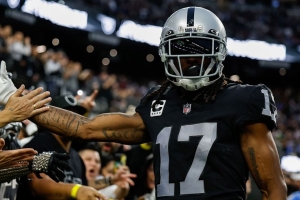 #23 Overall, Davante Adams, Los Angeles Rams, #3 Wide Receiver2024 Pre-Season Rank #27, 2023 Pre-Season Rank #24, 2022 Pre-Season Rank #43, 2021 Pre-Season Rank #67, 2020 Pre-Season Rank #95. Peak Period: 2018-22…
 -
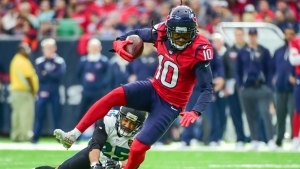 #24 Overall, DeAndre Hopkins, Baltimore Ravens, #4 Wide Receiver2024 Pre-Season Rank #24, 2023 Pre-Season Rank #20, 2022 Pre-Season Rank #28, 2021 Pre-Season Rank #30, 2020 Pre-Season Rank #44. Peak Period: 2015-19…
 -
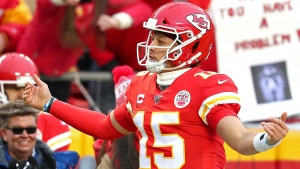 #3 Overall, Patrick Mahomes: Kansas City Chiefs, #2 Quarterback2024 Pre-Season Rank #2, 2023 Pre-Season Rank #10, 2022 Pre-Season Rank #21, 2021 Pre-Season Rank #31, 2020 Pre-Season Rank #47. Peak Period 2018-22.…in Quarterbacks
 -
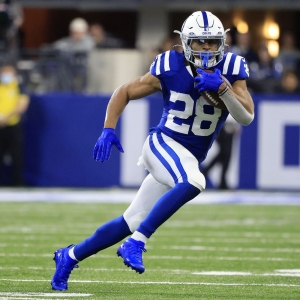 #70 Overall, Jonathan Taylor, Indianapolis Colts, #6 Running Back2024 Pre-Season Rank #98, 2023 Pre-Season Rank: #107, 2022 Pre-Season Rank #111. Peak Period: 2020-24 After a good rookie year in 2020, Taylor…
Visit the Fictitious Halls of Fame!

You May Also Like...
EDITOR’S CHOICE
 DDT's Pop Flies
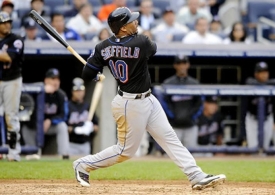
When the veterans committee (VC), officially convening as the Contemporary Baseball Era…



 Live Music Head
Project/Objectan interview with André Cholmondeleyby Live Music HeadOriginally published at timessquare.com on…
LATEST RANKINGS

MOST POPULAR RANKINGS

Site Admin
25. Reggie Lewis
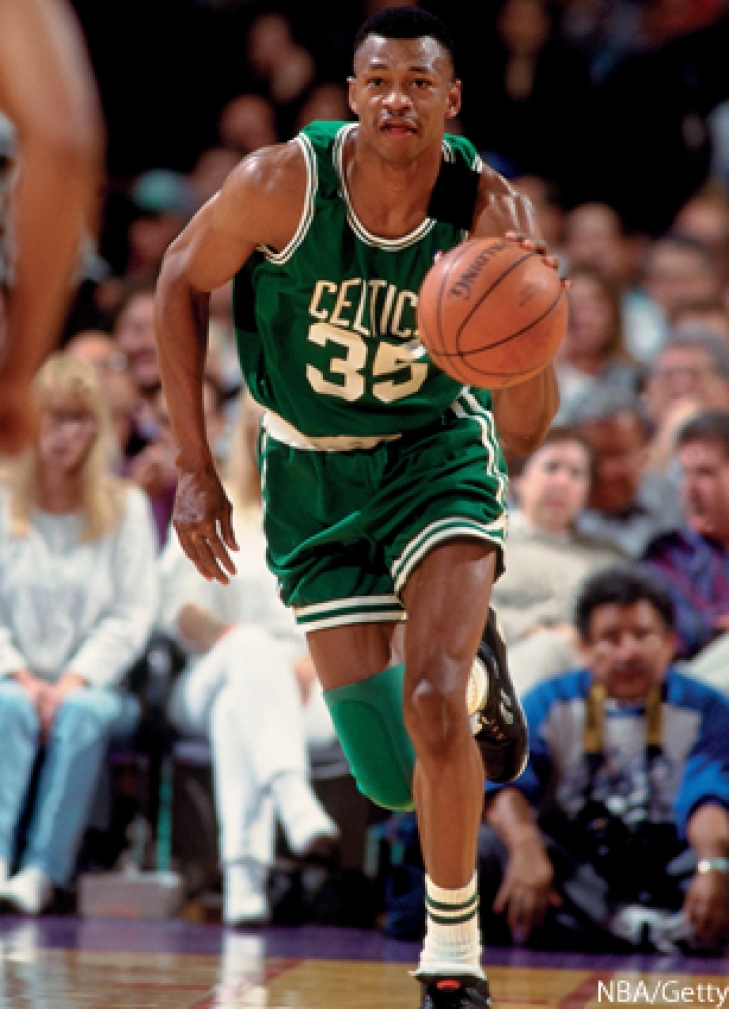
Reggie Lewis was a late-round draft pick in 1987 and the product of Northeastern University, playing less than ten minutes a game as a rookie, so it surprised some when he would blossom when gaining minutes due to Larry Bird's injury and had an 18.5 PPG season as a sophomore. Lewis would become the starting Shooting Guard, and in 1991/92 and 1992/93 he averaged just over 20 Points per Game, with the first of those seasons earning him All-Star recognition.
26. Bailey Howell
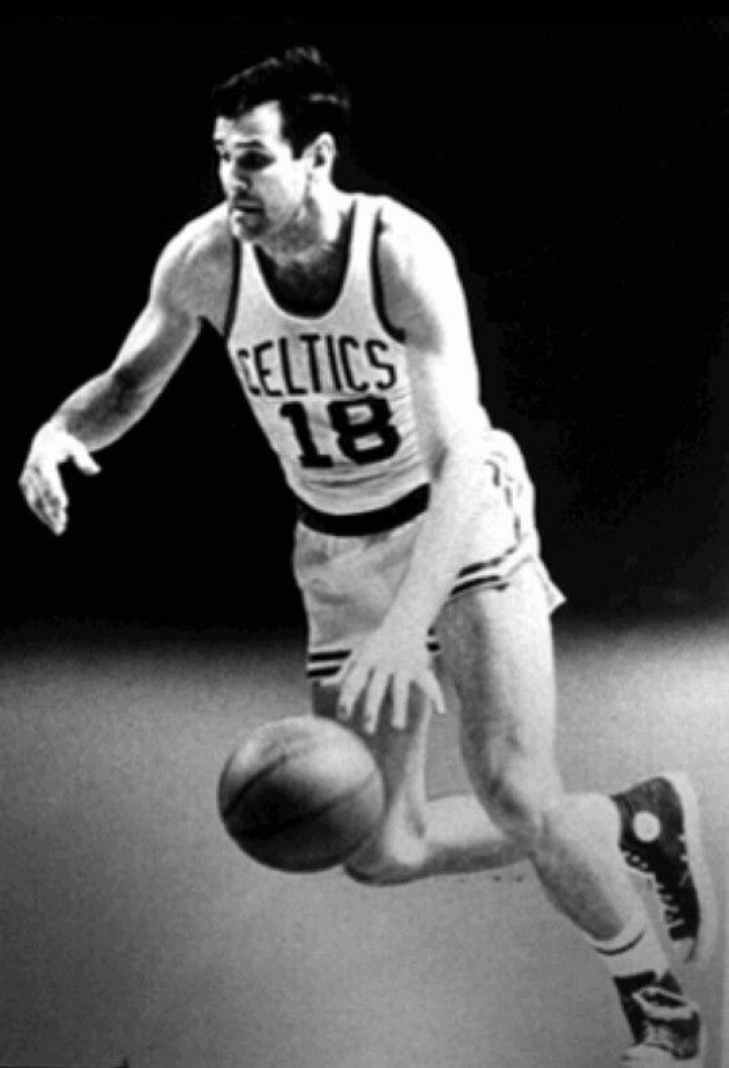
Bailey Howell had already been to five All-Star Games (four with Detroit and one with Baltimore) before he arrived in Boston for the back nine of his career. Howell wasn't putting up the exact numbers he had in Boston, but he was now on a more loaded team, and when you are a teammate of Bill Russell, you don't have to lead the team in boards. Howell was a strong presence during the NBA Championship wins in 1968 and 1969 and was chosen for his sixth All-Star team the year before he won his first title. Howell would average 18 Points and 8.4 Rebounds per Game with a 17.9 PER.
24. Antoine Walker
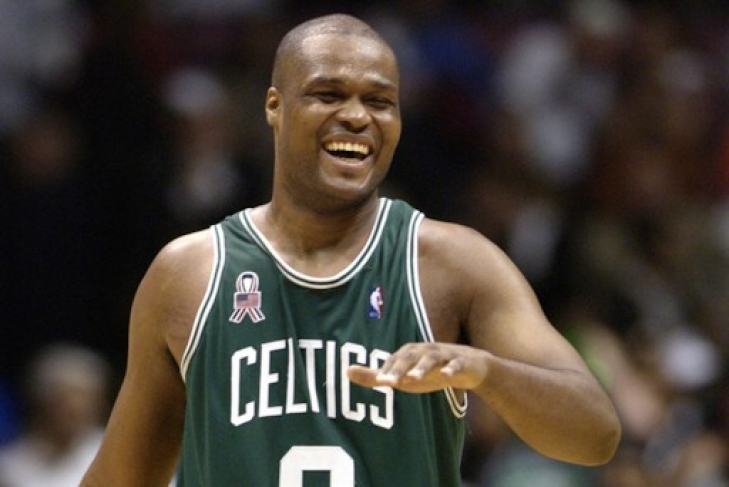
Antoine Walker was a champion at the University of Kentucky and was drafted 6th Overall by Boston in 1996, though the Celtics were no longer the dominant team they used to be. The Power Forward would be Boston's primary offensive weapon, and he would be named an All-Star in his sophomore season when he averaged 22.4 Points per Game. Walker would be a workhorse, and in 2001-02 he would lead the NBA in Minutes Played and Field Goal Attempts, and he would also make his second All-Star Game. Walker also had help with Paul Pierce, and the tandem took the Celtics to the Eastern Conference Finals that year. He would be with Boston one more season and would be chosen for his third and final All-Star Game.
21. Tom Sanders
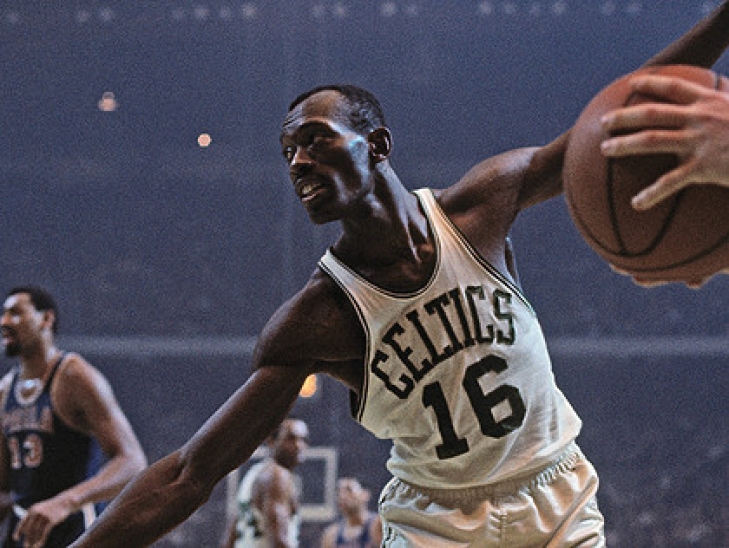
Tom “Satch” Sanders is one of only three players to appear in eight NBA Finals and win them all. To no surprise, the other two are also Celtics.