

 Not in Hall of Fame News
Afrika Bambaataa, the legendary DJ, producer, and widely recognized "Godfather" of hip-hop…
 Not in Hall of Fame News
Would you like to know what we love the most about the…
 Not in Hall of Fame News
1993 SEMI-FINAL RESULTS: Thank you for your participation in the Pro Football…
 Not in Hall of Fame News
Regular visitors of Notinhalloffame.com know that we are slowly working on the…
 Not in Hall of Fame News
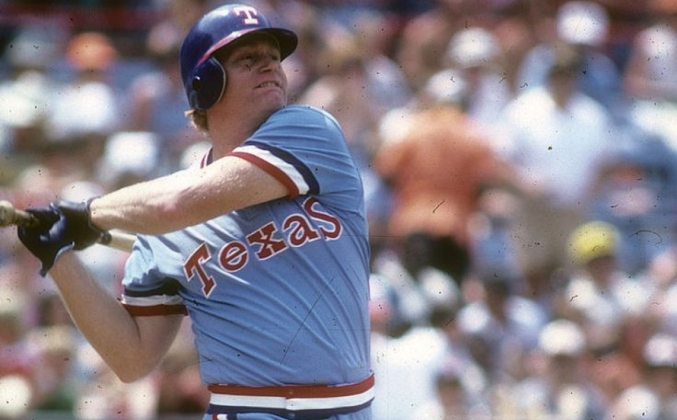
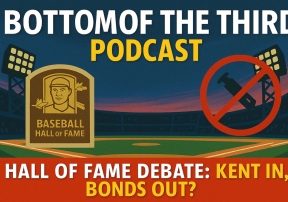
Last January, the Baseball Hall of Fame announced the Class of 2026,…
 Not in Hall of Fame News
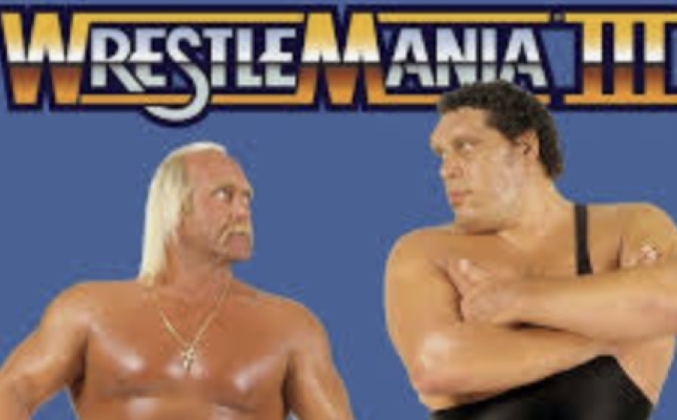
The WWE Hall of Fame announced that the Hulk Hogan vs Andre…
 The Buck Stops Here
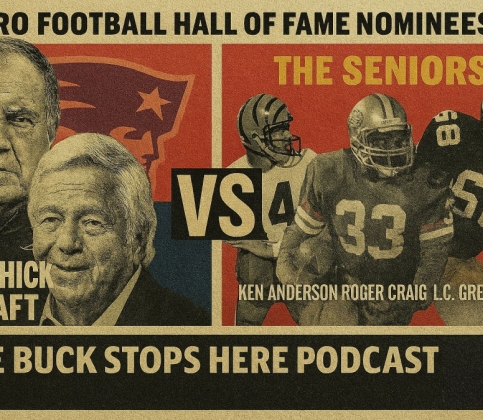
Bill Belichick & Robert Kraft vs. The Seniors: Analyzing the ProFootball Hall of Fame Class Nominees
The Pro Football Hall of Fame voting process is more complicated than…
 From the Desk of the Chairman
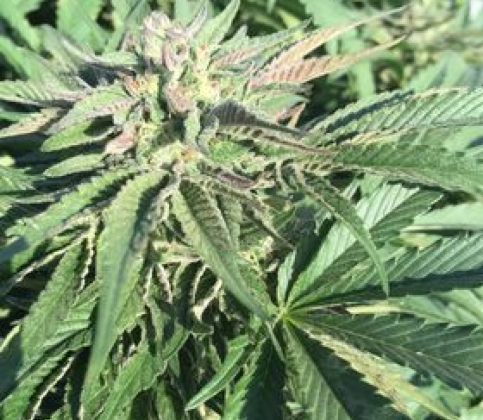
Recreational cannabis laws have changed how adults can buy cannabis in many…
 From the Desk of the Chairman
Synthetic turf has become an increasingly familiar surface in the sports world.…
 From the Desk of the Chairman
Athletic performance is shaped by discipline, training, and resilience, but motivation often…
 From the Desk of the Chairman
The first month of the MLB season always feels a bit unsettled.…
 From the Desk of the Chairman
Sports and regular physical activity are widely celebrated for building strength, improving…
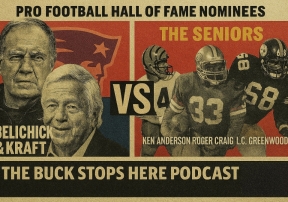 The Buck Stops Here
Bill Belichick & Robert Kraft vs. The Seniors: Analyzing the ProFootball Hall of Fame Class Nominees
The Pro Football Hall of Fame voting process is more…
100 Active Potential Football Hall of Famers
-
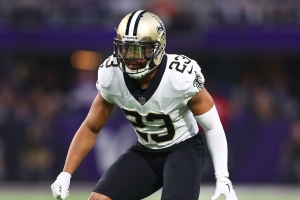 #85 Overall, Marshon Lattimore, Washington Commanders, #8 Cornerback2024 Pre-Season Rank #97, 2023 Pre-Season Rank #98, 2022 Pre-Season Rank: #106, 2021 Pre-Season Rank: #125, 2020 Pre-Season Rank #138. Peak Period 2017-21…in Cornerbacks
 -
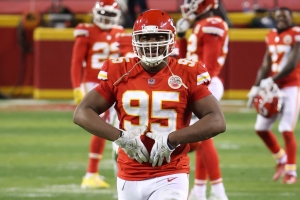 #15 Overall, Chris Jones, Kansas City Chiefs, Defensive Tackle, #7 Defensive Lineman/Linebacker: Pass Rusher2024 Pre-Season Rank #15, 2023 Pre-Season Rank #58, 2022 Pre-Season Rank #100. Peak Period 2020-24. When you think of the recent success of…
 -
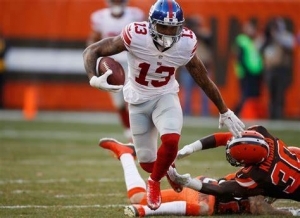 #78 Overall, Odell Beckham Jr., Free Agent, #14 Wide Receiver2024 Pre-Season Rank #69, 2023 Pre-Season #77, 2022 Pre-Season Rank #77, 2021 Pre-Season Rank #71, Last Year’s Rank #62. Peak Period: 2014-16/18-19. OBJ’s…
 -
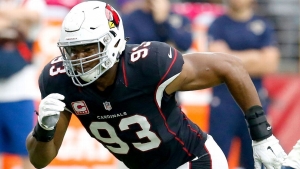 #12 Overall, Calais Campbell, Arizona Cardinals, Defensive End, #5 Defensive Lineman/Linebacker: Pass Rusher2024 Pre-Season Rank #19, 2023 Pre-Season Rank #19, 2022 Pre-Season Rank #26 2021 Pre-Season Rank #28, 2020 Pre-Season Rank #36. Peak Period: 2014-18…
Visit the Fictitious Halls of Fame!


You May Also Like...
EDITOR’S CHOICE
 DDT's Pop Flies
When the veterans committee (VC), officially convening as the Contemporary Baseball Era…



 Live Music Head
Project/Objectan interview with André Cholmondeleyby Live Music HeadOriginally published at timessquare.com on…

LATEST RANKINGS


MOST POPULAR RANKINGS


Site Admin
30. Dennis Johnson
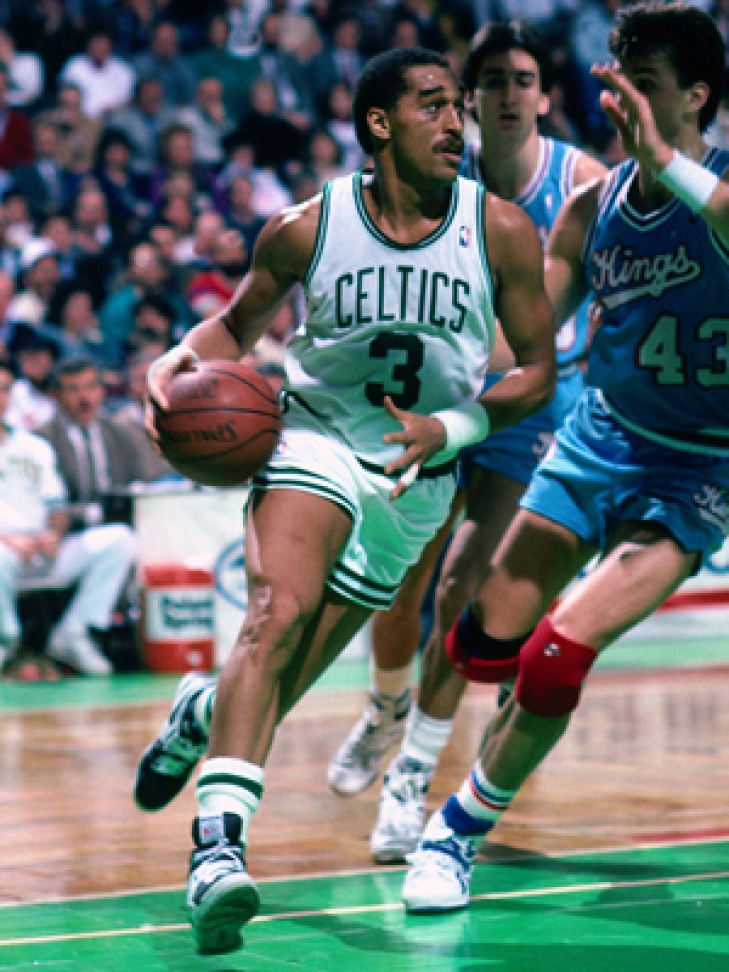
Dennis Johnson played the last half of his career (seven years) with the Boston Celtics after already playing in four All-Star Games and winning the NBA Championship in 1979 with the Seattle SuperSonics. "D.J." was already one of the best defensive guards, and as a Celtic, he would continue to provide that with four All-Defensive Selections (one First Team and three Second Teams). Johnson was scoring as much as he had before, but with Boston, he had switched to Point Guard, and it showed in higher assist numbers than the Shooting Guard ever had before.
31. Paul Silas
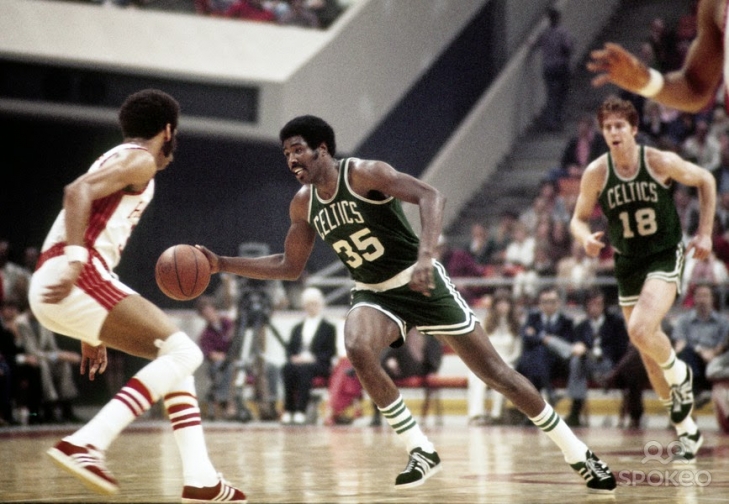
Paul Silas was with the Boston Celtics for four seasons, directly after he was chosen for his first All-Star Game with the Phoenix Suns. Silas was much happier in Boston, and every season he donned the green, he averaged a double-double, posting 11.5 Points and 12.3 Rebounds per Game as a Celtic. The Power Forward wasn't a great shooter, but his pay was based on his rebounding prowess, and Silas was damned good at it. He finished in the top 13 in Rebounds per Game every year he played in Boston, and in three seasons, he was named an All-Defensive Selection. Silas was chosen for the All-Star Game in 1975, and, most importantly, his defensive skills were a tremendous asset to Boston, helping the team win the 1974 and 1976 NBA Championships.
29. Isaiah Thomas
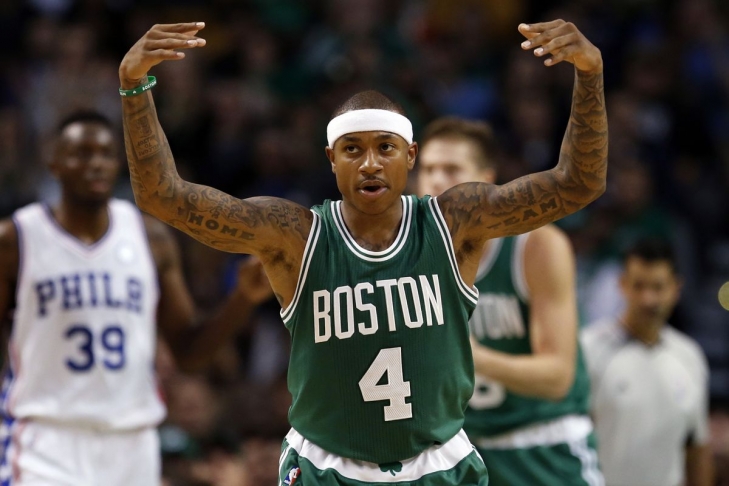
Yes, we know that Thomas's stay in Boston lasted only two years and change, but he was on fire, especially in his last year, and was the man who carried Boston further than they had any right to be at the time.
27. Danny Ainge
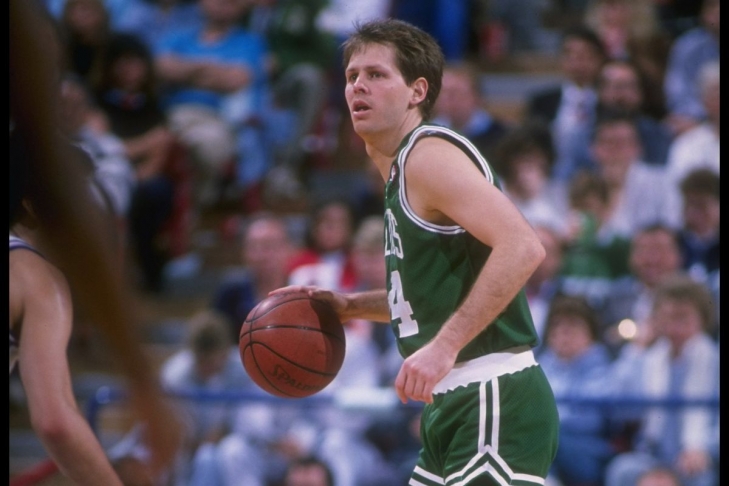
Ainge actually played for the Toronto Blue Jays before he was drafted by the Boston Celtics, who chose him 31st Overall in 1981. After a rocky start, he would find his role in professional basketball as a pesky agitator and occasional scorer. Ainge would help Boston win two titles (1984 & 1986) and was a bit of a surprise as an All-Star in 1988. The Guard averaged 11.3 Points per Game over the seven-and-a-half seasons he played for Boston.