

107. George Foster
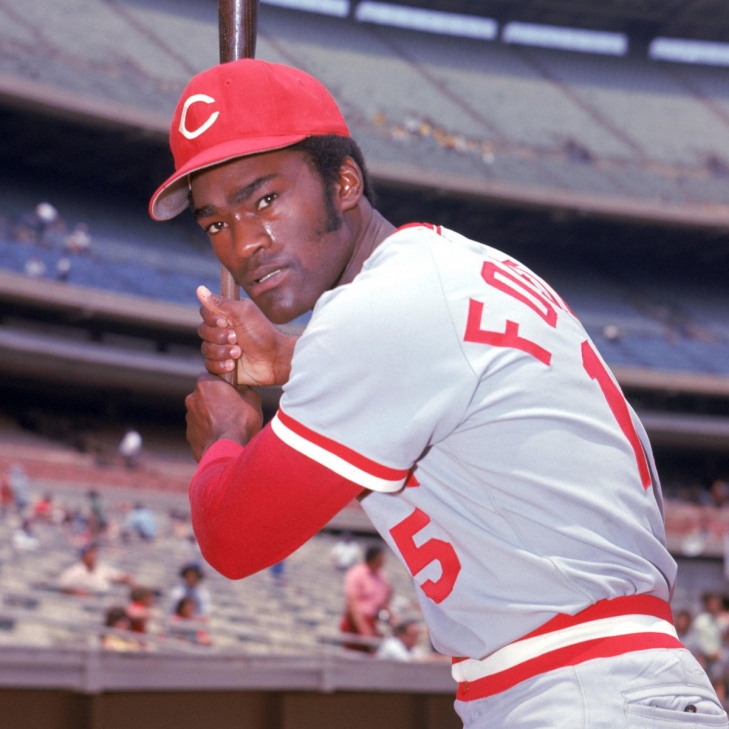
A vital part of the Big Red Machine that had the most success of any other team in the National League, George Foster debuted in 1969 (with San Francisco); George Foster broke through in 1975 with a 23-home-run year. Helping the Reds win the World Series that year, Foster won the RBI Title in 1976 with 29 Home Runs and a .306 Batting Average. This would usher in the first of five All-Star Games, and four in the next five years. Foster again helped them win the World Series, and he was second in MVP voting.
The Reds did not win the World Series again in the 1970s, but Foster would have better years ahead. In 1977, he would smack 52 Home Runs, an incredible tally for the 1970s. Foster also led the National League in Runs Batted In (149), Runs Scored (124), Slugging Percentage (.631), and OPS (1.013). To the surprise of nobody, he won the MVP. Foster won his second Home Run Title (40) and third RBI Title (120) in 1978, and in 1981, he was third in MVP voting with 22 Home Runs and a .519 Slugging Percentage in that strike-shortened year. That was his last season on the Ohio River, as he was traded to the New York Mets, where he played for four years and had a brief stop with the Chicago White Sox before retiring in 1986.
Foster would smack 348 Home Runs, 1,239 Runs Batted In with a .480 Slugging Percentage. He remained on the ballot for four years (1992-95). Had he been better defensively and had a better on-base percentage, he would have been much higher on this list.
Our Top 50 All-Time Cincinnati Reds are now up
Again, did we ever say this would be fast?
We here at Notinhalloffame.com have completed our next all-time top 50, this time that of the Cincinnati Reds.
As for all of our top 50 players in baseball we look at the following:
- 1. Sabremetric tallies while with that team, mostly WAR.
- 2. Traditional metrics and how they finished in their respective league overall.
- 3. Playoff accomplishment.
- 4. Their overall impact on the team and other intangibles not reflected in a stat sheet.
Remember, this is ONLY based on what a player does on that particular team and not what he accomplished elsewhere and also note that we have placed an increased importance on the first two categories.
Saying all of that, as.
The complete list can be found here, but as always we announce our top five in our news. They are:
- 1. Pete Rose
- 2. Johnny Bench
- 4. Joe Morgan
- 5. Barry Larkin
This is a solid top five with four Hall of Famers and one who should be.
So which team is up next?
We go back to the ice and look at the top 50 Dallas Stars of all time.
Look for that in a couple of months.
As always, we here at Notinhalloffame.com thank you for your support.
9. George Foster
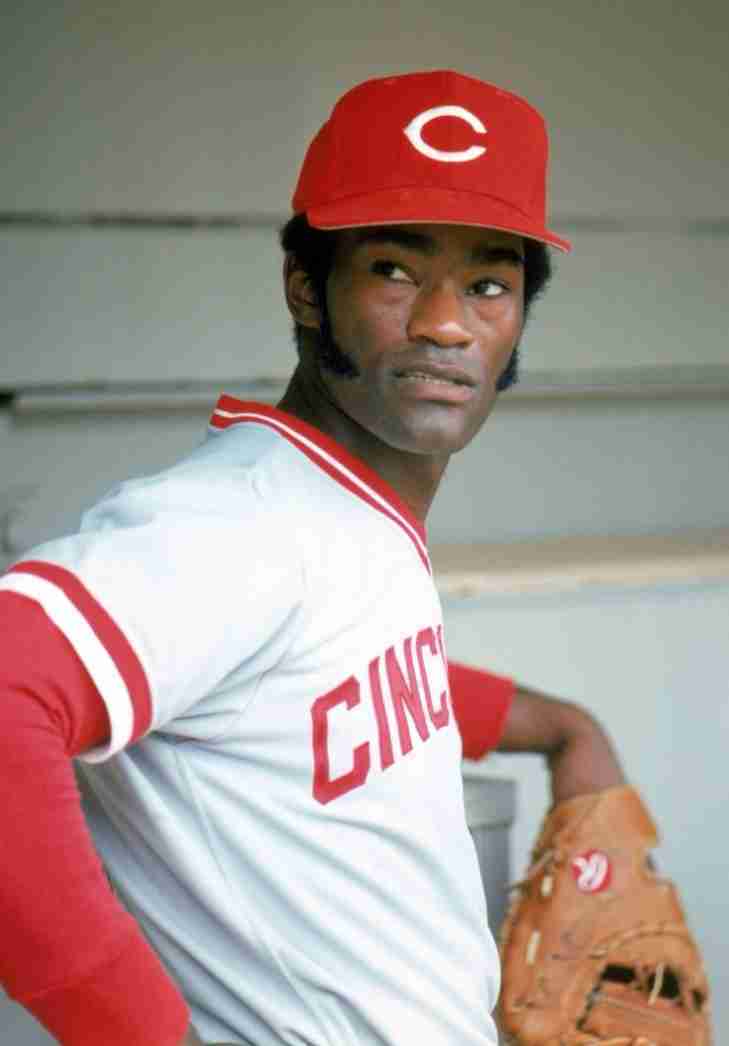
When George Foster arrived in Cincinnati via a trade from San Francisco in 1971, he was a talented outfielder searching for a permanent home on a crowded roster. It took a few seasons of refinement before he truly ignited, but once he locked down the starting job in left field, he became the ultimate deep threat. He joined the organization as a high-potential trade piece and matured into the most dangerous power hitter of the 1970s, with the guise of aquiet giant who let his black bat do all the talking.
His tenure reached a historic crescendo in 1977. In a decade where league leaders often hovered in the 30s, Foster exploded for 52 home runs, becoming the first player to eclipse the 50-mark since Willie Mays over a decade prior. It earned him the National League MVP, as he paired those home runs with 149 RBIs and a .320 batting average. He wasn't just hitting for the highlight reels; he was driving the Reds' offense with relentless efficiency, capturing three consecutive RBI titles from 1976 to 1978.
Foster served as the high-leverage cleanup hitter for the back-to-back championship teams of 1975 and 1976. While Bench, Morgan, and Rose set the table or provided the tactical edges, Foster was the hammer that finished the job. His 1976 campaign was particularly vital, as he drove in 121 runs to help secure the sweep of the Yankees in the World Series. He concluded his time in Cincinnati with a staggering .514 slugging percentage and 244 home runs, a volume of production that made him the most feared out in the National League for half a decade.
Following the 1981 season, Foster was traded to the New York Mets, marking the conclusion of a legendary era in the Queen City. He left the Reds as a beloved icon of the "Big Red Machine.” While the Hall of Fame in Cooperstown has proven elusive, the Reds recognized his impact by inducting him into the team Hall of Fame in 2003, ensuring that the man who brought the "Long Ball" back to the 70s would always have a place in Cincinnati.
