

RIP: Dave Parker
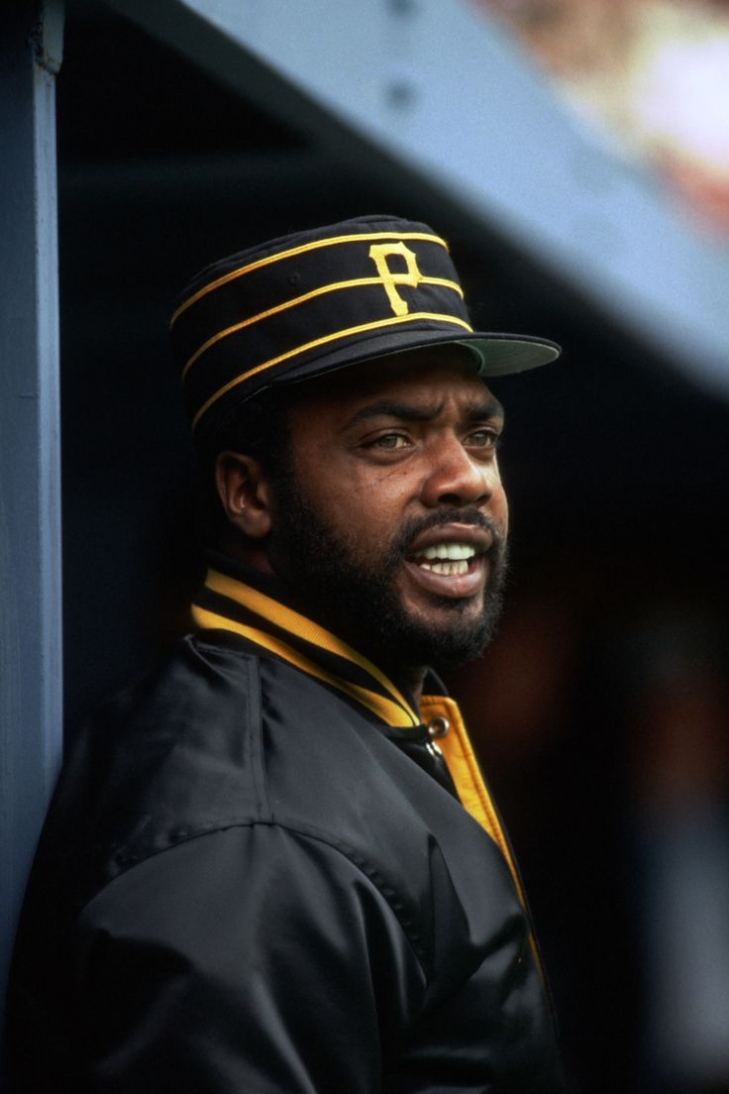
It is a sad day for baseball fans.
“The Cobra,” Dave Parker, passed away at the age of 74. He was scheduled to be inducted into the Baseball Hall of Fame next month on the 27th. His induction will now be posthumous.
Parker debuted for the Pittsburgh Pirates and quickly became one of the top players in the game. A seven-time All-Star, Parker won the National League MVP in 1978 and finished in the top four five times. Parker also won two Batting Titles and propelled the Pirates to win the 1979 World Series.
His cocaine use hampered Parker’s career, as this likely delayed his Hall of Fame induction. Parker was passed over on all fifteen of the Baseball Writers’ ballots, and on three Senior Ballots before he was chosen last December.
We here at Notinhalloffame would like to extend our condolences to the fans, friends, and family of Dave Parker.
Dave Parker and Dick Allen selected for the Baseball Hall of Fame
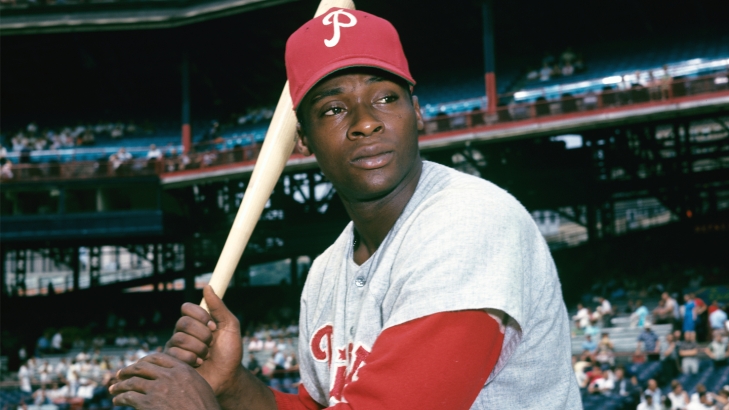
The Hall of Fame Season (as we like to call November to early February) is in full swing with the significant announcement that Dick Allen and Dave Parker has been elected to the Baseball Hall of Fame by the Classic Baseball Era Committee. That specific group looked at the period from Baseball’s beginning to 1980.
Parker received 14 votes, and Allen received 13. Twelve votes were needed (75%) were required to enter Cooperstown.
Dave Parker: Parker led Pittsburgh to a World Series Championship in 1979 and won a second ring a decade later with Oakland. A six-time All-Star with three Silver Sluggers, Parker won the 1978 National League MVP. He had 339 career Home Runs and 1,493 RBIs. Previously, Parker’s best finish on his previous three Veteran’s Ballots was 43.8% in 2020. Parker is 73 years old.
Dick Allen: Allen finally got in on his sixth try on a Veteran’s ballot after falling short by one vote the last two attempts (2015 & 2022). Allen was the 1972 American League MVP (with Chicago). Over a 15-year career, he hit 351 Home Runs with 1,119 RBIs. He was also a seven-time All-Star, two-time OBP leader, three-time Slugging Champion, and four-time leader in OPS.
Tommy John received seven votes, and the other five nominees (Ken Boyer, John Donaldson, Steve Garvey, Vic Harris, and Luis Tiant) failed to receive at least five votes and their finish was not published.
Parker and Allen will be joined by the former players who will advance on the Baseball Writer’s Modern Ballot.
Baseball Hall of Fame 2025: Classic Baseball Era Committee
Created in April 2022, the Classic Baseball Era Committee debuts to deliberate eight candidates for induction into the National Baseball Hall of Fame. All eight candidates' careers began before 1980. Two are associated with the Negro Leagues, assimilated into Major League Baseball in December 2020, while the other six are some very familiar names indeed, and it is highly likely that at least one of them will be announced by the committee on December 8, 2024, for formal induction in July 2025.
The six non-Negro Leagues candidates are practically near-contemporaries whose playing careers span the 1950s through the 1980s: Dick Allen, Ken Boyer, Steve Garvey, Tommy John, Dave Parker, and Luis Tiant. The two Negro Leagues candidates are John Donaldson and Vic Harris, with Donaldson, whose tenure in the officially-recognized Negro Leagues lasted for the first half of the 1920s, also considered a manager and a pioneer of sorts; by contrast, Harris's playing and managing career spanned virtually the entire Negro Leagues period from 1920 to 1948.
The Baseball Hall of Fame announces the Classic Era Candidates
The Classic Baseball Era, which consists of the period to 1980 (including the Negro Leagues), has announced its eight Finalists for the Baseball Hall of Fame Class of 2025.
The nominees are:
Dick Allen: Here is Allen again, and fans and family of the late slugger must be tired of waiting. Allen was on the Writer’s Ballot for 15 years, peaking at 18.9% in 1996, his fourteenth year. As for the Veterans ballot, this is his sixth try, with him falling short by one vote in his last two tries (2015 and 2022).
Allen was the 1972 American League MVP (with Chicago). Over a 15-year career, he hit 351 Home Runs with 1,119 RBIs. He was also a seven-time All-Star, two-time OBP leader, three-time Slugging Champion, and four-time leader in OPS.
Ken Boyer: Boyer was also on the Writer’s Ballot for 15 years, with his apex coming in 1988 (his ninth ballot) with 25.5 percent of the vote. Like Allen, he has been on six Veterans ballots but has never come close to achieving the 75% required.
An 11-time All-Star and five-time Gold Glove winner, Boyer won the 1964 National League MVP and led his Cardinals to a World Series Championship that year. He had 2,143 hits, 282 home runs, and 1141 RBIs.
John Donaldson: Donaldson received 50% of the vote on the 2022 Veterans ballot, boding well for his chances this year.
While Donaldson played in the Negro Leagues in the first half of the 1920s with the Kansas City Monarchs, his best years were in the pre-Negro Leagues era. Overall, the Pitcher is believed to have a record of 424-169-15, 5,221 Strikeouts, and an ERA of 1.37.
Steve Garvey: Garvey lasted 15 years on the writer’s ballot, with his peak coming in year three at 42.6 percent. He appeared on four Veteran’s Ballots, with a 37.5% finish on the 2020 version.
Garvey won the 1974 National League MVP, was a 10-time All-Star, four-time Gold Glove winner, and helped the Dodgers win the 1981 World Series. He had 2,599 Hits, 272 Home Runs and 1,308 RBIs.
Vic Harris: Harris netted 62.5% on his first Veteran’s Ballot in 2022, two votes shy of what he needed for induction.
Harris was a seven-time Negro League All-Star and a long-time Manager who boasted a winning record of 547-278. He overall won none Negro League Pennants and three Negro League World Series Championships.
Tommy John: John was on the Writer’s Ballot for 15 years, with his final year reaching his peak of 31.7%. He has been on the Veteran’s Ballot four times before but never received enough votes to register.
A four-time All-Star. John had a career record of 288-231 with 2,245 Strikeouts and was a Cy Young runner-up twice.
Dave Parker: Parker was on 15 Writer’s Ballots and finished as high as 24.5% in his second year. He has been on three Veteran’s Ballots and had 43.8% on his 2020 attempt.
Parker led Pittsburgh to a World Series Championship in 1979 and won a second ring a decade later with Oakland. A six-time All-Star with three Silver Sluggers, Parker won the 1978 National League MVP. He had 339 career Home Runs and 1,493 RBIs.
Luis Tiant: Tiant was on 15 Writer’s Ballots, peaking with 17.2 in his 14th attempt. He has been on six Veterans ballots, but only received 25 percent once, and in his last three attempts, did not get enough votes to register.
The recently deceased Pitcher is an iconic figure in Boston, helping them win the 1975 American League Pennant, though his best year in baseball was in Cleveland (1968: 21-9, 1.60 ERA & 264 SO). Tiant was a three-time All-Star with a career record of 229-172 and 2,416 Strikeouts.
The results will be announced on December 8 at 7:30 PM.
13. Dave Parker
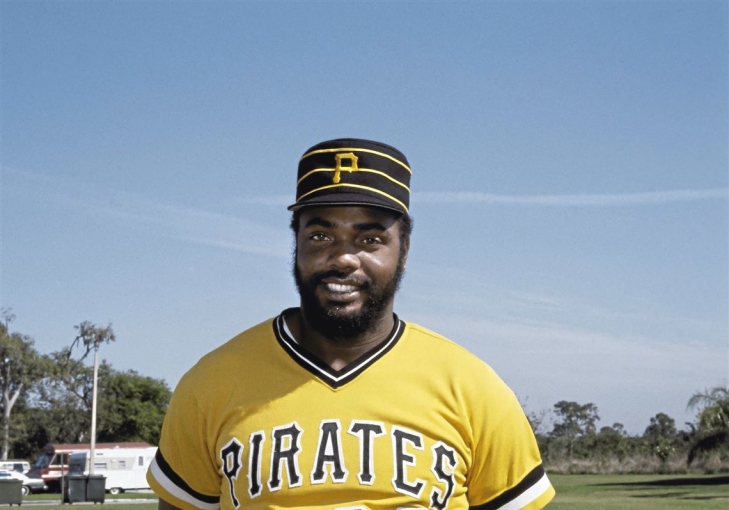
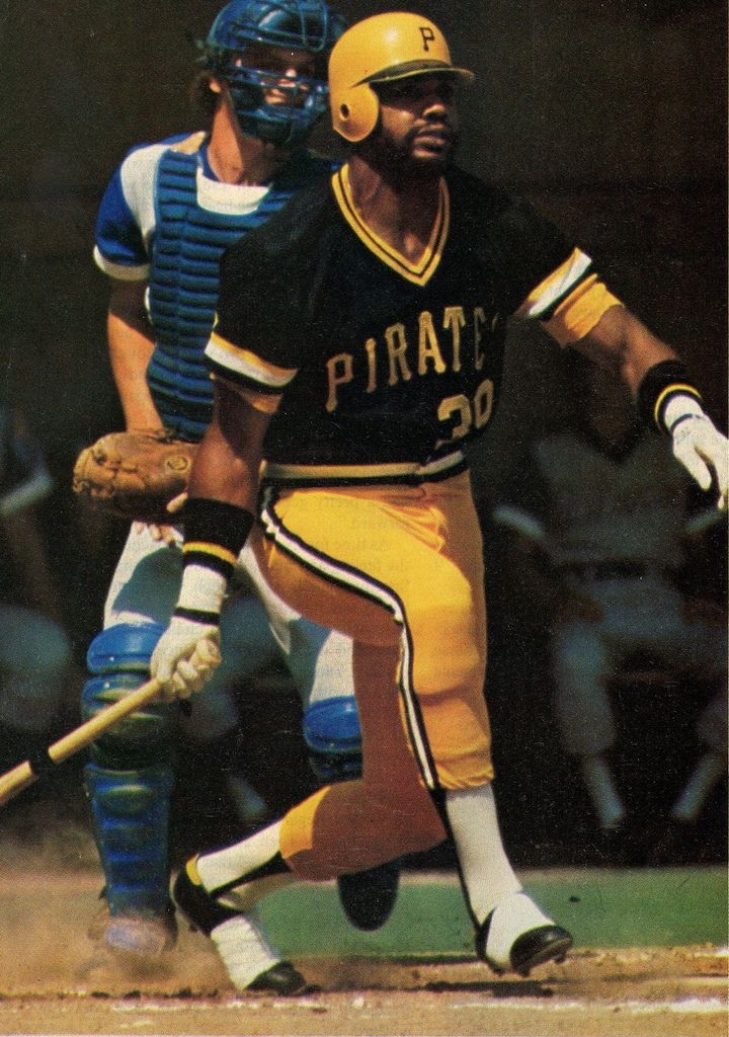
Few athletes in post-war baseball history have ever matched Dave Parker's commanding, almost theatrical presence. Standing 6-foot-5 and weighing 230 pounds, this imposing right fielder roamed Forbes Field and Three Rivers Stadium with a confident swagger that captured the attention of fans and players alike. Wearing a dark visor, a thick mustache, and swinging a hefty 37-ounce bat, "The Cobra" was more than just a player; he was a dominant force. During a remarkable period in the late 1970s, he was the undisputed top predator in the Major Leagues, a five-tool superstar with a cannon for an arm who made right field his personal domain.
His initial introduction in the 1973 schedule offered a brief glimpse of his impressive physical potential. By 1975, he had fully secured the regular right field position. Parker made producing runs from the middle of the order a consistent part of the season, achieving his first.300 batting average along with 25 home runs and 101 RBIs, finishing third in the National League MVP voting.
His definitive rise as a league-wide outlier occurred during the historic 1977 season, when he won his first National League batting title with a blazing .338 average. He also led the Senior Circuit with 215 hits and 44 doubles, earning his first Gold Glove award.
The peak of his regular-season prowess came during a remarkable 1978 showcase now legendary in club history. Parker delivered an outstanding offensive display, earning the National League MVP Award, securing his second straight batting title with an impressive .334 average, while also leading the league with a remarkable .585 slugging percentage and hitting 30 home runs.
On the field, his defensive skills were formidable; he had possibly the most intimidating throwing arm of his era, often halting base runners or gunning them out from deep in the outfield with precise, high-speed throws. This all-around talent peaked commercially during the memorable 1979 "We Are Family" season. Parker led the batting order for the championship-winning team, earning another All-Star selection and Gold Glove award, all while hitting a crucial .345 during the intense seven-game World Series victory against Baltimore.
Sadly, just as he appeared on track for a legendary career based on impressive stats, his rise started to decline sharply as the franchise entered the 1980s. A series of frustrating injuries and abrupt weight changes greatly affected his resilience, but his career suffered its most serious setback off the field due to his deep involvement in the prevalent cocaine culture of that time, a risky distraction that severely affected his focus and led to numerous missed games, hits, and damage to his reputation.
Understanding the need for a fresh environment, Parker officially left the Steel City before the 1984 season, signing as a free agent with his hometown Cincinnati Reds. He experienced a distinctive second phase, with notable, high-performance comebacks in Cincinnati and Oakland, interspersed with disappointing periods of low effectiveness before retiring after 1991.
He left an impressive 11-season Pirates record: 1,479 hits, 166 home runs, 758 RBIs, and a .305/.353/494 slash line in 1,300 games. In 2025, Parker received the long-awaited call and was chosen by the Veterans Committee for the Baseball Hall of Fame.
The Modern Era Committee announces their 10 Finalists for the Baseball Hall of Fame
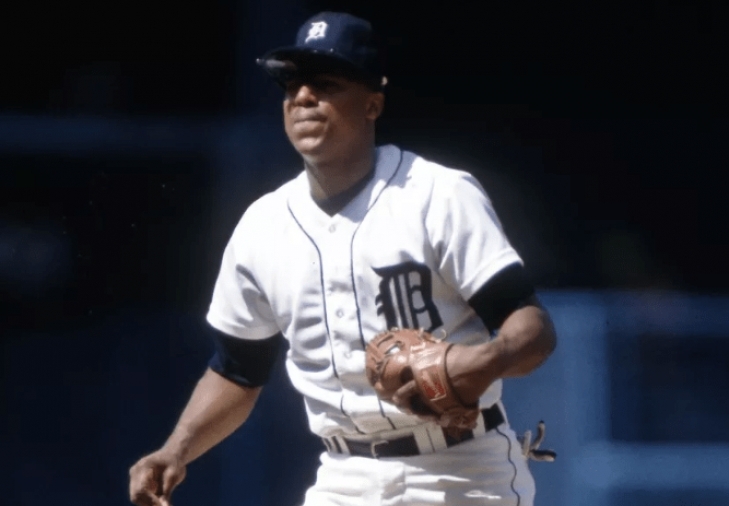
When the Baseball season ends, the Baseball Hall of Fame season begins.
Today, the Baseball Hall of Fame has announced the 10 Finalists for the Modern Baseball Era, which is one of four Era Committees. The Modern Era focuses on the era between 1970 and 1987.
The ten candidates are
Dwight Evans: Evans was a twenty-year veteran of the Majors, 19 of which were with the Boston Red Sox. An eight-time Gold Glove, two-time Silver Slugger and three-time All-Star, Evans collected 2,446 Hits with 385 Home Runs and an OPS of .881. Ranked #15 on Notinhalloffame.com.
Steve Garvey: Garvey was National League MVP in 1974 and he would help the Los Angeles Dodgers win the 1981 World Series. Over his career, he set a National League record of 1,207 consecutive games and would be named to ten All-Star Games and four Gold Gloves. He would accrue 2,599 Hits and 272 Home Runs and also won the 1978 and 1984 National League Championship Series MVP. Ranked #25 on Notinhalloffame.com.
Tommy John: Playing for a whopping 26 seasons, Tommy John would rack up 288 Wins over 4,710.1 Innings. A four-time All-Star, John finished second in Cy Young voting. He is also known for returning from a surgery to repair his ulna collateral ligament in 1974, the successful procedure being known now as “Tommy John Surgery.” Ranked #12 on Notinhalloffame.com.
Don Mattingly: Mattingly played 14 years (all with the New York Yankees), where he would win the Batting Title in 1984, and the MVP the next season. He would amass 2,153 Hits with 222 Home Runs while winning nine Gold Gloves, three Silver Sluggers. He would also be a six-time All-Star. Ranked #40 on Notinhalloffame.com.
Marvin Miller: Miller was elected as the head of the Major League Baseball Players in Association in 1986, a position he held until 1982. Under his watch, free agency came into fruition and players’ salaries rose tenfold.
Thurman Munson: Munson played 11 seasons with the New York Yankees, where he was the 1970 Rookie of the Year and 1976 MVP. Munson went to seven All-Star Games and won three Gold Gloves. He would also twice help the Yankees win the World Series. He would sadly die in a plane crash during the 1979 season. Ranked #83 on Notinhalloffame.com.
Dale Murphy: Murphy played most of his career with the Atlanta Braves and he would be named the National League MVP in 1982 and 1983. The seven-time All-Star would win five Gold Gloves and four Silver Sluggers. He would have 398 Home Runs over his career. Ranked #30 on Notinhalloffame.com.
Dave Parker: The “Cobra” won two World Series rings over his career (1979 with Pittsburgh, and 1989 with Oakland), and was the NL MVP in 1978. The seven-time All-Star, and three-time Gold Glove winner blasted 339 Home Runs over his career. Ranked #21 on Notinhalloffame.com.
Ted Simmons: Simmons was one of the best hitting Catchers of his day, as shown by his eight All-Star Games. He would have 2,472 Hits with 248 Home Runs over his 21-year career. Ranked #9 on Notinhalloffame.com.
Lou Whitaker: Alongside his Hall of Fame double play partner, Alan Trammell, Lou Whitaker spent his entire 19-year career with the Detroit Tigers. The Second Baseman was the Rookie of the Year in 1978 and helped the Detroit Tigers win the 1984 World Series. Whitaker had 2,369 Hits and went to five All-Star Games while earning four Silver Sluggers and three Gold Gloves. Ranked #11 on Notinhalloffame.com.
The vote will take place on December 8.
To get inducted, a candidate has to receive 75% of the vote from the 16-member committee.
We here at Notinhalloffame.com find value in all ten of these names, and we can’t wait to hear who they elect.
Do you have a favorite?
We here at Notinhalloffame.com are hoping the best for Miller and Whitaker, but again if anyone on this list t in, we would be happy.
Modern Baseball Committee (1970 – 1987): The 2018 Election
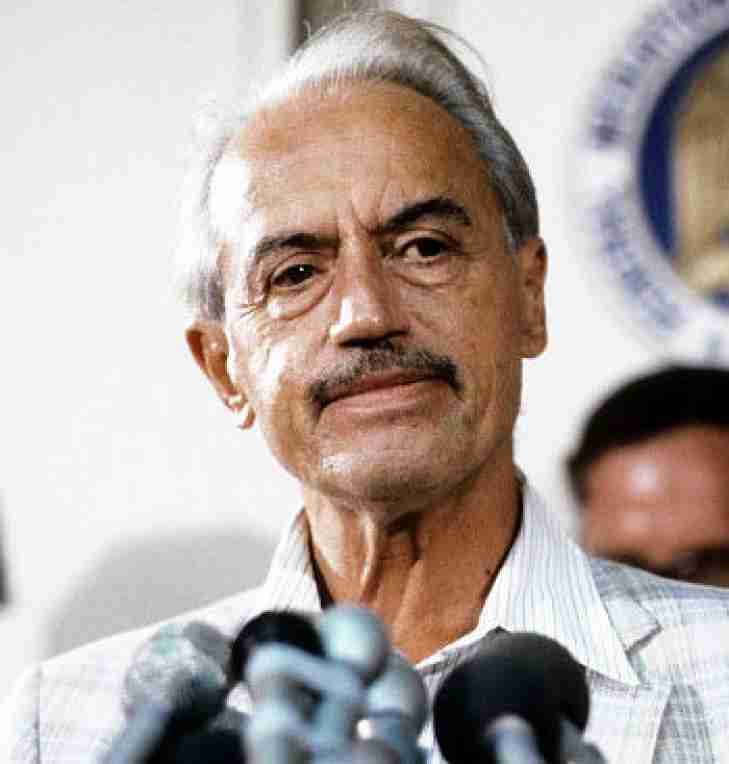
The Modern Era Baseball Committee announces their Finalists
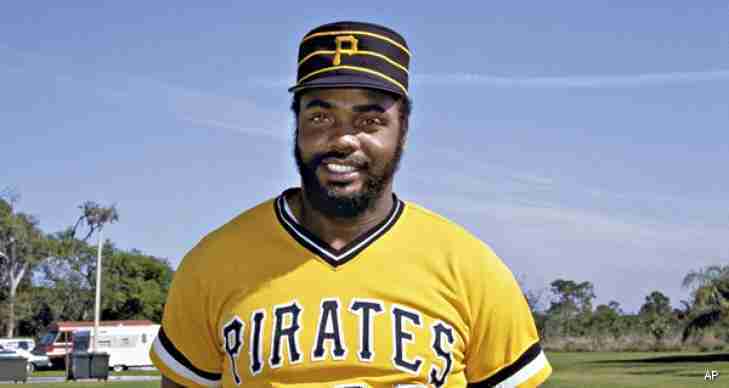
The nominees are:
Steve Garvey: Ranked #31 on Notinhalloffame.com. Garvey was a ten time All Star and was named the 1974 National League MVP. He accumulated 2,599 Hits with a .294 Batting Average with 272 Home Runs. He was on the ballot for the fifteen full years finishing as high as 42.6 %.
Tommy John: Ranked #16 on Notinhalloffame.com. John won 283 Games and is a four time All Star. A two-time Cy Young runner-up, John had 2,245 Strikeouts over his career. He was on the ballot for fifteen years peaking at 31.7% on his final year of eligibility.
Don Mattingly: Ranked #54 on Notinhalloffame.com. Playing his entire career with the New York Yankees, Mattingly was the American League MVP in 1985. Mattingly went to six All Star Games and had a career Batting Average of .307 with 222 Home Runs. He would also win the 1984 Batting Title. He was on the ballot for fifteen years with a high of 28.2% in his first year of eligibility.
Marvin Miller: The head of the Players Association from 1966 to 1982, salaries skyrocketed under his tenure.
Jack Morris: Ranked #11 on Notinhalloffame.com. Morris would win 254 Games and is a four time World Series Champion. He was on the ballot for fifteen years and came very close with a 67.7% finish in his fourteenth year.
Dale Murphy: Ranked #42 on Notinhalloffame.com. In a career spent mostly with Atlanta, Murphy was a back-to-back MVP winner (1982 & 1983) and blasted 398 Home Runs. He was a five time All Star. On the ballot for fifteen years, Murphy peaked at 23.2% in 2000.
Dave Parker: Ranked #28 on Notinhalloffame.com. “The Cobra” was the 1978 National League MVP and hit 339 Home Runs over his career. He was also a two time World Series Champion. He was on the ballot for fifteen years and finished as high as 24.5% in his second year of eligibility.
Ted Simmons: Ranked #14 on Notinhalloffame.com. Simmons was an eight time All Star and one of the top Catchers of his day. He was only on the ballot for one year where he finished with 3.7% of the ballot.
Luis Tiant: Ranked #44 on Notinhalloffame.com. Tiant was known mostly for his time in Boston and he was a three time All Star with 229 career Wins. He was on the ballot for fifteen years and finished as high as 30.9, which occurred in his first year of eligibility.
Alan Trammell: Ranked #12 on Notinhalloffame.com. Trammell played his entire career with the Detroit Tigers and was a six time All Star. Trammell had 2,365 Hits and was the 1984 World Series MVP. He was on the ballot for fifteen years and finished with 40.9% on the ballot in his last year of eligibility.
It will be very interesting to see if any of these names will get in. To be chosen, a candidate must receive 75% of the 16 member vote.
Awards = HOF? Part Twelve: The Silver Slugger (Designated Hitter) (MLB)
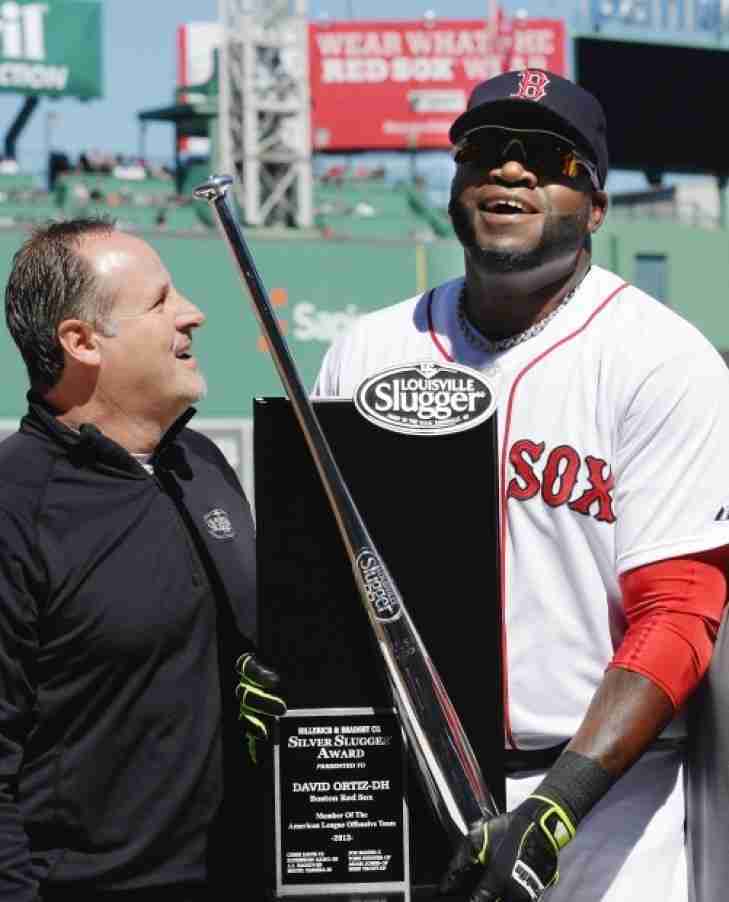
Needless to say, different awards in different sports yield hall of fame potential. In basketball, the team sport with the least amount of players on a roster, the dividend for greatness much higher. In baseball, it is not as much as a great individual season does not have the same impact.
