

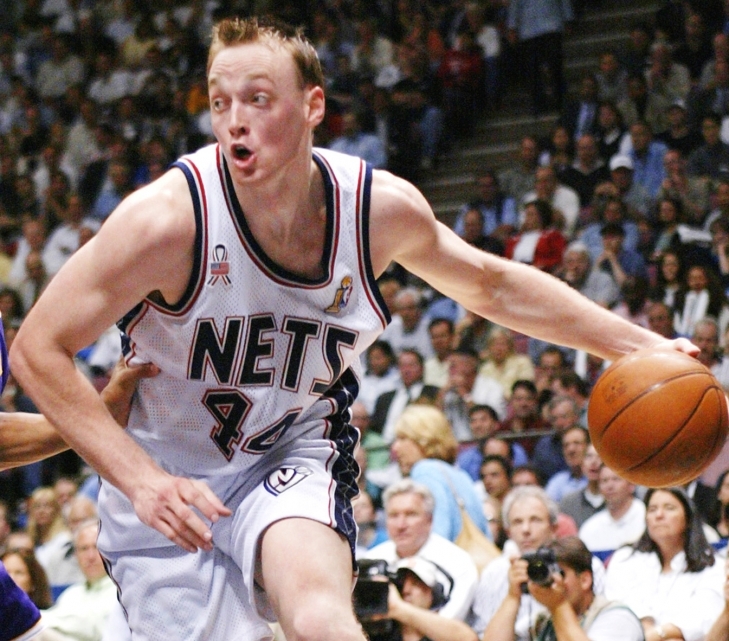
23. Keith Van Horn
15. Bill Melchionni
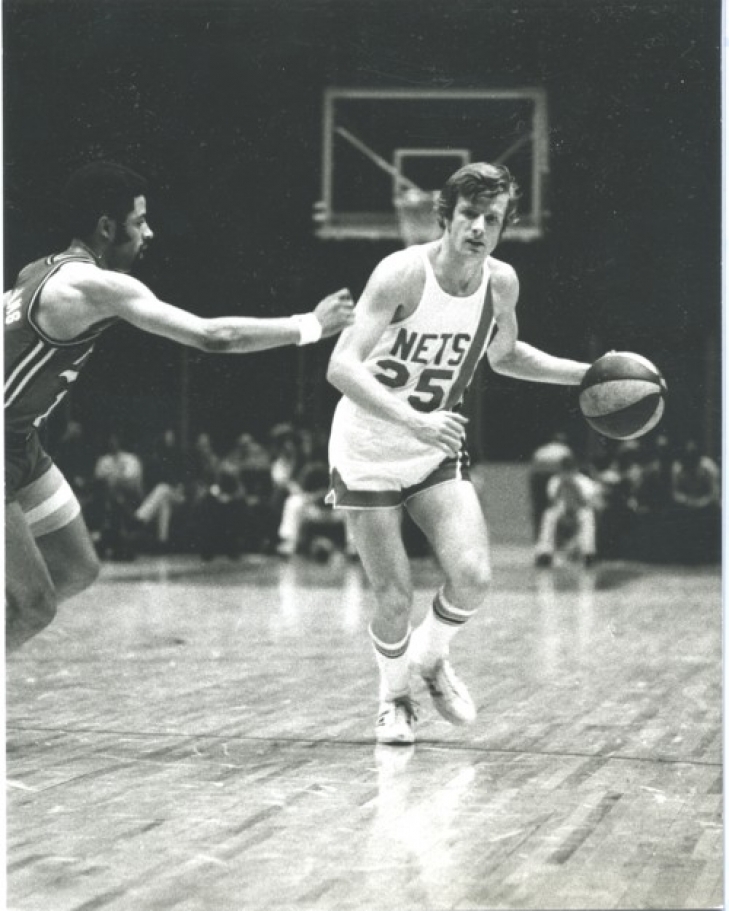
As a rookie, Melchionni was a champion with the Philadelphia 76ers, where he provided reasonable effort off the bench. He stayed there for two years and then plied his trade for Trenton in the Eastern League, where he was a starter, and he, remained in state joining the Nets of the then ABA.
19. Stephon Marbury
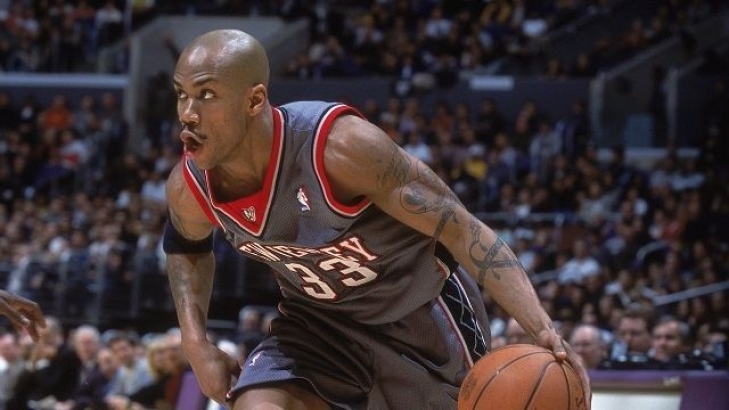
There is plenty of fair criticism that can be leveled at Stephon Marbury regarding his career in the National Basketball Association. Still, many of those occurred after he left New Jersey, and it was as a Net where he put up his best statistical numbers.
17. Kenny Anderson
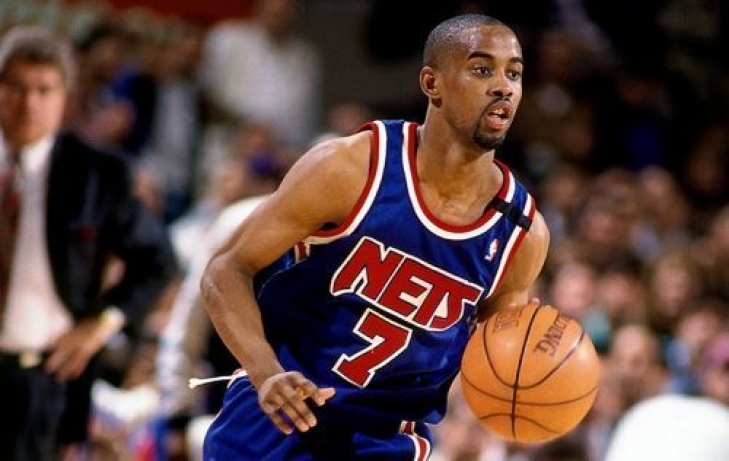
14. Michael Ray Richardson
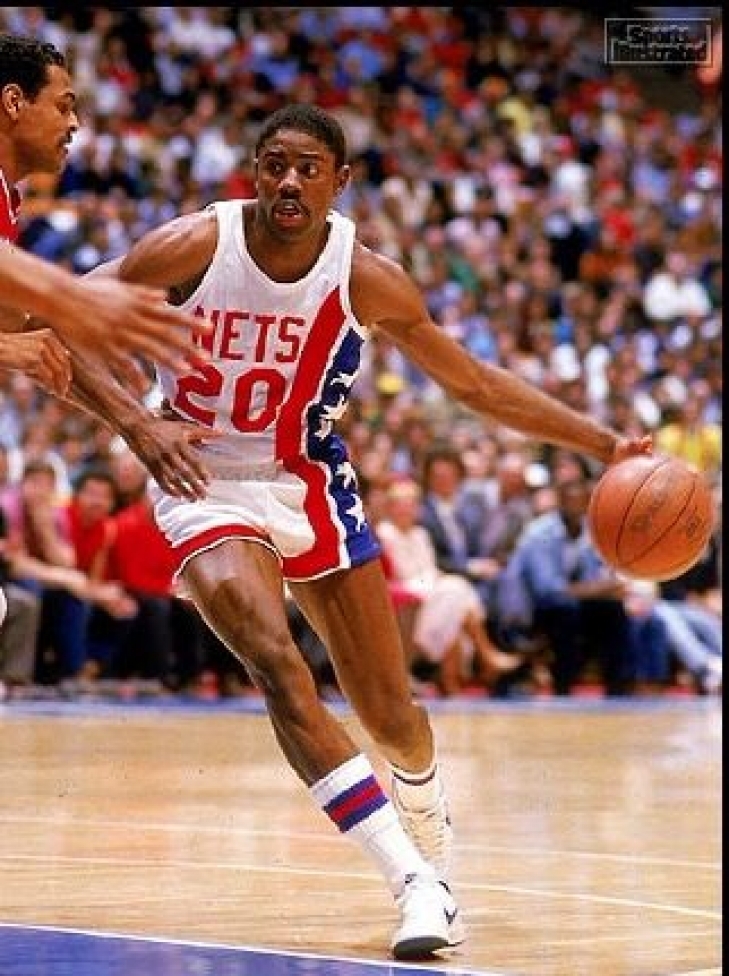
Michael Ray Richardson was traded from the Golden State Warriors late in the 1982/83 Season, and the then two-time All-Star would put up solid stats for his new team. Richardson would lead the Nets to their first playoff series win (over the Philadelphia 76ers) in the NBA in 1984, and his 1984/85 season would see him put up a career-high 20.1 Points per Game, and he would win the Steals Title with a 3.0 Average. That would be his highlight year, as the following year, he would suffer the tragedy of excess.
12. Deron Williams
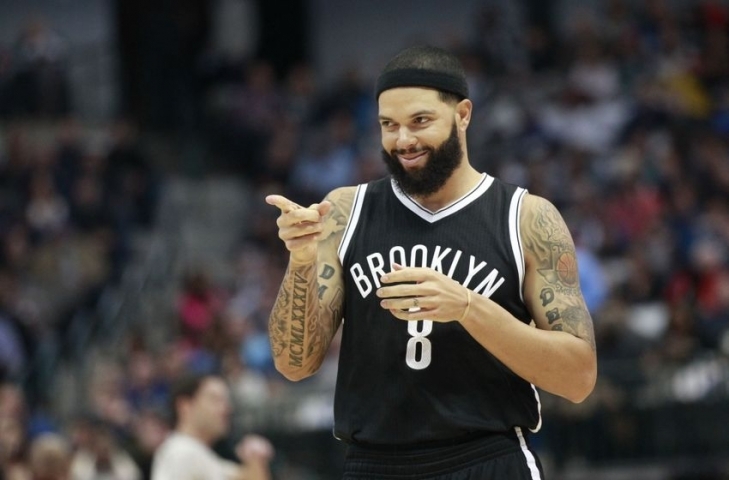
So many players made their way to the Nets with lofty expectations, and some pegged Deron Williams to be the next coming of Jason Kidd. That didn’t happen, but D-Will did show Nets fans on occasion that he was capable of being the best Point Guard in the NBA.
11. Chris Morris
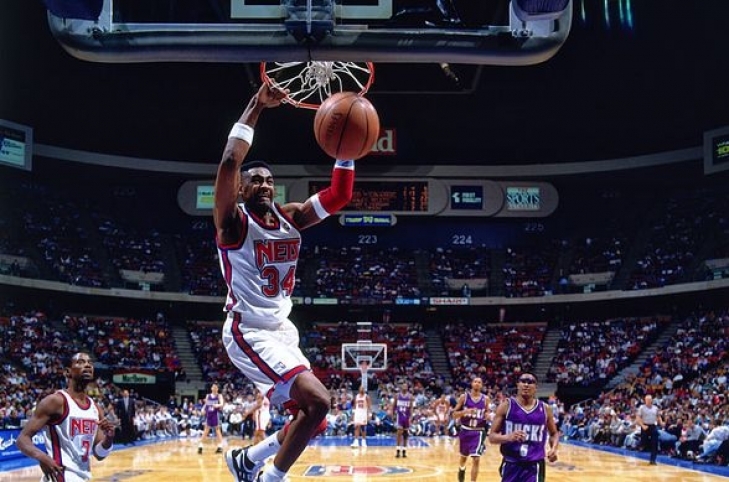
Chris Morris played the first seven seasons of his career in the National Basketball Association with the New Jersey Nets after playing for Auburn, where he was a two-time First Team SEC Selection. Morris was drafted fourth overall in 1988, where the Small Forward started nearly 80 percent of the games he played in for the Nets. Averaging a shade under 30 Minutes per Game, Morris would show off dunking skills, and he had three seasons where he averaged 14 Points per Game. Morris showed above-average defensive skills, ranking 18th in Steals per Game in 1990/91 and 12th in 1992/93.
10. Mike Gminski
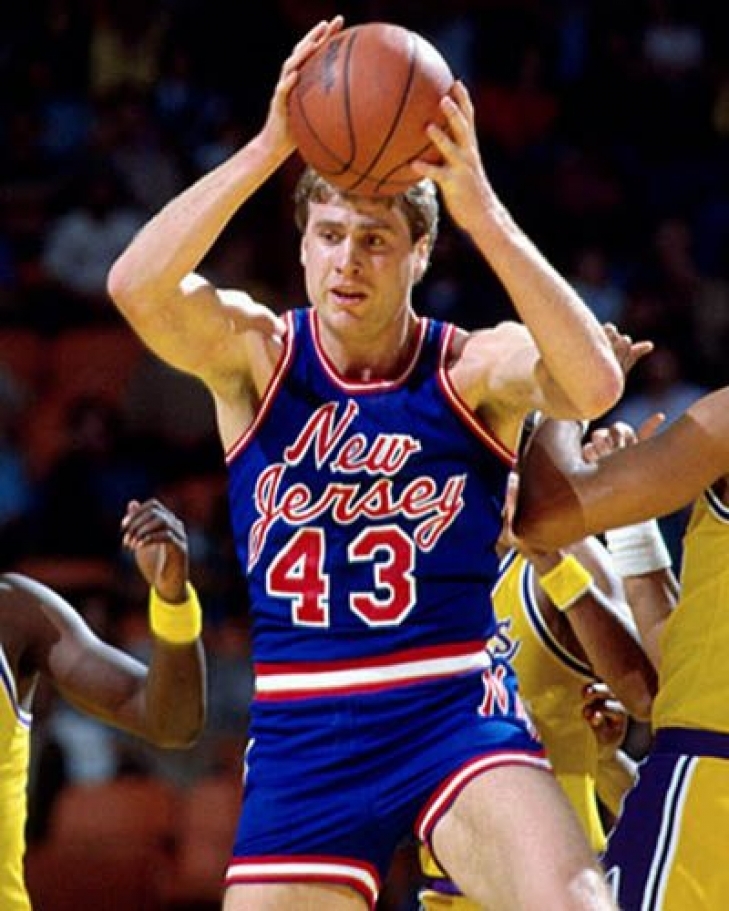
9. Billy Paultz
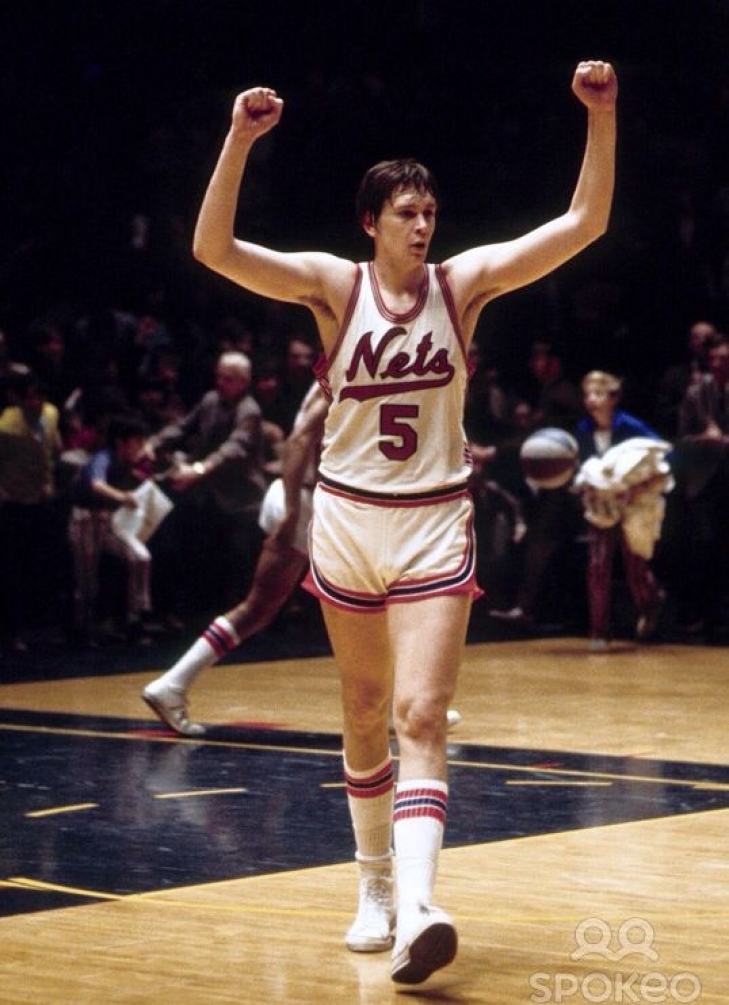
Nicknamed the “Whopper” (which is enough for us to rank him alone), Billy Paultz was a 7th Round Draft Pick in the NBA, and he opted instead to go to the ABA, where he was a welcome surprise.
8. Kerry Kittles
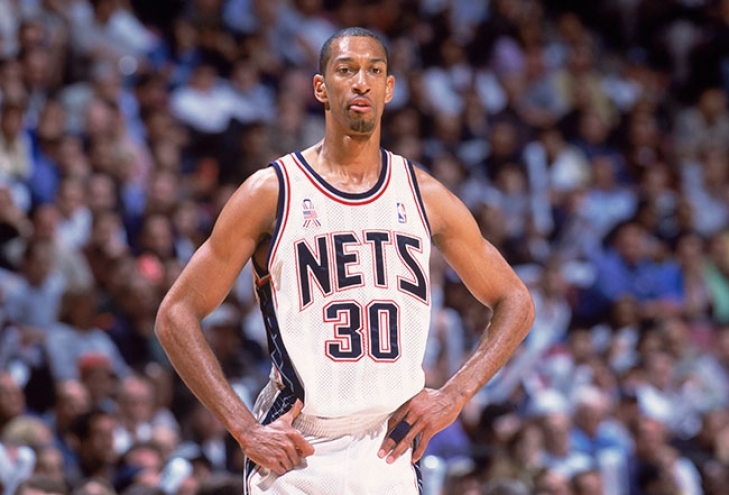
7. Derrick Coleman
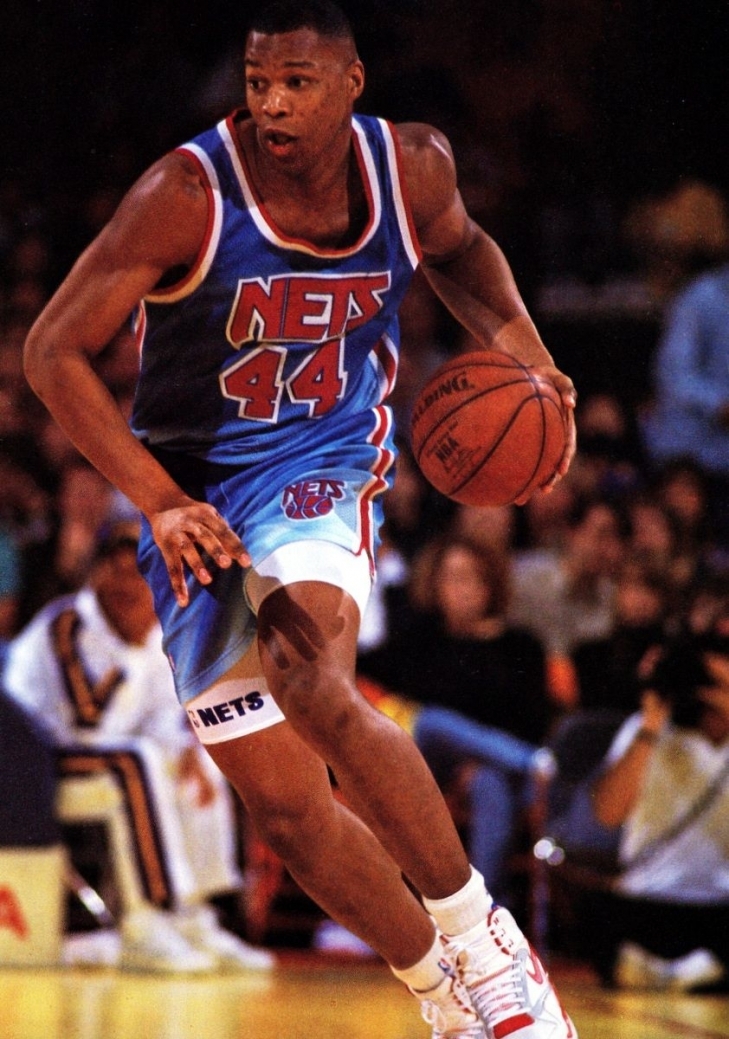
The starting Power Forward for the New Jersey Nets for the first five years of the 1990s, Derrick Coleman got off to about as good a start as you would hope for when you draft a player number one overall, like the Nets did in 1990. As a rookie, Coleman won the Rookie of the Year Award with a double-double average of 18.4 Points and 10.3 Rebounds per Game. In Coleman’s third season, he reached the 20 Points per Game mark, which would be the level he would stay at for the duration of his stay in New Jersey while maintaining a double-digit board average. He was named an All-Star in 1994 and was a two-time Third Team All-NBA member as a Net.
6. Richard Jefferson
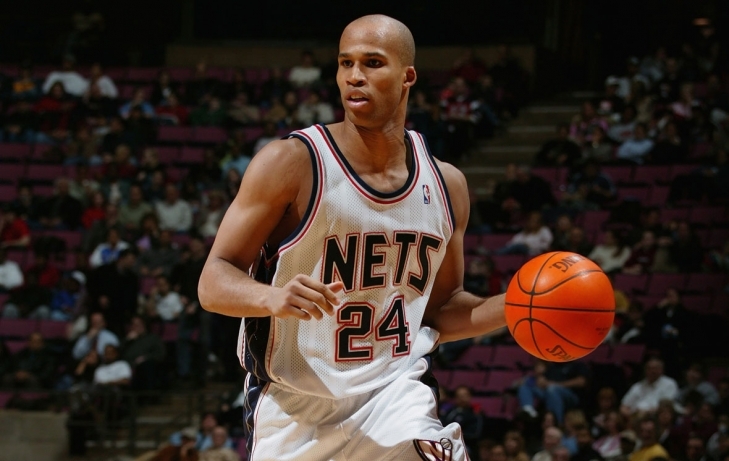
Arriving in New Jersey as a draft-day trade. Richard Jefferson would become an integral part of the Nets' back-to-back appearances in the NBA Finals in 2002 and 2003. The Small Forward would gradually grow his skills, and at one time, he was among the best mid-range shooters in the NBA. Jefferson would twice go over 22 Points per Game (2004-05 & 2007-08), and over his seven seasons as a Net, he averaged 17.4 PPG. While he was never an All-Star, a case can be made that he is one of the best players ever who was never chosen for it.
5. Vince Carter
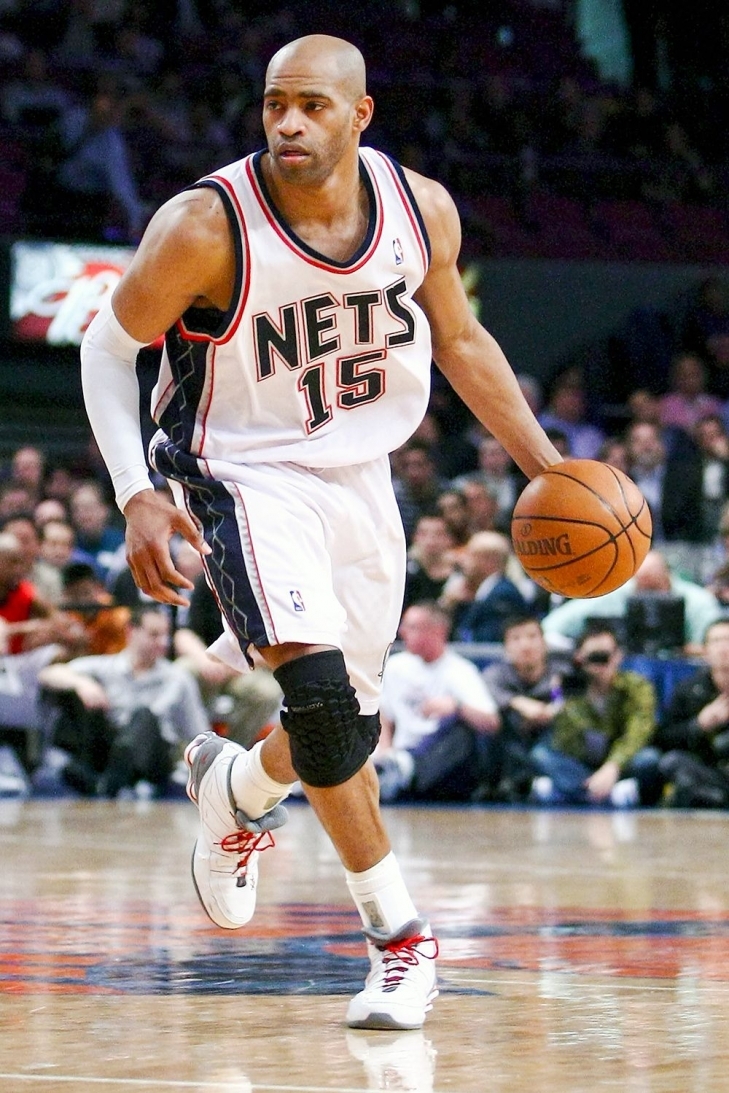
Vince Carter forced his way out of Toronto, where he put the Raptors on the map, and the landing point of “Air Canada” would be New Jersey.
2. Julius Erving
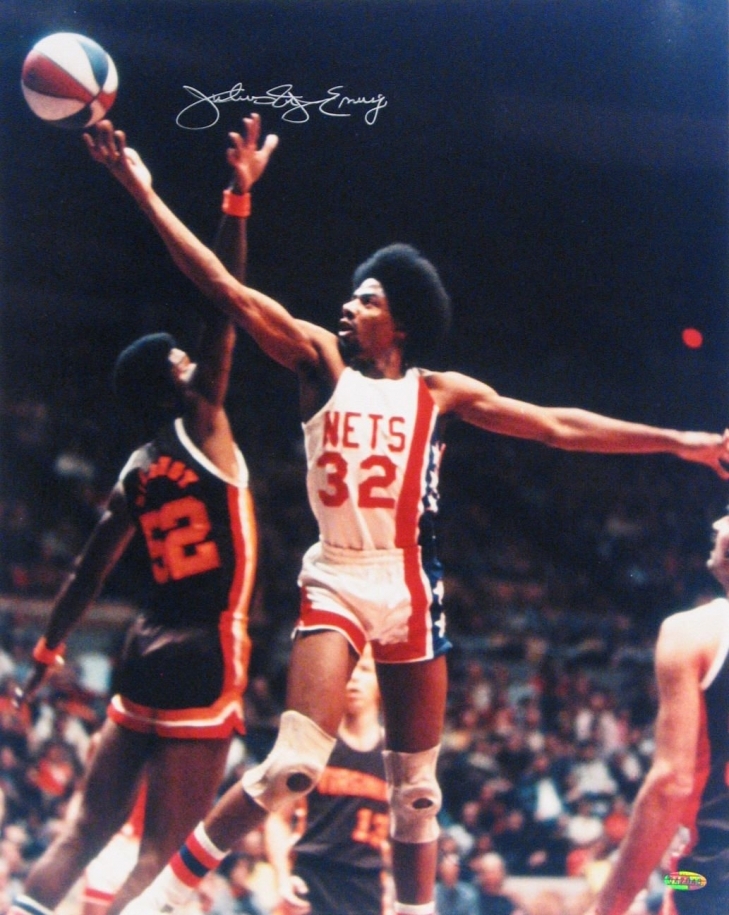
Jason Kidd might be the man we named the best all-time Brooklyn Net, but that does not necessarily mean we think he was the greatest player to ever suit up for the organization.
That man is Julius Erving.
1. Jason Kidd
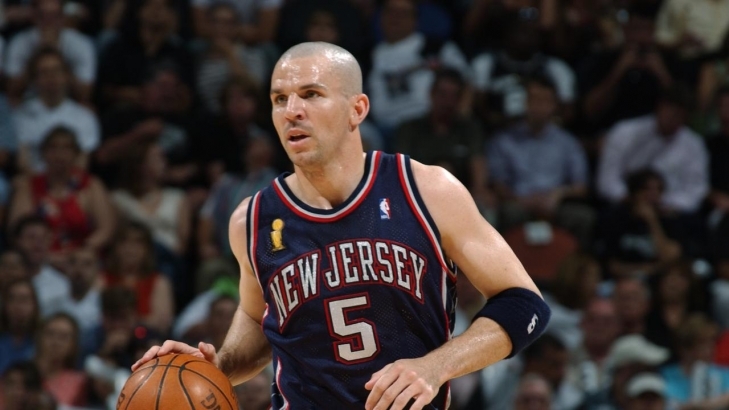
When Jason Kidd was traded from the Phoenix Suns to the New Jersey Nets in a mega-trade, he was already established as the best Point Guard in the NBA, a mantle he kept in his few seasons with his new team. Kidd transformed the Nets from a team missing the playoffs to an NBA Finals contender. Kidd missed out on being the MVP (which he probably should have won), but he was again a First Team All-NBA and a First Team All-Defensive Selection. Nobody in the history of the franchise ever turned around the team like Jason Kidd did.
4. Brook Lopez
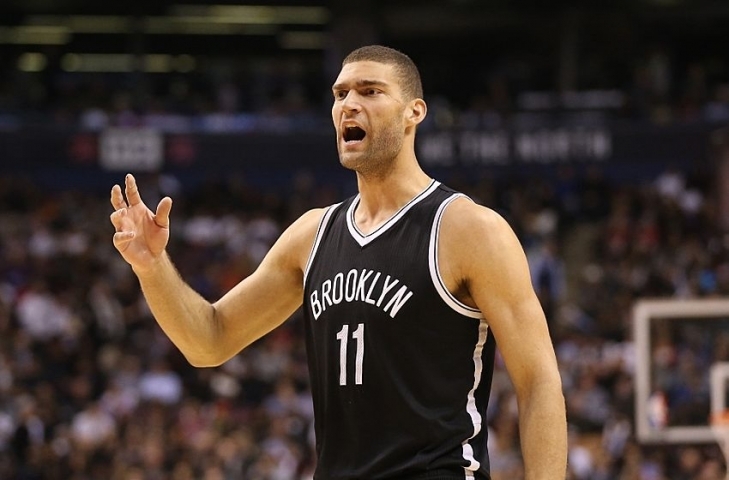
Brook Lopez was the tenth overall pick in the 2008 Draft, and he proved immediately to be an excellent choice for the New Jersey Nets. The former Stanford Cardinal finished third in Rookie of the Year voting, and in his fifth year, he was an All-Star. The Center played nine seasons for the Nets, where he was often the team’s main scorer. He had four campaigns in which he exceeded 20 Points per Game, and he averaged 18.6 PPG for the team. He was also an excellent blocker who finished in the top ten in Blocks per Game four times with New Jersey/Brooklyn. Sadly, Lopez was not surrounded by many other great players, and he was only in the playoffs twice with the team.
3. Buck Williams
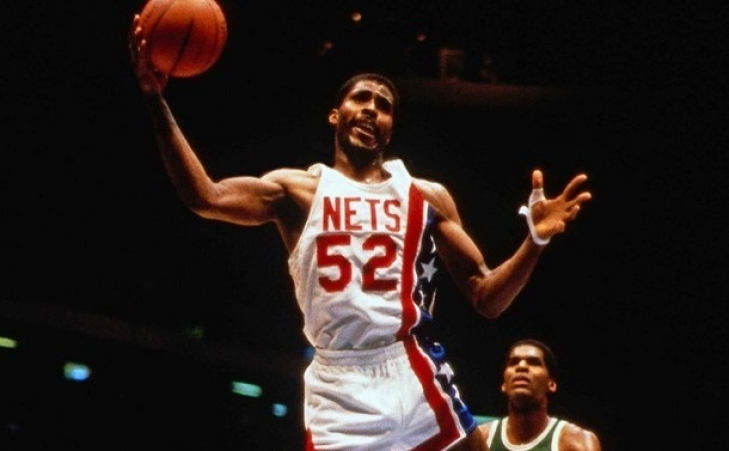
In terms of duration, Buck Williams is the top of the Nets' food chain as he is the franchise leader in Games Played, Minutes Played, and is also the leader in Rebounds and is second all-time in Points. This isn’t a bad way to start discussing Buck Williams and his time with the New Jersey Nets.
