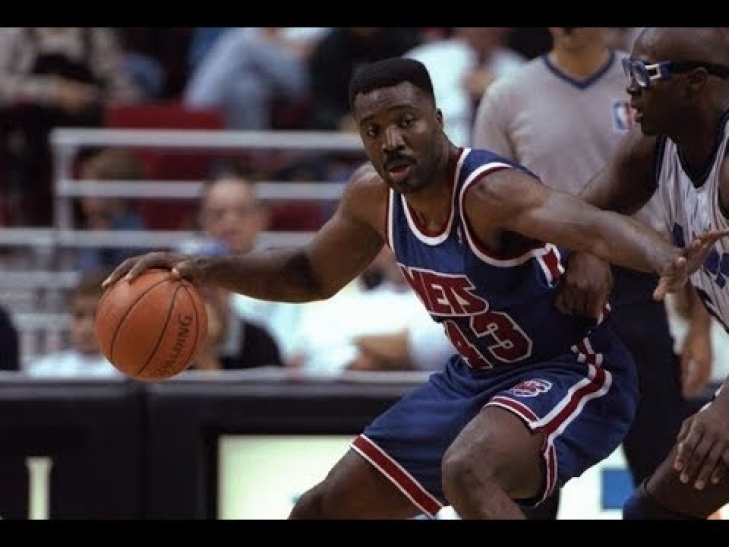
25. Jarrett Allen
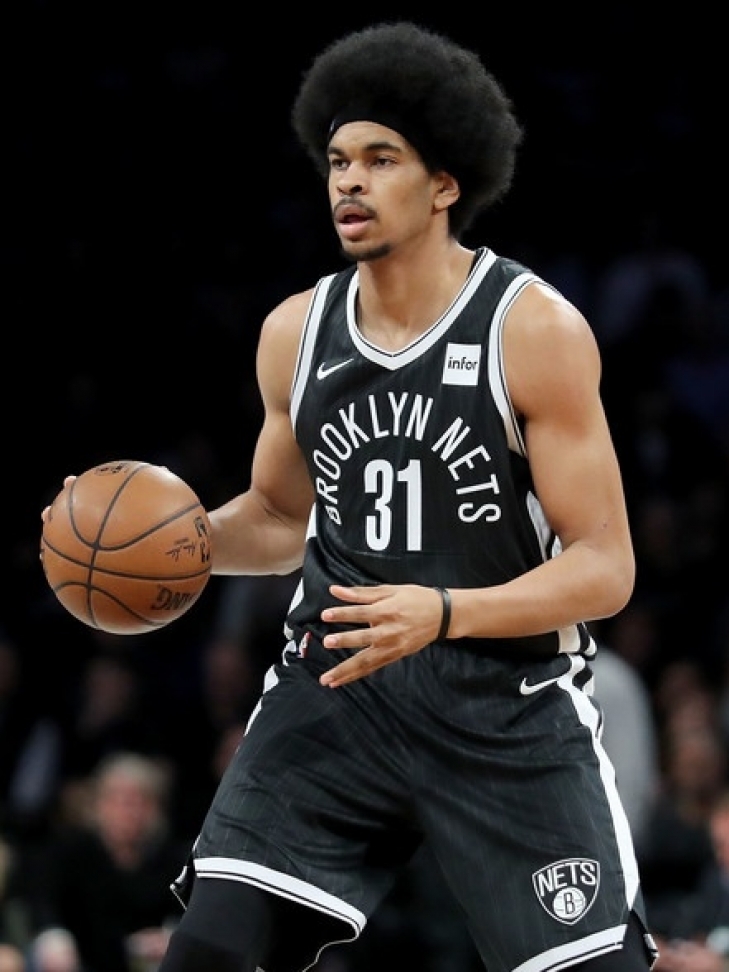
Allen improved regularly over the three years and change he was a Net, increasing his rebounding prowess to the point where he became a double-double Center. Allen never had a PER under 17 in Brooklyn, and had a 19.1 overall for the team. In 2019-20, his last full season with the Nets, Allen averaged 11.1 Points, 9.6 Rebounds, and 1.3 Blocks per Game, and it appeared that he would be a piece of the Nets for many more years, but that would not be the case.
As good as Allen was becoming, the Nets went all in, bringing in James Harden to complement Kyrie Irving and Kevin Durant, and Allen was sacrificed for the deal.
38. Jason Collins
41. Joe Johnson
40. Albert King
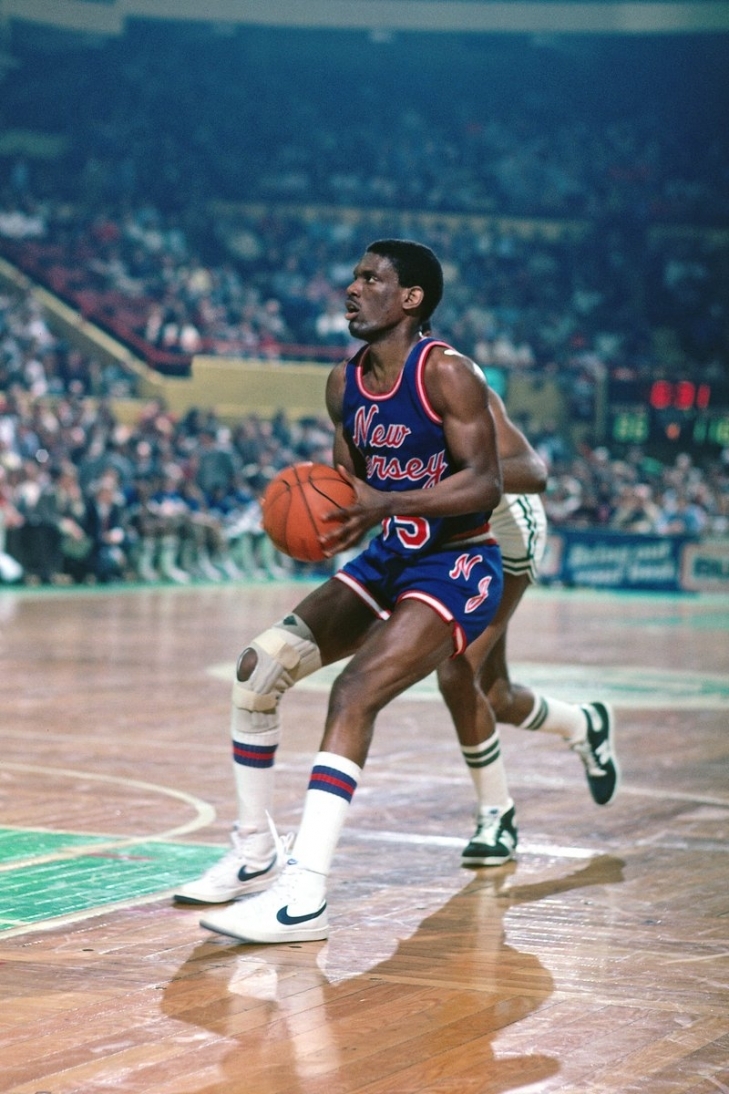
37. Bernard King
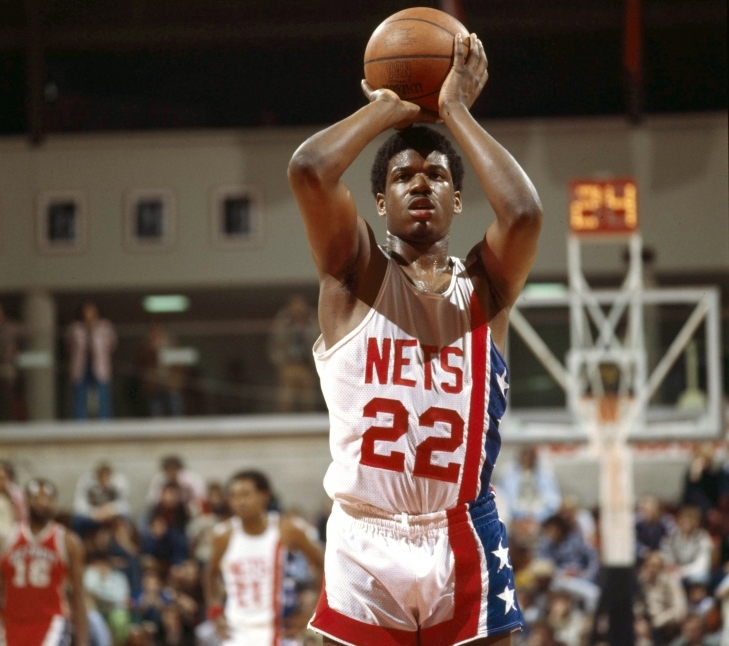
Bernard King was drafted 7th Overall in 1977, and the former Tennessee Volunteer had one of the best rookie seasons in franchise history, averaging 24.2 Points per Game and finishing 10th overall. King would finish second to Walter Davis in Rookie of the Year honors. He would play one more year in New Jersey, where he averaged 21.6 Points per Game.
28. Spencer Dinwiddie
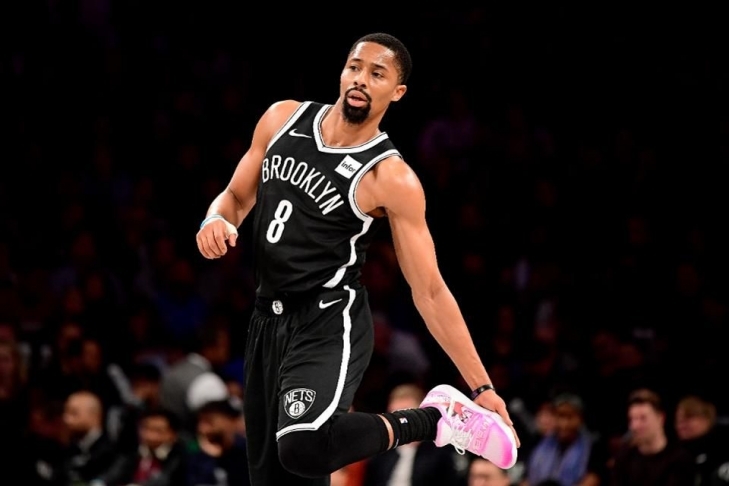
Dinwiddie saw Kyrie Irving with the Nets, meaning that his playing time would be reduced, but Kyrie's injuries saw Dinwiddie hit career-highs in PPG (20.6). Even with Kyrie and the talent improved Nets, Dinwiddie was expected to have significant minutes for Brooklyn, but after four Games, a torn ACL ended that.
Dinwiddie would be traded to Washinginton in the 2021 off-season, ending what turned out to be his first run in Brooklyn. He came back as part of the trade that sent Irving to Dallas late in the 2022/23 Season, though was traded to the Toronto Rapotrs, and was waived so that he could sign with the Los Angeles Lakers for their playoff run.
39. Lucious Harris
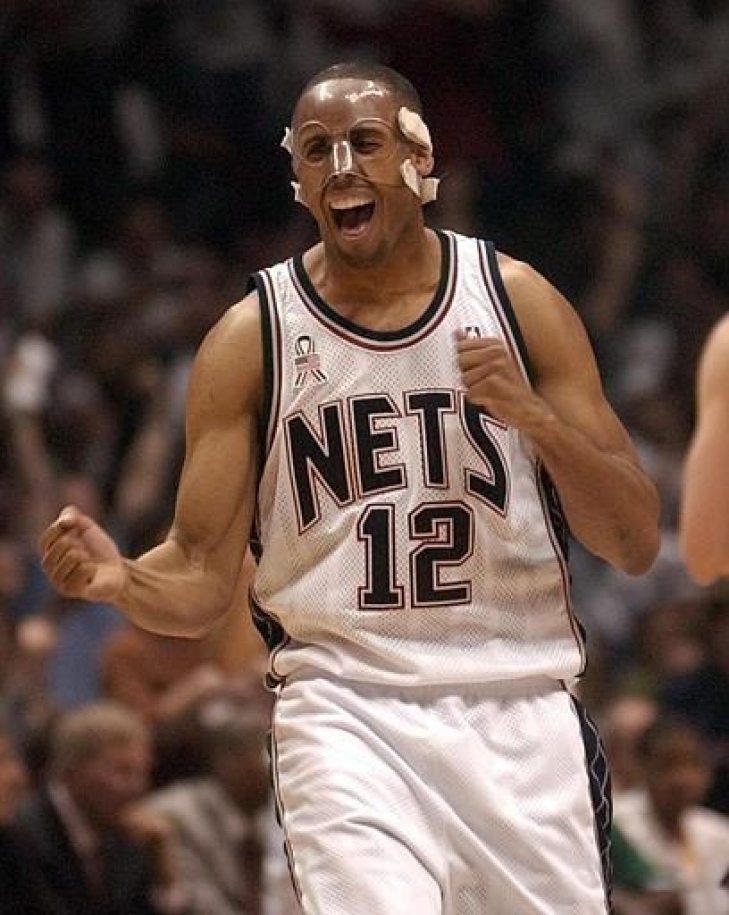
26. Otis Birdsong
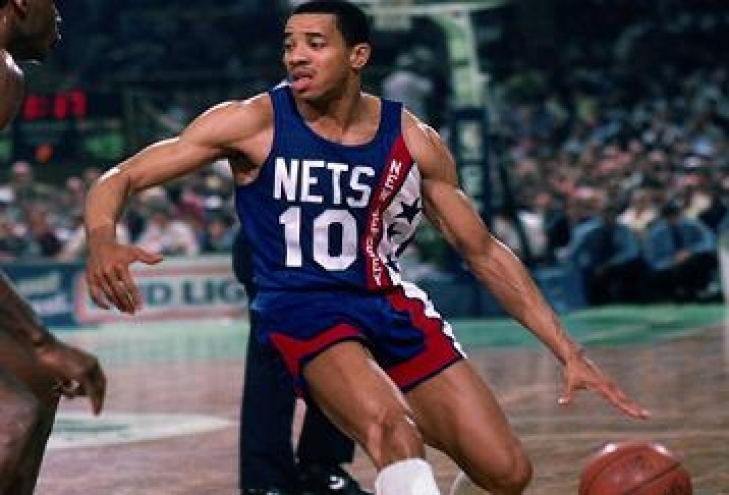
Before he arrived in New Jersey, Otis Birdsong played in three All-Star Games for the Kansas City Kings, so many people may not have noticed! Birdsong was traded to the Nets, where he was often injured, but played there for seven years. When he was playing, Birdsong was able to show off his strong shooting skills, and he had a 20.6 points per Game season in 1984-85, but the year before, he was named to his fourth All-Star Game, and the only one as a Net, when he averaged 19.8 Points per Game. His overall PPG for New Jersey was a strong 15.9.
36. John Williamson
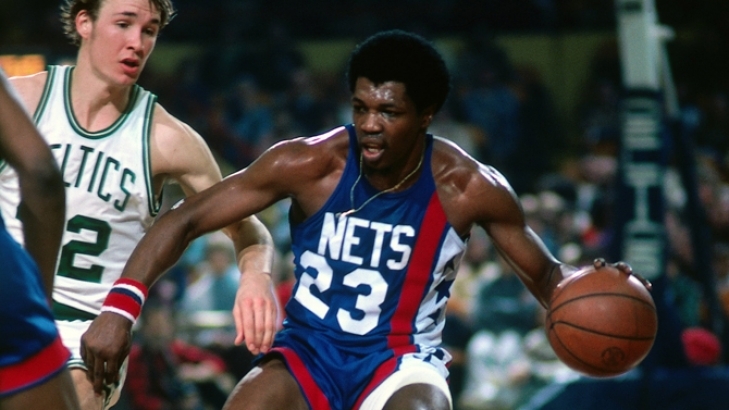
John Williamson allegedly dubbed himself “Super John” and often that is precisely what he was! He was drafted in the 6th Round by the Atlanta Hawks, but after failing to make the roster, he signed with the New York Nets of the ABA and saw extensive playing time as a rookie. The Shooting Guard would become a starter as a rookie while assisting the Nets in winning the 1974 ABA Title. Williamson played a bigger role in their 1976 ABA Championship, specifically with a 24 Point second half to rally the Nets over the Denver Nuggets in Game 6 to win the series.
34. Levern Tart
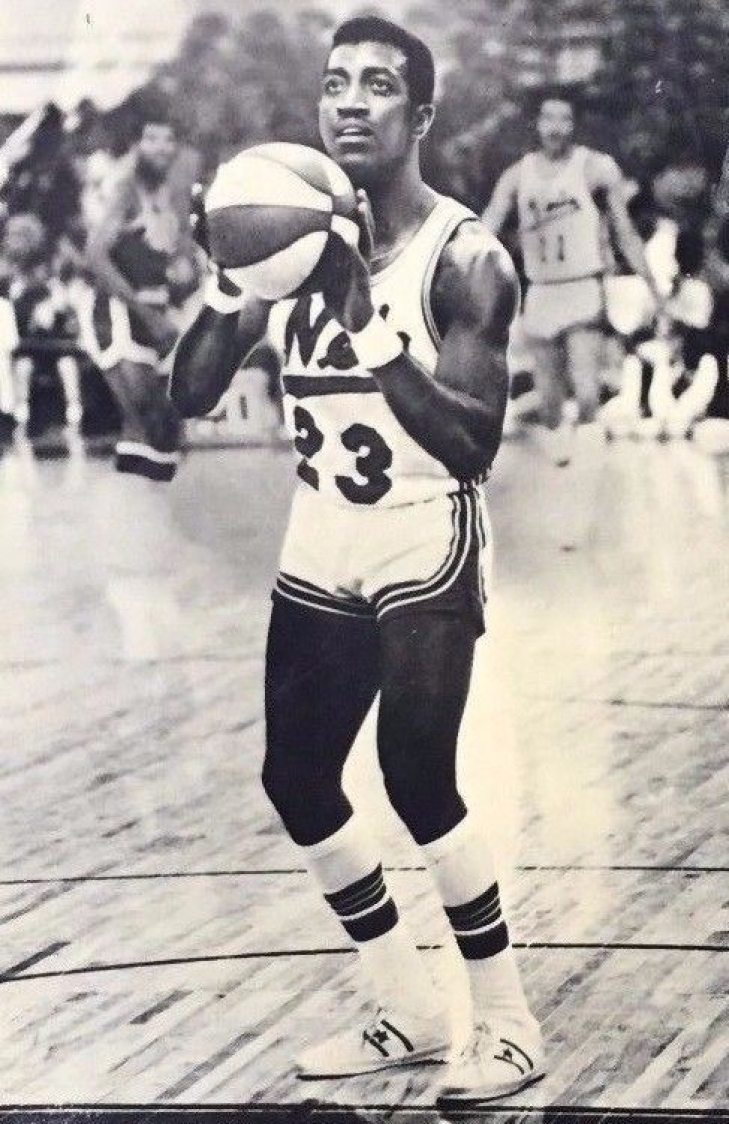
Levern Tart was drafted by the Boston Celtics in 1964. Still, he was unable to crack the roster, and he toiled in semi-pro leagues until an opportunity arose with the Oakland Oaks of the American Basketball Association. Tart found a home in the ABA, was named an All-Star in 1969, and was traded nine days later to New Jersey. Tart did not receive as much playing time with the Nets and was traded midway through the next season to the Houston Mavericks, but he was back again for the 1969/70 season, when he was New Jersey’s starting Shooting Guard, averaging 24.2 Points per Game and being named an All-Star. He was traded the following year to the Texas Chapparals but was out of Basketball the following season.
33. Darwin Cook
32. Drazen Petrovic
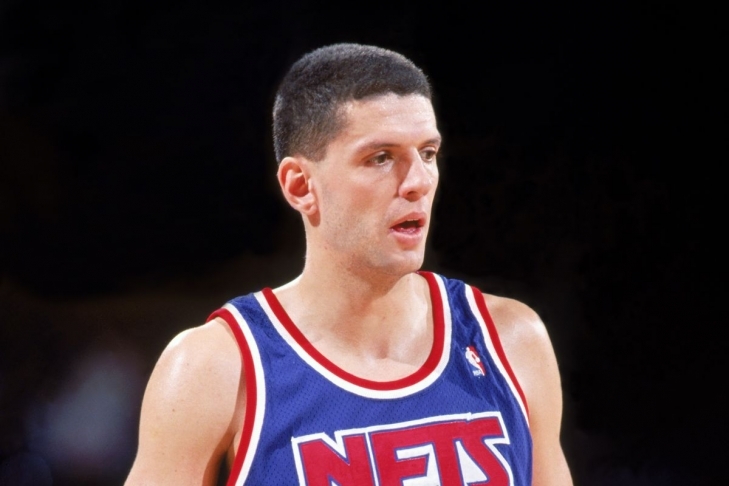
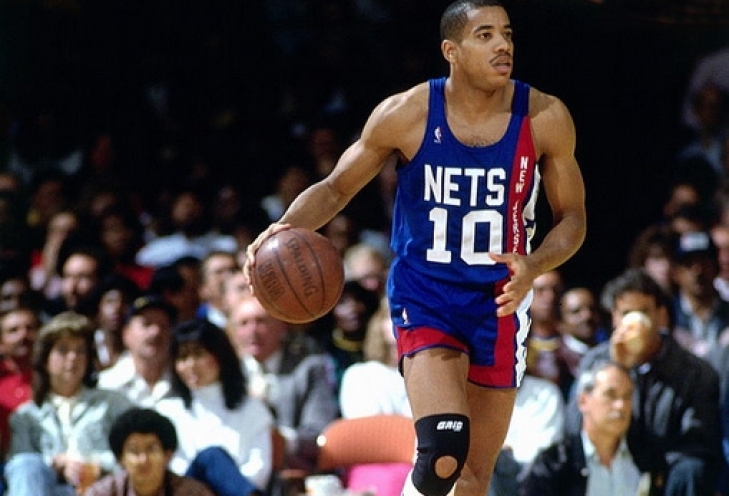
Drazen Petrovic was considered one of the best European players ever, and he lit up the Euro League for years. When he signed with the Portland Trail Blazers, Petrovic’s skills had not yet translated into the NBA game, but a mid-season trade in 1991/92, and he saw his minutes increase. He would become a starter the following year, where he would be the Nets’ starting Shooting Guard. He would average 20.6 Points and 22.3 Points per Game, respectively, which was good enough to put him in the top twenty in that statistic.
20. Kendall Gill

22. Brian Taylor
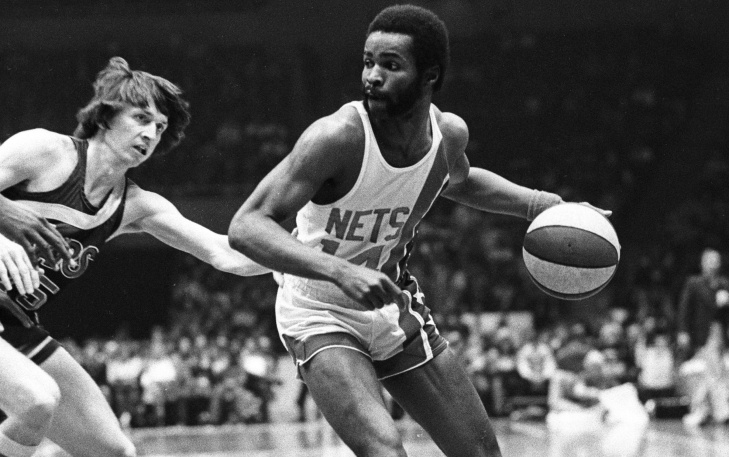
From Princeton of the Ivy League, Brian Taylor would become the starting Point Guard for the New York Nets, where he would dazzle fans on the way to winning the American Basketball Association Rookie of the Year Award.
21, Rick Barry
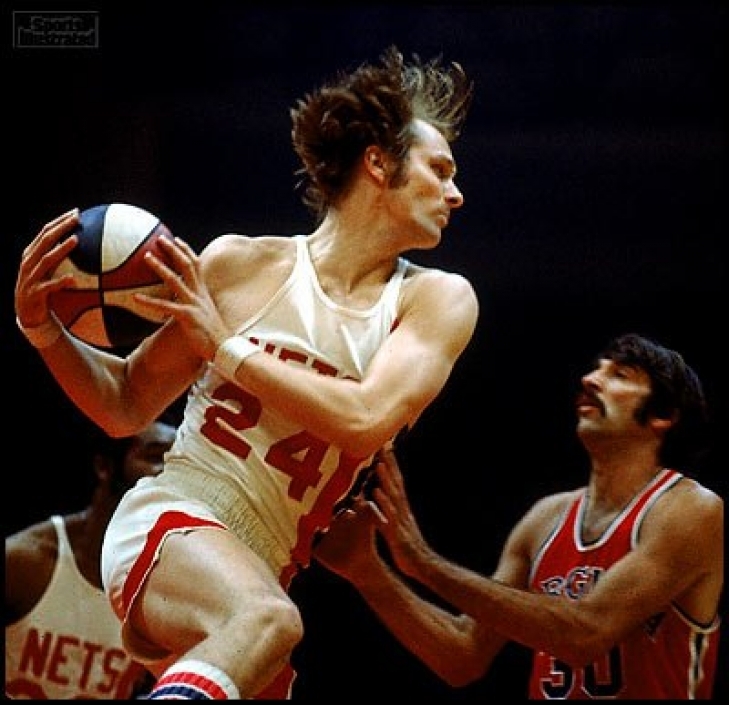
In terms of overall talent, few could match Rick Barry. Actually, the same could also be said about overall bad temperament, as few were as surly as the Basketball Hall of Famer.
30. Darryl Dawkins
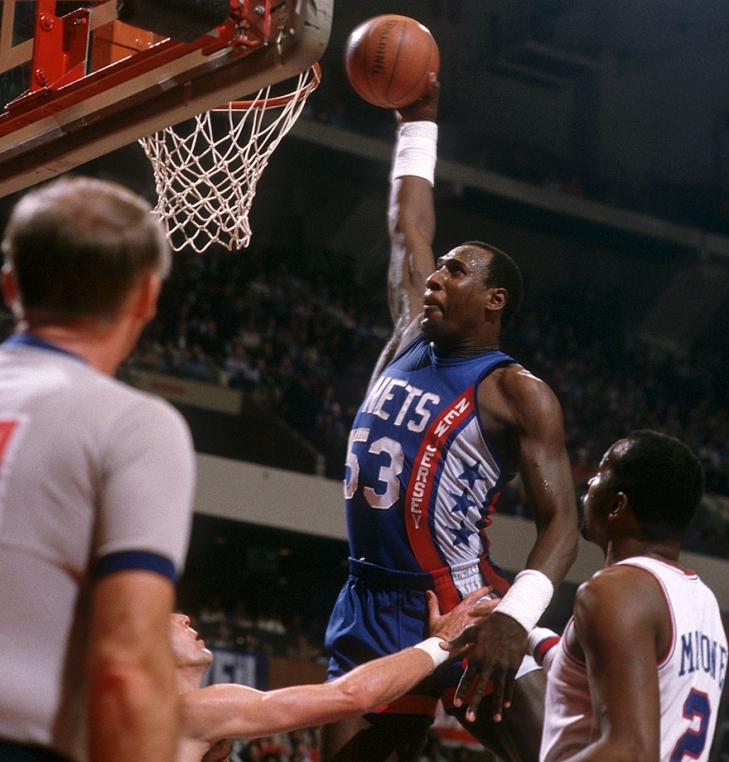
If this list were about popularity and excitement, then “Chocolate Thunder” would have been at the top. Prior to his arrival with the Nets, Dawkins made a name for himself with his glass-shattering dunks, and people legitimately paid for tickets with the hope of seeing the big man cause a mess around the paint.
24. Kenyon Martin
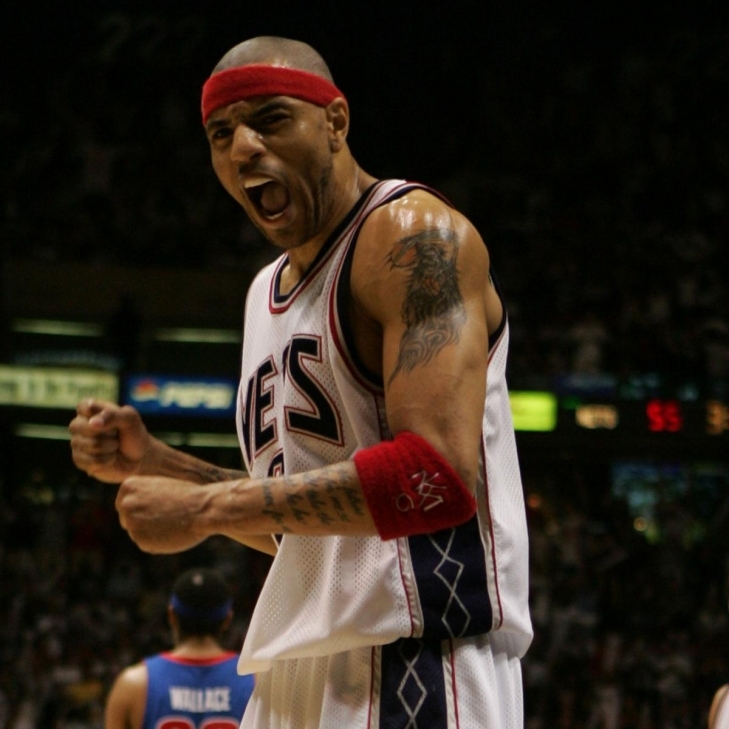
Named the National College Player of the Year as a senior at the University of Cincinnati, Kenyon Martin was the first overall draft pick of the 2000 Draft, where, for the New Jersey Nets, he was the runner-up for the Rookie of the Year Award, losing to Mike Miller. Jason Kidd would join Martin, and they helped reverse the fortunes of the Nets, who would make back-to-back NBA Finals, but his best season was 2003/04, which would also be his last in a New Jersey uniform. He matched his 16.7 Points per Game average of the year before, but averaged 9.5 Rebounds and was chosen for the All-Star Game, the only one he would be selected for.
31. Devin Harris
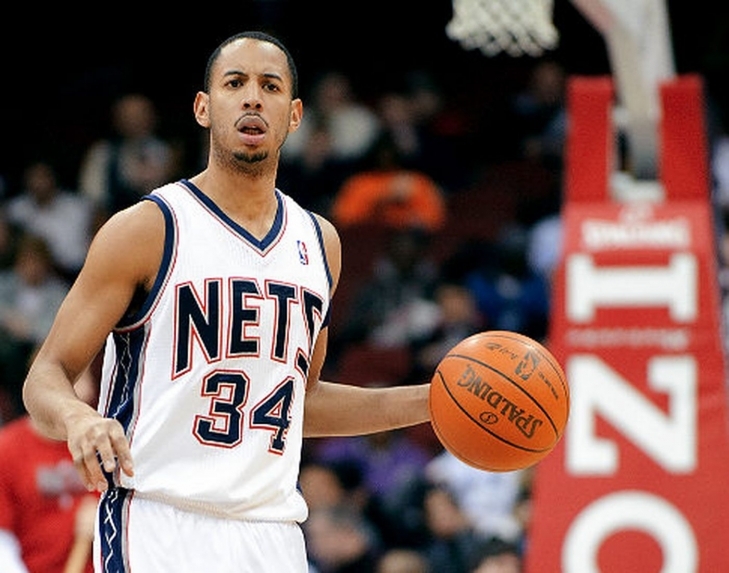
Both the Dallas Mavericks and New Jersey Nets were looking to shake things up, and they engineered a major trade during the 2007/08 season that essentially swapped Point Guards: Devin Harris for Jason Kidd. In his first full season with the Nets, it looked like the Nets got the better end of the deal as he was named to the All-Star Game and he had career highs in Points per Game (21.3) and PER (21.6), but he wasn’t able to get the Nets into the playoffs. New Jersey would then jettison Vince Carter, who would then suffer ankle injuries, reducing his effectiveness. He was still good, but he was traded to the Utah Jazz when the Nets decided to rebuild again.
29. Jayson Williams
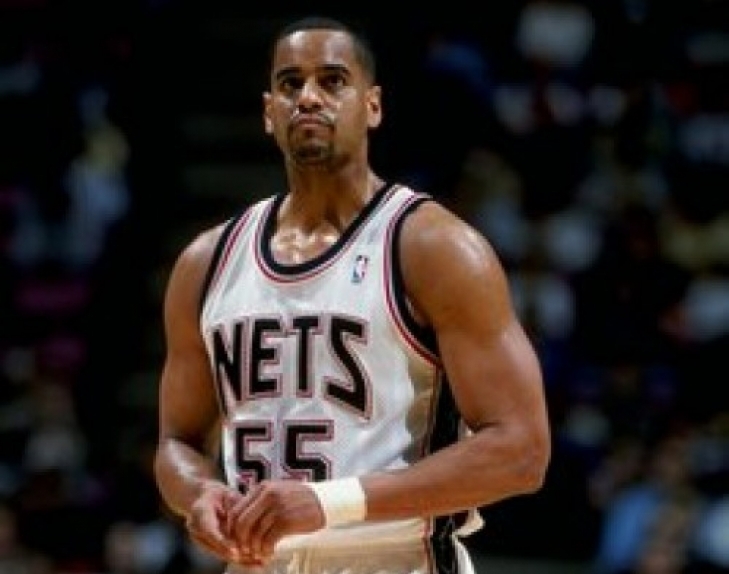
Jayson Williams rode the pine in his first two seasons in the NBA as a Philadelphia 76er, and not much changed in his first three years in New Jersey, where he averaged under 14 Minutes per Game. Something changed in 1995/96, where he had an 80 Game season with 23.3 Minutes per Game, yet had an even 10 Rebounds per Game, which was astounding considering he didn’t even average half of the game!
27. Armen Gilliam