

Current Hockey Hall of Fame Inductees (383)
Outside of the province of Ontario, how many people are aware of the city of Kingston? Let’s take that a step further. How many outside of Canada know about this place? We will wager that it isn’t a lot, and those that answer that they heard of it, probably are thinking of the version in Jamaica instead. Now had this city on the Northeastern corner of Lake Ontario remained the home of the Hockey Hall of Fame would it have developed a bit of an international flair or enhanced reputation? Maybe it would have been more of a staple of “Canadiana”, as Kingston is the home of the First Canadian Prime Minister, and the unofficial band of Canada, The Tragically Hip. Stands to reason that it would have been a great fit for the unofficial sport of Canada (it is actually lacrosse) and the official passion of the country.With the launch of the Baseball Hall of Fame, the sport of hockey looked to follow suit. Its biggest league, The National Hockey League had a core of seven teams (which was pared down to six in 1942, when the New York Americans suspended operations) was a healthy organization, and though it was only relevant in cold weather climates, it was a sport that already had a long history, and the coveted Stanley Cup; which was then (and still is) the most impressive trophy in the entire sporting world.
The biggest proponent of an institution recognizing hockey excellence was a Canadian named James T. Sutherland. Born in 1870 (in Kingston naturally), Sutherland played as much hockey as he could and was a member of the Athletic Club of Kingston which was part of what was believed to be the first organized league the sport had. He would later form the Kingston Frontenacs, who would participate in the Ontario Hockey Association and would eventually become the Leagues president. Captain Sutherland (a rank he would achieve serving for Canada in World War I) would create the Memorial Cup; a trophy honoring those who fought in the Great War and to be given to the top Junior team in Canada. Incidentally, this is still the same trophy given to the team that wins the post season tournament in the Juniors in Canada.
Once the National Hockey League and the Canadian Amateur Hockey Association agreed to mutually put together a Hall, Sutherland (who had also served as the President of the CAHA) fought for Kingston to be its home. It was not just because he was a native of the city, but because he legitimately believed that Kingston was the rightful birth of modern hockey (which is near impossible to prove). Regardless of where hockey began, Kingston was to be pegged as its home.
Although construction had yet to begin on the facility, the first class was selected in 1945 which inducted nine players. It also had a “Builders” category which honored those who helped develop the game. As we look at those who are inducted to this institution, we will do so chronologically. Let’s take a ride on Hockey’s highway shall we?
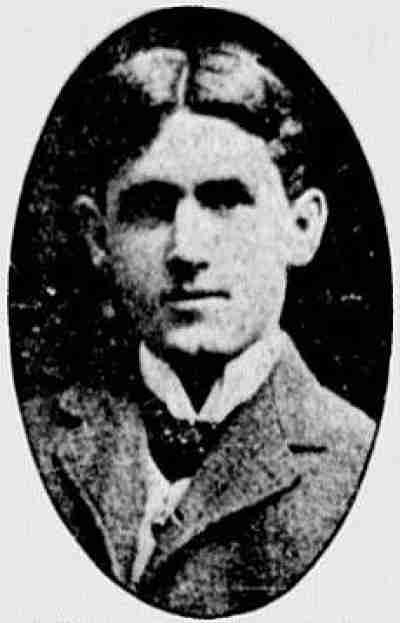
The ultimate amateur athlete, Russell Bowie refused to change his beliefs despite the changing hockey world around him. A major star in the first decade of the 20th century, Bowie would refuse all overtures to take pay of any kind; despite the sport moving towards that direction. He was an incredible stickhandler who led his league in scoring five times and averaged two and a half…
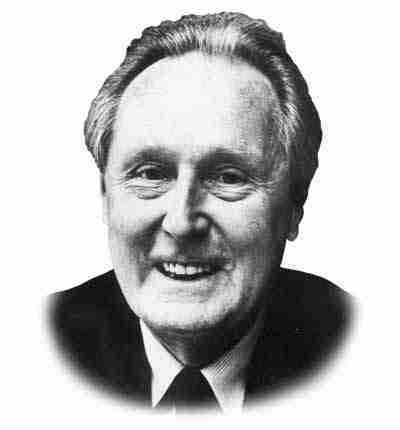
The first German born entry into the Hockey Hall of Fame, Gunther Sabetzki did a lot in his native country to help grow the sport. He would serve as the first German President of the IIHF, and worked diligently not just to grow Hockey in Germany, but throughout the world. Under his near two decade as the IIHF President, membership increased from 31 to 50…
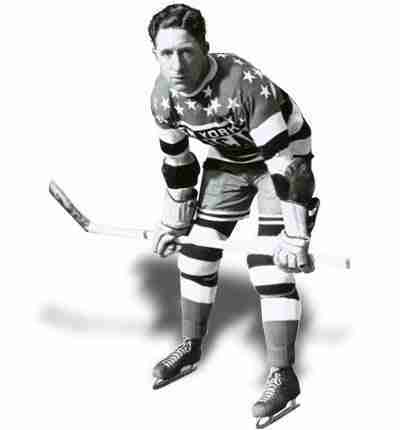
Okay….we are a little befuddled by this one. Red Dutton was certainly a good player (to us, anyone who makes the National Hockey League regardless of the era is a decent hockey player) but was he a Hall of Famer? At no point did Dutton ever win a championship or lead the league in any category other than Penalty Minutes. Nor was Dutton a part of…
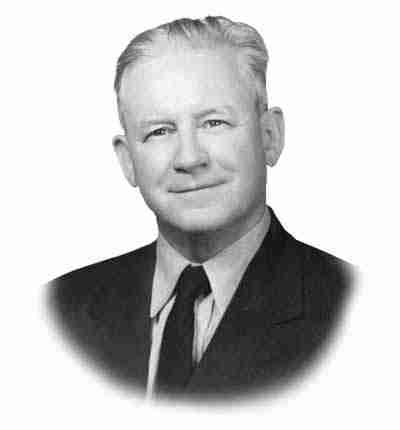
Inducted for his administrative work with Hockey in the United States,Tommy Lockhart organized the Eastern Amateur Hockey League in 1934 which promoted the sport in the New York City area. Three years later, Lockhart would help to organize the Amateur Hockey Association of the United States and was its first President. He would serve as the business manager for the New York Rangers for a…
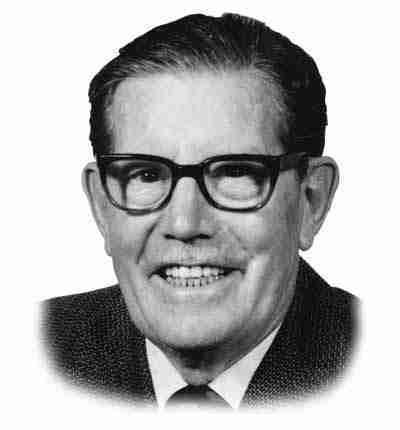
A dedicated administrator to Amateur Hockey in Ontario, Frank Buckland worked his way into the Ontario Hockey Association and would serve a two year term as its President. He would also be the organization’s treasurer for a fifteen year span and was considered one of the most efficient executives they ever had. As the OHA has always been a big part of the growth of Hockey,…
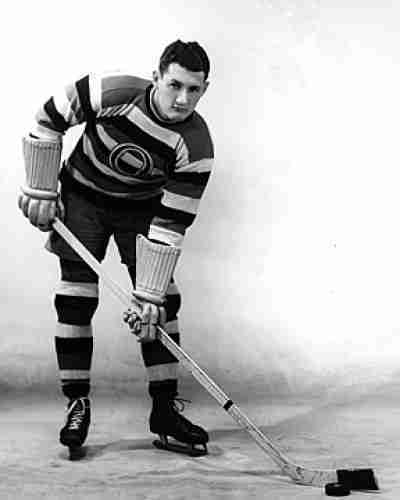
There is something about this induction that bothers us. Ralph “Cooney” Weiland shattered the single season points record that Howie Morenz set earlier, and simultaneously won the goals title in the 1929-30 season. This was the first NHL campaign where the forward pass was legal and Weiland along with linemates Dit Clapper and Dutch Gainor took advantage of the new rule with expert positioning.
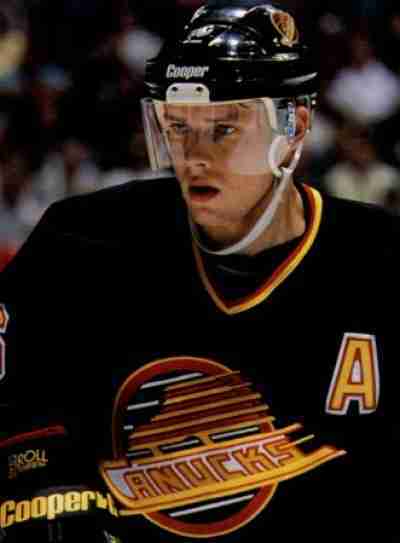
Pavel Bure was one of the greatest goal scorers the game has ever seen; the problem was that we did not see that for as long as we should have. On three occasions, Bure would lead the National Hockey League in Goals, and had he not battled a plethora of injuries in his career, he probably would have scored a lot more. Overall, the Russian…
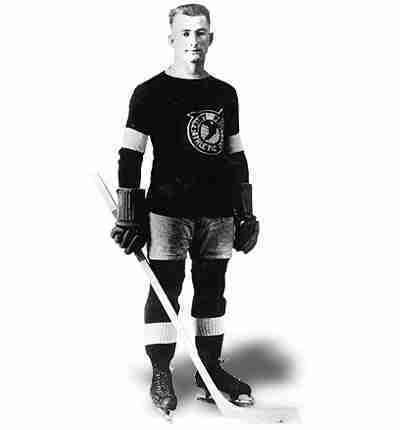
Although he never played in any organized league in Canada, Moose Goheen was an amateur legend in Minnesota. Goheen played for years in Minnesota leading the St. Paul Athletic Club to McNaughton Trophy (symbolic of the top team in U.S. Amateur Hockey) in consecutive years and likely would have won more had he not entered the U.S. Army in World War I. Goheen would return and…
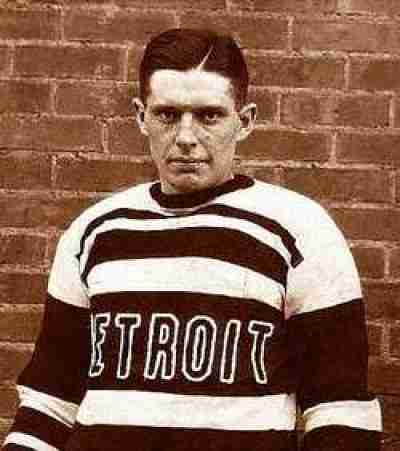
A perennial All Star in the Western Canadian Hockey League, the diminutive George Hay was adept at putting the puck into the net. Although he was still a decent scorer when he got into the National Hockey League, he only had a pair of seasons where he was in the top ten in scoring. Still his overall body of work made him a worthy entry for…
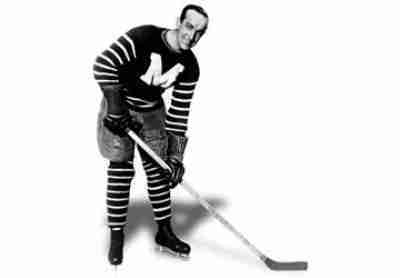
As part of the legendary Boucher family, Georges “Buck” Boucher was a passionate and effective player who despite his defensive position averaged nearly half a point a game and led the NHL in assists in 1934. Boucher won the Stanley Cup three times with the Ottawa Senators three times and would eventually become a member of the Hockey Hall of Fame in 1960.
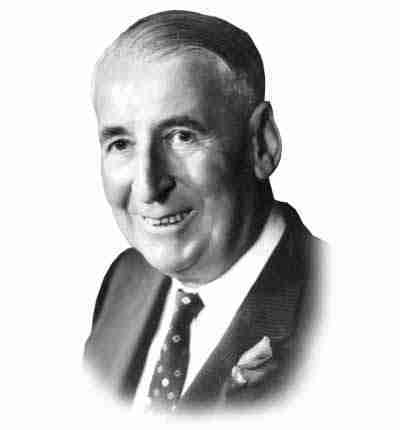
The owner of the New Westminster Royals of the Western Hockey League, Frederick Hume was a large part of the growth of the game in the Pacific Northwest. Hume did a lot to help sports in general in the Vancouver area throughout his life. Truthfully, though Frederick Hume’s hockey related accomplishments seem more appropriate for a Provincial Hall rather than the one in Toronto.
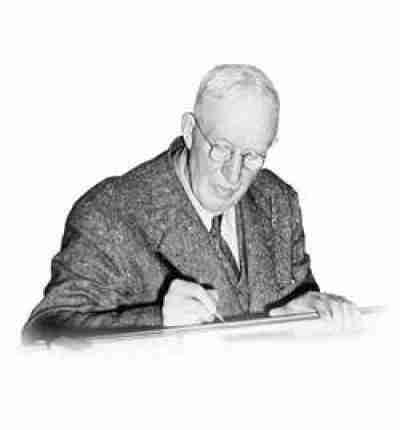
Likely not part of the first induction class due to hard work that he did to make a Hockey Hall of Fame happen in the first place (Seriously, without Sutherland this would have taken years longer), James T. Sutherland was part of the glut of builders who were part of the 1947 Class.
One of the most popular players ever to put on a Boston Bruins uniform (and doesn’t that say something!) Cam Neely’s career was taken away far too soon. Neely fought countless injuries, which although is typical for hockey players was exasperated by his attacking style of play. He was a natural goal scorer who three times hit the 50 goal mark, most impressively in the…
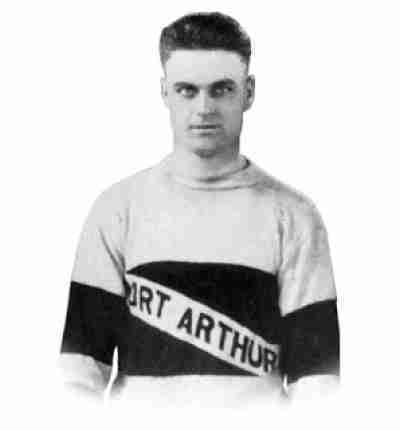
Another career amateur Hockey Player, Phat Wilson was good enough to have gone professional (though likely not as a star). He was a good offensive minded Defenceman who led his Port Arthur team to three Allan Cups and was often the leading scorer in his Senior leagues. Phat Wilson’s induction shows how much respect the Hockey Hall of Fame had (and still has) for the amateur…
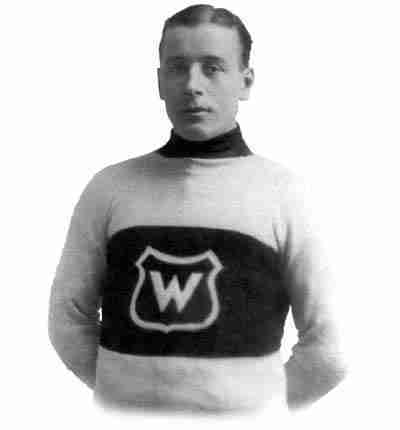
A very good Left Winger, Jimmy Gardner won four Stanley Cups with two different Montreal teams. Gardner was one of those players who may have been good but was he the man who helped propel his squads to multiple championships? It may have been more of being at the right place at the right time.
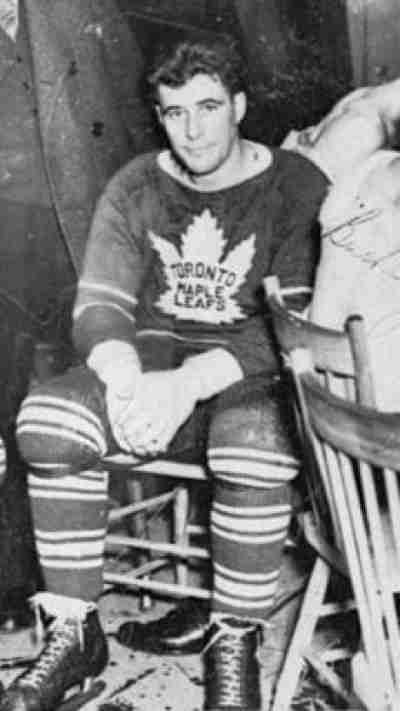
As part of the famed “Kid Line”, Harvey “Busher” Jackson would be part of the annual points chase for years, leading the league in the category in the 1931-32 season. Jackson used his excellent speed and offensive rushes to terrorize opponents, and in the year he won the scoring title, also led his team to the Stanley Cup.
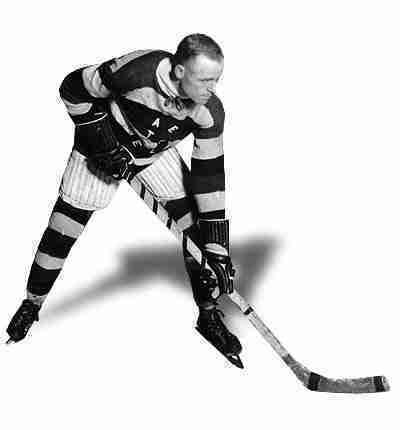
Credited with bringing the hook check to Hockey, Jack Walker emerged from the lake region of Ontario to land three Stanley Cups with three different teams. Walker was a very good defensive forward who may never have been the best player on his team, but was someone who did the intangibles necessary to bring home championships. His skill set, despite the era, was one useful to…
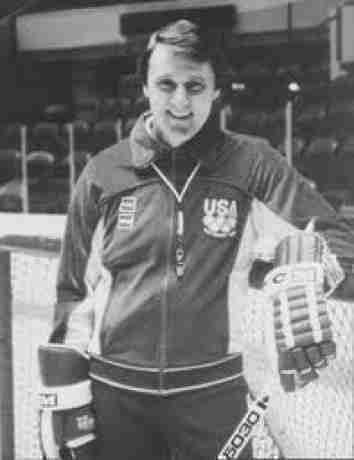
The architect of the “Miracle on Ice”, Herb Brooks assembled and coached the United States to the impossible: a Gold Medal in the 1980 Winter Olympics which included a semi-final victory over the most powerful International Team in Hockey, The Soviet Union. That alone is worth enshrinement to the Hockey Hall of Fame, but Brooks did have a decent run as the Head Coach of…
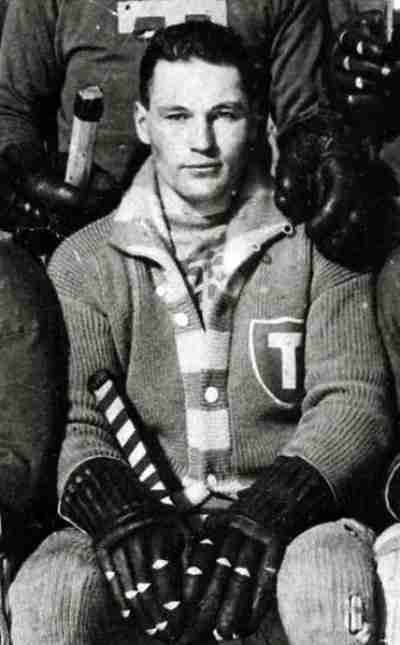
Considered one of best wingers in the early days of Hockey, Scotty Davidson was a star in the NHA, captaining the Toronto Blue Shirts to a Stanley Cup win in 1914. Davidson was a good goal scorer for Toronto with 42 goals in 40 games. The 23 year old Davidson enlisted into the Canadian Army and was killed shortly thereafter ending what should have been a…
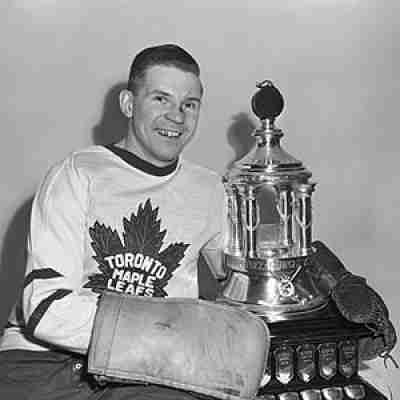
There are a lot of interesting facts about Harry Lumley’s NHL career. He played for five of the Original Six teams (albeit only for one game for the Rangers), and debuted at the age of seventeen. He had an up and down career and won only one more game than he lost. He had the most wins in a season twice, but three times was…