


Site Admin
Mike Ilitch
Jul 12, 2015
Published in
2003 Hockey Inductees
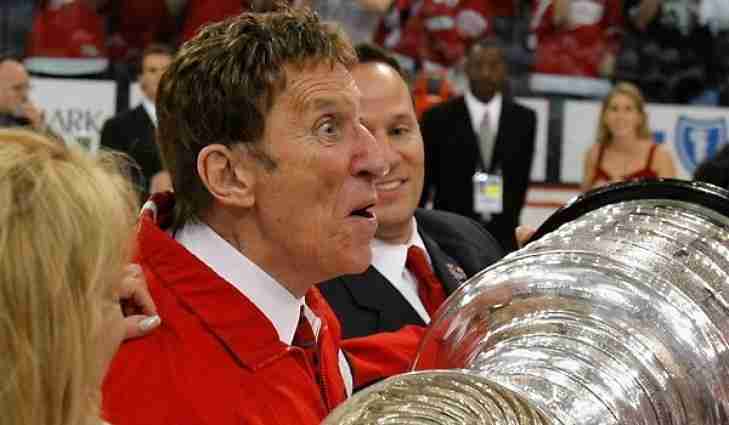
A Detroit based entrepreneur, Mike Ilitch made his mark on the world as the founder of Little Caesar’s Pizza. Despite, the amount of jobs he created, the city of Detroit are probably happier that he bought the Detroit Red Wings. When he bought the team, the Original Six squad was referred to as the “Dead Things” Or “Dead Wings” and they were the dregs of the NHL. It did not happen overnight, but slowly through clever marketing and shrewd hiring; Detroit reclaimed its spot as “Hockeytown U.S.A.” and became a powerhouse in the NHL capturing multiple Stanley Cups. What more could you want from your owner?
Grant Fuhr
Jul 13, 2015
Published in
2003 Hockey Inductees
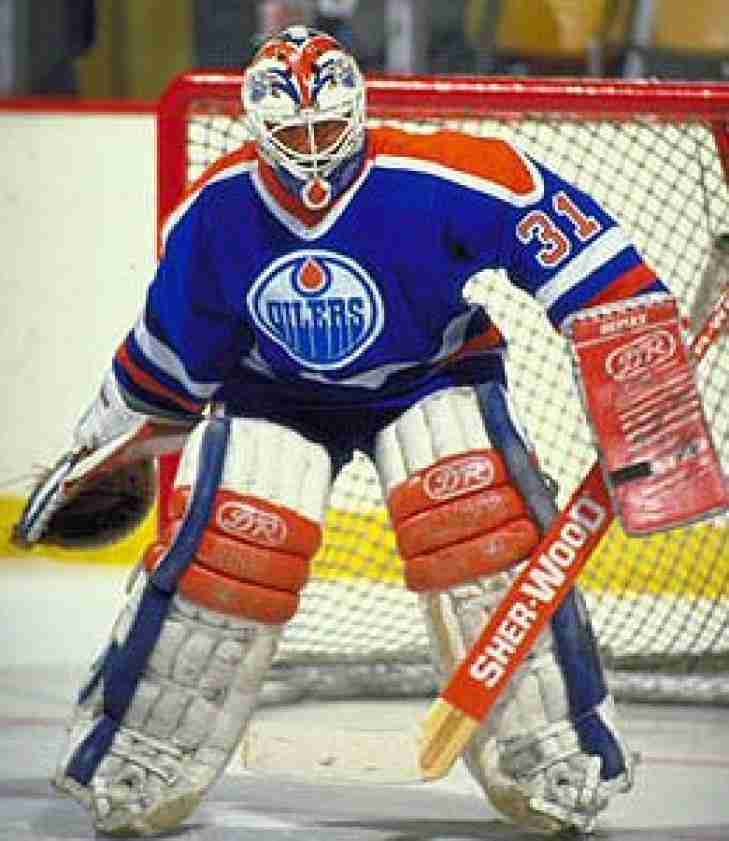
Although Grant Fuhr was rarely in the hunt for the Goals Against Average title in the NHL, there was little doubt among Hockey pundits that he was amongst the best in the league. In the 1980’s, Fuhr was the Goaltender for the high powered Edmonton Oilers, who employed a devastating offensive attack. Defence was secondary for Edmonton, and Fuhr did always enjoy the same type of defensive effort in front of him that other netminders received, so it can be argued that his task was more difficult in a way. Of course, wouldn’t every 1980’s NHL goalie trade their position with Fuhr?
Brian Kilrea
Jul 13, 2015
Published in
2003 Hockey Inductees

“The Killer” Brian Kilrea did not have much of a career as a player in the National Hockey League (though he does have the distinction of scoring the first ever goal for the Los Angeles Kings), but it was his role as a coach in the Ontario Hockey League that truly made him a name. Kilrea would spend most of his coaching career in Ottawa with the 67’s and won the Memorial Cup twice, the OHL Coach of the Year five times and would be the winningest coach in OHL history. It may not be a Hall of Fame career by NHL standards, but this is the HOCKEY Hall of Fame after all.
Roger Neilson
Jul 12, 2015
Published in
2002 Hockey Inductees
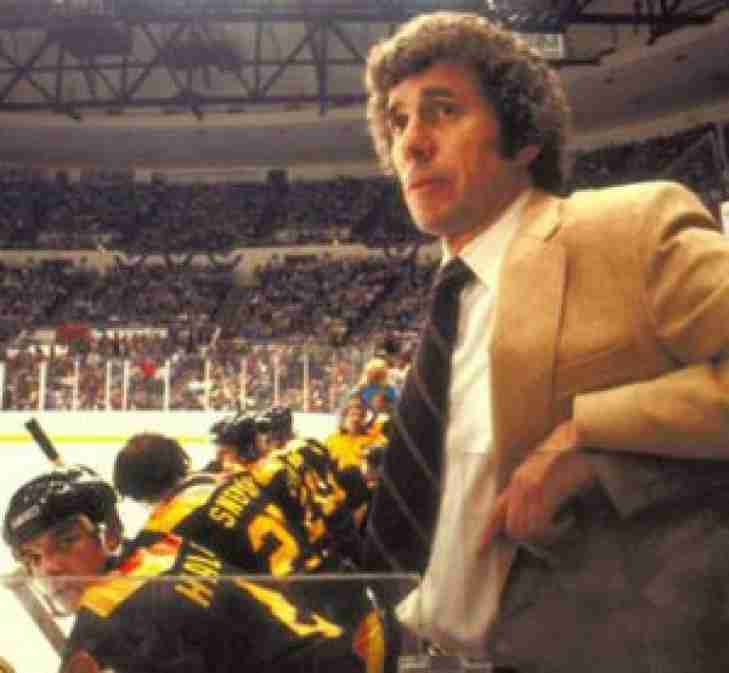
Roger Neilson never won the Stanley Cup, nor was he ever named the Jack Adams Trophy winner for NHL Coach of the Year. Actually, Neilson bounced around as the bench boss for several National Hockey League teams during his career. It would appear on the surface that his induction is not exactly warranted, and the sympathy that he got throughout Hockey fans for his courageous fight against cancer (he was diagnosed in 1999, and continued to coach) may have been part of it. We hate to say it, but he was inducted in 2002, eight months before he passed away, so we wonder if this is a case of the Hall of Fame being nice to someone who was an all-around good man. That may have been the case, but there are other factors worth discussing.