

43. Grady Sizemore
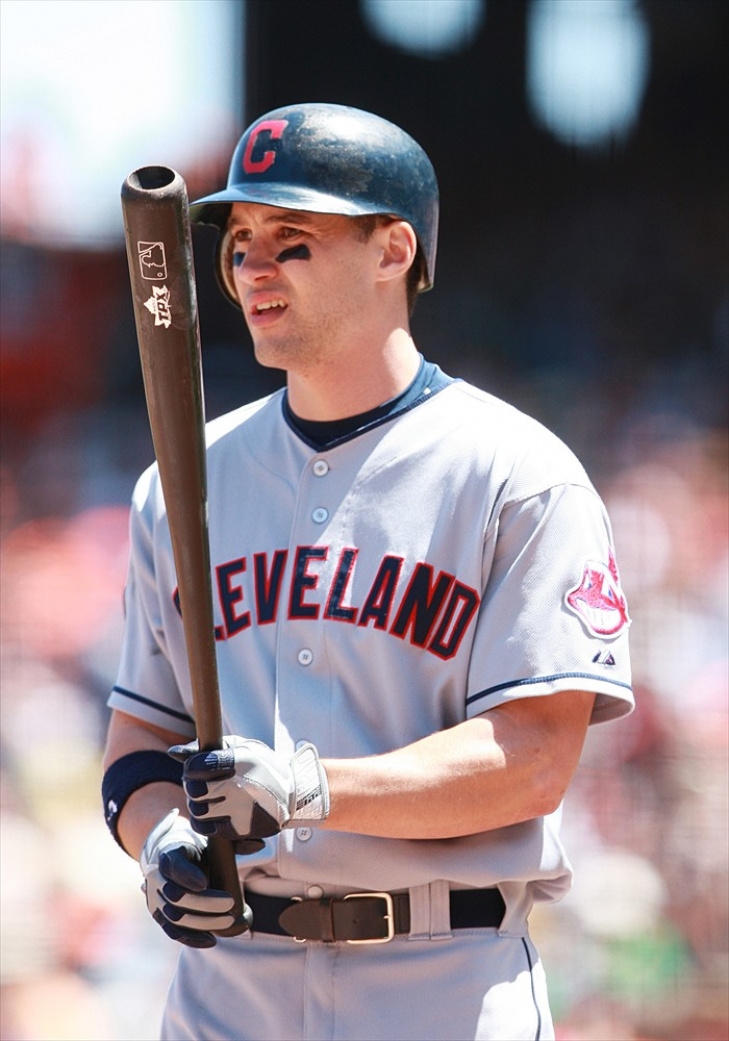
The arrival of Grady Sizemore in Cleveland was a masterstroke of organizational foresight, acquired as a "throw-in" in the legendary 2002 trade with Montreal that also brought Cliff Lee to the Indians. While he debuted in 2004, it was the following summer that signaled the dawn of a new era, as the dynamic center fielder combined a reckless, high-speed defensive style with a sophisticated offensive approach. For a brilliant, condensed window in the late 2000s, Sizemore was the undisputed engine of the franchise, a five-tool superstar who played with all-out intensity, making him the most electric talent in the American League.
Sizemore’s tenure in Cleveland was defined by a high-velocity ascent to the absolute top of the sport. By 2005, he had established himself as a model of specialized versatility, launching 22 home runs and batting .289 in his first full season. This was merely the prelude to a historic three-year stretch from 2006 to 2008, where he became a perennial All-Star and a fixture in the MVP conversation. In ’06, he led the American League in runs scored (134) and doubles (53) while maintaining a professional resilience that allowed him to play all 162 games.
The most profound aspect of his game was a rare combination of power and speed that few in Cleveland history have mirrored. Sizemore was a high-frequency producer of extra-base hits, belting at least 24 home runs in four consecutive seasons and twice reaching the 30-homer plateau. He possessed a specialized athleticism that earned him two Gold Gloves and a Silver Slugger, proving he was the most efficient run-preventer in the outfield and a tactical nightmare on the basepaths. He served as the primary engine for the 2007 squad that pushed within one game of the World Series, utilizing his high-leverage talent to ignite the offense from the leadoff spot.
His presence on the field was defined by a focused intensity that eventually took a heavy physical toll. Sizemore’s "collision-course" style of play led to a series of debilitating back and knee injuries that began to mount in 2009. Despite multiple surgeries and a two-year hiatus from the sport, he showed remarkable professional resilience by attempting comebacks with Boston, Philadelphia, and Tampa Bay later in his career.
With Cleveland, Sizemore compiled 948 hits, 139 home runs, and 115 stolen bases while twice winning the Gold Glove.
34. Willis Hudlin
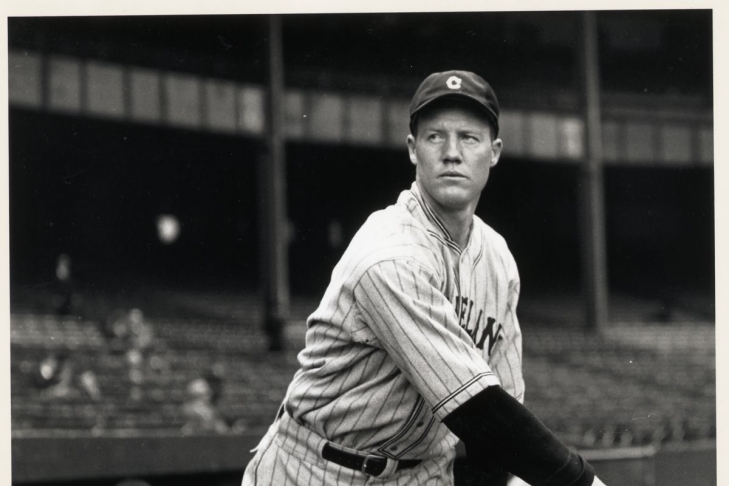
When Willis Hudlin stepped onto the mound at League Park in the late 1920s, he brought with him a pitch that was still a dark art to most hitters: the sinker. A mainstay of the Cleveland rotation for fifteen seasons, Hudlin wasn't the kind of fireballer who hunted headlines; he was the blue-collar engine of the staff, a dependable right-hander who could transition seamlessly from the starting block to the bullpen.
Hudlin’s career in Cleveland began with a splash in 1926, and by his first full season, he had established himself as a frontline winner, posting an 18-12 record as a rookie. He possessed a specialized, heavy sinker that became his trademark, allowing him to navigate the high-scoring environment of the "Live Ball" era with professional poise. His craftsmanship reached a statistical summit in 1929, a summer where he quietly became the most valuable pitcher in the Junior Circuit. That year, he led all American League hurlers with a massive 7.5 bWAR, proving that his game was built on a foundation of elite efficiency rather than raw velocity.
The most impressive aspect of his longevity was his role as a tactical bridge for the organization. Hudlin was a model of specialized versatility, earning five different seasons with at least 15 victories while splitting time between the rotation and high-leverage relief work. He was a high-frequency workhorse who consistently ranked in the top ten for games started and innings pitched, providing the Cleveland staff with an anchor during the transitional years of the 1930s.
With the Indians, Hudlin compiled 157 wins, 796 strikeouts, and 165 complete games across 15 seasons.
42. Jeff Heath
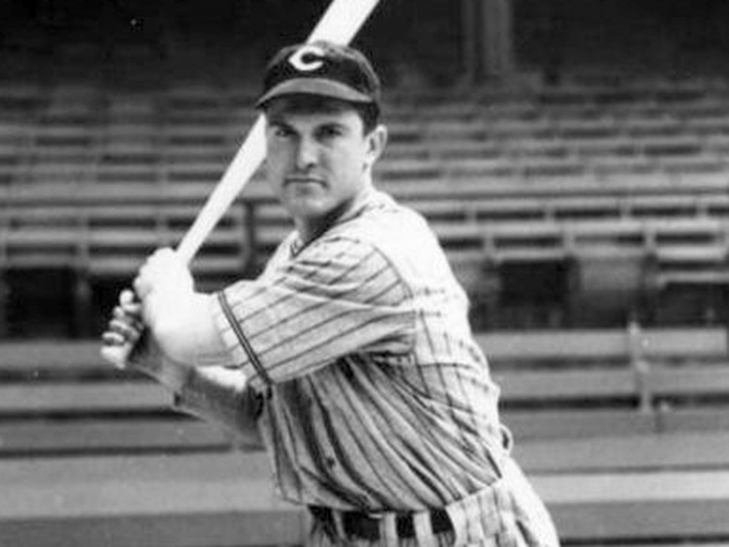
The arrival of Jeff Heath in Cleveland in 1936 brought a specialized blend of Canadian-born grit and explosive athletic power to the Indians. By the time he secured a full-time role in 1938, the left-handed outfielder had established himself as one of the most dangerous and efficient triple-threats in the American League.
Heath’s tenure in Cleveland was defined by an immediate and relentless offensive efficiency. During the 1938 campaign, a summer when he batted a staggering .343 and led the American League with 11 triples. This performance earned him an 11th-place finish in the MVP voting and signaled the arrival of a force in the Cleveland outfield. He was a model of specialized versatility, blending elite contact skills with a surprising power surge that saw him become a fixture in the heart of the Tribe's batting order.
The hallmark of his career was his unique ability to generate high-frequency extra-base hits. In 1941, Heath reached a statistical outlier status by leading the league in triples for a second time, recording a career-high 20 three-baggers while maintaining a .340 batting average. He was a model of steady-state dominance, earning All-Star selections in 1941 and 1943 and consistently ranking among the league leaders in total bases and slugging percentage. He possessed a specialized athleticism that allowed him to pressure opposing defenses in every facet of the game, providing the high-leverage production required to keep Cleveland competitive during the volatile years of the early 1940s.
After the 1945 season, he was traded to the Washington Senators, marking the end of a decade on the North Coast. He departed with a career .298 average, 1,040 hits, 122 home runs, and twice led the American League in triples.
39. Hal Trosky
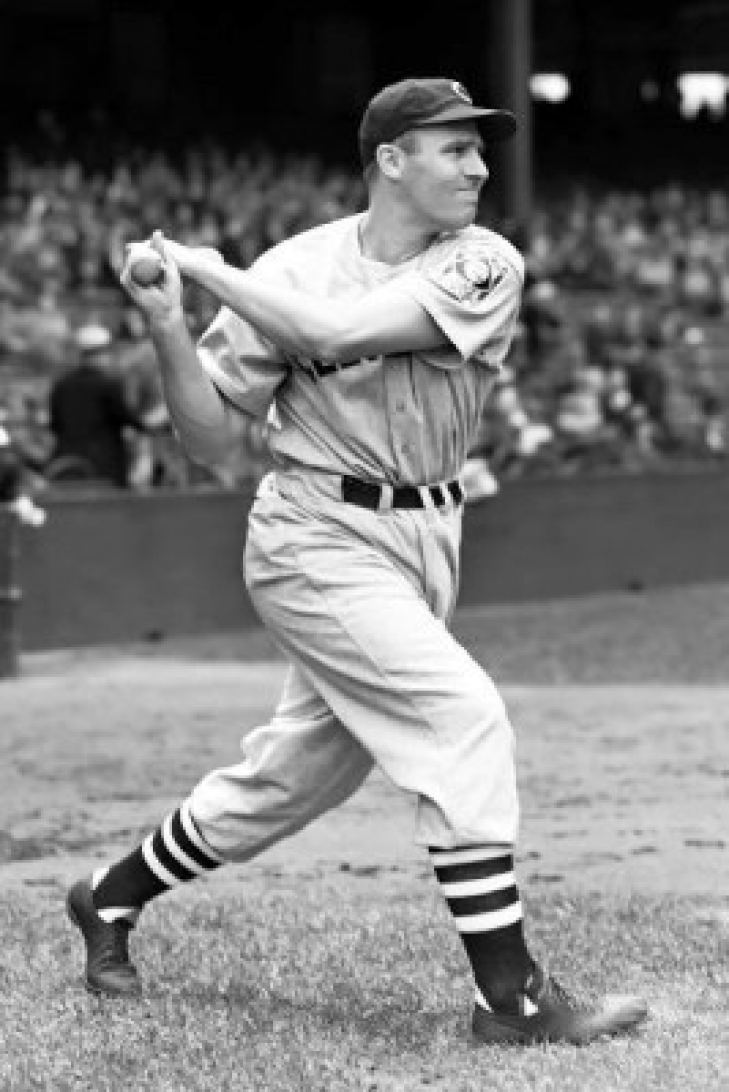
The narrative of Hal Trosky is one of the most compelling "what-if" stories in the history of the American League. Arriving on the North Coast in 1933, the Iowa native carried expectations that bordered on the impossible, with some observers prematurely labeling him the heir to Babe Ruth’s throne. While he never reached the mythical status of the "Bambino," Trosky established a baseline of specialized power that, in any other era, would have made him a perennial All-Star and a household name across the country.
Trosky’s tenure in Cleveland was a study in elite offensive efficiency during the most crowded era of talent in baseball history. He operated as a high-frequency run producer, anchoring the middle of the Tribe's lineup with a left-handed swing that generated at least 25 home runs in six of his first seven full seasons. He was a model of steady-state dominance, surpassing the 100-RBI plateau in six consecutive campaigns starting in 1934. In 1936, he blasted 42 home runs and led the American League with a staggering 162 RBIs while maintaining a .343 batting average, which remains one of the best power years in team history.
The most extraordinary aspect of his game was the consistency he maintained while playing in the shadow of legends like Gehrig, Foxx, and Greenberg. Trosky possessed a specialized athleticism that allowed him to finish among the league leaders in extra-base hits and total bases annually, providing the tactical stability required to keep Cleveland competitive in a powerhouse Junior Circuit. He served as the primary engine of the offense throughout the 1930s, demonstrating professional resilience to post a career .313 average in a Cleveland uniform. He proved that a player could become a franchise pillar by simply being one of the most dangerous hitters in the world, even if the All-Star ballots were crowded with future Hall of Famers.
His presence on the field was defined by a focused intensity that was tragically undermined by forces beyond his control. Beginning in 1938, Trosky was plagued by a series of debilitating migraines that began to impact his vision and his timing at the plate. Despite this physical toll, he continued to compete with a workmanlike approach until the condition forced a premature retirement in 1941.
The story in Cleveland concluded with 216 home runs, 911 RBI, and a reputation as one of the most underrated sluggers of all time. He left the organization with a career .551 slugging percentage, a mark that reflects nearly a decade of elite power hitting on the North Coast before he made a brief, wartime comeback in Chicago.
The organization recognized the sheer magnitude of his contribution by including him in the inaugural Cleveland Hall of Fame class in 1951.
26. Terry Turner
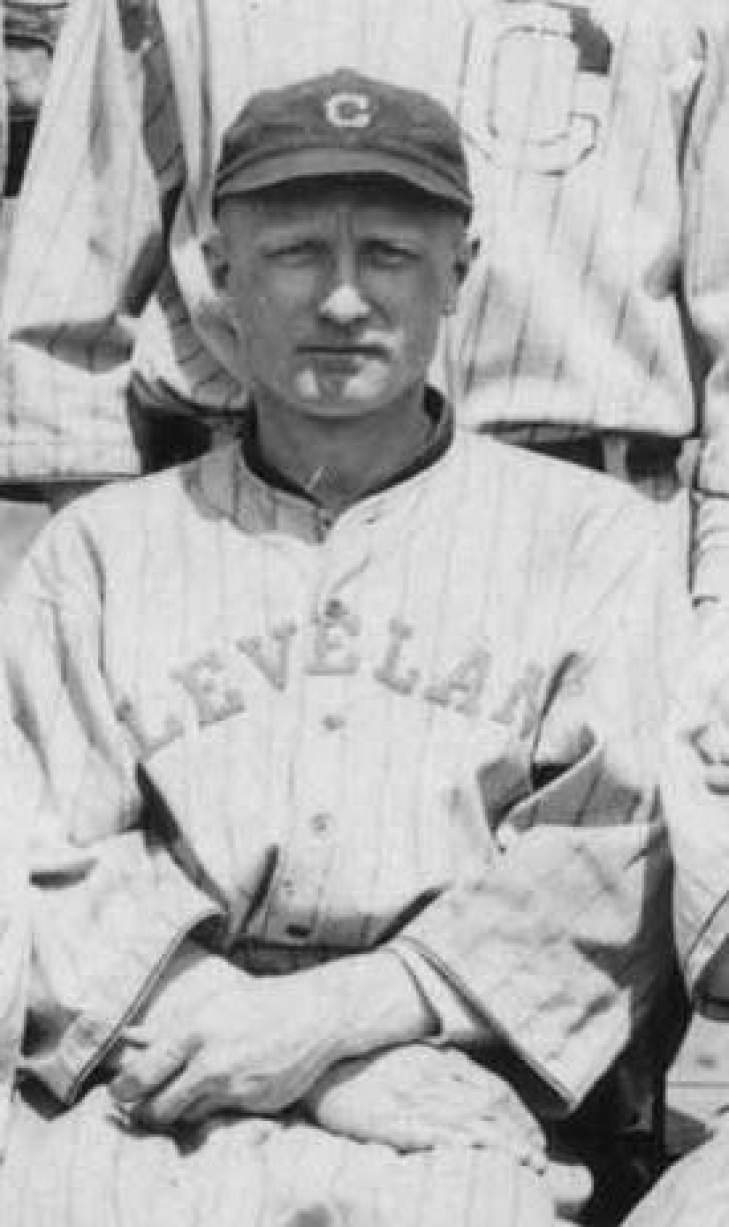
Terry Turner’s path to the American League was paved by the depth of the Pittsburgh roster, where future Hall of Famers Honus Wagner and Tommy Leach blocked his path to a starting role. Cleveland recognized the opening and secured the young infielder in 1904, a move that stabilized their defense for the next decade and a half. He surfaced as a shortstop and matured instantly into a premier run-preventer, reaching a defensive apex in 1906 when he recorded a staggering 5.4 dWAR, a mark that stands as one of the most statistically dominant fielding seasons in baseball history. He was a model of specialized range, leading the league in assists and double plays while providing the pitching staff with an elite security blanket.
The most impressive aspect of his tenure was his mastery of the "small ball" tactics required to survive the deadball era. Turner was a master of the sacrifice, authoring a career total of 264 sacrifice hits, a mark that still ranks him among the top three in franchise history. He possessed a specialized ability to manufacture runs without the benefit of power, utilizing a respectable .254 average and a fearless approach on the basepaths to pressure opposing batteries. He was the pioneer of the head-first slide, a technique he adopted to protect his ankles, and it served him well as he swiped 254 bases during his stay, a record that remained the Cleveland gold standard until the modern era.
In 1918, Turner departed as the organization’s most durable player, having played more games in a Cleveland uniform than any peer of his generation. With Cleveland, Turner compiled 1,472 hits, 254 stolen bases, and 264 sacrifice hits while appearing in a then-franchise record 1,619 games.
38. Francisco Lindor
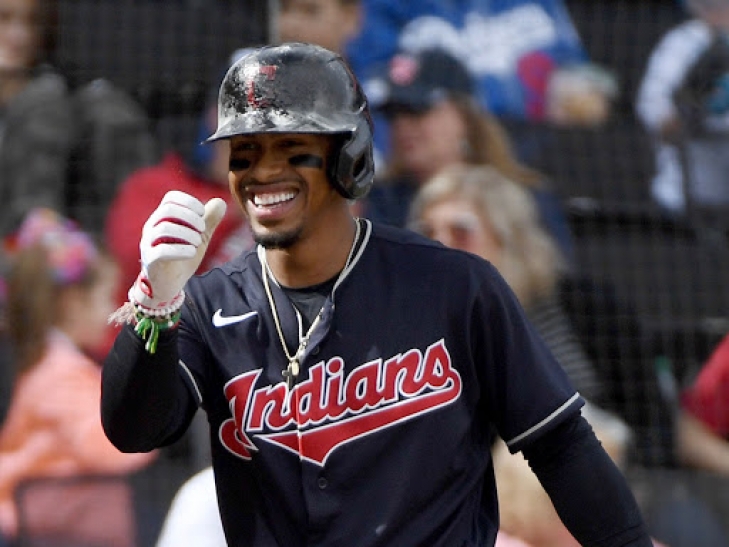
When Francisco Lindor arrived in Cleveland in 2015, he brought a megawatt smile and a generational skillset that instantly transformed the franchise’s trajectory. Known as "Mr. Smile," Lindor played with a joy that masked a ruthless competitive edge, quickly proving that he was the premier total-package shortstop of his era.
Lindor’s impact was immediate, a high-velocity entrance that saw him finish as the Rookie of the Year runner-up with a .313 average. This was merely the prelude to a four-year run of dominance during which he established a permanent presence in the All-Star Game. He was a model of specialized versatility, blending elite contact skills with a surprising power surge that saw him launch at least 32 home runs in three consecutive summers. Between 2016 and 2018, his value was so undeniable that he finished in the top nine of the MVP voting every year, serving as the tactical engine of a Cleveland squad that pushed the 2016 World Series to the final inning.
The most profound aspect of his tenure was the sheer volume of elite production he delivered daily. Lindor was a master of durability and high-frequency output, leading the American League in plate appearances three times and pacing the circuit with 129 runs scored in 2018. His craftsmanship extended far beyond the batter's box; he was a defensive technician who collected two Gold Gloves and a Platinum Glove, proving he was the league’s most efficient run-preventer. He possessed a rare ability to influence every facet of the box score, swiping at least 15 bags annually while maintaining a slugging percentage that hovered near .500.
The stay in Cleveland reached a premature conclusion after the 2020 season when a cost-cutting trade sent him to the New York Mets. With Cleveland, Lindor compiled 138 home runs, 99 stolen bases, and 804 hits while securing four All-Star nods and two Gold Gloves.
29. Omar Vizquel
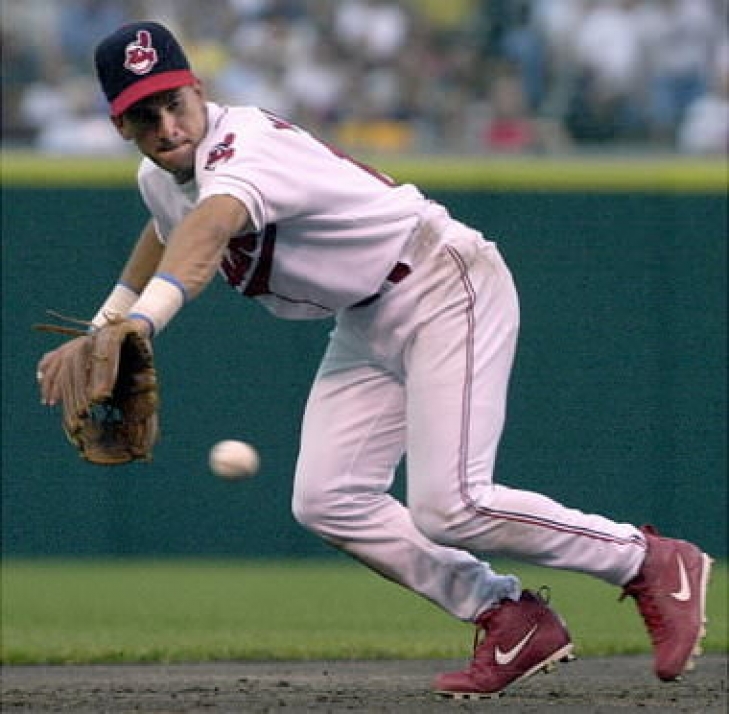
Omar Vizquel’s path to Cleveland was forged by a shrewd 1994 trade that sent Félix Fermín and Reggie Jefferson to the Mariners, a move that secured the franchise’s defensive identity for over a decade. He surfaced in 1994 and matured instantly into a premier run-preventer, authoring an incredible stretch of eight consecutive Gold Glove Awards in a Cleveland uniform. He possessed a specialized, rhythmic grace on the dirt, maintaining some of the highest fielding percentages in American League history. He wasn't just a steady glove; he was a tactical genius who understood the geometry of the field, consistently leading the league in double plays and range factor while providing defensive highlight reels on a regular basis.
The most impressive aspect of his tenure was an offensive evolution that allowed him to remain a high-frequency contributor for a championship contender. Vizquel was a master of the "small ball" game, possessing a specialized ability to manufacture runs through bat control and world-class speed. He authored eight different 150-hit seasons during his stay, accumulating 1,616 hits and serving as a high-leverage spark at the bottom or top of the order. This craftsmanship was complemented by a daring presence on the basepaths, where he swiped 279 bases for the club and used his veteran poise to turn routine singles into scoring threats.
His presence was defined by a charismatic, professional joy and a durability that saw him play in the Major Leagues until the age of 45. Whether he was making a leaping throw across his body or lacing a line drive into the gap, he competed with a focused brilliance that made him a local favorite. Vizquel signed with San Francisco after the 2024 season, leaving behind 1,616 hits and 279 stolen bases while securing eight Gold Glove Awards and three All-Star selections.
The organization provided the final punctuation on his legacy a decade after his departure. In 2014, Omar Vizquel was officially inducted into the Cleveland Guardians Hall of Fame.
35. Rocky Colavito

Colavito’s rise to stardom was nearly instantaneous, providing a jolt of electricity to the lineup when he took over a full-time role. He finished as the runner-up for the 1956 Rookie of the Year after launching 21 home runs in limited action, but his game reached a spectacular inflection point in 1958. That summer, he hit .303 and blasted 41 round-trippers, following it up in 1959 by leading the Junior Circuit with 42 homers. He possessed a specialized, high-leverage power that terrified opposing pitchers, and his craftsmanship in the field was equally feared; his arm was a high-velocity weapon that famously kept baserunners from testing the extra base.
The most controversial chapter of his journey was the 1960 trade to Detroit for Harvey Kuenn, a swap of a home run king for a batting champion that famously left the Cleveland faithful in mourning. The fans’ heartbreak was vindicated as Colavito continued to punish baseballs elsewhere while the "Curse of Rocky Colavito" allegedly took hold of the team. However, he authored a dramatic homecoming in 1965, returning to Cleveland via trade to a hero’s welcome. This second act was a genuine career renaissance; he led the American League with 108 RBIs and secured a fifth-place finish in the MVP race, proving that even as a veteran, he remained the tactical heartbeat of the organization.
Whether he was famously hitting four home runs in a single game at Memorial Stadium or drawing a league-leading 93 walks in 1965, he competed with a focused intensity that made him a local immortal. He showed that a player could become a franchise pillar by combining a legendary "cannon" of an arm with a swing that defined an entire era of Cleveland baseball.
With the Indians, Colavito compiled 190 home runs, 574 RBIs, and a .495 slugging percentage while earning three All-Star nods. The organization provided the ultimate punctuation on his legacy in 2006 by inducting him into the Cleveland Hall of Fame.
25. Manny Ramirez

Manny Ramirez became a full-time fixture in the 1994 lineup, narrowly missing out on Rookie of the Year honors before anchoring a legendary core of homegrown talent. He matured instantly into a premier middle-of-the-order threat, following a 1995 breakout in which he hit 31 home runs and drove in over 100 runs. He possessed a specialized, rhythmic approach at the plate that prioritized elite bat speed and a sophisticated understanding of the strike zone. This craftsmanship allowed him to serve as the tactical engine for the 1995 and 1997 World Series squads, providing the high-leverage power that turned a young roster into a perennial contender.
The true magnitude of his dominance became undeniable during a historic three-year stretch at the turn of the millennium. Between 1998 and 2000, Ramirez averaged 39 home runs and 140 RBIs per season. He was a model of specialized efficiency, twice capturing the American League titles in slugging and OPS while finishing in the top ten of the MVP voting for three consecutive summers. He wasn't just a volume producer; he was a high-frequency outlier who seemed to toy with opposing pitchers, concluding his stay with an astonishing .592 slugging percentage, a benchmark that remains a pillar of the organization's record books.
His presence was defined by a unique, lighthearted intensity and a physical hitting style that made every plate appearance a must-watch. Ramirez remained the heartbeat of the Cleveland offense through the pinnacle of the "Jake" era, using his world-class hands to drive the ball to all fields with professional regularity. Whether he was lacing a line drive into the corner or launching a tape-measure blast into the left-field bleachers, he competed with a focused brilliance that solidified his status as a local immortal. He proved that a player could become the cornerstone of a powerhouse franchise through a rare combination of raw strength and a scientific approach to hitting.
Manny departed for Boston in 2001 as a high-profile free agent. With the Indians, Ramirez compiled 236 home runs, 804 RBIs, and 1,086 hits while maintaining a historic .313/.407/.592 slash line.
28. Bill Bradley
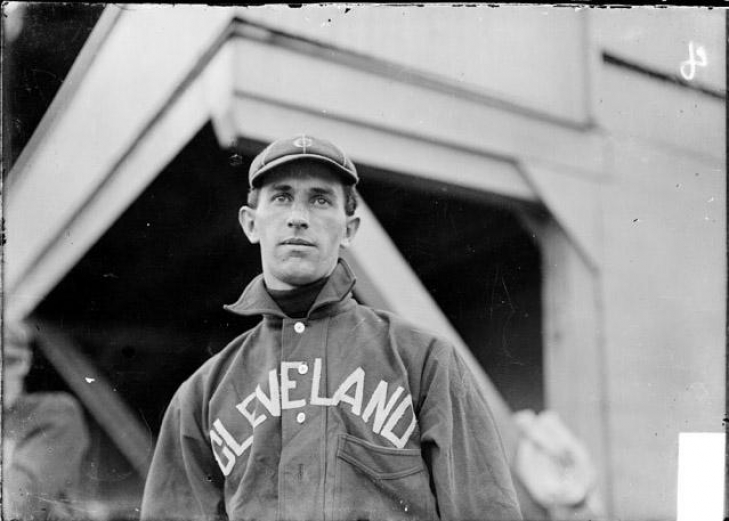
Bill Bradley’s migration to Cleveland in 1901 was a foundational moment for the fledgling American League club. He surfaced as the primary engine of the offense during the franchise's infancy, maturing instantly into one of the league’s most feared contact hitters. He authored a spectacular four-year run to open the century, surpassing 150 hits in each campaign and recording three different seasons with a batting average north of .300. His craftsmanship reached a unique level of dominance in 1902 when he became the first player in Major League history to hit a home run in four consecutive games, a feat of power that was almost unheard of in that low-scoring age.
The most impressive aspect of his longevity was a defensive capability that remained elite even as his offensive numbers began to subside. Bradley was a master of the barehanded play, a technician who patrolled third base with a specialized range that earned him a reputation as the finest defender of his generation. He was a model of specialized durability, serving as a high-frequency producer for a full decade and providing the veteran poise required to stabilize the infield. During his tenure, he was a high-leverage asset whose glove alone kept him at the center of the Cleveland lineup, consistently leading the league in putouts and double plays from third base.
His presence was defined by professional resilience and a physical style of play that earned him the respect of teammates and rivals alike. Bradley remained the heartbeat of the Cleveland infield through 1910, utilizing a workmanlike approach to navigate the demands of a decade that saw the team evolve from the "Blues" to the "Naps." Whether he was charging a bunt with a barehanded grab or maintaining his status as a .300 hitter during the peak of the deadball era, he competed with a focused intensity that made him a local favorite. He proved that a player could become a franchise pillar by mastering the specialized, high-stakes art of run prevention at the hot corner.
In 1910, he moved on to the International League, but he left the organization as a statistical titan of its earliest years. He departed with 1,265 hits in a Cleveland uniform, having established the defensive benchmarks that every third baseman in the city's history would eventually strive to reach.
Cleveland honored Bradley by inducting him into their franchise Hall of Fame.
31. Gaylord Perry
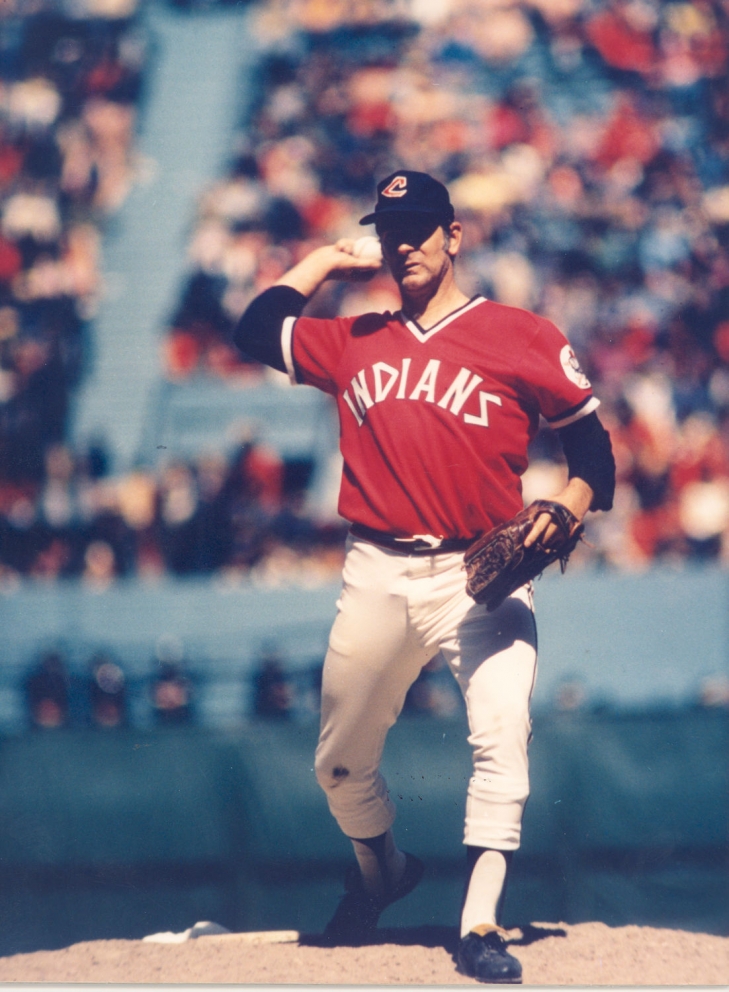
The trade that brought Perry from San Francisco following the 1971 season proved to be one of the most impactful transactions in franchise history. He made an immediate, seismic impact, authoring a 1972 campaign that remains etched in the record books as a masterclass of durability and deception. That year, he recorded 24 wins and a microscopic 1.92 ERA, earning him the American League Cy Young Award and a sixth-place finish in the MVP race. He possessed a specialized ability to disrupt a hitter’s focus, utilizing a vast repertoire of pitches and a high-frequency routine of fidgeting with his jersey and cap to maintain a mental edge over the competition.
The consistency Perry maintained during his stay was nothing short of extraordinary for a man who famously "worked" the baseball. He followed his Cy Young summer with a 1973 season in which he punched out 238 batters, and a 1974 All-Star turn in which he secured 21 victories. He was a model of specialized efficiency, serving as a high-leverage workhorse who consistently led the league in innings pitched and complete games. His craftsmanship wasn't just about his arm; it was about the professional resilience he displayed every fourth day, proving that he could out-think and outlast the most dangerous lineups in the Junior Circuit.
His presence in Cleveland was defined by a veteran poise and a competitive fire that often sparked as much friction as it did success. While he eventually clashed with player-manager Frank Robinson, leading to his 1975 trade to Texas, his statistical peak on the North Coast remained an undeniable achievement. Whether he was grinding through one of his 103 complete games for the Tribe or maintaining a sub-2.00 ERA during the peak of his powers, he competed with a focused intensity that solidified his status as a local immortal. He proved that a player could become a franchise pillar by simply mastering the high-stakes game of gamesmanship.
The chapter reached its conclusion in mid-1975, but the statistical benchmarks he left behind, 70 wins and 773 strikeouts in just over three seasons, are a testament to a pitcher at the height of his powers. He departed as the only man at the time to win a Cy Young in both leagues, having used his stint in Cleveland to cement his path to Cooperstown.
The organization provided the ultimate punctuation on his legacy by inducting him into the Cleveland Hall of Fame in 2012.
30. C.C. Sabathia
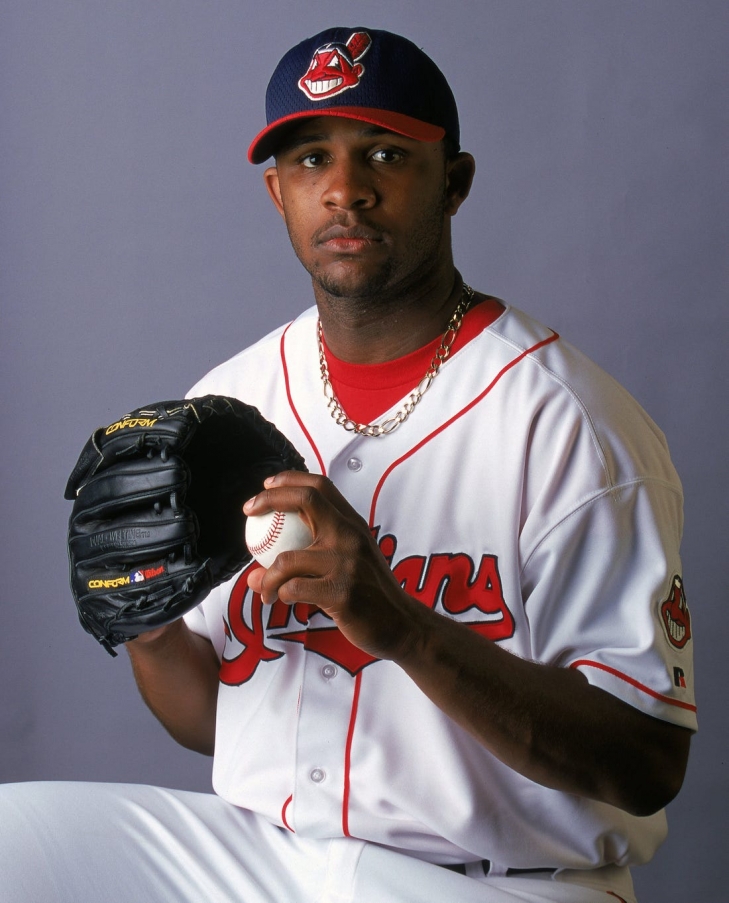
When a twenty-year-old C.C. Sabathia first stepped onto a Major League mound in 2001, he didn't just join the Cleveland rotation—he ignited it. Standing as a physical titan with a high-velocity arm to match, the young lefty authored a debut season for the ages, storming to a 17-5 record. While Ichiro Suzuki’s historic arrival in Seattle ultimately edged him out for Rookie of the Year honors, Sabathia’s presence in Cleveland was an immediate statement of intent. He possessed a specialized, heavy fastball that allowed him to navigate seven-and-a-half seasons in a Tribe uniform without ever recording a losing record, earning two All-Star nods before he had even reached his athletic prime.
The trajectory of his career reached its most dominant inflection point in 2007. That summer, Sabathia evolved from a raw power pitcher into a sophisticated tactical master, leading the American League with a staggering 241 innings pitched. He was the definition of a high-frequency workhorse, racking up 19 wins and a 5.65 strikeout-to-walk ratio on his way to capturing the Cy Young Award. His craftsmanship was the engine that powered Cleveland to the brink of a pennant, providing the veteran poise and high-leverage durability required to anchor a staff during a grueling postseason run.
Beyond the box scores, Sabathia’s legacy was defined by professional resilience and a genuine connection to the city. He remained the emotional heartbeat of the clubhouse until a June 2008 trade sent him to Milwaukee, but the foundation he built in Cleveland remained unshakable.
He exited the organization with 106 victories and 1,265 strikeouts, benchmarks that reflect a decade of sustained excellence off of Lake Erie.
23. Ken Keltner
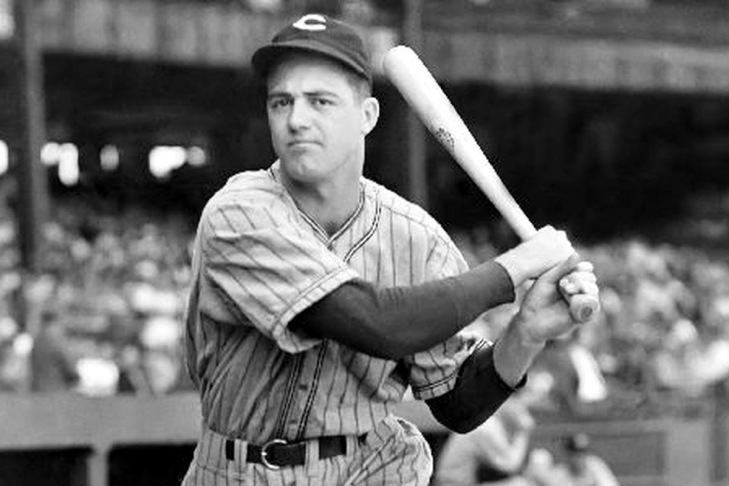
After playing one game for the Indians in 1937, Ken Keltner surfaced as a regular in 1938 and matured instantly into the premier defensive presence in the American League. He possessed a specialized ability to react to the sharpest line drives, a gift that earned him seven All-Star selections during his tenure. He was a model of defensive efficiency, twice leading the league in fielding percentage and consistently shrinking the field for opposing hitters. He wasn't just a steady glove, though; he provided a sophisticated level of offensive production, authored by three seasons with at least 20 home runs and a professional approach that made him a fixture in the middle of the Cleveland lineup.
The most impressive aspect of his tenure was the quiet, high-stakes durability he displayed across 12 seasons in a Cleveland uniform. Keltner was a master of the "unseen" value, the type of player whose run prevention was just as vital as his bat. His craftsmanship reached a peak during the historic 1948 campaign, where his veteran poise and defensive stability served as the tactical heartbeat for the World Series champions. He was a high-frequency producer who received MVP votes in five different years, proving that his peers and the era's writers recognized him as a cornerstone of one of the league's most competitive rosters.
His presence was defined by a professional resilience and a defensive brilliance that famously etched his name into history when he made two spectacular plays to help end Joe DiMaggio’s 56-game hitting streak. Keltner remained the heart of the Cleveland infield through the transition of the post-war era, using his world-class range to support a legendary pitching staff. Whether he was charging a bunt to cut down a runner or lacing a line drive into the gap, he competed with a focused intensity that made him a local favorite and a national standout. He proved that a player could become a franchise pillar through a rare combination of grit and defensive wizardry.
Keltner was released after the 1949 season and finished his career with a brief stint in Boston. He left the organization as a statistical titan of the era, having established himself as perhaps the finest defensive third baseman to ever wear the Cleveland uniform
With the Indians, Keltner compiled 1,561 hits, 163 home runs, and 850 RBIs while earning seven All-Star nods. The organization recognized the monumental nature of his contribution almost immediately after he hung up his spikes. In 1951, the franchise provided the final punctuation to his local legacy by inducting Ken Keltner into the inaugural Cleveland Guardians Hall of Fame class.
22. Al Rosen
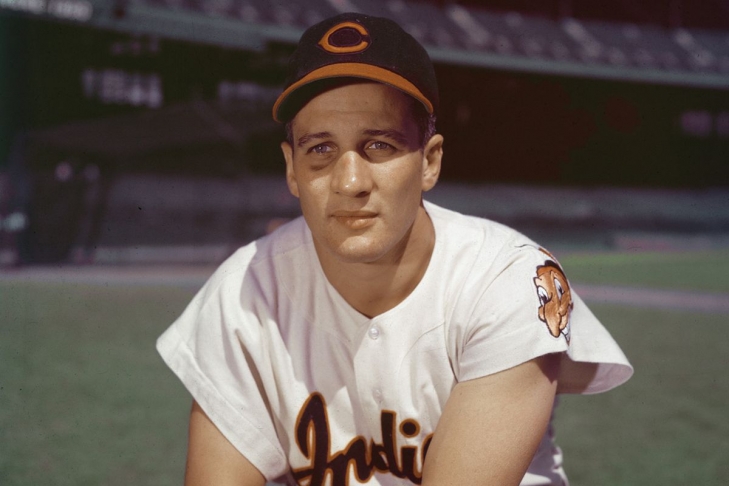
After debuting in 1947, Al Rosen became a regular player in 1950 and became a serious power threat in the Junior Circuit. He made an immediate statement by capturing the home run title in his first full season as a starter, launching 37 homers and driving in 116 runs. It was the beginning of a remarkable five-year run of consistency, where he authored at least 24 home runs and 100 RBIs every single summer. Rosen was a model of specialized efficiency, proving that his game was built on a sophisticated balance of raw power and elite plate discipline, eventually evolving into a high-frequency .300 hitter as his career reached its prime.
Rosen had one of the best years in franchise history in 1953. That summer, Rosen stood as a statistical titan, leading the American League in runs, home runs, RBIs, and slugging percentage. He famously came within a fraction of a point of the Triple Crown, finishing with a .336 average. His value was so profound that he was named the American League MVP in a unanimous vote, a testament to his status as the most dangerous offensive force in the American League. He followed that masterpiece by serving as the anchor of the 100-plus win 1954 pennant-winning squad, providing the high-leverage bat that anchored the middle of the order.
His presence was defined by a fierce, competitive resolve and a physical style of play that often saw him playing through significant injuries. Rosen was a fixture of the Cleveland infield for his entire career, using a specialized approach to remain productive even as his body paid the price for his aggressive play. He chose to retire at 32, walking away from the game while still a productive force rather than wearing another uniform.
With the Indians, Rosen compiled 1,063 hits, 192 home runs, and 717 RBIs with a historic .495 slugging percentage. The organization provided the final punctuation on his legacy decades later, celebrating a career spent entirely in the service of the North Coast. In 2006, Al Rosen was officially inducted into the Cleveland Guardians Hall of Fame.
21. George Uhle
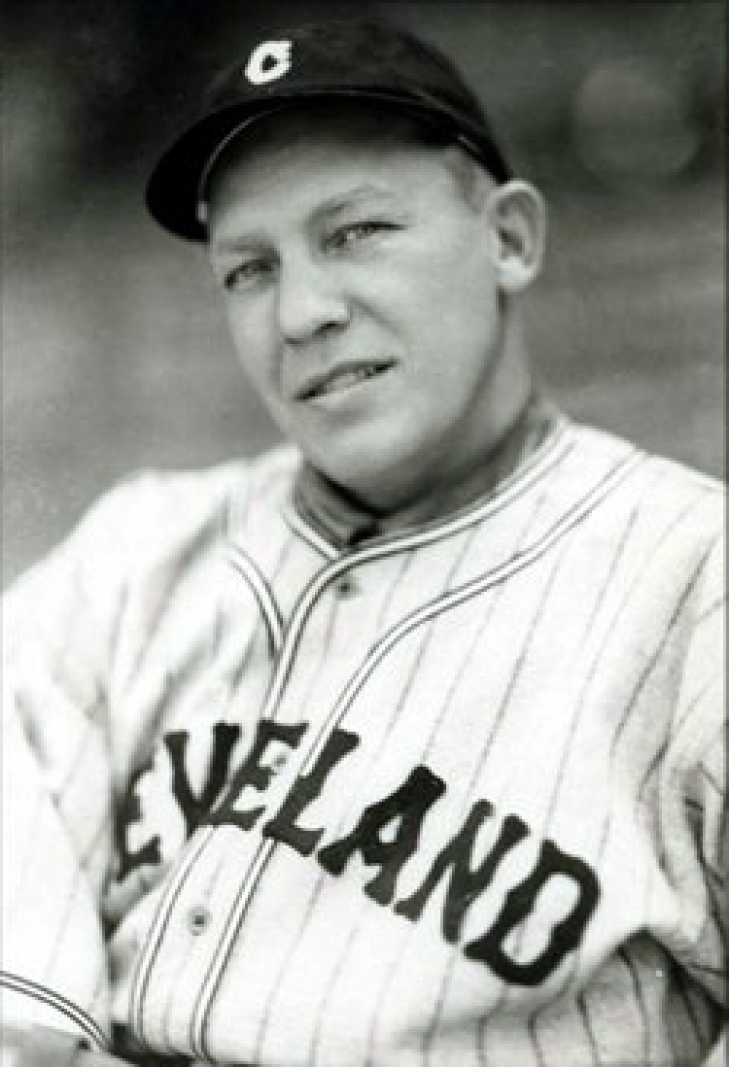
George Uhle surfaced in the Cleveland lineup in 1919, and “The Bull” quickly became a fixture of the staff, playing a supporting role in the franchise’s historic 1920 World Series championship. He emerged with a specialized repertoire that relied on durability and a deceptive breaking ball, embarking on a stretch where he became the undisputed ace of the Tribe. By the early 1920s, he had reached a remarkable ceiling of productivity, achieving three 20-win seasons and twice leading the American League in victories. He was a model of specialized workload, leading the league in innings pitched and complete games in 1923 and 1926, proving that his game was built on a relentless ability to outlast any opponent.
The most impressive aspect of his tenure was his legendary fearlessness when facing the most dangerous hitters in baseball history. Uhle was a master of high-stakes psychology, famously walking a batter once specifically to get to Babe Ruth, whom he promptly struck out. He possessed a specialized "number" on the Sultan of Swat, fanning Ruth 25 times over his career, the second-most of any pitcher in history. This wasn't just a defensive specialty; he was also one of the premier hitting pitchers of all time, maintaining a career .289 batting average and serving as a high-frequency pinch-hitting option when the club needed a professional bat late in games.
Uhle remained a fixture of the Cleveland rotation for a decade, using his innovative slider to remain productive even as the league's offensive numbers exploded. Whether he was grinding through a league-leading 357 innings or lacing a line drive as a pinch-hitter, he competed with a focused intensity that made him a local favorite and a national standout. He proved that a player could become the cornerstone of a franchise through a rare combination of mound dominance and offensive reliability.
Uhle was traded to the Detroit Tigers, but he left the organization with a 147-118 record with 1,894 innings pitched and a .303 batting average in over 700 at-bats.
27. Wes Ferrell
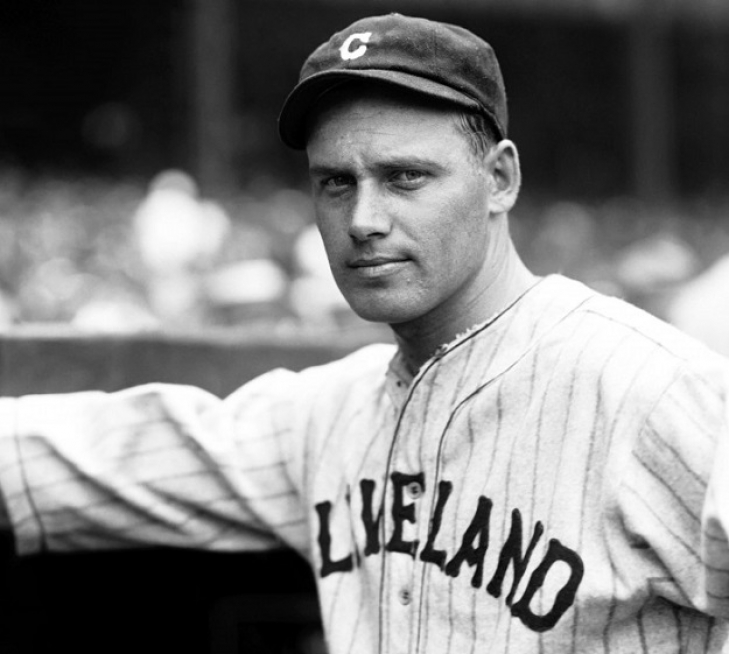
Wes Ferrell’s career shifted from a slow burn to an inferno after a brief, two-game audition in the late 1920s. He secured a permanent spot in the rotation by 1929 and immediately evolved into the league's premier workhorse. Between 1929 and 1932, he anchored the staff with a relentless accumulation of victories, winning at least 21 games every summer and leading the American League in complete games in 1931. He was a model of specialized durability, navigating the era’s high-scoring environment with a sophisticated mix of pitches and mental toughness, allowing him to shoulder nearly 300 innings annually during his physical prime.
The most extraordinary aspect of his tenure was an offensive capability that surpassed that of almost every contemporary in his position. Ferrell was a master of the bat, possessing a specialized swing that made him a viable threat whenever he stepped into the box. This was never more evident than in 1933, when he struggled with a rare losing record on the mound, yet his craftsmanship at the plate remained elite. He was a high-frequency producer who recorded 19 home runs and 100 RBIs during his Cleveland years, figures that prompted the club to experiment with him in the outfield to keep his bat in the lineup. He famously set a then-record with nine home runs in 1931, a feat he punctuated by tossing a no-hitter against the Browns that same spring.
Ferrell remained the emotional center of the rotation through the transition into the 1930s, utilizing a workmanlike approach to secure over 100 wins for the organization. Whether he was grinding through a 13-inning complete game or lacing a double as a pinch-hitter, he competed with a focused intensity that made him a local standout. He proved that a player could become a franchise pillar by mastering the rare, high-leverage art of being a two-way star long before the term was common.
The Indians dealt their embattled ace to Boston, where he would eventually capture another 20-win season and further cement his hitting legacy. He left the North Coast with a 102-62 record and a 3.67 ERA while hitting 19 home runs and maintaining a .274 average. The organization inducted Ferrell into the Cleveland Guardians Hall of Fame.
24. Elmer Flick
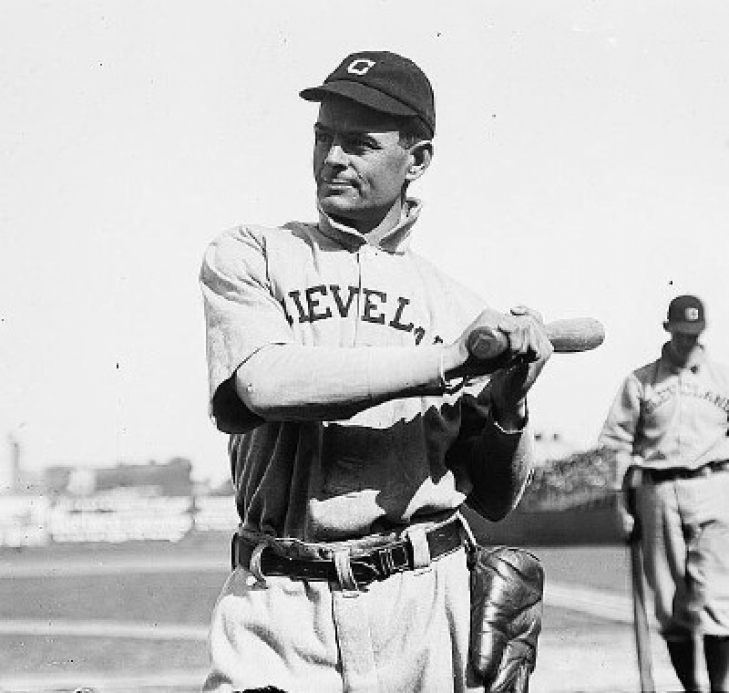
Flick’s path to Cleveland was forged in the chaos of the American League's birth. After jumping from the Phillies to the cross-town Athletics, a Pennsylvania injunction prohibited him from playing for any team within the state. To keep his career alive, he was sent to Cleveland alongside Lajoie in 1902—a move that secured the club's offensive identity for the next nine years. He emerged with a specialized, contact-heavy approach that relied on elite acceleration, maturing instantly into a premier leadoff threat. By 1905, he had reached a remarkable apex, capturing the American League Batting Title with a .308 average and proving that he was the most efficient table-setter in the Junior Circuit.
The most impressive aspect of his tenure was his total command of the most difficult hit in baseball. Flick was a master of the triples alley, authored by a historic three-year stretch from 1905 to 1907, where he led the American League in three-baggers annually. He wasn't just a threat to find the gaps; he was a tactical nightmare once he reached base, twice capturing the Stolen Base crown in 1904 and 1906. He was a model of specialized speed, serving as a high-frequency run producer who used his legs to pressure opposing batteries and turn routine singles into scoring opportunities.
Flick’s presence was defined by a quiet, professional resilience and a defensive grace that made him one of the premier right fielders of the early twentieth century. Flick remained the heart of the Cleveland outfield until 1910, navigating the era’s physical demands with a consistent, blue-collar approach that kept his career average at a near-elite .299 throughout his tenure. Whether he was manufacturing a run with a daring dash on the basepaths or lacing a line drive into the corner for another league-leading triple, he competed with a focused intensity that made him a central figure in the franchise’s formative years. He proved that a player could anchor a lineup through a rare combination of high-frequency contact and world-class velocity.
In 1910, health issues forced him to retire, but he left the organization as a statistical pillar of the deadball era. He departed with over 1,000 hits in a Cleveland uniform, having established a standard for speed and durability that few contemporaries could match.
With the Indians, Flick compiled 1,058 hits, 75 triples, and 188 stolen bases while maintaining a .299 batting average.. In 1963, both the organization and the game at large recognized his greatness; Flick was inducted into the National Baseball Hall of Fame in Cooperstown and simultaneously enshrined as a legend in the Cleveland Guardians Hall of Fame.
20. Joe Sewell
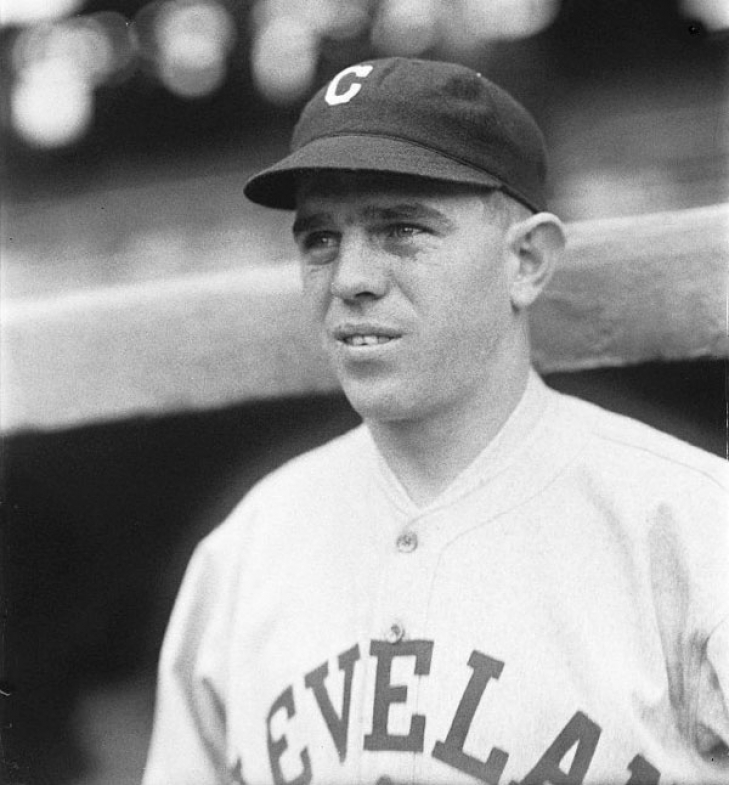
Joe Sewell’s entry into the Major Leagues was forged in the fire of the 1920 season, arriving just weeks after the tragic death of Ray Chapman. Tasked with replacing a beloved icon in the midst of a pennant race, the young infielder matured instantly, anchoring the infield and helping propel the Indians to their first World Series championship. He emerged with a specialized, contact-heavy approach that relied on the most discerning eye in the history of the Junior Circuit. During his tenure, he was a model of relentless efficiency, achieving an incredible stretch where he batted over .300 in eight different campaigns for the club.
The most impressive aspect of his career was a statistical outlier that borders on the impossible. Sewell was a master of plate discipline, with a knack for putting the ball in play regardless of the count or the quality of the pitch. He famously never struck out more than 20 times in a single season, and in four separate years with Cleveland, he finished with single-digit strikeouts despite surpassing 600 plate appearances. He wasn't just a tough out; he was a tactical ghost who haunted opposing pitchers, accumulating 1,800 hits as an Indian and serving as a high-frequency run producer through pure, professional craftsmanship.
His presence was defined by a quiet, blue-collar durability and a defensive skill set that made him one of the most dependable infielders of the 1920s. Sewell remained the heart of the Cleveland infield for eleven seasons, utilizing a workmanlike approach to navigate the demands of a decade defined by high offensive output.
Sewell was released by the organization following the 1930 season, but he eventually moved on to capture another title with the New York Yankees. With the Indians, Sewell compiled 1,800 hits, 375 doubles, and maintained a historic .320 batting average across 1,513 games.
The ultimate punctuation on his legacy arrived in two significant stages. In 1951, the organization recognized his monumental contribution by selecting him for the inaugural Cleveland Guardians Hall of Fame class. The final recognition of his mastery came in 1977, when Joe Sewell was inducted into the National Baseball Hall of Fame in Cooperstown.
15. Addie Joss
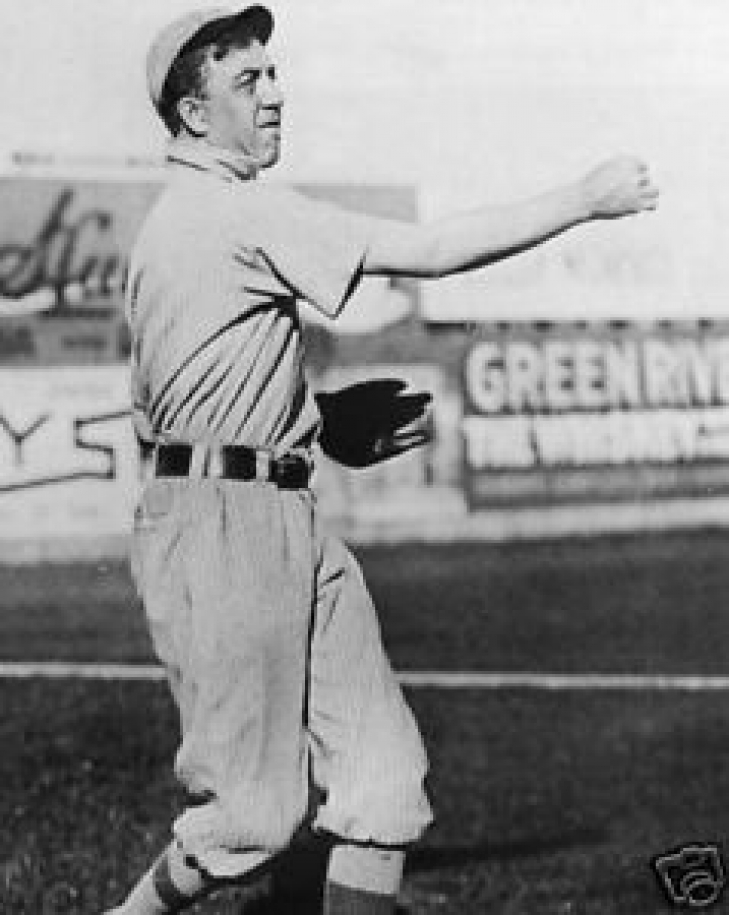
When Addie Joss arrived in 1902, he bypassed the usual maturation process, maturing instantly into a premier arm in the American League. He arrived with a "shadowing" delivery that hid the ball until the last possible second, and by 1903, he was already leading the league in WHIP. He was an efficiency machine from the jump, capturing his first ERA title in 1904 with a microscopic 1.59 mark. He wasn't just a finesse pitcher; he was a high-volume workhorse who rattled off four consecutive 20-win seasons, including a league-leading 27 victories in 1907.
The absolute pinnacle of his career, and perhaps the greatest individual season in franchise history, arrived in 1908. Joss was a statistical outlier that year, winning his second ERA title with a career-best 1.16 and leading the league with a 0.806 WHIP. The crowning achievement was a Perfect Game against the Chicago White Sox in the heat of a pennant race, a masterpiece of run suppression that remains one of only a handful in the game’s history. He was a master of the "Deadball" era tactical game, using his intelligence and poise to dismantle lineups with surgical precision.
His identity was defined by a quiet dignity and a level of performance that bordered on the impossible. Joss concluded his stay in Cleveland as a "Lifer," having spent all nine years of his professional career with the club. He amassed 160 wins and maintained a career 1.89 ERA—the second-best mark in baseball history. Even more staggering is his 0.968 lifetime WHIP, which stands as the best of all-time. He proved that you didn't need a decades-long career to leave an eternal mark on the game; you just needed to be perfect for every moment you were on the mound.
The chapter reached a heartbreaking and sudden conclusion in April of 1911. After battling various ailments, Joss passed away from tubercular meningitis at the age of 31. His loss was felt so deeply by his peers that his teammates famously went on strike to attend his funeral, an unprecedented show of respect for a man who was as beloved as he was dominant.
Recognition of his historic impact came in 1978, when the Veterans Committee elected him to the National Baseball Hall of Fame, notably waiving the ten-year service rule to honor his nine-year masterpiece. The organization ensured his local immortality by inducting him into the Cleveland Indians Hall of Fame in 2006.
11. Kenny Lofton
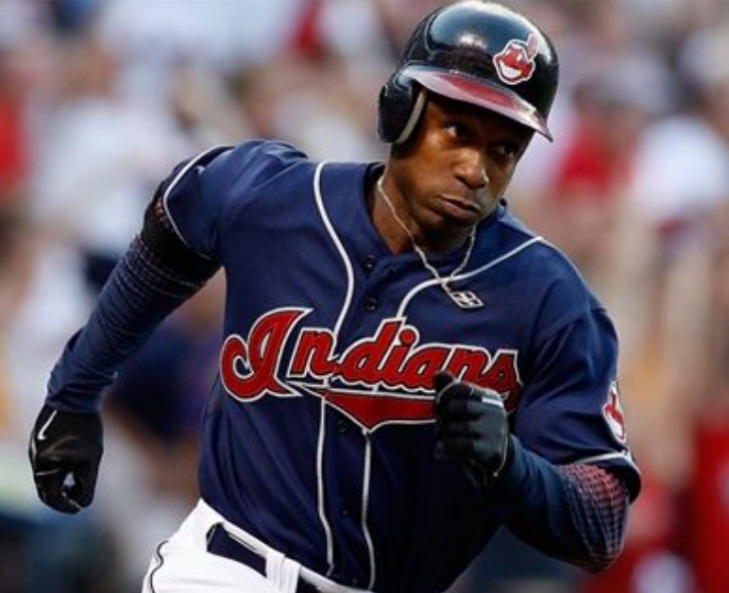
The trajectory of Cleveland baseball shifted forever in the winter of 1991 when the club acquired Lofton from Houston. He matured instantly into the premier leadoff threat in the American League, finishing as the Rookie of the Year runner-up while leading the league with 66 stolen bases. He arrived as a rare two-sport standout from the University of Arizona, having famously played point guard for the Wildcats in the 1988 Final Four—and he brought that same basketball player’s leaping ability and sprinter’s burst to the diamond. He quickly evolved into a tactical nightmare for opposing pitchers, ruling the basepaths as the league leader in steals for five consecutive seasons.
The absolute pinnacle of his career was marked by a rare, five-tool efficiency that garnered him four consecutive Gold Gloves and five straight All-Star nods during his initial run. Lofton wasn't just a speed merchant; he was a refined hitter who maintained a batting average over .310 in each of those first five seasons. He served as the defensive anchor for the legendary squads that reached the World Series in 1995 and 1997, proving that his value was rooted in a sophisticated balance of run production and elite run prevention. He possessed a national popularity that transcended the small-market labels of the era, becoming the face of a revitalized Cleveland brand.
His identity was inextricably linked to the shores of Lake Erie, as evidenced by his constant return to the organization. After a brief "megadeal" departure to Atlanta in 1997, he rejoined the Tribe in 1998 for a second four-year run, continuing his All-Star ways and remaining a vital, high-leverage presence at the top of the order. Even as he transitioned into the "cardboard box" phase of his career—suiting up for eight different teams in a seven-year span, he remained a productive force who seemed to be simply waiting for the path to lead back home.
The final chapter of his journey offered the ultimate poetic conclusion. In 2007, Lofton returned to Cleveland for a third and final stint, allowing him to retire in the uniform where he achieved his greatest heights. He concluded his time in Cleveland with a sterling .300 batting average, 1,512 hits, and a staggering 452 stolen bases, a volume of theft that remains the franchise benchmark. He proved that even for a global traveler, there is no place quite like the North Coast.
In recognition of his role as the engine of a dynasty, the organization inducted Lofton into the Cleveland Indians Hall of Fame in 2010.
