


Committee Chairman
Notinhalloffame NBA Cup Standings Update (220)
If you are a regular visitor at Notinhalloffame.com, you know that we created the Notinhalloffame NBA Cup, where in every regular season game, we award points (5-4-3-2-1) to the top five performers. This is the third year that we have done this, and Denver’s Nikola Jokic won the first two.
To keep everyone regularly in the loop this time, we have decided to give regular updates, starting at when the first player cracked 100 Points, and tell all of you the top ten. We will this going forward with every update as the first player breaches the elevated ten-point threshold afterward.
Here is the current top ten, based on the first player to breach 220 Notinhalloffame Cup Points:
1. Nikola Jokic, Denver Nuggets, 208 Cup Points: 55 Games, 24.6 PPG, 11.0 RPG, 10.0 APG, 1.3 SPG, 0.7 BPG, 31.9 PER, 12.3 WS. (#2 on last ranking)
Well look who is back at the top! Jokic moves into the top spot and the two-time and defending MVP winner (and NIHOF Cup Champion) is leading the league in PER (31.9), Win Shares (12.3), VORP (7.1) and Box Plus/Minus (13.2). He is also averaging a triple-double.
2. Luka Doncic, Dallas Mavericks, 216 Cup Points: 53 Games, 33.2 PPG, 8.8 RPG, 8.1 APG, 1.5 SPG, 0.5 BPG, 30.1 PER, 9.1 WS. (#4 on last ranking)
Doncic has rebounded to number two, and is the NBA’s current scoring leader (33.2), and is second in VORP (5.8) and Box Plus/Minus (10.0) while currently placing third in PER (30.1) and Win Shares (9.1).
3. Giannis Antetokounmpo, Milwaukee Bucks, 213 Cup Points: 50 Games, 31.3 PPG, 12.0 RPG, 5.4 APG, 0.8 SPG, 0.8 BPG, 28.6 PER, 6.8 WS. (#5 on last ranking)
The two-time MVP would have probably been on the top had he not missed a series of Games earlier in the season, but has also been a little hurt lately, though he gained two places. He is now a six-time All-Star, and is in the top five in both Points and Rebounds per Game.
4. Jayson Tatum, Boston Celtics, 211 Cup Points: 59 Games, 30.3 PPG, 8.7 RPG, 4.7 APG, 1.0 SPG, 0.8 BPG, 23.8 PER, 8.0 WS. (#1 on last ranking)
Tatum did not have any Cup Points on his last two Games, and it led to him plummeting three spots from the top to #4. He is still a huge threat to win this award, as well as the MVP, and should finish over 30 Points per Game (he is currently sixth).
5. Joel Embiid, Philadelphia 76ers, 210 Cup Points: 48 Games, 33.0 PPG, 10.4 RPG, 4.1 APG, 1.1 SPG, 1.6 BPG, 30.5 PER, 8.6 WS. (#3 on last ranking)
Embiid slid down two spots to number five, but is a bona fide MVP contender. He is currently second in PPG (33.0) and is second in PER (30.5). Embiid is also in the top five in Wins Shares, VORP and Box Plus/Minus.
6. (TIE) Ja Morant, Memphis Grizzlies, 201 Cup Points: 52 Games, 27.1 PPG, 6.0 RPG, 8.2 APG, 1.0 SPG, 0.3 BPG, 23.9 PER, 5.7 WS. (#7 on last ranking)
Morant is the face of the Grizzles, and he is posting similar numbers from last year, when he took Memphis to the next level. Saying that, Memphis, is in a weird state right now, as is Morant, who has become a somewhat controversial figure.
6. (TIE) Julius Randle, New York Knicks, 201 Cup Points: 64 Games, 25.0 PPG, 10.5 RPG, 4.2 APG, 0.7 SPG, 0.3 BPG, 21.1 PER, 7.7 WS. (#6 on last ranking)
Randle continues to climb the list, and currently has a higher PPG (24.9), than his All-Star year two years ago.
8. Shai Gilgeous-Alexander, Oklahoma City Thunder, 200 Cup Points: 54 Games, 31.0 PPG, 4.7 RPG, 5.7 APG, 1.6 SPG, 1.1 BPG, 27.3 PER, 9.1 WS. (#6 on last ranking)
Gilgeous-Alexander went to his first All-Star Game, and is shattering last year’s averages, which were already good. He is currently injured, and fell two spots sine the last update, but has broke through to the upper tier.
9. Trae Young, Atlanta Hawks, 188 Cup Points: 55 Games, 27.1 PPG, 2.9 RPG, 10.1 APG, 1.0 SPG, 0.2 BPG, 22.2 PER, 5.1 WS. (#9 on last ranking)
Young is the face of an intriguing Hawks squad, but was unable to make the NBA All-Star Team.
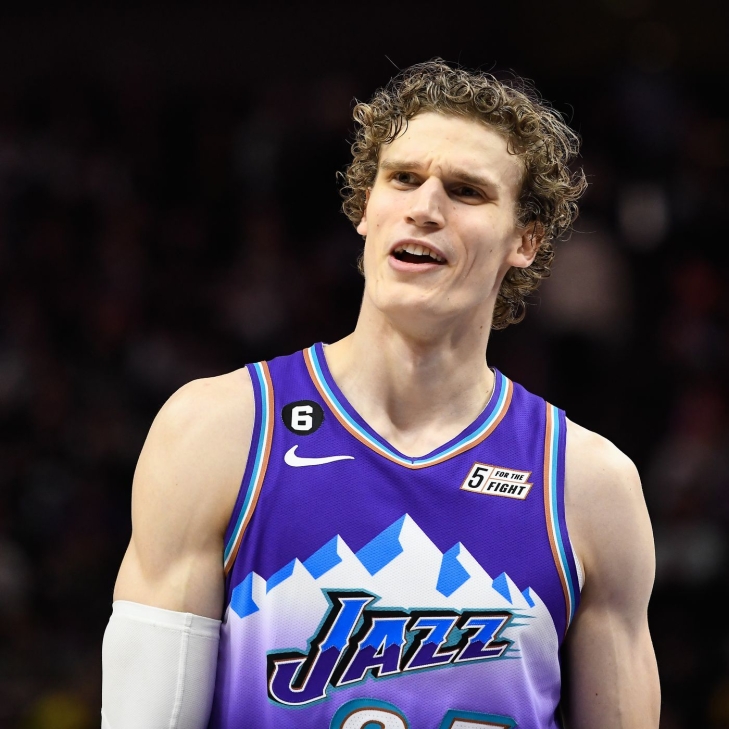
10. Lauri Markkanen, Utah Jazz, 183 Cup Points: 57 Games, 25.3 PPG, 8.6 RPG, 1.8 APG, 0.6 SPG, 0.6 BPG, 22.6 PER, 7.7 WS. (Not on last ranking)
Markkanen is now the first player from Finland to be an All-Star and after two months, he returns to the top ten in Cup Points. This the year of his life.
Our next update will happen after the first player breaches 230 Cup Points.
The Sarnia Sting name their first Hall of Fame Class
Regular visitors of Notinhalloffame.com know that we are slowly working on the top 50 of every major team in the NHL, NBA, NFL and MLB. Once that is done, we intend to look at how each team honor their past players, coaches and executives. This will eventually extend towards other leagues. As such, it is important to us that the Sarnia Sting of the Ontario Hockey League have announced that the formation of their franchise Hall of Fame.
The Sting were originally the Cornwall Royals of the QMJHL in 1969, and would transfer to Newmarket in 1992. After three years, in 1994, the organization relocated to Sarnia, where they have flourished since.
The new Hall of Fame will recognize three people;
Robert Ciccarelli: The brother of Hockey Hall of Famer, Dino Ciccarelli, Robert Ciccarelli was art of the ownership group that brough the team to Sarnia in 1994. He was named the OHL Executive of the Year in 1999-2000.
Trevor Letwoski: Letowski played for Sarnia for three years, peaking with 108 Points in 1996-97.
Jon Sim: Sim was a Second Team All-Star with Sarnia in 1998 and would have three consecutive 90-plus Point years for the Sting.
We here at Notinhalloffame.com would like to congratulate the first class of the Sarnia Sting Hall of Fame.
Notinhalloffame NHL Cup Standings Update (130)
If you are a regular visitor at Notinhalloffame.com, you know that we created the Notinhalloffame NHL Cup, where in every regular season game, we award points (5-4-3-2-1) to the top five performers. This is the second year that we have done this, and Edmonton’s Connor McDavid won the first one.
To keep everyone regularly in the loop this time, we have decided to give regular updates, starting at when the first player cracked 40 Points, and tell all of you the top ten. We will this going forward with every update as the first player breaches the elevated ten-point threshold afterward.
Here is the current top ten, based on the first player to breach 130 Notinhalloffame Cup Points:
1. Connor McDavid, Edmonton Oilers. 132 Cup Points: 62 Games, 52 G, 66 A, 118 P, +11, 14.0 PS. (#1 on last update)
What more can we say about McDavid’s 2022/23 Season. He is running away with every major statistical category, and has a commanding lead in Cup Points. Last year’s Notinhalloffame NHL Cup winner is extending his lead and he is currently the league-leader in Goals (52), Assists (66), Points (118) and Point Shares (11.9). The Hart, Pearson, Richard and Art Ross are his to lose.
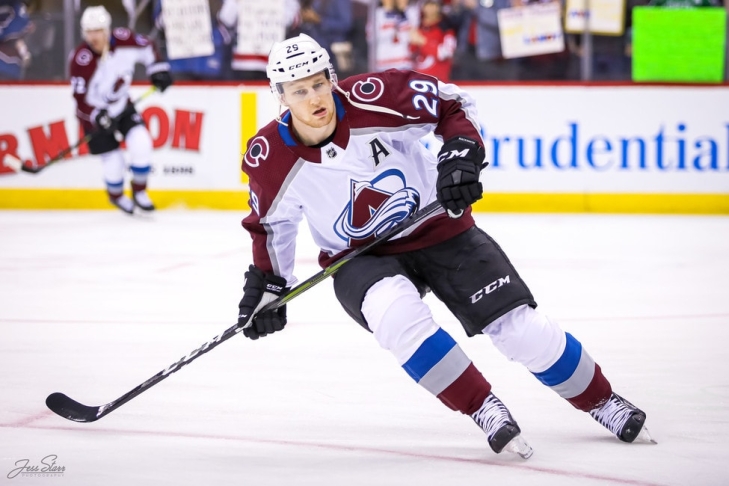
2. Mikko Rantanen, Colorado Avalanche. 97 Cup Points: 59 Games, 41 G, 31 A, 72 P, +7, 8.9 PS. (#4 on last update)
Rantanen climbs back up to the runner-up spot, but the gap between #1 and #2 has never been larger. He is also third in Goals (34) and fifth in Points (66).
3. (TIE) David Pastrnak, Boston Bruins. 96 Cup Points: 60 Games, 42 G, 38 A, 80 P, +27, 10.6 PS. (#2 on last update)
Pastrnak drops a spot, but is still having one of his best years to date. He currently is leading the NHL in Shots (285), is second in Goals (42) and fourth in Points (80).
3. (TIE) Nathan MacKinnon, Colorado Avalanche, 96 Cup Points: 48 Games, 24 G, 49 A, 73 P, +23, 8.4 PS. (#5 on last update)
MacKinnon is playing phenomenal hockey, and is the Avs are now the first team (taking over from Boston) to rank two players on a descending list. He is second in Points per Game (1.05).
5. Jack Hughes, New Jersey Devils. 92 Cup Points, 56 Games, 36 G, 38 A, 74 P, +13, 9.1 PS. (#3 on last update)
Hughes fell two spots to number #5, but the two-time All-Star is sixth in Goals (36), tenth in Points (74), and is the offensive leader of what has been a surprisingly good New Jersey squad.
6. Linus Ullmark, Boston Bruins. 91 Cup Points: 38 Games, 31-4-1, 1.88 GAA, .938 Save Percentage, 10.2 PS. (#5 on last update)
Ullmark is the odds-on favorite for the Vezina and is currently the league leader in Wins, GAA and Save Percentage.
7. Brayden Point, Tampa Bay Lightning. 88 Cup Points: 60 Games, 37 G, 33 A, 70 P, +3, 8.2 PS. (#9 on last update)
Point is having a good year, and is a point-per-game player, there are still quite a few players with higher point tallies than the Tampa Center. Saying that, Point has been the most clutch player for the Lightning, and a reason we love this process! He is currently fifth in Goals (37).
8. Brady Tkachuk, Ottawa Senators, 86 Cup Points: 60 Games, 26 G, 37 A, 63 P, -6, 7.0 PS. (#8 on last update)
The Senators continue to load up for the playoffs, despite being currently out of a spot. Tkachuk’s play is the main reason they are going for it, and he is only four Points away from matching last year’s total.
9. Jake Oettinger, Dallas Stars. 85 Cup Points: 46 Games, 25-8-10, 2.29 GAA, .923 Save Percentage, 9.8 PS. (#9 on last update)
In his third season, Oettinger is playing the best hockey of his life and is third in GAA and fourth in the NHL in Save Percentage.
10. Kirill Kaprizov, Minnesota Wild, 84 Cup Points: 61 Games, 37 G, 34 A, 71 P, +3, 8.8 PS. (Not on last update)
The Russian star returns to the top ten and is fifth in Goals (37)
Florida’s Matthew Tkachuk, fell off the top ten.
Our next update will occur when the first player breaks 140 Cup Points.
Proud to be Canadian: NFL Hall of Famers
There is a considerable history of Canadian players who have moved south to play in the world’s largest pigskin league, and these players have made waves at some of the top teams in the league. Even right now in the NFL, there are 25 players who have hailed from Canada and show up regularly in the league playing as nose tackles, cornerbacks, receivers and a number of other positions. As we look towards the biggest game of the American football season, and Canadian fans check out Bet99’s Super Bowl bet selection, we’re taking a look back into NFL history for some of the most prestigious Canadian NFL names.
Two Canadian players have achieved the biggest possible single-player accolade in the sport - entry into the NFL’s Hall of Fame. It seems certain that others will follow - maybe some of those currently playing in the league will make it once they have retired - but for now, we’re going to look at the two men who have climbed the ladder to the Valhalla of American gridiron achievement, and get an idea for why they have been recognised among the best to pull on a pair of cleats.
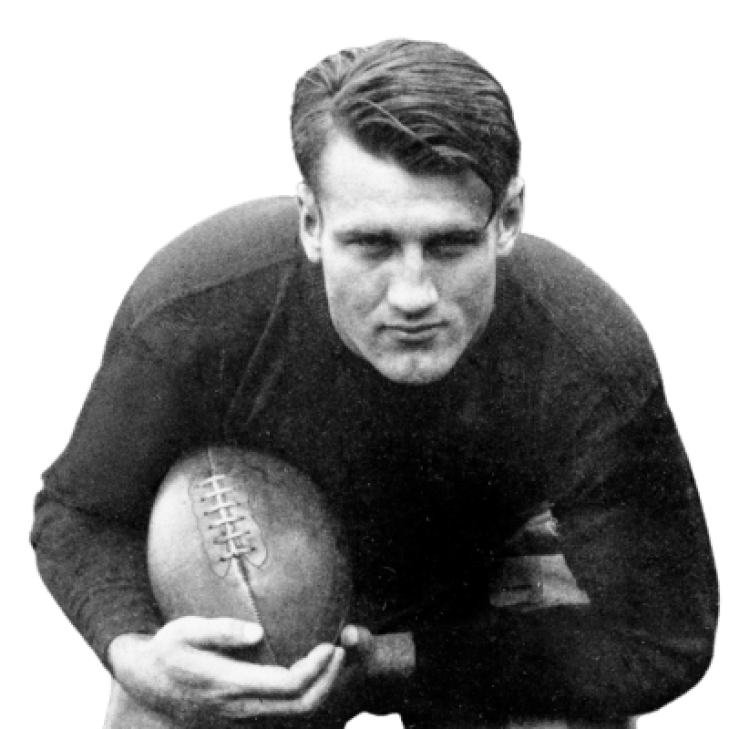
Bronco Nagurski
In recent years, outside of the occasional trick play, football stars have tended to specialise in a specific position, or at least limited their involvement to offensive or defensive play. Back in the day, when squads were smaller, it was not uncommon for players to do their thing on offense and then, when the ball went over to the other team, turn around and play defense. Nagurski was one such player. As a fullback for the Chicago Bears, he racked up more than 4000 yards total offense, threw seven touchdown passes, and then switched around to play as a defensive lineman. In that role, he was pretty much unblockable.
One story about Nagurski goes that he once carried for a touchdown against the Washington Redskins, shaking off two linebackers and watching two defensive backs bouncing off him on his way. He then bounced off the goalposts into a brick wall behind the endzone, and as he joined the huddle for the following PAT told his teammates “That last guy hit me awfully hard”. Maybe true, maybe not, but entirely believable about Nagurski.
Arnie Weinmeister
Saksatchewan native Weinmeister entered the American game in 1945, two years after Nagurski’s retirement. He played exclusively as a defensive tackle, first for the Brooklyn/NY Yankees of the All-America Football Conference, and then for the New York Giants before returning to Canada to play for the BC Lions for a couple of seasons. Across 71 NFL games, he recovered eight fumbles, and gained a fearsome reputation as a hand-in-the-dirt defensive lineman. Although his career span was a relatively short eight years, his impact on the game was enough to elect him to the HoF in 1984.
Standing at 6’ 4 in his playing days and weighing 235lb, Weinmeister was one of the biggest tackles playing the game at the time. This, allied to his incredible pace for a lineman and his ethos of always hitting the other guy first (and hardest) made him a force to be reckoned with at the highest level of the game.
