


Site Admin
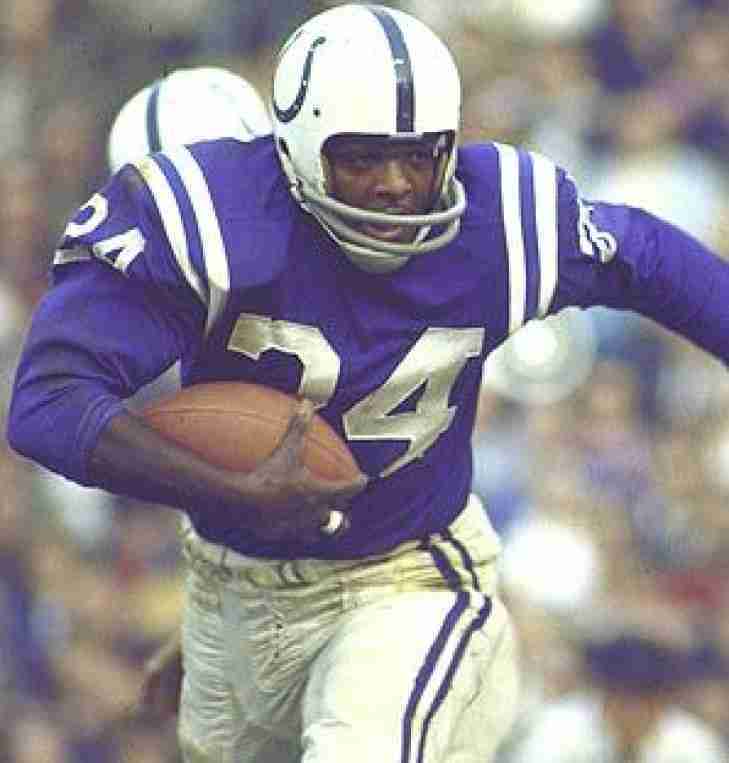
9. Lenny Moore
13. Dwight Freeney

When the Indianapolis Colts drafted Dwight Freeney 11th overall in 2002 out of Syracuse, few envisioned how completely his hyper-explosive edge-rushing style would transform the modern defensive end template. Tipping the scales at 6-foot-1 and 268 pounds, Freeney weaponized elite low pad level, blinding first-step speed, and a legendary, lightning-fast spin move that left opposing left tackles frozen in their tracks.
Freeney's arrival catalyzed Tony Dungy’s Tampa 2 defense, providing the relentless pass rush needed to turn early-game leads from Peyton Manning's offense into third-down passing situations. As a rookie in 2002, he burst onto the scene with 13.0 sacks and a league-leading nine forced fumbles. Two years later in 2004, Freeney captured the NFL sack crown with a career-high 16.0 sacks. Teaming up with Robert Mathis off the opposite edge, the duo formed one of the most feared sack-and-strip combinations in league history, constantly disrupting backfields and setting the gold standard for strip-sacks.
His disruptive edge pressure was key to the franchise's 2006 championship victory. Despite injuries during the postseason, Freeney recorded two sacks, including one in Super Bowl XLI against the Chicago Bears, helping Indianapolis win 29–17. A three-time First-Team AP All-Pro (2004, 2005, 2009) and seven-time Pro Bowl pick with the Colts, Freeney was a dominant force throughout the decade and earned a place on the NFL 2000s All-Decade Team.
After 11 stellar seasons in Indianapolis, Freeney extended his career with stints in San Diego, Arizona, Atlanta, Seattle, and Detroit. Inducted into the Indianapolis Colts Ring of Honor in 2019, his game-changing legacy was ultimately immortalized in Canton when he was enshrined in the Pro Football Hall of Fame in 2024.
For the shoe, Freeney accumulated 107.5 sacks, 316 combined tackles (274 solo, 42 assists), 112 tackles for loss, 44 forced fumbles, and three fumble recoveries.
270. Ilya Bryzgalov

Ilya Bryzgalov may never have been an All-Star, but there were a couple of seasons where the Russian was considered among the best netminders in the National Hockey League.
4. Jim Parker
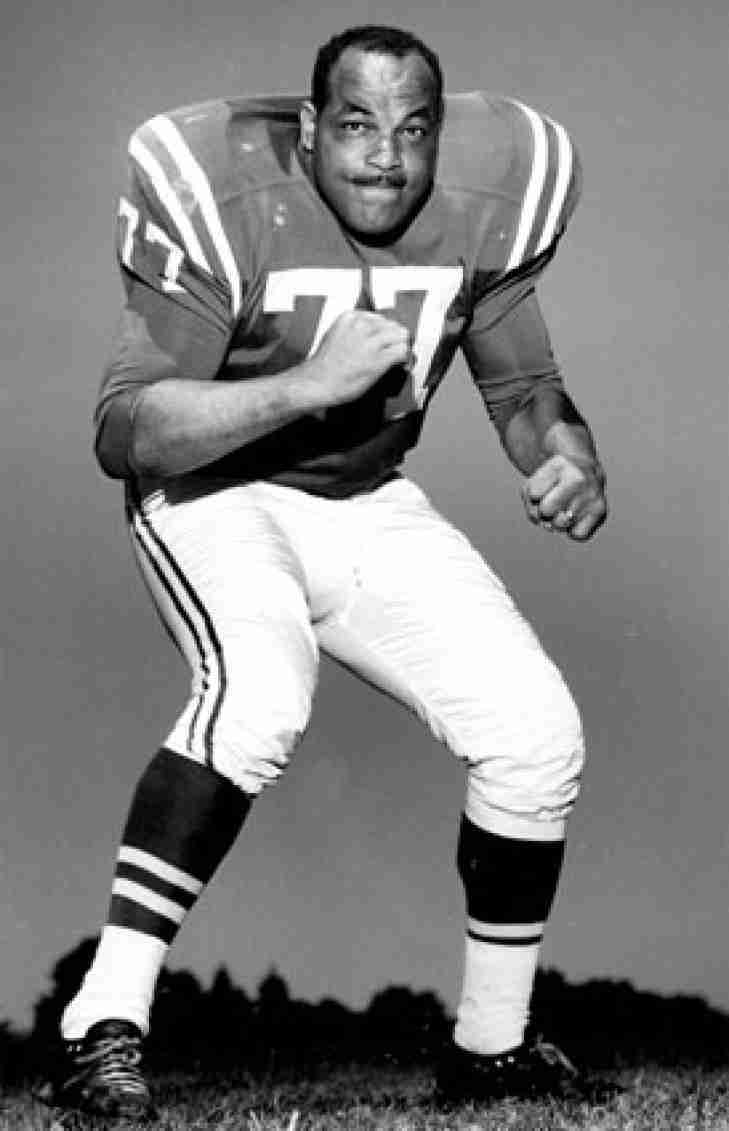
When the Baltimore Colts selected Jim Parker eighth overall from Ohio State in 1957, Woody Hayes lost his prized lineman, but Johnny Unitas gained a pivotal asset that would change pro football history. After winning the Outland Trophy and a national championship with the Buckeyes, Parker arrived in Maryland at 6-foot-3 and 273 pounds—a formidable powerhouse for his era who moved with the agility of a middleweight boxer.
Head coach Weeb Ewbank handed Parker a singular mandate: keep Johnny Unitas untouched. Parker executed that task with clinical perfection, transforming left tackle into an impenetrable fortress. Possessing exceptionally quick feet and wide, punishing hands, he routinely thwarted premier edge rushers, providing Unitas with the pristine pocket time necessary to revolutionize the NFL's passing offense.
After dominating at left tackle for five years, Parker seamlessly kicked inside to left guard in 1962, demonstrating extraordinary versatility without missing a beat. His pulling ability in the run game opened up massive lanes for Lenny Moore and Alan Ameche, giving the Colts a balanced, punishing attack to complement their vertical passing scheme.
His peak years yielded an unmatched run of individual brilliance. From 1958 through 1965, Parker was selected as a First-Team All-Pro for eight consecutive seasons—four times as a tackle and four times as a guard—while earning eight straight Pro Bowl nods. He served as the primary physical anchor for back-to-back world championship teams in 1958 and 1959, including an iconic performance in "The Greatest Game Ever Played."
After retiring following the 1967 campaign, Parker became the first player in NFL history elected to the Pro Football Hall of Fame based exclusively on his achievements as an offensive lineman, earning first-ballot enshrinement in 1973. A member of the NFL 1950s All-Decade Team, 75th Anniversary All-Time Team, and 100th Anniversary All-Time Team, Parker was inducted into the Colts Ring of Honor as a true titan of the game.
