


Site Admin
31. Gary Gaetti
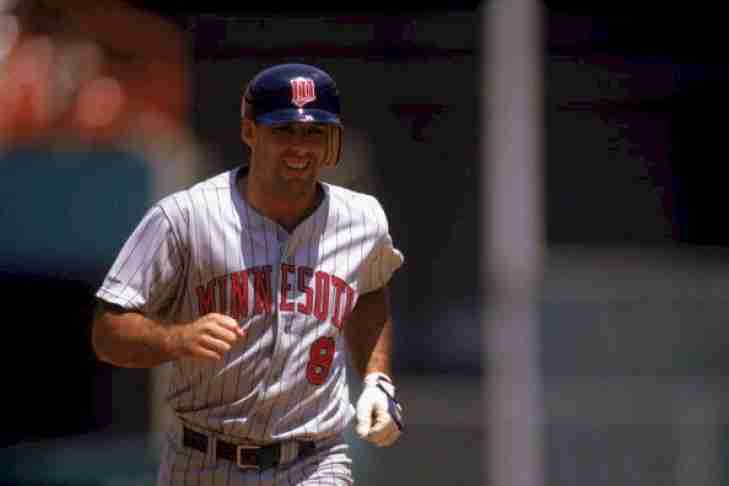
Gary Gaetti first made his mark in Minnesota in 1981, a high-intensity third baseman who became a cornerstone of the Metrodome era.
During the legendary 1987 championship run, he made a lasting impact on franchise history. In the American League Championship Series against Detroit, he hit home runs in his first two at-bats, earning him the ALCS MVP award. This electrifying start helped the Twins secure their first World Series title since relocating to Minnesota. A consistent professional, he achieved 20 home runs in six seasons for the team, demonstrating that his power at bat was as dependable as his defensive skills.
Beyond his offensive power, Gaetti reached a peak of defensive mastery in the mid-1980s. He demonstrated remarkable consistency by winning four straight Gold Glove Awards from 1986 to 1989. He displayed complete control of the infield, finishing in the top ten of MVP voting twice (1986 and 1988) and earning two All-Star selections. He left the organization with 201 home runs, a record that still stands at the top of the franchise’s all-time list for third basemen.
Gaetti played with Minnesota until he left for the Angels in free agency after the 1990 season. The Twins inducted Gaetti into their Hall of Fame in 2008.
30. Cesar Tovar
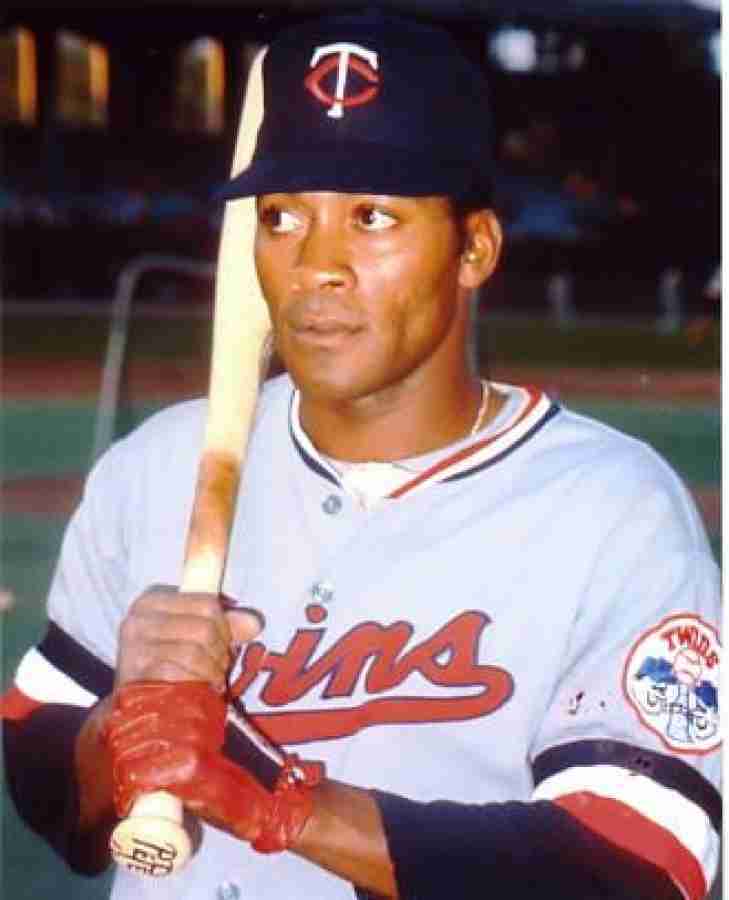
Cesar Tovar emerged as the ultimate Swiss Army knife for Minnesota in 1965, a high-energy talent from Venezuela who redefined positional flexibility. Although he lacked a single defensive home, he served as the spark plug for the great Twins teams of the late 1960s and early 1970s.
On September 22, 1968, he became only the second MLB player to play all nine positions in one game, showcasing his versatility. He contributed to the Twins’ division titles in 1969 and 1970. Tovar achieved a historic offensive streak, with at least 150 hits annually from 1967 to 1971. His peak was 1971, when he led the American League with 204 hits and in triples. Despite being a consistent lead-off hitter and receiving MVP votes for five years, he was never an All-Star, an unusual omission in franchise history.
Following the 1972 season, Tovar was traded to the Philadelphia Phillies. His legacy within the organization was finalized in 2022 when he was inducted into the Minnesota Twins Hall of Fame. With Minnesota, Tovar batted .281 with 1,164 Hits and 186 Stolen Bases,
29. Justin Morneau
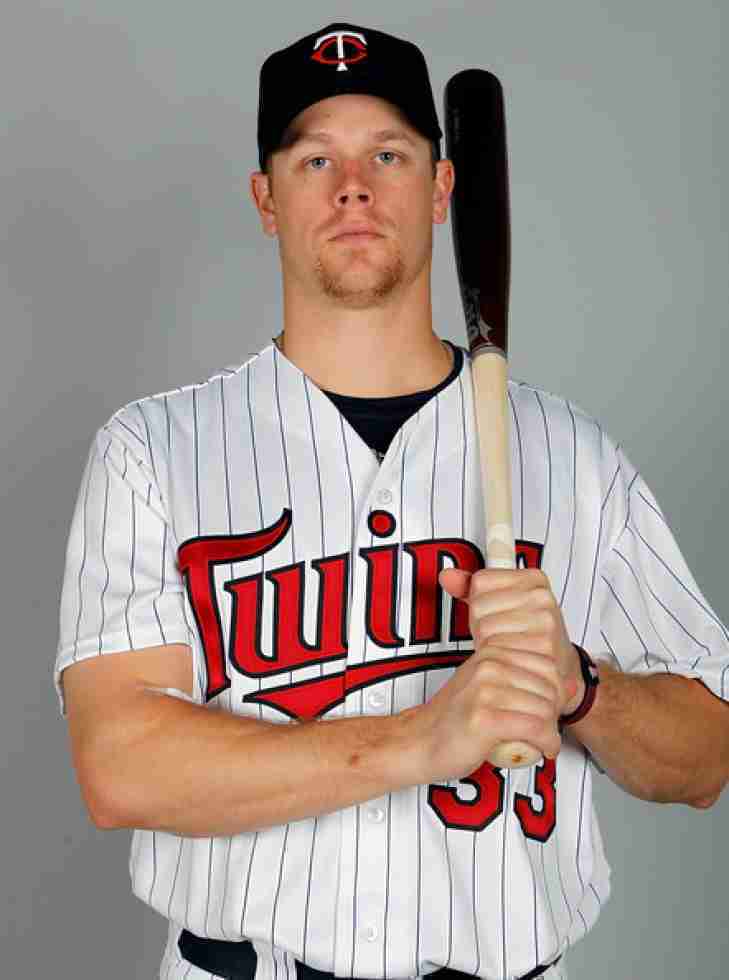
Justin Morneau took his first swings for Minnesota in 2002, a powerful left-handed first baseman from British Columbia who became a central figure in the franchise’s most successful era of the new millennium. Alongside Joe Mauer and Johan Santana, he formed a "Big Three" that kept the Twins at the summit of the American League Central for much of the 2000s.
Morneau made his debut for the Twins in 2002 and became their primary First Baseman by 2004. His career was marked by an exceptional offensive performance that peaked in 2006, a season in which he hit .321 with 34 home runs and 130 RBIs. His clutch ability to produce RBIs in critical moments earned him the American League MVP award, making him the first Twin to achieve this honor in over three decades. He continued to excel in 2008, finishing as the MVP runner-up, demonstrating that his power was a key element of a championship-quality team.
Between 2005 and 2008, Morneau was the picture of consistency, posting a four-year run in which he reached 100 RBIs every season, belted at least 23 home runs, and maintained a slugging percentage of .490 or higher. This sustained excellence earned him four consecutive All-Star selections, during which he also won the 2008 Home Run Derby.
As Morneau declined from 2011 on, he became expendable, and the then-struggling Twins traded him to Pittsburgh during the 2012 Season. With Minnesota, Morneau batted .278 with 1,318 Hits and 221 Home Runs.
Morneau entered the Twins Hall of Fame in 2020.
23. Cecil Travis
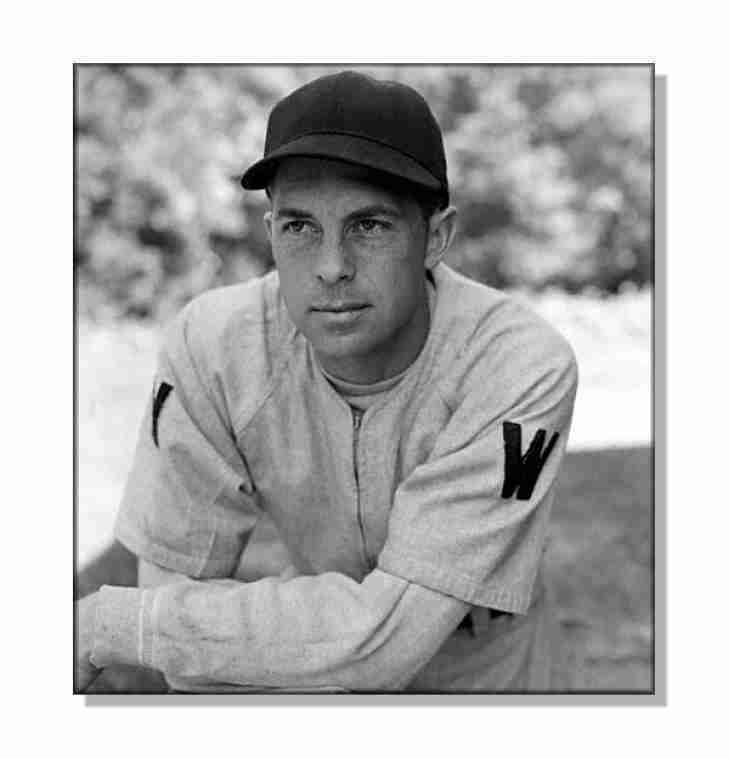
Cecil Travis first stepped onto the Griffith Stadium grass in May 1933, a nineteen-year-old left-handed-hitting shortstop whose pure contact ability suggested a trajectory toward the absolute summit of the game's greats. While he is often cited as one of the most significant "what-ifs" in baseball history because of his military service, he was a premier offensive force for the Senators throughout the 1930s.
In his 1933 debut, Travis authored a masterful introduction, recording five hits in his first game, a feat that signaled his status as an elite contact hitter. He remained a professional mainstay throughout the rest of the 1930s, proving that his specialized, spray-hitting approach was a cornerstone of the Washington offense. Between 1934 and 1940, he reached a peak of consistency, batting over .300 in six of those seven campaigns. During this peak, he showcased total command of the strike zone, famously recording more than 150 hits in five different seasons and earning his first All-Star selection in 1938.
Travis reached a new peak of individual recognition as he entered the 1941 season, authoring a masterpiece of a campaign in which he led the American League with 218 hits and a staggering .359 batting average. He finished sixth in the MVP voting and earned his third All-Star selection. He was a professional mainstay whose high-voltage production made him a giant among AL shortstops; however, the United States' entry into World War II changed everything.
While stationed in Europe during World War II, Travis suffered severe frostbite that necessitated a specialized operation to prevent the amputation of his feet. When he returned to the Senators in 1945, he reached a plateau of physical limitation; the high-velocity agility and timing that had defined his early career were gone. He fought to stay in the game as much as he could, but it was over after the 1947 campaign.
Still, his overall career saw him accumulate 1,544 hits, and he holds the distinction of having the highest career batting average among shortstops.
