


Site Admin
47. Earl Battey
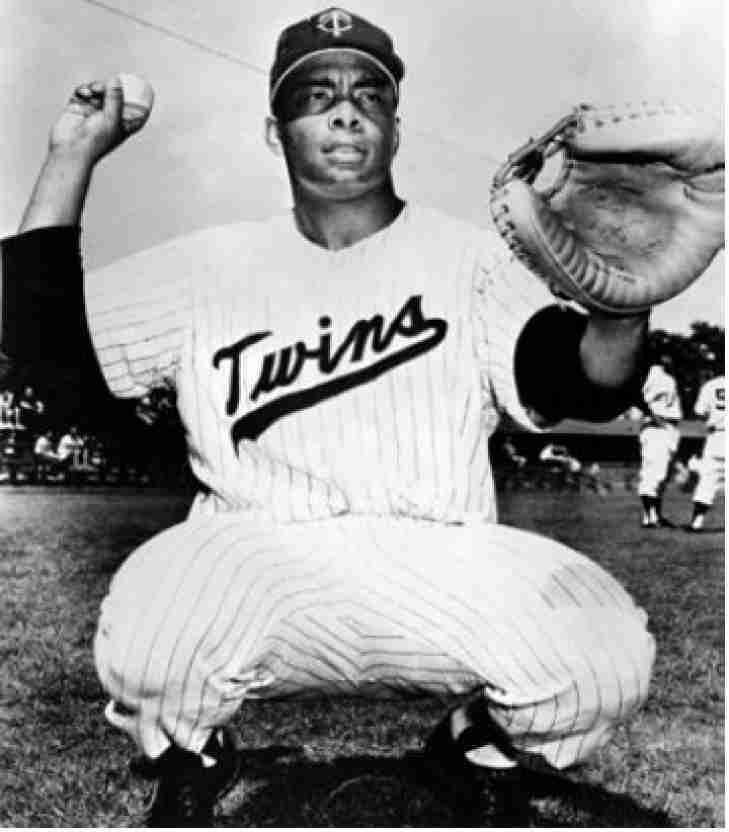
Earl Battey joined the organization in April 1960 through a pivotal, high-leverage trade that sent former home run champion Roy Sievers to the Chicago White Sox in exchange for Battey, Don Mincher, and cash. The Senators’ fans did not see much reason to celebrate Battey's arrival, but that would change soon.
Battey won three straight Gold Glove Awards from 1960 to 1962, becoming the top defensive catcher in the American League. He excelled at controlling the running game, leading catchers in runners caught stealing three times and caught stealing percentage twice, including a remarkable 58.6%. From 1960 to 1963, he led in putouts and assists, showing his durability for the pitching staff.
Battey, known for his glove, reached a historic offensive peak, making him a dual-threat. In 1963, he hit 26 home runs and drove in 84 RBIs. His steady bat and leadership earned four All-Star selections and top-ten MVP finishes in 1960, 1963, and 1965. Over eight seasons, he had 894 hits and 91 home runs, remaining a key hitter despite injuries. Battey was released after the 1967 season.
The Twins rewarded Battey for his service by inducting him into their Hall of Fame in 2004.
37. George Case
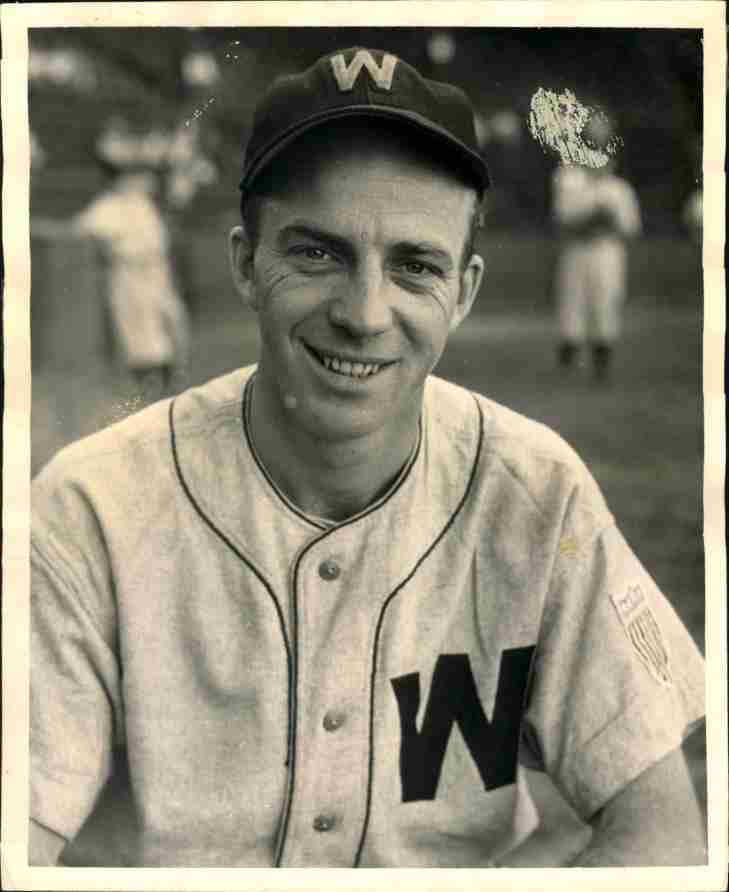
George Case burst into the Washington lineup in 1937, a fleet-footed outfielder who utilized game-breaking speed to become the most disruptive force in the American League. While the era was defined by lumbering power, Case operated as a high-velocity throwback to the "dead ball" style of play, weaponizing his legs to ignite the Senators' offense.
From 1939 to 1943, there was no doubt who the game’s best stealer was. During this high-voltage five-year stretch, Case reached a historic plateau by leading the American League in stolen bases five years in a row. Peaking at 61 in 1943, Case was a master at putting pressure on opposing batteries. He was a professional mainstay at the top of the order who authored four campaigns with over 100 runs scored,
He was selected for the All-Star team three times (1943, 1944, 1946) and recorded three seasons with a batting average over .300. In 1945, his role as a key hitter in the lineup reached a historic level, batting .294 and leading the league in stolen bases for the sixth time. That year marked the height of his MVP consideration, finishing ninth in the voting, and demonstrated how his high-energy style was crucial to a team that narrowly missed the pennant by one game. He was traded to Cleveland after the season, though he returned a year later for one final season.
Case collected 1,306 hits, 321 stolen bases, with a .288 batting average
45. Jim Shaw
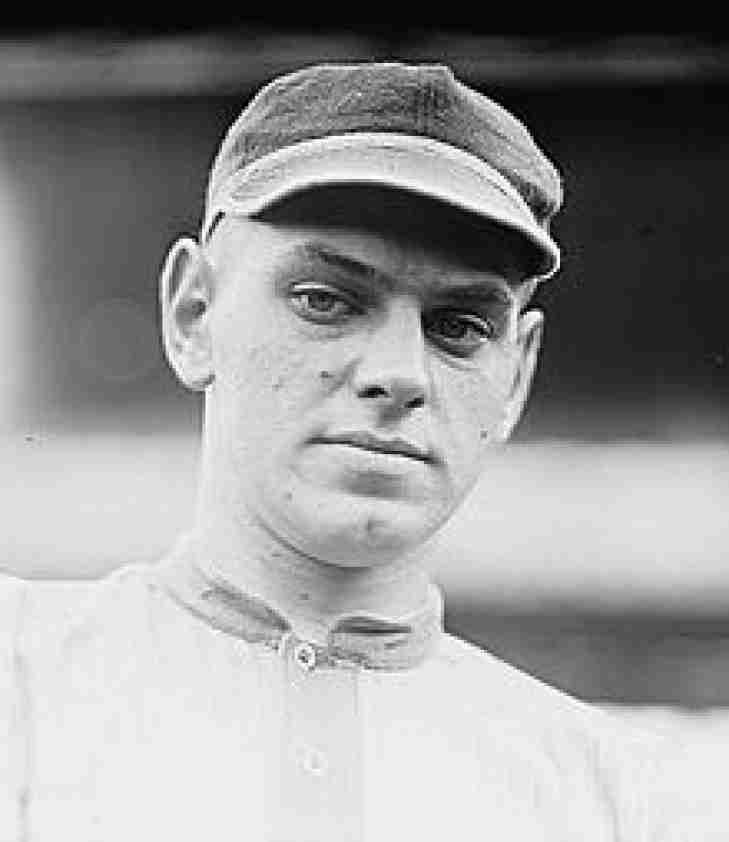
Jim Shaw debuted at National Park in 1913 as a durable right-hander who spent his entire nine-year MLB career with Washington. Playing under Walter Johnson's shadow, Shaw was a key workhorse for the Senators during the late dead-ball era. Although often under-supported, resulting in an 84-98 record, he was a highly effective frontline pitcher known for his heavy workload and intense style, earning respect across the American League.
Shaw’s tenure was marked by a max-effort style that gave him a distinctive reputation. He vocalized his exertion on the mound, earning the nickname "Grunting Jim" for groaning with each delivery. This high-intensity approach led to excellent results, with a fastball that ranked in the top ten in strikeouts in 1914, 1916, 1917, and 1919, confusing hitters with his velocity and volume.
In 1919, Shaw’s campaign was the main driver of Washington's rotation. He led the American League in innings(306.2) and starts (37), with 17 wins and a 2.64 ERA. A reliable mainstay, he provided depth, pitching over 240 innings in four seasons and proving he could handle a frontline role when needed.
Following the 1921 season, when arm fatigue began to take its toll, his nine-year run as a "Lifer" for the original franchise came to an end.
42. Roy Sievers
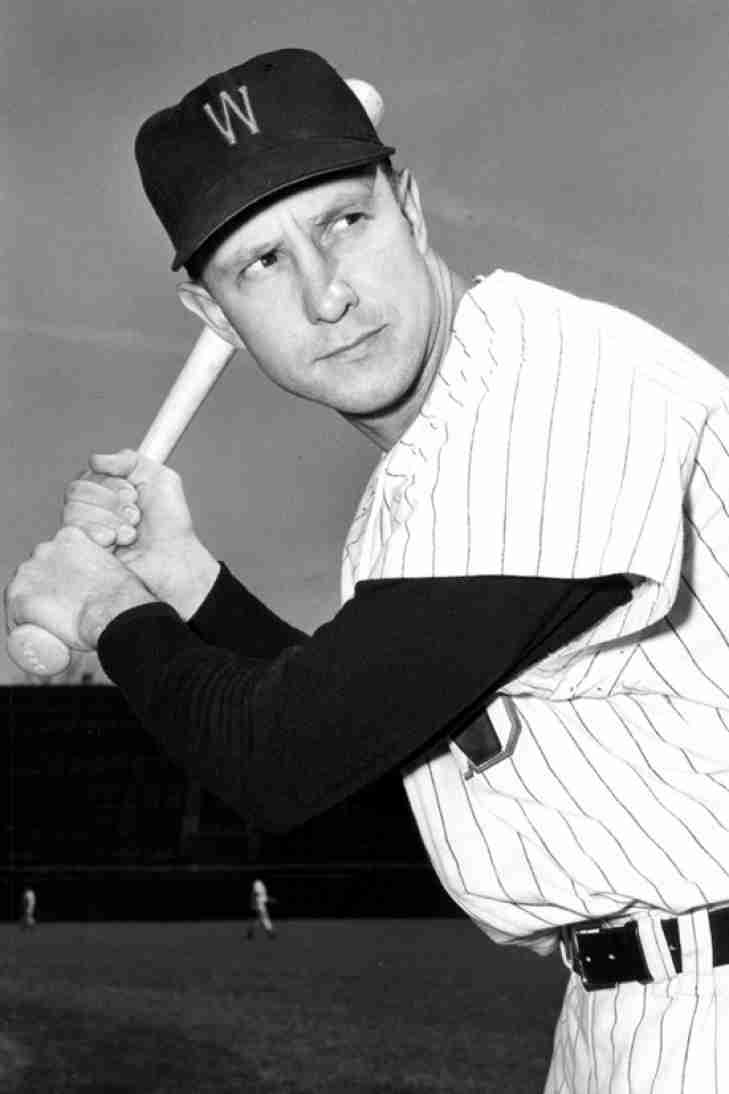
Roy Sievers arrived in Washington in February 1954 via a trade with the Baltimore Orioles, who had recently moved from St. Louis, in exchange for outfielder Gil Coan. The Orioles thought Sievers' arm was worn out after several injury-ridden seasons, but the change of environment turned out to be a pivotal moment in his career. Playing for the consistently struggling Senators during the 1950s, he became the team's main offensive weapon, competing with the league's top sluggers even though he spent half his games in the large Griffith Stadium.
Senators manager Bucky Harris inserted Sievers into the lineup despite his throwing limitations, and he responded by becoming a key power hitter in the team's middle order. He quickly established himself as a top power threat in the American League, recording five straight seasons with at least 95 RBIs and making the top five in home runs in the league three times.
In 1957, Sievers captured the American League Home Run title (42) and the RBI crown (114) while leading the league in total bases and extra-base hits. His ability to carry the Washington offense earned him a third-place finish in the AL MVP voting, trailing only Mickey Mantle and Ted Williams in one of the most competitive races of the decade. After the 1959 season, Sievers was dealt to the Chicago White Sox.
Throughout his six-season tenure with the original Senators, Sievers was named to three All-Star teams (1956, 1957, and 1959) and smashed 180 home runs alongside 823 hits.
