


Committee Chairman
38. Terry Metcalf
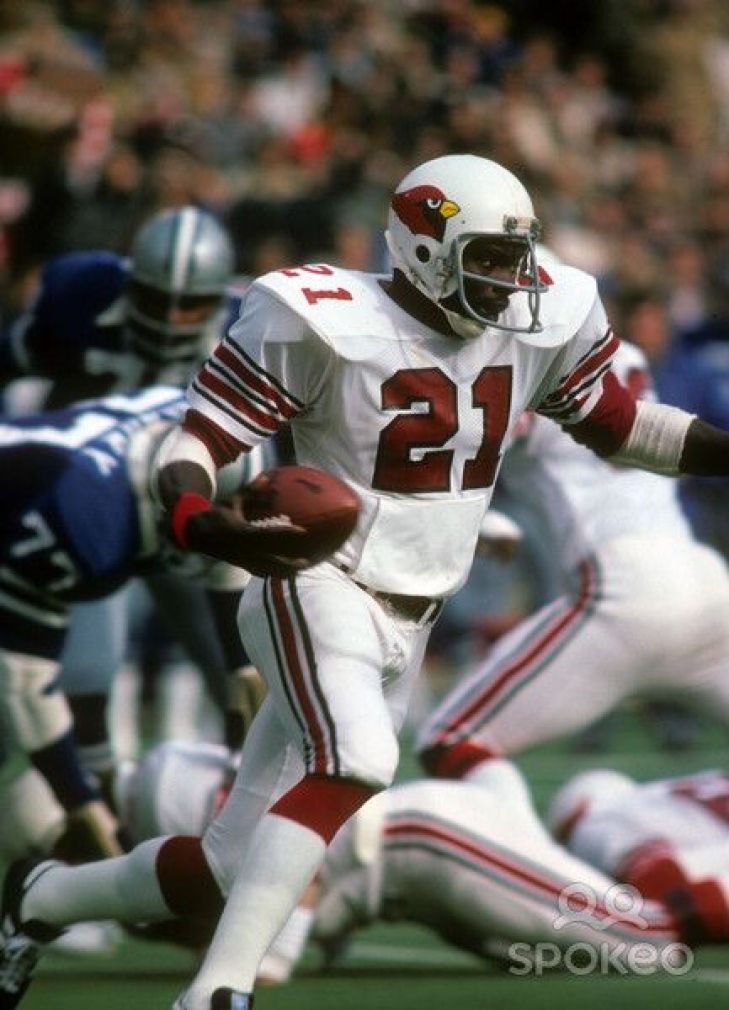
Long Beach State was hardly known as a hotbed for NFL superstars, but when the St. Louis Cardinals selected Terry Metcalf in the third round of the 1973 NFL Draft, they landed one of the most explosive, dynamic playmakers in football history. Nicknamed "The Franchise," Metcalf arrived in St. Louis and immediately revolutionized the all-purpose running back role under head coach Don Coryell.
Metcalf depended on his quick lateral movements, explosive speed, and a distinctive jump-cut running style that made him almost impossible to stop in the open field. He was a versatile threat before the term was even common, lining up in the backfield, playing wide receiver, and always poised to score on kickoff or punt returns.
After making brief appearances as a rookie in 1973, Metcalf dramatically improved in 1974, accumulating over 2,000 all-purpose yards. He averaged an impressive 31.2 yards per kickoff return and 13.1 yards per punt return. His outstanding performance earned him his first Pro Bowl selection and a second-place finish for the NFL Most Valuable Player award.
His 1975 campaign was his masterpiece. Metcalf set an NFL single-season record with 2,462 all-purpose yards over a 14-game season, a remarkable achievement that included 816 rushing yards, 378 receiving yards, 960 kickoff return yards, and 285 punt return yards. He scored 13 total touchdowns, including a pass, a run, a catch, a punt return, and a kickoff return, finishing third in NFL MVP voting and earning his second Pro Bowl selection. His 2,462 all-purpose yards that year remained an NFL record for nearly a decade, highlighting an exceptional workload in rushing, receiving, and returning.
However, Metcalf’s dynamic playing style was marred by a significant weakness: ball security. His tendency to carry the ball loosely in the open field led to a high number of fumbles, with him leading the league twice: 14 fumbles in 1974 and 15 in 1976.
Following his third Pro Bowl selection in 1977, contractual disputes and frustration with the local fanbase led Metcalf to make a shockwave decision: he jumped to the Canadian Football League, signing a lucrative deal with the Toronto Argonauts in 1978. Though his NFL peak was brief, his five years in St. Louis produced 9,048 all-purpose yards and 36 total touchdowns.
Pit Stop to Peace: Your Guide to the Best Kratom Vendor for NASCAR Fans

Welcome to the fast-paced world of NASCAR, where adrenaline runs high, and the roar of engines fills the air. For many NASCAR enthusiasts, the thrilling races are more than just a spectator sport – they're a way of life.
And to keep up with the intensity of NASCAR events, you need the right energy and focus. That's where kratom comes into play. This guide'll steer you toward the best kratom vendor to help you enhance your NASCAR experience.
The Need for Energy and Focus
NASCAR races are known for their non-stop action, with drivers navigating high-speed turns and making split-second decisions. Whether watching the race from the stands or tuning in from home, staying energized and focused throughout the event is crucial to enjoy the experience fully.
Kratom, a natural herbal supplement, has gained popularity among NASCAR fans for its potential to boost energy and improve concentration. Derived from the leaves of the Mitragyna speciosa tree, kratom contains alkaloids that can stimulate the mind and body, helping you stay alert and engaged during the race.
Choosing the Best Kratom Vendor
When it comes to finding the best kratom vendor for your NASCAR adventures, there are several factors to consider:
Quality and Purity
The first and foremost consideration should be the quality and purity of the kratom products offered by the vendor. Look for a vendor that sources their kratom from reputable suppliers and conducts rigorous testing to ensure the absence of contaminants. High-quality kratom is more likely to deliver the desired effects safely and effectively.
Variety of Strains
Kratom comes in various strains, each with its unique properties and effects. Some strains are more energizing, while others are better suited for relaxation. A reliable vendor should offer a variety of strains, allowing you to choose the one that aligns with your specific needs for a NASCAR event.
Transparent Lab Testing
A trustworthy kratom vendor should be transparent about their lab testing practices. They should provide detailed information about the testing process and make the results accessible to customers. This transparency ensures that you're getting a safe and pure product.
Customer Reviews and Reputation
Before making a purchase, take the time to read customer reviews and assess the vendor's reputation. Positive reviews and a strong track record indicate that the vendor has satisfied customers and provides quality products.
The Kratom Experience: Dosage and Consumption Methods
Now that you've found the best kratom vendor to enhance your NASCAR experience, it's essential to understand the right dosage and consumption methods for maximum benefit and safety. Kratom comes in various forms, including powder, capsules, and extracts, and the appropriate dosage can vary based on your goals and tolerance.
Determining the right dosage is crucial because too much kratom can lead to unwanted side effects, while too little may not provide the energy and focus you desire. It's essential to start with a lower dose, especially if you're new to kratom, and gradually increase it until you achieve the desired effects.
Kratom consumption methods also play a role in how quickly and effectively the effects kick in. While some NASCAR fans prefer to mix kratom powder with water or juice and drink it, others opt for kratom capsules for a more convenient and discreet experience. Understanding the pros and cons of each method will help you make an informed choice.
Staying Safe: Kratom Precautions for NASCAR Enthusiasts
While kratom can offer numerous benefits, it's essential to use it responsibly, especially when combining it with high-energy events like NASCAR races. To ensure your safety and enjoyment, consider the following precautions:
1. Stay Hydrated: NASCAR events can be physically demanding, with hours of excitement under the sun. Kratom may cause dehydration as a side effect, so drink plenty of water throughout the race day to stay hydrated.
2. Mind the Dosage: Stick to your chosen kratom dosage and avoid the temptation to take more during the event. Overconsumption can lead to dizziness or nausea, which can damage your NASCAR experience.
3. Plan Ahead: Timing is crucial when using kratom for NASCAR. Take it at least 30-45 minutes before the race starts to allow for the effects to kick in gradually. This way, you'll be in peak condition when the race action begins.
4. Listen to Your Body: Pay attention to your body's signals. If you start feeling uncomfortable or experiencing any adverse effects, take a break and find a cool, shaded area to relax.
5. Know the Laws: Familiarize yourself with kratom's legal status in your area and at the NASCAR event you plan to attend. Laws regarding kratom can vary, and it's essential to abide by local regulations.
Enhancing the Experience: Combining Kratom with NASCAR Tradition
NASCAR races are known for their rich traditions, from tailgating to cheering on your favorite drivers. Incorporating kratom into these traditions can enhance your overall NASCAR experience. Here are some creative ways to combine the benefits of kratom with NASCAR traditions:
1. Kratom Tailgate: Consider organizing a kratom-themed tailgate party before the race. Share your favorite kratom strains with friends and fellow fans while enjoying classic NASCAR snacks and beverages.
2. Stay Engaged: Kratom can improve your focus and concentration, making following the race's action easier. Use this enhanced focus to engage in discussions with other fans, analyze race strategies, and fully immerse yourself in the NASCAR experience.
3. Post-Race Relaxation: After the race concludes, wind down with a relaxing cup of kratom tea. This can be a perfect way to reflect on the day's events and celebrate your favorite driver's performance.
Incorporating kratom responsibly into your NASCAR traditions can elevate your race day experience while staying safe and mindful of your surroundings. Remember that the key is moderation and awareness, ensuring that kratom enhances your enjoyment of NASCAR events.
Conclusion
In the thrilling world of NASCAR, having the right energy and focus can make a difference in your enjoyment of the races. Kratom has become popular among fans looking for a natural energy boost and improved concentration, and PGH City Paper has an excellent list of the best brands.
As you explore the world of kratom, remember to prioritize quality, variety, transparency, and reputation when choosing a vendor.
By doing so, you'll be well-prepared to embark on your NASCAR journey with the energy and focus needed to immerse yourself in the excitement of the race fully. So, gear up, grab your kratom, and get ready for a pit stop to peace at your next NASCAR event!
Game-Changer: How Testosterone Boosters Elevate Athletic Performance in Football

Football, often referred to as "the beautiful game," is a sport that demands peak physical performance from its players. Whether it's sprinting down the field, making precision passes, or executing powerful tackles, football requires a combination of strength, endurance, and agility. To gain a competitive edge in this sport, many athletes turn to testosterone boosters.
These supplements have gained popularity for their potential to enhance muscle growth, stamina, and overall performance. In this article, we'll explore the science behind testosterone boosters, their benefits for football players, and considerations for their safe and effective use.
Understanding Testosterone
Testosterone is a natural hormone produced primarily in the testes of males and in smaller amounts in the ovaries of females. It plays a pivotal role in regulating various bodily functions, including muscle growth, bone density, and the development of secondary sexual characteristics. Testosterone is also linked to overall energy levels, mood, and cognitive function.
In the context of athletic performance, testosterone is of particular interest due to its anabolic (muscle-building) properties. Athletes, including football players, often seek ways to optimize their testosterone levels to enhance their physical abilities.
The Role of Testosterone Boosters
Testosterone boosters are dietary supplements designed to increase the body's production of testosterone naturally. They typically contain a blend of ingredients, such as vitamins, minerals, herbal extracts, and amino acids, that are believed to support testosterone synthesis or reduce factors that inhibit it.
While the effectiveness of testosterone boosters can vary among individuals, some studies suggest that they may help improve muscle mass, strength, and recovery time after intense physical activity. In football, where players require explosive power and endurance, these potential benefits can be game-changers.
Benefits for Football Players
Increased Muscle Mass: Testosterone boosters may promote muscle protein synthesis, leading to muscle growth and increased strength. Football players can benefit from enhanced power during tackles, sprints, and jumps.
Improved Recovery: Faster recovery between workouts and matches is crucial for football players. Testosterone boosters may help reduce muscle soreness and inflammation, allowing players to train more consistently.
Enhanced Endurance: Football matches can be physically demanding, often lasting 90 minutes or more. Testosterone boosters may improve stamina, enabling players to maintain high-intensity performance throughout the game.
Mental Focus: Testosterone has been linked to improved cognitive function, including focus and decision-making. Football players may benefit from enhanced mental clarity on the field.
Injury Prevention: Stronger muscles and bones, facilitated by optimal testosterone levels, can contribute to injury prevention. Football players may experience fewer injuries with improved overall strength.
Considerations for Use
While the potential benefits of testosterone boosters are enticing, it's essential for football players to approach their use with caution and responsibility. Here are some considerations:
Consultation: Before starting any supplement regimen, football players should consult with a healthcare professional, such as a sports physician or registered dietitian, to determine if testosterone boosters are appropriate for them.
Quality and Safety: Choose high-quality supplements from reputable manufacturers to ensure product safety and effectiveness. Look for products that have been tested by third-party organizations for quality assurance.
Dosage and Timing: Follow recommended dosage guidelines and timing instructions provided by the supplement manufacturer or a healthcare professional. Avoid exceeding the recommended dose.
Training and Nutrition: Testosterone boosters are most effective when combined with a comprehensive training program and a balanced diet. Football players should prioritize their overall health and fitness.
Legality: Some sports organizations, including football leagues, have regulations regarding the use of certain supplements. It's crucial to be aware of these rules to avoid potential sanctions.
Conclusion
In the fiercely competitive world of football, where every advantage matters, testosterone boosters have emerged as a potential tool to elevate athletic performance. These supplements offer the promise of increased muscle mass, improved endurance, and faster recovery times. If you want to know which supplements are the most effective, then discover them here.
However, their use should be approached with caution and under professional guidance. Football players looking to incorporate testosterone boosters into their regimen must prioritize safety, legality, and overall health. When used responsibly, testosterone boosters may indeed be the game-changers that help players reach their full potential on the field.
39. Bobby Joe Conrad
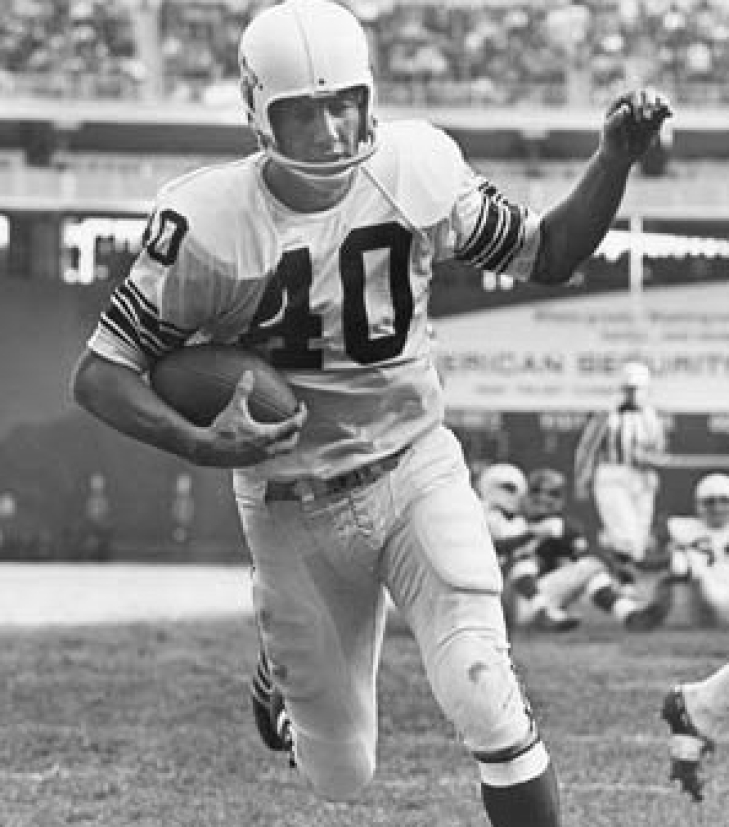
Long before positional versatility became a headlining trend, a fifth-round draft choice out of Texas A&M quietly became the ultimate utility knife for the Cardinals franchise. Drafted by the New York Giants in 1958 and traded to Chicago before ever playing a snap, Bobby Joe Conrad arrived without a set home on the depth chart. What followed was an 11-year run in a Big Red uniform defined by total adaptability, as Conrad transitioned seamlessly from defensive back to halfback, placekicker, and ultimately one of the premier flankers in professional football.
Conrad was not a runaway burner, but he possessed uncanny spatial awareness, soft hands, and crisp route precision. His football IQ allowed him to learn multiple playbooks on the fly: as a rookie in 1958, he picked off 4 passes as a defensive safety, took handoffs as a halfback over the next two seasons, handled placekicking duties, and eventually slid out to flanker in 1962.
Once locked in at receiver, Conrad hit an extraordinary peak alongside quarterback Charley Johnson. His 1963 season stood as a masterclass in possession efficiency: Conrad led the entire NFL with 73 receptions, generating 967 receiving yards and 10 touchdowns to earn First-Team All-Pro honors.
He backed that performance up in 1964 with 61 catches for 780 yards and 6 touchdowns, collecting his first career Pro Bowl invitation. Conrad added another stellar campaign in 1965, leading the team with 909 receiving yards. Across an eight-year span from 1961 to 1968, he established a remarkable franchise record by catching a pass in 101 consecutive games.
When Conrad departed St. Louis following the 1968 season, he left as the Cardinals' all-time leader in receptions with 418 catches, a benchmark that stood for two decades. After a final reserve campaign with the Dallas Cowboys in 1969, Conrad called it a career. In eleven seasons with the Cardinals, he compiled 418 receptions, 5,828 receiving yards, 38 receiving touchdowns, 14 field goals, and 7,633 all-purpose yards.
