


Committee Chairman
233. Will White
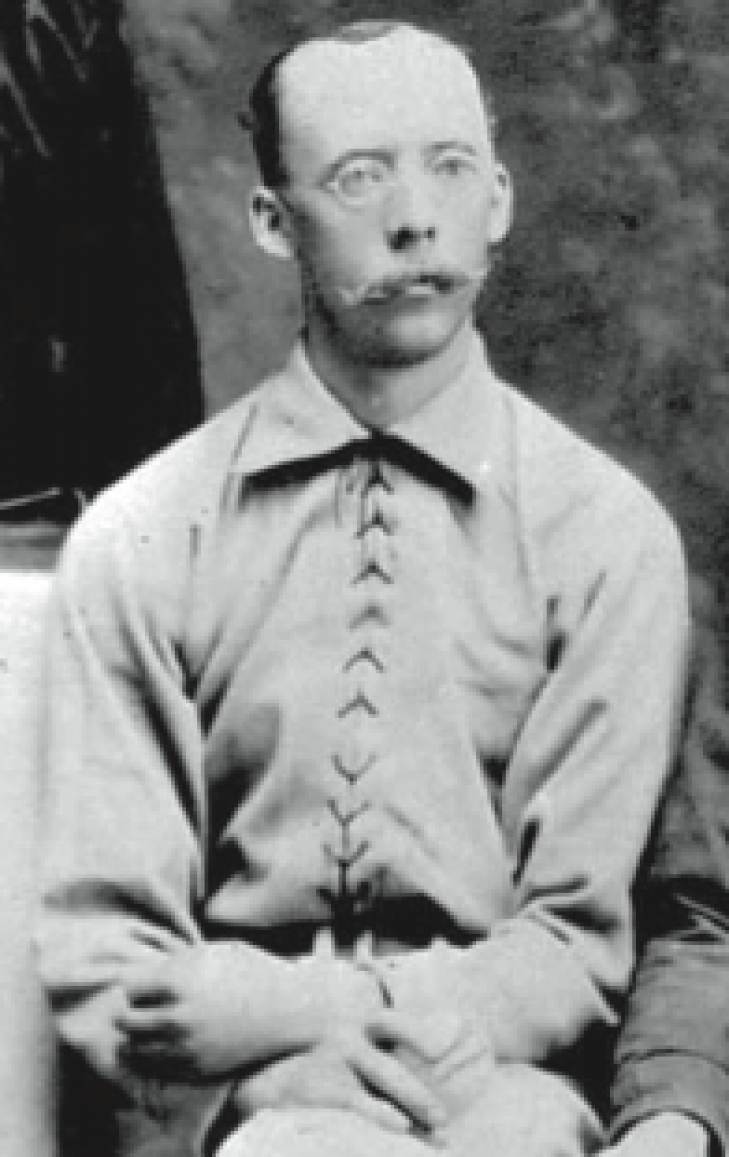
We are going to need a history lesson to start this one.
Will White was a member of the original Cincinnati Reds in the National League and played there for three seasons before the team was expelled from the NL after its owner refused to stop selling beer. White would sign with the Detroit Wolverines for a year but returned to Cincinnati when they got a team in the American Association in 1881 (Cincinnati Red Stockings). That team evolved into the Reds, and the original Reds are not part of the canon that is recognized by Major League Baseball, which is pretty interesting; well, we think so!
Got it?
Let’s move on!
As one of the first bespectacled players of note, White would promptly lead the AA in Wins in his first two seasons as a Red Stocking, which was also complemented by an ERA Title. White’s arm gave out in 1886, but he left with a nice record of 229-166, and as of this writing, he is in the top twenty all-time in ERA (2.28) and BB/9 (1.260).
274. Jose Rijo
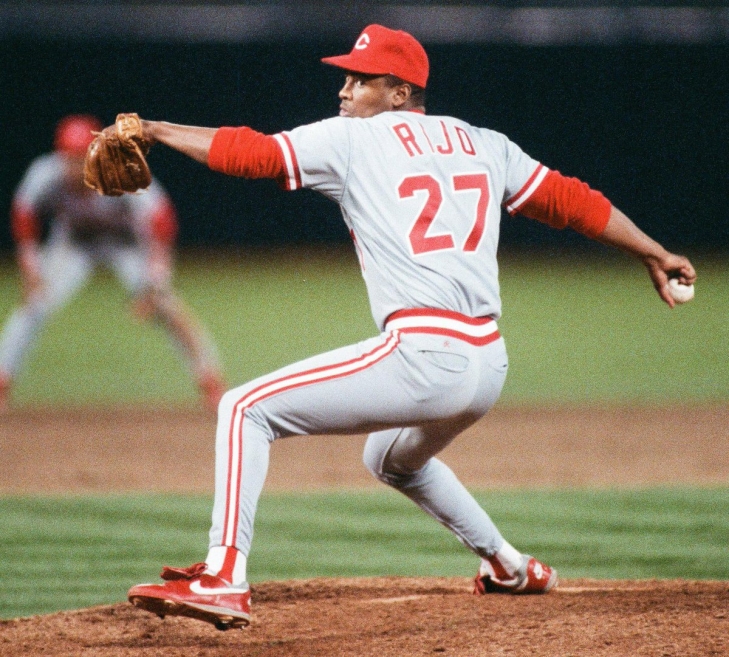
There was a lot of hype for years around Dominican Pitcher Jose Rijo, so much so that the New York Yankees (likely due to the owner, George Steinbrenner) rushed him into the majors at age 18. Rijo did not do well as a rookie, but what 18-year-old in the Majors does?
284. Darrell Porter
Should Darrell Porter be on this list? We think so, but a look at his overall statistics might make you feel otherwise.
222. Jimmy Ryan
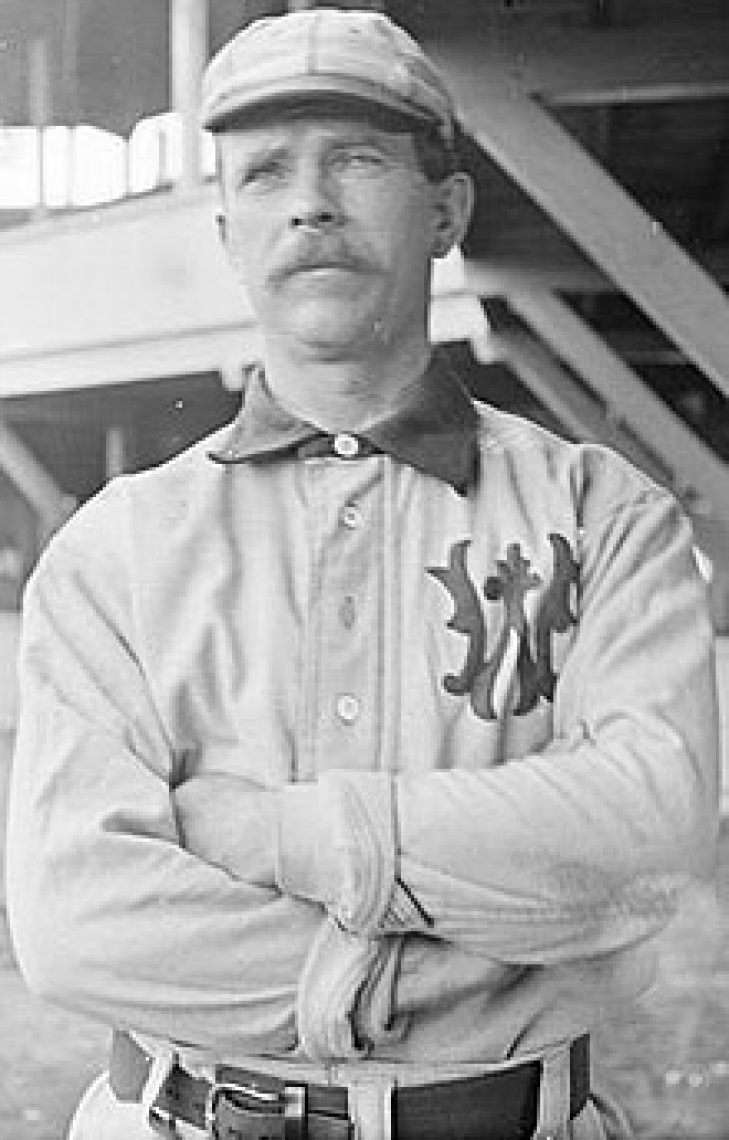
One of the early stars of Chicago baseball was Outfielder Jimmy Ryan, who played for the Cubs back when they were called the White Stockings and the Colts. Oh, and also when they were the Orphans. He was also with the Chicago Pirates of the Players’ League. Simply put, if you went to a professional baseball game in Chicago from 1885 to 1900, you saw Jimmy Ryan play.
Ryan was a consistent hitter throughout his career, and in this dead-ball era, he had quite a bit of power. The Outfielder led the National League in Home Runs in 1888 (16), and he was also the league-leader in Hits (182), Doubles (33), and Slugging Percentage (.515). Ryan batted .332 that year, and he would surpass the .300 mark nine other years. He was also very good on the basepaths, with Ryan swiping over 25 Bases nine times.
While we can't say that his overall stats scream a Hall of Famer, Ryan has 1,643 Runs, 2,513 Hits, and a lifetime Batting Average of .308. You would think he would at least have appeared on a ballot, but that never happened for Ryan. Maybe because he allegedly punched reporters (more than once), but writers never hold grudges over decades, do they?
