

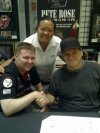
Committee Chairman
250. Paul O'Neill
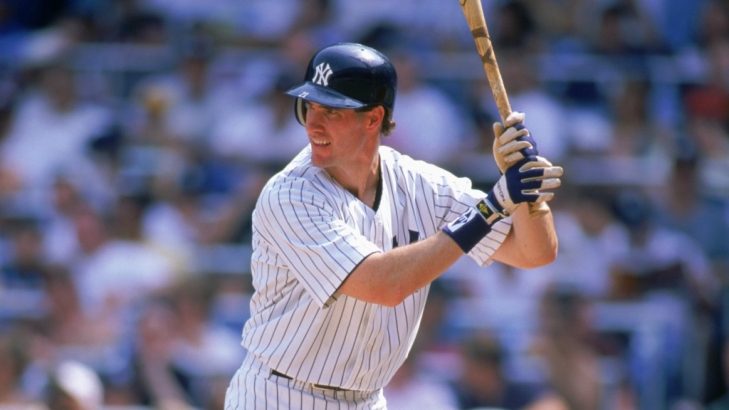
Paul O’Neill cut his teeth in the majors with the Cincinnati Reds, breaking in the bigs in 1985. Playing mostly in Rightfield, O'Neill became a starter in 1988, and he was a member of the Reds shocking 1990 World Series championship and was an All-Star in 1991. Following the 1992 Season, O'Neill was traded to the New York Yankees, and it was in pinstripes that he achieved his greatest fame and success.
229. Dick Groat
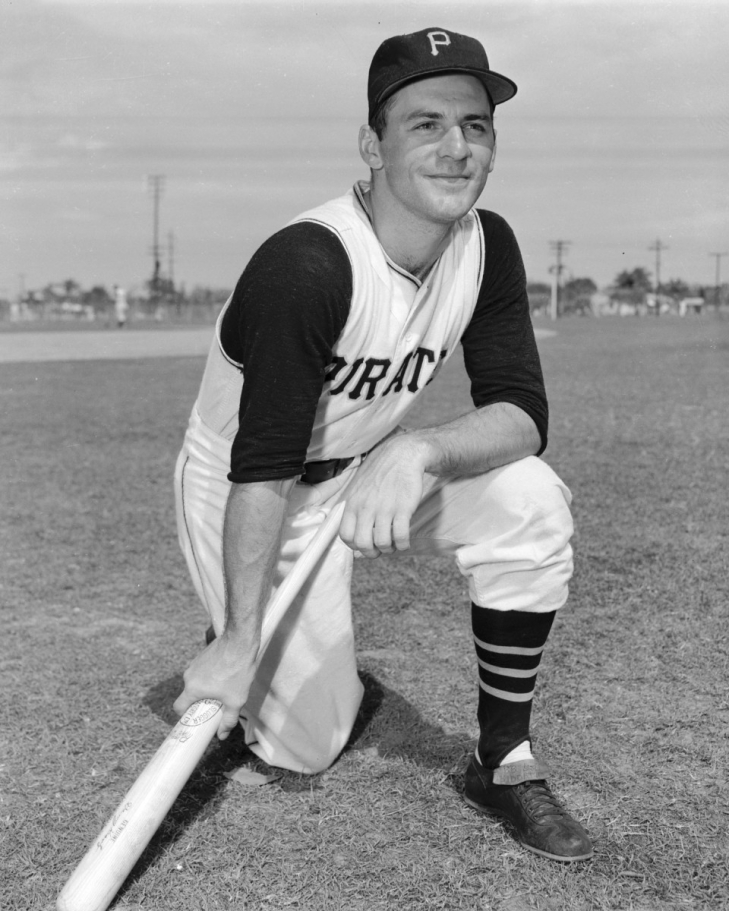
Dick Groat was one of the greatest college athletes ever at Duke University, where he was so good at both basketball and baseball that he is in both sports’ collegiate Halls of Fame. Professionally, Groat opted to play baseball…well, at first anyway.
Groat signed with the Pirates after his stint with the Blue Devils, and he went straight to the parent club rather than the minors. Groat was the second runner-up for the National League Rookie of the Year in 1952, but he missed all of 1953 and 1954 as he was in the military. The Shortstop returned in 1955, and he proved to be one of the best defensive infielders in the National League, finishing in the top ten in Defensive bWAR seven times. Groat was a decent enough hitter, batting at least .300 three times with the Pirates, including a .325 season in 1960, where he won the Batting Title, but that would not be all he captured that season.
1960 was a dream season for Groat, who was also named the National League MVP, and had career-highs not only in Batting Average but in On Base Percentage (.371). The Shortstop helped lead the Pirates to win the World Series that year, capping off Groat's ultimate year.
After the 1962 Season, Groat was traded to the St. Louis Cardinals, and in his first year there, he set a personal best with 201 Hits and 43 Doubles, which led the NL. He batted .319 that year and was second in MVP voting. After two more good years in St. Louis, he was traded to Philadelphia and would close his career in 1967 with a brief stint with the San Francisco Giants.
Groat would accumulate 2,138 Hits with a .286 lifetime Batting Average, and was an All-Star in five of his seasons, three with Pittsburgh and two with St. Louis.
Our All-Time Top 50 San Francisco 49ers have been revised to reflect the 2020 Season
Yes, we know that this is taking a while!
As many of you know, we here at Notinhalloffame.com are slowly generating the 50 of each major North American sports team. That being said, we have existing Top 50 lists out and we always consistently look to update them when we can and based on necessity. As such, we are very happy to present our pre-2021 revision of our top 50 San Francisco 49ers Team of all-time.
As for all of our top 50 players in football we look at the following:
1. Advanced Statistics.
2. Traditional statistics and how they finished in the NFL.
3. Playoff accomplishments.
4. Their overall impact on the team and other intangibles not reflected in a stat sheet.
We could have elected not to mention this at all, as no current 49ers made the Top 50, nor are there any current players on San Francisco who are in the Top 50. Nevertheless, we thought it worthwhile to mention that nothing has changed despite the conclusion of the 2020 season.
As always, we present the top five.
1. Jerry Rice
2. Joe Montana
3. Steve Young
4. Ronnie Lott
You can find the entire list here.
While they were no changes, stay tuned. We will have a lot of list revisions coming up that will!
We welcome your input and comments and as always, we thank you for your support.
224. Al Orth
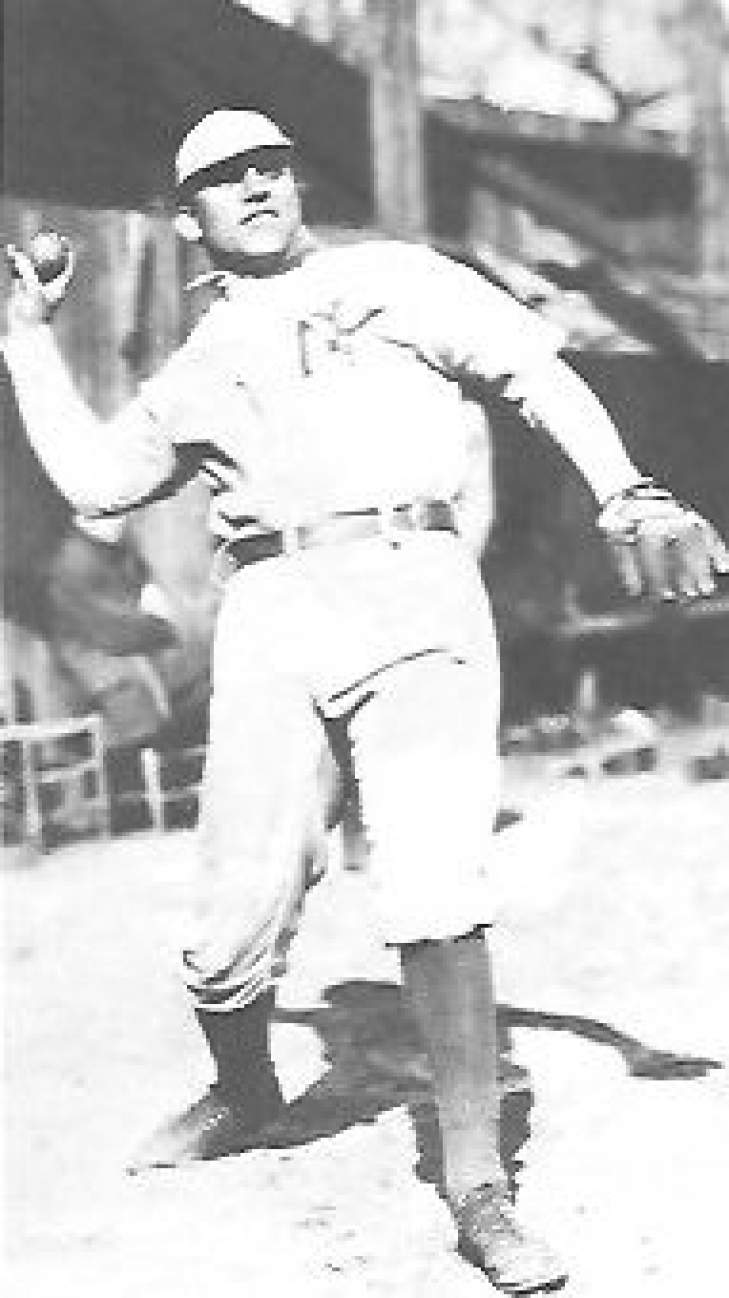
You could argue that Al Orth took a workmanlike approach to the craft of Pitching as he made the most of his control and ability to change speeds effortlessly.
